REVIEW · SIEM REAP
Private Tours Angkor Wat For 3 Days
Book on Viator →Operated by Private Angkor Wat Tour · Bookable on Viator
Angkor is different when you’re not rushing. This private 3-day Angkor Wat tour is designed to pack in the big-ticket temples plus quieter stops, with private transport and a guide who connects the carvings and layout to what you’re actually seeing.
I especially like the way the schedule moves through the Angkor complex in a smart order: you get that classic sunrise start, then you shift into South Gate, Bayon, and Ta Prohm before the day gets too hot.
You’ll also love the art-focused stops that many one-day plans skip, like Banteay Srei’s delicate pink-stone carvings. One possible drawback: the $240 price does not include the temple pass, and meals are also not included, so your true trip cost will be a bit higher than you expect at checkout.
In This Review
- Key highlights worth planning around
- Sunrise start at Angkor Wat: when the stones glow
- Angkor Thom South Gate, Bayon, and Ta Prohm: the day’s emotional arc
- Day 2’s pivot: from showpieces to refined carving craft
- Preah Khan, Neak Pean, and Pre Rup: the quieter trio with contrast
- Phnom Bakheng sunset: plan for golden light, not comfort
- Day 3’s slower side: Bakong and Preah Ko before lake life
- Kompong Phluk: what to expect from the lake village
- Guides, transport, and small comforts that matter on long days
- Price and what to budget on top of $240
- Who should book this 3-day plan, and who should think twice
- Quick booking advice: make it feel like your trip
- Should you book Private Angkor Wat for 3 Days?
- FAQ
- How long is the Private Angkor Wat tour?
- What time does the tour start?
- Is this a private tour or a group tour?
- Where does the tour start and end?
- What’s included in the tour price?
- Do I need to buy a temple pass?
- Are meals included (lunch or dinner)?
- Does the tour cover sunrise and sunset?
- Does the tour require good weather?
- What should I bring for comfort during the tour?
Key highlights worth planning around
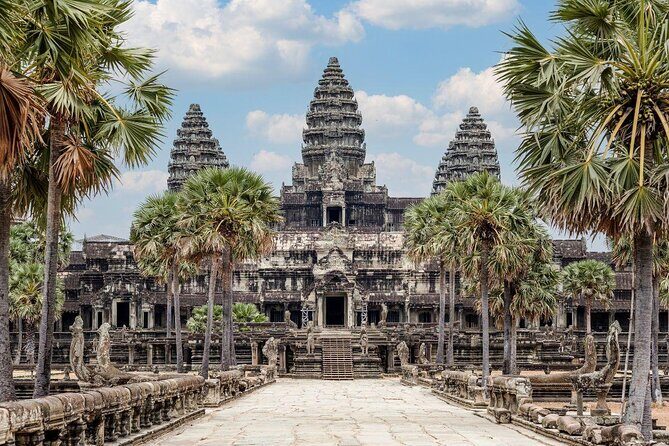
- Sunrise at Angkor Wat for the best light and calmer entry into the site
- Angkor Thom classics: South Gate and Bayon’s smiling faces
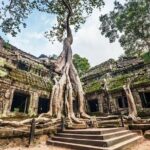
- Ta Prohm in the jungle where the stones feel framed by roots and shade
- Banteay Srei’s pink sandstone carvings built to reward slow looking
- Phnom Bakheng sunset to end the trip day with big views
- Kompong Phluk on Tonlé Sap for stilt-house lake life beyond temples
Sunrise start at Angkor Wat: when the stones glow
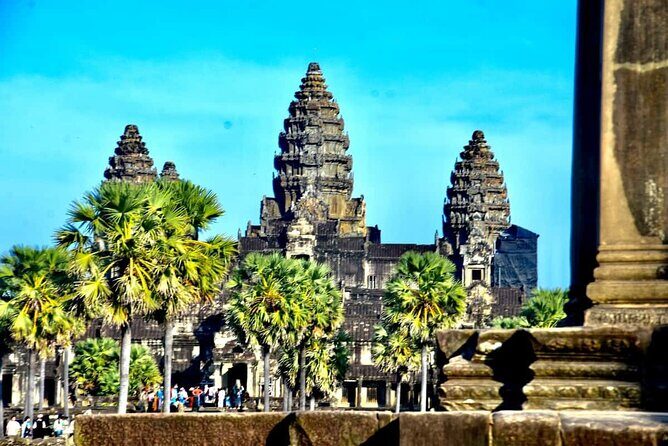
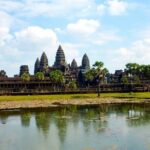
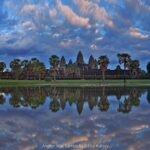
Day 1 begins early, and that timing matters. Starting at 8:00 am, you’ll be in the Angkor Wat area during the most photogenic part of the day, when warm light hits the towers and long corridors look almost sculpted rather than just old. The tour is built around the idea that Angkor isn’t only about monuments; it’s about the mood—sunlight, geometry, and the way the temple’s layout pulls your eyes across the scene.
Angkor Wat is also the kind of place where a guide changes everything. Without someone helping you read the symbolism, it’s easy to treat it like a checklist. With a good guide (and Rain’s team includes guides like Kheng and Check in past groups), you’re more likely to notice how the decoration, bas-reliefs, and built layout connect to Khmer religious life and royal power.
Practical note: the stop time listed for Angkor Wat is about 2 hours, and you’ll want more time than that if you’re a slow photographer. Comfortable shoes help a lot because you’ll be walking on uneven stone and later dust can build fast.
What you should watch for
- The “first view” angle as the light hits the moat and causeways
- Carving details along paths and walls, especially where crowds thin out
- The transition from quiet morning to mid-morning busyness
You can also read our reviews of more private tours in Siem Reap
Angkor Thom South Gate, Bayon, and Ta Prohm: the day’s emotional arc
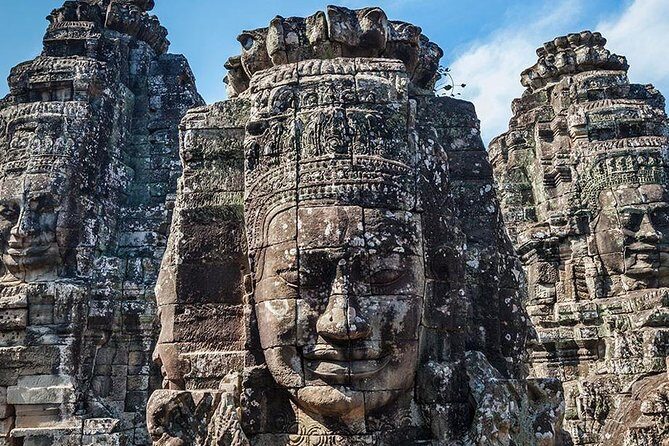
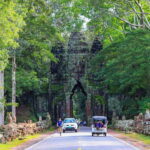
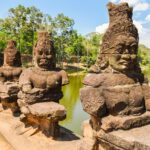
After Angkor Wat, you’ll shift into Angkor Thom, and the change in tone is noticeable. Angkor Thom’s South Gate is listed as the most popular and best-preserved gate, and it works for good reason: it’s one of the clearest entrances to get oriented inside the ancient city.
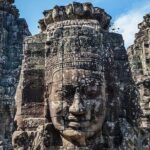
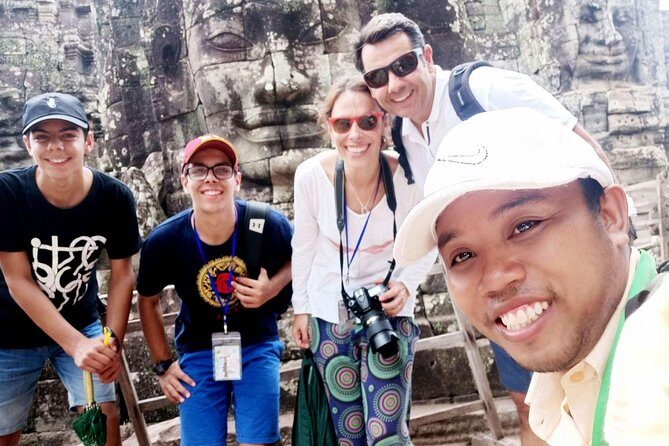
From there, the schedule moves quickly but not randomly. Bayon Temple is next, and the smiling stone faces are the signature. The tour gives around 1 hour at Bayon (plus a brief stop connected to the South Gate area), which is enough time to see the faces from multiple angles and connect what you’re seeing to the temple’s role inside Angkor Thom.
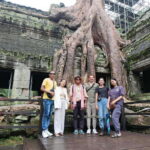
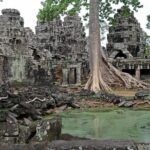
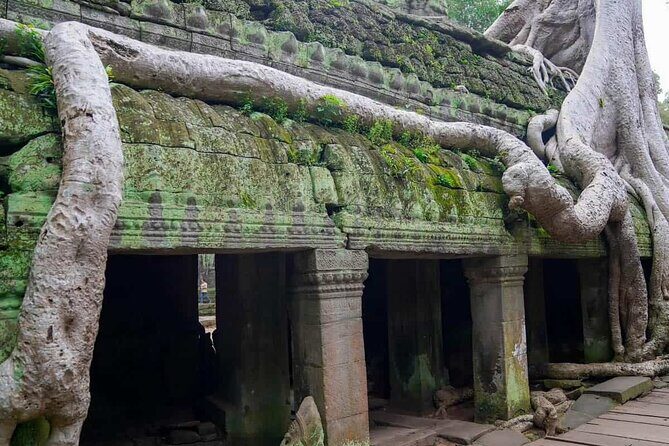
Then comes Ta Prohm, the temple people often associate with the Tomb Raider look. The listing emphasizes what makes it special: the jungle has reclaimed parts of the ruin, so you get that eerie, cinematic feeling of nature and stone sharing space. The tour’s Ta Prohm stop is about 1 hour, which is the right length for most people. If you linger longer, it can get crowded and hot; if you go too fast, you’ll miss why Ta Prohm is so compelling.
One good thing about doing these three in one day is the pacing. Bayon gives you a human, emotive view (those faces), while Ta Prohm gives you the “survival” feeling—roots, shade, and the sense that time is still active here.
A balanced expectation
- You will see major sights, but the guide should help you slow down where details matter
- You might still run into crowds because these are top sites, but early timing helps
Day 2’s pivot: from showpieces to refined carving craft
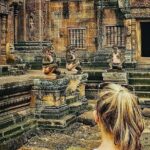
Day 2 leans into the art side of Khmer heritage. That’s where Banteay Srei comes in. It’s described as the jewel of classical Khmer art, built in pink sandstone, with exquisitely preserved carvings. If you’ve only seen Angkor from a distance, Banteay Srei feels like a different category: smaller, more intimate, and designed for careful looking.
The tour gives about 1 hour here. That may sound short, but for Banteay Srei it’s often the right call. The carvings can tempt you into staring for hours, and the sun can make stone-work exhausting. A guide helps you choose what to focus on—so you leave with the sense of why this place is famous, not just a pile of photos with missing context.
After that, the tour heads into a cluster of temples that are described as beautiful and lesser-known: Preah Khan, Neak Pean, and Pre Rup. Instead of repeating the “big four” pattern, this day aims to make you feel like you explored Angkor beyond the Instagram loop.
Preah Khan, Neak Pean, and Pre Rup: the quieter trio with contrast
Preah Khan adds atmosphere and complexity. It’s part of the same Angkor world, but it doesn’t feel as pressured as the highest-traffic stops. Then Neak Pean offers a different kind of beauty: it’s described as a small temple on an island in a lake, with impressive views of the water. If you’re trying to balance temple intensity with scenery, Neak Pean is a breather.
Pre Rup finishes the cluster with a pyramid-shaped temple dedicated to Shiva, and the promise here is views of the surrounding countryside. The listed time at Pre Rup is about 1 hour, which is usually enough to appreciate the setting and the structure without cooking under the midday sun too long.
What you’ll enjoy most here
- The change of tempo: fewer crowds than the headline sites
- The visual contrast between island temple and open, elevated viewpoints
Phnom Bakheng sunset: plan for golden light, not comfort
Day 2 ends with a sunset stop at Phnom Bakheng, timed for about 2 hours. The temple is included as a free-admission stop in the tour info, and the real value here is the timing. Sunset at Phnom Bakheng typically turns the scene into something more dramatic than daytime sightseeing.
What to consider: sunset can bring stairs, uneven stone, and long waits for the “right” moment. You’ll want to pace yourself and keep your eyes on the horizon and the temple silhouette rather than getting stuck chasing the perfect angle from the wrong spot.
If you’re the type who loves watching how light changes carvings and tower edges, this is the payoff section of the tour.
You can also read our reviews of more tours and experiences in Siem Reap
Day 3’s slower side: Bakong and Preah Ko before lake life
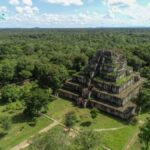
Day 3 starts more gently with Bakong. It’s described as one of the oldest temples in Angkor and a must-see for history buffs, with about 1 hour on site. Older temples often feel different: less about perfect symmetry in the distance and more about the layered sense of how Khmer building evolved over time.
Then the tour includes Preah Ko, described as peaceful and a good way to escape heavier crowds of Angkor Wat. The stop time is about 1 hour. That word peaceful matters here because by Day 3 you’ll probably notice your own energy levels. Preah Ko can feel like a reset button.
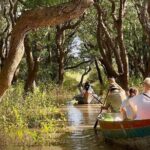
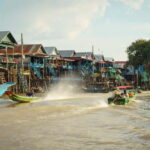
Finally, you’ll shift away from the temple zone into Kompong Phluk, a floating village with stilt houses and views over the lake. The listing frames this as exploring life around Tonlé Sap, with about 2 hours. This stop is valuable because it turns your trip from carved stone into how people live in the same region the temples were built for.
Kompong Phluk: what to expect from the lake village
Kompong Phluk is not a “one-size-fits-all” experience. It’s more moving and human-scale than Angkor’s monuments. You’ll be looking at stilt housing and water-based village life, and the lake setting is the point. If you want temples only, this might feel like a detour. If you want the full Siem Reap story—past and present—it’s an important final chapter.
A tip that’s implied by the nature of both temple and village legs: plan to be on your feet. Comfortable shoes matter all three days, not just at Angkor.
Guides, transport, and small comforts that matter on long days
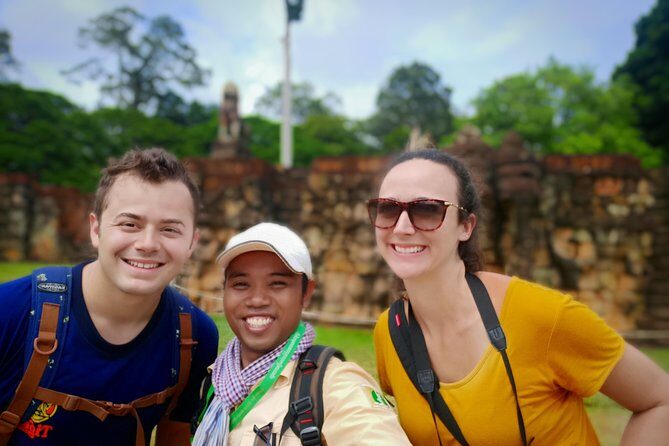
This tour is private, so it’s just your group, not a mix-and-match group shuffle. That’s a real advantage in Angkor because you can adjust the pace: linger where details catch your eye, or move along faster when heat or crowd density gets annoying.
The tour includes an English-speaking guide, private transportation, and bottled water. Many past experiences with Rain’s team have highlighted that the guide keeps things organized and focused, while drivers help the day run smoothly. In one set of experiences, guide names like Kheng and Check came up, along with drivers such as Khan and Sopheak—so you’ll likely get a team that takes the logistics seriously.
You might also appreciate that some groups have reported small in-day comforts like cold drinks and refreshing towels. Even if that varies by day, it’s a sign of a service style that thinks about how tiring this can be.
One more practical point: the tour info says proper uniform and sunscreen are recommended. That’s not glamorous, but it tells you you’re dealing with a professional operation that expects the heat and sun to be part of the plan.
Price and what to budget on top of $240
At $240 for 3 days, this can be good value if you’re comparing it to the cost of multiple separate tickets, taxis, and the time cost of figuring out logistics yourself. The private setup plus English-speaking guidance is the main reason the price can make sense—Angkor isn’t only about seeing temples, it’s about doing it in a way that keeps you oriented and helps you understand what you’re looking at.
But you should budget for what’s not included:
- Temple pass is not included, and each major temple stop notes admission tickets not included
- Food and drinks are not included (your guide and transport are, but your meals aren’t)
- Dinner and lunch are not listed as included
So treat the $240 as the tour service fee, not the all-in Angkor number. If you add the temple pass and a couple meals, your total will jump—but you’ll also get three full days of guided coverage that’s hard to replicate with DIY planning.
Who should book this 3-day plan, and who should think twice
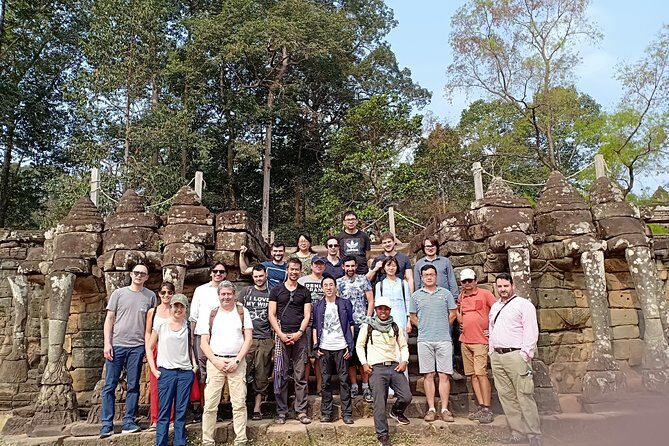
This tour is a strong fit if you:
- Want sunrise Angkor Wat plus a full circuit of Angkor Thom
- Prefer a guide to explain what you’re seeing instead of only walking around
- Like a mix of famous sites and more relaxed temple stops like Preah Ko and Neak Pean
- Want a final day that includes lake village life at Kompong Phluk
It’s less ideal if you:
- Hate early starts and big walking days (you’ll be moving a lot across stones and paths)
- Have no interest in outside-of-temple scenery and want only Angkor’s core monuments
- Expect the price to include the temple pass and your meals (it doesn’t)
Quick booking advice: make it feel like your trip
If you book, I’d do two things:
- Confirm the temple pass details before you go, so there are no surprise costs at the counter
- Bring a plan for the heat: sunscreen, a hat if you like, and shoes that handle rough paths
Also, since the start time is listed as 8:00 am, plan your Siem Reap day around that early rhythm. You’ll sleep better and enjoy the temples more.
Should you book Private Angkor Wat for 3 Days?
If you want a guided, private, three-day Angkor run that mixes the headline moments with refined, smaller-temple detail, I think this is worth serious consideration—especially at $240 for the service and transport. The sunrise start, the combination of Angkor Thom and Ta Prohm, plus the carving-focused Banteay Srei and sunset finish at Phnom Bakheng make this feel like a complete Angkor story rather than a rushed highlight reel.
Just go in with the right mindset about extra costs: the temple pass and meals are on you, and Day 3 includes lake village time where comfort depends on the day’s conditions. If that matches your travel style, book it and enjoy the fact that you’re not trying to solve Angkor on your own.
FAQ
How long is the Private Angkor Wat tour?
The tour is listed as 3 days (approx.).
What time does the tour start?
The start time is listed as 8:00 am.
Is this a private tour or a group tour?
It’s a private tour/activity, meaning only your group participates.
Where does the tour start and end?
It starts at 9V7C+4G8, Krong Siem Reap, Cambodia and ends back at the same meeting point.
What’s included in the tour price?
Included items are an English speaking tour guide, private transportation, and bottled water.
Do I need to buy a temple pass?
Yes. A Temple Pass is not included, and the itinerary notes admission ticket not included for the temple stops.
Are meals included (lunch or dinner)?
No. Food and drinks, lunch, and dinner are not included.
Does the tour cover sunrise and sunset?
Yes. Day 1 includes sunrise at Angkor Wat, and Day 2 includes sunset at Phnom Bakheng.
Does the tour require good weather?
Yes. The experience notes it requires good weather. If it’s canceled due to poor weather, you’ll be offered a different date or a full refund.
What should I bring for comfort during the tour?
The tour info recommends comfortable shoes and sunscreen.