REVIEW · SIEM REAP
3-Day Angkor Wat with All Interesting Major Temples, Banteay Srei & Beng Mealea
Book on Viator →Operated by Happy Angkor Tour · Bookable on Viator
Three days is a perfect match for Angkor. This private tour strings together the big names—Angkor Wat and the less-easy-to-plan circuits—while keeping you on a clear schedule with hotel pickup and drop-off in Siem Reap. I especially like that you get timed moments: the sunrise at Angkor Wat on day two and the sunset option from Phnom Bakheng on day one.
What makes this feel good in real life is the human factor. I like having an English-speaking licensed guide, and the guides named in past groups—Mony, Vanna, Mr Khmer (described as an archeologist and teacher), Thou, and Chen—are the kind of people who explain what you’re looking at, not just what the next stop is. You also get air-conditioned private transport plus cool water and a cool wet towel, which matters once the heat turns serious.
One thing to keep in mind: the most important ticket cost and most meals are extra. The Angkor Wat + All Temples admission is $62 per person and lunch is not included (noted as USD 5.00 per person, depending on the menu). Also, Beng Mealea is described as overrun by jungle, so expect a more rugged, less-polished experience than the main stone temples.
In This Review
- Key points at a glance
- Why this Angkor tour beats DIY in Siem Reap
- Transport and comfort details that keep your feet sane
- Price: what the $261 really covers (and what it doesn’t)
- Day 1: Angkor Wat circuit sights and the Phnom Bakheng sunset
- Angkor Wat (first stop, big visual impact)
- Ta Prohm: the trees that won
- Ta Nei: smaller, quieter, and easier to enjoy
- Angkor Thom core: Victory Gate, Bayon, and the royal compounds
- Phnom Bakheng: sunset views, with a flexible mindset
- Day 2: sunrise at Angkor Wat plus Prah Khan and Banteay temples
- After breakfast: Prah Khan and Neak Pean
- Eastern Mebon and Pre Rup: views and belief systems
- Lunch and the Banteay Srei stop: pink sandstone contrast
- Banteay Samre and Banteay Kdei: a calmer finish
- Day 3: Rolous Group classics and Beng Mealea’s jungle maze
- Rolous Group: Lolei, Preah Ko, and Bakong
- Lunch break and the craft stop option
- Beng Mealea: overrun by jungle, and that’s the point
- Old Market stop: quick local flavor
- What the best guides do for you here
- Who should book this private 3-day Angkor combo
- Should you book this tour?
- FAQ
- What does the tour price of $261 per person include?
- Is the Angkor temple admission fee included?
- What time is pickup for the Angkor Wat sunrise?
- Is lunch included?
- Does the guide help with the temple pass?
- Can I cancel for a full refund?
Key points at a glance
- Hotel pickup and return in Siem Reap keeps you from fighting traffic and parking stress.
- 5:00am Angkor Wat sunrise start is built into the plan, not left to chance.
- Phnom Bakheng sunset climb is a highlight, with an option to skip waiting.
- Banteay Srei’s pink sandstone gives you a different look than the usual Angkor-Wat-style views.
- Beng Mealea’s jungle-overrun feel adds mystery and variety to the last day.
- Cool water and a cool wet towel are included for comfort during long temple days.
Why this Angkor tour beats DIY in Siem Reap
Siem Reap has a way of making a “simple day trip” feel like a logistics puzzle. This tour removes most of that. You meet your driver right outside your hotel each morning and you’re returned back each evening. That’s not just convenience; it helps you stay focused on the temples instead of the clock, the map, and the small decisions that add up.
The tour is private—only your group participates—so you’re not stuck with a crowd tempo. That matters at Angkor, where the sites are spread out and timing is everything for sunrise and sunset viewpoints.
You can also read our reviews of more tours and experiences in Siem Reap.
Transport and comfort details that keep your feet sane
This is a private tour with an air-conditioned vehicle, plus parking fees and road tolls. You also get cool water and a cool wet towel. Those sound like small perks until you’re outside in the humid heat for hours. When you’re doing multiple circuits across the Angkor Archaeological Complex, comfort isn’t fluff—it’s energy you’ll actually use while walking, climbing, and taking photos.
Another underrated benefit: you don’t have to coordinate getting to the temple pass. On day one, the guide’s plan includes taking you to buy the temples pass along the way to the sites. That means fewer stops and less time spent figuring out where to stand, which window to use, and when the office closes.
Price: what the $261 really covers (and what it doesn’t)
At $261 per person, you’re paying for the core structure: private air-conditioned transport, an English-speaking licensed guide, hotel pickup and drop-off, and the included comfort items (cool water and wet towel). You’re also paying for the operator to handle parking and road tolls.
What’s not included is the big entry cost and meals. Admission is listed as $62 per person for Angkor Wat + All Temples, and meals are not included (lunch is noted as USD 5.00 per person, depending on the menu). So your all-in cost will be higher than the base price once you add admission and lunch.
Is that good value? For most people, yes—because you’re buying time, not just transportation. Three days at Angkor costs you energy. A private guide also means you’re less likely to see temples as random ruins and more likely to understand the religious mix, the architectural choices, and why certain carvings look the way they do.
Day 1: Angkor Wat circuit sights and the Phnom Bakheng sunset
Day one starts with a classic Angkor Wat opener. After breakfast, you’re picked up at 8:00am. The guide plans the day so you can handle the temple pass smoothly, then you move into the major highlights on the circuit.
Angkor Wat (first stop, big visual impact)
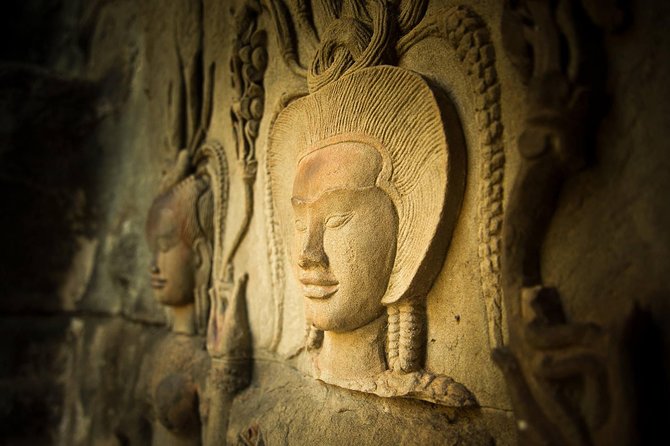
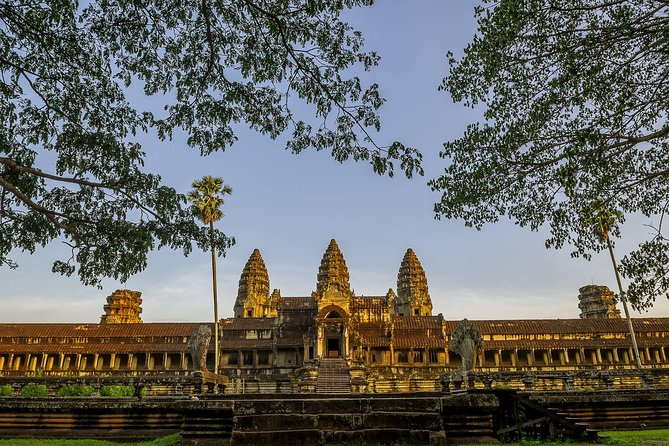
Angkor Wat is famous for a reason, but what you’ll notice on the ground is the sheer “planned-ness” of the layout. Even if you don’t memorize every detail, it helps to have someone explain what you’re seeing while you’re actually looking—especially when you’re moving from long sightlines into smaller carved spaces.
Ta Prohm: the trees that won
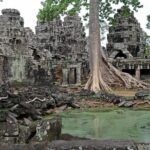
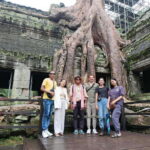
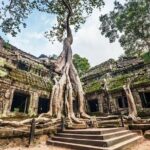
Next comes Ta Prohm, known for the giant tree roots that tangle across the stones. It’s one of those places where the atmosphere does a lot of storytelling for you. And when Hollywood references come up in the explanation, it’s a useful way to connect modern pop culture to what’s actually in front of you.
Ta Nei: smaller, quieter, and easier to enjoy
Ta Nei is described as small and less restored, and it’s surrounded by big trees. This is one of the stops that can feel like a breath of fresh air after the bigger-name temples. If you like temples that are less polished and more intimate, this is the kind of place you’ll enjoy.
Angkor Thom core: Victory Gate, Bayon, and the royal compounds
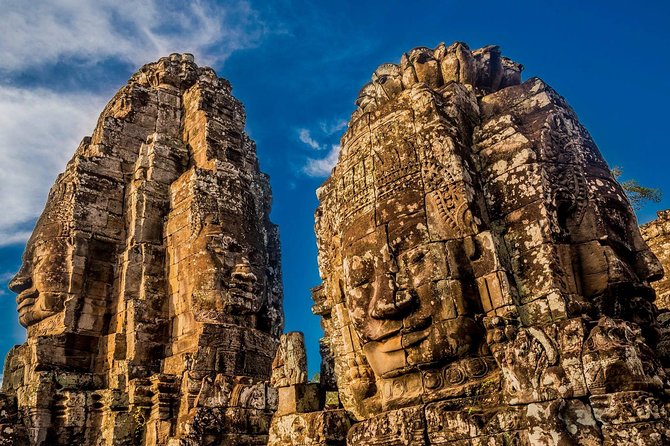
From there you shift into Angkor Thom. You pause at the Victory Gate on the east side for quick photos and orientation, then move on to Bayon, with its many towers and faces. The walkthrough style matters here: you’re walking through a dense area of carvings and symbolic shapes, so having a guide with a plan keeps it from feeling like visual overload.
You continue to Baphuon, then Phimeanakas in the old royal palace area. After that, you go to two key terrace stops: the Terrace of the Elephants and the Terrace of the Leper King. These terraces aren’t just “pretty walls.” They’re places where carvings communicate what power and rituals looked like in Khmer society.
Phnom Bakheng: sunset views, with a flexible mindset
Day one ends at Phnom Bakheng, where you climb for sunset views. The note here is important: there are limited numbers of tourists allowed. The tour mentions that you can wait for sunset or skip the wait if you don’t want to stand around. Either way, it’s one of those spots where the timing is part of the experience—especially if you like golden light on stone.
Day 2: sunrise at Angkor Wat plus Prah Khan and Banteay temples
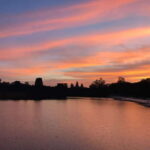
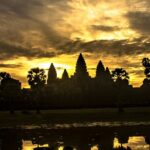
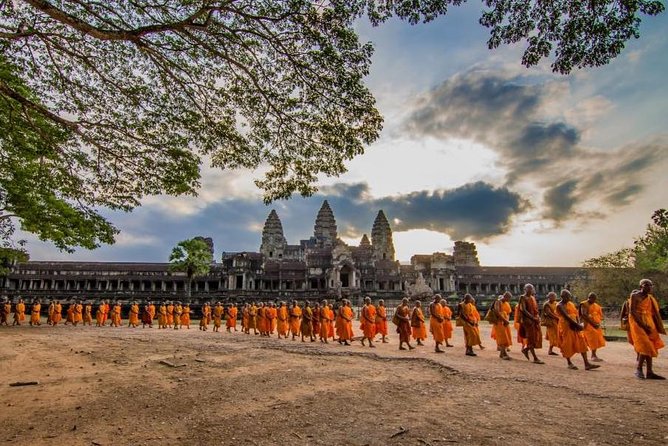
Day two is the early riser day. You’re picked up at 5:00am for sunrise at Angkor Wat. This is one of the few chances where you can see the temple in a calmer mood. Sunrise also changes the color of everything—stone texture looks different, and the overall scene feels less harsh than mid-day heat.
After breakfast: Prah Khan and Neak Pean
Post-sunrise, day two includes stops like Preah Khan (Prah Khan), Neak Pean, and Ta Som. Preah Khan is built by King Jayavarman VII and dedicated to his father, and your guide can connect that political backstory to how the temple is laid out. Neak Pean is a smaller island temple in the middle of the last baray, and it’s one of those places where the setting helps you understand the temple’s purpose.
Eastern Mebon and Pre Rup: views and belief systems
You continue with Eastern Mebon, a temple-mountain ruin rising three levels and crowned by five towers. Then it’s Pre Rup, tied to late 10th-century Hindu belief, where the story of funerals being conducted at the most distant point is part of the explanation.
These stops are a good mix: some moments are about scale and architecture, while others are about meaning and ritual. If you’re the type who likes understanding why a temple is oriented a certain way, this day rewards you.
Lunch and the Banteay Srei stop: pink sandstone contrast
After lunch, the tour heads to Banteay Srei, often called the Ladies temple. The big detail here is the pink sandstone and the 10th-century build attributed to King Rajendravarman II dedicated to the trinity gods. This is a sharp contrast from the bigger, heavier-feeling stone blocks at other sites. Banteay Srei tends to feel more “carving-focused,” so it’s a nice reset.
Banteay Samre and Banteay Kdei: a calmer finish
The day wraps with Banteay Samre and Banteay Kdei. Banteay Samre is described as having less obvious architecture evidence, but it’s believed to follow a model similar to Angkor Wat. Banteay Kdei is Buddhist and has a style similar to Ta Prohm and Bayon, so it helps tie the circuits together visually.
Day 3: Rolous Group classics and Beng Mealea’s jungle maze
Day three shifts away from the main Angkor circuits into the Rolous Group cluster and then out to Beng Mealea. This is a smart choice because it breaks the pattern after two intense days of major temple clusters.
Rolous Group: Lolei, Preah Ko, and Bakong
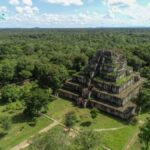
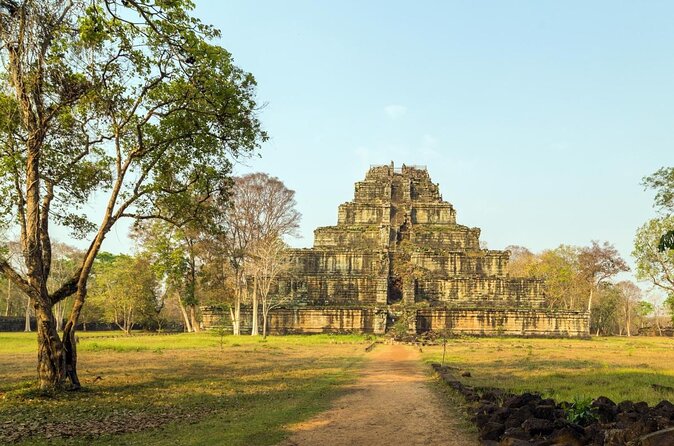
You start with Prasat Beng Mealea, but the plan also includes key Rolous stops: Lolei, Preah Ko, and Bakong. Lolei is a smaller 9th-century Hindu temple. Preah Ko is the first temple built in the ancient city of Hariharalaya. Then Bakong becomes the big anchor: it’s described as the first temple mountain of sandstone rulers of the Khmer empire, and the biggest temple in the Rolous group.
These are good temples for a different kind of viewing. Instead of the most famous single icons, you’re comparing clusters, sizes, and early Khmer influences.
Lunch break and the craft stop option
On day three there’s a lunch break at a good restaurant along the way. Then you have an optional visit to Artisans Angkor, known for traditional craft skills like stone carving, wood carving, lacquering, gilding, and silk processing. The tour notes that if you don’t want to see it, you can skip.
This is worth treating like a pause, not an obligation. If you’d rather use energy for more temple walking, you can.
Beng Mealea: overrun by jungle, and that’s the point
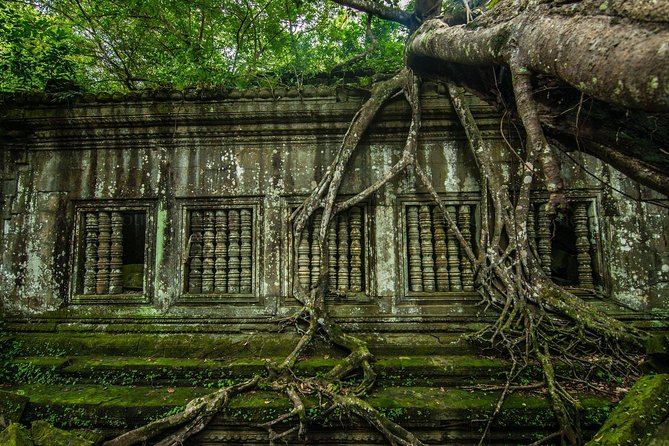
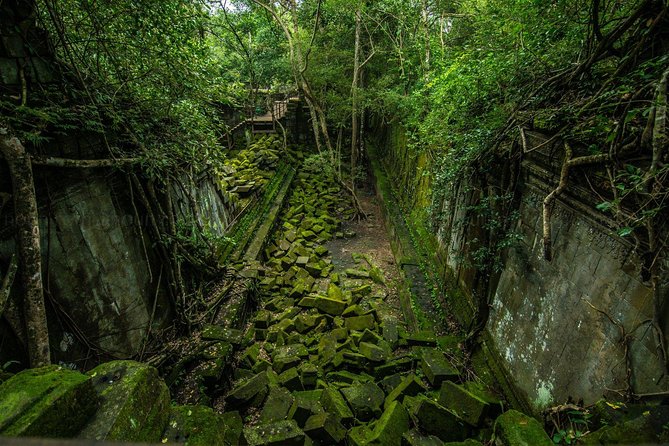
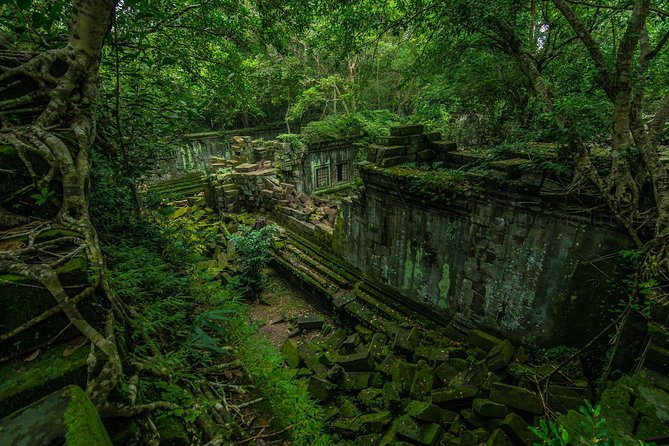
The final “wow” is Beng Mealea, about 68km northeast of Siem Reap. It’s described as mysterious and overrun by jungle. That’s the attraction. Instead of everything feeling restored and tidy, you get the feeling that nature has reclaimed parts of it. If you like exploring spaces where the stones don’t feel like they’re museum-perfect, this will land well.
Old Market stop: quick local flavor
There’s also time for Psar Chaa, the Old Market in Siem Reap, with the option to skip if you’re not in the mood. This is a nice way to end the trip with something local and practical—snacks, small souvenirs, and a chance to reset after three long temple days.
What the best guides do for you here
One of the strongest parts of this tour is not the temples. It’s the guide. The guides named in the experiences—Mony, Vanna, Mr Khmer (archeologist and teacher), Thou, Chen—show up repeatedly in the feedback for doing two things well.
First, they connect carvings and layouts to meaning. Instead of you guessing, you’re hearing what things represent, from religious references to the stories behind the carved figures. Second, they help you look smarter. When a guide is also described as an expert photographer or shares suggestions about Siem Reap, that’s a sign you’ll get practical eyes on your photos and your schedule.
If you care about history but hate long lectures, private guiding is the sweet spot: short explanations timed to your walk, so it sticks.
Who should book this private 3-day Angkor combo
This tour fits you best if:
- You want major Angkor highlights without figuring out the route each day.
- You like having a guide explain what you’re looking at, not just a driver.
- You plan to spend real time on sunrise and sunset viewpoints (early starts are part of the deal).
- You want variety: big temples on day one and two, then Beng Mealea’s jungle feel on day three.
It may not fit you as well if you:
- Hate early mornings. Day two starts at 5:00am.
- Want everything included. Admission and lunch are extra.
- Prefer only highly restored sites. Beng Mealea is specifically described as overrun by jungle, and Ta Nei is noted as less restoration.
Should you book this tour?
Yes, if your main goal is a low-stress, high-value way to see the big Angkor temples plus the “less tame” Beng Mealea. The hotel pickup/drop-off, private air-conditioned transport, and guide-led timing do a lot of work for you, especially across three dense days.
I’d book it with one planning mindset: add your temple admission cost to the budget, and treat lunch as your simple refuel. If you do that, you’ll get a smooth run through Angkor’s most important sights—and you’ll also leave with that slightly wild feeling from Beng Mealea, where the jungle doesn’t care about perfect itineraries.
FAQ
What does the tour price of $261 per person include?
It includes air-conditioned private transport, an English-speaking licensed guide, hotel pickup and drop-off, cool water and cool wet towel, parking fees and road tolls, and pickup from your accommodation to finish drop-off at your hotel.
Is the Angkor temple admission fee included?
No. Admission for Angkor Wat + All Temples is listed as $62 per person and is not included.
What time is pickup for the Angkor Wat sunrise?
For the sunrise visit at Angkor Wat, pickup is at 5:00am.
Is lunch included?
Meals are not included. Lunch is described as USD 5.00 per person and depends on the menu.
Does the guide help with the temple pass?
Yes. On day one, the plan includes taking you to buy the temples pass along the way to the temples.
Can I cancel for a full refund?
Yes. Free cancellation is available up to 24 hours in advance for a full refund. Canceling less than 24 hours before the start time is not refunded.