REVIEW · SIEM REAP
Siem Reap: Angkor Wat 2-Day Tour with Sunrise and Sunset
Book on GetYourGuide →Operated by Siem Reap Experiences · Bookable on GetYourGuide
Two temple days can feel like magic. This Angkor Wat tour is built around the moments you actually remember: a sunrise start and a sunset finish, plus guided stops at the key ruins that tell the Khmer story.
What I like most is how the itinerary mixes the famous icons with the temples that feel quieter and more personal. Two standouts for me are the way you get into Angkor Wat early (before the main wave) and the fact that the day guides don’t just point at stones—they explain what they meant.
The main drawback to plan for is the pace and the heat. It’s a long two-day stretch, and you’ll be walking a lot on uneven temple paths, so take it seriously if you’re not used to hot weather days.
In This Review
- Key takeaways before you go
- Sunrise timing at Angkor Wat: the early start that pays off
- Day 1 (Small Tour) 4:30am–1:00pm: Angkor Wat, Ta Prohm, Bayon, Ta Keo
- Angkor Wat at first light
- Ta Prohm: the jungle temple moment
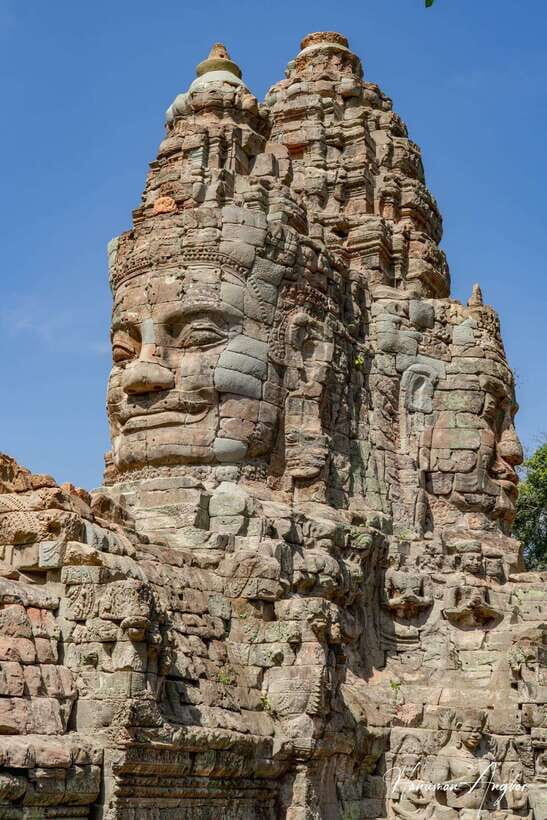
- Angkor Thom and Bayon: the smiling faces
- Ta Keo: the 10th-century mountain-temple climb
- South Gate: gods and demons on the approach
- Day 2 (Big Tour) 10:30am–7:00pm: Preah Khan to Phnom Bakheang, ending at sunset
- Preah Khan: the biggest temple on the loop
- Neak Pean: bathing and health symbolism
- Ta Som: the big tree and the dancers
- East Mebon: ancestors and old reservoir geography
- Pre-Rup: the “coffin” shape and full-moon meditations
- Phnom Bakheang: 33 towers and the view from the hill
- Guides make it click: Sary, Sok, Sam, Pheap, Vone, and others
- Comfort and pacing: air-conditioned transport, water, wipe towels
- Price and value: why $34 can be a smart way to do Angkor
- Temple pass and dress rules: the basics you must get right
- Who this tour suits best (and who should rethink it)
- Should you book this Angkor Wat 2-Day Tour?
- FAQ
- Do I need to buy the Angkor Archaeological Park entry ticket?
- What’s included in the tour price?
- Are meals included?
- How many temples does the tour visit?
- Does the tour include sunrise or sunset?
- What are the day start times?
- Is hotel pickup available?
- What should I bring?
- What clothing is not allowed?
- Is the guide English-speaking?
- Is the tour suitable for wheelchair users?
Key takeaways before you go
- Sunrise on day 1: you start around 4:30am so Angkor Wat feels powerful before the crowds.
- 11 temples in two loops: you hit the highlights without trying to self-plan a complicated route.
- English guide with Khmer context: guides like Sary, Sok, Sam, and Pheap explain the meaning behind each site.
- Cooling breaks are real: air-conditioned transport, chilled bottled water, and wipe towels show up at the right times.
- Day 2 can feel quieter: the big loop includes several temples that many people rush through on day trips.
- You’ll need a temple pass: it’s not included, so buy it yourself (or online in advance) before you arrive.
Sunrise timing at Angkor Wat: the early start that pays off
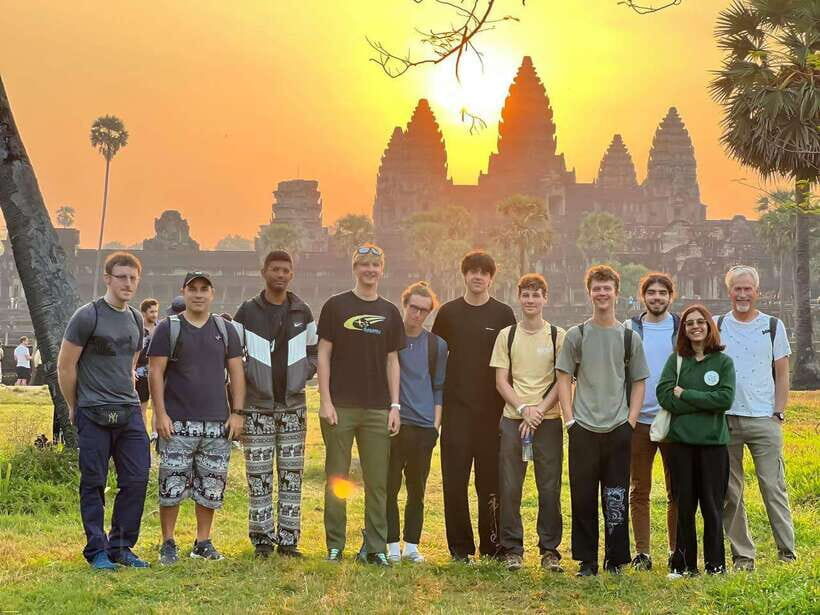
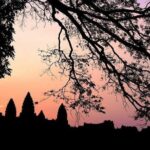
The best part of this tour starts before your day technically begins. Day 1 runs from about 4:30am to 1:00pm, with sunrise timed for Angkor Wat, then a long morning of temple walking while the light and temperatures are still on your side.
Why the early timing matters: Angkor looks different at sunrise. The massive geometry feels calmer, the sky adds contrast to the carvings, and you get more space around the key viewpoints. It also helps that the tour is designed as a smaller-group start, so you’re less stuck inside a crowded “photo line” moment.
I also appreciate that the tour doesn’t treat sunrise as a one-minute checklist. Afterward, you keep moving through the broader Angkor area, which means the morning isn’t just pretty—it turns into understanding: how rulers built sacred space, how religions shifted over time, and how symbolism shows up in stone.
You can also read our reviews of more evening experiences in Siem Reap
Day 1 (Small Tour) 4:30am–1:00pm: Angkor Wat, Ta Prohm, Bayon, Ta Keo
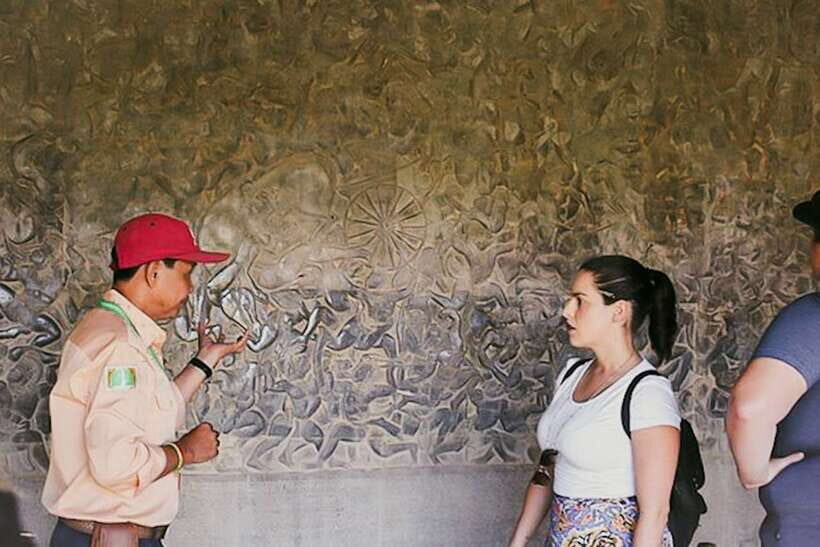
Day 1 is all about momentum. You’ll begin with sunrise at Angkor Wat, then you transition into a set of temples that keep the story moving forward.
Angkor Wat at first light
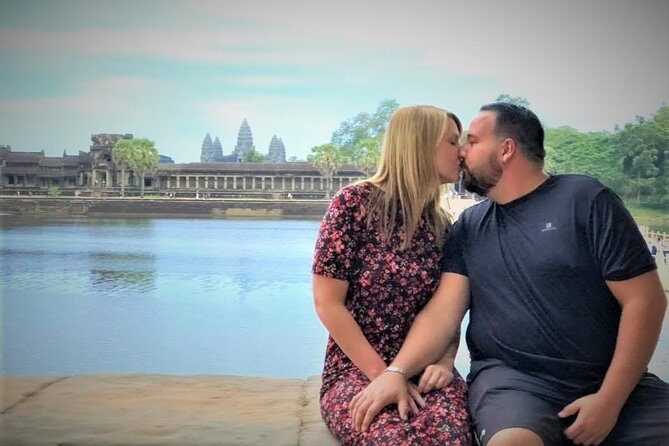
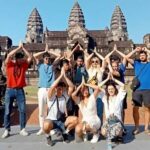
Angkor Wat is the headline for a reason. Even if you’ve seen photos, sunrise changes the feel—details pop, and the place carries that big, hushed weight that’s hard to capture on a phone screen. You also benefit from the cooler morning hours and fewer crowds compared with midday.
Practical note: bring sunscreen and sunglasses. The sun climbs fast once the temple shadows start shrinking.
Ta Prohm: the jungle temple moment
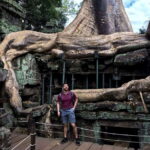
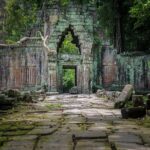
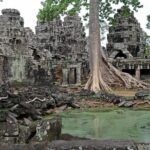
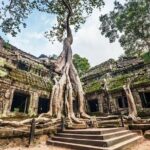
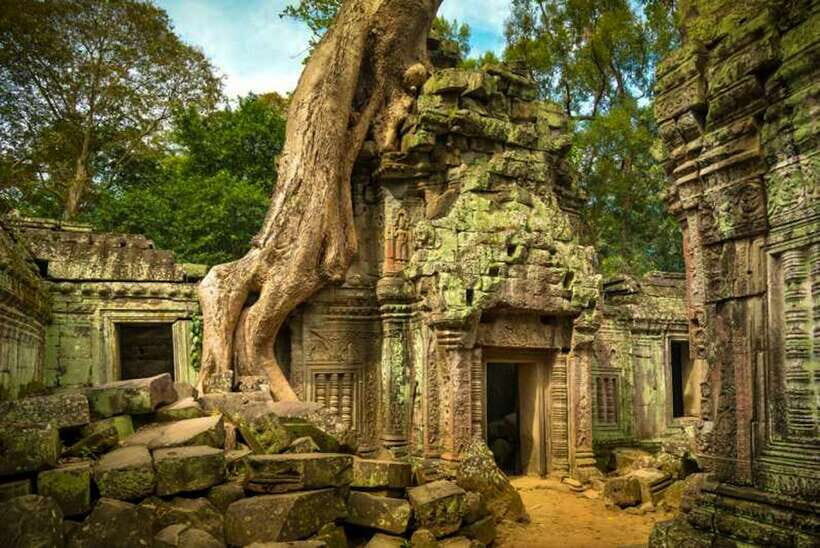
Next comes Ta Prohm, the famous “jungle temple” ruin. You’ll see why the trees feel like they’re part of the architecture, not just planted around it. This stop is also a great breather for your brain: the mix of collapsed masonry and roots shows how the site has lived through different eras, not just one perfect restoration phase.
One small thing I like about this tour format: it’s not just famous-for-one-trivia trivia. A good guide will connect Ta Prohm to what you learned at Angkor Wat—how kings shaped religious landscapes, and how later history changed what people see today.
Angkor Thom and Bayon: the smiling faces
After Ta Prohm, you enter Angkor Thom, including Bayon Temple, the one most associated with the large smiling faces. It’s a strong emotional shift from Angkor Wat’s scale to Bayon’s dense, face-filled presence.
Here’s what makes this stop meaningful: Bayon is tied to Jayavarman VII’s reign and is described as the only Buddhist state temple and the last to be built in the Angkor empire. If you’ve ever wondered why different temples feel like they follow different rules, this is where the timeline starts to click.
You can also read our reviews of more tours and experiences in Siem Reap

Ta Keo: the 10th-century mountain-temple climb
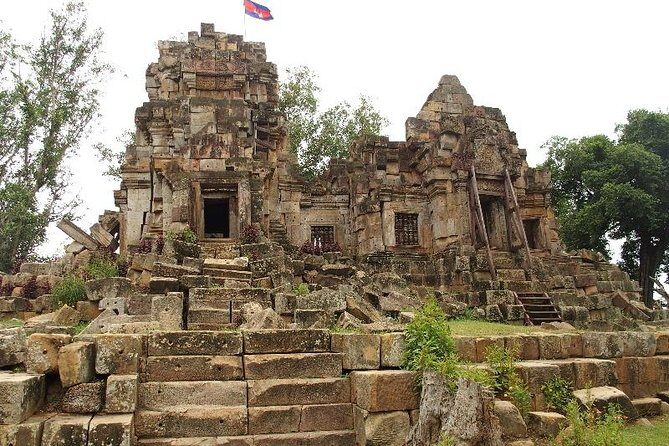
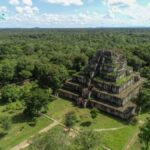
Then there’s Ta Keo, a 10th-century “mountain temple” where you’ll walk up. It’s not just a viewpoint stop. This is where you feel the design: layers of elevation that guide your eye upward, step by step, like the builders wanted you to move through meaning.
This is also the day’s “workout” temple. Steps add up across the day, so pace yourself and take breaks when you need them.
South Gate: gods and demons on the approach
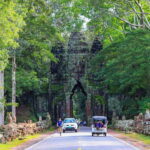
To wrap up Day 1, you end at the South Gate of Angkor Thom, including the bridge of statues of gods and demons and the rows of figures tied to a seven-headed naga. The carvings are intense and oddly satisfying—almost like the ruins have a sense of theater.
By the time you’re finished, you’ll understand the big pattern: Angkor wasn’t built randomly. It’s a designed map of power, belief, and storytelling.
Day 2 (Big Tour) 10:30am–7:00pm: Preah Khan to Phnom Bakheang, ending at sunset
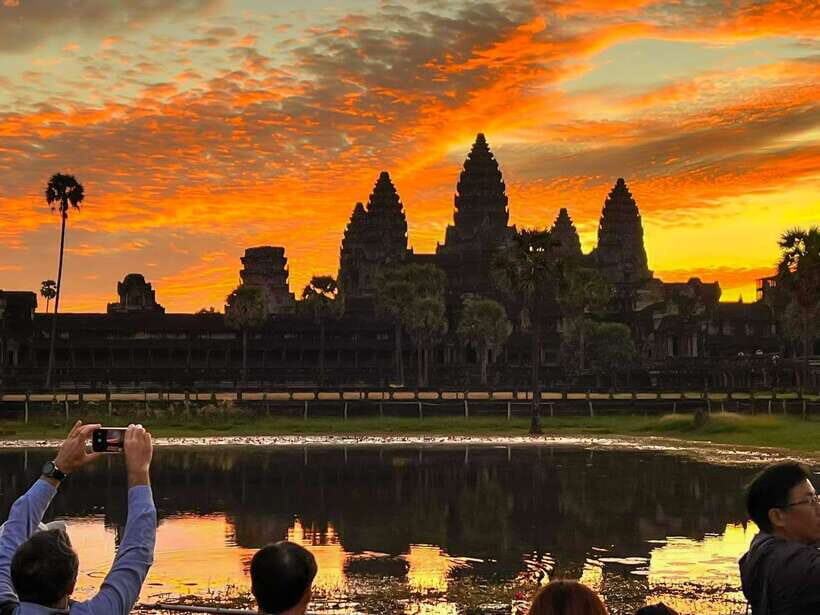
Day 2 is the bigger loop, typically 10:30am–7:00pm, and it’s set up for the full Angkor day experience. You’ll see multiple major temples beyond the “usual” quick-hit route, then finish with sunset on the big tour.
This day is often the most rewarding if you like contrast: you’ve already seen the heavy hitters on day 1, so day 2 feels like learning the wider system.
Preah Khan: the biggest temple on the loop
The big centerpiece here is Preah Khan, described as the biggest temple on this circuit. It was built by King Bayon for his father, which gives the site a personal political edge. It’s also a temple where you can look at lots of details without feeling like you’re repeating Angkor Wat all over again.
Neak Pean: bathing and health symbolism
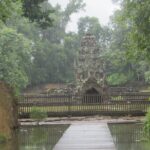
From there you’ll visit Neak Pean, an island temple where the water was used for bathing and health in the Angkor period. That detail changes how you look at the structure. It’s not just a scenic pond—it’s tied to ritual ideas about wellbeing.
Ta Som: the big tree and the dancers
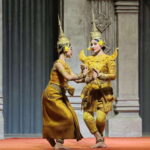
Next is Ta Som. The standout is the large tree over the east gate and the sculptures of dancers with long hair. This is a great temple for people who enjoy art that feels human. The carvings don’t just decorate—they communicate status, celebration, and a belief system expressed through bodies in motion.
East Mebon: ancestors and old reservoir geography
East Mebon is built for the ancestors and was constructed as early as the 10th century. It’s also described as having once been located in the middle of a reservoir, which helps you understand how Angkor planned water as part of sacred space.
Pre-Rup: the “coffin” shape and full-moon meditations
At Pre-Rup, you’ll learn about its construction and use. It’s often mistaken for a crematorium, and there’s a stone structure that looks similar to a coffin. In the Hindu context, it’s described as a place where Hindus could meditate during the full moon.
This is exactly the kind of stop that makes a guided tour worthwhile. Without context, Pre-Rup can feel like “another ruin.” With context, it starts to feel like a place that had a job in people’s lives.
Phnom Bakheang: 33 towers and the view from the hill
Finally, Phnom Bakheang caps the day. It’s on a hill, and the 33 towers represent the heavens. The message is simple but powerful: life on earth is to be lived—and that idea shows up right in the design.
You’ll finish Day 2 at sunset, which is the emotional punctuation mark after a long, hot stretch.
Guides make it click: Sary, Sok, Sam, Pheap, Vone, and others
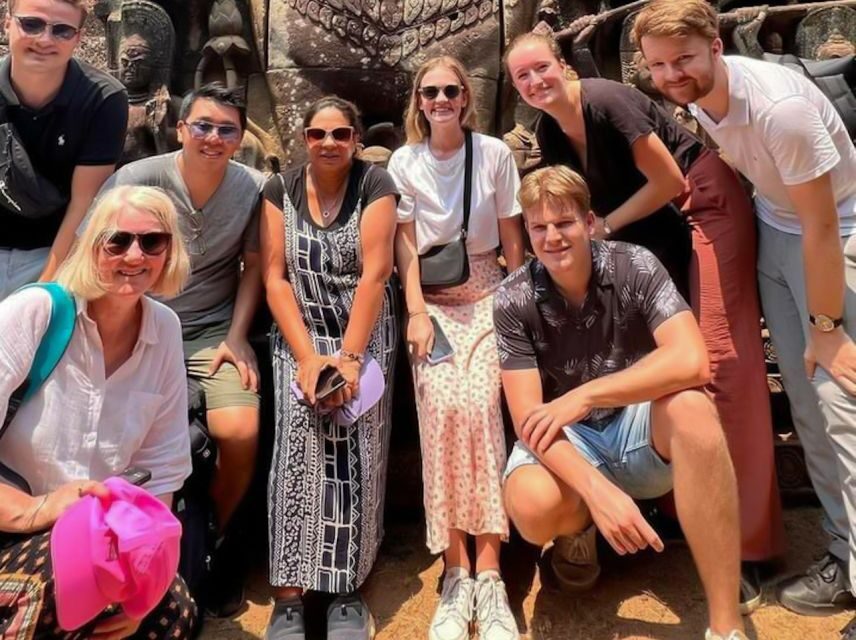
Here’s what consistently shows up in how this tour feels: the guides don’t just talk. They guide your attention.
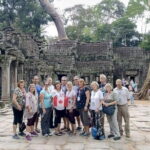
I’ve seen strong examples from guides such as Sary, Sayon, Sok, Sam, Vone, Pheap (often called Pip), Nick (Kosal), Heang, Simon, and John. Their styles vary, but the aim is the same—help you notice what you’d otherwise miss.
A few real strengths you can count on:
- Viewpoint planning for sunrise: several guides are known for knowing the best sunrise spots depending on timing.
- Photo help: guides like Pheap are described as taking lots of group photos and helping people get good shots.
- Story-driven explanations: guides explain temple origins, timelines, and religious context in a way that makes the sites feel connected rather than separate.
If you care about understanding what you’re seeing, this tour is built for you. If you only want selfies and quick stops, you might find the explanations take time—but they’re part of what makes the tour worth the money.
Comfort and pacing: air-conditioned transport, water, wipe towels
Two things can make or break a temple day: transport comfort and heat management. This tour directly addresses both.
You’ll ride in an air-conditioned minibus, and you get chilled bottled water plus refreshing wipe towels during the day. That sounds small until you’re walking in Cambodia heat and you’re suddenly grateful for cold water at the right moment.
The pacing is also something I’d call practical. The days are long, but the schedule is structured so you keep moving through key sites while still getting breaks. A few notes from the experience show that guides can adjust pace if you need it—one family example highlighted patience when someone struggled with heat.
Price and value: why $34 can be a smart way to do Angkor
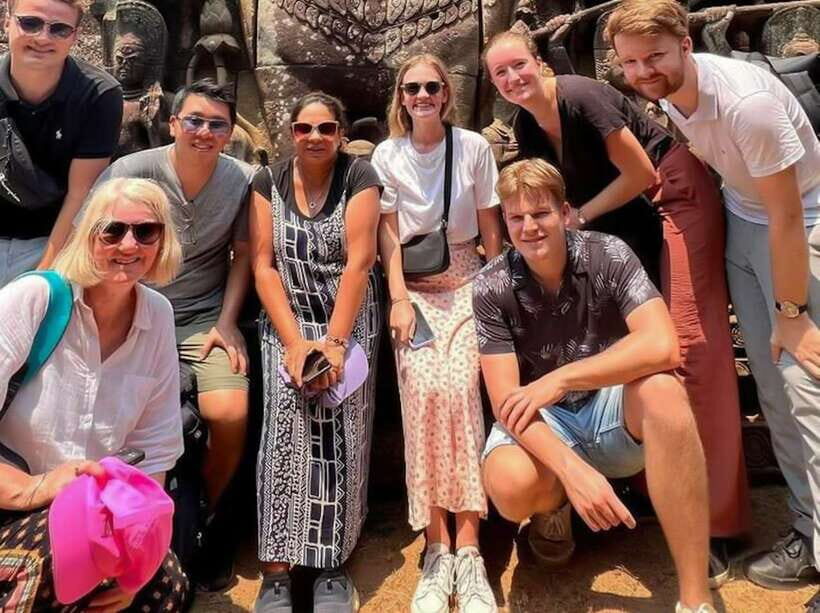
At $34 per person, this tour is priced like a budget-friendly “best of both loops” option. The value comes from what’s included, not the headline cost.
What you’re paying for that matters:
- Hotel pickup and drop-off
- English-speaking guide
- Air-conditioned transport
- Two separate days (small tour + big tour)
- 11 temples
- Sunrise on day 1 or sunset on day 2
- Water, wipe towels, and local tax
What’s not included:
- Angkor Archaeological Park entry ticket / temple pass
- Meals
So the real math is: you’re paying for guided route efficiency and major sites without the effort of building a day-by-day plan. In a place like Angkor, that matters. You’ll spend energy anyway—so spending your time with a guide and a route that hits the key points tends to be the smarter bargain.
Temple pass and dress rules: the basics you must get right
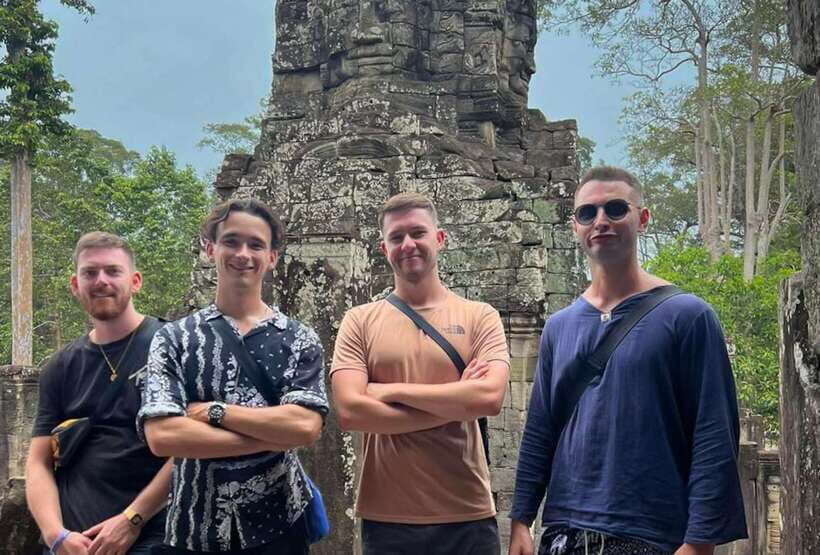
You have to buy your own temple pass. The tour instructions point you to the official Angkor Enterprise site (you can buy online in advance or at the ticket office after pickup).
Also, dress code is not a suggestion:
- No shorts
- No short skirts
- No sleeveless shirts
- Alcohol and drugs are not allowed
I’d plan to wear lightweight long pants and a breathable shirt. In the heat, you’ll thank yourself.
Who this tour suits best (and who should rethink it)
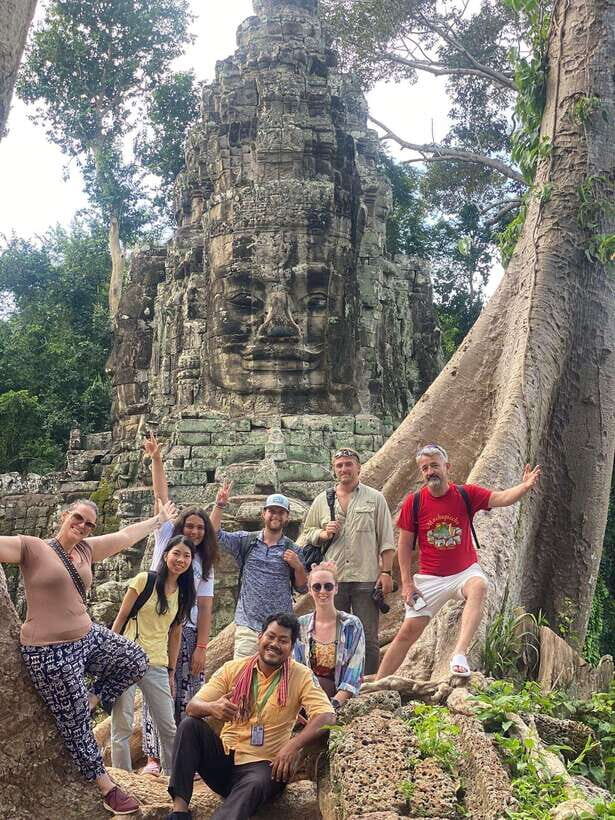
This is an excellent match if:
- you want sunrise and sunset rather than just “see Angkor someday”
- you’d rather walk into a planned route than self-organize
- you want the Khmer empire context as you go
- you’re okay with hot, active days
It may be less ideal if:
- you need a very gentle pace—these are long days with stairs and uneven surfaces
- you’re older or have mobility issues (the info lists people over 70 as not suitable)
- you use a wheelchair: the information conflicts between wheelchair accessibility and not suitable for wheelchair users, so you should confirm directly before booking
Should you book this Angkor Wat 2-Day Tour?
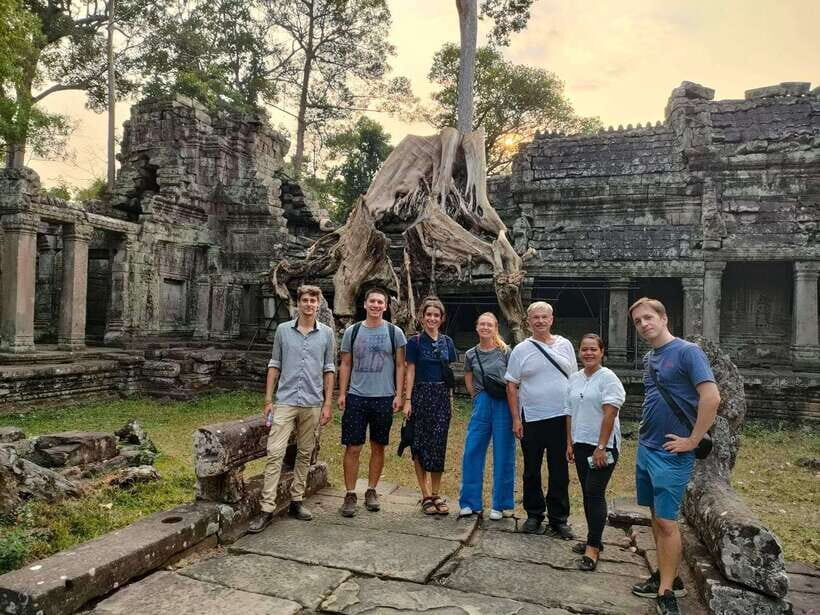
If you’re trying to choose between piecing together temples on your own versus paying for a guided plan, I’d book this style of tour. The included transport, guide, and the fact that it hits 11 temples across two structured loops makes it feel like a clean shortcut to seeing the core sites without wasting daylight or burning out on logistics.
I’d book especially if you care about understanding what you see. The guide names and the patterns in their approaches—timeline explanations, symbolism, photo help, and sunrise timing—are the difference between a checklist and a real Angkor experience.
If you’re worried about the length, go in with a plan: hydrate, wear long breathable clothing, and treat the early start as part of the payoff. Do that, and you’ll likely come away feeling like Angkor has a storyline, not just monuments.
FAQ
Do I need to buy the Angkor Archaeological Park entry ticket?
Yes. The temple pass is not included. You can buy it online at the official Angkor Enterprise website or purchase at the ticket office after your guide collects you.
What’s included in the tour price?
Hotel pickup and drop-off, air-conditioned minibus, English-speaking guide, the two-day tour structure, visits to 11 temples, chilled bottled water, wipe towels, and local tax.
Are meals included?
No. Meals are not included, though the tour includes occasional rest and food breaks as the day progresses.
How many temples does the tour visit?
The tour visits 11 temples across the two days.
Does the tour include sunrise or sunset?
Yes. Day 1 includes sunrise on the small tour, and Day 2 includes sunset on the big tour.
What are the day start times?
Day 1 runs about 4:30am to 1:00pm. Day 2 runs about 10:30am to 7:00pm.
Is hotel pickup available?
Yes. Hotel pickup and drop-off are included. You should be ready about 30 minutes before the tour start time.
What should I bring?
Bring sunglasses, sunscreen, comfortable clothes, and a charged smartphone.
What clothing is not allowed?
Shorts, short skirts, and sleeveless shirts are not allowed.
Is the guide English-speaking?
Yes. The tour includes an English-speaking live guide.
Is the tour suitable for wheelchair users?
The information is conflicting: it lists wheelchair accessibility, but it also states it is not suitable for wheelchair users and for people over 70. Confirm with the provider before booking.