REVIEW · SIEM REAP
3-Day Tour(Unforgettable Angkor Temple Complex, Banteay Srei& Floating Village)
Book on Viator →Operated by Hidden Angkor Tour · Bookable on Viator
Sunrise at Angkor Wat sets the tone. This 3-day Siem Reap tour strings together the big temple moments (including a Tonle Sap floating village) with a smart mix of gates, courtyards, and quieter jungle-temple corners. I love the early timing for Angkor Wat because the light is softer and the experience feels calmer, and I love that the route blends iconic sights like Bayon with temples that feel more overgrown and atmospheric.
My favorite part is how the guide actually shapes the day. When I traveled, my guide Mr Lion helped with practical photo timing and kept us moving in a way that made the ruins easier to understand. One thing to plan for: the Angkor Archaeological site pass and the floating village boat ticket are not included, so you’ll pay those on top of the tour price.
In This Review
- Key moments worth your attention
- What makes this 3-day temple-and-lake mix work in real life
- The one trade-off: budget for entrance and boat tickets
- Angkor Wat sunrise at 4:30 am: how to make the most of it
- Day 1 through Angkor Thom: gates, face towers, and terraces you can read
- Ta Prohm: the tree-in-temple moment
- Ta Nei: smaller, but nicely artistic
- Ta Keo: the sandstone-mountain feel
- Victory Gate and the southern gate of Angkor Thom
- Bayon: the faces, the towers, the texture
- Baphuon and the elephant-heavy stretches
- Preah Palilay: a quieter finish
- Day 2 Roluos group: stepping into Angkor’s earlier layers
- Angkor Wat is first, but the day is also about early monuments
- Bakong, Lolei, and Preah Ko
- Day 3 Banteay Srei and Banteay Samre: when Angkor looks different
- Banteay Srei: the pink temple and why it matters
- Banteay Samre: lower profile, strong style connection
- Kampong Phluk floating village: a boat ride with real daily rhythm
- What to expect on the water
- Transport, guide style, and the small comforts that reduce stress
- Tickets, dress code, and budgeting without surprises
- What’s not included (and how to budget)
- Dress code that can affect entry
- Who this tour suits best (and who may want a different pace)
- Should you book this 3-day Angkor and Tonle Sap tour?
- FAQ
- Is Angkor Wat sunrise included?
- Are entrance passes to Angkor Wat included?
- Is the floating village boat ticket included?
- Is lunch included during the tour?
- What’s the dress code for temple visits?
- Do I get an English-speaking guide and transportation?
- What happens if the weather is poor?
Key moments worth your attention
- 4:30 am Angkor Wat sunrise is included, not optional
- Day 1 focuses on Angkor Thom with gates, face towers, and long terrace carvings
- Tree-temple photography at Ta Prohm is a highlight with jungle still visible
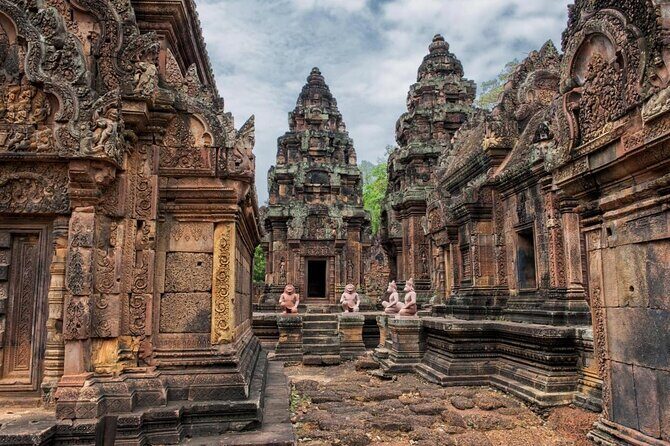
- Banteay Srei’s pink sandstone gives you a different look than the larger main temples
- Kampong Phluk floating village includes a scenic boat ride and a stop at the old market
- Cold water and wet towels plus an air-conditioned vehicle help when the heat hits
What makes this 3-day temple-and-lake mix work in real life
This tour is built for people who want more than a checklist. Instead of only hitting the most famous Angkor stops, you get a full arc: start with jungle temples and grand city walls, move through another cluster of older monuments, then finish with a day that switches from carved stone to real daily life on the Tonle Sap lake.
The value sits in the combination of included logistics and included access time. You’re getting a professional English-speaking guide for three days, an air-conditioned vehicle, and the comfort touches like cool water and wet towels. That matters in Siem Reap because you’re often traveling between temple zones during peak heat. And you’re not just strolling—you’re scheduled from early morning when the light and crowds are usually friendlier.
It’s also a private format for your group, which usually means you can move at a pace that suits you. If you like lingering at one carving or you want more time for photos at Bayon’s faces, you’re not stuck waiting behind the slowest person in a huge group.
You can also read our reviews of more tours and experiences in Siem Reap
The one trade-off: budget for entrance and boat tickets
The tour price covers guiding and transport, but not the Angkor Archaeological site entry pass or the floating village boat ticket. You should treat those as part of your total “Angkor day” budget.
Also, lunch is excluded during the full day. That doesn’t ruin the trip. It just means you’ll want to ask your guide where to eat before you get stuck picking whatever is closest.
Angkor Wat sunrise at 4:30 am: how to make the most of it
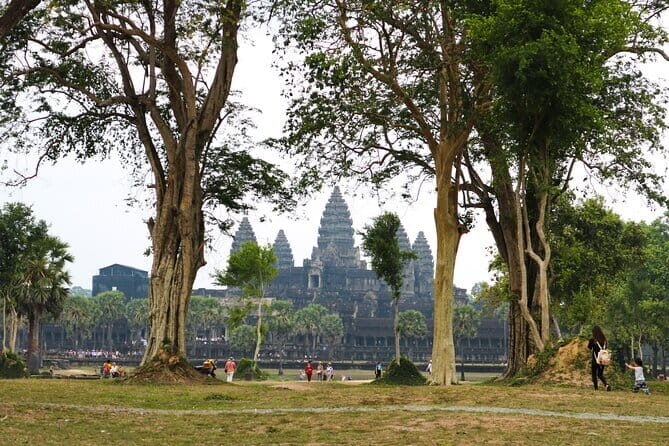
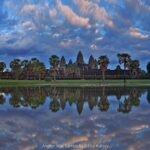
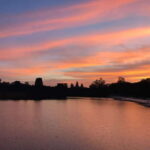
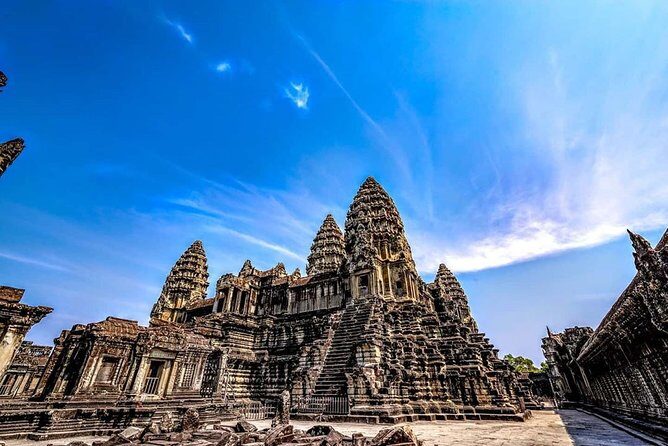
The tour day begins very early—around 4.30 am—so you can catch sunrise at Angkor Wat. This is the right call for two reasons. First, the temple’s stone takes on a soft glow as the sky clears. Second, you’re there before the busiest flow of daytime visits.
Expect about four hours for Angkor Wat itself. That’s long enough to appreciate the scale without feeling like you’re just walking through. Angkor Wat is a 12th-century masterpiece, and the effect is still strong even if you think you’ve seen photos already. When you’re standing inside the complex, details like the symmetry of the corridors and the way light hits carved surfaces do most of the talking.
Practical advice from experience: dress for the early morning chill. You’ll likely warm up later, but that first hour can feel cool. Bring something for sun once the light strengthens, and consider a small camera wrap if you’re carrying electronics in humid weather—this tour warns that natural elements can damage unprotected devices.
Day 1 through Angkor Thom: gates, face towers, and terraces you can read
Day 1 is a heavy but satisfying day. You start with jungle-temple texture, then shift into the grand layout of Angkor Thom—city walls, gates, and a lot of signature Khmer faces and myth carvings.
Ta Prohm: the tree-in-temple moment
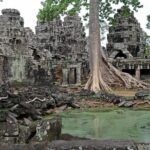
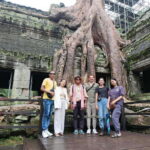
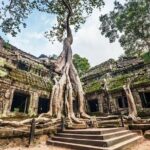
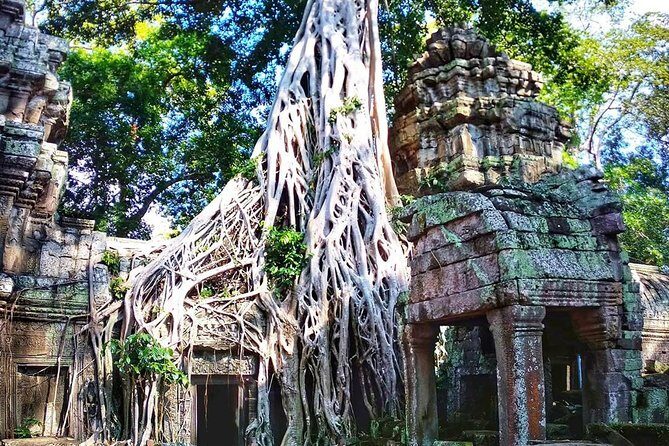
You’ll visit Ta Prohm in the morning. This is the temple many people associate with the famous tree roots weaving through stone. The best part here is the feeling of time overlap: it’s partially cleared, but you still see jungle overgrowth that makes it feel lived-in by nature.
Photo tip: don’t just aim for the iconic view from one angle. Move around a bit. The way roots frame doorways and windows changes quickly as the light shifts.
Ta Nei: smaller, but nicely artistic
Next is Ta Nei, a jungle temple with a style that recalls Ta Som. It’s the kind of stop where you can slow down. You’re looking for the craft details and the quieter atmosphere rather than big crowd anchors.
Ta Keo: the sandstone-mountain feel
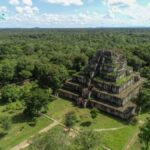
Then Ta Keo. It’s tall, dedicated to Shiva, and made from sandstone in a way that gives you a strong “temple-mountain” shape. It’s also a good contrast: after the tangled feel of Ta Prohm and Ta Nei, Ta Keo’s structure reads clean and direct.
Victory Gate and the southern gate of Angkor Thom
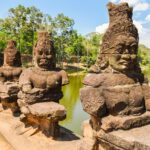
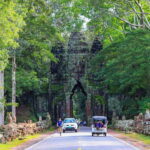
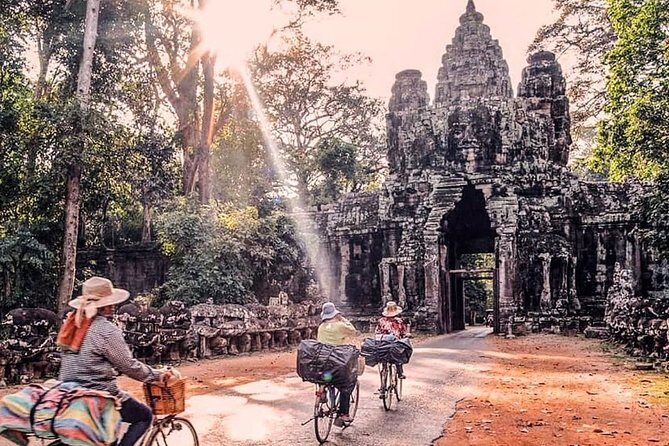
You move into Angkor Thom’s defenses with Victory Gate and Angkor Thom South Gate. Victory Gate is one of the gates that guards the ancient city. Then at the South Gate, you get the famous scene of stone figures along the causeway—part of a Hindu story setting.
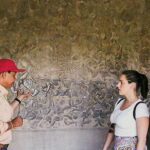
This is one of those places where your guide’s explanations matter. The carvings make more sense once you understand what you’re looking at.
Bayon: the faces, the towers, the texture
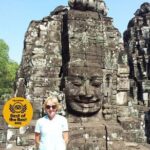
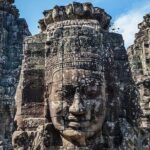
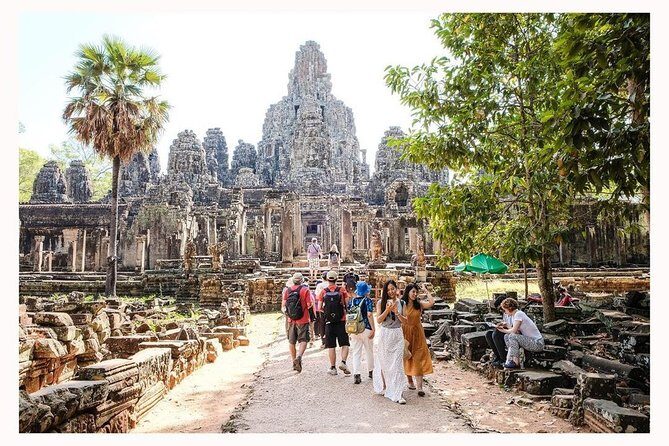
Bayon Temple is the big headliner inside Angkor Thom. You’ll see the giant stone faces and a total of 37 standing towers, with most towers featuring four carved faces. Even if you’ve seen Bayon in pictures, the scale hits differently up close. The faces are set into the towers in a way that makes you feel like the temple is watching back.
Plan for at least an hour here. It’s not a quick stop unless you want to rush.
Baphuon and the elephant-heavy stretches
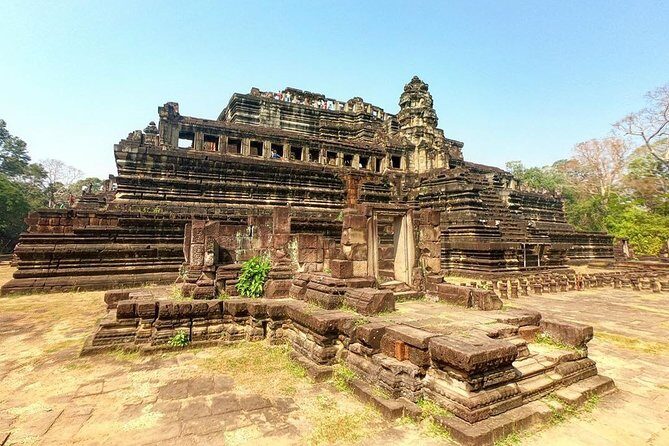
At Baphuon Temple, you’re looking at a three-tiered temple-mountain built as a state temple for Udayadityavarman II and dedicated to Shiva.
Then the day leans into long terrace walls:
- Terrace of the Elephants: about a 300-meter-long wall with carved elephants and garudas spanning the heart of Angkor Thom.
- Terrace of the Leper King: another carved double terrace with myth beings and nagas, named for the figure placed on top.
If you enjoy reading carvings like a visual story, this part is especially rewarding. If you only care about the biggest structures, it can feel like a lot of stone lines. Either way, it’s a solid Angkor Thom “deep look” segment.
Preah Palilay: a quieter finish
Finally, Preah Palilay. It’s a picture-square sandstone and laterite tower in a shaded forest setting, with an eastern gopura that has Buddhist-themed carvings.
This is a smart ending because it lets the day cool down in pace and atmosphere.
Day 2 Roluos group: stepping into Angkor’s earlier layers
Day 2 shifts to the Roluos group, which many people appreciate because it’s a bit calmer than the core Angkor circuit.
Angkor Wat is first, but the day is also about early monuments
Even though Angkor Wat is on Day 2 as a morning stop, you should think of Day 2 as the continuation of your “temples as chapters” approach. After sunrise, you already saw the opening act. Day 2 then becomes a follow-through day—less about one huge event and more about understanding the broader Angkor religious landscape.
Bakong, Lolei, and Preah Ko
You’ll visit:
- Bakong: part of the Roluos group, linked with Indravarman I and early capital years (877 to 889 AD). You’ll see three temples of the group.
- Lolei: a 9th-century Hindu temple dedicated to Shiva.
- Preah Ko: one of the oldest monuments in Angkor, named for the sacred bull Nandi, mount of Shiva. It was built in 879.
These stops are shorter, more “browse and appreciate” than “grand stage performance.” If you feel temple-fatigued after a long Day 1, this day helps balance it out.
Day 3 Banteay Srei and Banteay Samre: when Angkor looks different
Day 3 gives you a break from Angkor Thom’s dense city-wall feel. You head to Banteay Srei in the morning, about 25 kilometers north of Angkor Wat.
Banteay Srei: the pink temple and why it matters
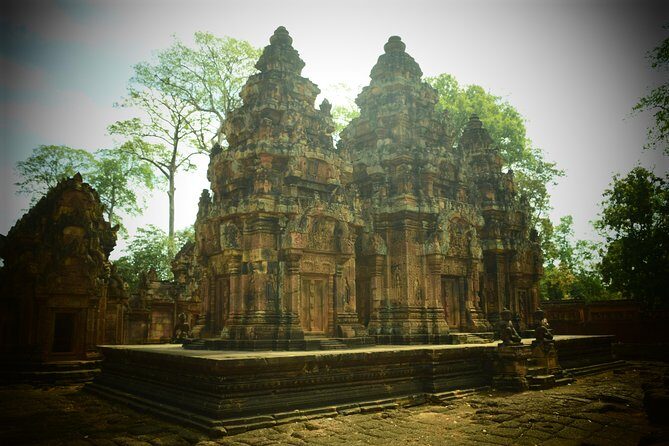
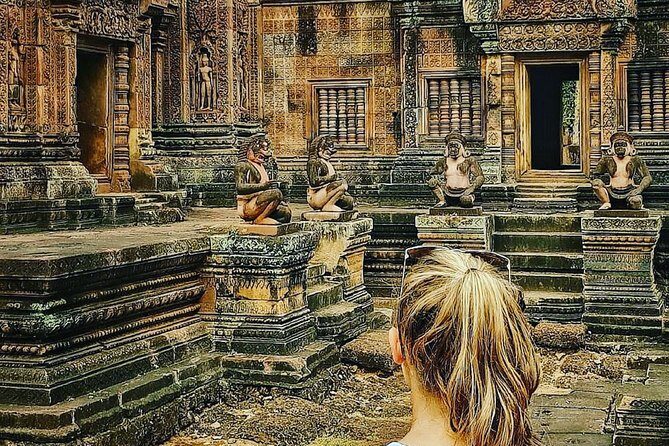
Banteay Srei is described as the fabled pink temple of women, made from pink sandstone. That color shift isn’t just aesthetic; it changes how the carvings look and how the temple reads in photos and in person. It also tends to feel more delicate than the massive stone blocks you see elsewhere in the circuit.
It’s also a good morning temple because you still have enough energy to focus on fine detail instead of just moving from doorway to doorway.
Banteay Samre: lower profile, strong style connection
Next is Banteay Samre, built in a style connected to Angkor Wat with distinct construction and art. It’s a larger, relatively low-rise temple. The influence you’ll feel here is how Angkor’s major architectural language traveled through different sites.
If you like comparing temples, this is the kind of stop that helps your brain stop treating every ruin as identical.
Kampong Phluk floating village: a boat ride with real daily rhythm
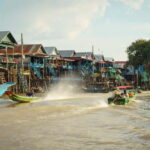
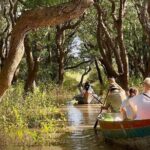
The afternoon lands on Kampong Phluk floating village. This is located on the Tonle Sap lake side, and you’ll take a scenic boat ride to see fishermen’s daily routine.
A key detail is that it’s not just a photo stop. You also visit the old market, which helps you connect the village setting to daily commerce and life rather than making it feel like a museum exhibit.
What to expect on the water
You’ll want to bring the right mindset: you’re on a boat, with sun and humidity, and you’ll be standing and moving. Also remember that the tour warns that natural elements can affect electronic equipment, so protect your phone and camera.
If you’re the type of traveler who likes understanding how people live, this is a strong ending. Temple days teach you the past. The floating village puts that experience into the present—same region, different story.
Transport, guide style, and the small comforts that reduce stress
This tour includes pickup offered and uses an air-conditioned vehicle with a professional driver. That’s not just comfort—it’s time and energy saved. Temple days in Siem Reap can be surprisingly tiring, even when you love what you’re seeing.
You’ll also get cool waters and cool wet towels, which help more than you’d expect. When you’re walking stone steps in the sun, those little pauses keep your energy up so you don’t hit a wall halfway through Bayon or the terrace carvings.
The tour uses a mobile ticket, and it’s operated on a full private basis with an English-speaking guide. When I think back on what made the experience feel smooth, it wasn’t only the sights—it was having a guide who knew how to pace the day and where photos would work best. Mr Lion was specifically praised for helping take amazing photos and pointing out places to try local cuisine.
Tickets, dress code, and budgeting without surprises
If you want this trip to feel easy, plan your payments ahead.
What’s not included (and how to budget)
- Angkor Archaeological site pass: not included. You buy it at the main gate.
- Floating village boat ticket: not included.
- Lunch: excluded (on own payment).
- Personal expenses and tips: on your own.
The site pass gives access to all sights in and around Angkor. Fees are charged in US Dollars only, and children under 12 are free. That means you should bring cash for the pass and be ready to purchase it when you arrive.
Dress code that can affect entry
Some temples have strict rules. You should dress so your shoulders are covered and your clothes fall below the knees. Shirts with obscene and disrespectful prints can lead to refusal. Brightly-coloured clothing also may be an issue.
Bring a lightweight layer that fits the rules. You’ll thank yourself when the shade disappears and the sun goes to work.
Who this tour suits best (and who may want a different pace)
This is a great fit if you:
- want sunrise at Angkor Wat as a scheduled part of your trip
- enjoy understanding temples beyond the postcard view
- like variety: jungle textures, city gates and faces, pink sandstone, then Tonle Sap life
It’s also a good option for travelers who prefer a more guided, coherent route rather than hopping between areas on your own.
If you only want the absolute “one-day highlights” and nothing else, this might feel like a lot. But if you’re the type who enjoys moving through multiple temples across multiple mornings, this route gives you that full arc.
Should you book this 3-day Angkor and Tonle Sap tour?
I’d book it if you want a balanced Angkor experience with two big anchors—Angkor Wat sunrise and Kampong Phluk—plus a thoughtfully packed Day 1 circuit through Angkor Thom. The included guide, transport, and comfort basics make it practical, and the temple mix keeps it from feeling like the same stone scene repeated.
I’d also book it with open eyes about costs. You’ll need to add the Angkor pass and the boat ticket, and lunch isn’t included. If you’re okay with that budgeting piece (and you’re willing to wake up early), this tour is a strong value for three days of real sightseeing variety.
FAQ
Is Angkor Wat sunrise included?
Yes. The tour includes a sunrise visit to Angkor Wat with an early start around 4.30 am.
Are entrance passes to Angkor Wat included?
No. The Angkor Archaeological site entrance pass is not included. You purchase it at the main gate, in US Dollars.
Is the floating village boat ticket included?
No. The boat ticket to the floating village is not included.
Is lunch included during the tour?
No. Lunch is excluded and you’ll eat on your own payment during the day.
What’s the dress code for temple visits?
You need clothes that cover shoulders and fall below the knees. You may be refused entry for obscene or disrespectful prints, and brightly-coloured clothing may also cause problems.
Do I get an English-speaking guide and transportation?
Yes. The tour includes a professional English-speaking guide and transport in an air-conditioned vehicle with a professional driver. Pickup is offered.
What happens if the weather is poor?
This experience requires good weather. If it’s canceled due to poor weather, you’ll be offered a different date or a full refund.