REVIEW · SIEM REAP
Angkor Wat Private Tuk-Tuk Tour (sunrise Option) & more
Book on Viator →Operated by Geko Tours / Siem Reap /Cambodia · Bookable on Viator
Angkor feels easier with the right timing. I like this tour because it pairs private tuk-tuk comfort with crowd-smart sunrise routing, so you spend less time stuck in lines. In my book, the best part is the human touch: drivers like Geko (and his team, including Ly, Pin, Ping, and Ra) help you steer the day and get great photo moments. One consideration: you’re paying for transport and route support more than deep temple lecturing, and the Angkor Wat admission fee is extra.
This is a door-to-door Angkor day that usually runs about 5 to 10 hours, depending on when you start and how long you linger at each site. You’ll also get practical heat relief—unlimited bottled water and cold towels—plus rain ponchos, and a child seat is available on request. For families and groups up to four, it’s a solid way to see a lot without turning the day into a stressful relay race.
In This Review
- Key things to know before you go
- Private tuk-tuk timing at Angkor: why it’s worth it
- Sunrise at Angkor Wat: how the early start changes the whole day
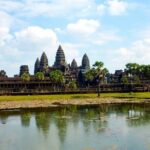
- Angkor Wat: the iconic silhouette and your first big temple walk
- Bayon Temple: bas-reliefs and a more “human” feel
- Ta Keo: sandstone geometry for people who like structure
- Ta Prohm: the famous “nature vs. temple” atmosphere
- Banteay Kdei: the calmer finish with standout stonework
- Driver support: beyond transport, with names and real practical help
- Price and admissions: where the real value shows up
- What to expect for food, heat, and the 5–10 hour pace
- Who this tour is best for (and who should pass)
- Should you book this Angkor Wat sunrise private tuk-tuk?
- FAQ
- What is the price for this Angkor Wat private tuk-tuk tour?
- How long is the tour?
- Are hotel pickup and drop-off included?
- Does the tour include tickets and temple admissions?
- What’s included besides the tuk-tuk ride?
- Is this tour private?
- Can the schedule include a sunrise start?
- Are cold towels and water provided during the day?
- Is free cancellation available?
Key things to know before you go
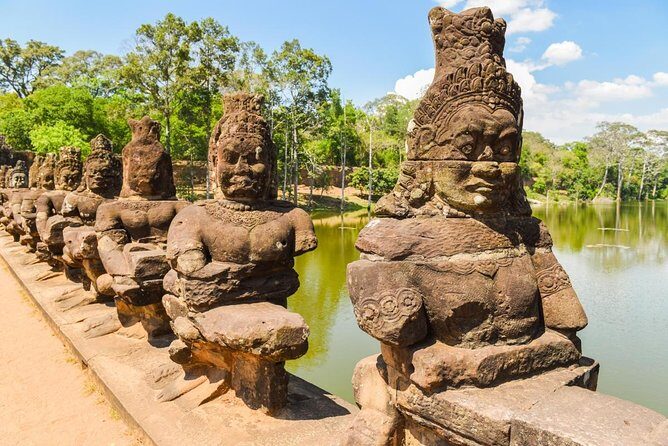
- Sunrise option that targets the iconic Angkor Wat silhouette and lighter crowds
- Hotel pickup and drop-off so you’re not wrestling tuk-tuk haggling at 5 a.m.
- Cold water and cold towels at stops, not just once at the beginning
- Route flexibility when your pace or plans change mid-day
- Photo-friendly stops with guidance to help you frame temples well
Private tuk-tuk timing at Angkor: why it’s worth it
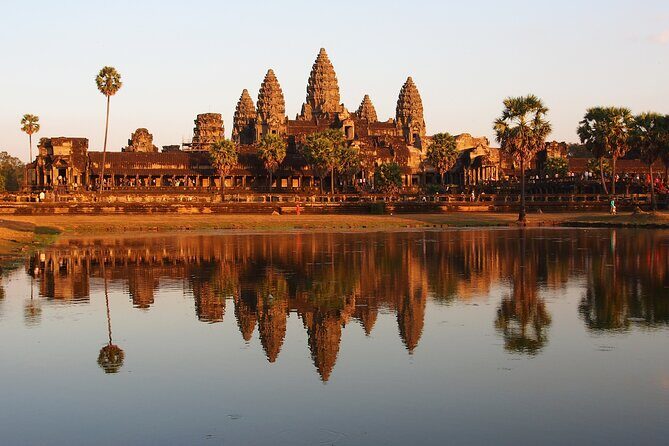
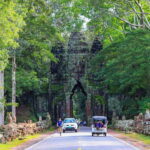
Angkor Wat and the rest of the temple circuit can feel like a theme park if you show up late and wander randomly. The big win here is control. You’re not waiting for a bus to unload, and you’re not getting bounced from one stop to the next on someone else’s schedule.
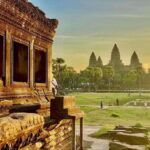
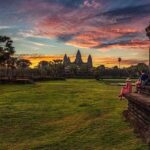
In a private tuk-tuk, you can actually use the morning light well. Sunrise at Angkor Wat is stunning, but the real trick is being positioned early enough that you’re not trapped behind the biggest crowds. This tour is built around that idea: start early, move smart, and give you time to walk the grounds without constantly checking your watch.
The other reason I like this format is simple comfort. Angkor is hot and humid, and the route between sites takes time. A tuk-tuk gets you there in a way that feels easier on your legs than long transfers on foot or long waits in traffic.
You can also read our reviews of more private tours in Siem Reap
Sunrise at Angkor Wat: how the early start changes the whole day
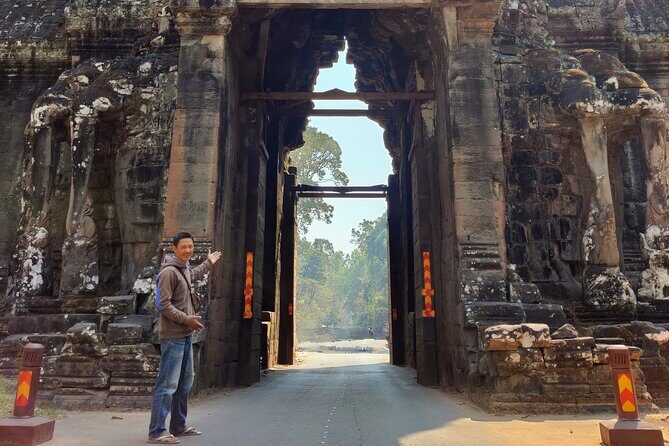
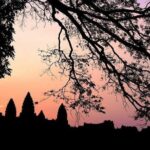
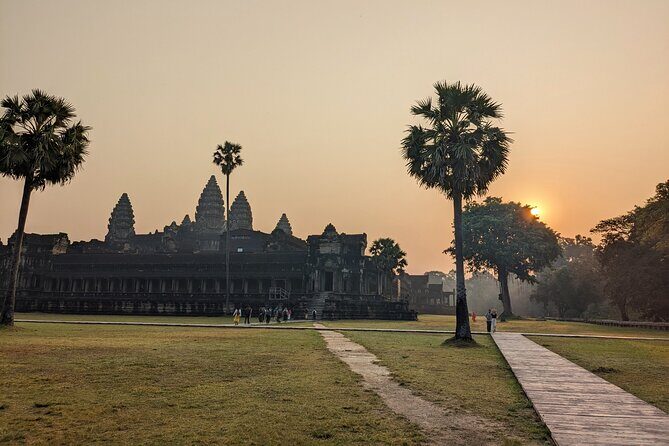
If you can do sunrise, I’d take it. Morning at Angkor Wat is when the whole complex looks most dramatic, and it’s also when the first wave of day-trippers hasn’t fully arrived yet. The tour’s sunrise-style start is designed to help you catch that moment without sprinting around with a crowd stampede.
The practical advantage is pacing. You tend to walk when it’s cooler, take photos when the light is softer, and then use the rest of the morning to explore rather than just queue. Later in the day, the same temples can feel crowded and sweaty in a way that’s harder to enjoy.
One more detail that matters: the tour is timed to keep you moving between the big sites—Angkor Wat, Bayon, Ta Prohm—so you can fit the highlights into a single day without feeling like you missed half of it.
Angkor Wat: the iconic silhouette and your first big temple walk
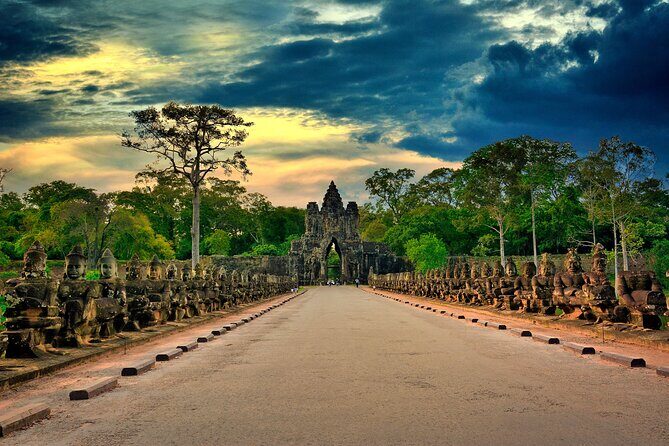
Angkor Wat is the “start here” moment, and the tour gives it the time it deserves. Plan on roughly 3 hours at the site. This is the world’s largest religious structure, spread over about 400 acres (160 hectares), and it’s a high point of Khmer architecture.
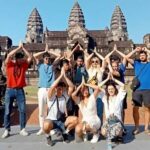
What you’ll likely feel here is scale. Even if you’ve seen photos, standing in the place that photos try to capture is different. You can also see why this is the most photographed temple in Cambodia: the angles, reflections, and the way the buildings stack together create natural photo composition.
A practical note: this tour is not sold as an all-day academic lecture. The driver can help with basics and timing, but the ticketed temple admission at Angkor Wat is extra, and if you want deeper explanations, you might want to hire a temple guide on-site. That’s especially true if you care about Khmer symbolism and the specifics behind scenes carved into the stone.
Still, as a first Angkor day, it works well. You’ll see what you came for, and you’ll build momentum for the rest of the circuit.
Bayon Temple: bas-reliefs and a more “human” feel
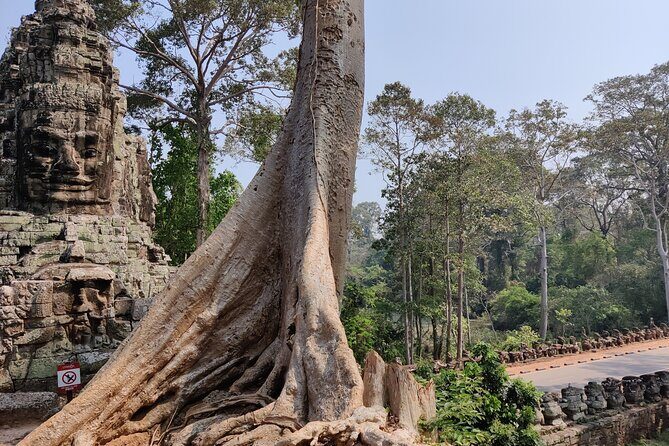
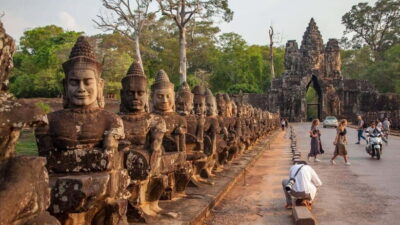
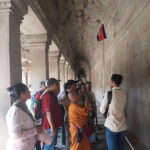
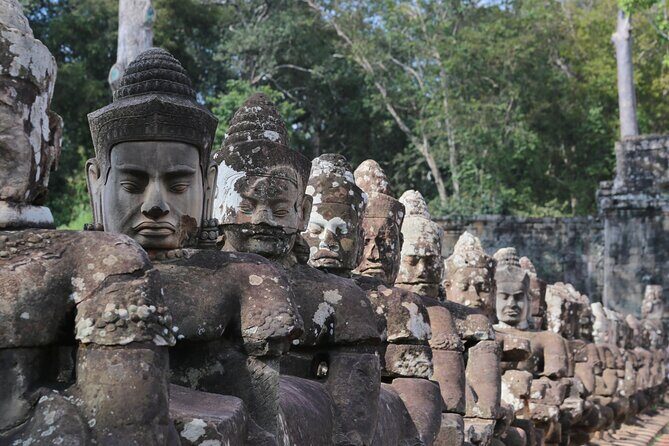
Bayon Temple is where Angkor starts feeling less like an art museum and more like a living story in stone. You’ll spend about 2 hours here. Bayon is important because it was the first and only Buddhist temple constructed by the Angkor (Khmer) Empire, and its bas-reliefs depict major events like battles and other scenes.
This stop is all about the carvings. If you like to read visually—tiny figures, shifting scenes, and layered details—Bayon rewards you. If you’re rushing, you’ll miss a lot, so the tour’s “take your time, don’t just speed through” approach helps.
Heat matters here too. You’ll be walking at midday conditions at some point, and that’s where the included cooling kit becomes more than a nice perk. Cold towels and water at the right times can be the difference between enjoying the carvings and wanting to sit down immediately.
Ta Keo: sandstone geometry for people who like structure
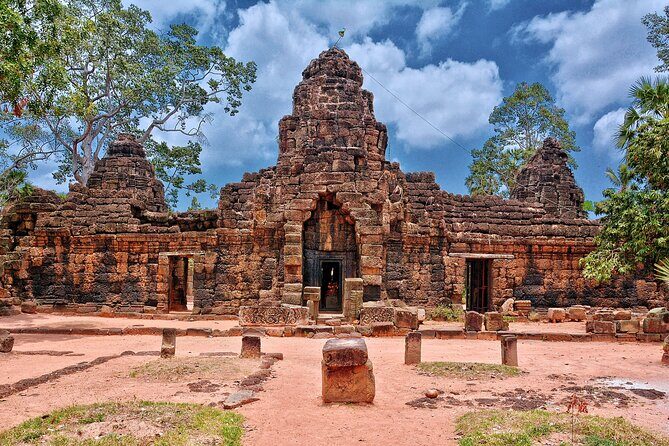
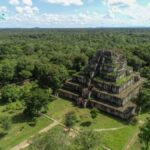
Ta Keo might not be the first name you hear in Angkor, but it’s a great contrast to the more famous temple silhouettes. You’ll get about 2 hours here. Ta Keo is known as a milestone in Khmer history because it was the first temple built entirely in sandstone.
That’s not just a trivia point. It affects how the temple looks and feels. Sandstone changes the surface color and texture, and the stonework stands out in a way that makes the structure feel more “engineered” than overgrown or weathered. If you enjoy straight lines, heavy forms, and architectural precision, this is one of the more satisfying stops.
The tour pacing helps too. You have time to walk the temple grounds slowly enough to actually notice the building style, not just glance from one viewpoint to another.
You can also read our reviews of more tours and experiences in Siem Reap
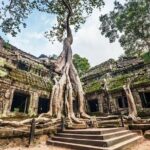
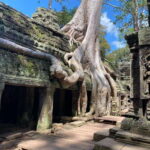

Ta Prohm: the famous “nature vs. temple” atmosphere
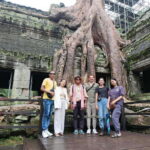
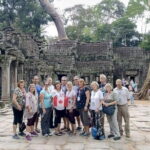
Ta Prohm is often the crowd magnet for a reason: nature is right there, in the frame with the stones. You’ll spend about 1 hour 30 minutes at this site.
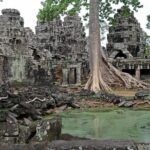
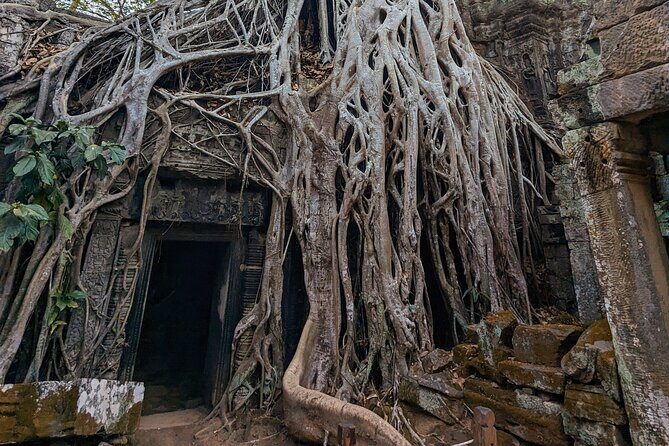
Ta Prohm was built from 1186 and was originally known as Rajavihara, meaning Monastery of the King. It was dedicated to the mother of Jayavarman VII. The signature feature is what you’ll immediately notice: the way trees and roots grow back into the temple structures, giving the site an eerie, timeless look.
This stop is intense because it’s visually busy. That’s why having a driver who understands where to walk and when to move is useful. You don’t want to waste time zig-zagging while the light and good angles are slipping away.
If you’re traveling with kids, Ta Prohm can be a win. It has that “movie set” vibe that holds attention better than purely architectural sites. Just keep the timing realistic—don’t schedule this as your only walking-heavy moment if your group gets tired fast.
Banteay Kdei: the calmer finish with standout stonework
Your final temple stop is Banteay Kdei, and you’ll typically have about 1 hour here. It’s considered by many to be a jewel in Angkorian art, built on stone with a pinkish hue and famous for fine carving.
It began in 967 CE, which gives you a sense of how long this region’s stone artistry has been evolving. Even with limited time, Banteay Kdei is a nice way to end the loop. The carvings and the color tones feel different from Ta Prohm’s chaotic, nature-filled look.
By the time you reach the last stop, you might be a bit temple-fatigued. That’s normal. The tour helps you avoid the worst option—spending your energy on transfers instead of on the places themselves.
Driver support: beyond transport, with names and real practical help
The core promise of this tour is that you’re in a private tuk-tuk with a local team that understands Angkor roads. And in the best cases, the driver goes further than simply driving.
People often highlight that drivers:
- take time to explain basic temple context
- help you find good photo spots
- keep you comfortable with cold drinks and towels
- stay friendly and responsive if you change plans mid-day
Names you might encounter include Geko, Ly, Ra, Pin, Dina, Ping, and Eumnarong. Not every driver will be the exact same style, so if you’re relying on your driver for explanations, it’s worth deciding what you want from the day. Some drivers handle logistics plus helpful narration. If you want a deep, line-by-line history of carvings and Khmer rulers, you may still prefer a licensed temple guide.
One extra detail I really appreciate in this kind of day: flexibility for real-life moments. There are examples of adjustments for family needs, including illness, and drivers coordinating around it so you’re not left scrambling.
Also, for families, check that you’ve requested a child seat. The tour mentions it’s available on request, and that kind of planning makes the whole day less stressful.
Price and admissions: where the real value shows up
The price is $25.90 per group (up to 4). That matters because you’re splitting a private tuk-tuk cost, not paying per person for a big vehicle. For a day that covers multiple major temples, that’s strong value—especially when the day includes hotel pickup and drop-off.
What’s extra:
- Angkor Wat admission is $37.00 per person
- Food and beverages are not included
- A temple guide is not included
Here’s the practical way to think about value: even if you add the Angkor Wat ticket, you still get something people struggle to recreate on their own. You get a planned route, early timing options, and heat-management support. Most independent DIY days end up costing more in time and frustration than you expect.
If you want more detail at each temple, budget for a guide or additional help at least for Angkor Wat or Bayon. The tour is great for seeing, moving, and getting the highlights with comfort.
What to expect for food, heat, and the 5–10 hour pace
This is a long day. Even on the shorter end, you’ll be outdoors and walking enough to feel it. The tour includes unlimited bottled water and cold towels, which helps you keep going rather than crashing early.
Food is the main gap. Since meals aren’t included, you’ll need to plan for lunch on your own. In practice, I’d treat your driver’s lunch suggestion as part of the strategy. A good stop can save time and keep the day flowing.
For clothing, aim for breathable fabric. Bring something to protect your shoulders and a hat, since sunrise to midday transitions can be brutal. The tour also provides rain ponchos if the weather turns.
Shoes matter more than you think. You’ll be on stone and uneven temple paths, so comfortable walking shoes are the safe choice. Flip-flops are romantic until the day starts and your feet hate you.
Who this tour is best for (and who should pass)
This tour fits best if you want:
- a private Angkor day with your group
- a smart route and timing (especially for sunrise)
- comfortable heat management via bottled water and cold towels
- flexibility to linger or adjust without pressure
It’s also family-friendly, and the mention of a child seat on request is a real plus for parents.
What to watch for: if you want deep history and detailed explanation at every temple, this tour is not designed to replace a full specialist guide. The driver can share helpful basics, but a licensed guide would be better for people who want the full Khmer-history story stitched together.
If your idea of a perfect trip is a tight schedule with minimal walking, Angkor might still feel like too much. You’ll likely spend serious time on your feet at each major site.
Should you book this Angkor Wat sunrise private tuk-tuk?
I’d book it if you want the best mix of comfort, timing, and freedom. The early start is the big draw, and the included cold towels and water make the day much easier to handle. At $25.90 per group (up to 4), it’s also a price that feels friendly compared with the cost of private transport plus extra guides.
I’d be cautious if you’re the kind of traveler who needs heavy, temple-by-temple lecturing from start to finish. In that case, plan to add a temple guide for at least one or two stops, and treat the driver as your route expert and comfort manager.
And one more sanity check before you go: make sure you’re crystal clear on pickup timing and meeting points for an early sunrise start. The tour runs on tight early hours, and professionalism at the start sets the tone for the whole day.
If you want Angkor done efficiently, comfortably, and without losing the day to logistics, this private sunrise tuk-tuk option is a strong choice.
FAQ
What is the price for this Angkor Wat private tuk-tuk tour?
It costs $25.90 per group, up to 4 people.
How long is the tour?
The duration is about 5 to 10 hours.
Are hotel pickup and drop-off included?
Yes, hotel pickup and drop-off are included.
Does the tour include tickets and temple admissions?
No. Angkor Wat admission is listed as $37.00 per person, and admission tickets are not included in the tour.
What’s included besides the tuk-tuk ride?
Included items are bottled water, hotel pickup and drop-off, local tax, and an experienced English-speaking driver.
Is this tour private?
Yes. It is a private tour, and only your group participates.
Can the schedule include a sunrise start?
Yes. There is a sunrise option, and the tour operates from 5:00 AM.
Are cold towels and water provided during the day?
Yes. Bottled water and cold towels are included.
Is free cancellation available?
Yes. You can cancel up to 24 hours in advance for a full refund.