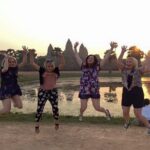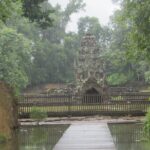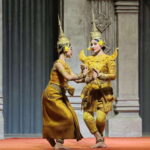
Two days can feel like a temple marathon. This private Angkor Wat plan is designed to hit the big names early, then follow with quieter, more spread-out Khmer sites.
I especially like the sunrise start at Angkor Wat and the fact you get an early crowd advantage without feeling rushed. I also like that you’re guided by a certified English-speaking guide—people listed with this tour include Mr. Sokky, Mr. Ram, Mr. Raksmey, and Mr. Sok Ly—plus an experienced driver to keep the logistics calm.
One thing to consider: the Angkor entrance ticket isn’t included. And day two adds longer drives, so it helps to have moderate physical fitness for walking and temple stairs.
In This Review
- Key highlights you’ll feel right away
- Private 2-day Angkor Wat: who this plan suits best
- Getting there early: Angkor Wat sunrise without the chaos
- Angkor Thom South Gate to Bayon: the story is in the details
- Phimeanakas and Ta Nei: the calmer stops that make the day feel complete
- Ta Prohm and the second Angkor Wat visit: pacing that works
- Day 2: Banteay Samre and Banteay Srei for a more local Angkor feel
- Kbal Spean, Srah Srang, and Pre Rup sunset options
- Price and what you’re really paying for ($375 for up to 3)
- What’s included, what’s not, and how to prep like a pro
- Guides, flexibility, and the small things that change the experience
- Should you book Royal Angkor Tours for a 2-day Angkor Wat plan?
- FAQ
- Is this tour private?
- Does the price include pickup and drop-off?
- Are temple entrance fees included?
- Is food included?
- What temples and sites are covered over the two days?
- Do you need to be very fit?
Key highlights you’ll feel right away
- Front-row timing for Angkor Wat sunrise so you’re not arriving into the crush
- A full Angkor Thom loop with Bayon and multiple carved terraces beyond the main postcard stops
- Two different Angkor Wat visits—first for sunrise mood, then again later for a steadier look around
- Remote temples on day two like Banteay Srei and Kbal Spean, with village and countryside driving
- Sunset flexibility at Pre Rup or Srah Srang depending on the light and your energy level
Private 2-day Angkor Wat: who this plan suits best
This is a true private tour for your group (up to 3 people). That matters at Angkor, where crowds can turn simple sightseeing into a push-and-pull puzzle. With a private setup, you get smoother pacing and the option to adjust the route if you have special wishes, like a late pick-up, lunch at a local restaurant, or a least-crowded approach.
I think it’s a great fit if you:
- Want a guide who explains what you’re seeing, not just a checklist of temples
- Prefer comfortable transport (air-conditioned vehicle) between sites
- Care about seeing more than just Angkor Wat and Ta Prohm
It may not be the best match if you want a lazy, sit-everywhere day. This is active sightseeing, with sunrise and multiple stops across two long days.
You can also read our reviews of more private tours in Siem Reap
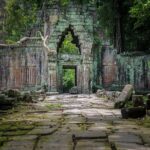
Getting there early: Angkor Wat sunrise without the chaos
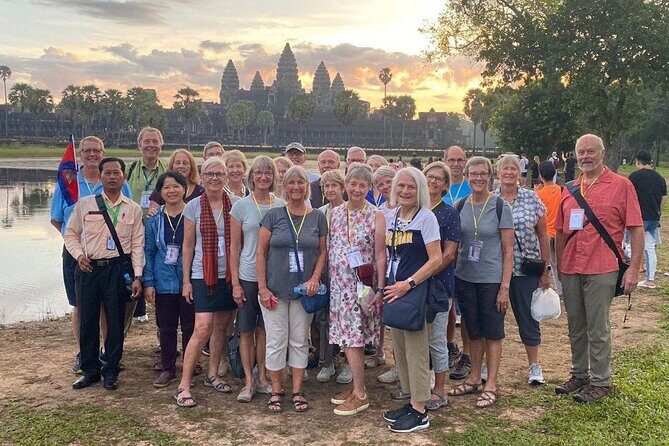
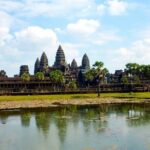
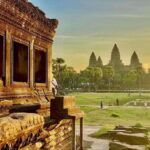
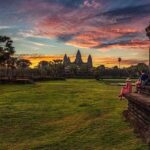
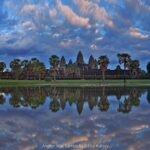
Day 1 starts with early pick-up from your hotel. The whole point is to catch the sunrise over Angkor Wat, the most famous complex in the Angkor Archaeological Park.
Here’s why this matters beyond the cliché:
- Sunrise light softens the stone and makes carvings easier to read at a glance
- Early arrival usually means less jostling when you’re trying to frame photos or simply look
- You also get momentum—your brain is fresh for the first major temple of the day
The tour includes about an hour at this stop, and you’ll have the chance to admire the temple complex in the early calm before the day swells. Dress for early hours and bring a layer if you get cold at dawn; mornings in Cambodia can feel cooler than you expect.
Angkor Thom South Gate to Bayon: the story is in the details
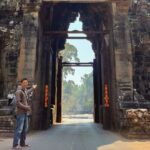
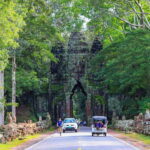
After breakfast, you move into Angkor Thom, starting at the South Gate. This is a big visual threshold: it’s not just another entrance. It’s where the scale hits you—the city-plan feel, the massive stone faces, and the sense that Angkor Thom was built to impress.
From there, the tour goes to Bayon Temple, the center of Angkor Thom. Bayon is famous for its 37 towers with sculptural decorations and those iconic rock faces. This is one of the places where a good guide can transform what looks like repeating faces into a clearer sense of time period and royal intent.
Then you shift into smaller-but-memorable carvings:
- Terrace of the Elephants: three platforms surrounded by elephant carvings linked to an elephant hunt theme. Even with only 15 minutes here, it’s the kind of stop that rewards looking slowly.
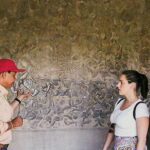
- Terrace of the Leper King: one of the most detailed relief areas in this whole circuit. You’ll spend about 20 minutes, and the reliefs are described as extremely well preserved. Expect crisp storytelling on who built what and why the terrace gained its name.
A practical note: these terraces are mostly stone, so shade can come and go. I’d plan on adjusting your pace to the sun—look, then step into shade when you can.
Phimeanakas and Ta Nei: the calmer stops that make the day feel complete
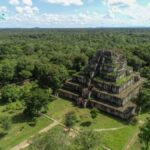
Phimeanakas is next. It’s smaller than the major wow-temples, but it plays a smart role in the itinerary. This royal temple sits atop a 12-meter-high pyramid, and from the top you can get a view over the Angkor Thom area.
That viewpoint helps you understand the layout—where you are in relation to the larger city complex. It’s also a nice break from the nonstop face-and-carving scanning of Bayon and the terraces.
Then after lunch, the tour heads to Ta Nei Temple, a smaller temple located about 4.5 km from Angkor Wat. It’s the kind of stop that feels less crowded and more human-scaled. Instead of fighting for space, you can look at the craftsmanship without feeling like you’re part of a moving crowd.
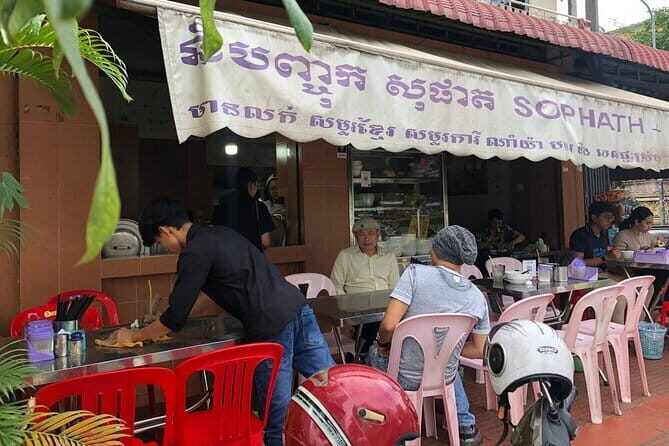
Lunch is flexible: you can choose from local and international food in the Angkor Park area or you can return to your hotel with the help of the driver. Either way, you’ll want food you can digest well; the afternoon still has big sights.
Ta Prohm and the second Angkor Wat visit: pacing that works
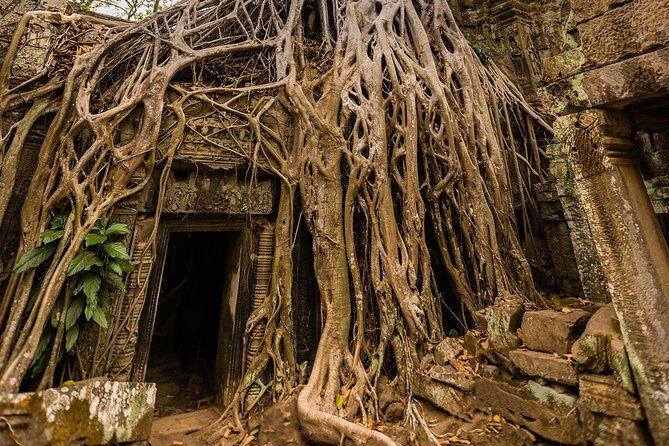
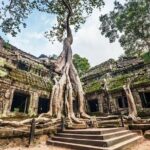
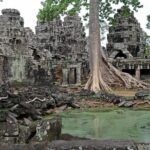
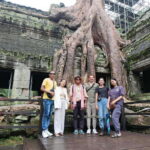
Ta Prohm is the classic jungle temple stop, built by Jayavarman VII in honor of his mother. It’s described as almost swallowed by trees, and even if you’ve seen photos before, the scale tends to hit differently when you’re standing among the roots and stone.
This stop is about an hour. That’s long enough to walk the main paths, take in the contrast between stonework and vegetation, and not feel like you’re only sprinting from one photo angle to the next.
After Ta Prohm, the tour returns to Angkor Wat again for a second look. This second visit is about giving you time to absorb the complex more fully—its pagoda and role as the center of the mighty Khmer kingdom. It’s scheduled for about two hours, and that’s where you can slow down for the stair climb and focus on specific carvings and courtyards without the sunrise adrenaline dominating everything.
I like this structure because it prevents the common problem of seeing Angkor Wat only in one emotional mode. Sunrise gives atmosphere; the later visit gives clarity.
Day 2: Banteay Samre and Banteay Srei for a more local Angkor feel
Day two is where the tour starts spreading out. Since day one is early, day two is planned so you can sleep a little longer and have breakfast in your hotel before pick-up.
The first stop is Banteay Samre (about 1.5 hours). It’s described as more distant, and that distance is the point: you see Angkor as a region, not just a single star attraction.
Next comes Banteay Srei, located around 20 km from the main complex of Angkor. The drive goes through small villages and rice fields, which adds a more grounded Cambodian feel to the day. In other words, you’re not only visiting temples; you’re also getting the scenery and everyday rhythm that surrounds them.
Banteay Srei gets about 1.5 hours, and it’s a solid tempo change from the busiest core areas. If you enjoy having breathing room while still seeing authentic Angkor-era architecture, this is where that joy shows up.
Kbal Spean, Srah Srang, and Pre Rup sunset options
After Banteay Srei, the itinerary includes Kbal Spean. It’s about 60 km from the main complex, described as a river in the jungle and often referred to as the river of a thousand linga. The stop duration is about 1.5 hours.
You can decide where to have lunch on the way to Kbal Spean, which helps if you want something simple and quick—or if you’d rather avoid trying to fit your meal into temple time.
Then the tour returns toward the core area with Srah Srang. Srah Srang translates to Royal bath, and it’s a water reservoir located south of the East Baray and close to the Pyramid Temple of Pre Rup. This stop is shorter (about 30 minutes), but it’s helpful for two reasons:
- It gives you a calmer, reflective break
- It sets up the sunset finish around water and stone
For the final act, you have a choice between sunset at Pre Rup or sunset around Srah Srang. The tour drives into the main area again to watch the sun settle, either in the reservoir or with views tied to Pre Rup. This flexibility is practical because sunset lighting can depend on weather and your group’s energy.
If you’re the type who loves a photo but hates waiting in circles, this structure gives you a clear plan for where the light will matter.
Price and what you’re really paying for ($375 for up to 3)
The price is $375.00 per group (up to 3) for two days. At first glance, that’s not cheap. But here’s the value angle I’d watch:
- Private guide and private driver for a full two-day circuit
- Air-conditioned vehicle for long drives between sites
- A guide who handles timing and site flow, including an early sunrise start
- The tour includes pickup and drop-off from your hotel or meeting point
What’s not included is the Angkor entrance ticket: an Angkor Wat 3-Day Ticket for $62.00 per person. So your real cost depends on how many people are in your group and whether you already have the ticket.
If you’re traveling as a pair or with family (like one set of parents traveling with a couple), private pricing can be a smart move. You reduce waiting, you avoid splitting up, and you get to make the day match you instead of the other way around.
What’s included, what’s not, and how to prep like a pro
Included in the tour:
- Air-conditioned vehicle and private transportation
- Experienced driver
- Certified English-speaking guide
- Costs for guide and driver (the itinerary notes entrance-related costs for guide/driver, while your admission ticket is separate)
- Pickup and drop-off from hotel or meeting point
Not included:
- Food and beverages
- Insurance
- Entrance fee: Angkor Wat 3-Day Ticket ($62 per person)
What to bring (simple and practical):
- Comfortable shoes for temple floors and stairs
- Sun protection (hat, sunglasses, sunscreen). Day 2 includes countryside drives too.
- Water for breaks. Food options exist around Angkor Park and on the way to certain stops, but you don’t want to rely on finding a specific place at the exact moment you’re thirsty.
Also, the tour notes a moderate physical fitness level is recommended. That’s not saying you have to be an athlete, but it does mean plan for walking and climbing.
Guides, flexibility, and the small things that change the experience
This tour has consistently strong feedback, and a pattern shows up: people love the way guides manage both information and flow.
You’ll likely get a guide who can connect the temple details to the bigger Khmer story, and many of the names tied to the experience are:
- Mr. Sokky (with driver Mr. T)
- Mr. Ram
- Mr. Raksmey (with driver Mr. Long)
- Mr. Sok Ly
- Khemrint Kheng
The best part is not just facts. It’s timing and adaptability. The tour is described as flexible—able to fit the group, work around comfort needs, and suggest route or pacing adjustments. When you’re dealing with heat, stairs, and unpredictable crowds, that kind of flexibility is worth real money.
Should you book Royal Angkor Tours for a 2-day Angkor Wat plan?
I’d book this if you want a private, two-day Angkor experience that covers both the main icons and the farther sites, with a guide who explains what you’re seeing and a driver who keeps the route logical. The sunrise start at Angkor Wat plus the second Angkor Wat visit is a smart combo. It balances mood and clarity, not just speed.
I’d think twice if you:
- Hate early mornings (day one starts early)
- Don’t want to pay the separate $62 per person ticket
- Prefer only short, low-walking temple stops (day two involves longer distances)
If you do book, I’d send a message in advance with your preferences—late pick-up, lunch choices, or a least-crowded route. With a private setup, those tweaks can turn a good itinerary into a better match for your pace and priorities.
FAQ
Is this tour private?
Yes. It’s a private tour, and only your group participates (up to 3 people).
Does the price include pickup and drop-off?
Yes. Pickup and drop-off from your hotel (or meeting point) are included.
Are temple entrance fees included?
No. The Angkor Wat 3-Day Ticket is not included and costs $62.00 per person.
Is food included?
No. Food and beverages are not included. There are restaurants and food stalls in the Angkor Park area, and lunch can be chosen on the way to Kbal Spean.
What temples and sites are covered over the two days?
You’ll visit Angkor Wat (sunrise and later), Angkor Thom South Gate, Bayon Temple, Terrace of the Elephants, Terrace of the Leper King, Phimeanakas, Ta Nei Temple, Ta Prohm, plus on day two Banteay Samre, Banteay Srei, Kbal Spean, Srah Srang, and Pre Rup (sunset option).
Do you need to be very fit?
The tour recommends moderate physical fitness. That’s mainly because you’ll walk temple areas and deal with stairs.