REVIEW · SIEM REAP
Angkor Wat highlight Tour From Sunrise -Small Group
Book on Viator →Operated by Angkor Wat Local Guide · Bookable on Viator
Early morning in Angkor feels different.
This sunrise highlight tour starts before most people wake up, so you get the temple atmosphere while it is cooler and calmer. I especially like how the schedule mixes iconic stops (Angkor Wat for sunrise, then Angkor Thom and Bayon) with the more atmospheric Ta Prohm. The second thing I like is the small group setup (max 15) plus practical touches like bottled water and cool towels during the day. One drawback to consider: you still need to pay an additional USD 37 temple pass on the day, and meals aren’t included—so your full budget is more than the $18 base price.
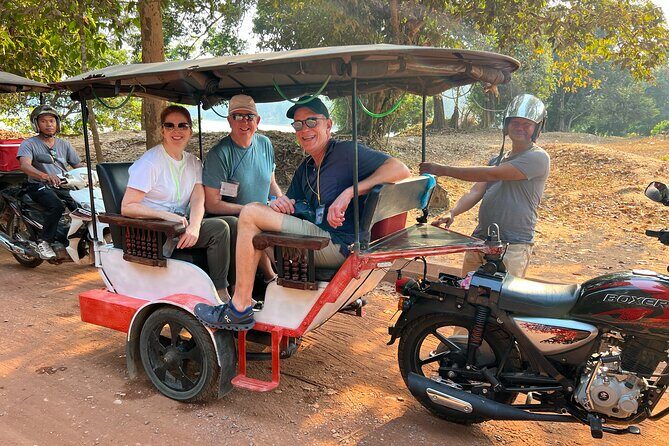
You’ll also get an English guide and an air-conditioned vehicle, which matters when you are walking for hours in heat. The tour covers key Cambodians sights you can actually explain to friends later: the Gate of Angkor Thom, the central towers at Bayon, and the Terrace of the Leper King. If you prefer a slow, wandering pace with lots of free time, this won’t feel that way—it is built to move from sunrise through several major temples in one long morning and afternoon.
In This Review
- Key things to know before you go
- Sunrise at Angkor Wat, minus the mid-day heat
- How the early route flows: from gates to towers
- Entering Angkor Wat before the crowds think about coffee
- Angkor Thom South Gate: 54 figures worth paying attention to
- Bayon Temple towers: the face-on-face moment
- Terrace of the Leper King: where you learn to read the carvings
- Ta Prohm in the jungle: atmospheric, but sweaty
- Guide quality: what makes the difference on a sunrise day
- Value and price: the $18 deal and what it really means
- What to wear and pack for a smooth day
- Who should book this sunrise tour
- Should you book it or wait?
- FAQ
- What time does the sunrise tour start?
- How long is the tour?
- Is hotel pickup included?
- Is the tour in English?
- What’s included during the day besides the guide?
- Do I need to pay for temple access?
- What should I wear?
- How big is the group?
Key things to know before you go
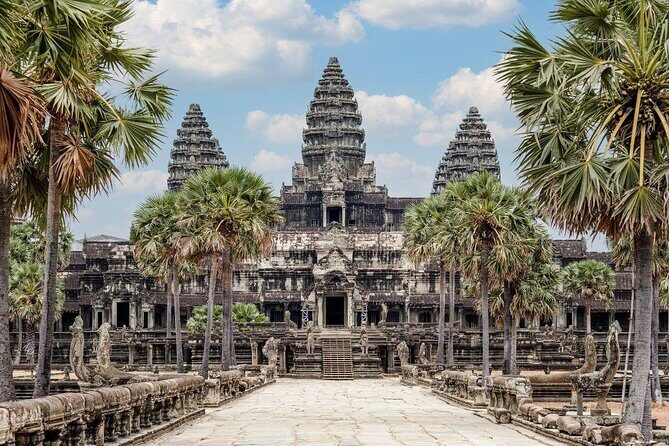
- Pre-dawn start for real sunrise: you leave around 4:30–5:00 am depending on the season to reach Angkor Wat before the sky changes.
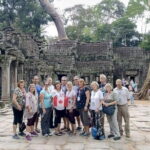
- Small group keeps it manageable: maximum 15 travelers helps you keep up and reduces the chaos inside the temples.
- English guide with clear context: you learn what wall carvings mean and how people lived during the Khmer Empire.
- Cooling breaks are built in: bottled water and cool towels help you stay functional during the hottest walking.
- Budget includes surprise costs: temple entrance fees are not included, with a USD 37 temple pass payable on the day.
- Dress for temple rules: you need shoulders and knees covered.
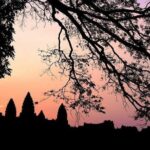
Sunrise at Angkor Wat, minus the mid-day heat
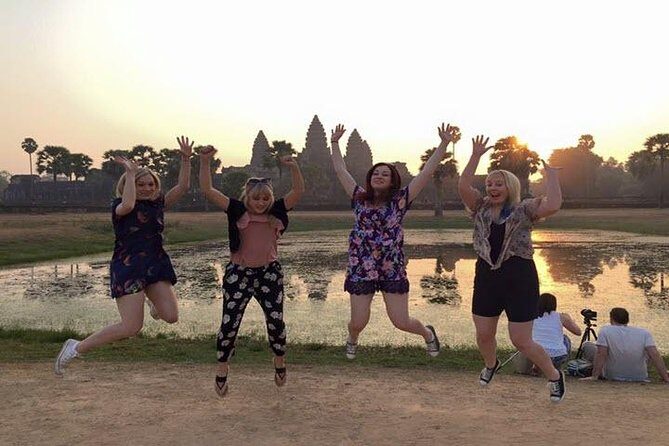
The hardest part of Angkor is not the walking—it is timing. This tour tackles timing by getting you to Angkor Wat early, with a pre-dawn departure from your resort (start time listed as 4:30 am). Depending on the time of year, departures run roughly between 4:30 and 5:00 am so you still land at the right moment for sunrise.
A big value of this approach is simple: you are at the temple when the air is cooler and the light is soft. That means the stone carvings don’t look harsh, and the scale of the complex feels more dramatic than it does under midday glare. One of the reviews also called out how worth it sunrise is for getting out of the heat by afternoon.
Practical tip: wear breathable layers you can manage in the dark-to-day transition. The tour includes a cool towel and water, but sunrise mornings can still feel cold or damp right before the sun climbs.
You can also read our reviews of more tours and experiences in Siem Reap
How the early route flows: from gates to towers
This is not one temple and done. The tour is designed as a chain: Angkor Wat first, then you move deeper into the Angkor complex—Angkor Thom—before heading toward the jungle temple of Ta Prohm.
The itinerary is roughly:
- Angkor Wat at sunrise
- Angkor Thom South Gate
- Bayon Temple (central towers)
- Ta Prohm (jungle setting)
Along the way, you also get coverage that ties to the Khmer story, including the Terrace of the Leper King (this is listed as a highlight, even if it’s not always labeled as a separate timed stop on every schedule version). So you should expect more than photo stops. You will get explanations about what you are seeing and why it mattered.
Entering Angkor Wat before the crowds think about coffee
Angkor Wat is the centerpiece, and the tour’s opening move is smart: you head straight to the temple and enter in the early hours (the plan notes entry in darkness from an eastern approach). That early entry is a key reason sunrise tours feel different from regular daytime visits—you are walking through corridors while the place is quiet enough to actually notice carvings and textures.
What you can focus on at this stage:
- The main sunrise viewpoints: you’re there for the moment the sky turns and the towers start reading clearly against the horizon.
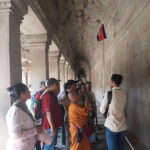
- Corridors and chambers: the tour includes time for a guided look at the temple’s internal spaces.
- Meaning in the stone: your guide explains wall carvings and how they connect to life during the Khmer Empire.
Even if you only care about photos, sunrise is the cheat code. Light is kinder early, and you get a sense of the temple as a living monument rather than a busy sightseeing stop.
One practical consideration: you need to plan for a long morning. This is a pre-dawn start and the day runs about 8 hours total, so late breakfast and midday fatigue are real. If you hate being rushed, you may want to bring a slightly slower mindset going in—then enjoy the rest time you get during the morning.
Angkor Thom South Gate: 54 figures worth paying attention to
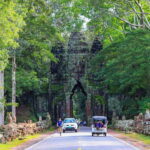
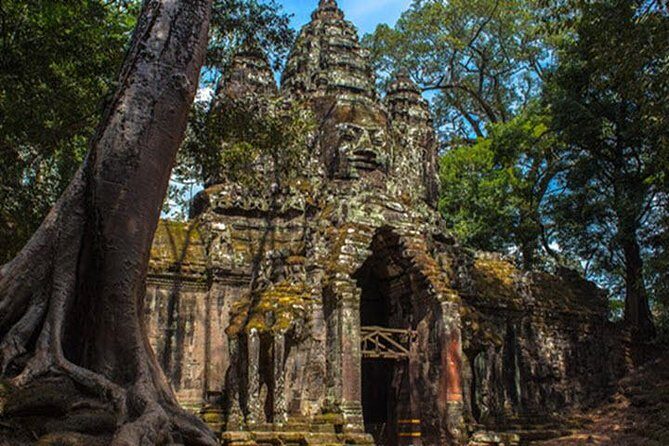
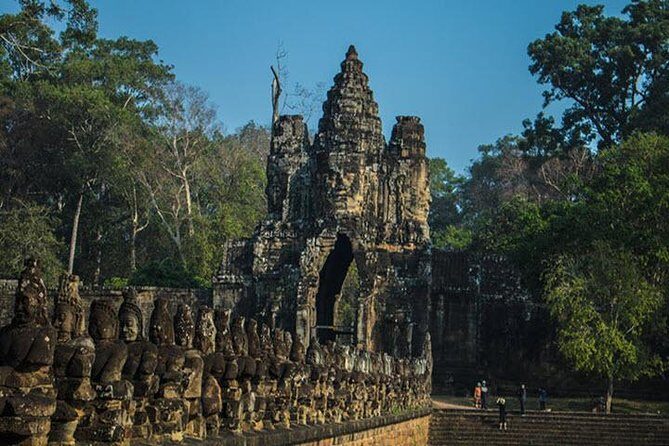
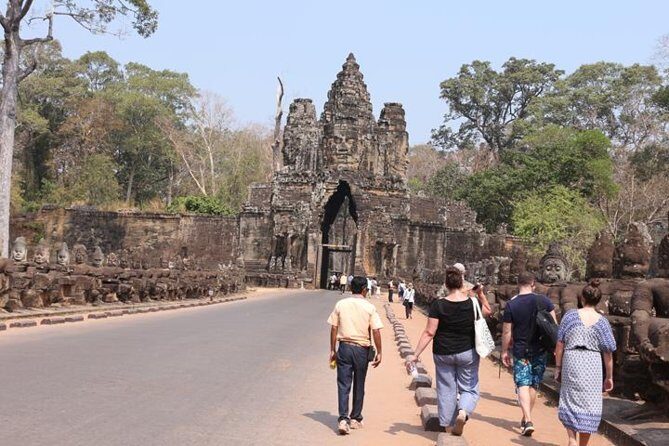
After the sunrise portion, the tour shifts to Angkor Thom, starting at the South Gate. This gate is more than an entrance sign. It is part of the show—flanked by a row of 54 figures, which your guide can help you interpret.
Why this stop matters for first-timers:
- It is your orientation moment. Angkor Thom is huge, and you need those reference points to keep your bearings.
- It gives you a break from the most intense sunrise crowd energy, while still keeping momentum.
The schedule also references a breakfast around this phase, with breakfast provided beyond your temple and a brief rest. That timing is helpful. You get a meal before you push into more walking and the next temple complex.
Tip: treat breakfast like fuel. You will have lunch later, but the tour notes lunch is for your own expense, so early food helps you avoid decision fatigue at midday.
Bayon Temple towers: the face-on-face moment
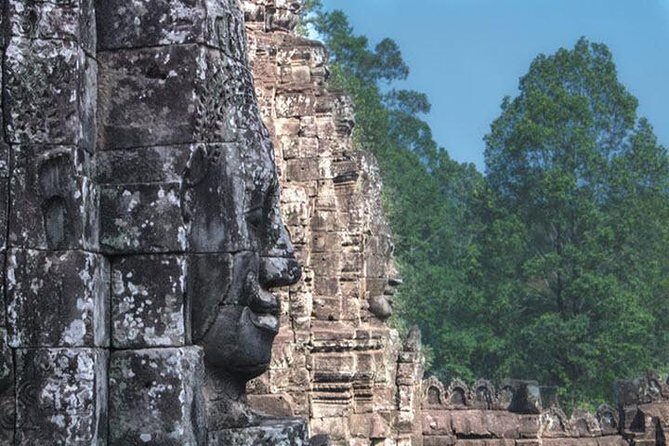
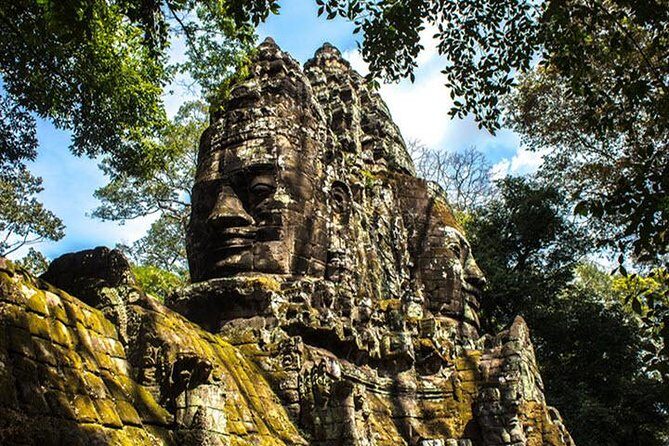
Next up is the Bayon Temple, famous for its central towers and those repeating stone faces. Here, the tour’s guiding value shows up: the guide doesn’t just point and move. You also get context about the temple’s features and what the carvings and layout are meant to communicate.
At Bayon, I’d focus on three things:
- The towers: the faces show up from multiple angles, and you will likely get chances to reposition for better views.
- Architecture details: you can actually see how the stonework creates depth.
- Story connections: your guide links visuals back to Khmer-era culture and meanings in the carvings.
Duration-wise, this portion is listed as a few hours across stops, so expect some real time on your feet. This is where comfortable walking shoes matter more than you think. The tour specifically recommends them.

Terrace of the Leper King: where you learn to read the carvings
The Terrace of the Leper King is listed as a highlight and is the kind of stop that can transform your whole day from sightseeing into understanding. The tour includes learning about Cambodia’s heritage here, and that is usually where wall carvings and symbolism start making sense.
Even if you do not speak a word of Khmer, a good guide can help you “decode” what you are looking at—how people lived, how religious and royal ideas were expressed, and how the Khmer Empire used stone as a message board.
If you are the type who likes history, this is the part to pay attention to. If you are not, still give it five solid minutes of focus. This is the best place to slow down and absorb why all these temples are connected.
Ta Prohm in the jungle: atmospheric, but sweaty
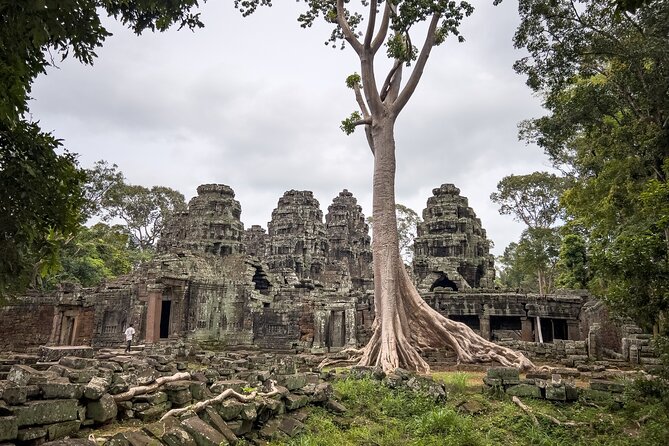
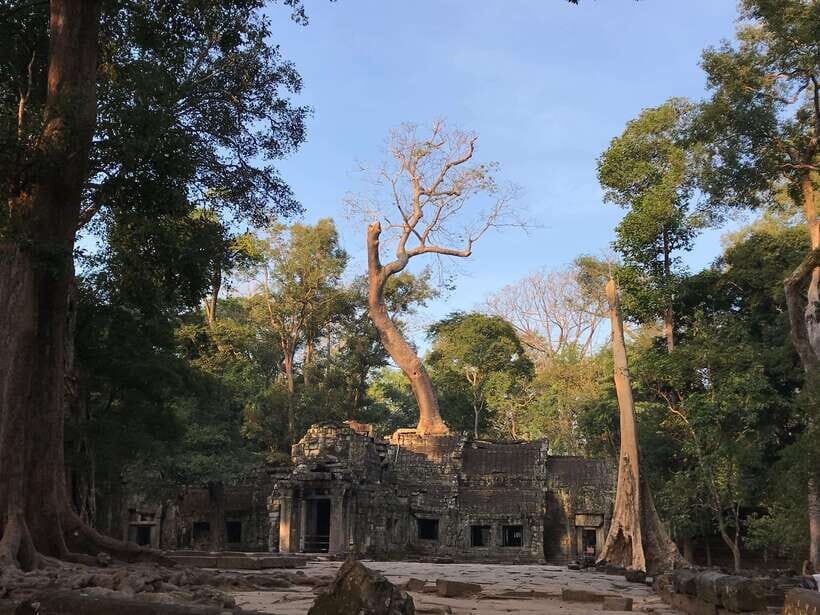
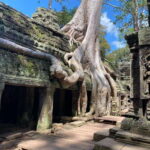
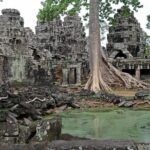
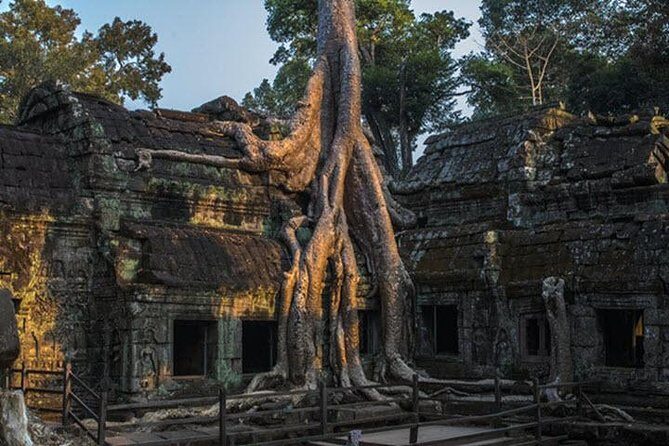
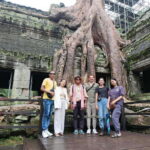
Then comes Ta Prohm, often called the jungle temple. The tour describes it as the most atmospheric temple in the Angkor area, and it is easy to see why once you’re there: the stone feels wrapped by roots and the setting feels less like a museum and more like a living landscape.
There is also specific context included: Ta Prohm was once home to 2,740 monks. That detail makes the place feel less like a movie set and more like a functioning religious site.
Time at Ta Prohm is listed at about 1 hour 30 minutes. That is a good amount of time because:
- You get enough minutes for multiple photo angles and pathways.
- You are not forced into a frantic sprint through the whole complex.
A drawback: this temple segment happens after a big day of walking. Even with water and a cool towel during the day, you may still feel heat. If you run hot, plan to pace yourself and take the short rests whenever your guide pauses the group.
Lunch is on your own expense at this stage, and that is one of the day-planners to keep in mind: you will need cash/Payment-ready options in the area, and your meal stop will likely be more flexible than the temples.
Guide quality: what makes the difference on a sunrise day
This is a guided tour, and on sunrise schedules, the guide’s ability matters. The reviews praise guides for being engaging and for keeping the group moving without losing people. One review specifically named Tork, and described him as awesome, well organized, and great with information—plus regular cold water and towels.
So what should you expect as a reader planning your own day?
- You will get English explanations tied to what you see (wall carvings, Khmer Empire context, and temple meaning).
- You should feel guided through the complex corridors and towers rather than just handed a map.
- The group will move on schedule, which helps you hit each sight at the best time.
When you book a budget price, guide quality is where value either shows up or disappears. This one is designed for the former.
Value and price: the $18 deal and what it really means
The base price is $18 per person, and the tour includes:
- Hotel pickup and drop-off
- Air-conditioned vehicle
- English tour guide
- Bottle of water and cool towel
- Mobile ticket
- Temple time at Angkor Wat sunrise plus Angkor Thom and Ta Prohm
Not included:
- Temple entrance fees
- Meal and drink
- And you pay a USD 37 temple pass on the day
So the realistic “price math” looks more like: $18 + USD 37 temple pass, plus meals. For a sunrise tour that also includes transport, a guide, and all the main temple hits in one day, that can still be a strong deal—especially because you avoid paying for separate transfers and you get someone to explain what you’re looking at.
Who this works best for:
- First-timers who want the big hits in one go
- Budget travelers who still want a real guide
- People who prefer sunrise timing to beat heat
Who might want alternatives:
- Anyone with strict meal preferences, since lunch is your own expense
- People who dislike long temple days (this is about 8 hours total with extended walking)
What to wear and pack for a smooth day
This tour comes with very specific dress rules: you need clothing that covers knee and shoulder. That is not optional at Angkor sites. Plan for light layers, because the day can warm up fast after sunrise.
Other practical items:
- Comfortable walking shoes (strongly recommended)
- A simple refill plan for water (you get bottled water during the tour, but you may still want extra for comfort)
- Something small for rest stops, since you will be up early and moving for hours
If you’re sensitive to early wake-ups, consider prepping the night before. This one starts at 4:30 am, and you do not want a morning scramble.
Who should book this sunrise tour
I’d book it if you want:
- A single-day plan that hits Angkor Wat at sunrise, plus Angkor Thom and Ta Prohm
- A guide-led experience focused on meaning, not just wandering
- A small group (max 15) so you can keep pace and actually hear explanations
I would think twice if you:
- Have mobility limits and worry about long temple walking
- Plan to take photos only and want lots of free time (this tour is structured)
- Are traveling with very young children (children 5 and younger are not allowed)
Should you book it or wait?
Book it if you are visiting Angkor for a short time and want the highest-impact way to see it: sunrise at Angkor Wat, then the faces and terraces, then the jungle mood at Ta Prohm. The guide-led context and the small group size make the day feel organized rather than chaotic.
Consider alternatives if you hate early mornings or you want a slower pace with more unstructured time. Otherwise, for the price, this is a solid “get it done right” option—especially because the schedule is built around the best light and the best temperature.
FAQ
What time does the sunrise tour start?
The tour start time is listed as 4:30 am, with early departures typically ranging 4:30 to 5:00 am depending on the season to match sunrise.
How long is the tour?
The total duration is about 8 hours.
Is hotel pickup included?
Yes. Hotel pick-up and drop-off are included.
Is the tour in English?
Yes. You’ll have an English tour guide.
What’s included during the day besides the guide?
Included items are bottled water, a cool towel, and an air-conditioned vehicle, plus a mobile ticket.
Do I need to pay for temple access?
Yes. Temple entrance fees are not included. An additional USD 37 temple pass is payable on the day of the tour.
What should I wear?
You need to follow a temple dress code that covers knee and shoulder.
How big is the group?
The tour has a maximum group size of 15 travelers.