REVIEW · SIEM REAP
3 Days Siem Reap Explorer – Small Group
Book on Viator →Operated by Journey Cambodia · Bookable on Viator
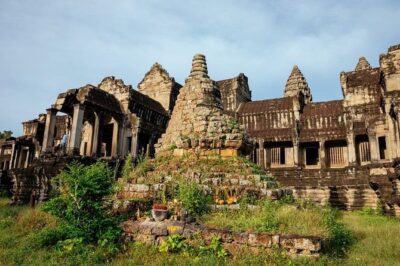
Sunrise at Angkor rewires your brain. This tour’s built around Angkor Wat at pre-dawn and a tight circuit through the big names like Angkor Thom and Ta Prohm. I love that you enter Angkor Wat from a little-visited eastern side in near-darkness, and I also love the max 15-person group size for a calmer pace and better questions. One thing to plan for: the temple pass isn’t included and is payable the day of the tour.
For $129, you’re not just buying sights. You’re getting hotel pickup and drop-off, an air-con vehicle, a licensed English-speaking guide, and mineral water, plus Tonlé Sap Lake by boat (or Phare Circus in certain months). Meals are on your own, and you’ll need to wear clothes that cover shoulders and knees inside temples.
In This Review
- Key highlights worth your attention
- Angkor Wat Sunrise from the eastern side (4–4:30 am departures)
- Angkor Thom’s big gates and the carving stops you’ll actually remember
- Ta Prohm: the Tomb Raider temple, minus the chaos
- Tonlé Sap Lake and Kampong Phluk stilt-houses by boat
- When Tonlé Sap changes to Phare Circus (Mar 1–Aug 31)
- Bakong’s 9th-century roots (and why it’s worth fitting in)
- Preah Khan, Neak Pean, Banteay Srei, Pre Rup: a Day 3 that keeps variety
- Small-group travel that avoids the herd mentality
- Price and the $62 temple pass: the real value math
- Dress code, walking comfort, and early-morning reality
- Who this 3-day explorer fits best
- Should you book this tour or DIY it?
- FAQ
- What group size is this tour?
- What time does the sunrise at Angkor Wat start?
- Is hotel pickup included?
- Is Tonlé Sap Lake included every day?
- Are temple admissions included in the tour price?
- How much is the temple pass?
- What should I wear inside the temples?
- Is the tour suitable for children?
Key highlights worth your attention
- Angkor Wat sunrise from a smarter angle: pre-dawn timing and entry from the eastern side help you see the temple before it’s packed.
- Ta Prohm’s tree-root drama: you’ll learn why it looked the way it does after Henri Mouhot’s 1850s rediscovery.
- Tonlé Sap Lake by boat, or Phare Circus instead (seasonal swap): the plan depends on whether you’re traveling between Mar 1 and Aug 31.
- Older Khmer ruins on Day 1: Bakong goes back to the 9th century, starting with King Indravarman I.
- Day 3 is a skill-focused temple mix: Preah Khan, Neak Pean, Banteay Srei, and Pre Rup are chosen for variety and detail.
Angkor Wat Sunrise from the eastern side (4–4:30 am departures)
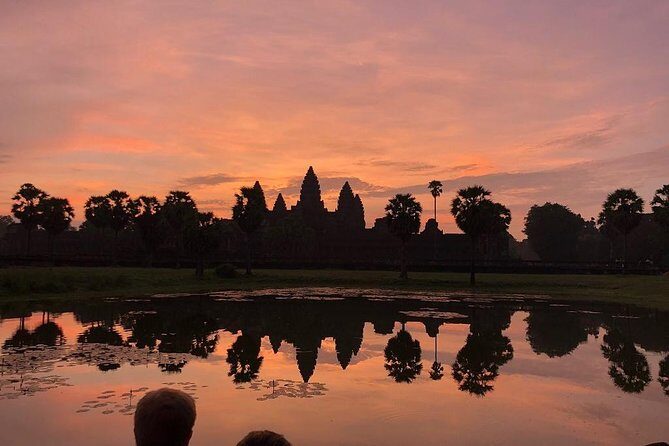
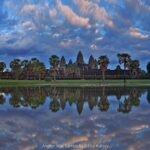
This is the moment that makes or breaks an Angkor trip. The tour leaves your hotel pre-dawn, usually around 4:00 to 4:30 am depending on the season, so you’re not stumbling into the sunrise after the best photos are gone.
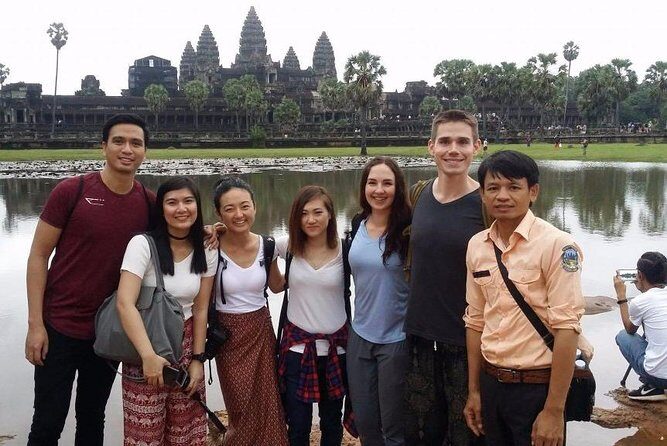
You arrive early enough to experience Angkor Wat from the outside first, then enter from the eastern side while it’s still dark. That’s a big deal. Angkor’s carvings and tower shapes hit differently when the air is cool and the light is low. A guide also helps you connect what you’re seeing to what the builders were trying to say.
After you’ve done the sunrise section, you continue through Angkor Wat’s main areas with time to take photos and get the story behind the site—without the frantic bus-group feel.
You can also read our reviews of more tours and experiences in Siem Reap
Angkor Thom’s big gates and the carving stops you’ll actually remember
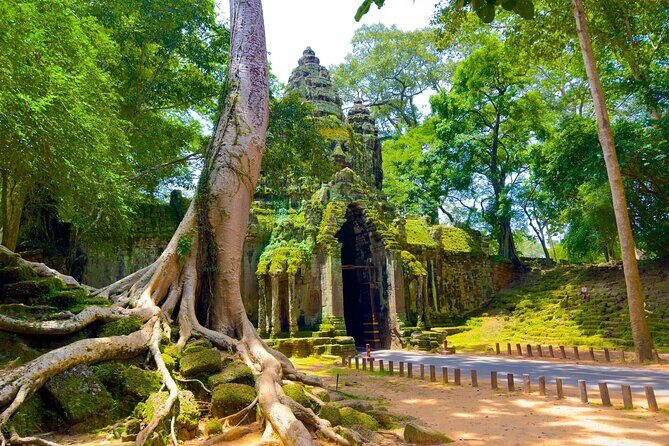
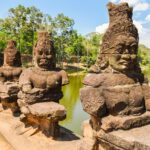
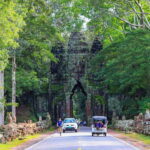
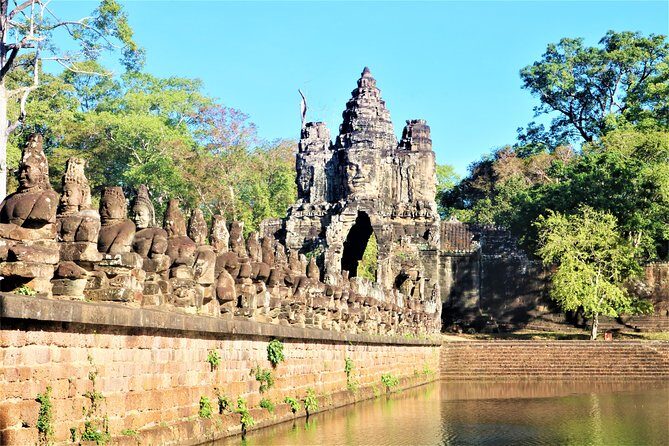
On Day 2 you shift from Angkor Wat’s ceremonial scale to Angkor Thom, the once-capital city. The day starts by passing through the South Gate, which is one of those grand entry points that helps you get your bearings fast.
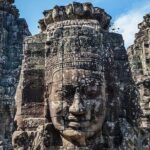
Then you move into the city proper, heading toward the Bayon area. Bayon is the one where your brain starts noticing patterns—faces, symmetry, and the way later architecture borrows from earlier design ideas.
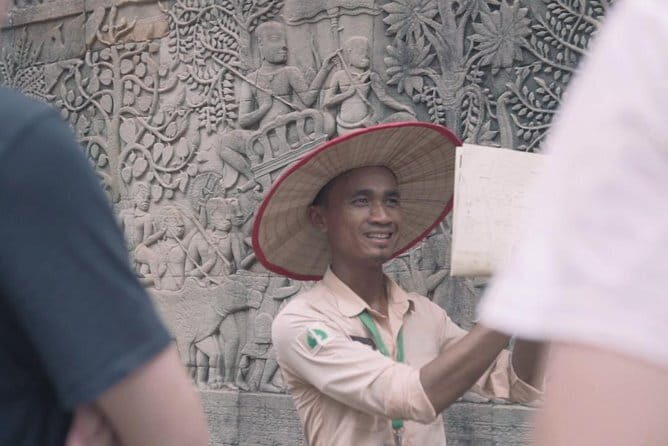
Two stops that help you slow down are the Terrace of the Leper King and the Terrace of the Elephant. These aren’t just “look at carvings” moments. They’re where your guide can explain what the terraces were used for and what kinds of scenes the reliefs show, so you don’t feel like you’re staring at stone without a key.
Ta Prohm: the Tomb Raider temple, minus the chaos
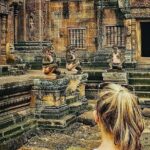
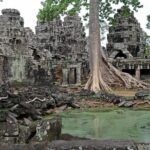
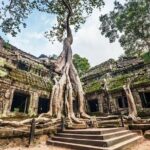
Ta Prohm is the temple most people recognize, and it also happens to be one of the best places to learn how Angkor changed over time. You’ll visit one of the most atmospheric temple settings in the complex, with crumbling stone structures tangled with tree roots.
The tour also gives you specific context: Ta Prohm once housed 2,740 monks, and it looks close to what it did in the early 1850s, after French explorer Henri Mouhot’s rediscovery. That timing matters because it connects the present-day ruins to when Europeans first turned their attention to Angkor’s lost scale.
Practical note: Ta Prohm’s atmosphere is part nature, part stone, part time. It’s a great photo stop, but also a place where you’ll want comfortable shoes and patience for uneven ground.
Tonlé Sap Lake and Kampong Phluk stilt-houses by boat
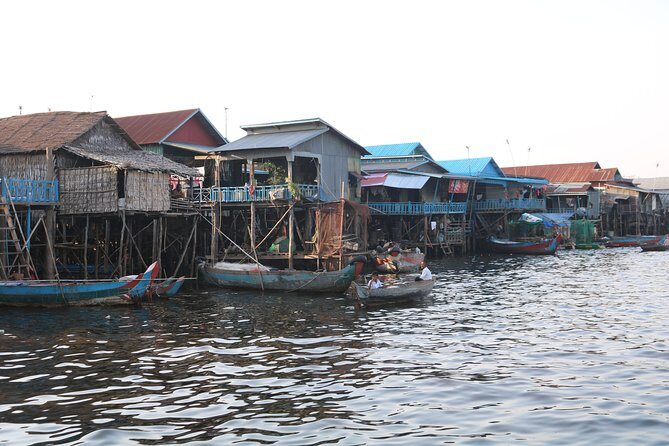
Day 1 is where you get out of the temple mindset and into everyday Cambodian life. You travel from Siem Reap through the countryside to Tonlé Sap Lake, which is described as the world’s second largest freshwater lake and swells dramatically during the wet season, reaching about 12,000 km² at peak.
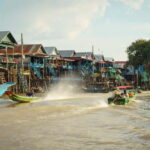
The stop is Kampong Phluk Floating Village, known for its stilt houses that rise and fall with the seasons. The tour includes the lake entrance fee and a boat cruise, which is the difference between reading about Tonlé Sap and actually seeing how the water shapes homes, work, and movement.
If you like your sightseeing human-sized, this is a strong counterweight to Angkor. You’re watching people live with the water, not just standing in front of ancient stone.
When Tonlé Sap changes to Phare Circus (Mar 1–Aug 31)
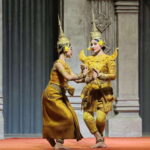
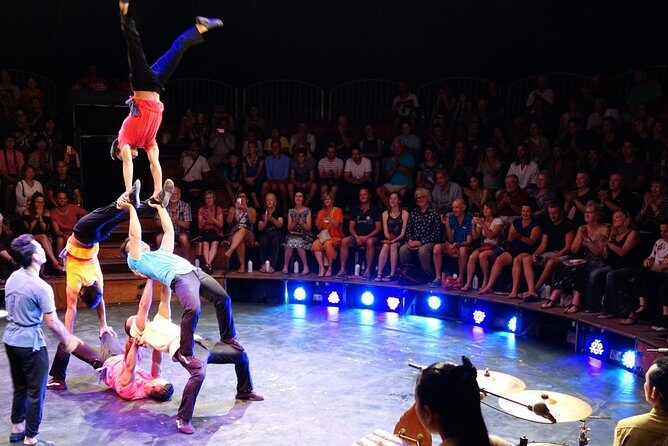
There’s a seasonal swap built in. During the dry season, from 01 Mar to 31 Aug, the plan may switch from the Tonlé Sap experience to Phare, The Cambodian Circus (with seat C). If you’re aiming for that boat-and-stilt-house combo, it’s smart to confirm your travel dates.
Phare is included either way, and the tour frames it as a uniquely Cambodian cultural performance with post-Khmer Rouge origins. Even if you’re not a circus person, the show is a window into how Cambodia rebuilt arts and identity after a brutal period of history.


Bakong’s 9th-century roots (and why it’s worth fitting in)
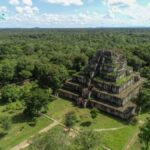
Not every Angkor-focused tour includes Bakong, and that’s one reason this one feels balanced. You visit Bakong, a site tied to some of the earliest Khmer monumental temple building in the area.
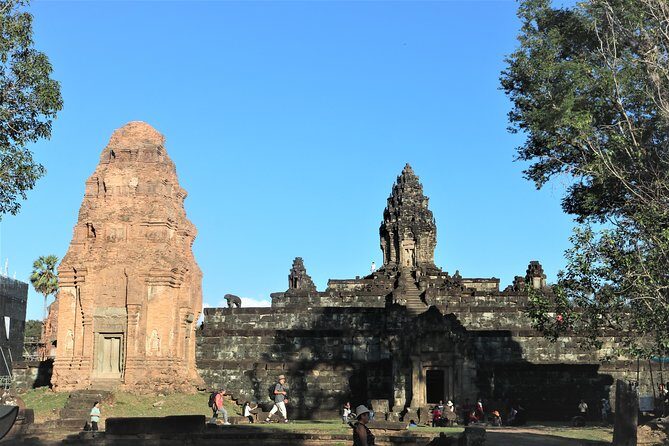
The guide’s story here is grounded in details: these ruins date back to the 9th century reign of King Indravarman I. Bakong is a great “origin point” stop because it helps you see temple ideas developing before Angkor Wat and later masterpieces fully take shape.
The practical upside is that Bakong feels different from the headline temples. You get variety without adding extra travel time.
Preah Khan, Neak Pean, Banteay Srei, Pre Rup: a Day 3 that keeps variety
Day 3 is a temple marathon, but it doesn’t feel like the same photo angle repeated four times. You move from site to site with a guide to keep the meanings clear.
Preah Khan comes first. It’s described as ruined but highly atmospheric, with a mix of crumbling stone and tree roots. It gives you that “living ruin” feel, similar in mood to Ta Prohm, but distinct in layout and atmosphere.
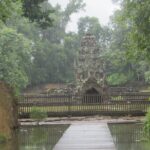
Next is Neak Pean, which is notable for its setting: an artificial island with a Buddhist temple on a circular island in Jayatataka Baray. This stop is where your eyes start understanding how Angkor’s temples weren’t just buildings. They were part of a larger water-and-cosmology plan.
Then comes Banteay Srei, a well-preserved sandstone temple known for some of the finest relief work in Cambodia. It’s smaller than the biggest names, but that’s the point. When the carvings are detailed, a smaller site can feel more personal.
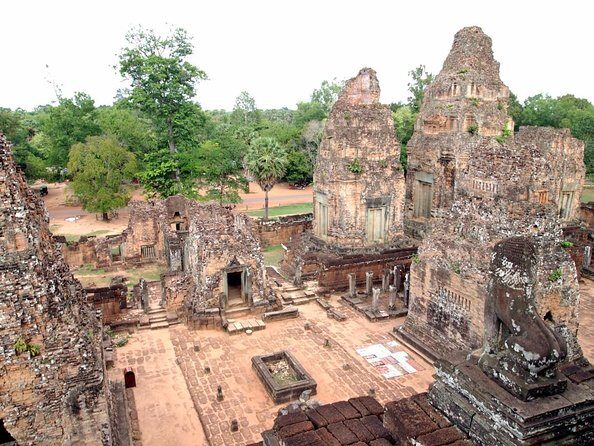
Finally, you end at Pre Rup, a Hindu temple mountain built for King Rajendravarman, dedicated in 961 or early 962. The construction mix—brick, laterite, and sandstone—is part of what makes Pre Rup visually interesting. It’s a strong capstone when you’ve already seen a lot of stonework and want to compare materials and shapes.
Small-group travel that avoids the herd mentality

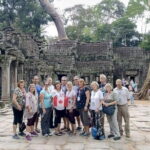
The headline promise here is small-group touring with a maximum of 15 travelers. That number matters more than you’d think. With fewer people, you spend less time waiting at entry points and more time actually moving through each site with your guide’s attention.
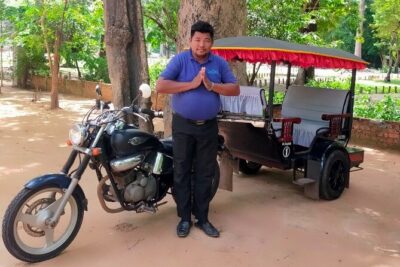
You’re also traveling in an air-con vehicle, and the tour includes hotel pickup and drop-off. In Siem Reap, that’s not a luxury. It’s how you keep the day from feeling like logistics work.
The experience is guided by a licensed, experienced English-speaking guide. Based on what’s been praised over time, guide quality is a real standout, with Sok specifically called out as especially strong. That kind of guide can make a long temple day feel like it has a thread, not just a checklist.
Price and the $62 temple pass: the real value math
The advertised price is $129 per person for 3 days. What you need to add is the temple pass, an additional USD 62 per person for three days, paid directly on the day of your activity.
Temple pass costs can feel annoying until you realize you’d have to pay some form of access anyway for Angkor’s main areas. The smart thing here is that the tour price covers the guide, vehicle, pickup/drop-off, and specific included admissions—like the Tonlé Sap entrance fee and boat cruise (or Phare Circus seat C, depending on season).
So your realistic planning budget is about $129 + $62, plus meals. That still lands in a pretty strong value range when you consider sunrise timing, multi-day coverage, and small-group pacing.
Dress code, walking comfort, and early-morning reality
This tour asks you to be comfortable on your feet. You’ll spend long stretches on uneven ground, and you’ll be up early for the big sunrise day.
Two rules matter for the temples: you need casual clothing, but shoulders and knees must be covered inside temples. Plan ahead so you don’t end up improvising with a scarf in the dark.
Comfort tip: bring comfortable walking shoes. The tour also includes mineral water, but you’ll still want to pace yourself and drink, especially when you’re moving in the early hours.
Who this 3-day explorer fits best
This is a great match if you want:
- Angkor Wat sunrise with early entry timing and real context
- A temple circuit that doesn’t skip the key spots, while still adding variety like Bakong and Neak Pean
- The calmer experience of a small group (max 15) instead of a big bus day
- A cultural add-on that isn’t just more ruins, especially with Phare Circus when the seasonal schedule swaps things
If you already love DIY temple wandering with a map and no guide, you might do fine on your own. If you want a guided plan that protects your time and keeps the story coherent, this one is built for that.
Should you book this tour or DIY it?
Book it if you want the sunrise done right, the temple circuit organized, and you prefer guidance over figuring out what you’re looking at. The small group size and licensed English guide add real value on a trip where one bad morning schedule can waste a whole day.
Consider DIY instead if you:
- Can handle paying for your own access and transport day-by-day
- Want total freedom to linger or skip
- Don’t care about sunrise timing from a specific entry approach
If you’re on the fence, pick based on your pain threshold. Getting up at 4:00–4:30 am isn’t hard if someone’s handling the plan.
FAQ
What group size is this tour?
The tour has a maximum of 15 travelers.
What time does the sunrise at Angkor Wat start?
You depart your hotel pre-dawn, usually between 4:00 and 4:30 am depending on the time of year.
Is hotel pickup included?
Yes, hotel pickup and drop-off are included.
Is Tonlé Sap Lake included every day?
Tonlé Sap Lake entrance and the boat cruise are included, but during the dry season from 01 Mar to 31 Aug the group will visit Phare The Cambodian Circus (seat C) instead.
Are temple admissions included in the tour price?
Temple pass access is not included. You pay a separate USD 62 temple pass directly on the day of your activity.
How much is the temple pass?
An additional surcharge of USD 62 for a 3-day temples pass is payable on the day of your activity.
What should I wear inside the temples?
Casual clothing is fine, but shoulders and knees must be covered inside temples.
Is the tour suitable for children?
Children must be accompanied by an adult, and younger than 5 years old are not allowed.