REVIEW · SIEM REAP
Siem Reap: Full Day Angkor Wat Temple Experience with Sunset
Book on GetYourGuide →Operated by ASEAN ANGKOR GUIDE · Bookable on GetYourGuide
Angkor feels huge, yet this day keeps it surprisingly doable. I like how the route hits the big symbolic names fast, then slows down at the places that reward careful looking: Bayon’s smiling faces and Ta Prohm’s jungle roots. The tradeoff is simple: it’s a long 10-hour day in Cambodia heat, with lots of walking and climbing.
What really makes this tour worth the time is the way the day is managed—hotel pickup, A/C transport, and frequent water and cool towels. I also like that you get more than just Angkor Wat: you’ll spend time in Angkor Thom, plus a real village-style stop where people make palm cake and palm sugar. If you’re sensitive to crowds, you’ll want good sun-proofing and a flexible attitude, especially around the most popular photo spots.
In This Review
- Key Highlights You’ll Actually Feel
- Entering Angkor Thom: Royal City Walls and Face Towers
- Bayon to Bayonet: How the Guide Keeps the Day Smooth
- Ta Prohm: The Jungle Temple Where Roots Own the Frame
- Phum Preah Dak Palm Sugar Stop: A Real People Break
- Angkor Wat: Vishnu Temple, Massive Moat, and Wall-Deep Detail
- Phnom Bakheng Sunset: The View That Closes the Day
- Cost and Value: $25 Tour Price Plus the $37 Pass
- What to Bring (and What to Avoid) for a 10-Hour Temple Day
- Group Size, Timing, and Who This Tour Suits
- Should You Book This One-Day Angkor Wat with Sunset?
- FAQ
- Do I need an Angkor pass for this tour?
- What time is pickup in Siem Reap?
- What temples and sights are included in the day?
- Is lunch included, and can I get a vegetarian meal?
- Is the tour only in English?
- What should I bring and wear?
Key Highlights You’ll Actually Feel
- AC van + USB/USB-C charging so you’re not stuck watching your phone die by hour two
- Angkor Thom first, so you’re already in “Khmer Empire mode” before the day peaks
- Bayon Temple faces and the royal-courtyard details that most people miss when they rush
- Ta Prohm in its original jungle-overgrown look, with massive roots mixing into the stone
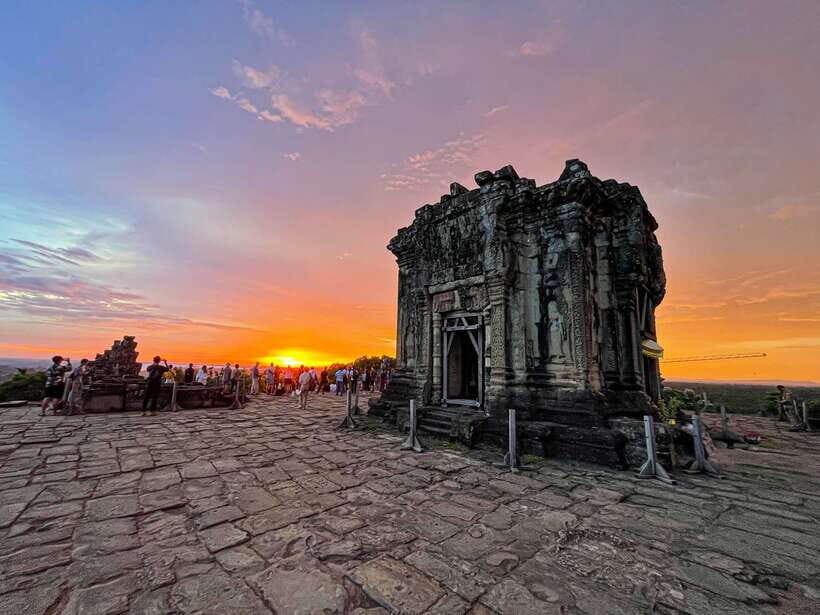
- Phnom Bakheng sunset with time to reach the viewpoint without stress
- Lunch and a palm sugar/palm cake stop that feels hands-on, not staged
Entering Angkor Thom: Royal City Walls and Face Towers
The day starts in Siem Reap, with pickup in the morning and a direct run to sort out your required Angkor pass. Plan to have it in hand before temple time starts, because the pass is not included and you won’t want to waste your best viewing hours juggling tickets.
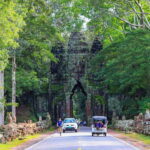
Then you dive straight into Angkor Thom, the fortified Great Royal City built in the 12th century under King Jayavarman VII. Even in a short visit, you get the big-picture feel: moats, gates, and the sense that power was meant to be seen from far away. At the South Gate, look for the imposing Avalokiteshvara statue—the same vibe you’ll recognize from the Tomb Raider film.
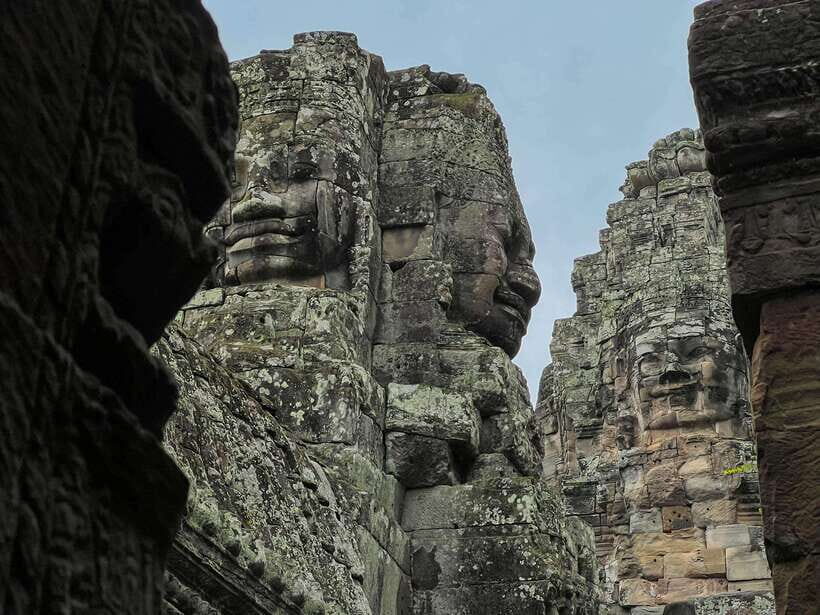
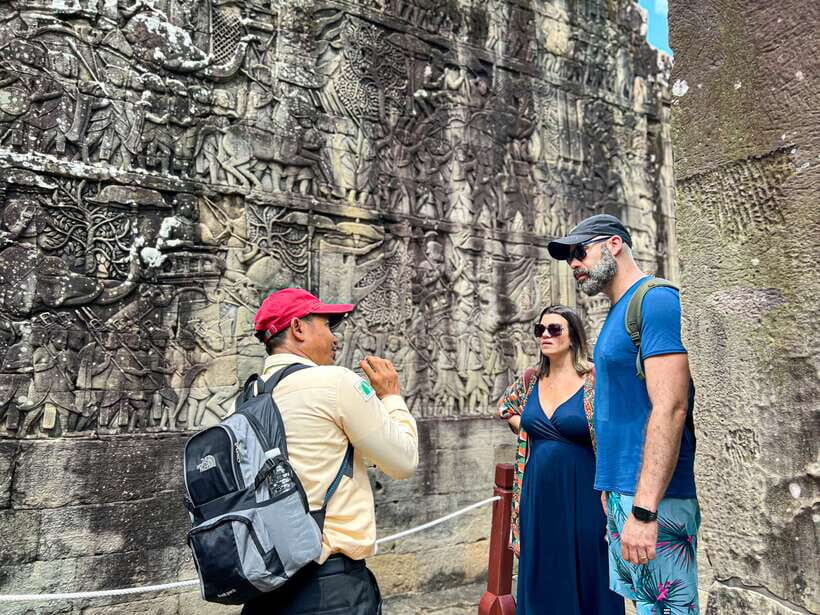
After that, the tour settles into the heart of the royal city with Bayon Temple. This is where the famous look hits you all at once: hundreds of stone faces in a Buddhist style. The trick here is not just snapping photos. With a good guide (many groups call out guides like Mony, Raman, and Seila), you’ll learn how to read the carvings and why the faces matter in a way that’s more than just decoration.
You also pass through several key Angkor Thom sites, including:
- Terrace of the Elephants (a former royal platform)
- Phimeanakas (part of the royal complex)
- Terrace of the Leper King
- Baphuon (not a quick stop—this one gets time, and it’s tied to Hindu temple scale and importance)
Each stop is short enough to keep the day moving, but long enough to understand what you’re looking at. That balance matters because Angkor can tempt you to rush just to check boxes. This route leans toward “see it, then know what you saw.”
Practical note: you’ll be standing in sun a lot. The cool towels and water help, and you’ll feel it most when the walking starts to stack up.
You can also read our reviews of more evening experiences in Siem Reap

Bayon to Bayonet: How the Guide Keeps the Day Smooth
A lot of Angkor days fail the same way: too many people, too much heat, and a schedule that steamrolls your energy. The best thing about this tour is how it tries to prevent that from happening.
From the groups I read most carefully, the consistent theme is pace control. People repeatedly mention that they weren’t rushed, yet the group still moved efficiently from one temple to the next. Guides like Mony are praised for answering questions, setting a calm rhythm, and even working as a practical photographer—helping you get the angle right without holding up the whole group.
You’ll likely notice the same small comfort details that show up in a lot of top reviews:
- cold water waiting at transitions
- cool towels after temple sections
- A/C transport that feels like a reset button
This is not a “grind all day, don’t care if you’re tired” kind of tour. It’s built around a human pace.
Ta Prohm: The Jungle Temple Where Roots Own the Frame
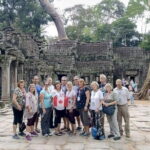
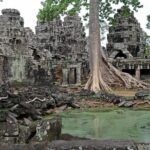
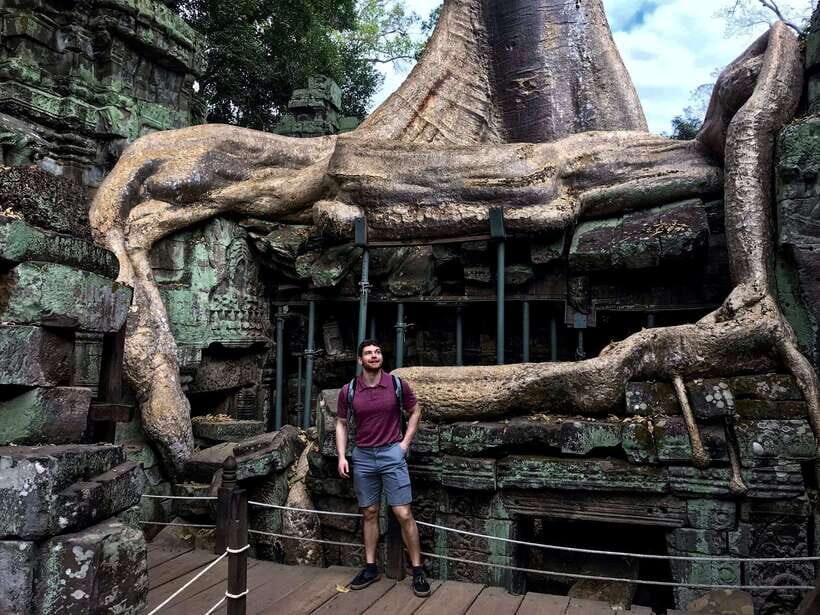
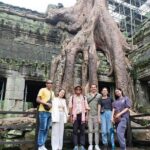
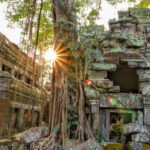
Next comes Ta Prohm, the famous jungle temple left in something close to its original state. This is the one many people picture before they arrive—trees pushing through stone, roots wrapping around carvings, and the feeling that time didn’t just pass here, it moved in and claimed the place.
It also has pop-culture gravity thanks to the Tomb Raider film background, but what’s actually impressive is the real geometry. The temple doesn’t look like a set. It looks like a place that resisted restoration and kept its wild character. When you walk slowly enough, you start seeing how the roots interact with doors, walls, and stairways—almost like the stone is still trying to perform even after nature rearranged the stage.
Drawback to consider: Ta Prohm can mean crowds at peak times. The upside is the tour schedule is set to keep you moving across the day and end with sunset, so you’re not stuck spending all your best light only in one hotspot.
Phum Preah Dak Palm Sugar Stop: A Real People Break
Between temples, you’ll stop at a local restaurant for lunch (with a vegetarian option if you request it). Many diners talk up the Cambodian-style dishes here, and one specific favorite that came up often is fish amok.
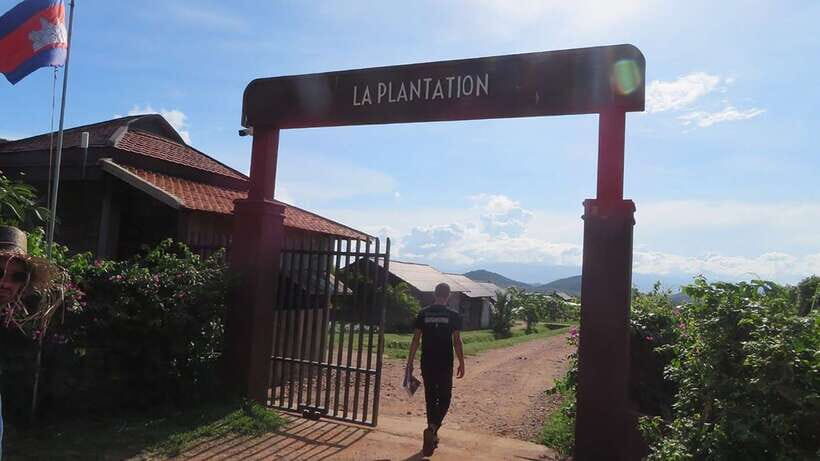
Then there’s a more memorable pause: a visit to Phum Preah Dak, described as an authentic village where you can learn how locals make palm cake and palm sugar. This part works because it shifts you away from stone and into daily life. You’re not just “resting”—you’re changing what your brain is paying attention to.
If you like travel that includes a small, hands-on cultural step, this is the right kind of stop. It’s short, but it gives your day shape.
Angkor Wat: Vishnu Temple, Massive Moat, and Wall-Deep Detail
Afternoon is when the day earns its reputation: Angkor Wat.
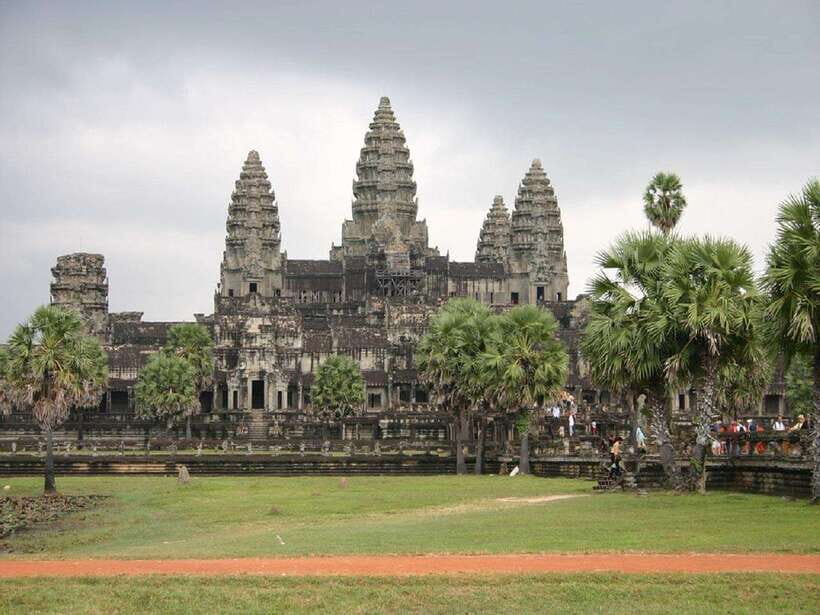
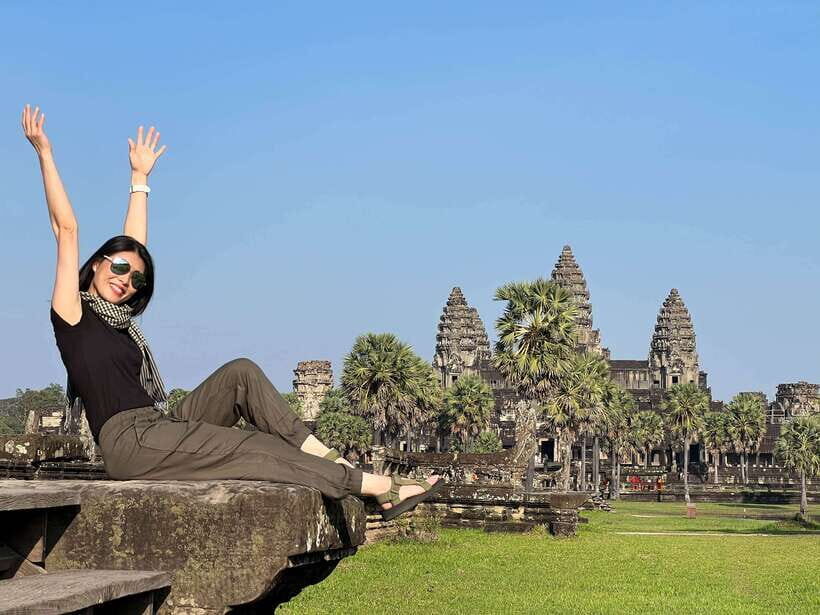
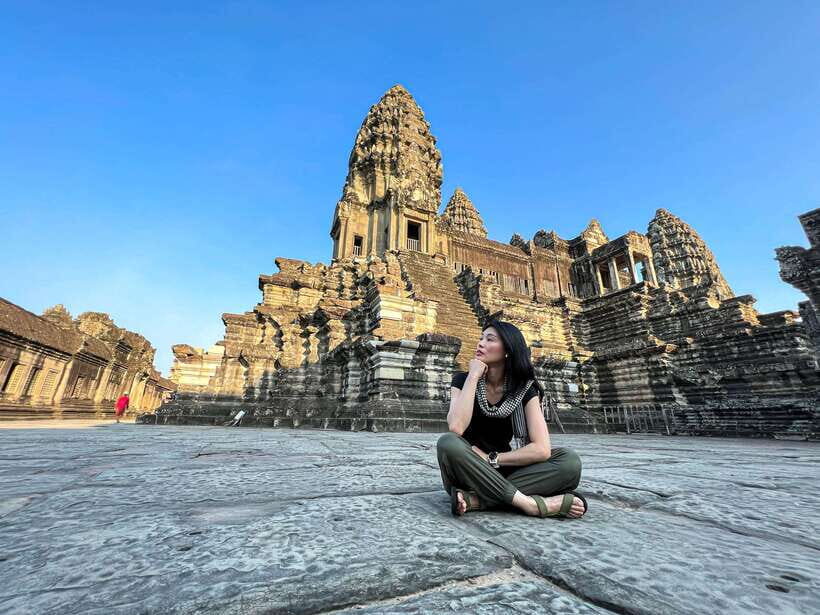
This is Cambodia’s signature temple and the symbol most people come to see for a reason. It’s dedicated to Vishnu and built under King Suryavarman, and the scale hits even if you’ve watched pictures for years. The tour gives you time to explore the complex rather than a quick “touch the wall, move on” pass.
What you should focus on once you’re there:
- The giant moat and how it makes the temple feel like a world set apart
- The five towers linked to the Cambodian flag
- The wall coverage—hundreds of decorations that keep rewarding slower viewing
- The long bas-relief detail that runs through the temple storylines
This is also where a good guide matters. If you’re just wandering alone, you can easily end up taking photos of what looks pretty without understanding why it’s arranged that way. With a guide, you’ll get explanations that help you connect symbols, carvings, and the temple’s religious purpose.
And yes, you’ll probably look up more often than you expect. The dense jungle around the complex makes it feel like the temple is both human-built and nature-made.
You can also read our reviews of more tours and experiences in Siem Reap
Phnom Bakheng Sunset: The View That Closes the Day
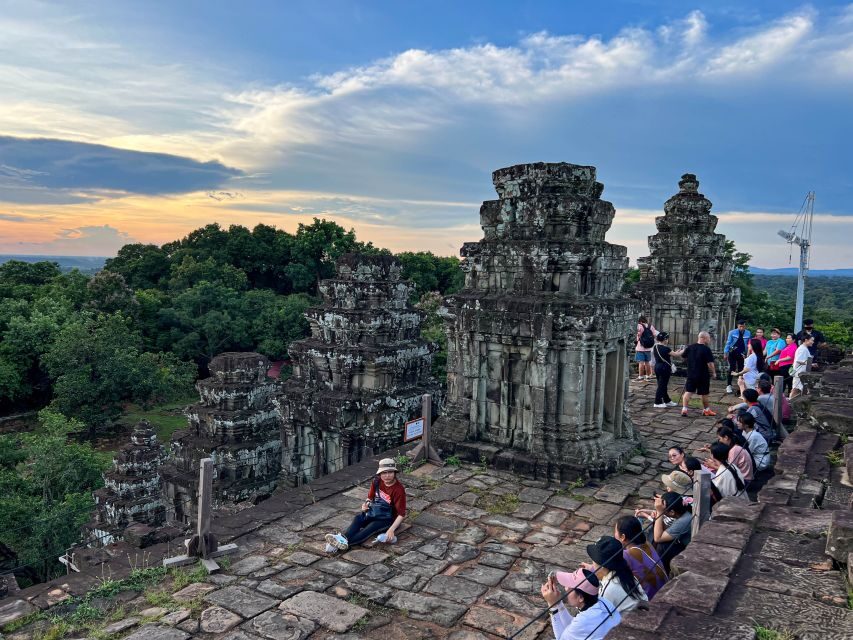
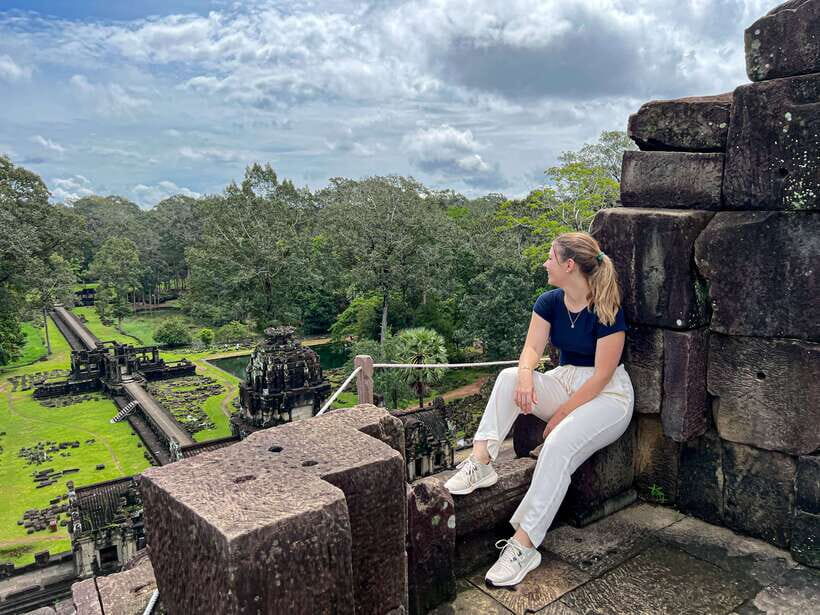
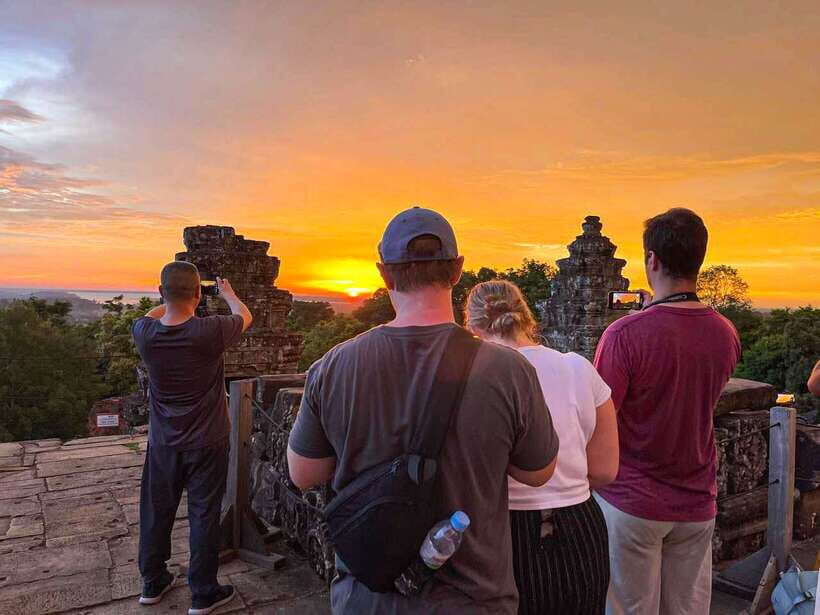
Finally, you climb Phnom Bakheng for sunset.
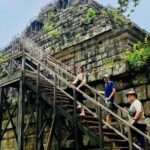
This is a different kind of experience than walking through carved corridors. It’s more about timing, footwork, and patience. You’ll want comfortable shoes because you’re dealing with uneven ground and stairs. The reward is the wide, sun-warmed view over Angkor’s temple zones.
Sunset also tends to bring crowds, so the tour’s value here is that you’re not improvising. You get brought to the right moment for viewing, then you’re handled afterward back to your hotel.
If you’ve been thinking you want the iconic Angkor Wat experience but you don’t want a crack-of-dawn start, this timing style makes sense. It’s still special light, just without the early morning scramble.
Cost and Value: $25 Tour Price Plus the $37 Pass
Here’s the clean math. The tour costs $25 per person, and the Angkor temple pass is $37 per person. That puts your likely total at $62 per person before any soft drinks.
Is that a fair deal? For most people, yes, because so much is bundled:
- Professional English-speaking guide
- A/C transportation (car/minivan/bus depending on group size)
- Hotel pickup and drop-off
- Unlimited bottled water and cool towels
- Lunch (vegetarian option available)
What’s not included is the pass and soft drinks, which is standard for Angkor days. The key value is the “day management.” You’re paying for someone else to line up the route, keep the pace, and help you make sense of what you’re seeing—while you stay comfortable in the heat.
Based on repeated feedback, one of the best “value signals” is the consistency of small comfort details: water, towels, and a driver who keeps things running smoothly between stops. That’s not glamorous, but it’s the difference between a day you remember and a day you survive.
What to Bring (and What to Avoid) for a 10-Hour Temple Day
This day is built for sun, stone, stairs, and long attention spans. Pack like you’ll actually need it.
Bring:
- sunscreen
- hat
- insect repellent
- camera and sunglasses (helpful in bright light)
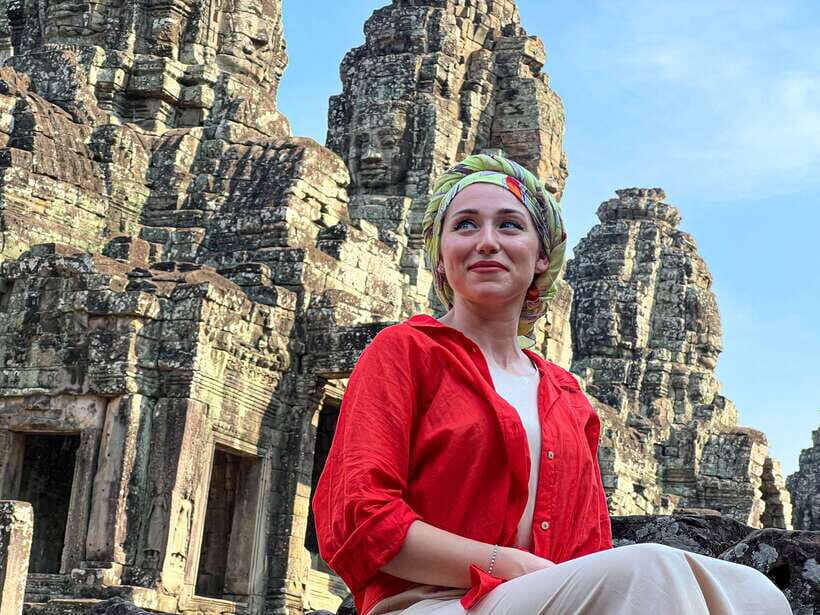
Dress code matters in Cambodia temple spaces:
- shoulders and knees should be covered
- avoid short skirts and sleeveless shirts
Also, don’t bring luggage or large bags. Keep it light so the day stays easy.
One more practical tip: plan for humidity. Even if you feel fine at pickup, you’ll want to reapply sunscreen and keep water handy. The tour provides water and towels, but you still want to protect your skin.
Group Size, Timing, and Who This Tour Suits
This is offered as private or small groups. For the small-group version, the limit is 14 participants, which is a big deal. Smaller groups make it easier to get a calmer experience at photo points and helps the guide keep track of everyone when stairs and crowds pile up.
The day is designed to cover major temples without feeling like a race. That makes it a good fit if:
- it’s your first Angkor day
- you want big names like Angkor Wat and Bayon, plus Ta Prohm
- you’d rather end with sunset than do a very early sunrise
It’s not ideal if you dislike long days or you’re very limited on walking/climbing. And for families, the note you should take seriously: children under 10 are not suitable for the small-group option.
Should You Book This One-Day Angkor Wat with Sunset?
If you want one full day that’s well paced, air-conditioned, and ends with a proper sunset view, I’d book it. The structure matters here: you hit Angkor Thom, Bayon, Ta Prohm, and Angkor Wat, then you close with Phnom Bakheng rather than rushing out when the light is still good.
The decision hinge is your tolerance for heat and crowds. If you can handle a long day and you like understanding what you’re seeing, this tour style gives you a lot of value for your money—especially with the comfort extras like cool towels and frequent water.
One last thought: if you’re particular about photos, ask your guide for photo help. Many guides in this program are specifically praised for taking great pictures and managing timing at the best spots without turning the day into a bottleneck.
FAQ
Do I need an Angkor pass for this tour?
Yes. The Angkor temple pass is required and not included in the tour price. You’ll need it before the start of the tour.
What time is pickup in Siem Reap?
Pickup is included, and you’ll be picked up from your hotel between 8:00 a.m. and 8:20 a.m., with the tour guide meeting you in the hotel lobby.
What temples and sights are included in the day?
You’ll visit Angkor Thom, Bayon Temple, Baphuon, Terrace of the Elephants, Phimeanakas, Terrace of the Leper King, Srah Srang break time with lunch, Ta Prohm, Angkor Wat, and you’ll end with sunset at Phnom Bakheng.
Is lunch included, and can I get a vegetarian meal?
Lunch is included, and there is a vegetarian option available. You should let the provider know in advance if you’re vegetarian.
Is the tour only in English?
Yes. The tour guide provides commentary in English.
What should I bring and wear?
Bring sunscreen, a hat, and insect repellent, plus a camera if you want photos. Dress code requires shoulders and knees to be covered; shorts, short skirts, and sleeveless shirts are not allowed. Large bags or luggage are not allowed.