REVIEW · SIEM REAP
Siem Reap: Angkor Wat: Small-Group Sunrise or Sunset Tour
Book on GetYourGuide →Operated by Angkor Wat Travel Tour · Bookable on GetYourGuide
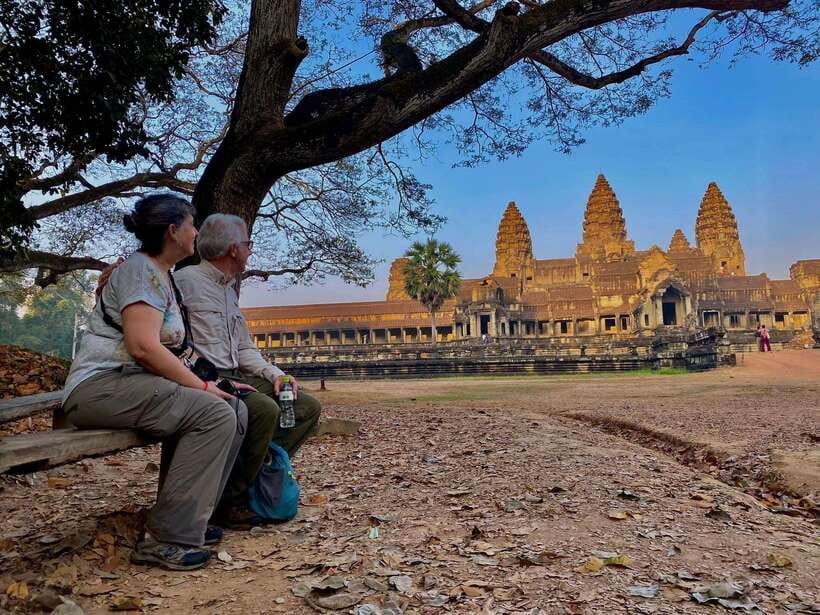
A great morning at Angkor Wat starts early. This tour is designed around the moment when the light hits the towers, then keeps moving through some of the most memorable Khmer sites in a single day. Angkor Wat at sunrise is the headline, but the real payoff is how the day flows between temples with small-group pacing and clear explanations.
I love how it mixes big, iconic monuments with context you can actually use. You get an English-speaking local guide who ties the temples to Cambodian culture and Khmer history, and the small extras like cold water and cold towels make the heat feel manageable. That said, the biggest drawback is timing: it is an all-day commitment (about 8–9 hours) starting with an early pickup.
Plan for extra costs too. Entrance tickets are not included, and food is not included, so you’ll want to budget for those before you go.
In This Review
- Key things to know before you go
- Why sunrise at Angkor Wat is the smartest use of your time
- Getting picked up in Siem Reap: air-conditioning and a real meeting plan
- Angkor Wat’s first three hours: more than a look, a guided read
- Ta Prohm: why the jungle-temple contrast hits so hard
- Angkor Thom and the Bayon complex: faces, towers, and Khmer explanations
- The Banteay Kdei finish: a calmer temple with a comfort break
- Price and value: what $15 includes, and what you must budget
- Who should book this Angkor Wat small-group tour
- Practical tips to make the day feel easier
- Should you book this sunrise tour
- FAQ
- How long is the Siem Reap Angkor Wat sunrise or sunset tour?
- What’s included in the tour price?
- Are entrance tickets included?
- Is food included?
- How many people are in the group?
- Is there a private tour option?
- What languages are offered?
- Where do they pick you up?
- What time should I be ready for pickup?
- What should I bring and wear?
- Is this tour suitable for young children or mobility concerns?
Key things to know before you go
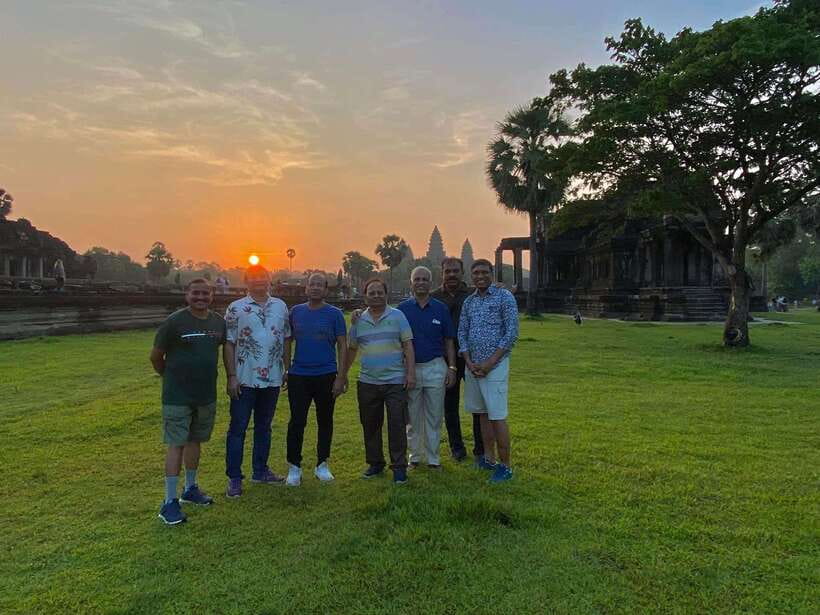
- Sunrise-first timing: you’re at Angkor Wat when the light is best and the crowds are still settling.
- Small group (up to 15): easier movement through temples and more chances to ask questions.
- Local guide in English: history and art explained in a way you can follow while you walk.
- Cold water and towels on the route: a real comfort upgrade in Siem Reap heat.
- A temple mix that goes beyond Angkor Wat: Ta Prohm, Bayon, Angkor Thom, and Banteay Kdei are all part of the plan.
- Private group available: if you want less sharing and more control of your pace.
Why sunrise at Angkor Wat is the smartest use of your time
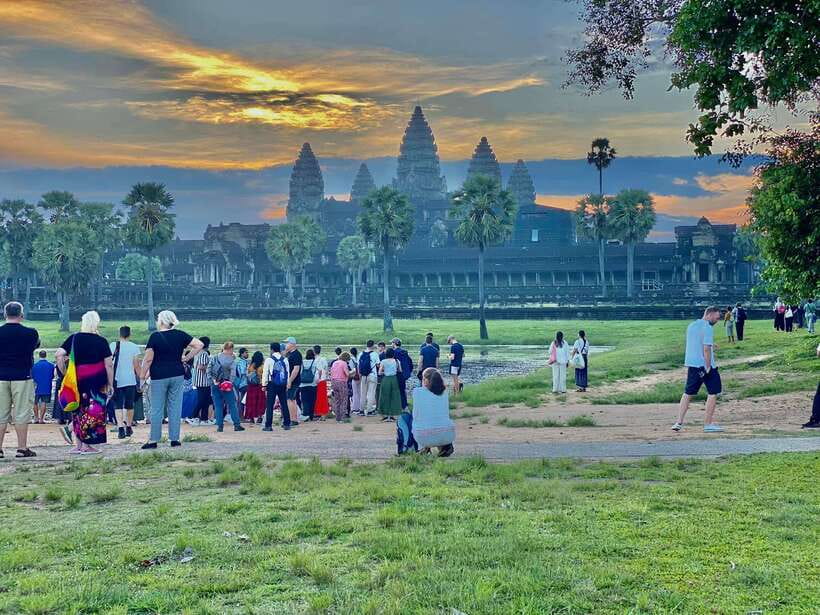
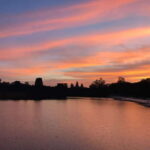
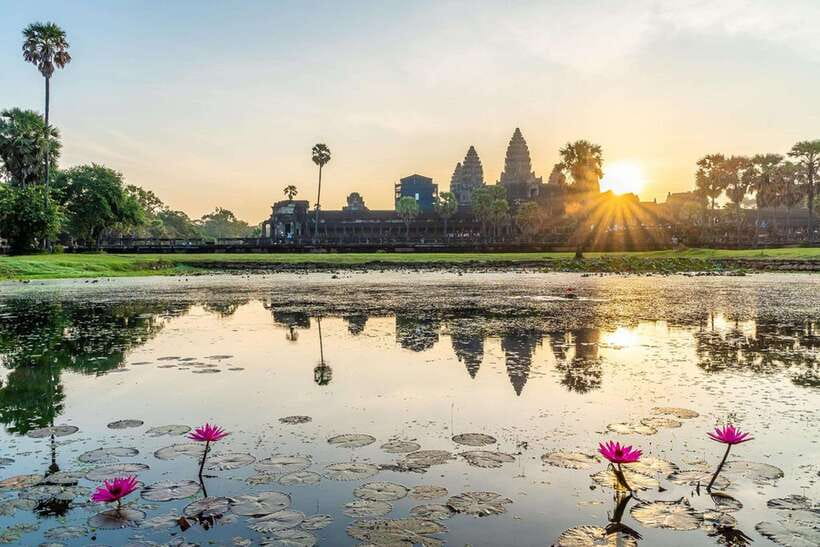
The sunrise experience here isn’t just a photo gimmick. It’s the best time of day to face Angkor Wat without losing your energy to the afternoon heat. The tour is scheduled so you reach the main entrance and spend focused time there before the day gets heavier.
Also, early light changes everything about the carvings. Statues, steps, and the temple’s layered lines look different when the sky is still soft. If you want your photos to look like the classic Angkor images, sunrise is where the magic starts—then the tour keeps your momentum going.
One more practical thing: sunrise tours usually help you avoid some of the most crowded timing later in the day. Even if you still meet people, your day starts on your terms.
You can also read our reviews of more tours and experiences in Siem Reap.
Getting picked up in Siem Reap: air-conditioning and a real meeting plan
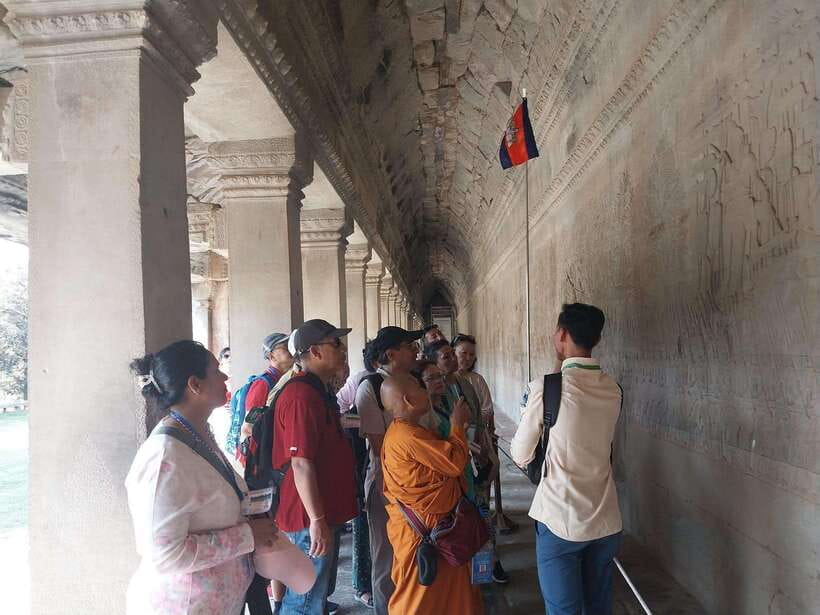
You’ll get hotel pickup and drop-off within the Siem Reap city area, in an air-conditioned vehicle. That matters more than it sounds. Angkor tours can burn daylight waiting, so door-to-door transport keeps your schedule tight.
The pickup process is also clear. You’ll wait in the lobby 10–15 minutes before your scheduled time, and your driver holds a sign with your last name. It’s a small detail, but it saves the usual wandering around asking where the van is.
Group size stays limited—maximum 15 travelers—so the day feels like a guided outing instead of a cattle-car rotation. If you’re the kind of person who likes to ask questions while walking, this format is friendly.
Angkor Wat’s first three hours: more than a look, a guided read
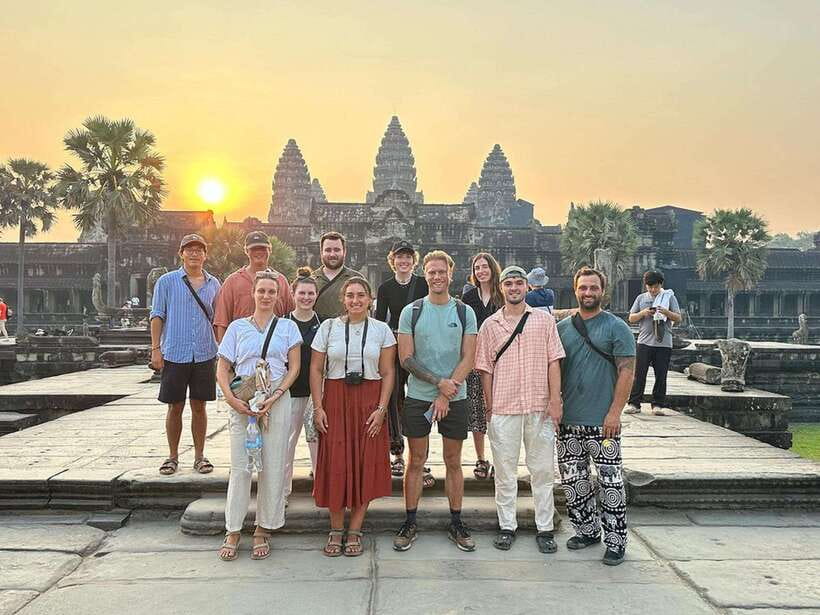
Your day starts at Angkor Wat with a mix of photo time and guided exploration, focused around sunrise. You’re not just standing at one angle and moving on. You get time to visit, see the complex, and hear the story behind what you’re looking at.
The tour’s structure here is smart because it gives you two things at once:
- A set window for the sunrise views at Angkor Wat.
- A longer stretch for understanding what the architecture represents.
In the heat months, you’ll appreciate that you’re doing your biggest walking early. Afternoon temple time can feel relentless, and starting with the showpiece while the morning is cool helps the rest of the itinerary feel doable.
Bring comfortable shoes and plan for uneven temple stone. A camera helps too, but the guide’s explanations are what turn your photos into something you can remember.
Ta Prohm: why the jungle-temple contrast hits so hard
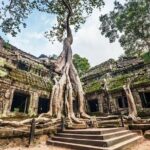
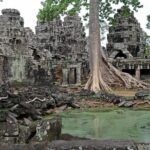
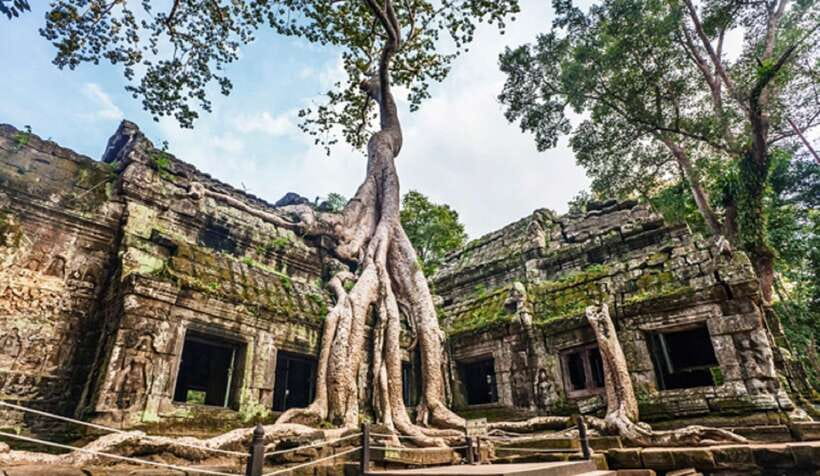
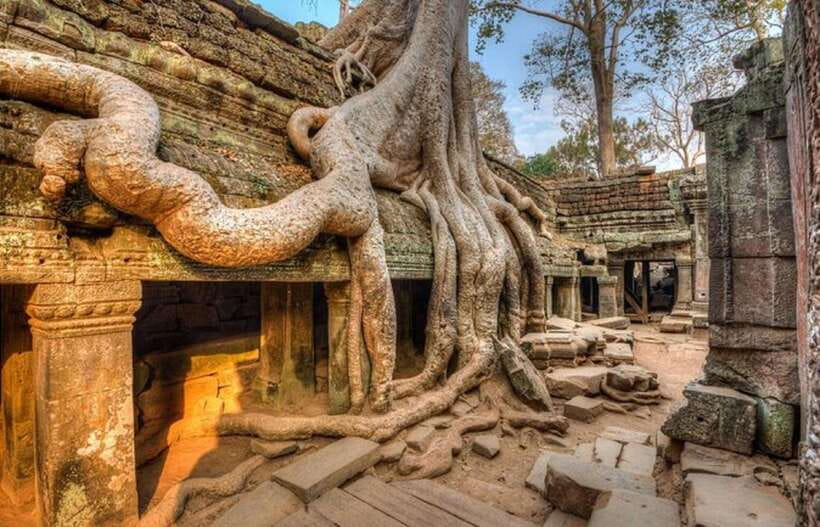
After Angkor Wat, you’ll head to Ta Prohm. This stop is where the temple feels like it’s been left mid-story—stones wrapped by roots, framed by dense greenery, and filled with that iconic Angkor mood.
You’ll get about an hour here with photo time, visiting, and guided commentary. That’s the right length: long enough to wander slowly and find a few different perspectives, but not so long that you cook in the midday sun.
What makes Ta Prohm special isn’t just the visuals. It’s how it feels like a living space around ruins. Even when you think you know the famous look, seeing it in person reminds you that Angkor isn’t only about symmetry. It’s also about survival, change over centuries, and how nature and stone share space.
If you like detail shots, focus on textures: the carved edges, the way roots cross platforms, and the framed views through doorways.
Angkor Thom and the Bayon complex: faces, towers, and Khmer explanations
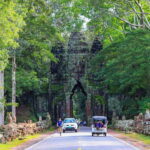
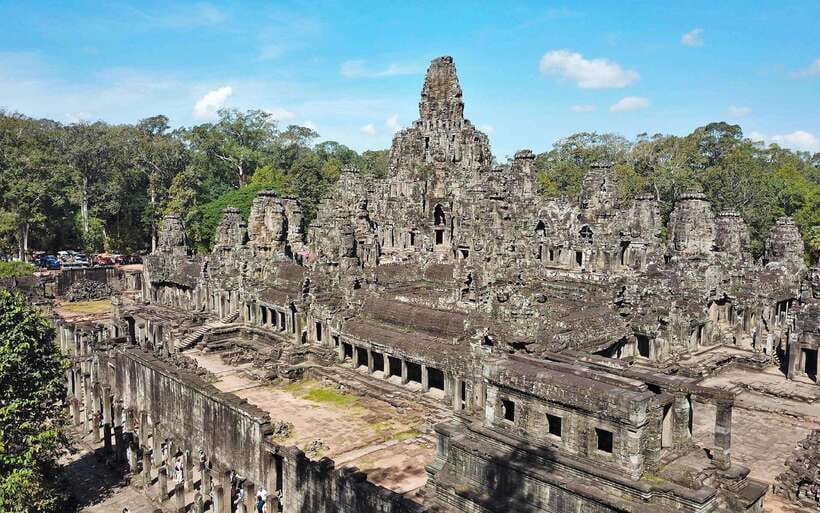
Next comes Angkor Thom, anchored by the South Gate and the visit to Bayon and the surrounding temples you’ll be pointed toward by your guide. This is where the tour leans into Khmer art and symbolism rather than just iconic architecture.
Bayon is described with its famous scale: 54 towers and 216 faces of Avalokesvara (Buddhisatva Avalokesvara). That number alone makes your brain do a double-take once you’re standing there, but the more useful part is the guide’s explanation of what you’re seeing and how the Khmer empire interpreted power and devotion.
You’ll also visit Baphoun while exploring the area around the South Gate. Then the day continues into the royal viewing zones of the Angkor Thom circuit, including the Terrace of the Elephant and the Terrace of the Leper King. These terraces are about more than decoration. They connect you to the idea of royal ceremonies—how rulers displayed authority, where audiences took place, and how the space was designed for gathering and viewing.
Practical note: this is a section where you’ll want your water and take the breaks the tour gives you. The guide keeps you moving, but you can still pause for photos and to look closely at carvings.
The Banteay Kdei finish: a calmer temple with a comfort break
Toward the end, you’ll go to Banteay Kdei, including time that may involve coffee and breakfast as part of the schedule. This stop works well as a wrap-up because it’s a full temple visit but often feels less like the day’s final sprint than some other Angkor highlights.
Banteay Kdei is built by King Jayavarman VII in the late 12th century. That historical anchor helps your eyes make sense of the stonework while you walk—what you’re seeing ties back to the broader Khmer world the guide has already been explaining.
You’ll also have photo stop time and guided sightseeing here. Since the day is long, this is a good moment for anyone who wants a slightly slower-feeling temple moment after the more intense face-and-gate areas of Angkor Thom.
One comfort detail matters: the tour includes cold water and towels. In this part of the day, they can feel like part of the experience, not just service.
Price and value: what $15 includes, and what you must budget
At $15 per person for an 8–9 hour guided outing, this is priced as a budget-friendly way into Angkor’s top sights. The big value is not only the guide and transport—it’s the heat management. You get air-conditioned transport, plus cold water and a cold towel.
Here’s what you’ll still need to plan for:
- Entrance tickets are not included.
- Food is not included.
That doesn’t ruin the value, but it does change how you budget your day. Think of the $15 as the guided transport-and-structure cost, and then add tickets and lunch on top.
If you were considering going alone, remember what you’re paying for: an organized route, less time figuring out logistics, and an English guide to explain the temples as you walk. Angkor is big. A guided plan can save you hours of decision-making.
Also, private group is available. If you’re traveling with friends or want a quieter rhythm, paying extra for private can feel worth it—especially when you factor in that you’ll still get the same guide-style explanation and included comforts.
Who should book this Angkor Wat small-group tour
This tour fits best if you want:
- A sunrise-centered Angkor Wat experience.
- A guide to connect temple carvings to Khmer history and Cambodian culture.
- A manageable group size with time to ask questions and take photos.
- The comfort basics done right—AC transport and cold water/towels.
It may not be the right match if you have back problems. Also, children must be accompanied by an adult, and it’s not suitable for children under 4.
If you’re the kind of traveler who enjoys learning while walking (not just ticking boxes), the guided commentary is a big part of the value.
Practical tips to make the day feel easier
- Wear comfortable shoes with grip. Temple paths can be uneven.
- Bring a camera and keep it ready for the sunrise angles and the terrace views.
- Expect a long day. Hydration helps, and the tour provides cold water and towels, so use them.
- Use the free time for photos and wandering. The day is packed, but the schedule leaves room to look rather than just pass through.
One more small thought: if you care about photos, sunrise is your best chance for soft light and dramatic reflections. Then focus your midday camera work on textures and carvings rather than hoping for the best lighting again.
Should you book this sunrise tour
I think you should book it if you want a guided Angkor day that starts strong with sunrise at Angkor Wat and continues through the major temples people talk about: Ta Prohm, Bayon/Angkor Thom, and Banteay Kdei. The $15 price works because the day is structured around transport, comfort, and explanations—not just a bus ride.
Skip it (or consider a different style) if you hate early mornings, don’t want to manage extra costs for entrance tickets and food, or need a route that’s easier on the body.
If you’re ready for a full temple day with smart timing, this one is a solid choice.
FAQ
How long is the Siem Reap Angkor Wat sunrise or sunset tour?
The duration is listed as 8–9 hours.
What’s included in the tour price?
The tour includes an air-conditioned vehicle, an English-speaking tour guide, cold water and a cold towel, and hotel pickup and drop-off in the Siem Reap city area.
Are entrance tickets included?
No. All entrance tickets are not included.
Is food included?
No. Food is not included.
How many people are in the group?
The maximum group size is 15 travelers.
Is there a private tour option?
Yes. A private group is available.
What languages are offered?
The live tour guide is available in English.
Where do they pick you up?
Pickup is from Krong Siem Reap, and pickup is included for hotels in the Siem Reap city area.
What time should I be ready for pickup?
You should await in the hotel lobby 10–15 minutes prior to the scheduled pickup time, and the driver will have a sign with your last name.
What should I bring and wear?
Bring comfortable shoes and comfortable clothes, plus a camera if you want photos.
Is this tour suitable for young children or mobility concerns?
Children under 4 are not suitable, and it is not suitable for people with back problems. Children must be accompanied by an adult.