REVIEW · SIEM REAP
Half-Day: Silk Farm, Senteur Angkor, and Satcha Workshop
Book on GetYourGuide →Operated by Tour Guide Team Phnom Penh · Bookable on GetYourGuide
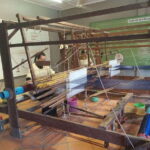
Silk starts with a hungry little worm. This half-day in Siem Reap Province connects the dots from silk worm lifecycle to finished cloth, then keeps going with crafts and shopping that feel more hands-on than most quick market stops. I like two things most: the full traditional silk process you can actually watch, and the stop at Satcha where you’ll see multiple craft workshops under one roof. One drawback to plan for: this tour includes several shopping-focused periods, so you’ll want a souvenir budget before you go in.
The flow is built for convenience: hotel pickup and drop-off, van rides between stops, and a separate entrance so you can skip the line part of the time. The tour runs about 4 hours, mostly outdoors and on your feet, so wear comfortable shoes and bring your hat and sunscreen.
In This Review
- Key things to know before you go
- Angkor Silk Farm: watching silk go from mulberry to cloth
- Satcha Handicraft Center: six bamboo workshops under Khmer-inspired design
- Senteurs d’Angkor: sustainable Cambodian treasures, explained as you browse
- Artisan d’Angkor: where local handicrafts are made and finished for sale
- Timing and logistics: what a 4-hour half day really feels like
- Price and value: is $25 per group up to 2 worth it?
- Who this tour suits best (and who should skip it)
- Should you book this silk, bamboo, and sustainable crafts tour?
- FAQ
- How long is the tour?
- Where does the pickup happen?
- What stops are included?
- Is it a private tour?
- What language is used?
- Do I need to pay extra for food?
- What should I bring?
- Is smoking allowed?
- Is this tour wheelchair accessible?
- How much does it cost?
Key things to know before you go
- Angkor Silk Farm shows every step: mulberry trees, silkworm life cycle, and the weaving process for traditional silk fabrics.
- Satcha Handicraft Center is craft-and-design focused with Cambodian bamboo construction from Kampong Cham.
- Six workshop areas at Satcha let you spot lots of different materials and techniques in one visit.
- Senteurs d’Angkor centers sustainable products so you’re not just buying pretty things, you’re buying into a craft system.
- Artisan d’Angkor is where local handicrafts are made and sold, making it easier to match the finished product to what you saw earlier.
- You’ll be walking and the tour isn’t set up for wheelchair users.
Angkor Silk Farm: watching silk go from mulberry to cloth
If you want your souvenirs to feel earned, this is the place. The Angkor Silk Farm stop is designed as an easy, guided path through how traditional Cambodian silk starts and continues.
First, you get the foundation: mulberry trees. You’ll see where the process begins because mulberry leaves are what the silkworms eat. Then the guide’s explanation moves to the silkworm lifecycle, which is usually the moment where people go from thinking silk is magic to realizing it’s labor, patience, and timing.
From there, the tour keeps following the chain of work. You’ll move through the steps that lead toward the finished fabric look—right up to the weaving process. Even if you’re not planning to buy silk clothing, this part is worth it because it changes how you view the final products. A scarf, a dress piece, or a small textile detail suddenly makes sense. You can spot why some pieces look smoother, why patterns repeat cleanly, and why certain fabrics cost more.
Photo stop + guided time + workshop-style viewing
Your schedule includes a mix of photo time, guided viewing, and time to walk through craft areas. There’s also time for shopping after you’ve seen what you’re shopping for, which is the right order. You’re not guessing. You’re comparing.
Practical tip: bring your camera and expect bright, direct sunlight. This is one of the stops where shade can be limited, and the tour notes recommend sunscreen and a hat.
You can also read our reviews of more tours and experiences in Siem Reap


Satcha Handicraft Center: six bamboo workshops under Khmer-inspired design
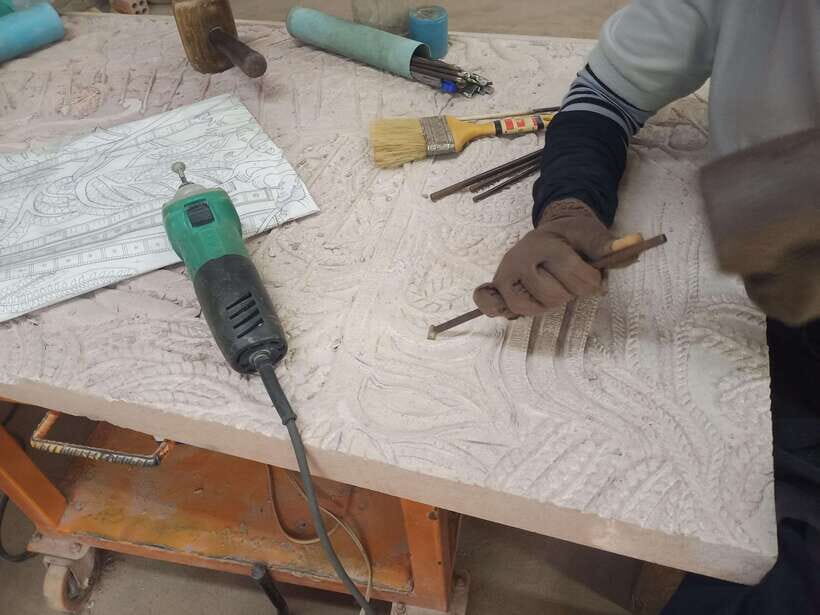
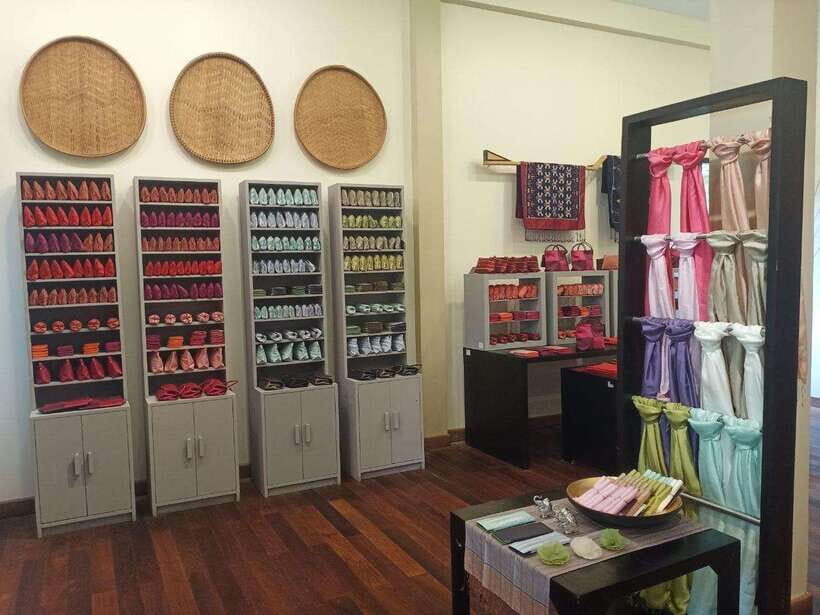
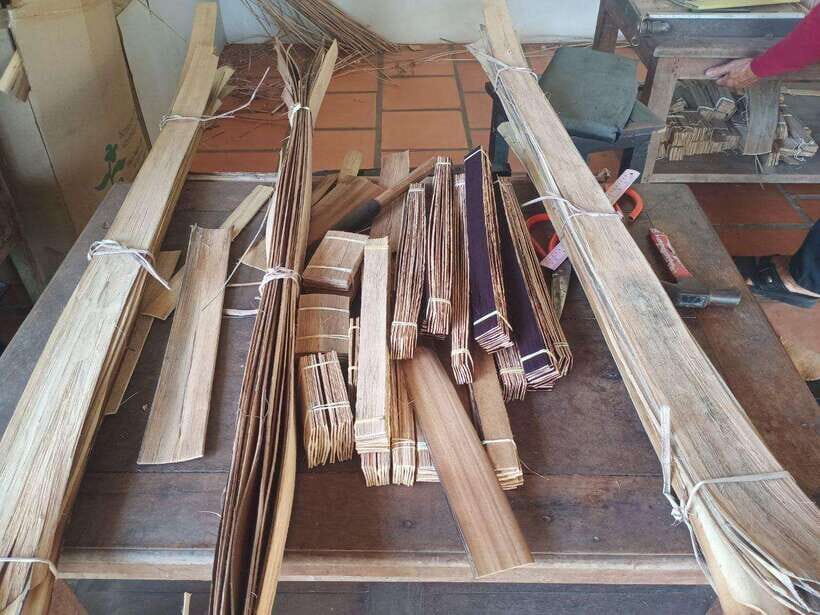
Satcha is where the tour becomes more than a “watch and leave” experience. The Satcha Handicraft Center is built exclusively with Cambodian bamboo from Kampong Cham, and the design nods to Khmer ornaments while still feeling modern.
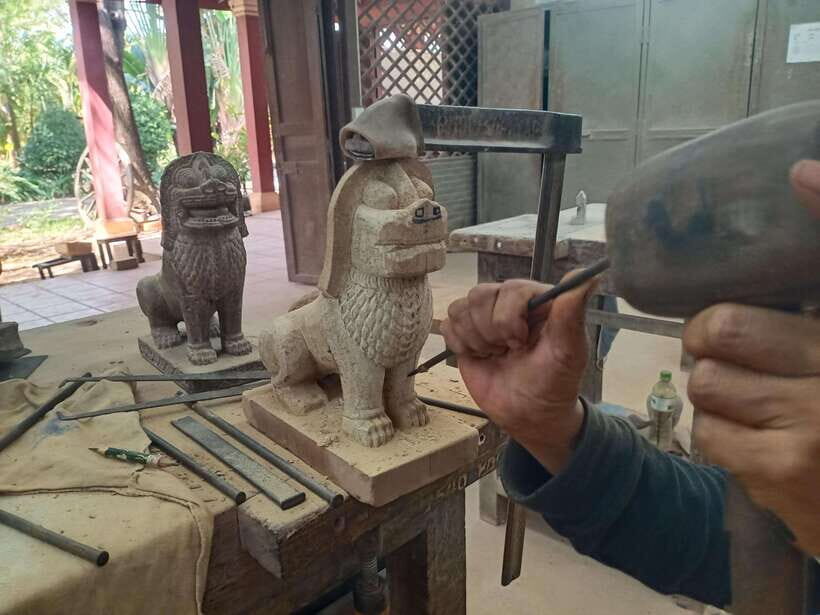
This is also where you’ll feel the scale. The center hosts 50+ artisans and covers 15 different know-hows. That matters because you don’t just see one craft specialty—you see how craft skill branches into different materials and techniques.
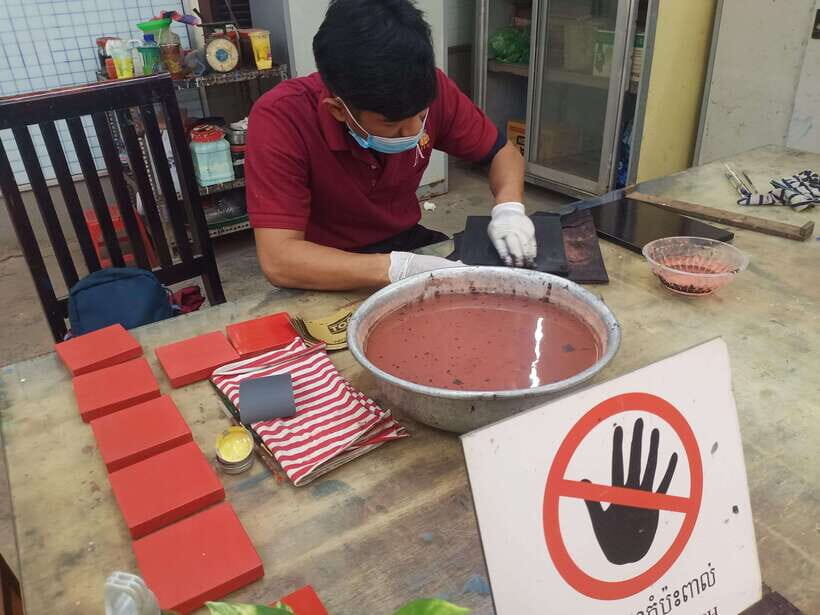
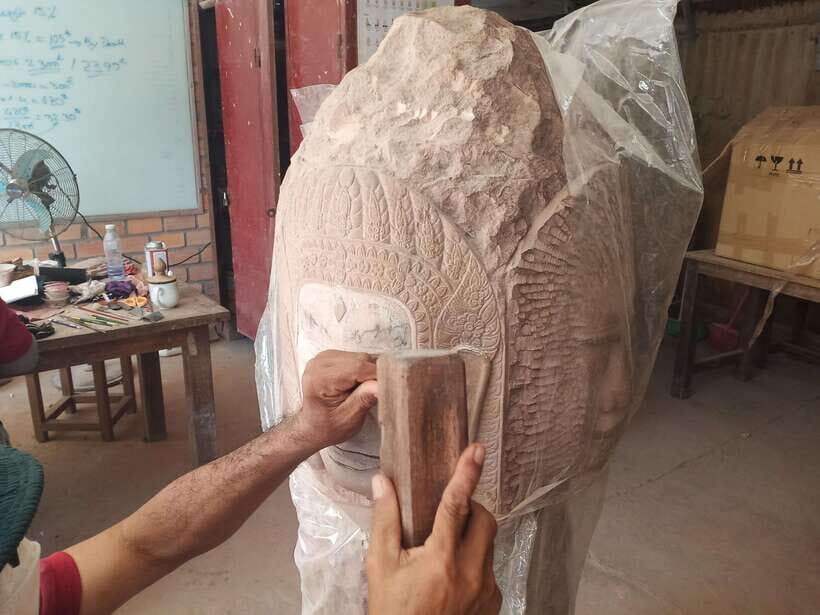
What you can expect to encounter in the workshop areas includes a wide set of processes: carving, stone, wood, bamboo, leather, weaving, rattan, seagrass, water hyacinth, silk, cotton, painting and lacquer, jewelry, and silver plating. The list sounds big because it is big. In practice, it means your time at Satcha can be a full sensory tour of materials—some you’ll recognize, and some you might never have heard of.
Why this stop is often the best value
One of the most praised parts of this tour is the workshop experience itself, especially the feeling that you’re getting a lot of product variety and fair pricing for what you’re seeing. Even when you don’t buy much, the workshops help you understand what’s handmade versus what’s mass-produced.
A small caution: one workshop area can feel more expensive than the rest, depending on what you’re drawn to. If your goal is souvenirs on a budget, decide early what category you want—small textile items, bamboo crafts, or jewelry—then stick to it.
Tip for choosing what to buy at Satcha: if the item connects clearly to a technique you just watched (like weaving or carving), it usually feels like the most logical purchase. You’ll also have an easier time explaining your souvenir to someone back home.
Senteurs d’Angkor: sustainable Cambodian treasures, explained as you browse
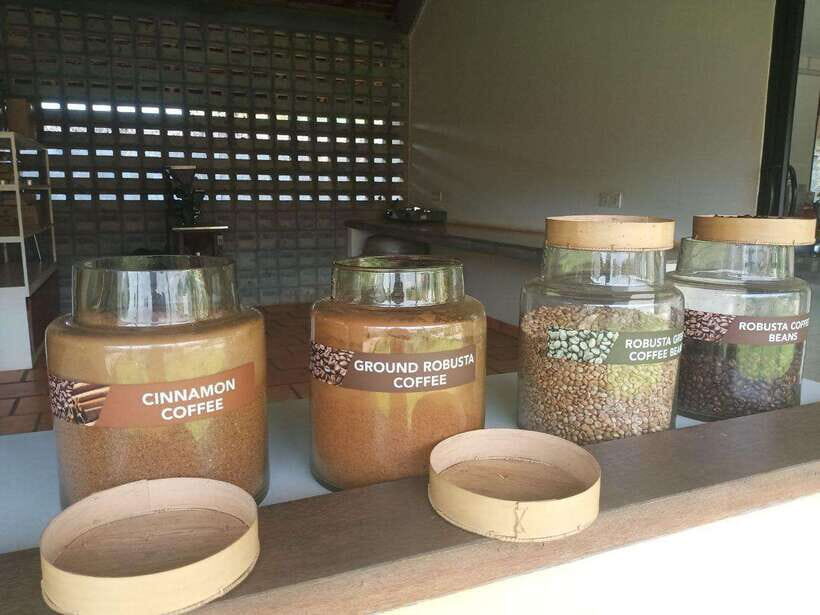
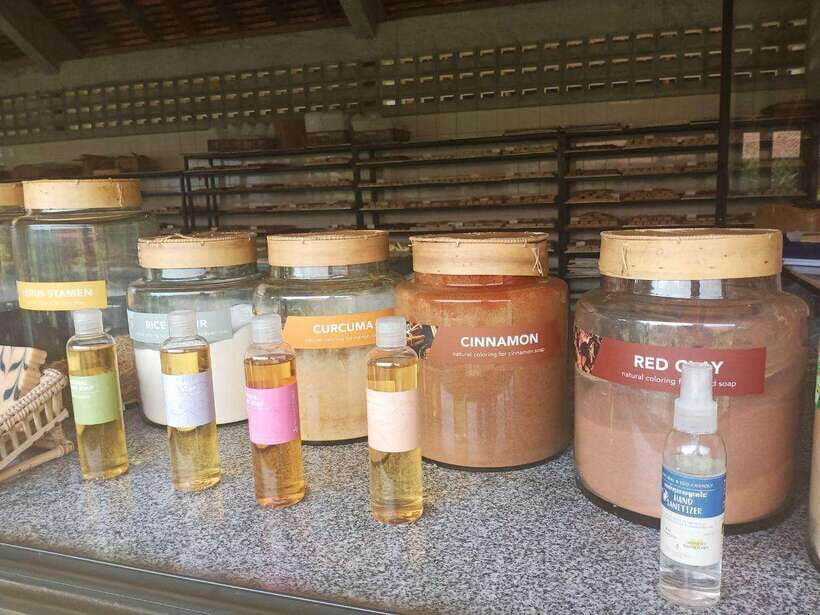
After the workshop center, the tour shifts from craft-making to craft products with a story. Senteurs d’Angkor is presented as a hub for sustainable Cambodian treasures, and your visit is guided so you’re not just wandering a shop.
What I like about this stop is that it’s timed to follow the craft knowledge you just built. After seeing how materials and processes work at the farm and at Satcha, you’re better equipped to judge what you’re seeing now. You can spot quality choices faster—texture, finish, and how the product is presented.
This is also where you’ll likely spend time browsing. The schedule includes photo stops, walking, and shopping, with “class” listed in the flow. In real terms, that usually means you’ll pause frequently to learn what a product is made of or how it’s meant to be used or cared for.
Since the tour includes time for artisanal products here, it’s a good moment to buy gifts that are easier to pack: smaller items like handcrafted accessories, home goods, or simplified souvenirs. Bigger items can be tempting, but if you’re flying home with limited luggage, this is where you’ll think more carefully.
Artisan d’Angkor: where local handicrafts are made and finished for sale
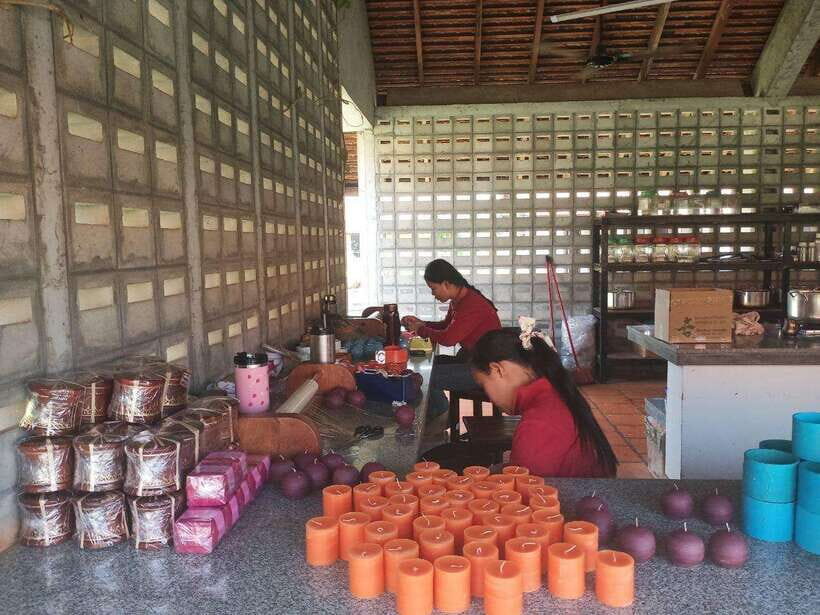
The final craft stop, Artisan d’Angkor, is the practical closer: this is where local handicrafts are made and where you can see them moving from process to finished product.
This stop complements Satcha nicely. If Satcha is a “workshop center with multiple crafts,” Artisan d’Angkor feels more like a “you’re watching how it gets produced and sold” environment. The result is that you can compare styles and techniques across locations. Even within the same broad category—like textiles or wood items—you’ll notice differences in how designs are executed.
Your time here includes a guided visit, walking, and more shopping. That’s useful because by the time you reach the last stop, you’re usually clear on what you want: a specific type of material, a preferred color palette, or a gift that won’t fall apart after a few trips.
One more point: because the tour ends with a return to Siem Reap, Artisan d’Angkor is the place to choose final purchases you want to carry back with you (within reason). If you’re debating between two items, consider buying the one that matches the process you found most fascinating earlier—silk if you liked the farm, or bamboo/craft objects if you loved Satcha.
Timing and logistics: what a 4-hour half day really feels like
On paper, this is a 4-hour experience. In practice, it’s a steady loop of travel plus short, focused visits.
You’ll start with pickup from Krong Siem Reap, then take a short van ride to begin with the silk farm. The schedule includes multiple photo stops and workshop visits, with van transfers between the sites (short rides, roughly 15 minutes where listed, and a shorter final transfer back). That pacing helps because you’re not stuck in one place too long, but you still get meaningful time in each stop.
Here’s what to expect in comfort terms:
- Lots of walking and standing.
- Outdoor sun exposure, especially early in the day.
- Shopping time built into each stop.
- No food or drinks allowed during the tour, so plan to eat before pickup or after you return.
Language is listed as English with an English driver, and the tour notes mention a private group. One detail to keep in mind: on at least some departures, explanations may be available in French too. If language matters for you, it can be worth confirming when you book.
What to bring is straightforward: comfortable shoes, hat, camera, and sunscreen. And avoid smoking, since it’s not allowed during the tour.
You can also read our reviews of more tours and experiences in Siem Reap



Price and value: is $25 per group up to 2 worth it?
The price is $25 per group up to 2 for about 4 hours, and it includes hotel pickup and drop-off plus the visits to all the main stops. That makes it a relatively budget-friendly way to cover multiple craft locations in one go.
Here’s how I’d think about value:
- You’re not paying extra for a “solo” version of the day. The group structure means you can split cost if you’re traveling with a friend or partner.
- You’re paying for guidance through processes, not just access to shops. The silk farm stop is built around explanation and viewing the lifecycle and weaving steps.
- You’re getting multiple craft categories in one route: silk, bamboo-built workshops, sustainable product browsing, and finished handicrafts.
- You have time to buy gifts without turning it into a full-day market slog.
Where value can vary for individuals is what you choose to buy. The tour includes shopping at several stops, and some items can obviously cost more than others depending on materials and craftsmanship. If you’re only browsing, the cost still makes sense because the education and workshop visibility drive most of the experience.
My practical suggestion: decide your souvenir goal before pickup:
- If it’s silk textiles, set a budget and stick to smaller pieces first.
- If it’s bamboo crafts or handmade accessories, focus on what you can pack easily.
- If you want jewelry or metalwork, be ready for higher pricing and take your time comparing.
Who this tour suits best (and who should skip it)
This half-day tour is a great match if you want crafts with a clear connection to how they’re made. You’ll like it if you:
- Enjoy watching processes rather than only seeing finished products.
- Want to shop with context, especially for silk and bamboo craft items.
- Prefer a guided route that covers several sites without long planning.
It’s also a strong choice for couples or small groups because it’s private and priced per group up to 2.
Who should skip or reconsider:
- The tour is not suitable for wheelchair users, and the walking portion can be hard if you have mobility limits.
- If you hate any kind of shopping time, you may find the built-in markets and craft-sales atmosphere tiring.
Small humor, but true: if you’re the type who resists souvenirs, you’ll still come away with at least one small item because the craft explanations make even simple pieces feel meaningful.
Should you book this silk, bamboo, and sustainable crafts tour?
I’d book it if your ideal half day in Siem Reap is craft-focused and you want your purchases to connect to a real process. The silk farm stop gives you the most “how it’s made” payoff, and Satcha’s bamboo workshop setup makes it easy to see a wide range of handmade skills without cramming your time into a dozen separate places.
Skip it only if you’re chasing pure sightseeing (like temple views). This is a craft day, and the payoff is understanding Cambodian making: silk lifecycle work, Khmer-inspired craft design, and sustainable product browsing at Senteurs d’Angkor and Artisan d’Angkor.
If you do book, go in with two plans: comfortable shoes for walking, and a souvenir budget so you can enjoy the workshops without turning the shopping stops into a surprise expense.
FAQ
How long is the tour?
It lasts about 4 hours.
Where does the pickup happen?
Pickup is from Krong Siem Reap.
What stops are included?
You’ll visit Angkor Silk Farm, Satcha Handicraft Center, Senteurs d’Angkor, and Artisan d’Angkor.
Is it a private tour?
Yes. It’s described as a private group.
What language is used?
The driver/experience is listed as English.
Do I need to pay extra for food?
Meals are not included. The tour also notes that consuming food and drinks is not allowed during the tour.
What should I bring?
Bring comfortable shoes, a hat, a camera, and sunscreen.
Is smoking allowed?
No, smoking is not allowed during the tour.
Is this tour wheelchair accessible?
No, it’s not suitable for wheelchair users.
How much does it cost?
It’s $25 per group up to 2.