REVIEW · SIEM REAP
Full-Day Siem Reap Angkor Major Temples Private Tour
Book on Viator →Operated by Angkor Boutique Tours · Bookable on Viator
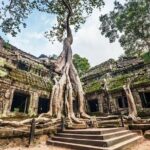
Big trees, bigger temples, and a tight plan. This full-day private tour in Siem Reap is built for one thing: helping you see the major Angkor sites in a 6–8 hour window without losing your day to confusion, heat, or timing mistakes. You start early (8:00 am) and move through a classic sequence—from the tree-root magic of Ta Prohm to the grand scale of Angkor Wat.
What I like most is the very practical setup: a licensed, English-speaking guide plus an A/C vehicle, along with cold towels and cold mineral water to take the edge off the day. The other big plus is pacing. The route is designed so the guide tries to hit temples at “appropriate time” to help reduce crowd stress, and you’re not rushed through each stop.
One thing to consider: temple entry has a strict dress code (no shorts or sleeveless tops; shoulders and knees must be covered), and some parts involve steep steps—Baphuon is specifically mentioned as steep, with going up depending on your physical condition.
In This Review
- Key highlights you can use
- Why this private Angkor day works (and where it might not)
- Meeting point, pickup, and the flow of your morning
- The route: from Ta Prohm’s roots to Angkor Wat’s scale
- Ta Prohm and the Tomb Raider look: eerie, photogenic, and worth slowing down
- Angkor Wat: your 1.5-hour anchor point for the day
- Bayon Temple: those smiling faces up close
- Baphuon and the steep climb: adjust based on how you feel
- Phimeanakas: brief stop, calm pacing in the royal palace area
- Terrace of the Elephants: royal entertainment, compact visit
- Terrace of the Leper King: why it’s still on your list
- Angkor Thom South Gate: a quick, satisfying finish before Angkor Wat
- Tickets, timing, and how to plan around crowds
- What’s included (and what you’ll pay separately)
- Dress code: don’t lose time to a refused entry
- Comfort details that make a difference in the heat
- Who this private Angkor tour suits best
- The guide quality: why Mr Brown Then’s reputation matters
- Should you book this tour?
- FAQ
- What time does the tour start?
- How long is the private tour?
- Is pickup from my hotel included?
- Is this tour private or shared?
- Are temple admission tickets included?
- What’s included in the price?
- Do I need to follow a dress code?
- Is lunch included?
- Can the guide adjust if a temple climb is too steep?
- What if I need to cancel, or the weather is bad?
Key highlights you can use
- Private, English-speaking guide so you can ask questions and move at your pace
- A/C car plus cold towels and bottled water for comfort in the heat
- Early start at 8:00 am to beat crowds as much as possible
- A carefully sequenced route linking Ta Prohm → Bayon → Angkor Wat
- Steep-temple option: your guide can adjust the Baphuon climb based on how you feel
- Mobile ticket included for smoother temple logistics
Why this private Angkor day works (and where it might not)
Angkor is huge. The problem isn’t seeing it once—it’s seeing it in a way you still remember. This tour is designed as a major-temples circuit that keeps you moving, but not at a breakneck pace. You’ve got a full morning and part of the afternoon, with time blocks that make sense for photos, walking, and the slow moments when a face in a carving suddenly makes sense.
The “private” part matters more than you might think. You’re not stuck behind a mass of people while you’re trying to understand what you’re looking at. You also get flexibility: if you need slower breaks, your guide can typically slow the day down.
That said, you’ll still be walking in temple grounds and doing stairs at certain sites. If you’re expecting fully flat, low-walking sightseeing, that’s not the best fit. Even within the major temples, the tour makes it clear some climbs are steep—Baphuon is the standout example.
You can also read our reviews of more private tours in Siem Reap
Meeting point, pickup, and the flow of your morning
Your day begins at 8:00 am in Siem Reap. You’ll be met by your tour guide waiting in the lobby area of your hotel before 8 o’clock. That reduces the first-stress problem most people have with day tours: figuring out where to go and when.
Once you’re picked up, the vehicle is set up for comfort. The cars and vans are described as cleaned and well air-con equipped. You also get cold mineral water and a cold face towel. It’s not a luxury touch for its own sake—it’s genuinely useful because the temples move from “interesting” to “hot and tiring” pretty fast, especially when you add midday crowds.
You’ll also see a clear rhythm in the schedule: a series of temple stops with short-to-medium time windows, then a bigger emphasis at the main highlights. The best way to think about it: this tour gives you a front-row seat to many famous structures, but it’s not designed for deep archaeological research at every single one.
The route: from Ta Prohm’s roots to Angkor Wat’s scale
This is a classic circuit, but it’s a smart one. Each stop has a distinct vibe, and the sequence helps you build understanding as you go. The day is planned to end at Angkor Wat, which is the grand finale for most first-time visitors.
Here’s how the major stops feel in real-life terms, plus what to watch for at each one.
Ta Prohm and the Tomb Raider look: eerie, photogenic, and worth slowing down
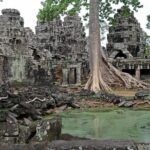
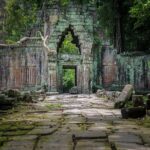
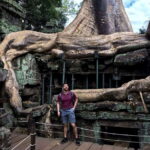
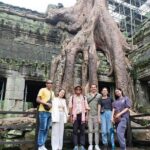
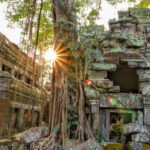
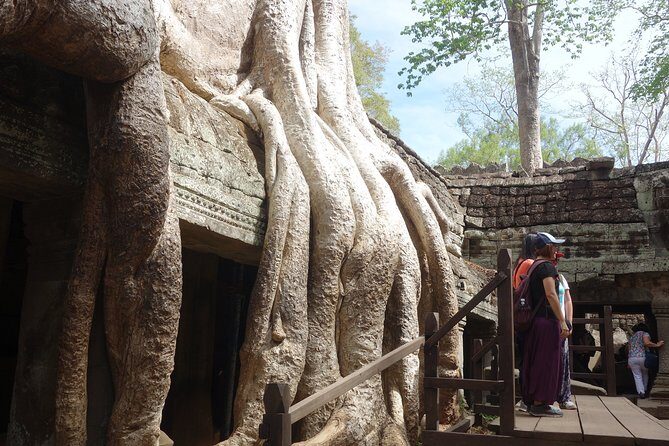
You start at Ta Prohm Temple—famous for the way tree roots have taken over parts of the ruins. It’s often called the Tomb Raider Temple because the vibe looks like it was designed for movie sets. The 1-hour time block is a good match here: you need time to move slowly, search for details, and let your brain adjust to the mix of stone and roots.
The main advantage of starting here is mood. Ta Prohm is visually dramatic right away, so you land in Angkor with a big “wow” before you move into more structured temple layouts.
What to consider: the ground can be uneven, and you’ll want good shoes. Also, it’s a site where photos are easy, but rushing makes it less satisfying. If you like your sightseeing with breathing room, this is where you’ll enjoy it most.
Angkor Wat: your 1.5-hour anchor point for the day
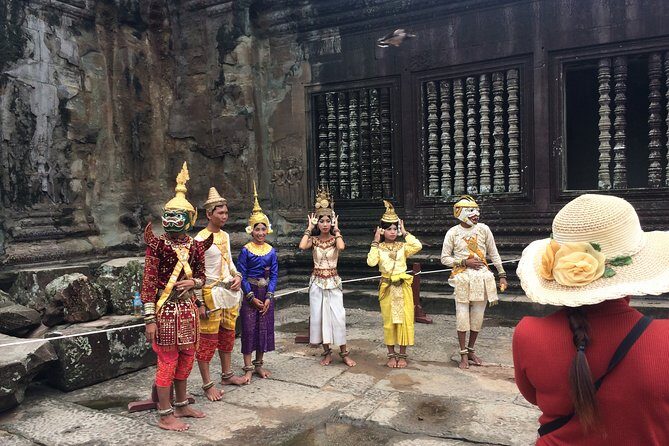
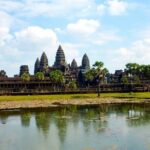
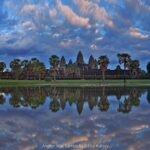
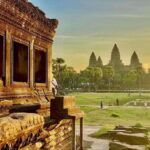
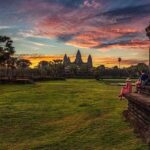
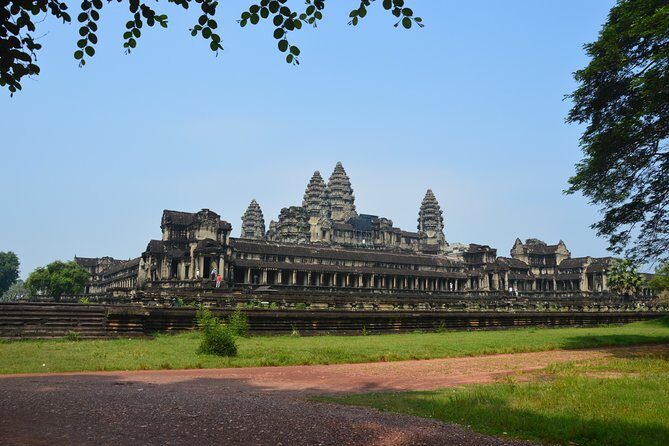
Next you go to Angkor Wat, described as the world’s biggest temple and built in the early 12th century as an emperor’s tomb—symbolizing the whole world. Your time here is 1 hour 30 minutes, which is ideal because Angkor Wat is not just one view. It’s multiple layers: courtyards, lines of sight, and the famous silhouette that makes people stop mid-walk.
This stop is one of the most valuable parts of the tour because it’s your “anchor.” Once you’ve seen the scale of Angkor Wat, the other temples you visited start to click into place as part of a much bigger system.
Ticket note: admission tickets are not included, so you’ll want to plan for that ahead of time.
You can also read our reviews of more tours and experiences in Siem Reap
Bayon Temple: those smiling faces up close
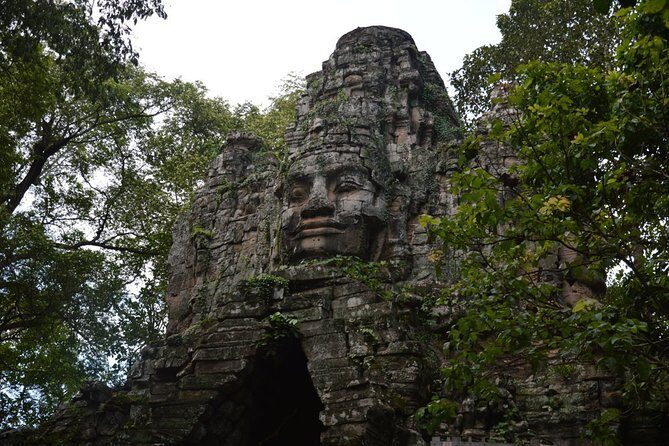
Then it’s on to Bayon Temple, famous for the 216 smiling Buddha faces on the top of its 54 towers. This isn’t the kind of temple you rush through. The faces create a constant change in expression as you move around the structure—so your angle matters.
Your time here is 1 hour. That feels right because you’ll want to walk to several viewpoints rather than get stuck in one spot. Also, Bayon is emotionally intense in a way that’s hard to predict until you see it: the faces keep watch no matter where you stand.
Ticket note again: temple admission is not included.
Baphuon and the steep climb: adjust based on how you feel
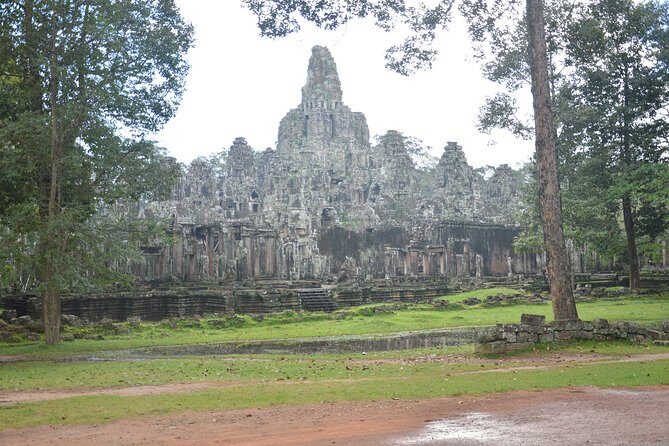
Next up is Baphuon Temple, described as the biggest temple in the Angkor Thom area. Here the tour makes a very practical promise: the guide can let you go up or choose not to, depending on your physical condition, because the temple is very steep.
That’s exactly the kind of flexibility you’ll be glad for. If you’re fit and want the higher views, you can likely take the climb. If stairs aren’t your friend today, you won’t be forced into suffering for photos.
Your time here is 20 minutes. It’s short by design, which makes sense because steep sites can drain you fast. Use that window wisely: go for the views you care about and don’t exhaust yourself for the entire afternoon.
Phimeanakas: brief stop, calm pacing in the royal palace area
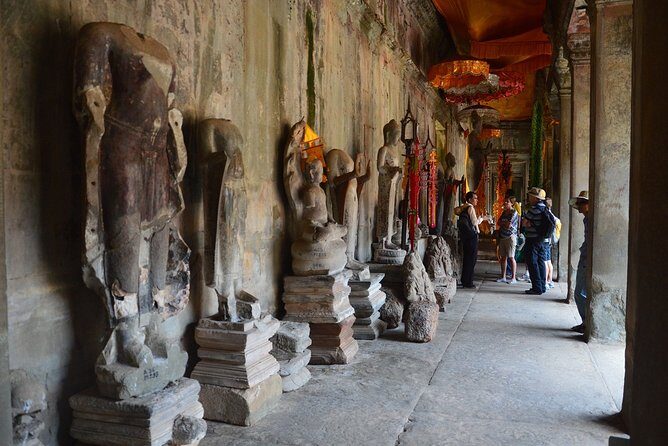
Phimeanakas is next, located in the middle of the old royal palace area. Your time here is 10 minutes—short, but that’s common for smaller stops on a major circuit.
This is a good breather after the busier, more crowded-feeling sites. If you’ve still got energy, you can use this as a moment to just look at layout and placement rather than chase every angle.
Ticket note: admission tickets are not included.
Terrace of the Elephants: royal entertainment, compact visit
Then you’ll reach the Terrace of the Elephants, described as an ancient entertainment arena for royalties and high-ranking officials. This is another short stop at 10 minutes.
Even in a brief window, you can learn a lot by paying attention to how space was designed for gatherings. Terraces like this aren’t just “cool stone”—they hint at ceremony, power, and staging.
This is a good stop if you like interpretation that goes beyond “wow, it’s old.” It’s also a good time for a quick rest so you’re ready for the bigger late-day effort.
Terrace of the Leper King: why it’s still on your list
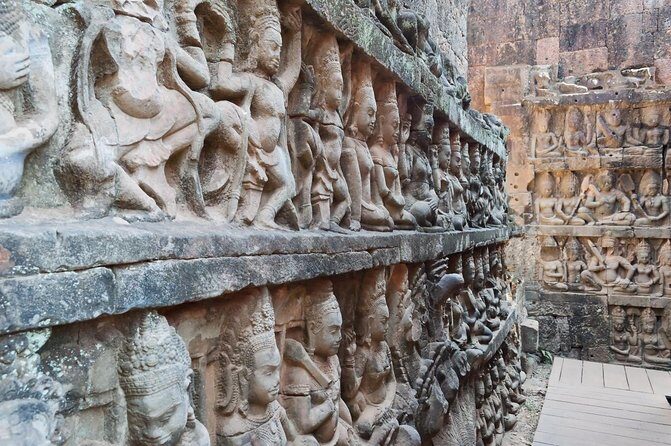
Next is the Terrace of the Leper King, described as an ancient royal crematorium. It’s also 10 minutes.
The key value here is contrast: by the time you arrive, you’ve seen bright, smiling, imposing imagery. This stop shifts the mood toward something more solemn. Even without a long lecture, it changes the tone of your day.
Ticket note: admission tickets are not included.
Angkor Thom South Gate: a quick, satisfying finish before Angkor Wat
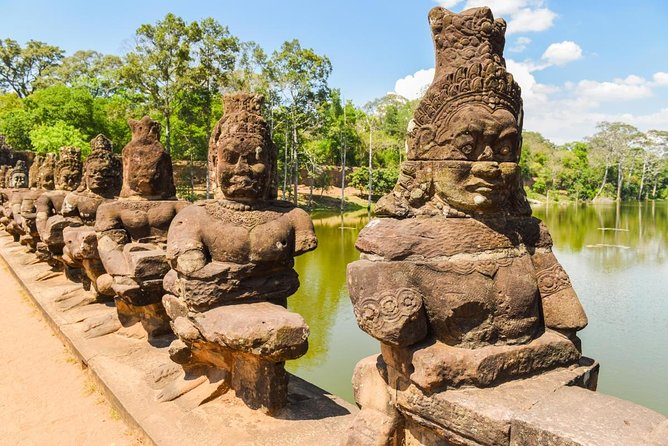
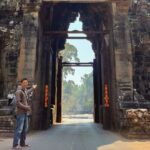
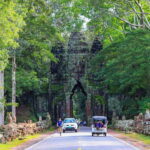
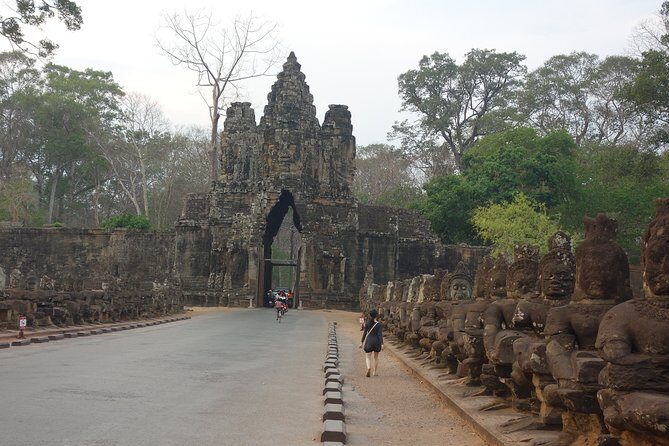
You finish the Angkor Thom area at the South Gate of Angkor Thom, one of five impressive gates. This stop is 5 minutes, so think of it as a quick capstone to the city-side segment.
A 5-minute gate stop can still be memorable if you treat it as a transition point. Use the time to frame one last look, breathe, and prepare for Angkor Wat as the grand ending.
Tickets, timing, and how to plan around crowds
A big practical point: admission tickets for the temples are not included. That matters for budgeting and for day flow. You’ll want to handle your entry efficiently so you don’t lose the best light and momentum of the day.
The tour is designed to try to enter temples at times that help avoid crowd peaks. I like that approach because it respects how people actually experience Angkor: when you’re stuck in a crush, you stop seeing details.
Still, you should expect other visitors at major sites—especially at Angkor Wat and Bayon. The smartest play is to arrive ready to walk, take a breath, then let the place reveal itself.
What’s included (and what you’ll pay separately)
Included in your experience:
- A/C car
- Fuel
- English speaking tour guide
- Cold face towel
- Cold mineral water
Not included:
- Lunch and dinner
- Breakfast
- All fees and taxes
- Admission ticket(s) for temples
That price setup is actually pretty common for Cambodia day tours. It can feel like the base cost is low, but your total day cost will depend heavily on temple admissions and your meal plans. If you pack a simple lunch strategy, you’ll keep the day stress-free.
Dress code: don’t lose time to a refused entry
A strict dress code is required to enter places of worship and selected museums. The rule is clear: no shorts or sleeveless tops allowed, and both knees and shoulders must be covered for men and women. If you don’t comply, you risk being refused entry.
This matters because it can wreck your schedule if you arrive under-dressed and need to scramble. If you’re visiting in hot weather, plan light layers that still cover shoulders and reach your knees. You’ll be comfortable and compliant without turning the day into laundry duty.
Comfort details that make a difference in the heat
The included cold towel and cold mineral water sound small, but they’re the kind of details you’ll appreciate the moment you’re sweaty and tired. Add A/C transport and you’ve got a day that’s more manageable than a DIY scramble across multiple sites.
Also, the tour specifically notes that vehicles are well air-con equipped and cleaned, and that drivers and guides are licensed with years of experience. Those are not glamorous points, but they translate into fewer annoyances: smoother pickups, less waiting around, and a guide who can keep the day moving responsibly.
Who this private Angkor tour suits best
This tour is a great fit if you:
- want the major Angkor highlights in one efficient circuit
- like having an English-speaking guide to make the carvings and layouts easier to understand
- prefer private flexibility over joining a big group
- want a day built around comfort (A/C and cooling support)
It’s also a strong choice if you’re visiting for the first time and don’t want to pick between “must-see” temples one by one.
Less ideal if you:
- want a very slow, deep, do-every-detail pace at one site
- need fully flat, minimal-stair walking throughout
- don’t want to budget for separate temple admissions and meals
The guide quality: why Mr Brown Then’s reputation matters
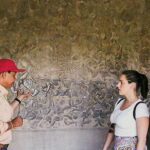
One of the most praised parts of this experience is the guide. In past bookings, service from Mr Brown Then has been described as outstanding—he was punctual, knowledgeable about the temples, and didn’t rush people. The big takeaway for you is simple: this tour works best when your guide is reading your energy level and letting you enjoy the sites at a human pace.
If you get a guide with that mindset, your day won’t feel like a checklist. You’ll get time to look, ask, and adjust—especially helpful at the more visually complex stops like Bayon and Ta Prohm.
Should you book this tour?
I’d book this tour if you want a private, comfortable, well-paced Angkor major-temples day with a guide who keeps things moving without pushing you. It’s good value when you factor in the A/C car, English-speaking guidance, and cooling support, and it’s especially worth it if you’d rather not deal with temple logistics on your own.
Hold off if you’re trying to keep every hour super flexible for your own itinerary—or if you don’t plan to cover your shoulders and knees. Also, if stairs are a major issue, talk with your guide at the start so the Baphuon steep climb is handled the way you need.
If you want the highlights in a manageable day, this is a very reasonable way to do it.
FAQ
What time does the tour start?
It starts at 8:00 am in Siem Reap, with your guide meeting you in your hotel lobby area before 8:00.
How long is the private tour?
The duration is about 6 to 8 hours.
Is pickup from my hotel included?
Yes. Pickup is offered, and the guide meets you at your hotel lobby area before the start time.
Is this tour private or shared?
This is a private tour/activity, so only your group participates.
Are temple admission tickets included?
No. Admission tickets for the temples are not included.
What’s included in the price?
The tour includes an A/C car, fuel, an English-speaking guide, a cold face towel, and cold mineral water.
Do I need to follow a dress code?
Yes. You must cover your shoulders and knees. No shorts or sleeveless tops are allowed, and you may risk refused entry if you don’t comply.
Is lunch included?
No. Lunch and dinner are not included.
Can the guide adjust if a temple climb is too steep?
Yes. At Baphuon Temple, the guide will let you go up or not based on your physical condition.
What if I need to cancel, or the weather is bad?
You can cancel for a full refund up to 24 hours in advance. The experience requires good weather, and if it’s canceled due to poor weather, you’ll be offered a different date or a full refund.