REVIEW · SIEM REAP
Banteay Chhmar Temple & Silk Farm Private Day Trip from Siem Reap
Book on Viator →Operated by About Cambodia Travel & Tours · Bookable on Viator
Jungle-choked temples beat the crowds. This private full-day tour takes you to Banteay Chhmar and Banteay Toap, two Angkor-era sites that feel calmer and more raw than the big, famous stops. I especially like how the temples come wrapped in real countryside—roads through villages, then stone in the middle of the trees—and how your guide keeps the carvings and layout understandable. The main drawback: it’s a long day with serious driving time, and you’ll be in the sun and humidity longer than you might expect.
What rounds it out for me is the contrast. You start with collapsed galleries and stone faces, then you end at a working silk farm where you can follow the process from mulberry to silkworms to dyed thread. Consider adding a practical mindset: lunch is on your own, and this route rewards good planning (water, snacks, and comfy shoes).
In This Review
- Key Things to Know Before You Go
- Why Banteay Chhmar Is the Angkor Day Trip That Feels Different
- The Drive From Siem Reap: Comfort, Timing, and What to Expect
- Banteay Chhmar Temple: Galleries, Carvings, and Jayavarman VII’s Haste
- Banteay Toap, the Fortress of the Army by a Water Reservoir
- Angkor Silk Farm: Watching Silk Go From Worm to Thread
- West Baray and Svay Romiet Pagoda: Khmer Engineering Meets Local Respect
- Guide and Vehicle Setup: Private, Air-Conditioned, and Easy to Follow
- Price and What You Actually Get for $137.75
- What to Pack and How to Make the Most of a Long Remote Day
- Who This Tour Fits Best (and Who Might Want a Different Plan)
- Should You Book This Banteay Chhmar and Silk Farm Day Trip?
- FAQ
- How long is the Banteay Chhmar and Silk Farm private day trip?
- What is included in the tour price?
- Is lunch included?
- Which places does the itinerary include?
- Do I need to pay entrance fees separately?
- Can I cancel for a full refund?
Key Things to Know Before You Go
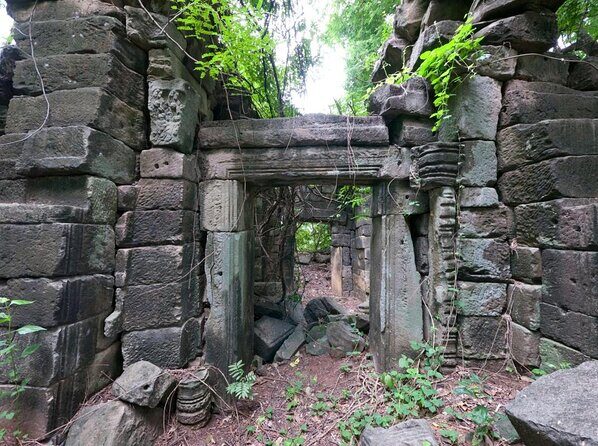
- Banteay Chhmar is the headliner: one of the most extensive Angkorian undertakings in this region, and often quieter than the core Angkor circuit.
- Two temples, two moods: Banteay Toap brings the fortress feel and sits beside a water reservoir.
- Angkor Silk Farm is hands-on viewing: you can see stages like mulberry growing, silkworm care, dyeing, and weaving.
- West Baray turns into a scenic break: a massive Khmer reservoir (8km by 2.1km), followed by a quick stop at Svay Romiet Pagoda.
- Private transport makes the day easier: hotel pickup/drop-off and a dedicated SUV or van with air-conditioning keeps logistics simple.
Why Banteay Chhmar Is the Angkor Day Trip That Feels Different
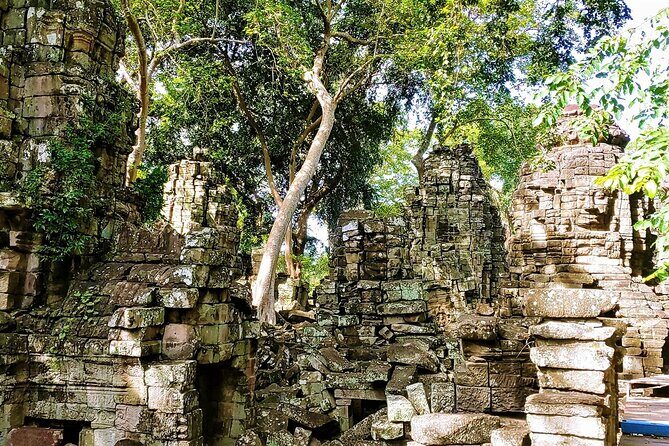
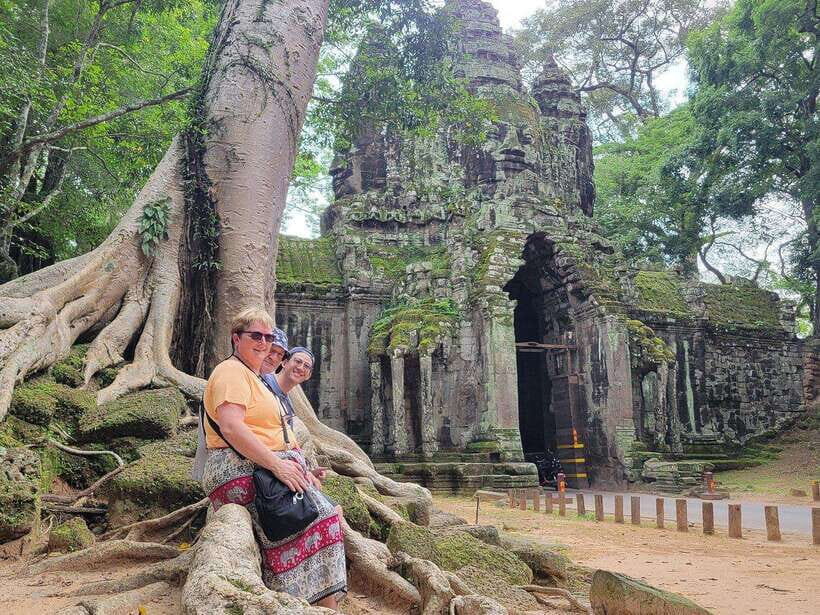
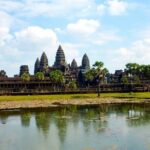
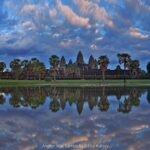
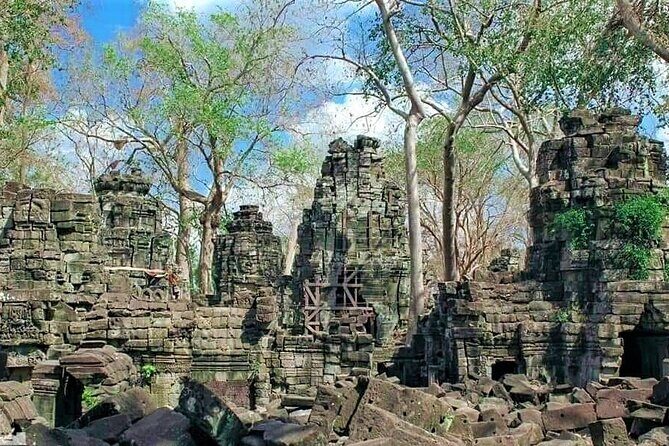
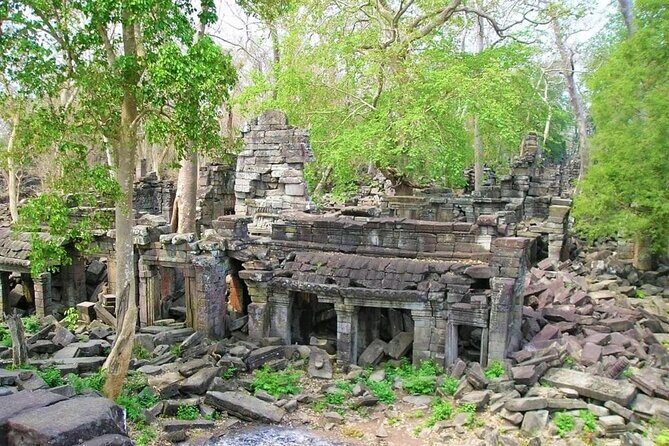
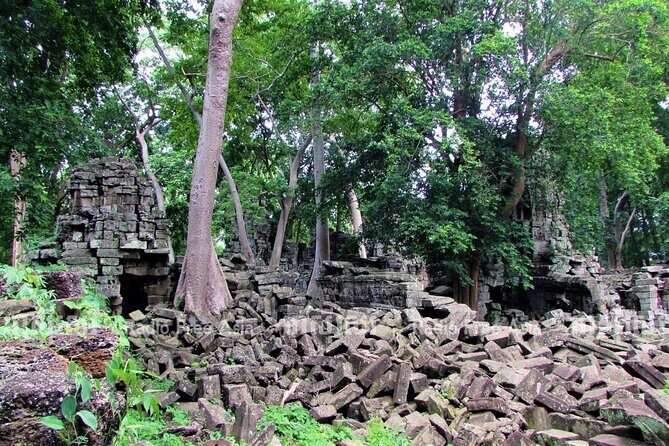
Banteay Chhmar doesn’t play the same role as the headline Angkor temples. Instead of thick tour groups and constant photo jockeying, you get a more open, slow-feeling experience—stone structures broken by time, then reclaimed by trees and jungle edges.
The big win is the scale and ambition of what you’re seeing. This complex was one of Jayavarman VII’s major building efforts in a politically sensitive period, and it shows. Some parts feel rushed in their execution—like the builders were pushing to finish while circumstances were changing. That makes the site feel human, not just monumental.
If you’re a temple fan who already did the classics near Siem Reap, this is a great second act. It’s still Angkor-era, still carved and intentional, but the atmosphere is different enough to refresh your eyes.
You can also read our reviews of more private tours in Siem Reap
The Drive From Siem Reap: Comfort, Timing, and What to Expect
This is an 8 to 9 hour private day, which usually means you’ll spend a chunk of it on the road. One of the most common realities of remote temple days is simple: you’re buying time in exchange for fewer crowds and more surprise.
The good part is the ride. You’ll have hotel pickup and drop-off, plus transport in a luxury SUV or van with air-conditioning, which helps on hot mornings and after sun-heavy temple walks. It’s still a Cambodian countryside drive, so keep expectations realistic: bumpy stretches can happen, and you’ll want to move slowly once you step out.
Plan for a day that starts early and stays active. Even if you take breaks at each site, you’re moving through five stops total, and you’ll want your energy for the carvings and the textures of stone in the shade.
Banteay Chhmar Temple: Galleries, Carvings, and Jayavarman VII’s Haste
Banteay Chhmar is the first long stop—about 5 hours. That length matters because this isn’t a “walk past one gate and leave” kind of place. You need time to slow down and look at the stone work, especially when galleries are partially collapsed and the details show up in fragments.
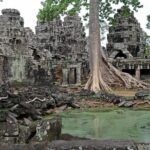
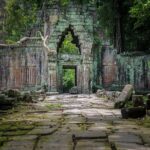
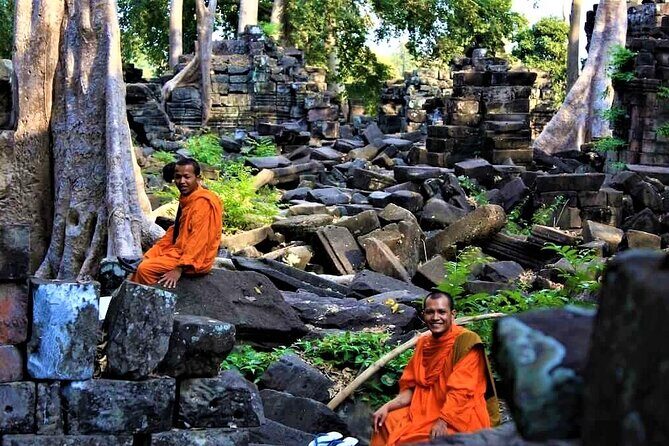
This complex is often described as impressive yet less visited, and that fits the feel. The temple structures sit in a forested setting where the greenery doesn’t feel like a backdrop—it feels like part of the ruin. You’ll notice patterns and carvings more clearly when you’re not rushing between photo spots.
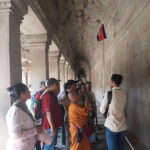
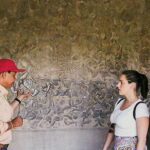
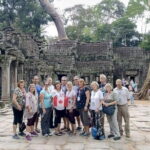
I like this stop because your guide can make the place readable. In English, a strong guide helps you connect what you see—stone faces, wall details, the layout—to what it was meant to communicate. Some groups have had guides named Leap who were praised for clear explanations of the wall sculptures, which is exactly what you want at a site where the details are easy to miss.
Tip: wear shoes with grip. Paths can be uneven, and you’ll likely spend more time walking than you think once you get into the galleries and courtyards.
Banteay Toap, the Fortress of the Army by a Water Reservoir
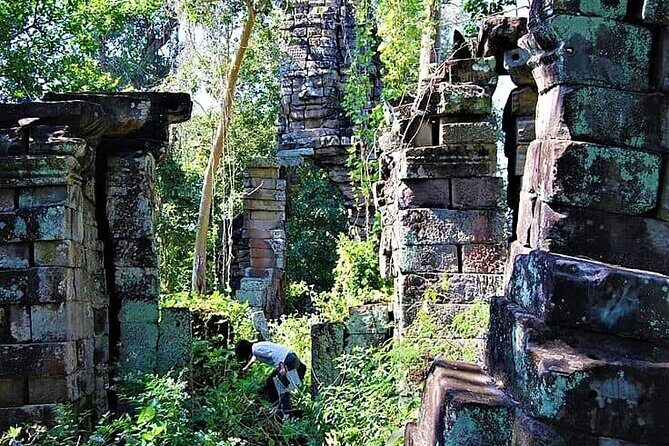
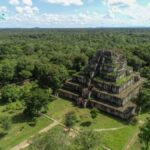
Next comes Banteay Toap, a shorter stop at around 2 hours. The name is commonly interpreted as Fortress of the Army, and it belongs to the same general period as the Banteay Chhmar complex.
This temple is a nice change of pace because it feels more focused and purposeful. You’ll see it as a separate site with its own mood: less about wide sprawling exploration and more about a concentrated sense of place. It also sits near a scenic water reservoir and lush surroundings, so you get that Khmer signature of stone + water-adjacent setting.
The main value here is pacing. After a long first stop at Banteay Chhmar, Banteay Toap gives you time to absorb without exhausting yourself. It also helps you see the broader Angkor-era building plan in this region, rather than treating Banteay Chhmar as an isolated miracle.
If you like symmetry and “how was this meant to work” thinking, this stop will satisfy. The fortress idea is a helpful lens.
Angkor Silk Farm: Watching Silk Go From Worm to Thread
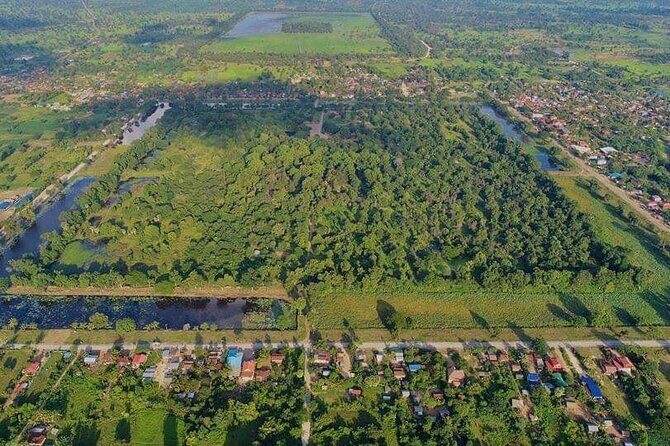
Then you get to do something totally different: silk production at Angkor Silk Farm. Plan on about 1 hour, and expect it to be more watch-and-understand than hands-on busywork (based on the tour format provided).
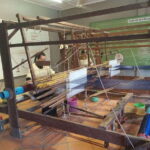
This is where the day shifts from ancient stone to living craft. You can see stages of the production process, including mulberry trees, silkworm nurturing, dyeing, and weaving. That flow is useful because silk isn’t magic in one step—you can understand each link in the chain.
I like this stop because it gives you a modern context for what you saw earlier. Angkor-era Cambodia is still present in daily life, just in a different form. Silk-making connects to local skills, family work, and a tradition that continues beyond the ruins.
If you’re a photo person: capture details, not just big scenes. The most interesting images are often close—fiber textures, the setup stages, and the color changes during dyeing.
You can also read our reviews of more tours and experiences in Siem Reap

West Baray and Svay Romiet Pagoda: Khmer Engineering Meets Local Respect
After the silk farm, the tour adds two quick, scenic cultural stops around West Baray and Svay Romiet Pagoda. West Baray is a major Khmer reservoir, listed here as 8km long by 2.1km wide. You’ll also hear that the original purpose is still not completely clear—one earlier theory was irrigation, but the full story remains uncertain.
Even with the “what exactly did it do” debate, the value of West Baray is visual and spatial. It’s a reminder that Khmer power wasn’t only about temples—it was about planning water systems on a huge scale.
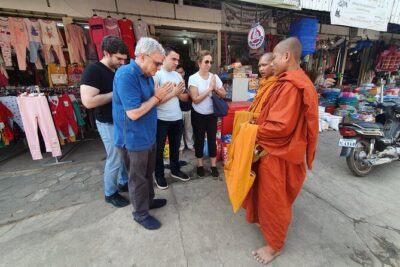
Then Svay Romiet Pagoda sits on the banks of West Baray. This stop is brief—about 30 minutes—but it adds meaning. You’ll learn that people visit the pagoda on ancestor anniversaries or birthdays, as a way of showing respect. That’s the kind of detail that makes the trip feel connected to living traditions instead of just sightseeing.
If you’re the type who enjoys learning how locals use a place today, don’t skip this even if it feels short.
Guide and Vehicle Setup: Private, Air-Conditioned, and Easy to Follow
The tour runs as a private day trip, with pickup and drop-off at your hotel. You’ll have a professional English-speaking licensed guide, plus a dedicated SUV or van with air-conditioning for transfers. Entrance fees for the temple sites and the silk farm are included, which matters because it removes a lot of small friction.
One of the strongest signals from the experience data is that guides are praised for making the temples understandable and the day comfortable. Some groups have had guides such as Danut (praised for explaining Cambodia and making the drive feel smooth and informative) and drivers such as La (praised for safe, smooth driving). Even if your team is different, you can expect this tour style to prioritize explanation and calm logistics.
Practical note: since the day is private, you can usually adjust within reason—extra photo time here, a quick shaded pause there—without turning the experience into a negotiation.
Price and What You Actually Get for $137.75
At $137.75 per person, this isn’t a budget minibus trip. The real value comes from what’s bundled: hotel pickup/drop-off, air-conditioned private transport, a licensed English-speaking guide, entrance fees, and services plus government VAT.
When you add up those pieces, the price starts to look more like a “buy the day without stress” fee. You’re paying for the ability to reach a remote temple complex and still have expert guidance for reading the ruins.
What’s not included is also important. Lunch is on your own at local restaurants, with dishes typically listed from $3 to $10 each. Tips for the guide and driver are also not included. This means the final cost depends on what you choose for meals and how you tip, but you’re already covered for the biggest expense categories.
Group discounts are mentioned too. If you’re traveling with a friend or family unit, this can become better value fast, since the private format doesn’t collapse into a cramped group tour.
What to Pack and How to Make the Most of a Long Remote Day
This kind of day trip rewards sensible packing. You’ll move between temple stone, shaded ruins, and open spots near reservoirs, all under Cambodia’s sun.
Bring:
- Water (more than you think)
- Sun protection (hat + sunscreen)
- Bug spray for jungle-edge areas
- Comfy shoes with grip for uneven ground
Also, plan for lunch downtime. Because lunch is not included, you’ll want a quick strategy: either eat at the first reasonable place you find or keep snacks for the walk between sites.
If you’re hoping for great photos, treat shade like gold. Temple details often look best in softer light, and your guide can time stops to reduce harsh glare as much as possible.
Who This Tour Fits Best (and Who Might Want a Different Plan)
This fits best if you:
- want a temple day that feels less like a checklist
- enjoy guided explanations of carvings and layout
- like contrasts—ancient ruins, then modern craft at a working silk farm
It’s also a strong pick for people who have already seen the major Siem Reap temples and want something in the same Angkor era but with a quieter feel.
You might choose a different plan if you:
- hate long drives and long active days
- need fixed, included meals with no decisions
- prefer highly structured time slots with minimal walking
The private format is great, but it won’t change the basic reality: this is a remote route, and you should plan for the full rhythm.
Should You Book This Banteay Chhmar and Silk Farm Day Trip?
Yes, if you want Angkor-era temples with a calmer, more “road-trip-to-the-ruins” energy. Banteay Chhmar is the star, and the day works because it doesn’t stop at stone—you get Banteay Toap, then you switch gears to a working silk farm and end near West Baray and Svay Romiet Pagoda.
Book it if you value an English guide who can connect what you see—especially wall details and temple layout—to the bigger picture. And book it if you’re the kind of traveler who likes driving through villages and letting the countryside be part of the story.
Skip it if you want a short, easy day or if you’re only interested in the most famous Angkor sites. This trip is about depth and distance, not about ticking off the loudest names.
FAQ
How long is the Banteay Chhmar and Silk Farm private day trip?
The day trip runs about 8 to 9 hours.
What is included in the tour price?
Hotel pickup and drop-off, a professional English-speaking licensed guide, entrance fees, private transfers in an air-conditioned luxury SUV or van, and services charge plus current government VAT are included.
Is lunch included?
No. Lunch during the tour is at local restaurants and is paid by you, with vegetarian and non-vegetarian options.
Which places does the itinerary include?
You’ll visit Banteay Chhmar Temple, Banteay Toap Temple, Angkor Silk Farm, West Baray, and Svay Romiet Pagoda.
Do I need to pay entrance fees separately?
No. Entrance fees for the listed sites are included.
Can I cancel for a full refund?
Yes, you can cancel up to 24 hours in advance for a full refund. If you cancel less than 24 hours before the start time, the amount paid will not be refunded.