REVIEW · SIEM REAP
Angkor Silk Farm & Lotus Silk Farm: Siem Reap Discovery Tour
Book on GetYourGuide →Operated by Savin Lotus Shop · Bookable on GetYourGuide
The silk story in Siem Reap is surprisingly hands-on. This Angkor Silk Farm to Lotus Silk Farm route strings together two very different textile traditions, with guided demos that explain what you’re seeing step by step. I especially like how the tour shows the real production chain—mulberry and silkworm stages on one side, lotus-fiber extraction on the other. The other big win is the ethical angle: your shopping choices help support women-focused craft work.
There is one catch to plan for: the time between stops can feel long, and in the middle of the day the sun can make it hotter than you expect. Pack like it’s a short countryside day, not a museum visit.
In This Review
- Key things to know before you go
- Entering The Day: Biolab Café pickup and the 4-hour flow
- Angkor Silk Farm: from mulberry to cocoons to hand weaving
- The in-between stretch: countryside views and real travel time
- Lotus Silk Farm by Samatoa: lotus fiber extraction and women-led enterprise
- Wooden looms, silk strands, and what to look for during demos
- Boutique browsing: buy with context, not just impulse
- Price and value: why $25 makes sense for two farms
- Who this tour is best for (and who should skip it)
- Practical tips to make it smoother
- Should you book the Angkor Silk Farm & Lotus Silk Farm tour?
- FAQ
- How long is the tour?
- Where do I meet the group?
- What time do morning tours depart?
- Is hotel pickup included?
- What is included in the price?
- Are meals included?
- Can I buy items at the boutiques?
- Is the tour cancelled if weather is bad?
- Can I get a refund if I cancel?
Key things to know before you go
- Two farms, two production systems: silk from silkworms, then fiber from lotus stems.
- Hands-on style viewing: you’ll watch life-cycle stages and extraction demonstrations rather than just stand and look.
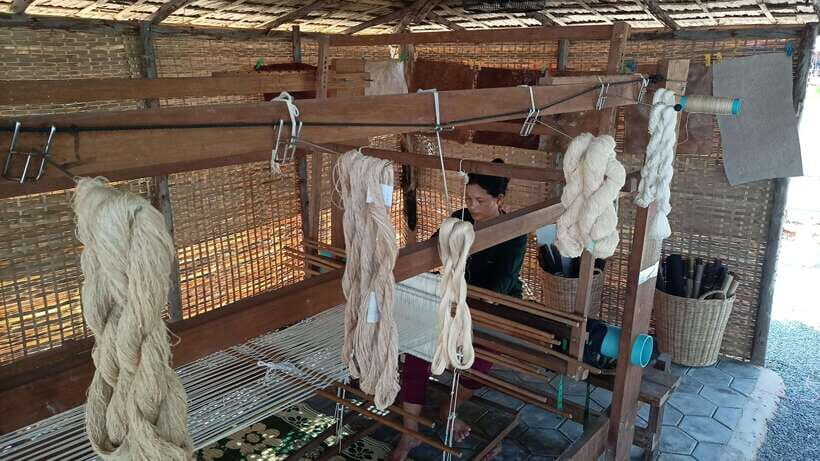
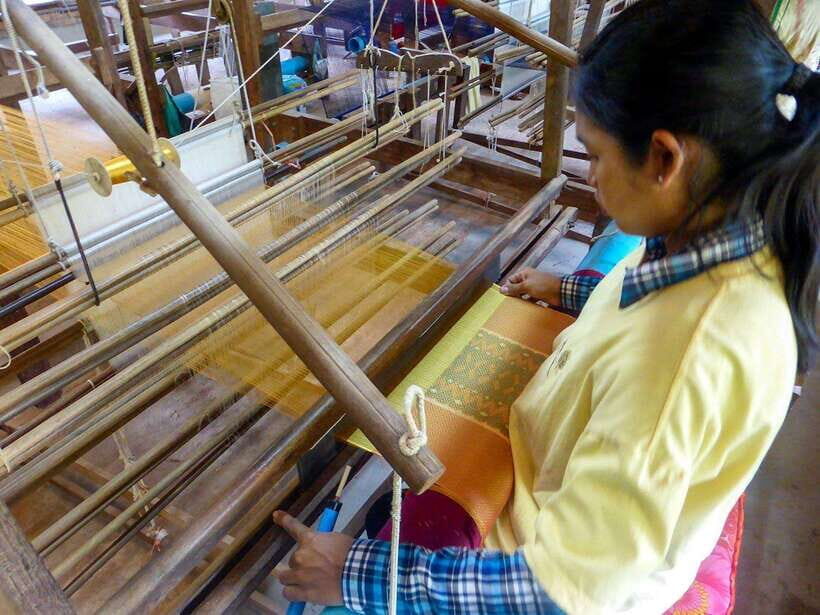
- Traditional looms get your attention: ancient weaving techniques are shown on wooden looms.
- Lotus tea + biscuits in the garden: a quick reset at Lotus Silk Farm by Samatoa.
- Boutiques are part of the experience: browsing handmade products is encouraged, and purchases support the work.
- Expect countryside driving: the route between farms gives you real rural scenery, but bring sun protection.
Entering The Day: Biolab Café pickup and the 4-hour flow
Your tour day starts at Biolab Café in downtown Siem Reap. This matters because there’s no hotel pickup included, so you’ll want to build in an easy walk or short ride to the café. The meeting setup is straightforward: arrive about 10 minutes early, look for the lotus-colored flag marked PICKUP – Lotus Silk Farm, and your grey van/driver should be waiting outside.
The total experience runs 4 hours including transport. That time box is why this tour works well: you get two farm visits plus guided explanation and demo time, without it turning into an all-day itinerary that eats your temple time. Also, the tour operates in all weather conditions, so it’s smart to bring a light layer or rain cover even if the forecast looks fine.
You can also read our reviews of more tours and experiences in Siem Reap
Angkor Silk Farm: from mulberry to cocoons to hand weaving
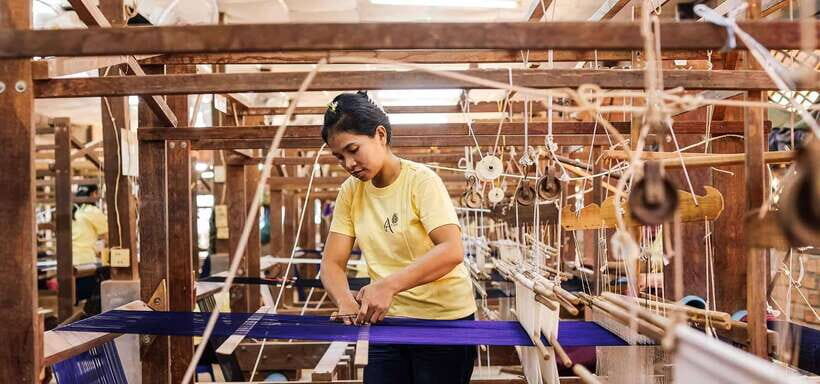
The first stop is Angkor Silk Farm, guided for about 45 minutes. This is where the traditional silk side of Cambodia shows up in a very practical way. Instead of treating silk as some magical fabric, the farm connects the dots: you’ll see the process starting with mulberry cultivation, then move through silkworm life stages and into the moment where cocoons and delicate thread work become the focus.
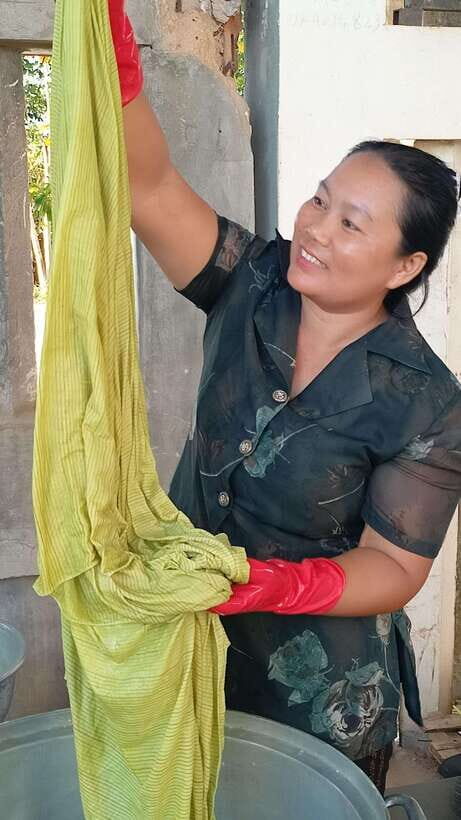
What I like here is that it’s not just “pretty crafts.” You get a sense of time and effort. Silk isn’t quick. It takes careful feeding, attention, and skill to extract thread and then weave it into patterns. Watching demonstrations of the silkworm life cycle helps you understand why handmade silk often costs more than factory fabric—it’s labor and craft, not just materials.
Then you’ll have a short shopping stop (~15 minutes) at the end of the Angkor Silk Farm visit. This isn’t random. It’s the moment when what you learned can turn into what you buy. You’re better able to judge quality when you’ve just seen how the silk gets made, and you’ll probably notice differences that you’d miss if you only saw the finished products.
A small practical note: plan your camera time here. Photo opportunities are mentioned for both farms, and the Angkor stop is the clearest place for close visuals of the production stages and the weaving process.
The in-between stretch: countryside views and real travel time
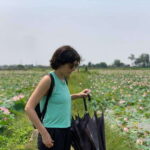
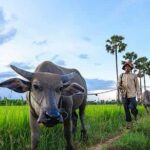
Between farms, you’ll travel by car. The vibe shifts from “workshop viewing” to a short countryside drive, which can be a nice breath of fresh context if you’ve been mostly in tourist zones all day.
That said, one drawback shows up in the experience: the ride can feel long, and it can get hot. So bring sun protection (hat, sunscreen) and wear comfortable walking shoes even though you’re not doing a big hike. The tour duration is tight, and when the middle part feels uncomfortable, it can steal a little joy from the first farm.
If you’re traveling midday, I’d also suggest you bring a bottle of water in your day bag. The tour includes refreshments like lotus tea at Lotus Silk Farm, but your general hydration needs between stops are still on you.
Lotus Silk Farm by Samatoa: lotus fiber extraction and women-led enterprise
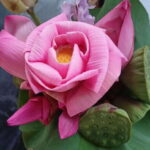
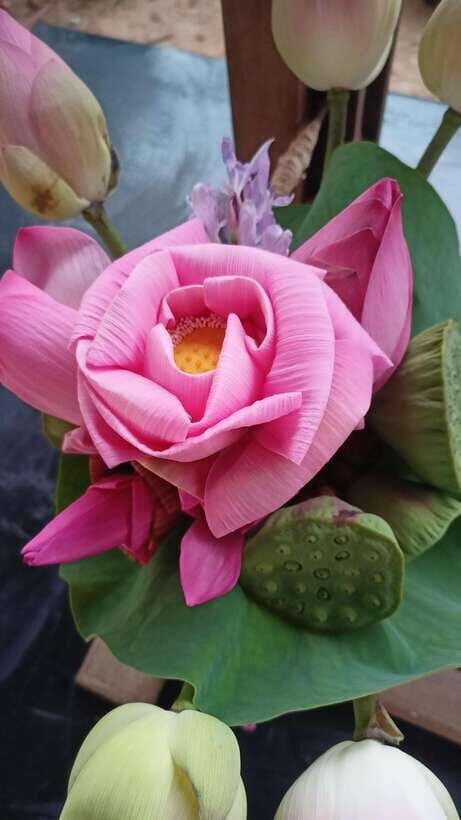
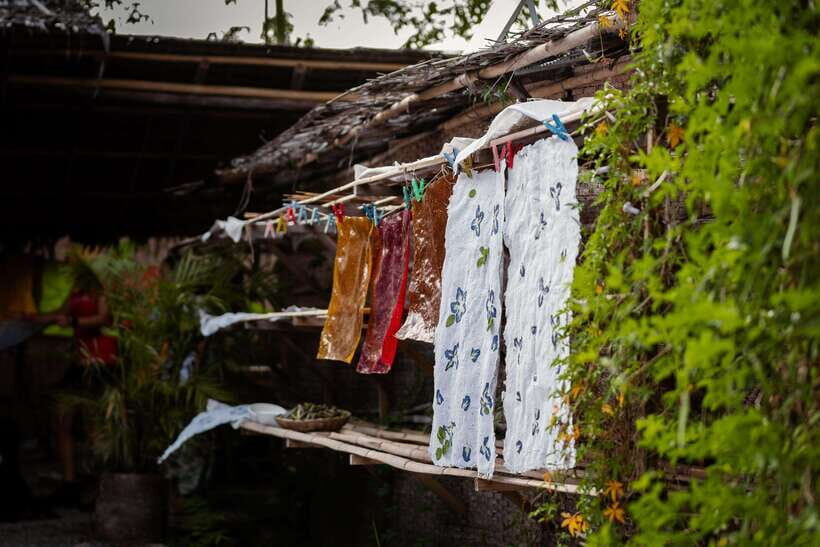
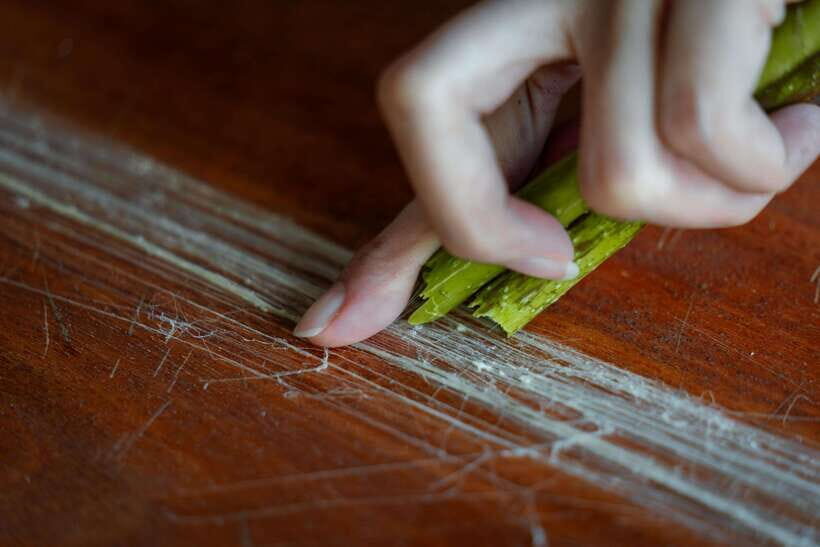
Next comes Lotus Silk Farm (by Samatoa), guided for about 30 minutes. This is the part many people find the most memorable because it’s a different raw material and a different kind of craft thinking. Lotus fiber comes from lotus stems, and you’ll watch the extraction demonstration so you can understand how something that grows in wet, everyday places becomes a textile input.
I like how the farm explains the sustainability logic, not just the product. You’re seeing a process that treats the plant as a resource and links the work to community employment. The tour is positioned as a social enterprise that supports local women, and the women-led angle is one reason many visitors feel good about buying here, not just visiting.
After the guided portion, there’s a tea break (~15 minutes) with traditional lotus tea and biscuits in the garden area. It’s a small pause, but it also gives you time to absorb what you’ve just seen—especially if the silk process at Angkor already filled your brain with “how it’s made” details. The garden setting also helps keep the tour from feeling like a checklist.
Lotus also includes a shopping stop (timed in the itinerary as part of the tour flow). And you’ll have free WiFi at Lotus Silk Farm, which is handy if you want to quickly message home or check something before you head back.
Wooden looms, silk strands, and what to look for during demos
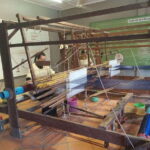
Even with the short time at each farm, the demos are where you’ll get the most out of the price. At Angkor, pay attention to the wooden loom weaving showcase. The loom isn’t just background scenery—it’s the bridge between “raw fiber” and “fabric you can wear.” When you see a loom and then hear how patterns are made, silk shifts from a luxury item into a craft system.
At Lotus, focus on how the extracted lotus fiber becomes usable thread or material. The demonstration is the learning moment: the farm shows the transformation from plant material into textile inputs. If you’re the type who likes to understand production, you’ll probably enjoy this section more than a standard shopping stop.
One more practical detail: the tour is guided in English or French, and expert explanations are part of the package. If you’re traveling with mixed language comfort, this format tends to work well because the guide can adjust pacing and clarify terms on the spot.




Boutique browsing: buy with context, not just impulse
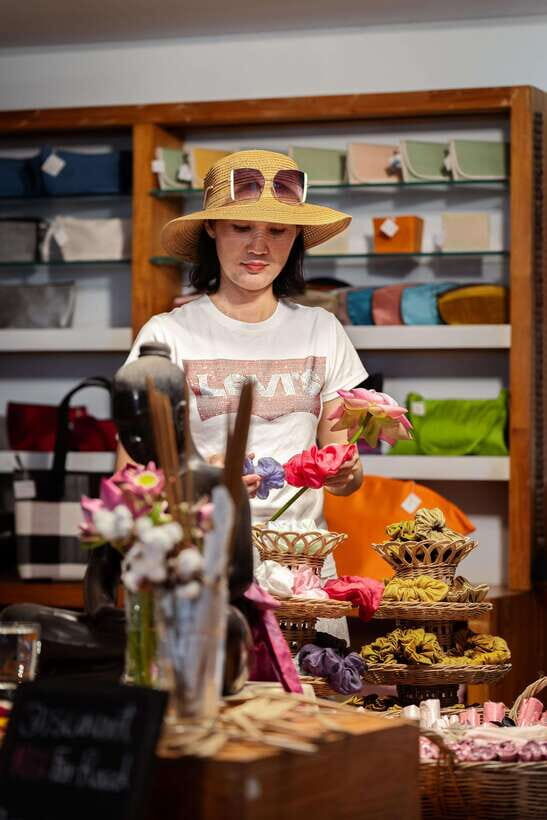
Both farms have boutiques, and the tour includes access to them. What isn’t included is what you buy. That’s important because it means you can treat the boutiques as educational browsing—or you can shop and put your money where the craft work lives.
Here’s how I’d approach shopping if you want value:
- Don’t rush. The tour gives only limited time in each shop, so decide ahead if you’re browsing or buying.
- Look for items that match what you learned. After seeing how silk is produced, you’ll likely find yourself understanding differences in texture, fineness, or finish more easily.
- Use cash if possible. USD is accepted, but bringing enough cash helps avoid the “I meant to buy, but I didn’t bring the right form of payment” moment.
Also, purchases directly support the artisan communities and the ethical textile production. In other words, the shops aren’t tacked on—they’re part of the model.
Price and value: why $25 makes sense for two farms
At $25 per person for a 4-hour tour, the value comes from three things happening together:
- Two guided farm experiences (not just one).
- Live demonstrations at both locations.
- Transportation between the farms plus a set, efficient schedule.
If you were to book only a single farm, you’d pay for a guide and a guided format anyway. Getting two textile systems in one trip makes the per-hour cost feel fair, especially because your guide is providing explanations in real time.
That said, you should also budget for extras you might want:
- Boutique purchases are not included.
- The tour data doesn’t list lunch as included (it does include lotus tea and biscuits).
- Some additional activities at Lotus may cost extra, depending on what’s running when you go.
So my rule of thumb: treat this as a guided learning tour with optional shopping. If you want a longer food-and-craft day, you may need to add it separately.
Who this tour is best for (and who should skip it)
This works best if you like any of these:
- Culture in the form of real work processes
- Textiles, materials, and “how it’s made”
- Travelers who care about ethical sourcing and women-led enterprise
- Couples and families who want a break from temples, but still want Cambodian crafts
If you’re only in Siem Reap for temples and you don’t care about silk or plant-based fibers, the tour could feel too production-focused. It’s not a showy, dance-everywhere kind of attraction. It’s practical, instructional, and you’ll get out of it what you put in.
For children, the tour is noted as suitable for all ages and fitness levels, and children must be accompanied by an adult. It’s generally easy walking, but you’ll still want sun protection and comfortable shoes.
Practical tips to make it smoother

A few small choices make the biggest difference on day-of:
- Bring comfortable walking shoes. Farms are sometimes uneven and you’ll move between display areas.
- Wear sun protection. Even with shade, Siem Reap sun can be intense, especially during any waiting or driving gaps.
- Bring a camera. There are multiple photo opportunities at both farms.
- Bring cash for purchases. USD is accepted.
- Plan your expectations: this is a guided viewing tour. If you want hands-on crafting, you may need additional add-ons at the farms (these aren’t guaranteed as part of the base price).
Also keep in mind that the tour may be shared with other guests. That’s normal for a fixed-time 4-hour experience and usually helps keep the price reasonable.
Should you book the Angkor Silk Farm & Lotus Silk Farm tour?
If you want something more meaningful than another photo stop, I’d book it. Two farms, two textile traditions, guided explanations, and an ethical enterprise focus—this is one of the easier “value + substance” choices in Siem Reap.
I’d especially recommend it if you’re the type who likes understanding production and not just consuming the finished product. And if you’re traveling with someone who loves materials—engineering brain, craft brain, science brain—this kind of tour tends to land really well.
Skip it only if you truly don’t care about silk and lotus fiber and you’re looking for a temple-only itinerary.
FAQ
How long is the tour?
The tour lasts 4 hours total, including transportation time between the two farms.
Where do I meet the group?
You meet at Biolab Café in downtown Siem Reap (the pickup point is marked with a lotus-colored flag).
What time do morning tours depart?
Morning departures are at 8:30 AM and 10:00 AM. Arrive about 10 minutes early.
Is hotel pickup included?
No. Transportation is only provided from and to the Biolab Café meeting point. Hotel pickup and drop-off are not included.
What is included in the price?
You get guided farm tours at both locations, English or French explanations, live demonstrations, access to exhibitions and farm areas, refreshments (including lotus tea and biscuits), and transportation between farms.
Are meals included?
No meals are listed as included. Lotus tea and biscuits are provided at Lotus Silk Farm.
Can I buy items at the boutiques?
Yes, but purchases are not included in the tour price. You’ll have shopping time at both farms.
Is the tour cancelled if weather is bad?
The tour operates in all weather conditions.
Can I get a refund if I cancel?
Free cancellation is offered up to 24 hours in advance for a full refund.