REVIEW · SIEM REAP
Siem Reap: Khmer Water Blessing by Monk and Lotus Farm Visit
Book on GetYourGuide →Operated by CWE Travel · Bookable on GetYourGuide
Something sacred happens fast here. This Khmer water blessing with a monk blends temple learning, lotus-farm prep for offerings, and the moment you get fully wet during the ritual. I like that the tour explains what you’re doing and why, instead of treating it like a quick photo stop. I also like the hands-on flow: you’ll pick lotus flowers and use them for the blessing rather than just watching from the sidelines. One consideration: during the blessing you’ll get completely soaked, so you’ll need a real change of clothes plan.
You’ll start with a guided look at a key sacred site in Siem Reap, then head toward lotus fields near Tonle Sap Lake, where the tour focuses on how locals grow and harvest lotus. The day ends back at your pickup point, with time built in to wander the pagoda area after the ritual.
In This Review
- Key Highlights You’ll Actually Feel
- Entering the Royal Residence Shrine Zone
- The Quick Snack Stop That Makes It Feel Real
- Lotus Silk Farm and Shop: The “Where It Comes From” Lesson
- Picking Lotus Flowers for the Offering (Yes, You’ll Do It)
- Wat Po Banteaychey: The Temple Visit That Explains the Structure
- The Water Blessing Moment: Expect to Be Completely Wet
- After the Soak: Wandering the Pagoda Area with Clearer Eyes
- Price and Value: How $55 Adds Up for a 4-Hour Day
- Timing and Comfort: Why 4 Hours Works
- Who This Tour Suits Best (And Who Might Skip It)
- Respect Tips: Participate, Don’t Perform
- Should You Book This Khmer Water Blessing and Lotus Farm Tour?
- FAQ
- How long is the Siem Reap Khmer water blessing tour?
- How much does the tour cost?
- What stops are included during the tour?
- Do I get wet during the water blessing?
- What should I bring for the trip?
- What’s included in the price?
- Is pickup included?
- Is the tour suitable for wheelchair users?
- Is there free cancellation, and can I pay later?
Key Highlights You’ll Actually Feel
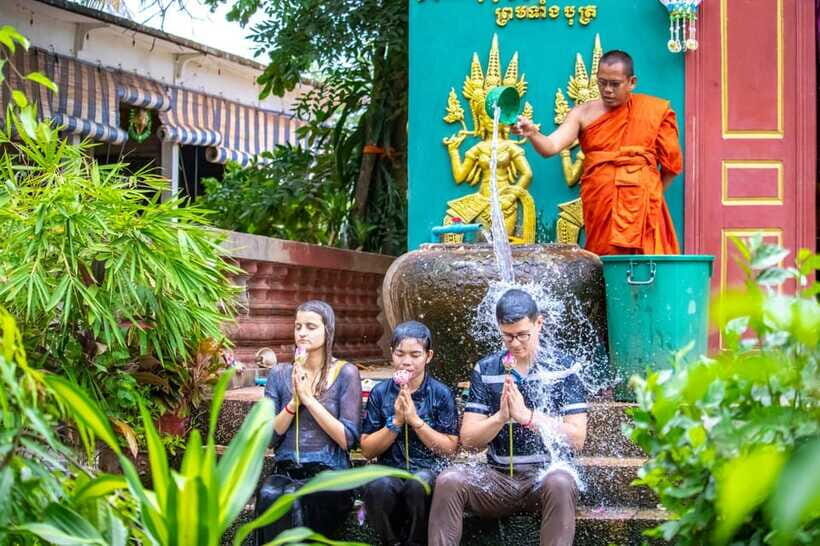
- A monk’s blessing plus a red ritual bracelet, tied to the ceremony itself
- Lotus farm education on farming and harvesting methods, not just pretty ponds
- Pick lotus flowers to prepare for the traditional water blessing offering
- Temple context in plain English, including how a local temple is structured
- Cold water, local snacks, and tuk-tuk style transport to keep things easy for 4 hours
Entering the Royal Residence Shrine Zone
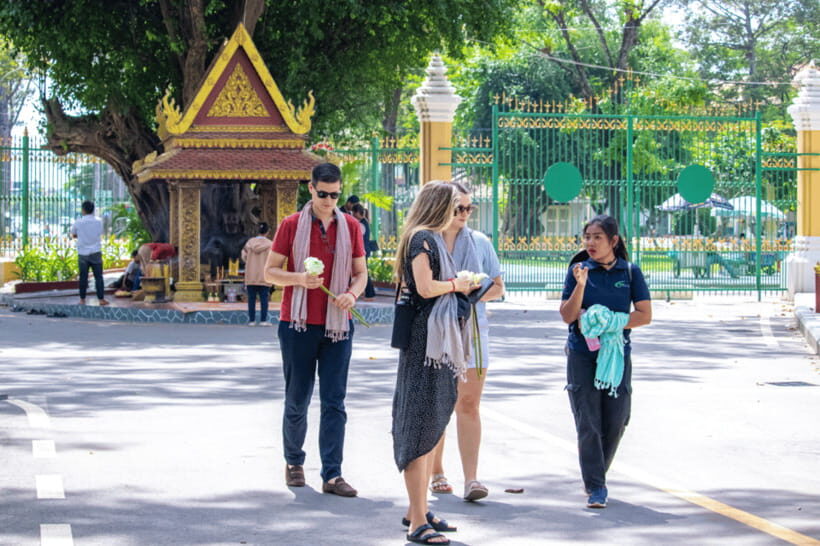
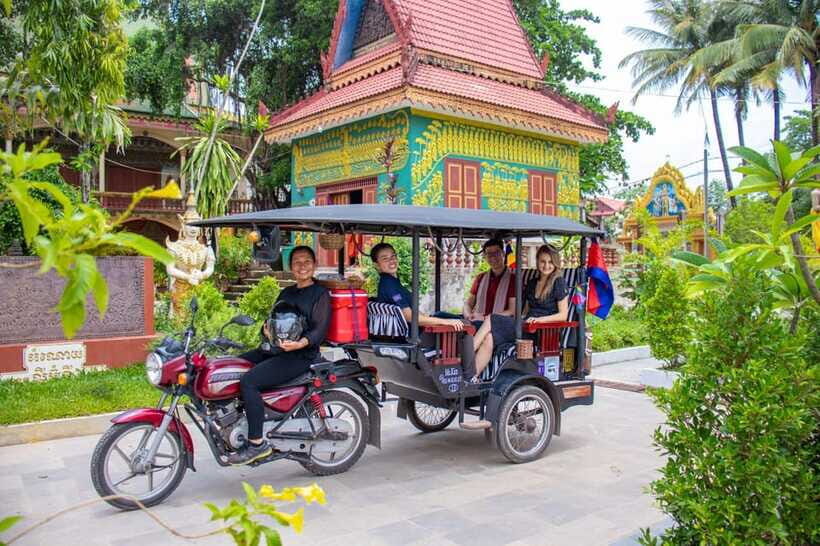
Your day starts with pickup in Krong Siem Reap and a ride in a remork (tuk-tuk). The first stop is the Preah Ang Chek Preah Ang Chorm Shrine, guided and timed at about 30 minutes. This is where the pace sets the tone: you’re not dropped into chaos, and you get a quick sense of why this place matters locally.
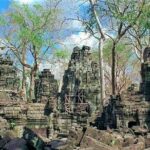
Expect your guide to frame it as a spiritual house within the larger Royal Residence area—one of the locations many people in Siem Reap consider important. Even if you’ve toured other temples in Cambodia, this opening helps you shift from sightseeing mode to respectful-participant mode.
You can also read our reviews of more tours and experiences in Siem Reap
The Quick Snack Stop That Makes It Feel Real
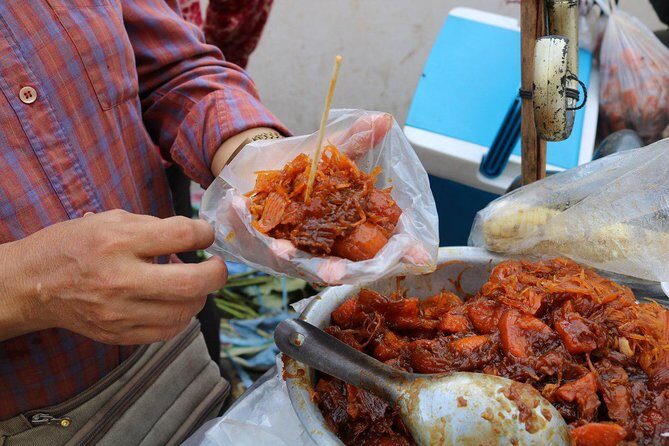
Between sacred stops, you’ll also get a chance to see everyday Siem Reap life. The route includes a stop to meet a long-running fried banana business owner in town—open for more than 20 years. You’ll try fried banana and sweet potato as your first snack.
It’s a small stop, but it’s smart. You’re going to spend part of the day in a ceremonial setting, and this kind of local food break keeps the experience grounded. It also helps if your stomach tends to get sensitive when you’re out in the heat.
Practical note: you’ll likely want cash on hand for personal purchases, because the day includes snack and market-style moments even if food is partly included.
Lotus Silk Farm and Shop: The “Where It Comes From” Lesson
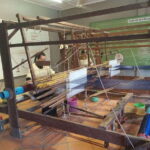
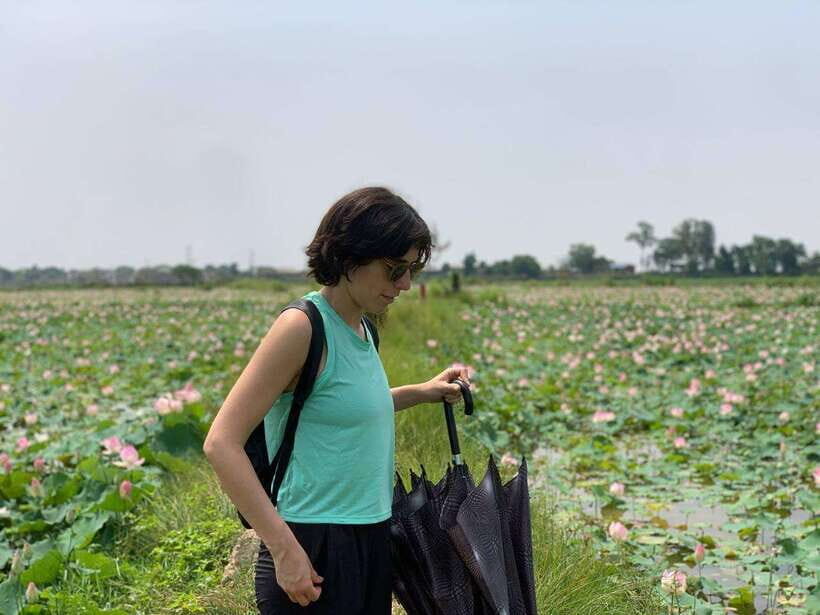
Next comes the Lotus Silk Farm & Shop, another guided 30-minute stop with a walk. The big payoff here is not just seeing lotus plants—it’s understanding the supply chain behind what you’re preparing for.
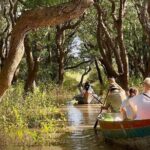
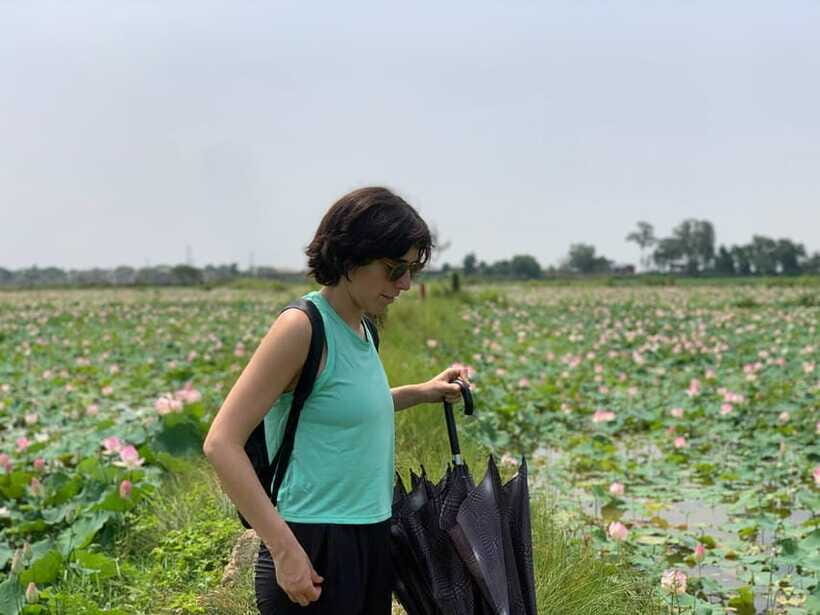
On the way, you’ll already spot lotus fields along the road toward Tonle Sap Lake. That view matters. You can connect the dots between the landscape you’re seeing and the ceremony you’ll join later. Your guide explains farming and harvesting methods, so when you hear about lotus offerings later, it won’t feel random.
If you like photos, this is where your camera gets used the most—lotus ponds and the surrounding countryside give you strong visuals without needing to run around.
Picking Lotus Flowers for the Offering (Yes, You’ll Do It)
Then you’ll move into the lotus farm activity that directly supports the water blessing ceremony. You can pick lotus flowers to prepare the offering. That’s one of the tour’s most meaningful touches.
It changes your role. Instead of arriving with a vague idea of what’s about to happen, you help create part of the ceremony’s materials. And because the day is guided in English, you’ll understand the purpose rather than guessing.
You should come ready for basic farm handling: expect sun, walking, and the kind of heat where you’ll feel better with comfortable clothes and sunscreen.
Wat Po Banteaychey: The Temple Visit That Explains the Structure
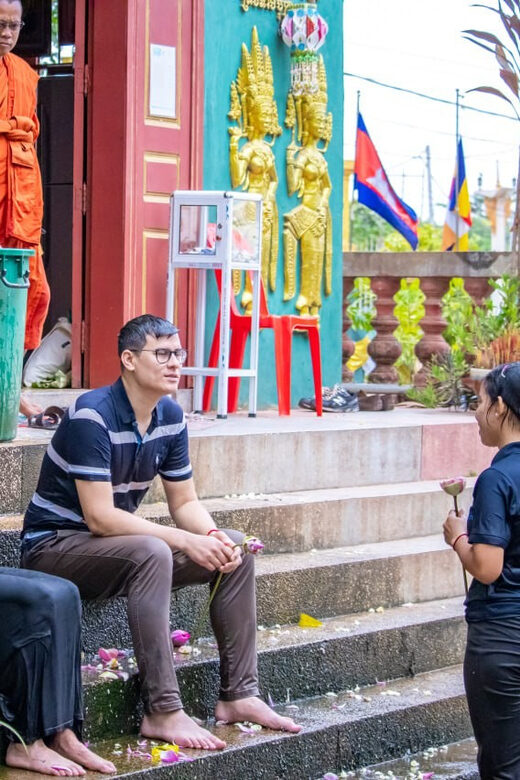
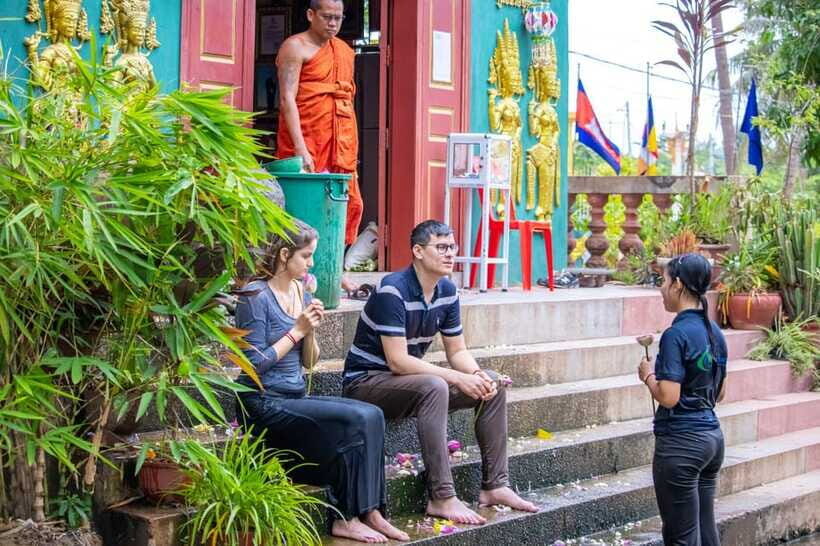
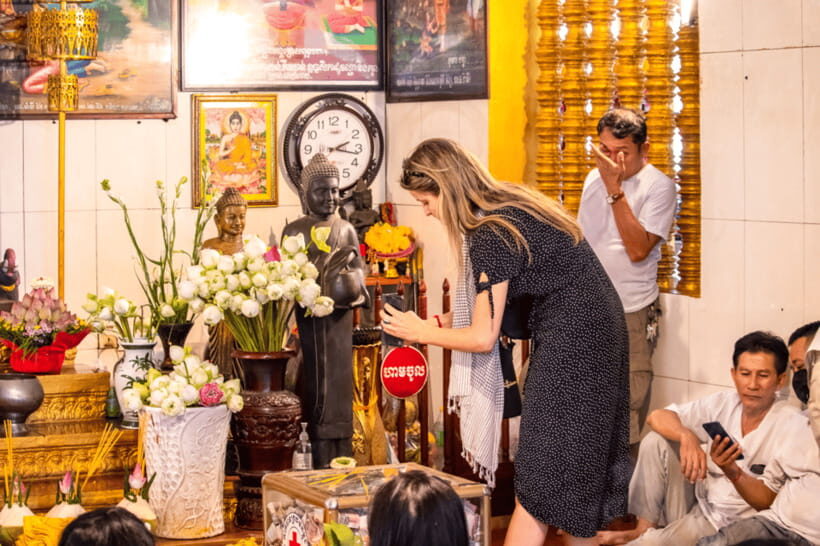
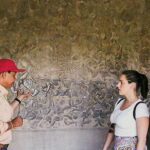
After the lotus part, the tour shifts to the Wat Po Banteaychey area for water blessing, guided sightseeing, and a walk (about 1 hour). Before the ritual starts, you’ll learn more about Buddhist beliefs, including the role and structure of a local temple and activities around it.
This is the part that makes the ceremony easier to understand. Water blessings can feel symbolic, but symbolism lands better when you know what’s being honored. Your guide is there to answer questions, so if you’re unsure about etiquette or meaning, this is the moment to ask.
Also, this isn’t a “stand at the back and hope” setup. You’re guided through the sequence, which helps you focus on being respectful rather than nervous.
The Water Blessing Moment: Expect to Be Completely Wet
Here’s the headline: during the water blessing, you will get completely wet. The tour explicitly warns you to bring a towel and clothes to change. I’d treat that as non-negotiable.
This is the heart of the experience: the ritual itself, done in a real temple setting, with the monk’s involvement. You’ll receive a monk’s blessing and a red ritual bracelet during the ceremony. The bracelet is small, but it’s a lasting reminder that you participated, not just watched.
What to do right before it happens:
- Put your towel and spare clothes where you can reach them fast
- Keep your camera protected or plan on using it only in drier moments
- Wear comfortable clothing you won’t mind getting soaked
During the blessing, you can expect to be in close contact with the ritual area. Afterward, you’ll change clothes and then have time to wander around the pagoda area.
After the Soak: Wandering the Pagoda Area with Clearer Eyes
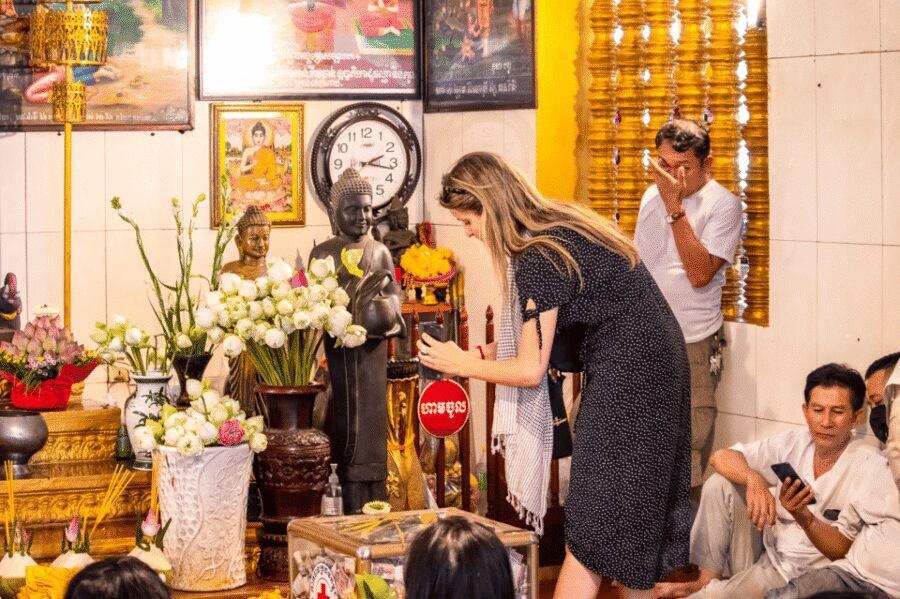
Once the ritual is over and you’ve changed, the tour continues with wandering time around the pagoda area. Don’t rush this part. The structure of the temple spaces and the everyday rhythm around them becomes easier to notice once you’re no longer waiting for the next cue.
This is also when a guide can help you connect details. If you’re curious about small objects, offerings, or how people move through the temple space, ask. The tour is designed with a guided pace, so questions won’t feel like interruptions.
In some departures, guides are especially attentive with practical help and photo support after the blessing. For example, English-speaking guides like Sarath or Hong (reported from past groups) have been praised for being helpful and communicative, and you may even end up with photos taken for you after the ceremony.
Price and Value: How $55 Adds Up for a 4-Hour Day
The cost is $55 per person for about 4 hours, including transport, guidance, and key parts of the day. Here’s how I think about that value.
You’re paying for three things:
- Guided spiritual context at sacred sites (not just walking between them)
- Hands-on offering preparation with lotus farm involvement
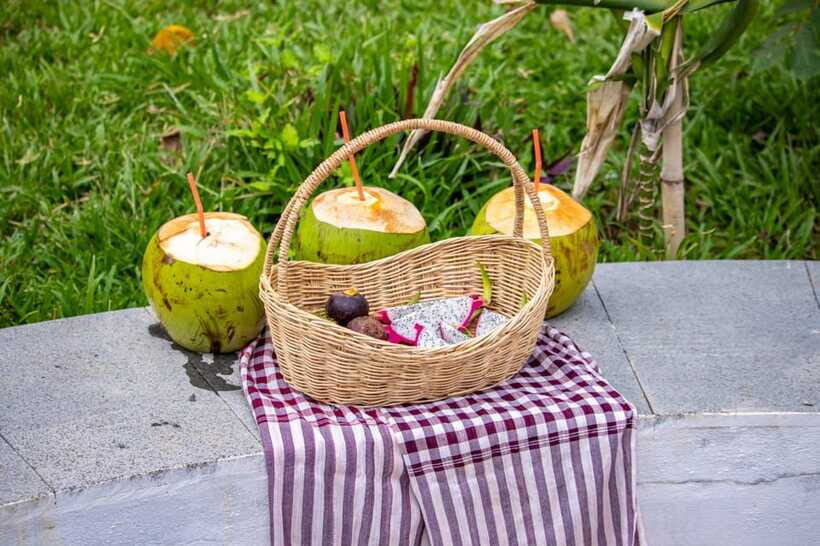
- Transportation in a remork (tuk-tuk) plus included refreshments like cold water and local snacks
The tour also includes monk-related offerings and donations and the lotus farm entrance fee. Those items are often the “silent” costs in travel pricing, so having them bundled helps.
One thing to watch: spiritual tours can vary a lot by how they’re packaged. If you’re price-sensitive, I’d consider asking how the day’s costs are allocated—especially for the monk offering and guide work—because that’s where value can feel different to different people.
Still, for a first-time visitor who wants more meaning than sightseeing, this is a strong use of time in Siem Reap.
Timing and Comfort: Why 4 Hours Works
Four hours is long enough to feel you did something real, but short enough to avoid turning the day into an exhausting sprint. It’s also scheduled with breaks in sensible places: a snack, then lotus learning, then temple prep, then the blessing, then a final wander.
Because you’ll be outdoors and you’ll get wet, plan around comfort:
- Wear comfortable clothes you can change out of
- Bring sunglasses, since the lotus areas and temple yards can be bright
- Use sunscreen and a hat if you tolerate them
And yes: you’ll want cash for personal expenses. The tour notes that cash is useful, and a market-style snack situation or small purchases can come up.
Who This Tour Suits Best (And Who Might Skip It)
This experience fits best if you want an authentic cultural moment without doing mental homework. You’ll get English explanations, and you’ll understand the ceremony as part of everyday Cambodian Buddhist practice.
It’s also a great fit if you like experiences that are active rather than passive. Picking lotus flowers and participating in the water blessing are hands-on tasks.
It’s less suitable if you:
- Hate getting wet (the tour is explicit about it)
- Need wheelchair access (the tour is not suitable for wheelchair users)
- Want to bring pets (pets are not allowed)
Respect Tips: Participate, Don’t Perform
A spiritual ritual deserves a calm attitude. That doesn’t mean you need to be silent the whole time. It means you should follow your guide’s cues, dress appropriately, and act like you’re stepping into someone’s living faith.
When the blessing happens, give the moment space. Don’t rush in front of others, don’t treat the monk like a photo prop, and don’t interrupt the flow. If you want to ask questions, do it beforehand during the explanation part.
And keep your expectations grounded: this is less about spectacle and more about meaningful participation.
Should You Book This Khmer Water Blessing and Lotus Farm Tour?
Book it if you want one Siem Reap activity that feels personal, not mechanical. The strongest reasons to choose it are the combination of lotus farm involvement, clear temple context, and the full experience of the water blessing with a monk’s blessing and a red ritual bracelet.
Skip it if you’re strongly uncomfortable with getting soaked, or if you need mobility support. Also, if you’re expecting a pure temple-photo tour with dry sightseeing, this won’t match that idea.
If you do book, prepare for the one unavoidable part: bring your towel and an actual outfit to change into. Do that, and this becomes one of the most memorable, locally grounded things you can fit into a short Siem Reap visit.
FAQ
How long is the Siem Reap Khmer water blessing tour?
The tour lasts about 4 hours.
How much does the tour cost?
The price is $55 per person.
What stops are included during the tour?
You’ll visit the Preah Ang Chek Preah Ang Chorm Shrine, the Lotus Silk Farm & Shop, and Wat Po Banteaychey, with the water blessing taking place at the pagoda area.
Do I get wet during the water blessing?
Yes. During the water blessing, you will get completely wet, so you should bring a towel and clothes to change.
What should I bring for the trip?
Bring sunglasses, comfortable clothes, a change of clothes, a camera, a towel for the wet part, and cash for personal expenses.
What’s included in the price?
Included are an English-speaking local guide, transportation by remork (tuk-tuk), cold water and local snacks, monk’s offering and donations, and the lotus farm entrance fee.
Is pickup included?
Yes. The tour includes pickup from your hotel or another location in Siem Reap City. You’ll provide your hotel name and exact address.
Is the tour suitable for wheelchair users?
No. The tour is not suitable for wheelchair users.
Is there free cancellation, and can I pay later?
Yes. You can cancel up to 24 hours in advance for a full refund, and you can reserve now and pay later.