REVIEW · SIEM REAP
Back to Basics: Siem Reap Village Tour in Cambodia
Book on GetYourGuide →Operated by Tara Riverboat · Bookable on GetYourGuide
Rice wine smells like village life. This Siem Reap Village Tour is interesting because you’re not watching a scripted show—you’re getting a front-row seat to working village routines through conversations with people who grew up there, guided by a local expert like Hong with strong English.
I also love the hands-on crafts: you’ll see traditional basket weaving and hear how everyday skills like well digging and rice wine making fit into life around Siem Reap. One thing to think about, though: the exact “how much village life you see” can vary day to day depending on timing and access, and one unhappy booking felt the pace didn’t match the description.
In This Review
- Key Things That Make This Tour Worth Your Time
- Back to Basics Around Siem Reap: What You’re Really Buying
- Getting There From Your Hotel: The 40 km Ride and the First Lesson
- Inside the Village: Crafts, Wells, and Rice Wine by Hand
- Basket weaving
- Well digging and everyday water work
- Rice wine making
- How Lunch Works: Host-Family Time, Not a Rush Meal
- The Stops That Add Meaning: School Supplies and Clean Water Efforts
- School supplies
- Visits tied to clean water
- Boat Ride or Not: The Seasonal Water Factor
- Price and Time: Is $65 for 4 Hours Good Value?
- What Could Go Wrong: The Pace and the Perception Gap
- Who This Tour Fits Best (and Who Might Want a Different Plan)
- Practical Tips for a Smooth Day
- Should You Book This Siem Reap Village Tour?
- FAQ
- Where does this tour take place?
- How long is the tour?
- What is the price?
- What time does pickup happen?
- What kind of guide do you get?
- What’s included in the price?
- Is a boat ride guaranteed?
- What about children’s pricing?
- What’s the cancellation policy?
- What’s the booking/payment flexibility?
Key Things That Make This Tour Worth Your Time
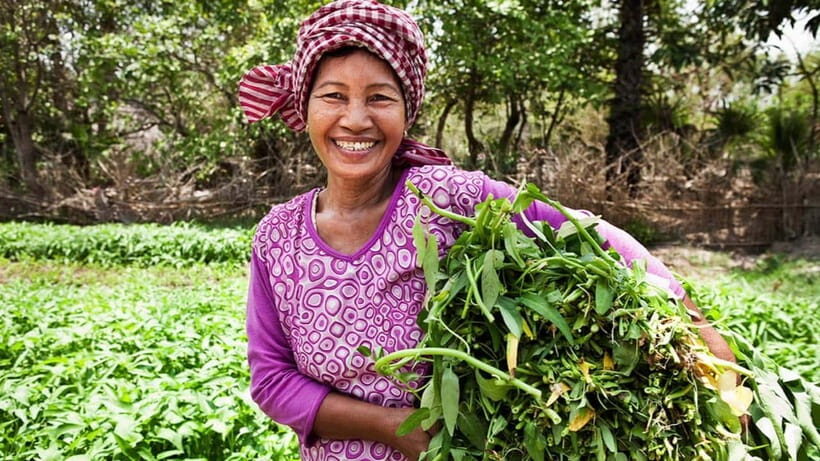
- Local guide with real village roots who works with the village chief for respectful access
- Basket weaving and rice wine making you can watch up close, not from a distance
- Lunch inside the community with a host family and actual conversation time
- School supplies and a host-family gift that turn the visit into support
- A boat ride depending on season and availability, plus a calm stop by water if it fits the day
- Pickup from your hotel or guest house and a straightforward 4-hour format
Back to Basics Around Siem Reap: What You’re Really Buying

For $65 and about four hours, you’re not paying for a long day trip. You’re paying for a short window where the village isn’t treated like a theme park. The tour is designed to be non-destructive cultural tourism—the idea is that you visit with permission, follow the rhythm of the community, and don’t turn people’s homes into a photoshoot marathon.
That matters because “village tours” in Cambodia can go two ways. One option is fast and extractive: stop, stare, snap, leave. The other option is slower and respectful, with people explaining what they do and why. This experience aims for the second one by running through a guide who was born locally and coordinates with the village leadership.
The best part is that you’ll learn how village life works as a system. Not just what people do, but how they help each other day to day—neighbors advising, families coordinating tasks, and the quiet logic behind communal work.
You can also read our reviews of more tours and experiences in Siem Reap.


Getting There From Your Hotel: The 40 km Ride and the First Lesson
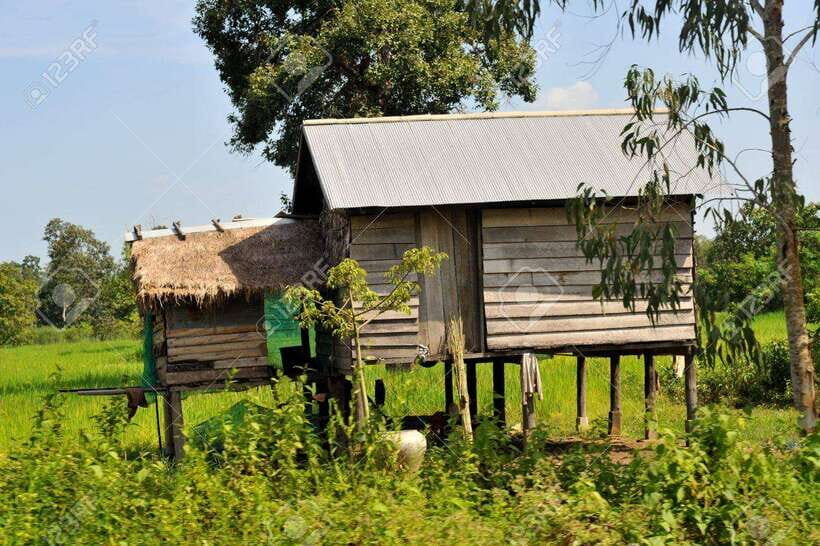
The day starts at 9:00 AM with pickup from your hotel or guest house. From there, you’ll ride in an air-conditioned car or minivan toward a village about 25 miles (40 km) from Siem Reap. Along the way, your English-speaking guide sets expectations and explains what you’ll see—how these communities operate and what each stop is meant to do (and not do).
One practical note: transport can be flexible. One verified booking pointed out that the tour originally suggested an air-conditioned car, but they ended up preferring a tuk tuk ride instead, and they still rated it highly because the guide and driver were excellent. So if you’re the type who wants a perfectly consistent comfort setup, keep your expectations flexible.
Either way, you’re going to leave the city feel behind fast. And that first ride isn’t filler. It’s the moment where the guide turns a location into a place—explaining what daily work looks like in the countryside and why the stops are set up the way they are.
Inside the Village: Crafts, Wells, and Rice Wine by Hand
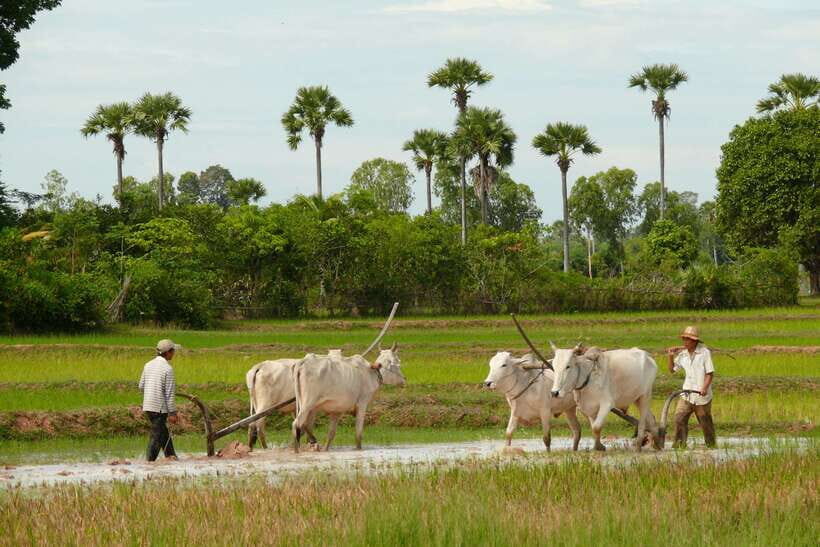
Once you arrive, you’re entering a working village, not an open-air museum. The focus is hands-on and conversation-based, including time to meet local families who still practice traditional skills.
Here’s what you should expect during the core village time:
Basket weaving
You’ll see basket weaving done traditionally, and you’ll have a chance to watch a craft that’s both practical and cultural. In real life, these baskets aren’t just decorative. They connect to daily chores—carrying items, storing goods, and supporting the flow of work.
One review highlighted that they really enjoyed the local crafting they saw, and the guide and driver helped point out what was interesting. That matches the tour’s style: you’re not meant to passively watch. You’re meant to understand.
Well digging and everyday water work
The tour also highlights well digging—a skill tied directly to daily survival and independence. Even if you don’t see heavy machinery, you’ll learn how clean water access and maintenance affect community life.






Rice wine making
Rice wine making is another anchor activity. It’s not only a “taste and learn” moment; the goal is to show the process in context—how fermentation, timing, and local knowledge fit into village routines.
If you like food and everyday technology—how people solve real problems with what they have—this is one of the more compelling parts of the day.
How Lunch Works: Host-Family Time, Not a Rush Meal

Lunch is one of the tour’s biggest strengths. You’ll share a meal with a host family inside the community. This is where the day becomes more than sightseeing. You get detailed conversations while eating—questions about family life, work, and what certain traditions mean beyond the craft itself.
One verified booking described a warm experience: they met locals in their homes, played with children at the school, then sat down for a very good lunch. Another mentioned a stop near a lake with time to rest and relax afterward.
A key detail: the tour is described as thoughtful about not disrupting daily life. That’s why lunch is such an important component. It’s not a staging area where people perform. It’s where your presence feels like a visitor joining a routine.
In practical terms, go into lunch with the right mindset:
- Expect conversation to be a major part of the meal.
- Photos are fine, but the tour emphasizes permission and good will.
- The pacing matters more than ticking boxes.
The Stops That Add Meaning: School Supplies and Clean Water Efforts
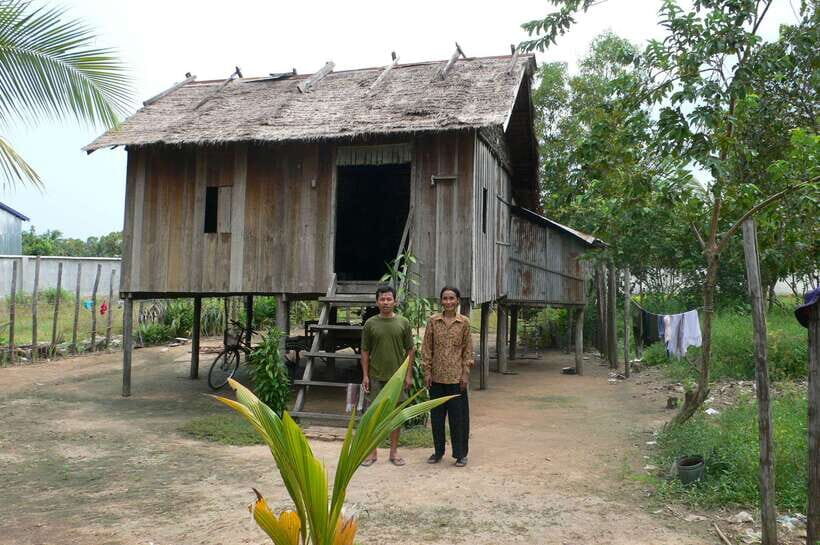
The day doesn’t stay stuck on one craft. It has a “support and understanding” thread running through it.
School supplies
You’re included to bring school supplies for local school children. That turns your visit into something more useful than photo memories. And if you already travel with supplies in mind, it’s worth remembering that the tour includes this part, so you’re not expected to overpack.
Visits tied to clean water
Depending on what’s available that day, you may meet with a local teacher or builder working on bringing clean water to the community. Even if you don’t see a big construction spectacle, the value is in hearing how people think about water access and what it changes in daily schedules and health.
That theme connects back to well digging. Together, they help you understand village life as a chain: water access affects work, work affects time, and time affects family life.
Boat Ride or Not: The Seasonal Water Factor
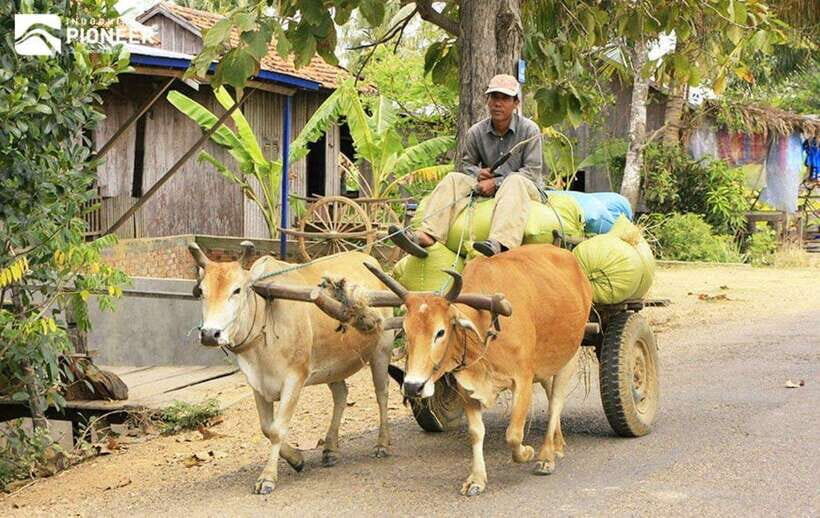
Depending on season and availability, your tour can include a boat ride, and the day may also include a calm stop near water where you can rest. One review specifically mentioned a long wait at a lake area and hammocks—while they were disappointed about the overall pace, that detail tells you the tour sometimes uses water breaks as part of the experience.
So how should you plan your expectations? If water time shows up, treat it as a chance to slow down and notice. If water time doesn’t happen, the day still centers on village crafts, family lunch, and community-focused visits.
Either way, your best strategy is to be flexible. This is not a clockwork factory tour. It’s a community-based day that depends on local timing and access.
Price and Time: Is $65 for 4 Hours Good Value?
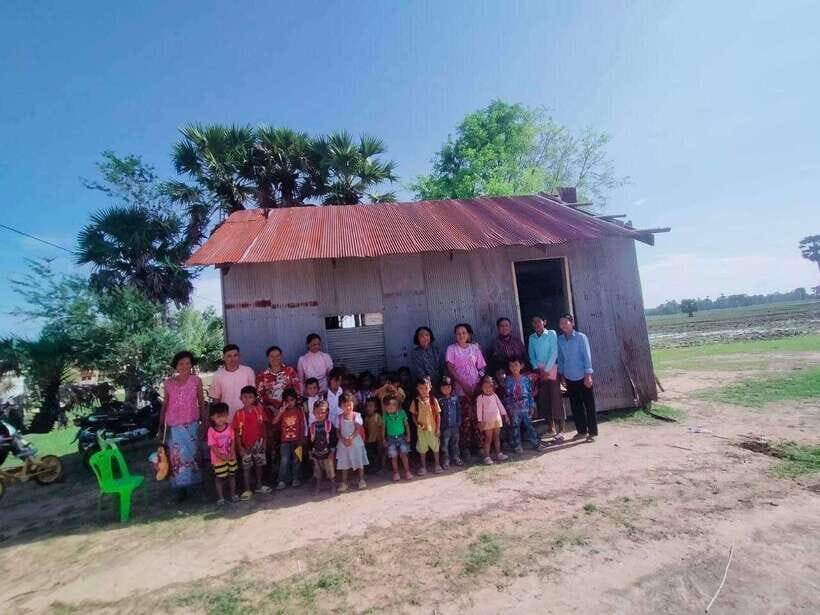
$65 for 4 hours sounds straightforward, but value isn’t only about the number. It’s about what you get for that money.
Here’s what your price covers:
- English-speaking Tara guide (with local expertise)
- Air-conditioned transport from your hotel area
- Lunch and drinks
- School supplies
- A gift to the host family
- A boat ride depending on season and availability
That is a lot to pack into half a day. You’re not just buying entry. You’re paying for a guided, permission-based cultural experience that includes meals and community contributions.
Could it be overpriced? It can feel that way if you expect a “see everything in one tour” plan. One unhappy booking said the day didn’t match expectations, with lots of time in transport and limited village viewing. That’s the main downside to watch: your experience quality hinges on how the day’s access and pacing play out.
So I’d frame the value like this: if your priority is genuine village interaction—craft demonstrations, host-family conversation, and community support—the price is likely fair. If your priority is ticking off multiple locations quickly, you may feel impatient.
What Could Go Wrong: The Pace and the Perception Gap

Let’s talk honestly about the risk.
Because this is village-based and permission-led, some parts depend on local rhythm. That can lead to:
- more time waiting than you expected,
- fewer stops than you were imagining,
- and variable amounts of time spent in front of specific “photo moments.”
One review labeled the experience disappointing and said they didn’t feel they truly saw the village life they expected. Another booking praised the pacing and the guide, mentioning the guide took time and didn’t rush.
So how do you protect yourself? Go in with a mindset of learning from people, not hunting for a checklist. A craft demonstration and host-family lunch can be more meaningful than five quick stops.
Also, when you’re picked up, ask your guide a simple question early on: what will make the day feel like a real village visit for you? A good local guide will adjust based on what you care about.
Who This Tour Fits Best (and Who Might Want a Different Plan)
This is a strong match if you:
- like hands-on cultural learning (weaving, rice wine, village skills),
- want to meet locals in a setting that’s meant to be respectful,
- care about small forms of community support like school supplies,
- enjoy conversation and the texture of daily life more than big-name sights.
It may not be the best fit if you:
- need long uninterrupted “activity-heavy” time,
- hate the idea that village access can affect your schedule,
- expect a big number of different stops in a short window.
If you prefer tightly controlled itineraries, this tour’s flexible pacing might frustrate you. But if you enjoy meeting people and letting the day unfold, you’ll likely find it easy to like.
Practical Tips for a Smooth Day
A few practical points based on what the tour emphasizes:
- Bring your curiosity, not just your camera. The tour’s value is conversation and explanation.
- Expect permission-based photos. The tour is designed around good will, so follow your guide’s cues.
- Dress for a day outside the city. You’ll be in the countryside and moving between village spaces.
- Plan to be flexible on transport style. Air-conditioned car or minivan is the standard, but there’s evidence of variation like tuk tuk.
- Use the lunch time wisely. This is where you’ll learn the most—ask questions while you eat.
Should You Book This Siem Reap Village Tour?
I’d book it if you want a short, meaningful cultural experience near Siem Reap that’s built around local access and community connection. The combo of basket weaving, rice wine making, and a host-family lunch is exactly the kind of trip that teaches you how people actually live—not just how they perform for visitors.
I wouldn’t book it if your travel style is strict checklists and constant movement. Because it’s a community-based day, your satisfaction depends on pacing and how the village access lines up that morning.
If you do book, keep expectations grounded: you’re not buying a factory tour. You’re spending a half-day being welcomed into a real place and learning from people who know the rhythm of their own life.
FAQ
Where does this tour take place?
The tour takes place in Siem Reap Province, Cambodia, with the village visit located about 25 miles (40 km) from Siem Reap.
How long is the tour?
The duration is 4 hours.
What is the price?
The price is $65 per person.
What time does pickup happen?
Pickup begins at 9:00 AM from your hotel or guest house.
What kind of guide do you get?
You’ll have an English-speaking live tour guide (listed as a Tara guide). The tour is described as wheelchair accessible and includes pickup and return to your lodging.
What’s included in the price?
Included items are English-speaking guide, air-conditioned transport, lunch and drinks, school supplies for local school children, and a gift to the host family. A boat ride is included depending on season and availability.
Is a boat ride guaranteed?
No. The boat ride depends on season and availability.
What about children’s pricing?
Children 10 and under can join for half price, and children 5 and under are free.
What’s the cancellation policy?
You can cancel up to 24 hours in advance for a full refund.
What’s the booking/payment flexibility?
The tour offers Reserve now & pay later, meaning you can book your spot and pay nothing today.