REVIEW · SIEM REAP
Award-Winning Cooking Class Experience with Professional Teacher
Book on Viator →Operated by Paper Tiger Cooking Class · Bookable on Viator
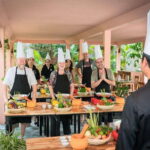
Food lessons start with a market. I love how this class pairs a historic market tour with real cooking time at Paper Tiger, so you understand what goes into Khmer dishes, not just the steps. I also like the professional chef guidance—clear coaching while you chop, stir, and shape your food. One catch to plan for: the kitchen area can be hot since it’s open-air and cooked over an open flame, so bring extra water and dress light.
You’ll meet near Pub Street in a spot that’s easy to find, and you’re capped at 20 people, which keeps the pace from turning into chaos. Most people leave with a plate they helped make, plus a digital recipe book so you can repeat Khmer classics later—think amok, chicken curry, beef loc lac, and more.
Best use of your time: do it early in your Siem Reap stay. If you’ve just landed, this is a great way to get your bearings through food, ingredients, and local rhythms, instead of starting with another temple ticket.
In This Review
- Key things I’d circle before you book
- A first-time-friendly way to learn Khmer cooking in Siem Reap
- Meeting near Pub Street: quick, practical, and easy to fit in
- The Paper Tiger setup: what you’re actually paying for
- Stop 1: The historic market tour and how it changes your cooking
- A small practical note
- Cooking time: making amok, curry, beef loc lac, and more
- What dishes are in play
- How the class pacing usually works
- Eating what you cooked: the best part, minus the guesswork
- Digital recipe book: what you’ll actually use at home
- A tip for home use
- Price and logistics: is $22 really good value?
- Heat and comfort are the main considerations
- Who should book this cooking class?
- Small-group reality: what you may notice once you arrive
- Should you book Paper Tiger in Siem Reap?
- FAQ
- How long is the cooking class?
- What does the price include?
- What is the group size limit?
- What ages can participate?
- Where do we meet in Siem Reap?
- Is transportation included?
- What is the cancellation policy?
Key things I’d circle before you book
- Market first, then cooking: you shop what matters, then cook with the same ingredients.
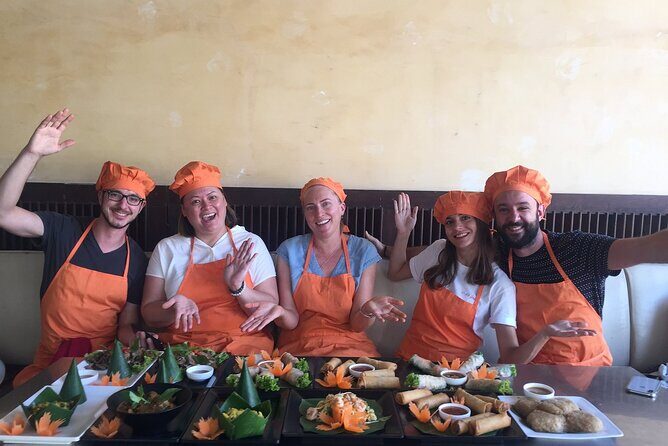
- Small-group feel: up to 20 people, so you get real help at the stove.
- Real Khmer classics: common picks include amok, chicken curry, and beef loc lac.
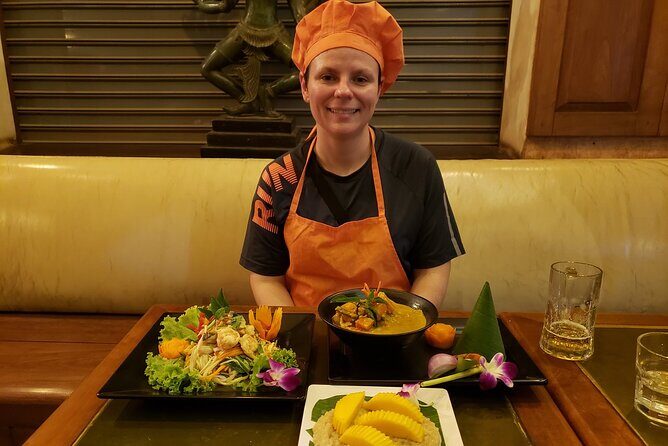
- Build your plate: you can choose your own starter/main (with dessert often included).
- Digital recipes for home cooking: you don’t just eat and forget.
- Cooked in an open-air setup: plan for sun and heat, and bring water.
A first-time-friendly way to learn Khmer cooking in Siem Reap
This is a hands-on cooking class in Siem Reap built around Khmer food, not generic “Asian cooking.” You start by learning what people actually buy at the market, then you move into a proper cooking session at Paper Tiger to make the dishes you selected.
What makes it work is the sequence. You’re not memorizing instructions in a vacuum. You see ingredients in context—produce, spices, and meats—then you go back and turn them into meals. That’s the difference between a fun afternoon and a skill you can repeat at home.
It’s also age-flexible (8 to 70), which tells you the class is designed to be approachable. You’ll be working as a group, but the cooking station time is still hands-on.
You can also read our reviews of more cooking classes in Siem Reap
Meeting near Pub Street: quick, practical, and easy to fit in
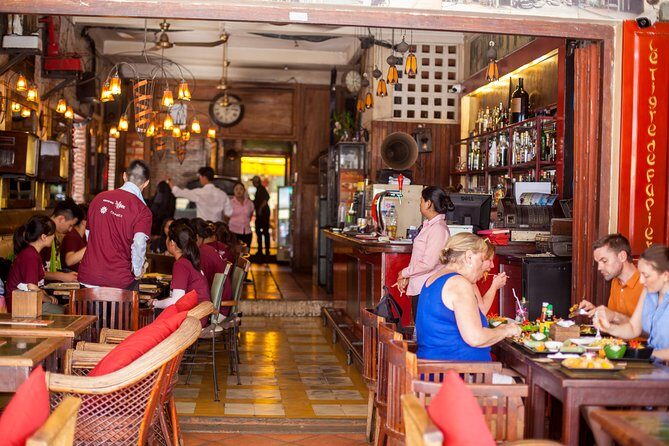
The meeting point is in central Siem Reap, near Pub Street (you’ll meet at the address pin listed as 9V33+XWF, 59 Street 08, Krong Siem Reap 171000, Cambodia). The class ends back at the same meeting point.
Why that matters: you don’t need a complex schedule or a long commute. You’re already in the tourist core, and you can build this into either your first day or an “escape the heat” afternoon. It also helps if you’re trying to avoid burning half a day on transfers.
If you want the smoothest experience, take a screenshot of the meeting pin and have your phone ready for a quick check on arrival. One missed meet-up can turn an otherwise great class into a boring wait.
The Paper Tiger setup: what you’re actually paying for
Paper Tiger has been educating visitors since 2001, and that long run shows in how the experience is structured: market tour, cooking, then sitting down to eat what you made.
At $22 per person, you’re not just buying a single recipe demo. What’s included is a real package:
- Cooking class with a professional chef
- Lunch or dinner prepared during the class
- Historic market tour
- Digital recipe book after you learn your dishes
Also, you’ll find it has a group-size limit of 20 travelers, which is important at this price point. Too many classes at low prices squeeze everyone together and then you stand around. Here, the small cap supports actual participation.
Stop 1: The historic market tour and how it changes your cooking
The market visit is usually your first stop at the beginning of the class. This is where you learn the Khmer flavor logic by seeing the ingredients people choose and how they’re used in everyday meals.
What makes this market time valuable is that you’re not just looking. You’re observing produce and meats that show up again later in the dishes you’ll cook, like ingredients used for amok and curry-style meals. You also get a chance to ask questions while the chef is steering you toward what matters.
You’ll also notice how flexible the menu can be. People often point out that they can choose what they cook—so market time helps you decide based on what you like. One example you’ll hear in this class format is using items like dragon fruit as part of a dish.
A small practical note
Wear shoes you can walk in. Market time is part of the learning, and you’ll be moving around.
You can also read our reviews of more tours and experiences in Siem Reap
Cooking time: making amok, curry, beef loc lac, and more
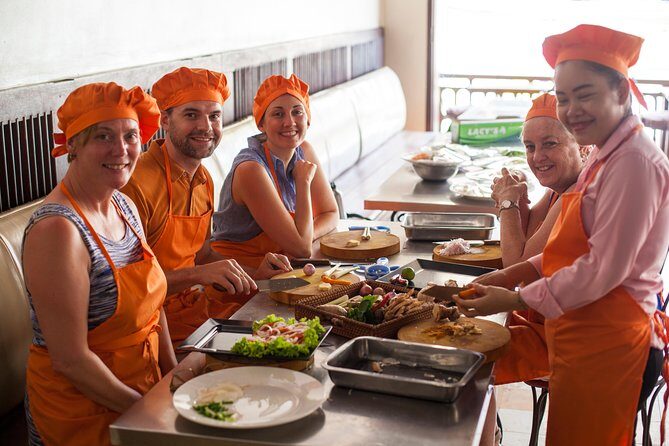
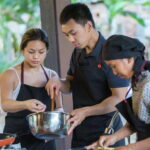
After the market, you return to the Paper Tiger cooking space and start prepping. This is where the class becomes genuinely hands-on: you chop vegetables, prepare ingredients, and work on recipes with step-by-step guidance from your chef.
What dishes are in play
The class commonly includes well-known Khmer dishes such as:
- Amok (including fish amok)
- Chicken curry
- Beef loc lac
- Green mango salad
- Other Khmer classics depending on what your group chooses
How the class pacing usually works
In many sessions, the structure is like a 3-course meal: one starter, one main, and a dessert. Dessert often gets attention because it can include items like banana flambe.
When you get to the stove, you’ll see the difference between “I can follow steps” and “I can actually cook it.” The chef coaching focuses on technique—how to prep, how to combine, and how to move from paste to dish.
And because it’s a small group, you’re not stuck watching while someone else does all the work.
Eating what you cooked: the best part, minus the guesswork
At the end of the cooking session, you sit down and eat the meal you prepared—either lunch or dinner depending on your class time.
This matters for two reasons:
- You taste your results immediately, so you understand what the flavors are supposed to be.
- You learn how Khmer dishes should look and balance on the plate, which is hard to get from a cookbook alone.
Expect big portions. Several people describe leaving full, with enough food for more than just that one meal.
And yes, you’ll likely have a dessert highlight. Banana flambe comes up a lot as a memorable ending.
Digital recipe book: what you’ll actually use at home
You don’t just get a lecture and then walk away. You’ll receive copies of the recipes you mastered, in a digital recipe book, so you can reproduce the dishes later.
If you’re the type who hates vague “recipe cards,” you’ll appreciate this part. You’re already cooking in class with a guide, so the digital version becomes a checklist for what you did—especially helpful when recreating something like amok paste and turning it into a finished dish.
A tip for home use
Take a quick photo of the finished dish (if you’re into that). Then later, when you open your digital recipes, you’ll be able to match texture and presentation to what you made in class.
Price and logistics: is $22 really good value?
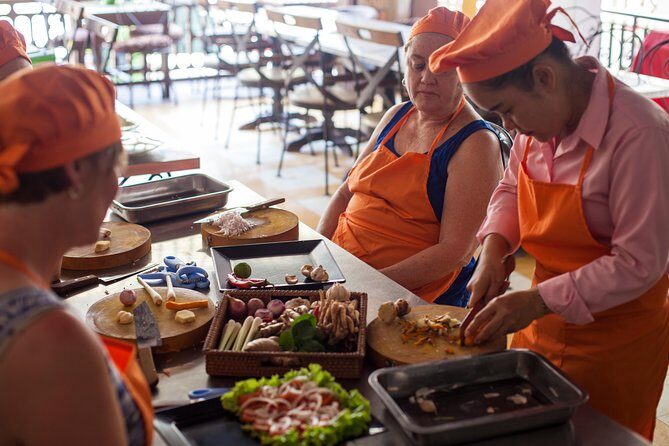
Let’s talk real value. $22 per person includes a lot for a short timeframe of about 3 hours:
- market tour
- chef-led cooking
- a full lunch or dinner you helped make
- digital recipes afterward
Many food experiences in Siem Reap charge for a class and still make you pay extra for the meal. Here, your meal is part of the deal. That makes it easier to justify, especially if you’re already planning to eat out anyway.
The main logistical trade-off: private transportation isn’t included. If you’re staying close to the center, you can keep it simple using public transport or walking a short stretch to the meeting point.
Heat and comfort are the main considerations
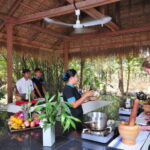
The kitchen setup can be open-air, and some sessions involve open-flame cooking. If you’re sensitive to heat, plan for it:
- bring extra water
- wear breathable clothes
- arrive ready to work (not right after a long temple hike in midday sun)
One person also mentioned that water to drink may not be included like you’d expect, so don’t assume beverages are covered. Bring water just in case, then you can focus on cooking.
Who should book this cooking class?
This fits best if you:
- want hands-on learning, not just a demo
- like Khmer food and want to understand how it’s built from ingredients
- enjoy market walking and food questions
- want a “do something” activity that still ends with a real meal
It’s also a strong family option since ages 8 to 70 are welcome. If you’re cooking with kids, you’ll want to be ready for mess and excitement, but the class format supports shared participation.
If you’re a total beginner, you’ll still be able to chop, prep, and follow the chef’s rhythm. If you’re already comfortable cooking, you’ll likely enjoy comparing technique and proportions to what you make at home.
Small-group reality: what you may notice once you arrive
With a maximum of 20 people, the group size stays manageable. That said, in cooking classes, one key factor is always participation.
You might find that:
- you’ll do a mix of chopping, stirring, and prep at your station
- you’ll choose what to cook if the session format offers selection (common in this class)
- the pace can feel active because multiple dishes are happening in parallel
That’s not bad. It’s how you get a lot of learning in a short 3-hour block.
Should you book Paper Tiger in Siem Reap?
If you want one activity that combines market learning, chef coaching, and a meal you helped cook, I think you should book this class. At $22, it’s one of the more practical ways to spend a half day without turning it into a pure show.
Skip it only if heat is a dealbreaker for you, or if you want a strictly air-conditioned, sit-and-watch style class. Otherwise, this is a smart “first or mid-trip” move.
FAQ
How long is the cooking class?
The class runs for about 3 hours (approx.).
What does the price include?
It includes a cooking class with a professional chef, lunch or dinner prepared during the class, and a historic market tour.
What is the group size limit?
The experience has a maximum group size of 20 travelers.
What ages can participate?
The class is for ages 8 to 70.
Where do we meet in Siem Reap?
You’ll meet at 9V33+XWF, 59 Street 08, Krong Siem Reap 171000, Cambodia, and the activity ends back at the same meeting point.
Is transportation included?
Private transportation is not included.
What is the cancellation policy?
You can cancel for a full refund if you cancel up to 24 hours in advance. If you cancel less than 24 hours before the start time, it’s not refunded.