REVIEW · SIEM REAP
Half Day Trip: Silk Farm, Satcha, and Senteur d’Angkor Tour
Book on GetYourGuide →Operated by Tour Guide Team Cambodia · Bookable on GetYourGuide
Silk-making is real work, not a show. In four hours you move between Silk Farm and two handicraft centers to see how products go from raw materials to finished Cambodian goods. I especially like the chance to watch the silkworm process from mulberry to woven silk, and I also love the practical feel of Satcha’s hands-on craft setup with 6 workshops. One drawback: if you’re not interested in shopping at all, plan to politely browse and keep your wallet closed.
You’ll get hotel pickup in Krong Siem Reap and ride by tuk-tuk between stops, with an English-speaking driver to keep things smooth. The visit also uses a separate entrance to help you avoid waiting. The whole route is geared for walking and looking, so comfy shoes matter.
In This Review
- Key things I’d plan for on this Silk Farm and handicrafts half-day
- Why this craft circuit works when you only have half a day
- Getting picked up in Krong Siem Reap and moving by tuk-tuk
- Angkor Silk Farm: from mulberry to woven silk
- Satcha Handicraft Center: 6 bamboo-built workshops in one visit
- Senteurs d’Angkor: sustainable treasures and everyday artisanal items
- Artisan d’Angkor: where local handicrafts are made
- Time on your feet: what to wear and how to keep the day easy
- Price and value: is $25 per group up to 2 a fair deal?
- Skip-the-line, English driver, and private-group comfort
- Who should book this Silk Farm, Satcha, and Senteurs d’Angkor tour?
- Should you book it?
- FAQ
- FAQ
- How long is the tour?
- Where does the pickup happen?
- What stops are included?
- Are meals included?
- What is the price?
- Is there a way to skip waiting time?
- What language is used?
- Is smoking allowed during the tour?
- What should I wear or bring?
- Is free cancellation available?
Key things I’d plan for on this Silk Farm and handicrafts half-day
- SilkFarm shows the full workflow from mulberry leaves to silkworm lifecycle and weaving
- Satcha’s 6 workshops focus on traditional know-how with a modern design approach
- Cambodian bamboo construction from Kampong Cham adds an extra layer of craft
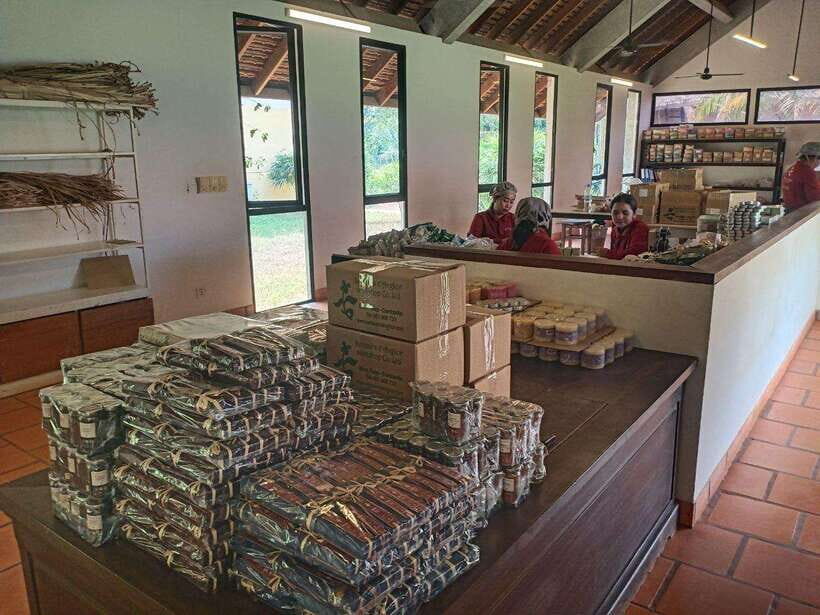
- Senteurs d’Angkor centers on artisanal Cambodian treasures with a sustainability angle
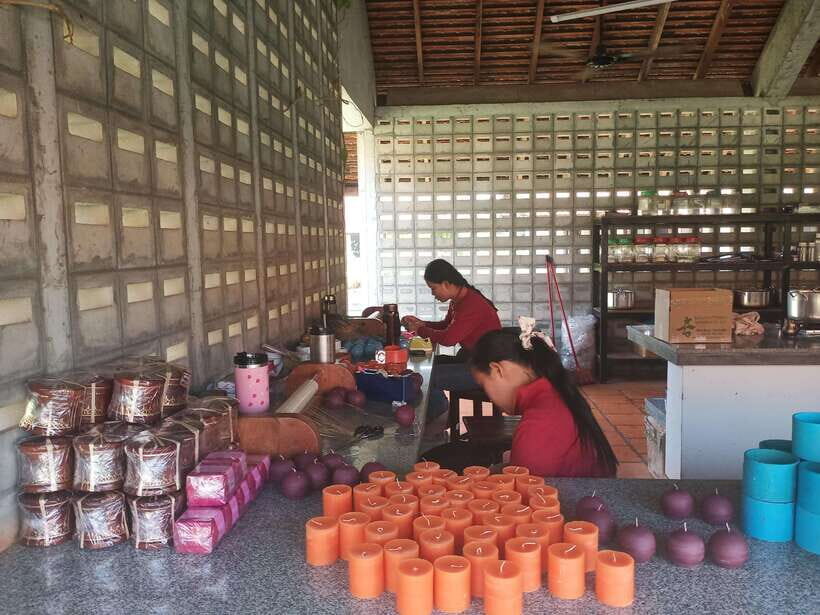
- Artisan d’Angkor is where local handicrafts are made, not just displayed
- A short, efficient 4-hour pace with tuk-tuk transfers and guided time at each stop
Why this craft circuit works when you only have half a day
This tour is built for people who like real processes: how something is made, who makes it, and what materials go into the final product. You’re not stuck in one museum room. Instead, you get a chain of craft stops that are close enough to do in a single morning or afternoon, without turning into a full-day slog.
I like that the day doesn’t just show finished items. You see inputs and steps—mulberry trees, silkworm life stages, weaving work, then bamboo-based workshop spaces and local production. Even if you don’t buy anything, it’s easier to understand what you’re looking at when you know the process.
You can also read our reviews of more tours and experiences in Siem Reap


Getting picked up in Krong Siem Reap and moving by tuk-tuk
Your day starts with pickup from Krong Siem Reap, then a short tuk-tuk transfer to the first stop. The timing is tight but not rushed: you’ll typically have about 15 minutes between early stops, then shorter rides as the route tightens toward the end.
You’ll also travel with an English-speaking driver. That matters more than it sounds, because craft visits go faster when you can ask simple questions like how long something takes or what makes one thread or material different.
One practical tip: charge your camera or phone early. You’ll want photos not only of finished silk and crafts, but also of the steps—especially if you’re the type who likes to remember details later.
Angkor Silk Farm: from mulberry to woven silk
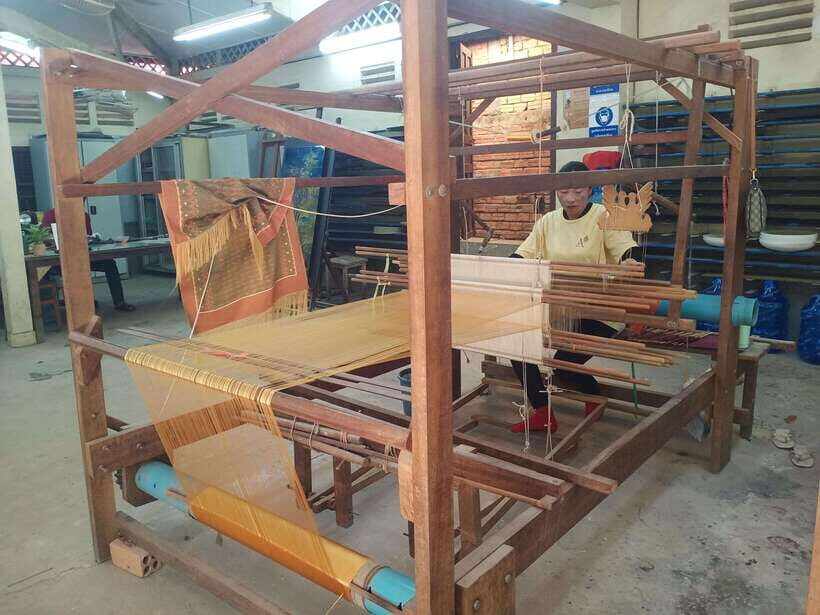
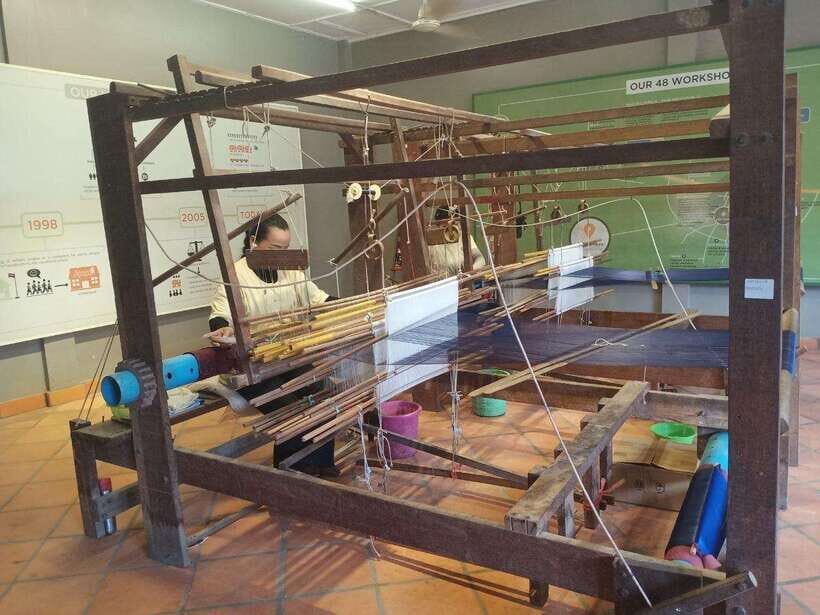
Angkor Silk Farm is the heart of the route. Plan for about 50 minutes here, with guided touring plus time to walk through the craft areas and shop if you want.
Here’s what you’ll focus on:
- Mulberry trees that supply leaves for the silkworms
- The silkworm lifecycle (you’ll be shown how the process works from early stages onward)
- The weaving process, bringing the material from lifecycle to finished textiles
What makes this stop valuable is the cause-and-effect. Instead of seeing silk as something mysterious or magic, you see the steps that connect farming to the final cloth. If you like explanations that follow the logic of materials, you’ll appreciate it.
Shopping is part of the experience too, so don’t be surprised if you’re guided to items that connect directly to what you just learned. If you do buy, you’ll usually be able to choose with more confidence because you’ve just watched the process chain.
If you’re someone who gets bored by animal-related farming steps, this may feel more active than expected—but the tradeoff is that it’s still a real production story.
Satcha Handicraft Center: 6 bamboo-built workshops in one visit
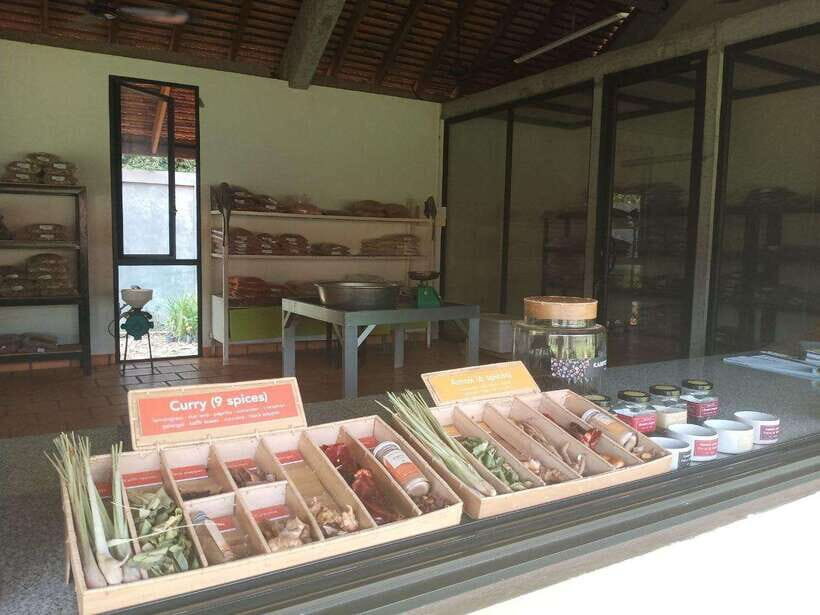
Next up is Satcha Handicraft Center, another guided stop lasting around 50 minutes. This is where you’ll see how design and tradition can share the same table.
Two details are especially worth noticing:
- The workshops are built exclusively with Cambodian bamboo from Kampong Cham.
- The center mixes traditional know-how with contemporary design inspired by Khmer ornaments.
That combination changes the feel of the visit. Bamboo gives the spaces a lighter, craft-focused structure, and the Khmer design inspiration shows up in patterns and finishing choices. You’ll likely see how artisans keep heritage techniques while still making items that fit modern tastes.
You’ll also have time for walking and shopping here, plus workshop-focused moments. This stop is a good place to slow down. If you want to ask questions, ask them during this portion—Satcha’s setup makes it easier to connect what you’re seeing to how an item is actually made.
A good mindset: think of Satcha as a “craft classroom with products.” If you love design details, it’s one of the best places on the route to spot what makes a piece Cambodian beyond just the label.
Senteurs d’Angkor: sustainable treasures and everyday artisanal items
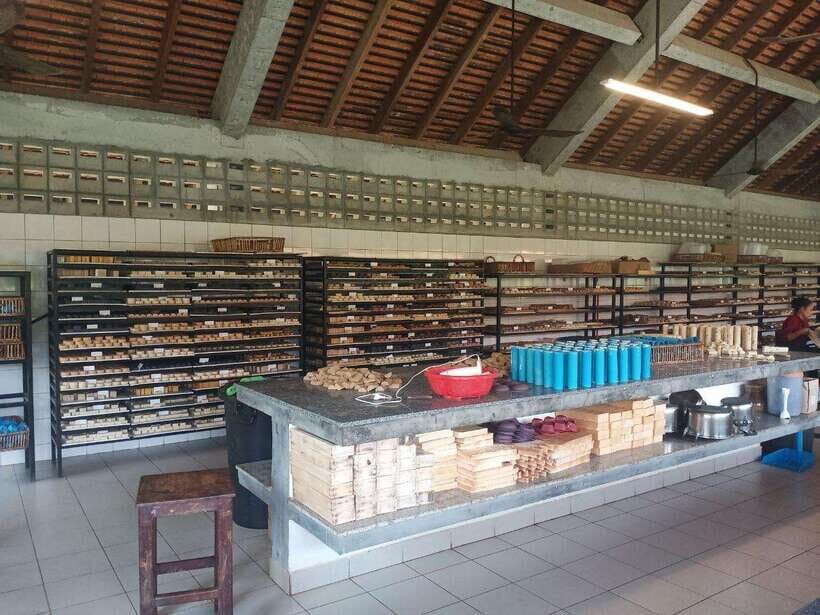
After Satcha, you continue to Senteurs d’Angkor. Expect another about 50 minutes in this segment, plus a short photo stop during the transfers.
This part of the tour is more about the products and their story than the single-step production you saw at the Silk Farm. The key theme is sustainable Cambodian treasures—artisanal products made to last, with a focus on local materials and craft value.
Even if you’re not buying, this is one of the most useful stops for learning how to spot quality. When a craft center is consistent about materials and process, the products usually reflect that in details like finishing, pattern accuracy, and overall construction. You’re also more likely to find practical souvenirs here: things you can use later, not only display.
Bring your camera for the photo moments, but also keep it ready for close-up details. Khmer-inspired design, weaving textures, and handmade finishes are often the differences between a decorative item and a genuinely crafted one.
You can also read our reviews of more tours and experiences in Siem Reap





Artisan d’Angkor: where local handicrafts are made
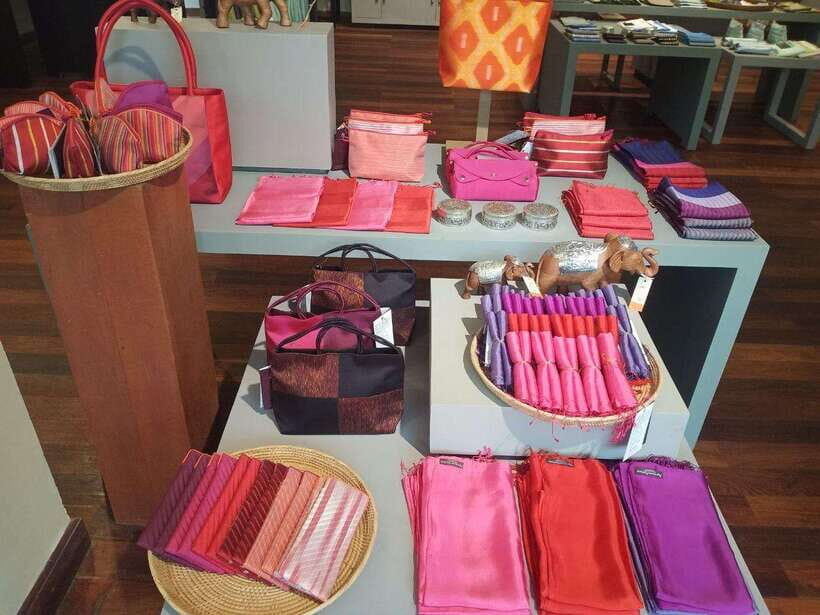
The final craft stop is Artisan d’Angkor, where the focus is straightforward: you’ll see how local handicrafts are made. Like the earlier stops, you’re looking at around 50 minutes, plus time for guided viewing and shopping.
This stop tends to be most satisfying if you want a hands-on feeling to finish the loop. Earlier you learned about lifecycle and weaving. Here, you get to connect that craft mindset to a wider range of local production.
What I like about ending the day this way is that it reinforces the entire theme: craft is work. It’s not just an aesthetic. The last stop helps you see the broader production side of Cambodian handicrafts, so you leave with a better mental map of how goods move from artisan to shop to traveler.
And because it’s close enough to your previous stops, you can compare what you saw earlier. The texture of silk products, the design cues tied to Khmer ornament inspiration, and the general craftsmanship quality all start to feel connected by the time you reach the end.
Time on your feet: what to wear and how to keep the day easy
This tour is designed as a half-day circuit, but it’s still a walking-and-looking experience. You’ll want comfortable walking shoes, especially because you’ll move between areas inside the craft sites and spend time browsing.
A few practical notes:
- Bring a camera for photos, especially for the process steps and workshop spaces.
- There’s a clear no-smoking rule.
- Meals aren’t included, so plan a light snack or plan your day around lunch or dinner after the tour.
If you’re traveling with heat, hydrate early and don’t wait until you feel thirsty. Craft centers are active, and you’ll likely want energy for browsing and comparisons.
Price and value: is $25 per group up to 2 a fair deal?
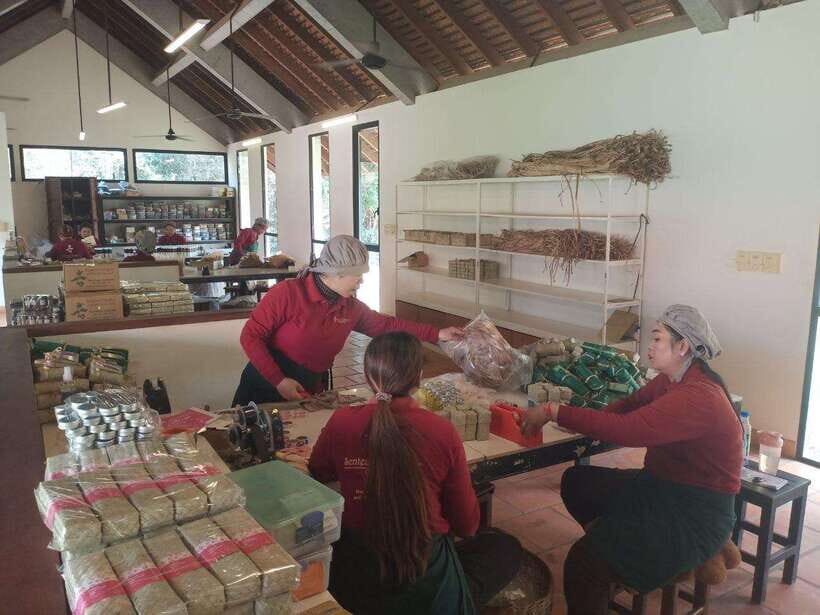
The price is listed as $25 per group up to 2 people for a 4-hour experience. The biggest value angle here is not just the sites—it’s the transport + guided touring + hotel pickup/drop-off.
When you think about value, look at what’s bundled:
- pickup and drop-off from your hotel
- guided visits to Silk Farm, Senteurs d’Angkor, Satcha Handicraft Center, and Artisan d’Angkor
- tuk-tuk transfers between stops
- time allocation at each craft site (around 50 minutes segments)
If you’re visiting with one other person, the per-person cost effectively drops because it’s priced per group. That makes it easier to justify if you care about craft details and want to learn without spending hours organizing drivers between locations yourself.
If you’re traveling solo, you may still find it fair for the included pickup and multi-stop guide time. The only thing you should confirm before booking is exactly how the up-to-2 pricing works for your party size, since the data only specifies the group limit.
One more value tip: decide in advance what you’ll buy, if anything. When you understand the process at the Silk Farm and recognize the design cues at Satcha, it’s easier to shop with purpose instead of impulse.
Skip-the-line, English driver, and private-group comfort
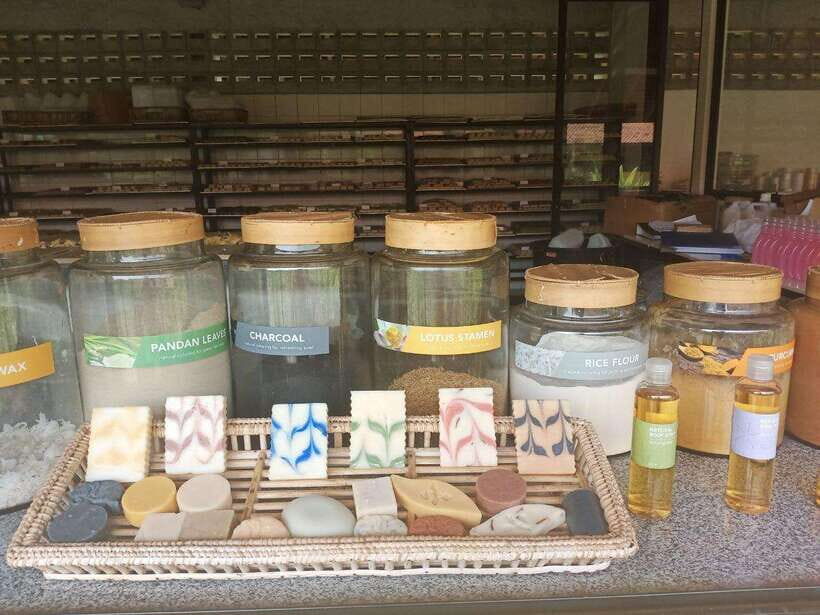
This tour is described as having a separate entrance to help you skip line time. That matters because time at craft sites is usually the main benefit.
You also get an English-speaking driver, which keeps explanations clearer when you want context. And it’s a private group setup, which tends to feel calmer than packed group tours—especially when you want time to look closely at materials or ask questions without listening over a crowd.
If you’re the type who likes your day to run at human speed, this format is a strong match.
Who should book this Silk Farm, Satcha, and Senteurs d’Angkor tour?
This is a smart fit if you:
- want to see how Cambodian handicrafts are made, not only the end products
- like silk, bamboo design, weaving textures, and material-driven souvenirs
- want a low-stress, half-day plan in Siem Reap with hotel pickup and guided visits
- prefer a smaller, private-group pace with an English-speaking driver
It may be less appealing if:
- you dislike shopping areas or want only temple or sightseeing stops
- you don’t enjoy process-focused visits like silkworm lifecycle viewing
Also, if your schedule is tight and you want craft learning without committing to a longer multi-activity day, the 4-hour duration helps.
Should you book it?
Yes, I think you should book this tour if you want a craft-focused Siem Reap experience with a clear value chain: mulberry to silkworms to silk, then bamboo workshop design and local production. It’s one of the better ways to spend a half day when you care about authenticity and want to bring home items with a story behind them.
But if you’re mainly after big-name sights and you hate any shopping pressure at all, consider whether a craft circuit is the right use of your limited time.
FAQ
FAQ
How long is the tour?
The tour duration is 4 hours.
Where does the pickup happen?
Pickup is from Krong Siem Reap.
What stops are included?
The tour includes Angkor Silk Farm, Senteurs d’Angkor, Satcha Handicraft Center, and Artisan d’Angkor.
Are meals included?
No. Meals are not included.
What is the price?
The price is listed as $25 per group up to 2.
Is there a way to skip waiting time?
Yes. It notes skipping the line through a separate entrance.
What language is used?
The driver is English, and the tour language is listed as English.
Is smoking allowed during the tour?
No, smoking is not allowed.
What should I wear or bring?
Wear comfortable walking shoes, and bring a camera for photos.
Is free cancellation available?
Free cancellation is available up to 24 hours in advance for a full refund, and it also offers reserve now & pay later.