REVIEW · SIEM REAP
2-Days Private Tour Discovery Angkor Wat , Waterfall and Beng Mealea Temple
Book on Viator →Operated by Siem Reap Experience · Bookable on Viator
Morning starts, temples glow. This private Siem Reap experience is built around sunrise at Angkor Wat, when the air feels cooler and the crowd vibe is easier to handle. I love that you’ll have an English guide to help you move through the big sites without being swallowed by large tour groups, and that pickup plus an air-conditioned vehicle keeps the long days from feeling punishing. One thing to plan for: temple tickets and meals are not included, and the early 4:30 am start takes some commitment.
What makes this trip work is the mix of famous carvings and more “you’re really here” moments. You’ll see Angkor Wat, Bayon, Ta Prohm, and Banteay Kdei on the first day, then shift to nature and local life at Phnom Kulen, before heading to Beng Mealea, often called the lost temple of Angkor. I also like the small comfort touches like cold water and a cold towel, especially when the day warms up fast.
You’ll be in a true private group (only your group participates), and that changes how the day feels. Guides named Praim and Sen Prourng are specifically praised for being friendly and responsive, while drivers like Jamesbone show up in feedback as solid, calm partners for the early starts. Just keep in mind that “private” can mean less structure for planning breaks on your own, so you’ll want to be clear with your guide about what pace you want.
In This Review
- Key Highlights You’ll Actually Feel
- Sunrise at Angkor Wat That Sets the Tone
- Bayon and the South Gate: Faces and Calm Explanations
- Ta Prohm’s Tree Roots: When the Temple Feels Alive
- Banteay Kdei: A Better Way to End Day One
- Phnom Kulen National Park: Waterfalls and the 1000 Linga Carvings
- Beng Mealea: The 70 km Lost Temple Feel
- Price and What $154 Really Covers
- Tips for Getting More from Every Temple
- Who This Private 2-Day Plan Fits Best
- Should You Book This Tour?
- FAQ
- What time does the tour start?
- Are temple admission tickets included?
- Are meals included?
- Does the tour include transportation and pickup?
- Is this tour private?
- Do I get a mobile ticket?
- Is there free cancellation?
Key Highlights You’ll Actually Feel
- 4:30 am sunrise timing means cooler weather and a calmer feel before the busiest waves.
- Private pacing helps you avoid the crush and spend more time looking at details.
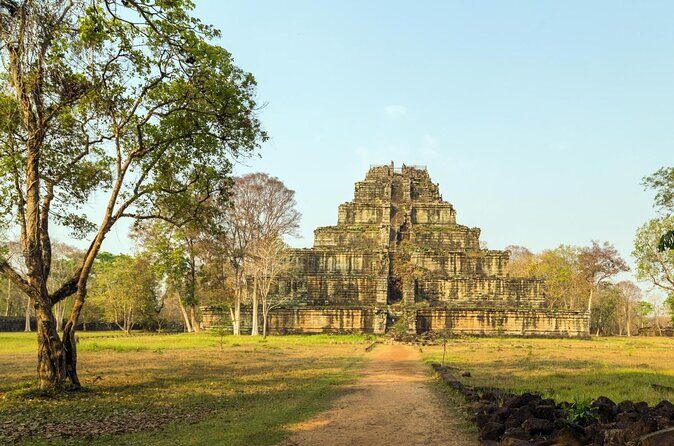
- World-famous temples + one-off stops: Angkor Wat, Bayon, Ta Prohm, Banteay Kdei, plus Phnom Kulen and Beng Mealea.
- Phnom Kulen specifics: waterfalls and the 1000 linga carving area, plus that local playground atmosphere.
- Beng Mealea’s 70 km seclusion gives you more of an explorer mood than a checklist vibe.
- Comfort basics included: air-conditioned transport, cold water, and cold towels.
Sunrise at Angkor Wat That Sets the Tone
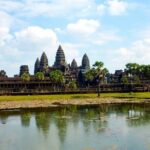
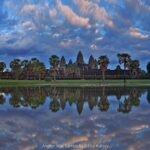
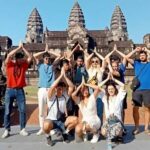
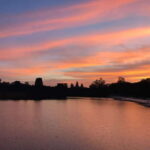
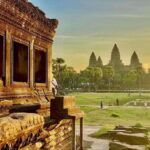
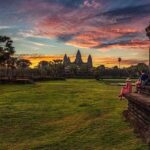
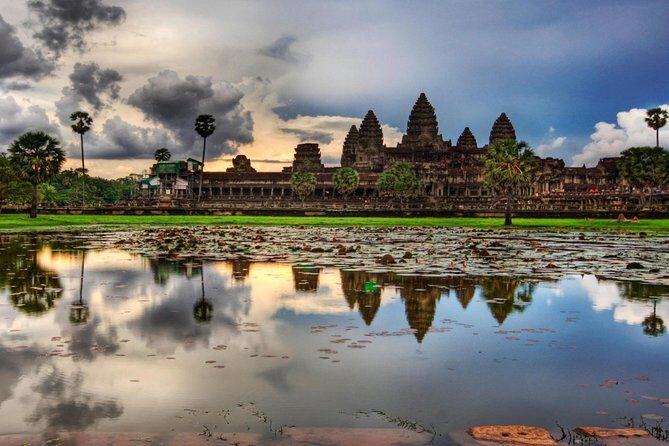
The star of the whole trip is the early climb and sunrise at Angkor Wat. You start in the dark and work your way toward the main entrance, then watch the temple and its surrounding structures come into view as light spreads across the stone. It’s not just a photo moment. At this hour, you can actually look without fighting for space, and the heat doesn’t feel like it’s attacking you yet.
I also like how this timing makes the day more human. Sunrise hours tend to bring smaller crowds and more comfortable temperatures, which matters when you’re planning to cover several major temples across two days. If the weather isn’t ideal, you still get a meaningful experience—because the act of arriving early keeps things steady even when the sky doesn’t cooperate perfectly.
One practical note: sunrise means you’ll need to be ready to move on a strict schedule. If you’re the type who hates rushing, tell your guide how you like your mornings. You’ll still enjoy the overall feel, but you may want a little extra buffer time for sitting, adjusting, and walking more slowly once the crowds begin to build.
You can also read our reviews of more private tours in Siem Reap
Bayon and the South Gate: Faces and Calm Explanations
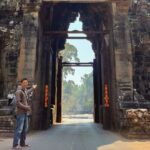
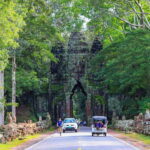
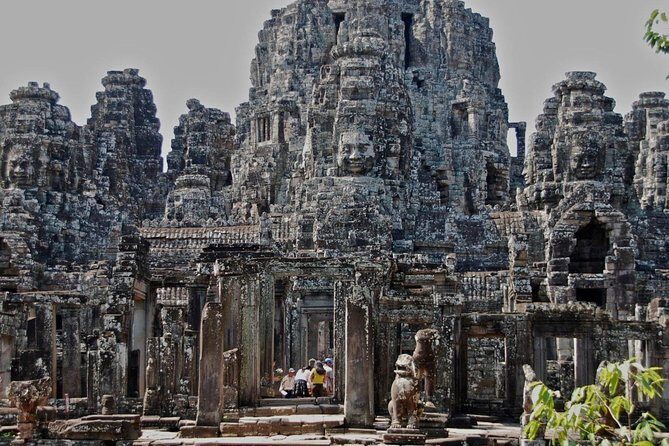
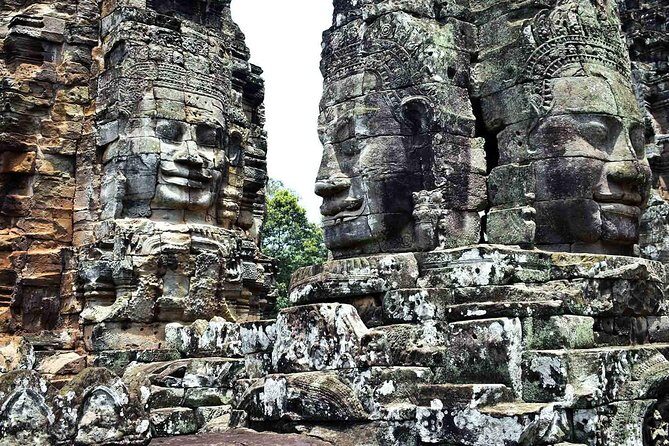
After Angkor Wat, day one moves into Angkor Thom territory, starting with the South Gate and then Bayon. The tour centers on the famous faces at Bayon and the nearby Baphoun area, with the guide explaining the background of the site and what you’re seeing. Bayon is described as having 54 towers and 216 faces of Avalokesvara, which is exactly the kind of detail that helps your brain connect the carvings to the place.
This stop matters because it’s easy to see Bayon as just a stunning pattern of faces. With an English guide guiding you through, you get more context for why this space looks the way it does, and you also learn how to pace yourself so you’re not just snapping photos while walking past everything important.
A benefit of this private setup is how you can pause longer. In busy group situations, people keep flowing, and your best moments get cut short. Here, you can take in the expressions, step back to see how the towers align, and then continue when you’re ready.
Ta Prohm’s Tree Roots: When the Temple Feels Alive
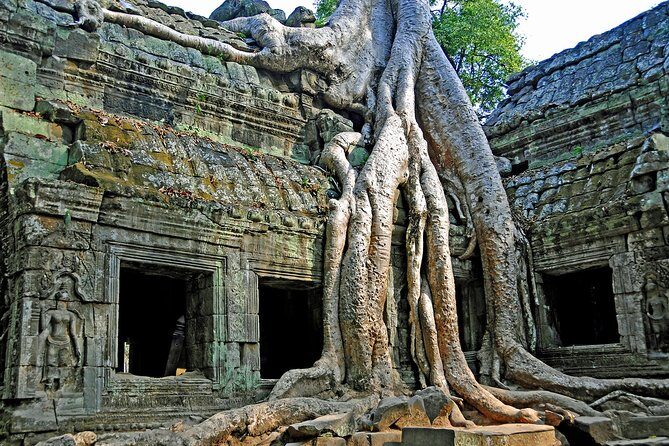
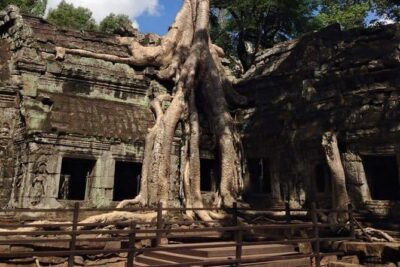
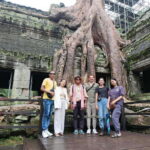
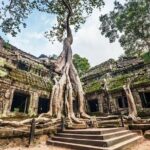
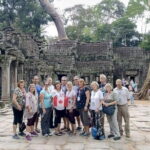
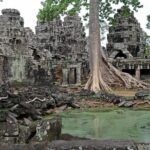
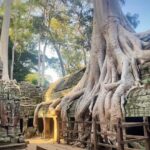
Next comes Ta Prohm, the “jungle temple,” often called the “tree temple” because of the large roots wrapped around the ruins. This is where Angkor starts to feel less like a museum and more like a living scene. The contrast is strong: carved stone still holds its shape, while the surrounding trees and roots look like they’re claiming the space.
You’ll spend enough time here (about two hours) to make the stop more than a quick detour. Try this approach: start by looking for the biggest root shapes first, then work inward toward the smaller carvings and broken architectural pieces. When you do it that way, you notice how the builders’ work and the later growth interact.
One consideration: this is a popular place, even with private pacing. The guide’s job is to help you avoid the biggest tour-group bottlenecks, but the reality is that Ta Prohm draws crowds. So if you’re sensitive to noise and foot traffic, plan to be flexible and let the guide steer when to linger.
Banteay Kdei: A Better Way to End Day One
Day one finishes with Banteay Kdei, built by King Jayavarman VII in the late 12th century. This temple can feel more relaxed than the headline sites, and that’s a good thing after a long first day. The point here isn’t just more stones—it’s variety. You’re seeing another chapter of Angkor through a different temple mood and layout.
I like this placement because it balances the energy. Angkor Wat and Bayon hit hard visually, and Ta Prohm adds that wild, cinematic feeling. Then Banteay Kdei gives you a chance to settle into slower looking. It’s the kind of stop where an explanation helps, but it also stands on its own because the scale and details still reward attention.
If you’ve been walking all day, use this time to reset. Drink the cold water, wipe off sweat with the cold towel, and take a moment before going in deeper. You’ll enjoy the last hour more when you’re not counting down the energy.
Phnom Kulen National Park: Waterfalls and the 1000 Linga Carvings
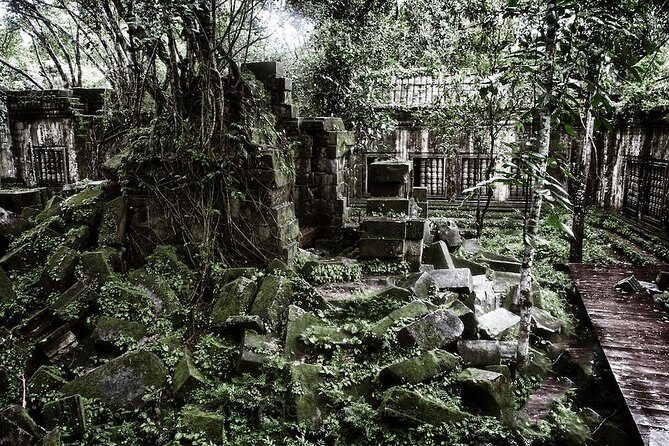
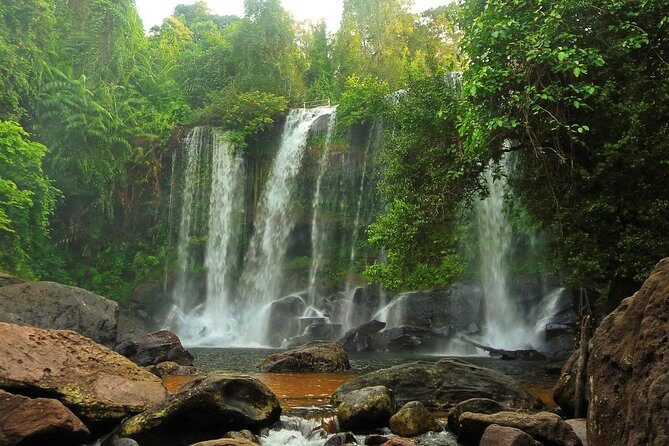
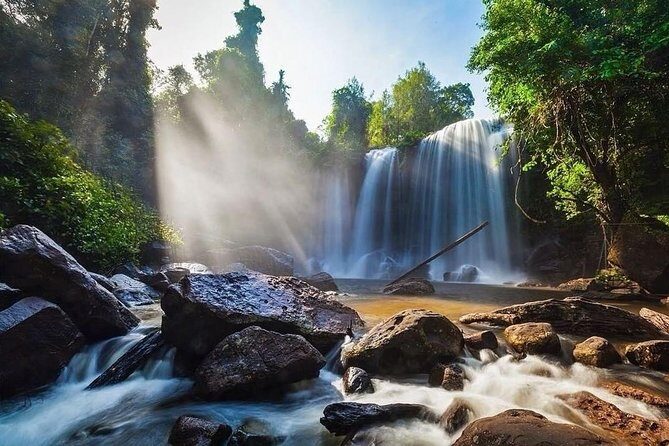
Day two shifts from temple stone to nature and local life. Phnom Kulen National Park is where you get the waterfall component, plus the iconic 1000 linga carvings. The name is tied to the lychee theme, since Phnom Kulen literally means Mountain of the Lychees.
This is a long day on purpose—about six hours at the park—because it includes both viewpoints and time on the ground. The waterfalls at the top are the main attraction, but the real value is the atmosphere. This area is described as a playground for locals, and that changes how it feels compared to purely tourist zones. You’re not just passing through monuments; you’re sharing space with people who live with this landscape in their daily routines.
A practical consideration: nature days can mean uneven terrain and changing conditions. You’ll want footwear that handles walking comfortably, and you’ll want to hydrate. The cold water and cold towel from the tour basics help, but you’ll still want your own water strategy once you’re on the move.
You can also read our reviews of more tours and experiences in Siem Reap
Beng Mealea: The 70 km Lost Temple Feel
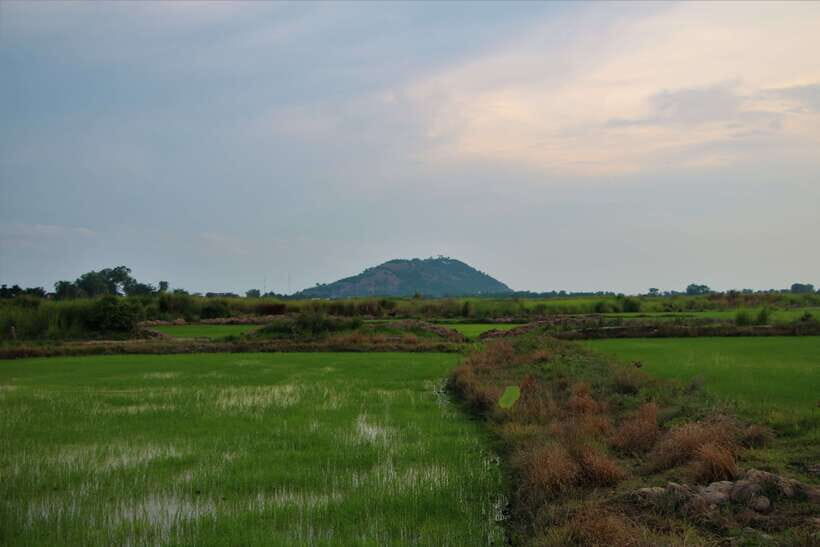
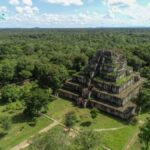
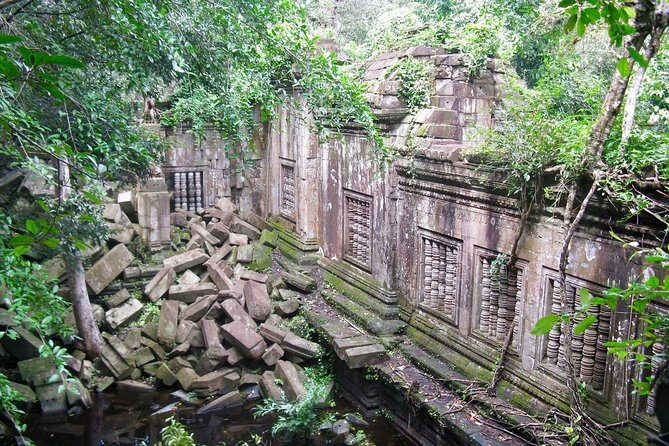
After Phnom Kulen, you head to Beng Mealea, about 70 kilometers north-east of Siem Reap. This is often called the lost temple of Angkor, and that nickname is more than marketing. The key idea is seclusion. It feels different from the core circuit because fewer people are there, and the setting encourages exploration.
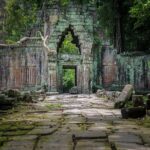
You’ll spend about three hours here, which is the right amount of time to wander without feeling hurried. Beng Mealea tends to reward curiosity: look at how stone sections break away, notice how vegetation and weather have changed the scene, and don’t rush straight to the most obvious structure. If you go with a guide, you’ll also get help reading the site so you’re not just guessing what you’re seeing.
One warning from a realistic travel perspective: sites like Beng Mealea are remote compared with Angkor Wat, so the day can feel more tiring. That makes the earlier comfort—air-conditioned transport and a guide keeping the plan on track—actually matter. You’ll enjoy the “lost world” mood more if you don’t arrive already drained.
Price and What $154 Really Covers
Let’s talk value clearly. The tour price is $154 for two days, and what you’re paying for is the private support structure: pickup offered, an air-conditioned vehicle, an English tour guide, and cold water plus a cold towel. For many people, that’s the real cost savings here. Instead of coordinating transport, dealing with timing, and hunting for the right guide to match your pace, you get someone handling the flow.
Temple tickets and meals are not included, though. That’s an important budget item, especially because you’ll be visiting multiple temples across two days and the morning start doesn’t leave room for a relaxed breakfast plan. You’ll also want to plan your own lunch and any snacks you like, since the tour does not provide meals.
So who gets the best value? You get the most if you care about pacing, prefer not to fight crowds, and want the context that makes carvings and temple layouts easier to understand. If you’re the type who wants to do everything totally on your own with zero guiding, then the ticket and meal add-ons can make the total spend feel less attractive. But if you want a smooth experience that still feels personal, the structure at this price is fair.
Tips for Getting More from Every Temple
A great tour is more than transport and timing. It’s what you notice when you’re there. Before you go into these sacred spaces, take a moment to get your bearings and learn basic local etiquette. The tour guidance itself highlights the importance of learning culture so you don’t accidentally disrespect the place.
Then, work with your guide on how you want to move. The plan is designed so your guide can lead you through and help you avoid large group congestion, but your preferences still matter. Tell them if you want more time for photos, more time for explanations, or a slower walk.
Also, dress and prepare like you’re going to be out early and then active for hours. Sunrise starts cold but warms quickly. Temperatures can feel comfortable at dawn, and then you’ll feel the push later in the morning, especially on walking-heavy days like the temple circuit and the nature stop.
Finally, don’t underestimate breaks. This is a two-day route with multiple stops, so you’ll enjoy it more if you drink and rest when the guide offers short pauses. The cold towel isn’t just a gimmick—it’s a practical reset that helps you keep your energy for the next big viewpoint.
Who This Private 2-Day Plan Fits Best
This tour fits best if you want a private experience without sacrificing the biggest sights. It’s ideal for couples, small groups, or anyone who wants early access to Angkor Wat and then a guided, structured route through the top temples and beyond into Phnom Kulen and Beng Mealea.
It also suits you if you care about context, not just scenery. Bayon’s face details, Ta Prohm’s tree-root relationship to the ruins, and the historical framing around sites like Banteay Kdei all become more meaningful when someone is walking you through them in plain, practical language.
If you’re traveling with a flexible schedule and you don’t mind the early start, you’ll get a lot out of the day two nature shift, too. Some people get stuck in all-temple mode. This plan spreads things out so you get waterfalls and carvings in Phnom Kulen, then a different “lost” atmosphere at Beng Mealea.
Should You Book This Tour?
I’d book it if you want sunrise at Angkor Wat with a guide-led pace, and you also want to see more than just the core temple circuit. The $154 price makes sense when you value private timing, air-conditioned comfort, and the added context that turns temple visits into real understanding.
Skip it only if you strongly prefer self-guided wandering at your own pace and you don’t want to pay for guide support. Also consider that temple tickets and meals are on you, and the 4:30 am start requires planning. If you can handle that, this is a solid way to see Angkor plus Kulen and Beng Mealea without feeling like you’re glued to a mass-market group.
FAQ
What time does the tour start?
The start time is 4:30 am, timed for sunrise at Angkor Wat.
Are temple admission tickets included?
No. All temple tickets are not included in the price.
Are meals included?
No. All meals (breakfast, lunch, dinner) are not included.
Does the tour include transportation and pickup?
Yes. Pickup is offered, and you travel in an air-conditioned vehicle.
Is this tour private?
Yes. This is a private tour/activity, and only your group participates.
Do I get a mobile ticket?
Yes. The tour includes a mobile ticket, and you receive confirmation at booking.
Is there free cancellation?
Yes. You can cancel up to 24 hours in advance for a full refund.