REVIEW · SIEM REAP
2 Days Guided Historical Tour in Angkor
Book on Viator →Operated by Angkor Wat Shared Tours · Bookable on Viator
Angkor feels endless.
This 2-day Angkor tour turns that feeling into something you can handle: a 4:30 am sunrise at Angkor Wat, then a tight route through big icons and calmer temple corners. The day-by-day mix also helps you see how the Khmer rulers built, rebuilt, and changed religious symbols over centuries, without spending your whole trip stuck in one area.
What I like most is the balance of “must-see” and “less obvious.” You get a guided look with time to wander on your own, and the small group size keeps the bus quiet and the explanations useful. Two comfort wins also matter in Siem Reap heat: cold water and a wet towel, plus hotel pickup/drop-off so your mornings don’t start with logistics headaches.
One thing to plan for: temple entrance fees are not included. The ticket cost listed here is $62 per person, and you’ll start early enough that missing pickup timing can mess up your whole day. Also, you’ll walk and climb more than you might expect over two days, so build your energy for the long hours.
In This Review
- Key Points Worth Knowing Before You Go
- Why a 4:30 am Angkor Wat Sunrise Changes Everything
- Day 1: Angkor Wat to Ta Prohm, With the Big Names First
- Angkor Wat sunrise and inside explanations
- Angkor Thom South Gate: carved faces and the causeway
- Bayon Temple: the smiling faces and Buddhist ties
- Ta Keo: a temple-mountain with sandstone ambitions
- Ta Prohm: the ruins that feel alive
- Day 2: Pre Rup to Preah Khan, Then Sunset Time
- Pre Rup: Rajendravarman’s temple mountain
- Ta Som and Neak Pean: smaller, quieter, and more spaced out
- Preah Khan: honoring a father, arranged in temple-city logic
- Phnom Bakheng: temple-mountain at the end of the day
- The Comfort Package That Helps You Last the Day
- Price Breakdown: $35 Looks Cheap Until You Add Entrance Tickets
- The Itinerary Pace: Where You’ll Spend Time and Where It’s Tight
- Who Should Book This Tour (and Who Might Prefer Another Style)
- Final Call: Should You Book This 2-Day Angkor Tour?
- FAQ
- What time does the tour start?
- Where does the tour meet?
- Is hotel pickup included?
- How many temples are visited in total?
- Are entrance fees included in the price?
- What is included in the tour price besides the guide?
- Are meals included?
- How big is the group?
- What kind of ticket is used?
Key Points Worth Knowing Before You Go
- Sunrise at Angkor Wat at 4:30 am means cooler light and fewer people fighting for the best angles
- Max 15 people keeps the tour feeling personal instead of rushed through temples on rails
- Comfort basics included: air-conditioned vehicle, cold water, and a wet towel
- 11 temples in 2 days gives you a fuller Angkor picture than a single-day rush
- Guides often shine in the details; names like Sok, Sam, Vone, Ho Heang, Pheap, and Sary show up often in guide praise
Why a 4:30 am Angkor Wat Sunrise Changes Everything
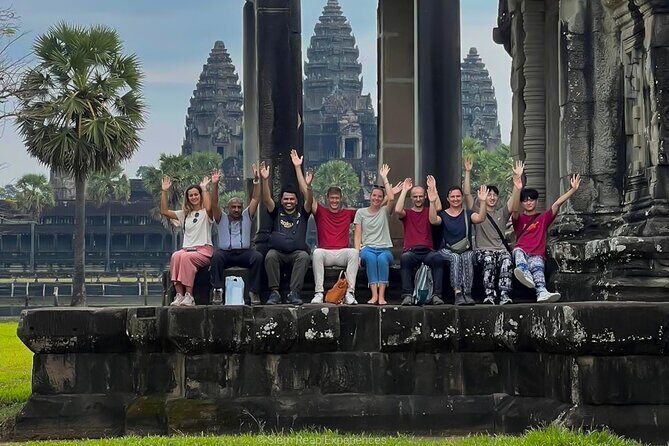
At Angkor, the crowd pattern is real. If you arrive after most tour buses, you spend your time either standing still or moving sideways. This tour starts with an early pickup and gets you to Angkor Wat in time to watch the sunrise, then explore inside with your guide explaining what you’re looking at. That timing doesn’t just make photos nicer. It helps you understand the place while the day is still quiet enough to hear the story.
You also get a practical bonus: you’re working with cooler temperatures first, and then you’re using the rest of the day for temples that are famous but still varied in layout. The tour doesn’t treat Angkor Wat like the only stop; it uses sunrise energy to set up the rest of your two-day route.
One more small detail that matters: an early start needs extra attention to basics. A review notes that a flashlight was provided for the very early hours, which is exactly the kind of thing that makes a dark morning easier.
You can also read our reviews of more guided tours in Siem Reap
Day 1: Angkor Wat to Ta Prohm, With the Big Names First
Day 1 is built around the headline temples. You start at Angkor Wat, then move through Angkor Thom’s most dramatic moments, and end at Ta Prohm.
Angkor Wat sunrise and inside explanations
You’ll be picked up from your hotel and driven to Angkor Wat for sunrise. The program includes guided time to explore the temple and understand the design choices, not just walk past carvings. Admission is not included, so you’ll want to budget that entrance ticket cost separately.
This first stop is where you get your mental map. Angkor Wat can feel overwhelming at first glance: long causeways, layered roofs, courtyards, and corridors. A guide helps you connect symbols to the Khmer world view—why certain spaces exist, and how the temple’s layout directs movement.
Angkor Thom South Gate: carved faces and the causeway
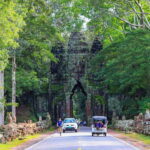
Next comes the South Gate of Angkor Thom, a 12th-century city gate lined with carved faces and stone figures along the causeway. The short drive to a gate like this matters because it gives your brain a new kind of view: not “single monument,” but “city entrance and power statement.”
You get about 30 minutes here, which is enough to take in the carving details and orient yourself for Bayon. If you like photography, this is the kind of stop where you’ll notice your angles getting better as you move.
Bayon Temple: the smiling faces and Buddhist ties
Bayon is the temple most people picture when they think of Angkor Thom’s face towers. It’s described as a richly decorated Khmer temple connected with Buddhism at Angkor, and it dates to the late 12th or early 13th century as a state temple. The tour gives you about 2 hours at Bayon, which is a real chunk of time.
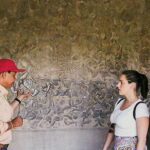
This is also a good place to slow down. Bayon’s details reward closer looking: bas-reliefs, tower rhythms, and the way the temple feels built for constant movement. If your guide is the type who answers questions (and many guides in this tour’s history are praised for doing exactly that), you’ll get more out of the carvings than you would on your own.
You can also read our reviews of more historical tours in Siem Reap

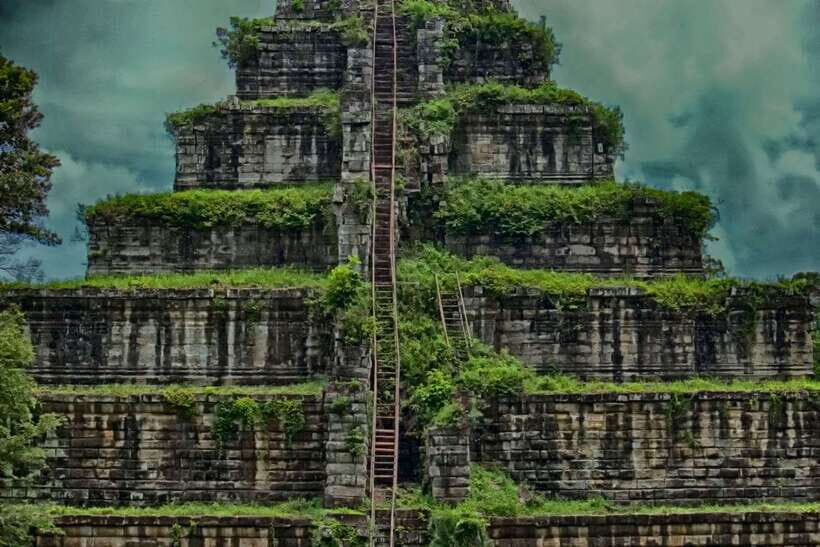
Ta Keo: a temple-mountain with sandstone ambitions
After Bayon, you’ll head to Ta Keo. There’s a break for breakfast here, but meals are not included in the tour price. So if you need food, plan to buy your breakfast on your own during that pause.
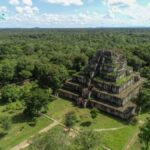
Ta Keo is a temple-mountain, and the tour notes it may be the first Angkor temple built entirely of sandstone by the Khmer. That detail is worth paying attention to because sandstone changes the look and the feel of the carvings and surfaces. It’s the kind of “why it matters” fact that makes the architecture lesson stick.
Ta Prohm: the ruins that feel alive
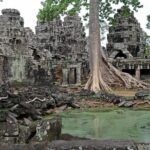
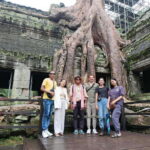
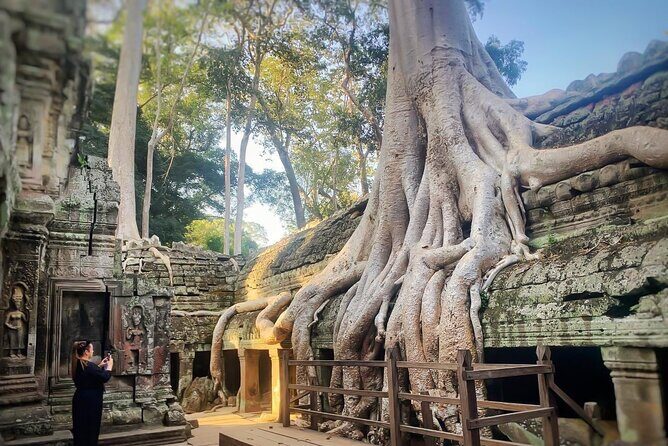
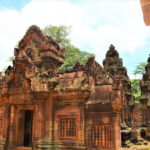
Day 1 ends at Ta Prohm. You’ll hear its description as a temple near Siem Reap about a kilometer east of Angkor Thom, on the southern edge of the East Baray, built in the Bayon style. The guide helps connect Ta Prohm’s appearance to its place in the broader Angkor story.
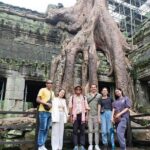
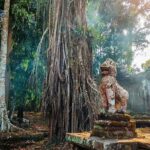
Ta Prohm is a temple where time can slip away because it looks like a set of living shapes—stone frames wrapped in roots and shadows. The tour gives about 1 hour, which is usually enough to get your main photos and still wander without feeling chased.
Day 2: Pre Rup to Preah Khan, Then Sunset Time
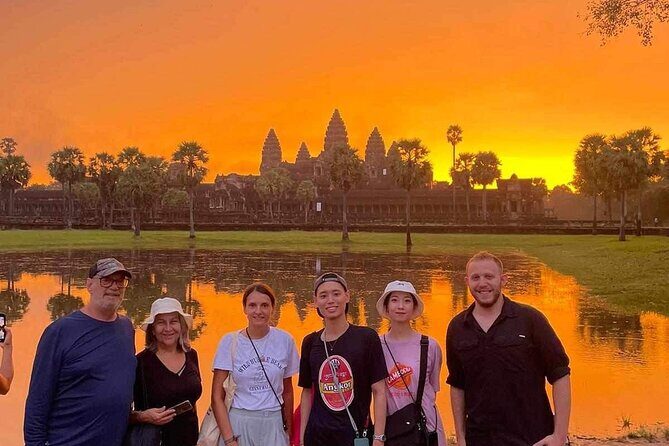
Day 2 shifts away from the crowds and into a more varied set of sacred sites. This is where you get the “Angkor isn’t just one temple” education.
Pre Rup: Rajendravarman’s temple mountain
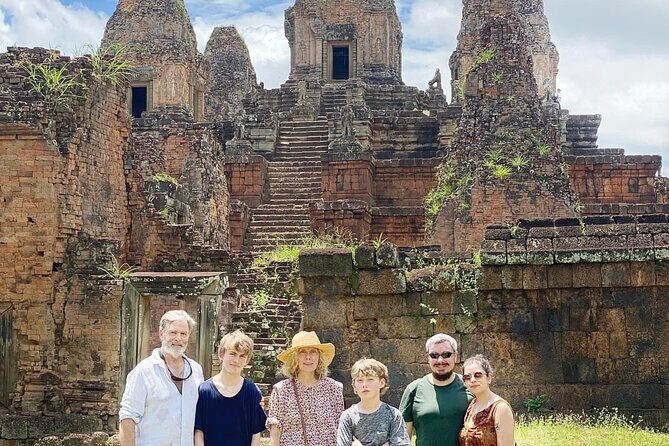
Pre Rup is a Hindu temple and a temple-mountain connected to King Rajendravarman, dedicated in 961 or early 962. The tour gives about 2 hours here.
This stop is a great second-day anchor because it has clear Hindu symbolism. It’s also the kind of place where the architecture makes more sense after you’ve already seen the bigger complexes on day 1. Your eyes adjust. You start noticing how structures serve ceremony and movement, not just grandeur.
Ta Som and Neak Pean: smaller, quieter, and more spaced out
Ta Som is a smaller late 12th-century temple associated with King Jayavarman VII. It’s one of those stops that helps you breathe. The tour allows about 1 hour.
Then comes Neak Pean, described as an artificial island with a Hindu temple on a circular island in Jayatataka Baray. The tour ties it to Jayatataka Baray and association with Preah Khan. Expect about 1 hour here.
These quieter temple stops are a real value of doing 2 days. You’re not only chasing fame. You’re also learning how temple design changes with function, setting, and religious context. And practically, you’ll often get better space for photos without constantly playing avoidance games with other tour groups.
Preah Khan: honoring a father, arranged in temple-city logic
Preah Khan is a 12th-century temple built for King Jayavarman VII to honor his father. It’s located northeast of Angkor Thom and just west of the Jayatataka baray. You’ll spend about 2 hours here.
This is the kind of place where a good guide can make the site feel like a living map. Many guides on this tour’s track record are praised for mixing history with stories and for keeping groups moving well. That helps, because Preah Khan can be easier to get lost in if you don’t know what to prioritize.
Phnom Bakheng: temple-mountain at the end of the day
Finally, Phnom Bakheng is a Hindu temple mountain dedicated to Shiva, built at the end of the 9th century during the reign of King Yasovarman. The tour schedule shows a very short time allocation at this stop, but the big point is that you’ll stay on for sunset on day two.
Sunset at Angkor is always a spectacle. Here, the tour’s structure matters: you’re not trying to time it alone, and you’re already in the right rhythm from the day’s route.
The Comfort Package That Helps You Last the Day
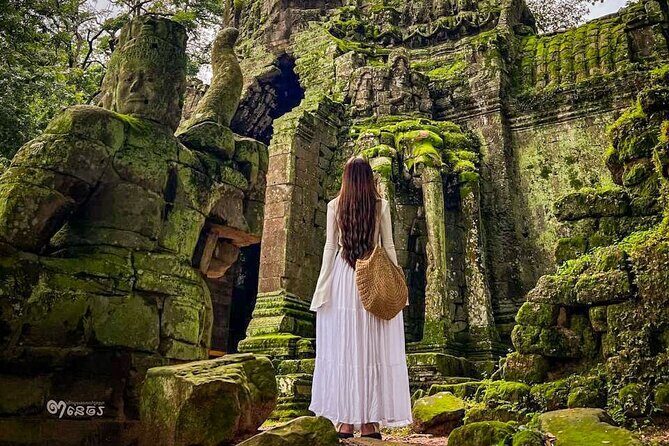
Angkor days are long. Even with an organized route, the heat and walking add up. This is why I’m glad the tour includes practical comfort items instead of pretending everyone will just power through.
You get an air-conditioned vehicle for travel between stops, plus cool water and a wet towel. One review praises the water distribution throughout the day and calls out clean restroom breaks, which is exactly what keeps you from turning cranky halfway through the afternoon.
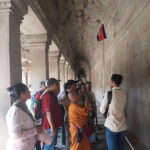
Group size also helps. With a maximum of 15, the pace is usually easier to manage. In one praised experience, guides like Vone or Sok are described as keeping the group moving while still sharing background before letting people explore and take pictures on their own. That balance is important because it means you’re not stuck waiting, but you’re also not rushed past everything.
Price Breakdown: $35 Looks Cheap Until You Add Entrance Tickets
The headline price here is $35 per person for the 2-day guided tour. That’s not just low, it’s low enough that you should treat it as the cost of guidance plus transport plus comfort, not the full Angkor “all-in” budget.
The temple entrance fee is not included, and the price listed is $62 per person for the ticket. Meals are also not included.
So the realistic planning number becomes: $35 for the tour + $62 for entrance = $97 per person, before any food you buy. In value terms, the question is whether you feel you’re getting enough temple time and guidance to justify that total.
In a 2-day format with 11 temples, the answer is usually yes—especially if you care about history details and prefer to avoid spending your vacation piecewise figuring out what’s worth seeing. If you’re purely photo-focused and want zero guidance, you might choose a different style of self-planning. But if you want your visits to make sense, this price pairing often feels fair.
The Itinerary Pace: Where You’ll Spend Time and Where It’s Tight
This route is efficient. It fits a lot into two days, and that efficiency is a double-edged sword.
On the plus side, day 1 gives you long blocks at the big anchors (Angkor Wat, Bayon, Ta Keo, plus Ta Prohm), and day 2 adds time at Pre Rup and Preah Khan, with shorter stops like Ta Som and Neak Pean. That means you’re not constantly running between totally separate worlds. You’re doing a sequence that builds understanding.
The tight spots are mostly tied to schedule realities. The tour starts at 4:30 am, so you need to be awake and ready. One caution that comes up in a lower rating is that when pickup coordination goes wrong, the tour doesn’t always slow down to fix it. My practical advice: be ready well before the call time, and if communication seems unclear, move quickly to resolve it.
Also, breakfast is mentioned as a break on day 1 but not included. Plan your food like a grown-up: bring cash or card, and don’t expect a full sit-down meal built into the price.
Who Should Book This Tour (and Who Might Prefer Another Style)
This tour is a smart fit if you want:
- A guided path through 11 temples over two days, not one huge day
- Small-group feel (max 15)
- The big hits plus the quieter corners on day 2
- Comfort help during heat: cold water, wet towel, air-conditioned rides
It might be less ideal if:
- You’re the type who wants zero structure and lots of free roaming
- You dislike early mornings and early temple crowds as a concept
- You plan to spend most of your budget on meals rather than tickets, since meals and entrance fees cost extra
If you do book it, you’ll get the most out of it by leaning into the guide’s stories and then taking your own time inside each temple area. In multiple praised experiences, guides are praised for having a mix of history facts and personal stories, plus for answering questions and helping with photos.
Final Call: Should You Book This 2-Day Angkor Tour?
If your goal is to see Angkor Wat at sunrise and still get a meaningful second day, I’d book this. Two full days with 11 temples, hotel pickup/drop-off, and basic comfort provided is a strong value setup, especially once you realize how much your time is worth when you’re trying to organize Angkor on your own.
My deciding advice is simple:
- If you’re excited by explanations and want the temples to make sense, choose this tour.
- If you only care about walking and snapping pictures with minimal talking, compare with a cheaper self-guided or tuk-tuk style plan before you commit.
Either way, go in with realistic expectations: it starts early, you’ll walk, and the entrance ticket is extra. Then enjoy the payoff—two days where Angkor feels like a story instead of a checklist.
FAQ
What time does the tour start?
The start time is 4:30 am.
Where does the tour meet?
The meeting point is Siem Reap Pub Hostel, behind Angkor Night Market in Siem Reap.
Is hotel pickup included?
Yes. Hotel pickup and drop-off are included.
How many temples are visited in total?
The tour covers 11 temples over the two days.
Are entrance fees included in the price?
No. Temple ticket/entrance fees are not included. The entrance ticket price listed is $62 per person.
What is included in the tour price besides the guide?
Included items are air-conditioned vehicle, tour guide, cool water and wet towel, hotel pickup/drop-off, and guided visits to 11 temples.
Are meals included?
No. Meals are not included. There is a breakfast break on day 1, but you pay for food yourself.
How big is the group?
The group size is maximum 15 travelers.
What kind of ticket is used?
A mobile ticket is mentioned as part of the experience.