REVIEW · SIEM REAP
Angkor Wat 2-Day complex Sun rise & Sun set with Guided Tour
Book on GetYourGuide →Operated by Angkor Wat Share Tours · Bookable on GetYourGuide
Sunrise at Angkor feels like time travel. This 2-day guided loop turns Angkor Wat into more than a photo stop, using Khmer empire context to connect temple carvings, city ruins, and how the whole complex was designed. You’ll see the big moments twice, with a morning glow and a hilltop sunset that caps the trip.
I especially like the hotel pickup and air-conditioned minibus. It saves you from logistics stress, and the ride comfort really matters when Day 1 starts before the sun is up and Day 2 runs long. The second thing I like is the way the pacing mixes guided interpretation with room to take pictures and wander when a site deserves extra minutes.
One consideration: the Day 1 start is early. Expect pickup between 4:00am and 4:20am, and you may be waiting in the dark for a while before sunrise hits the temples, so bring patience and a warm layer.
In This Review
- Key Things You’ll Notice on This 2-Day Angkor Tour
- Two-Day Angkor Wat Tour: The Rhythm That Makes It Work
- Price and Temple Pass: What the $30 Includes (and What It Doesn’t)
- Day 1 Sunrise Small Tour (4:30am–1pm): From Angkor Wat Glow to Ta Keo
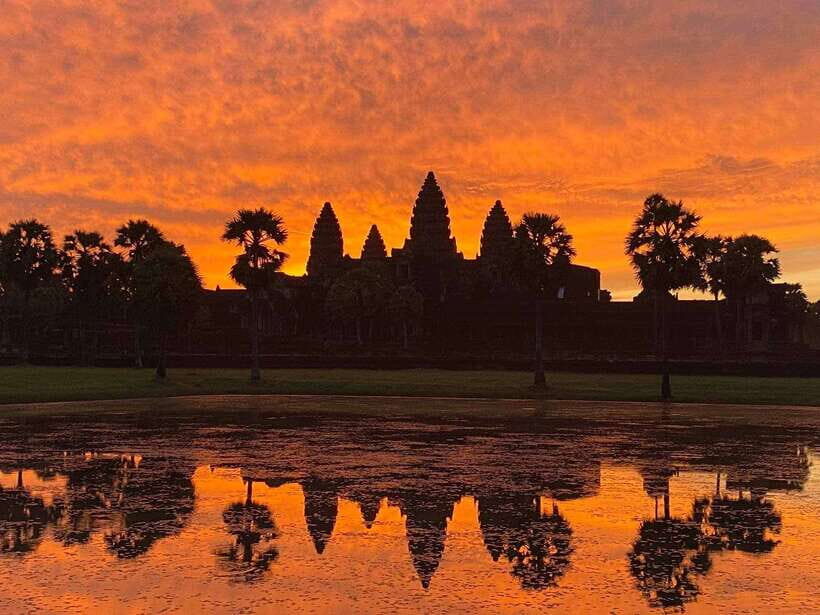
- Angkor Wat at sunrise
- Angkor Thom: jungle temple energy
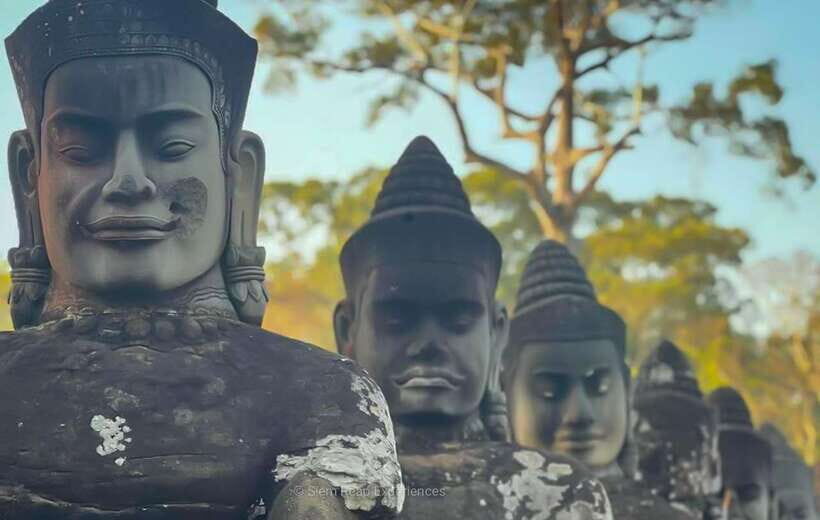
- Bayon Temple: the smiling faces
- Banteay Kdei: the Buddhist pyramid temple
- Ta Keo: a 10th-century mountain temple
- Day 2 Sunset Big Tour (10:30am–7pm): Preah Khan Loop and Phnom Bakheang
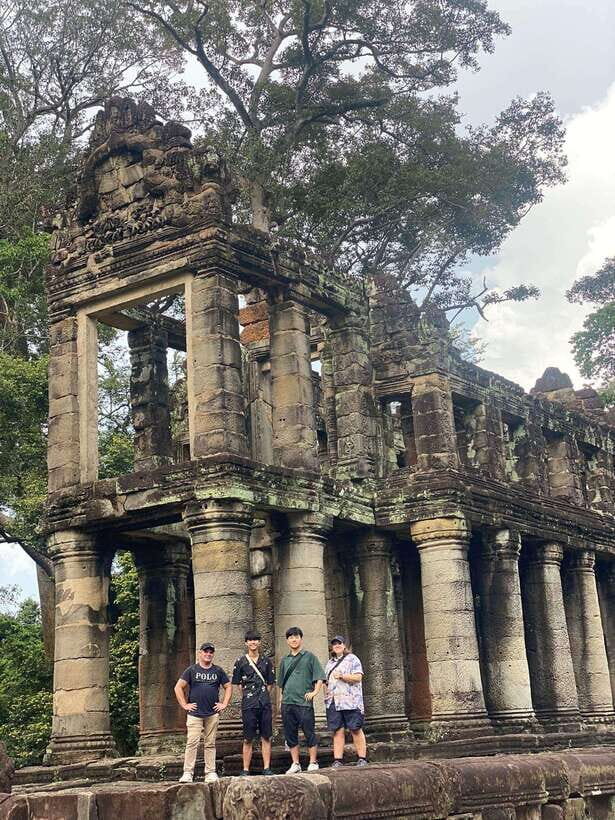
- Preah Khan: built with royal family meaning
- Neak Pean: water and bathing symbolism
- Ta Som: the East Gate tree
- East Mebon: an artificial island turned dry reservoir
- Pre-Rup: Hindu meditation space on the full moon
- Phnom Bakheang: sunset from the hill with 33 towers
- The Role of the English Guide (and Why Names Matter)
- Comfort, Heat, and Temple Etiquette You Should Plan For
- Who This 2-Day Angkor Wat Tour Is Best For
- Should You Book This Angkor Wat 2-Day Sunrise and Sunset Tour?
- FAQ
- What’s included in the $30 per person price?
- What’s not included?
- How long is the tour and what are the day schedules?
- Do I need to buy a temple pass ahead of time?
- Do I need a passport for this tour?
- What’s the dress code?
Key Things You’ll Notice on This 2-Day Angkor Tour
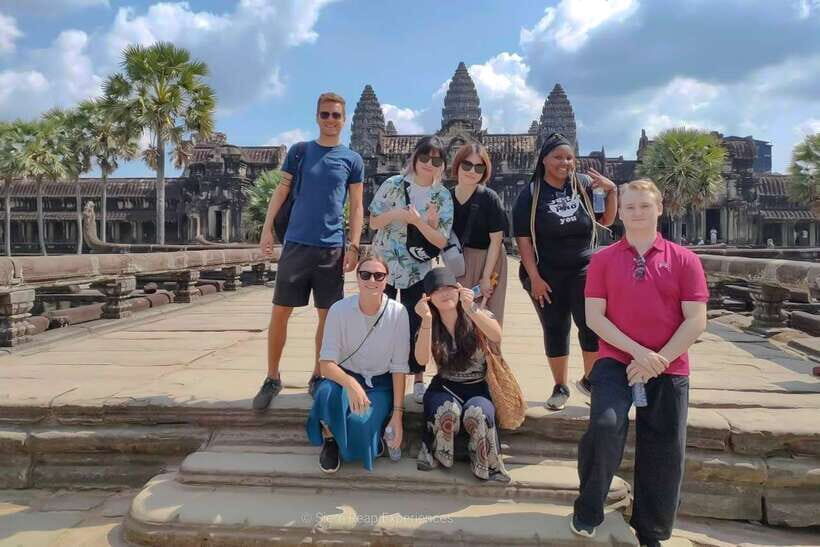
- A two-day “small tour then big tour” setup, so you cover standout temples without feeling like you’re sprinting nonstop
- Sunrise over Angkor Wat followed by a second-day sunset at Phnom Bakheang with 33 towers
- 11 temples visited, including Angkor Thom’s Bayon faces, Ta Som’s famous tree, and Pre-Rup’s full-moon meditation space
- Air-conditioned transport and chilled bottled water, plus a refreshing towel during the day
- English-speaking guides with strong photo awareness, and in past groups guides like Sam Vone, Sayon, and John have led either day
Two-Day Angkor Wat Tour: The Rhythm That Makes It Work
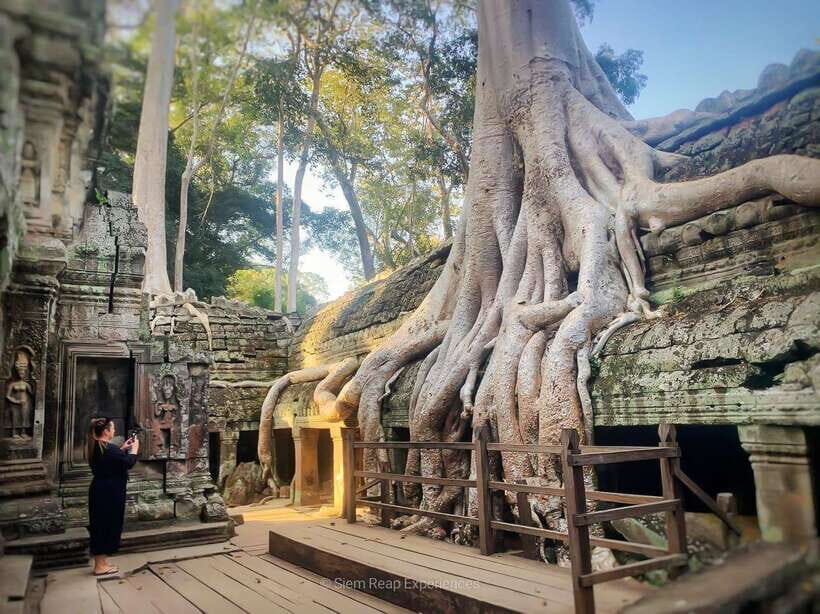
This tour is built for people who want the famous moments, but also want the meaning behind what they’re looking at. Angkor Wat isn’t just one temple; it’s part of a whole temple-city system. A good guide helps you see the pattern—religion, power, water engineering, and symbolism—so you remember more than just the silhouette.
The best part of the schedule is the split. Day 1 focuses on the morning light and a “smaller” set that still feels like a full outing, then Day 2 expands into a bigger loop that ends at sunset on a hill. If you’ve only got a limited window in Siem Reap, this structure is one of the easiest ways to hit both ends of the day—cooler mornings, hotter midday, and then the softer evening light.
You’ll travel with a small group (limited to 13) and a professional English-speaking guide. In real-world terms, that size usually means fewer delays at stops, and it’s easier for the guide to manage timing so you can see the temples instead of only waiting your turn.
You can also read our reviews of more guided tours in Siem Reap
Price and Temple Pass: What the $30 Includes (and What It Doesn’t)
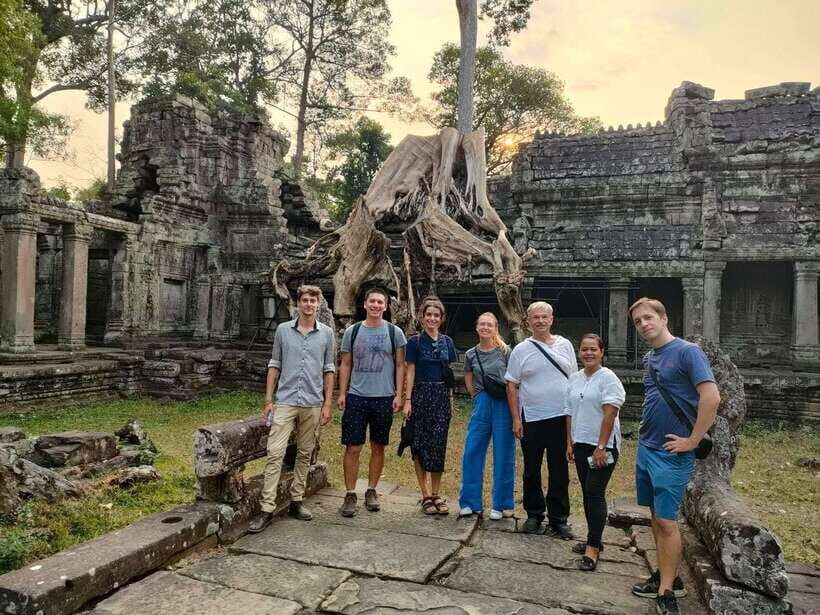
The tour price is $30 per person for 2 days, and that covers the parts that would cost you time on your own: hotel pickup/drop-off, an air-conditioned minibus, the English guide, and the temple visits across both days. You also get chilled bottled water and a refreshing towel, which is a big deal in Cambodia heat.
What’s not included is the Angkor Archaeological Park ticket. The ticket cost is listed as:
- 1-day: $37
- 2–3 days: $62
Because this experience runs over two separate days, you’ll typically want a pass that covers multi-day entry. If you want to explore beyond the guided stops (like extra wandering time), a 2–3 day ticket also gives you flexibility. I’d treat the $30 as the guided-value layer, and then budget the temple pass on top.
Also plan for meals. Breakfast or lunch may be available at local restaurants near the temples, but food and soft drinks aren’t included. In other words: the tour handles timing, transport, and guidance; you handle your own appetite.
Day 1 Sunrise Small Tour (4:30am–1pm): From Angkor Wat Glow to Ta Keo
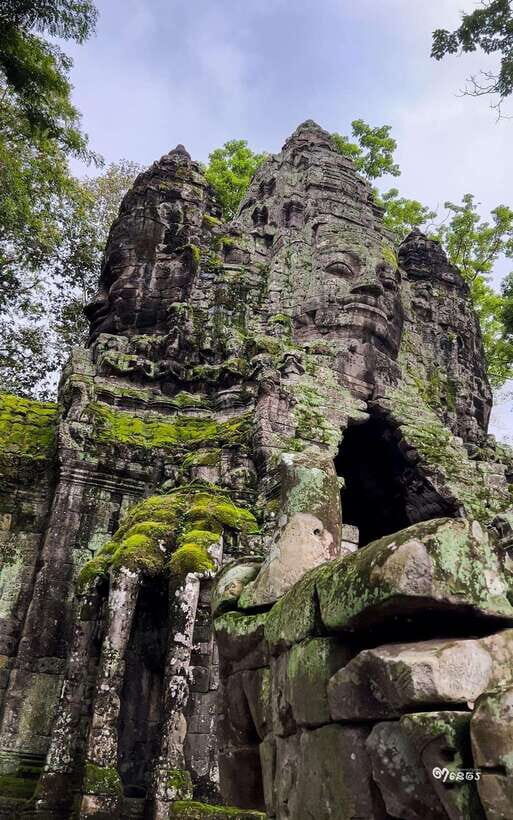
Day 1 starts incredibly early. Pickup is scheduled between 4:00am and 4:20am, and the sunrise small tour runs roughly 4:30am to 1:00pm. The upside is obvious: cooler temperatures and fewer crowds than later in the day.
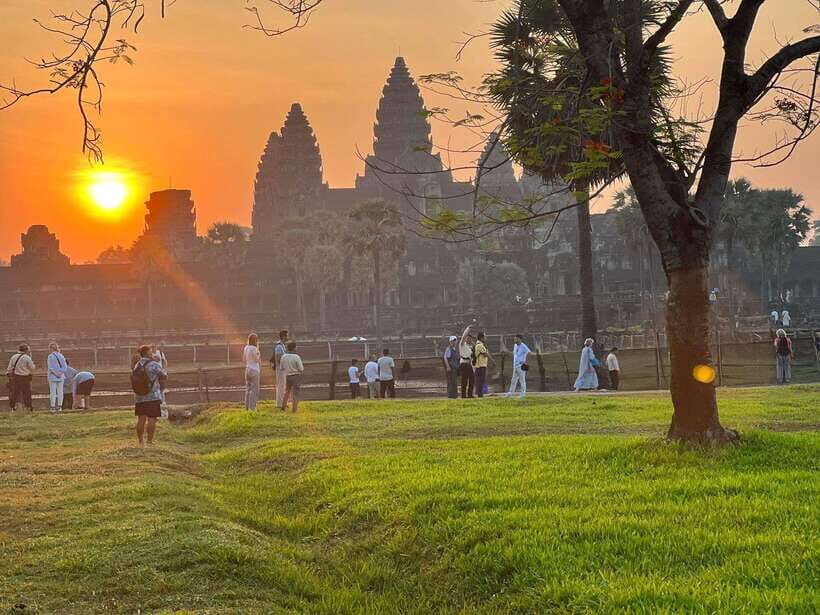
Angkor Wat at sunrise
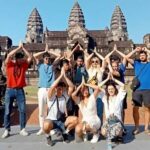
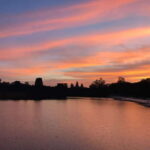
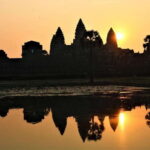
Angkor Wat is Cambodia’s best-known temple for a reason. At sunrise, the stone surfaces shift from dark gray to warm gold, and the symmetry of the central towers becomes impossible to ignore. This is where having a guide pays off. You’re not just looking; you’re learning how the temple’s layout reflects Khmer beliefs and royal power.
Practical note: sunrise tours can mean a long wait before the light hits the horizon. One review-style detail you should take seriously is the possibility of standing around for about 90 minutes in darkness depending on season and sunrise timing. Bring a hat or warm layer, and avoid assuming you’ll be instantly in position at the exact moment the sun appears.
Angkor Thom: jungle temple energy
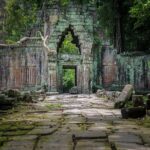
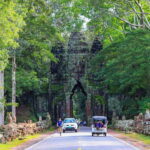
After the morning highlight, the tour shifts into the broader Angkor story with Angkor Thom. You’ll visit a well-known jungle temple area connected to Angkor Thom and the broader empire. The jungle setting matters, because it changes how you read the stones: these aren’t just ruins; they were once lived around and used.
This part is also a good place to slow down. The carved surfaces, the scale, and the way nature has reclaimed parts of the city make the history feel physical rather than abstract.
You can also read our reviews of more tours and experiences in Siem Reap
Bayon Temple: the smiling faces
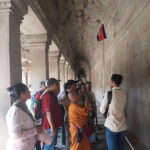
Bayon Temple is famous for its large stone faces. Seeing them in soft morning light is different from midday glare, and a guide’s commentary can help you understand why these faces are placed the way they are. This is a temple where details reward you. If you like photos, you’ll want a few angles rather than one quick shot.
Banteay Kdei: the Buddhist pyramid temple
Then comes Banteay Kdei, described here as a pyramid temple used by monks. That detail helps you notice what changes between sites: some are tied to older Hindu traditions, while others feel more like living sacred spaces. If you’re trying to build a mental map of the Khmer world, this stop helps you connect the dots.
Ta Keo: a 10th-century mountain temple
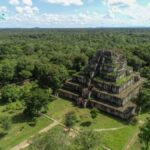
Day 1 ends with Ta Keo, a mountain temple built in the 10th century. Mountain temples matter because they represent the idea of a sacred realm above the everyday world. You’ll see why designers favored verticality and how the structure reinforces spiritual symbolism.
By the time you return to your accommodation at the end of Day 1, you’ll feel like you covered a lot—because you did.
Day 2 Sunset Big Tour (10:30am–7pm): Preah Khan Loop and Phnom Bakheang
Day 2 is longer, with hotel pickup around 10:00am–10:20am, and the big tour running roughly 10:30am to 7:00pm. Expect midday heat again, but also a chance to see temple details when the sun is higher and shadows are shorter. It’s a different look than Day 1, not a worse one.
Preah Khan: built with royal family meaning
Preah Khan is the biggest temple on this loop, built by King Bayon for his father. That kind of lineage detail helps you read the temple as a message from rulers, not just a monument left behind.
Neak Pean: water and bathing symbolism
Next is Neak Pean. The tour notes that the water around the island temple was used for bathing during the Angkor period. That’s a key practical insight: you’re not just looking at ruins; you’re seeing evidence of water rituals and how sacred life worked.
Ta Som: the East Gate tree
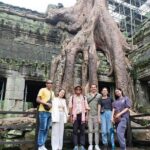
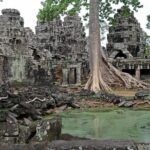
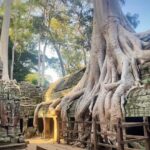
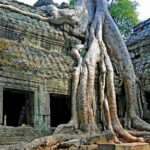
Ta Som has a distinctive tree that grew over the East Gate. This stop is where nature becomes part of the story, and you’ll notice how the scale of the temple frames the living world. It also tends to be a favorite for photos because it’s instantly recognizable.
East Mebon: an artificial island turned dry reservoir
East Mebon is described as once an artificial island, now lying in a dry reservoir. That shift is important. Angkor’s water system was engineering genius, but it wasn’t meant to stay the same forever. Even if you only have two days, this stop helps you understand that Angkor’s “landscapes” weren’t static.
Pre-Rup: Hindu meditation space on the full moon
Pre-Rup is a stone structure used by Hindus to meditate on the full moon. This is one of those moments where the guide’s explanations can transform what looks like “another ruin” into a place with a specific calendar in mind.
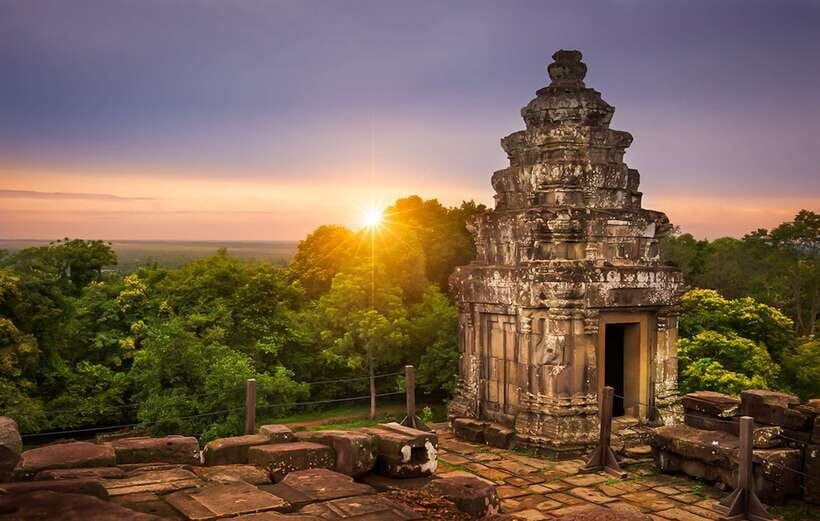
Phnom Bakheang: sunset from the hill with 33 towers
Finally, you reach Phnom Bakheang for sunset. It’s a hilltop temple with 33 towers representing the heavens. Sunset here works because the view and the symbolism line up: you’re watching light hit sacred forms while thinking about the idea of a celestial world.
If you care about photos, this ending is also a strong finish because you’ll have both meaning and timing. It’s one of those spots where you’ll want a few extra minutes to watch the sky change before you move on.
The Role of the English Guide (and Why Names Matter)
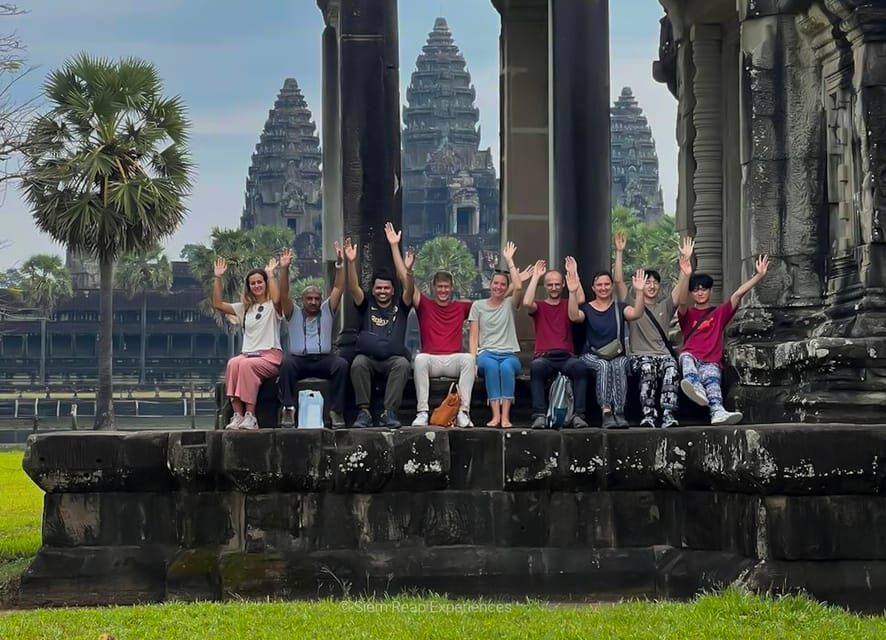
The tour runs with professional English-speaking guides, and the best part is how they connect carvings and layout to the Khmer empire. In past groups, guides such as Sam Vone, Sayon, John, Sam, Nick, and Pip have led either Day 1 or Day 2, and the recurring theme is clear: the guide doesn’t just recite facts. They explain what you’re looking at and where to stand for photos.
Some guides also seem to have a gift for reading the group. One consistent detail from real experiences is the sense that the guide keeps you moving at a good pace without turning the temples into a checkbox. People often mention built-in rest breaks during the day and bathroom stops at reasonable points in the route, which matters when you’re dealing with early mornings and long drives.
If you’re someone who gets lost in large sites, a guide helps you build an order. You stop seeing “lots of stone buildings,” and you start seeing a system: main temples, outer connections, water features, and the religious purpose behind the design choices.
Comfort, Heat, and Temple Etiquette You Should Plan For
Angkor days can be sweaty. Day 1 is cooler, but Day 2 runs through the hottest hours too. That’s why air-conditioned transport and repeated hydration matter here. The tour includes chilled bottled water, a refreshing towel, and an air-con minibus that’s ready to move when you finish a stop.
Dress code is not optional. You’ll want to cover knees and shoulders when visiting temples. Long pants and something that covers your shoulders are the safe call. Items listed as useful include:
- long pants
- hat
- sunscreen
- camera
- sarong
And there are clear no-go rules:
- short skirts, sleeveless shirts, and shorts aren’t allowed
- alcohol and drugs aren’t allowed
Cash is also worth carrying. Even if meals are available nearby, having cash helps if you want drinks, snacks, or anything extra at a restaurant.
One more practical timing detail: pickup works on a tight window. You’re asked to wait in the hotel lobby about 30 minutes before pickup, and drivers wait no longer than 5 minutes after the scheduled pickup time. That means you should double-check your hotel name and address details so you don’t lose time.
Who This 2-Day Angkor Wat Tour Is Best For
This fits best if you’re:
- visiting Siem Reap for a short time and want sunrise and sunset without planning two separate logistics days
- a first-time Angkor visitor who wants a guided map of the complex rather than random temple wandering
- into photography and want help finding good angles (many guides focus on photo-friendly spots and even take pictures for you)
It may feel like too much if you:
- hate early mornings (Day 1 starts around 4:00am–4:20am pickup)
- prefer very slow travel with long pauses at every ruin
- struggle with walking in heat and uneven temple surfaces
Also note the limits listed: it’s not suitable for babies under 1 year, people over 95 years, or wheelchair users.
Should You Book This Angkor Wat 2-Day Sunrise and Sunset Tour?
I think you should book this if you want an organized, high-value way to cover the main Angkor highlights across two very different light conditions. The combination of hotel pickup, small group size, English guides, and a tight set of 11 temples makes it easy to focus on the experience instead of the route.
I’d hesitate only if the idea of an early dark wait on Day 1 will stress you out, or if you’re hoping to skip the temple pass. Since the $30 tour is only the guided and transport layer, your total cost depends on buying the Angkor Archaeological Park ticket separately.
If you can handle the schedule and you want both the sunrise glow at Angkor Wat and the sunset view at Phnom Bakheang, this is a smart, efficient choice from Siem Reap.
FAQ
What’s included in the $30 per person price?
The tour price includes hotel pickup and drop-off in Siem Reap, an air-conditioned minibus, a professional English-speaking guide, the 2-day guided schedule (small tour Day 1 and big tour Day 2), visits to 11 temples, sunrise Day 1 and sunset Day 2, chilled bottled water, a refreshing towel, and local tax.
What’s not included?
Angkor Archaeological Park ticket entry is not included. Food and soft drinks are also not included.
How long is the tour and what are the day schedules?
The experience runs for 2 days. Day 1 is a sunrise small tour from about 4:30am to 1:00pm, and Day 2 is a sunset big tour from about 10:30am to 7:00pm.
Do I need to buy a temple pass ahead of time?
Yes. The Angkor Archaeological Park ticket is required and is not included. The information provided recommends purchasing the temple ticket online at angkorenterprise.gov.kh 1 day before the activity or in advance.
Do I need a passport for this tour?
No, this tour does not require a passport.
What’s the dress code?
You’ll need to cover your knees and shoulders when visiting temples. Short skirts, sleeveless shirts, and shorts are not allowed. Bringing a sarong can help.