REVIEW · SIEM REAP
Siem Reap: Angkor Wat 2day Big and Small Circuit Guided Tour
Book on GetYourGuide →Operated by Angkor Wat Share Tours · Bookable on GetYourGuide
Angkor is best when you pace yourself. This 2-day Angkor Wat Big and Small Circuit tour strings together the big moments—plus the quieter temple corners—so you’re not just ticking boxes. I like the tight focus on major sights like Angkor Wat sunrise and the South Gate area, and I also like how the guide ties temple scenes to Khmer life and meaning.
One thing to consider: you start early and you’ll walk a lot on uneven stone. If you’re not steady on your feet, or you need step-free access, this tour may feel like hard work more than fun.
In This Review
- Key highlights worth planning around
- The real win: two days that don’t feel rushed
- Day 1 at sunset: the calm start, then the temple loop
- Temples that explain Khmer thinking (Pre Rup and Phnom Bakheang)
- Day 2 sunrise: Angkor Wat when the light does the talking
- Angkor Thom, Bayon smiles, and the statue-lined bridge
- Ta Prohm: the jungle temple and the Tomb Raider effect
- Banteay Kdei and the pyramid temple mood
- Ta Keo: climb a mountain temple without rushing it
- Tickets, rules, and what to bring so you’re not miserable
- Transportation and comfort: the small things that add up
- Price and value: why $39 can make sense (and when it won’t)
- Who this tour suits best (and who should think twice)
- Should you book this Angkor Wat Big and Small Circuit tour?
- FAQ
- What’s included in the tour price?
- Are temple entrance fees included?
- Is food included?
- What time of day does the tour operate?
- Do I need to buy anything before I go?
- What’s the tour language?
- What should I not do at the temples?
- Is it suitable for kids or people with mobility needs?
Key highlights worth planning around
- Sunset to sunrise rhythm so you see temples in two different moods
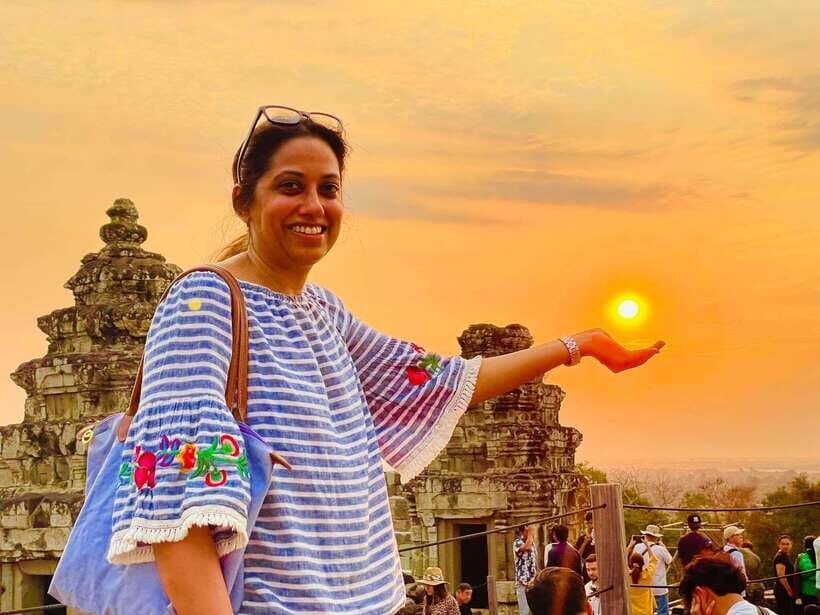
- Angkor Wat at first light, when the crowds are still on pause
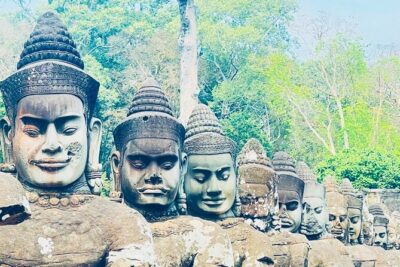
- South Gate of Angkor Thom and the bridge lined with statue figures
- Ta Prohm’s jungle drama (and yes, the Tomb Raider connection)
- Less-visited temples like Banteay Kdei and Ta Keo for a more human scale
- An English guide like Sayon or Sam who explains what you’re looking at
The real win: two days that don’t feel rushed
This tour hits the sweet spot between “just the famous stuff” and “I need a second vacation after this vacation.” You cover a wide range of temples across two days, with a sunrise morning that sets the tone and a cooler, calmer pace later in the day.
I especially like that the schedule makes time for the big visual moments and for the meaning behind them. A good guide changes how you read stone carvings. Suddenly you’re not just seeing faces and towers—you’re spotting design choices that reflect how Khmer rulers wanted people to experience power, faith, and daily life.
You can also read our reviews of more guided tours in Siem Reap
Day 1 at sunset: the calm start, then the temple loop
Day 1 begins at sunset, which is a smart way to start if you want photos and atmosphere without heat exhaustion. Instead of sprinting straight to the loudest targets, you get a proper introduction to the Angkor complex and the way different temple zones connect.
Your Day 1 circuit is built around a cluster of impressive temples. You’ll visit Preah Khan, a major temple in this loop, associated with King Jayavarman VII—known for dedicating grand religious spaces to family. The guide frames it as a place with scale and purpose, not a random stop.
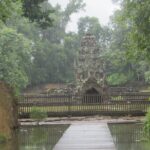
Then you move through smaller, story-driven sights that reward attention. Neak Pean is one of those. The water around the temple island was used for bathing and health in the Angkor period, so it’s not only a pretty structure—it’s tied to wellness rituals.
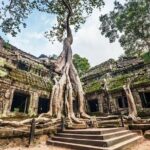
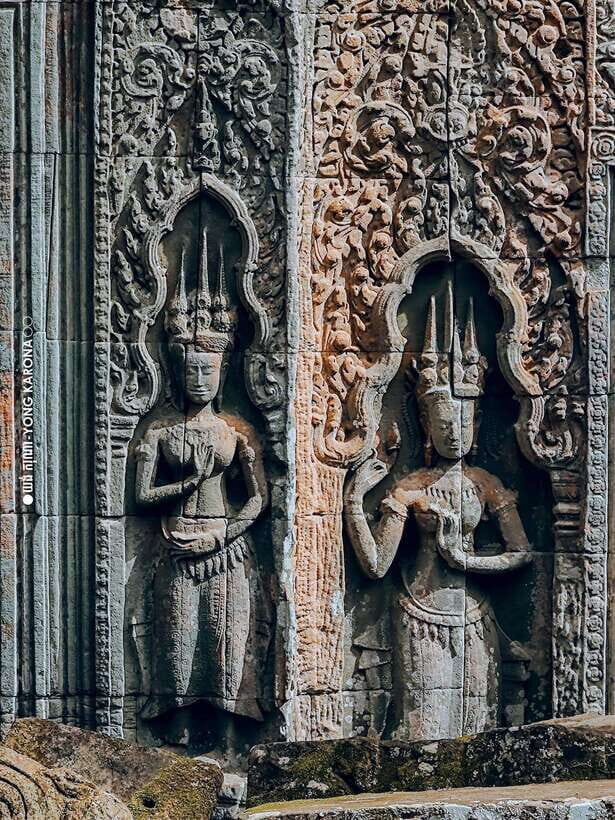
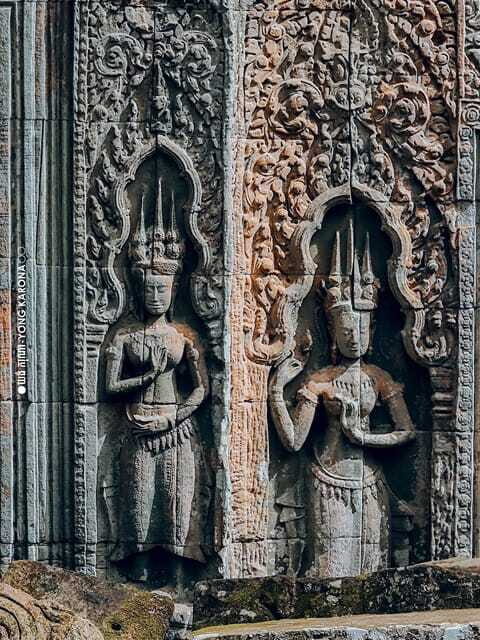
A couple stops feel like you’re walking through design choices that reflect specific people and beliefs. Ta Som has a standout big tree over the east gate, plus lots of sculpted dancers with long hair, built for the king’s sister. East Mebon connects to ancestor worship and was originally in the middle of a reservoir; the tour notes it was constructed as early as the 10th century, which gives you a sense of how long these places have been shaping the landscape.
Temples that explain Khmer thinking (Pre Rup and Phnom Bakheang)
Day 1 also includes temples where the shape is part of the lesson. Pre Rup is often mistaken for a crematorium because of a coffin-like stone structure used by Hindus to meditate. Even if you don’t know the terms yet, you’ll see how architecture can be a visual shortcut to spiritual ideas.
Next up is Phnom Bakheang, set on a hill with 33 towers representing the heavens. That detail matters because it shows how rulers mapped the cosmos into stone. You’re not just climbing—you’re looking at a built version of the sky.
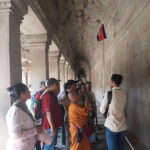
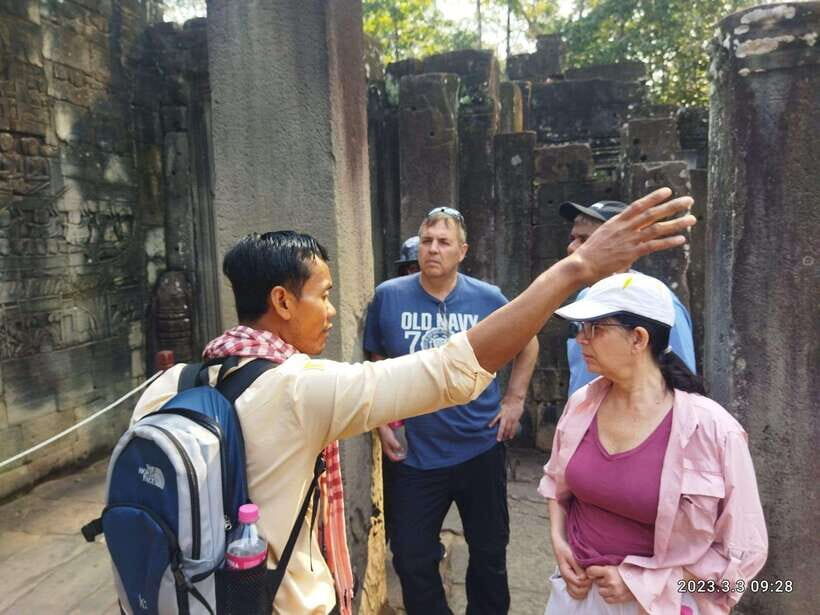
Throughout Day 1, the tour’s structure helps you avoid the biggest Angkor pain point: arriving at a place with zero context. With an English guide explaining what you’re seeing, even the “less iconic” temples start to click.
Day 2 sunrise: Angkor Wat when the light does the talking
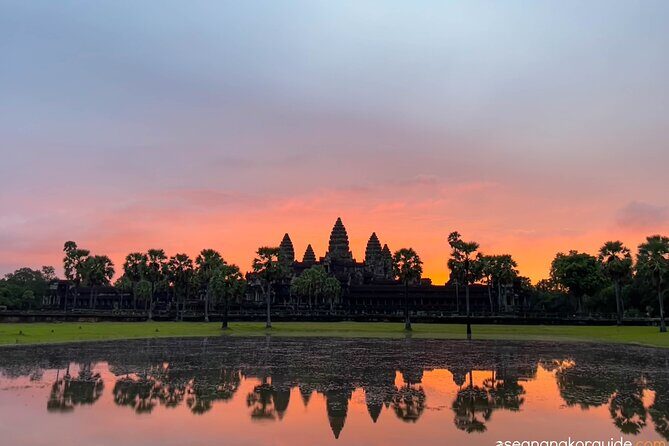
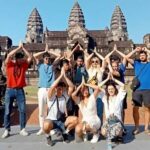
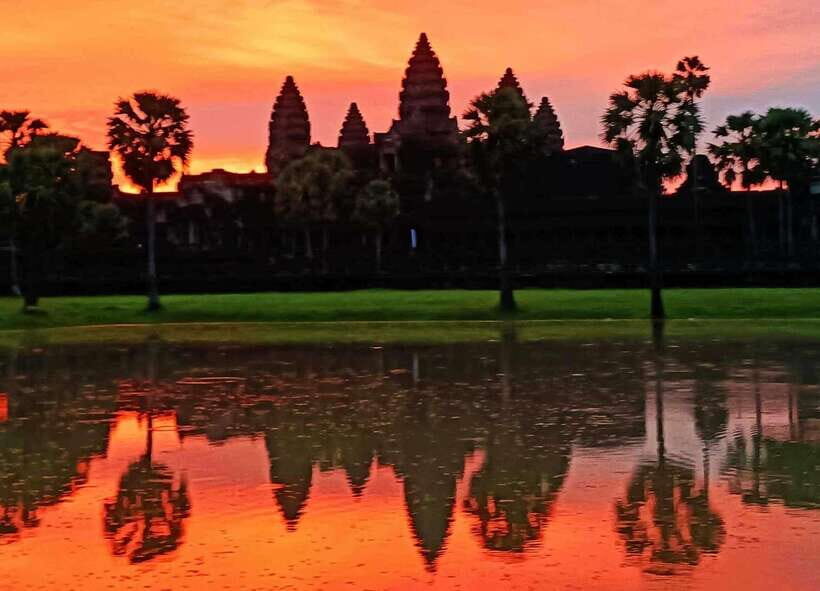
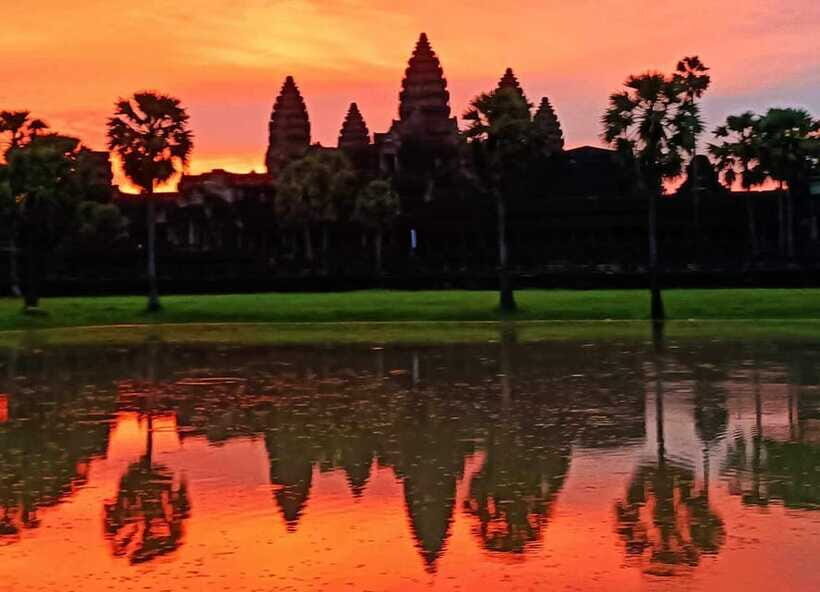
Day 2 is the big emotional moment. You wake up early for sunrise over Angkor Wat, and this timing isn’t just a photo gimmick. Early morning light makes the stone glow and reduces the harsh glare that can flatten carvings.
The tour is a small-group style experience, which I think matters for sunrise. In practical terms, you move more calmly and you’re not constantly squeezed around. You also benefit from the cooler morning air and fewer crowds, then you can explore other temples as the day warms up.
When you’re at Angkor Wat, watch how the temple’s geometry lines up with the horizon. The guide’s context helps you notice why certain views were designed to be experienced from particular angles, not just admired from anywhere.
Angkor Thom, Bayon smiles, and the statue-lined bridge
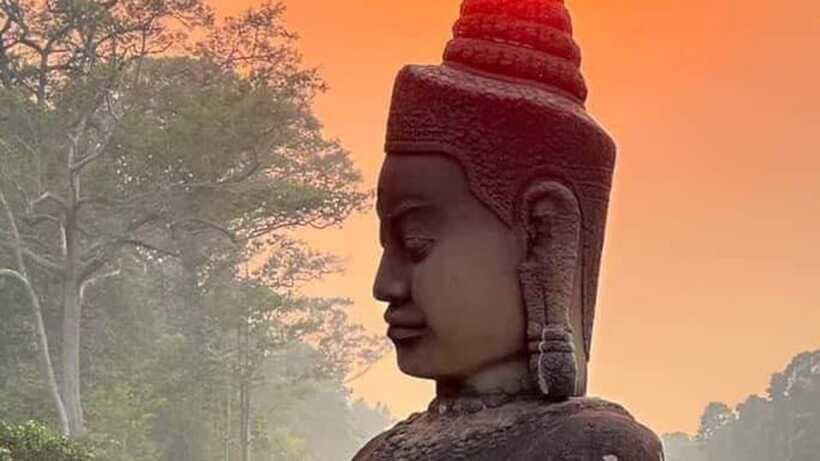
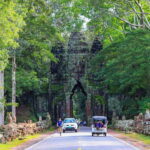
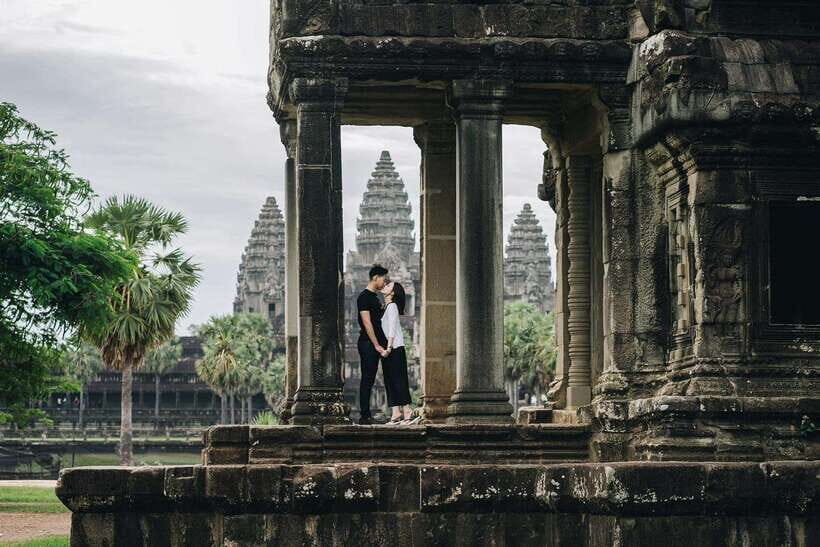
After the sunrise focus, the tour shifts to the power-center feel of Angkor Thom. One of your first major Angkor Thom sights is the South Gate, which is famous for dramatic entrances and for giving you that first “I’m inside the city” moment.
You’ll also see the bridge of statues of gods. It’s one of those details you can miss if you rush, but if you slow down you’ll understand it as a symbolic passage—like crossing from everyday time into sacred time. The guide helps you connect the visual theme to Khmer cultural storytelling.
Then you visit Bayon, home to large smiling faces. The faces are instantly striking, but the guide’s explanation helps you see them as more than a cute trademark. They’re part of a broader message about rulers, devotion, and how a city expresses authority.
You can also read our reviews of more tours and experiences in Siem Reap
Ta Prohm: the jungle temple and the Tomb Raider effect
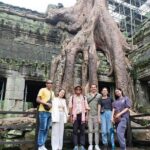
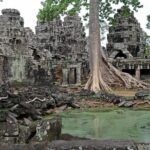
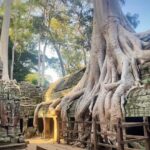
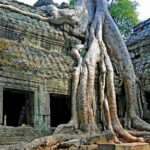
Next is Ta Prohm, the well-known jungle temple. This is the stop where pop culture energy meets real archaeology. The tour points out the Tomb Raider movie connection, but the better value is using that recognition as a doorway into what the temple actually represents.
Ta Prohm’s feel is different from more restored sites because nature is allowed to participate in the scene. You’ll notice how roots and vegetation shape the visual frame, making the carvings feel more “found” than “displayed.” It’s haunting in a grounded way—like the temple is still having a conversation with time.
If you’re the type who gets impatient with slow ruins, Ta Prohm can win you over with momentum. It’s not just standing still; it’s growing around stone.
Banteay Kdei and the pyramid temple mood
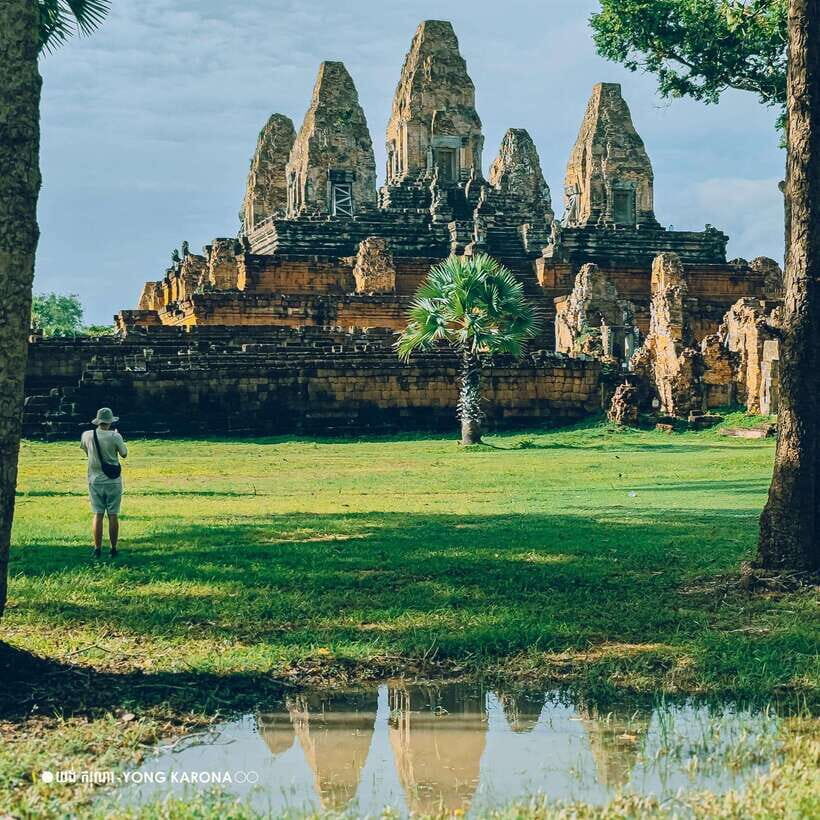
As the day continues, you’ll visit temples that don’t always get the same attention as Angkor Wat and Ta Prohm, and that’s exactly why this tour is worth a look.
You stop at Banteay Kdei, described here as a Buddhist temple. The experience leans more contemplative. You’ll get a quieter feel, with lots to look at if you let yourself slow down for a few minutes rather than pushing straight through.
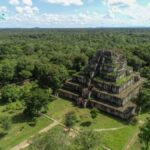
The tour also includes a pyramid temple that’s largely unrestored and used by monks. This type of site can feel more alive because it’s not frozen in museum mode. Still, unrestored areas can mean more uneven paths and less “polished” signage—go steady and keep your eyes on the ground.
Ta Keo: climb a mountain temple without rushing it
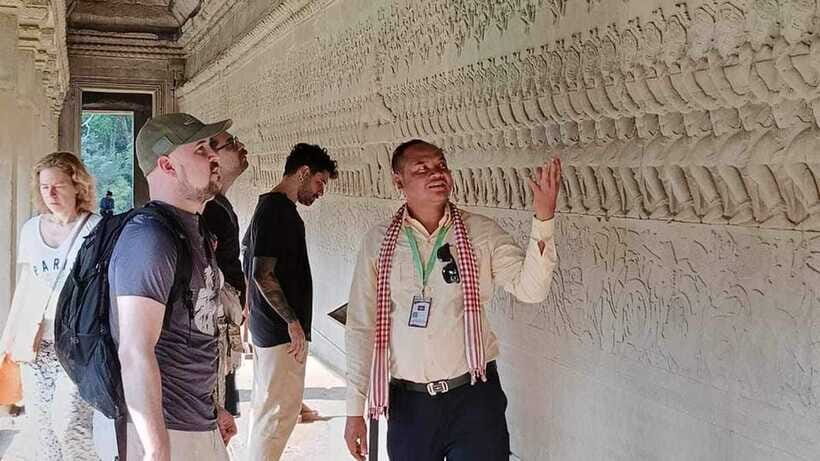
One of the most interesting day-2 contrasts is Ta Keo, a mountain temple built in the 10th century. You’ll walk up, and that climb matters. As you rise, the temple transitions from ground-level textures to the higher viewpoint logic—how the Khmer designed a spiritual ascent.
The tour notes a neat idea: you’re stepping between ancient and modern eras. Even if you don’t think about it consciously, you’ll feel the contrast as you move upward toward the sky line while seeing modern activity around the complex from a different angle.
Tickets, rules, and what to bring so you’re not miserable
Temple passes are not included, and you’ll need them to enter. The tour notes you can purchase the temple pass online or at the ticket office through Angkor Enterprise, using:
https://www.angkorenterprise.gov.kh/
Don’t wait until the last minute to think about what you’ll carry. You’ll want comfortable shoes first. Angkor stone can be slick, and distances add up faster than your brain expects at 8 a.m.
Bring a hat, sunscreen, and water. The tour includes cool water, a wipe towel, and rest breaks, which is great, but you still want your own hydration routine. A camera helps, and a copy of your passport or ID is acceptable for what you’ll need on the ground.
Two important rules to remember: no flash photography and no littering. It’s not just etiquette. It keeps the temples respectful and keeps your tour moving smoothly.
Transportation and comfort: the small things that add up
The tour uses a van with AC, and that matters in Cambodia heat—especially when you’re bouncing between temple zones. Pickup and drop-off at your hotel are included, which reduces the stress of timing and meeting points.
You’ll also get rest breaks, plus cool water and wipe towel. Those pauses sound minor until you’re standing in full sun trying to hold your camera steady. This tour’s comfort touches help you keep energy for the walk-heavy parts.
Price and value: why $39 can make sense (and when it won’t)
At $39 per person for 2 days, you’re paying for guided coverage, transportation, and the sunrise/sunset viewing setup. That’s often where day tours quietly cost you more when you try to piece everything together on your own.
Here’s the tradeoff: temple entrance fees and food are not included, so your total day expense will be more than $39. If you plan to eat on your own each day and buy the pass day-by-day, you should budget for that.
Still, the value is in how the guide shapes the experience. The reviews highlight guides like Sayon and Sam for their knowledge and positive energy, and that’s exactly what you want at Angkor—someone to turn stone into sense.
Who this tour suits best (and who should think twice)
This works well for you if:
- You want a structured way to see major Angkor highlights and a set of less famous temples
- You like learning as you go, not after the fact
- You’re okay with early starts and plenty of walking
It’s not suitable for children under 12, people with mobility impairments, or wheelchair users. Even if you can manage short walks, uneven temple ground can turn a fun day into an exhausting one.
Also, consider your style. If you prefer total freedom to wander at your own speed, a guided plan may feel a bit tight. But if you want the “best use of time” approach, the two-day rhythm fits well.
Should you book this Angkor Wat Big and Small Circuit tour?
If you want to see Angkor Wat at both ends of the day—sunrise and sunset—and also get thoughtful context for the temple meanings, I think this is a strong pick. The guide-led approach, the AC van, and the small-group pace are practical wins that make the whole experience easier to enjoy.
Book it if you’re excited about temples and you don’t mind walking. Skip it if you’re looking for step-free access or you’d rather avoid an early-morning start.
In short: this tour is best for people who want great sights, good guidance, and a realistic plan that helps you feel like you actually understood what you saw.
FAQ
What’s included in the tour price?
The tour includes a guided tour, transportation by AC van, sunset and sunrise viewings for 2 days, hotel pickup/drop-off, rest breaks, cool water and wipe towel, and local tax.
Are temple entrance fees included?
No. Temple entrance fees are not included and must be purchased separately.
Is food included?
No. Food is not included.
What time of day does the tour operate?
Day 1 starts at sunset, and Day 2 includes an early sunrise viewing over Angkor Wat.
Do I need to buy anything before I go?
You’ll need a temple pass, which you can buy online or at the ticket office. You’ll also want to bring essentials like comfortable shoes, a hat, sunscreen, and water.
What’s the tour language?
The live guide speaks English.
What should I not do at the temples?
Flash photography is not allowed, and you should not litter.
Is it suitable for kids or people with mobility needs?
It’s not suitable for children under 12, people with mobility impairments, or wheelchair users.