REVIEW · PHNOM PENH
Silk Island Tuk Tuk Tour
Book on Viator →Operated by The Killing field and Toul Sleng genocide museum S21 Tour · Bookable on Viator
Silk and small-town life on four wheels. This tuk tuk tour is a smooth way to get out of Phnom Penh and into the Mekong delta countryside, with stops built around hands-on craft-making and everyday rural routines. You’ll ride past rice paddies and traditional villages, then watch silk work up close in places that focus on the real process, not just the finished product.
I really like two things here: first, the chance to see silk creation step-by-step, including how the material comes from moth eggs through to finished items. Second, I love that the tour mixes crafts with Cambodian religious and market life, so you get more than one kind of experience in one half-day. If you’re shopping, this is also a tour where you can buy a scarf you’ll actually see made the old fashioned way by hand.
One thing to consider: this runs outdoors for much of the day, and it needs good weather. If it’s poor weather, you may be offered a different date or a full refund, so check forecasts if you’re on a tight schedule.
In This Review
- Key things to know before you go
- Why a Silk Island Tuk Tuk Tour Works So Well in Phnom Penh
- Picking Up, Riding Out, and How the 4–5 Hour Rhythm Feels
- Stop 1: Mekong Silk Island 099 and Watching Silk Go From Moth to Scarf
- Koh Dach Part 1: Chamka Sne Silk Farm and Traditional Making
- Koh Dach Part 2: Pagoda, Market Life, and Krama, Nets, and Sarongs
- Ferry Back to Phnom Penh: Using the Last Hour Well
- Price, Value, and What You Actually Get for $80
- Who This Tour Fits Best (and who should skip it)
- Should You Book Silk Island Tuk Tuk Tour?
- FAQ
- How long is the Silk Island Tuk Tuk Tour?
- How much does it cost?
- What’s included in the price?
- What isn’t included?
- Where is the meeting point?
- Is there a ticket app or physical ticket?
- Is the group small?
- What happens if weather is bad?
Key things to know before you go

- Small-group feel (max 20 travelers), which keeps the ride and stops from feeling chaotic.
- Silk Island demo with a resident showing how silk goes from moth stage to finished products.
- Koh Dach craft variety across silk weaving, pottery, dyeing, and wood carving.
- You’ll see local production like mosquito nets and silk krama-style items made by traditional ways.
- Included tuk tuk + safe driver plus bottled water and snacks to keep the half-day comfortable.
- Ferry back to Phnom Penh gives the tour a nice, easy ending rather than another long road ride.
Why a Silk Island Tuk Tuk Tour Works So Well in Phnom Penh
This tour is built for people who want a real taste of Cambodia beyond the main city sights—without committing to a full day. You’re moving through the Mekong delta world by tuk tuk, which means you don’t feel stuck in one place like you sometimes do on bus tours. It also makes the countryside feel closer: you’re traveling along paths and local roads, not just passing scenery from a distance.
The other smart part is the mix of craft and daily life. Silk Island and Koh Dach aren’t presented as random photo stops. They’re paired with village routines—pagoda time, markets, and farmers’ work—so you see how traditional production fits into everyday Cambodian life. Even better, the tour includes entrance fees and the practical things you’d rather not deal with mid-trip, like bottled water and snacks.
You also get an English-speaking guide, and one guide name stands out from recent feedback: Visal. That matters because the value of a craft stop depends a lot on understanding what you’re seeing, and a good guide helps you connect the dots fast.
You can also read our reviews of more tours and experiences in Phnom Penh.



Picking Up, Riding Out, and How the 4–5 Hour Rhythm Feels
The tour starts at the G Mekong Hotel / Orussey Market area (419 មហាវិថី ព្រះមុនីវង្ស (៩៣), Phnom Penh). You’ll be picked up and then transported by tuk tuk, with a safe driver and a professional English-speaking guide.
Plan for about 4 to 5 hours total, including travel and all stops. The schedule is fairly “steady” rather than rushed: you have a full hour on Silk Island, two focused hours on Koh Dach, another hour covering more village and market life, then about an hour wrapping up with the ferry back to Phnom Penh. That pacing is ideal if you want a half-day excursion you can still enjoy later the same evening.
A small group limit (up to 20) also changes how you experience the day. You’re more likely to hear explanations, get time at the craft areas, and move through the ferry and switching points without feeling like you’re part of a long conveyor belt.
One small practical note: this uses a mobile ticket, so have your confirmation accessible on your phone.
Stop 1: Mekong Silk Island 099 and Watching Silk Go From Moth to Scarf
Silk Island is where the tour earns its name. You’ll cross by getting to the other side of the riverbank, then ride by tuk tuk along the island paths. The idea is simple: countryside first, then crafts up close.
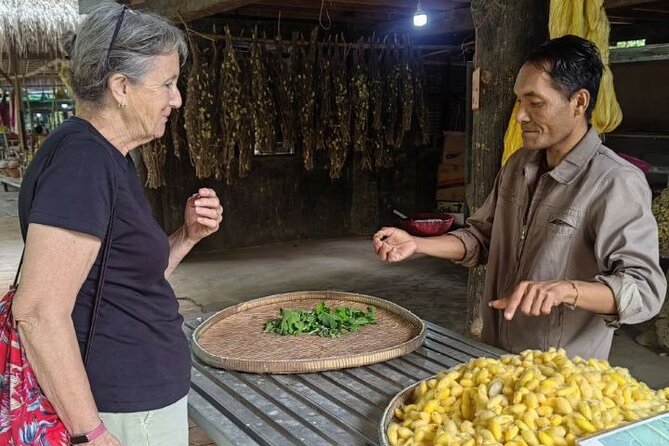
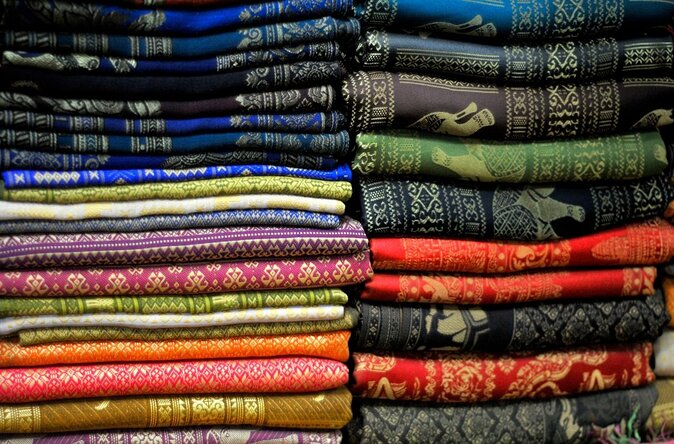
The centerpiece is the Silk Island area at Mekong Silk Island 099, where admission is included. This is also where the tour can feel most memorable, because you’re not only looking at scarves or textiles—you’re seeing how they’re made. In one strong highlight, a resident walks you through the silk process, including the life cycle beginning with moth eggs and how that becomes finished products.
For you, the value here is clear: if you’ve ever wondered how silk becomes wearable, this stop answers it in a way that feels real. And if you want to buy something, you’re making that purchase with better context. You’ll see the effort behind the fabric and understand why handmade scarves cost what they do.
This stop is set to about 1 hour, which is long enough to watch the main process and ask questions, but not so long that it turns into standing in one room. If you tend to like hands-on craft demos, this is the part to prioritize with your attention.
Koh Dach Part 1: Chamka Sne Silk Farm and Traditional Making
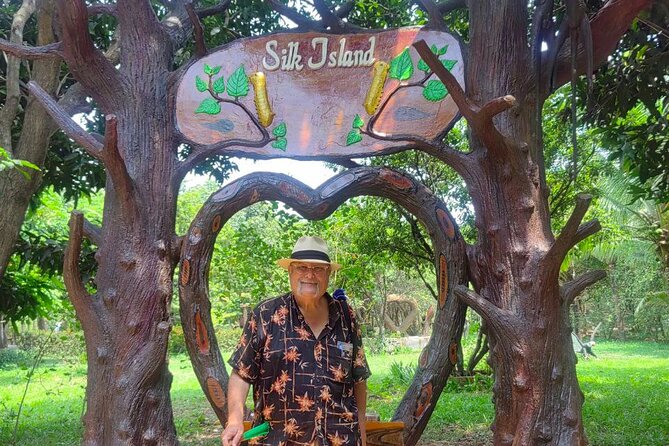
After Silk Island, you head to Koh Dach, and this portion is a big reason people enjoy the day. You’re given time to see a craft-focused operation that works in multiple mediums, not just one.
At Koh Dach, the tour visits the Chamka Sne silk farm, where traditional handicraft processing is part of the tour flow. You can see work related to silk weaving, pottery, dyeing, and wood carving. That variety matters because it helps you understand the ecosystem of making on Koh Dach: textile work doesn’t live alone, and dyeing and other crafts support the final products you might see for sale.
This stop is listed for about 2 hours, with admission/free entry noted in the schedule, while the overall tour includes entrance fees. Either way, the experience is the point: you’re spending time in working spaces where people do the same kind of work over and over, not just perform a quick demonstration and move on.
If you like craftsmanship, this is where your “wow” switches from spectacle to appreciation. You’ll start noticing details—how materials are prepared, how color processes link to weaving, and how multiple crafts might feed into the same product family.
Koh Dach Part 2: Pagoda, Market Life, and Krama, Nets, and Sarongs
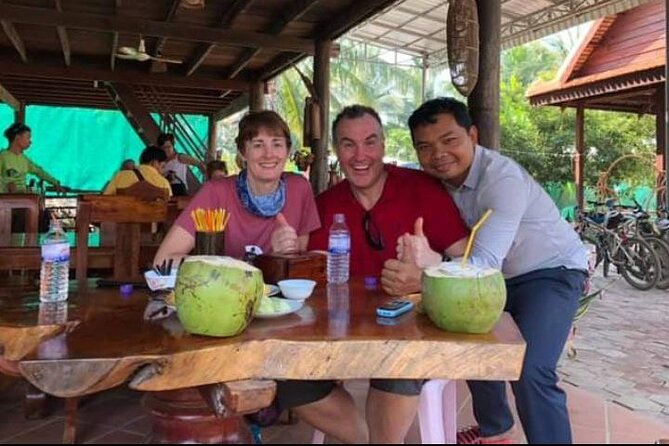
The second Koh Dach segment shifts from craft workshops into community life. You’ll visit a local pagoda, then move through the village and market area. The tour is designed to show day-to-day routines of farmers and producers.
This part is where the products get very specific. You’ll see daily-life work connected to making mosquito net, silk sarong, phamuong, Hol, and silk krama, using traditional ways. That detail is worth paying attention to because it shows what’s actually important to the people who live here—items used in daily life, not just souvenirs made for visitors.
You’ll also get a fuller feel for how religious and market spaces fit together. A pagoda stop isn’t just a viewpoint; it’s part of how Cambodian villages organize time and community. Then you follow that with markets and farm routines, so the cultural picture feels coherent rather than stitched together.
This portion lasts around 1 hour. It’s a good length for a market/village walk without turning the tour into a long trudge in the sun. It’s also long enough for you to ask practical questions about what you’re seeing—especially if you’re curious about the meaning behind krama and how these everyday textiles are produced.


Ferry Back to Phnom Penh: Using the Last Hour Well
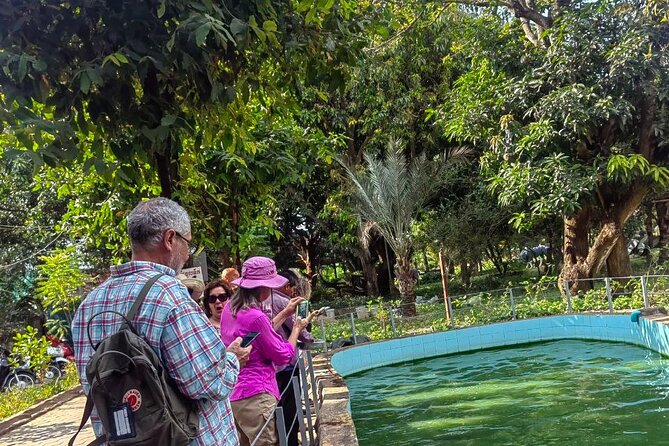
The tour wraps with transport back toward Phnom Penh, including a ferry crossing. The last segment is about 1 hour, and it’s timed as an ending rather than another stressful scramble.
For you, the ferry ride has a couple practical perks. First, it gives your legs a break after tuk tuk and walking time. Second, the return portion is when you can process what you saw: silk production techniques, dye and craft variety, and the village routines around the pagoda and market.
This is also where you’ll likely decide what to do with any shopping you held off on earlier. If you bought a scarf or textile piece, the return ride is a calmer moment to store it safely and plan how you’ll pack it. And if you skipped shopping earlier, you still get a community-focused view that can help you judge what items are worth your money.
You end back at the meeting point in the same general area where the tour began.
Price, Value, and What You Actually Get for $80
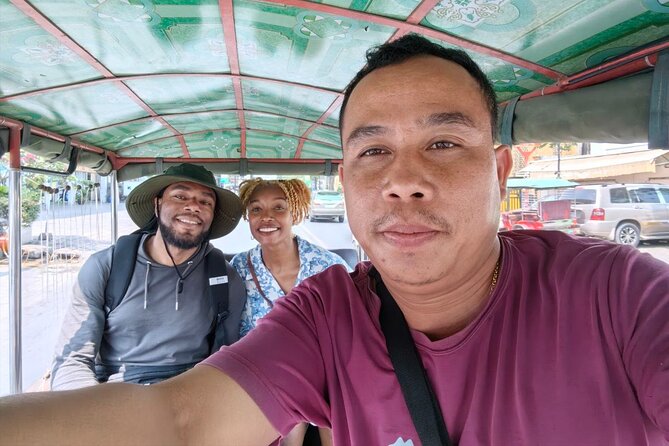
At $80 per person, this tour sits in the “worth considering” category, mostly because it bundles a lot of the logistics that can eat up time and energy on your own. For your money, you get a professional English-speaking guide, tuk tuk with a safe driver, bottled water, snacks, and entrance fees.
That matters because in this region, transportation and access to craft sites can be the hard part—not the sights themselves. The cost makes more sense when you see how many moving parts you’re getting handled for you in a half-day: island transport and craft entry, then Koh Dach craft time, then ferry back.
Also pay attention to the way the tour is structured around meaningful stops. You’re not just collecting stamps—you’re seeing silk making in detail, then exploring craft variety, then connecting it to village and market life. That flow is what makes the price feel more reasonable than a single workshop tour.
The “not included” list is small: no travel insurance, and you’re responsible for personal expenses. If you’re already carrying the usual basics (water preferences, sunscreen, and spending cash if you want to shop), you’re set.
Who This Tour Fits Best (and who should skip it)
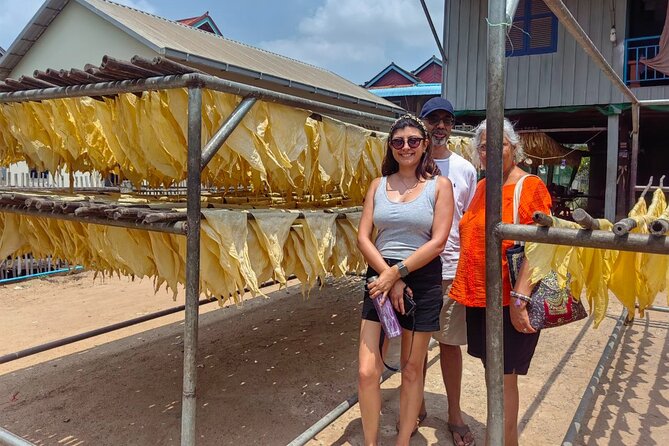
This tour fits best if you want a short Cambodian countryside day that stays connected to real production and real community spaces. You’ll likely enjoy it if you:
- like hands-on craft demonstrations and want to understand processes, not just buy items
- want to see how silk and textiles show up in daily village life
- prefer a guided half-day structure with transport handled
It may be less ideal if you’re expecting a long, nature-heavy excursion with lots of free roaming time. This is more about craft sites, village stops, and guided explanation than wandering on your own for hours.
If you don’t want to shop at all, you can still enjoy the day for the visuals and the working routines—especially the silk process overview and the Koh Dach craft variety. Just don’t assume it’s a museum-only vibe; you’re walking through active, working spaces.
Finally, because the experience requires good weather, plan around that if you’re visiting in rainy or storm-prone periods.
Should You Book Silk Island Tuk Tuk Tour?
I’d book it if you want the best kind of “cultural craft day”: guided, compact, and focused on how things are actually made. The strongest reasons to go are the silk process you can see in detail, the named craft stop at Chamka Sne silk farm, and the way Koh Dach includes both pagoda/village life and very specific everyday textile production like mosquito nets and silk krama.
Skip or delay it only if weather is questionable for your dates, or if you’re looking for something that’s purely sightseeing with no connection to craft work or market life. For most people staying in Phnom Penh who want a half-day that feels authentic and organized, this is a good value use of time.
FAQ
How long is the Silk Island Tuk Tuk Tour?
It runs about 4 to 5 hours.
How much does it cost?
The price is $80.00 per person.
What’s included in the price?
A professional English-speaking tour guide, tuk tuk with a safe driver, bottled water, snacks, and entrance fee tickets.
What isn’t included?
Travel insurance and any personal expenses.
Where is the meeting point?
At G Mekong Hotel / Orussey Market area in Phnom Penh.
Is there a ticket app or physical ticket?
You receive a mobile ticket.
Is the group small?
Yes. The maximum group size is 20 travelers.
What happens if weather is bad?
The tour requires good weather. If it’s canceled due to poor weather, you’ll be offered a different date or a full refund.