REVIEW · SIEM REAP
Angkor Wat full Day ‘Small Group with sunset & Tour Guide
Book on Viator →Operated by Angkor Wat Shared Tours · Bookable on Viator
Angkor Wat feels bigger with the right flow. This full-day small-group tour from Siem Reap is built around a guide sorting the key stops and timing the day for temple highlights. I also like the comfort factor: air-conditioned transport plus bottled water at each step, which matters fast in Cambodia heat.
You’ll visit major hits like Angkor Wat, the tree-choked Ta Prohm (Tomb Raider fame), and the sunset lookout at Phnom Bakheng. One thing to plan for: Angkor Park admission isn’t included, so you’ll need to handle the entry ticket directly with the park, and that can add cost to a tour that otherwise looks extremely affordable.
In This Review
- Key things to know before you go
- Entering the Angkor circuit the sensible way
- Your 9:30 AM start: why timing shapes the whole day
- Angkor Wat: the main show, paced with a guide
- Banteay Kdei: roots, ruins, and the stones breathing again
- Ta Prohm: the movie-famous jungle temple
- Ta Keo and Angkor Thom: two temples that change the atmosphere
- Phnom Bakheng sunset: the view you’re paying for
- Price and value: why $14.50 can still be a full-day cost
- Guides make or break the day (and you’ll feel it)
- Logistics that you can control: pickup, meeting point, and pacing
- What to expect at each hour block
- Before you book: who this tour fits best
- Should you book this Angkor Wat small-group sunset tour?
- FAQ
- What time does the tour start?
- How long is the full-day Angkor Wat tour?
- Is hotel pickup and drop-off included?
- Where does the tour start if I’m meeting the group?
- Are Angkor Park tickets included in the price?
- Is lunch included?
- What’s included besides the guide and transport?
- How big is the group?
- Does the tour include sunset?
- What if weather is poor?
Key things to know before you go
- A guide runs the day so you’re not guessing which parts of the Angkor complex matter most
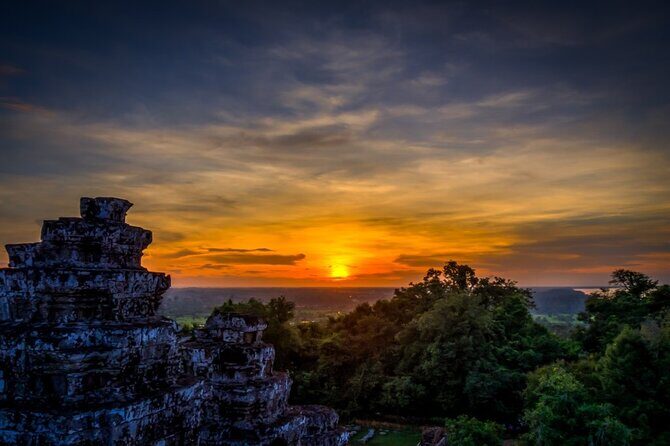
- Built-in sunset timing with a dedicated viewpoint from Phnom Bakheng overlooking Angkor Wat
- Small group size (up to 15 people) for a more relaxed pace than the giant buses
- Cooling stops are part of the experience with bottled water, and some guides provide extra cooling like cold napkins or wet cloths
- Most stops are short and focused (about an hour each), which helps you see more without losing the day
- Extra costs are real: entry tickets and food are not included beyond water
Entering the Angkor circuit the sensible way
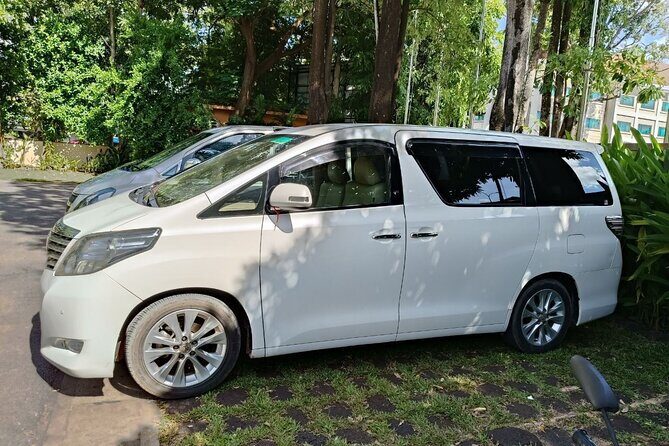
If you’ve only got one full day, this style of tour is a practical fit. You get picked up from your hotel (if you’re using the pickup service) and you ride in an air-conditioned vehicle between temples. That matters because the Angkor area is spread out, and temple hours are only part of the challenge.
What makes this experience feel more valuable than a basic ticket-and-walk plan is the guide-led approach. The day is arranged like a route through the famous sights, with the “what am I looking at?” parts handled for you. I like that the tour doesn’t just toss you at a gate and wish you luck. It gives you context for how each temple differs, so the complex feels coherent instead of random.
You can also read our reviews of more guided tours in Siem Reap
Your 9:30 AM start: why timing shapes the whole day
The tour starts at 9:30 am, with a full-day schedule that’s usually about 8 to 9 hours from pickup to drop-off. That start time is early enough to feel like you’re still getting momentum when the busiest parts kick in later.
Here’s the practical truth about Angkor: heat and walking add up quickly. The good news is the tour is structured with frequent breaks built into the stop pattern, and you’re not stuck without water. In past groups, people noted cold water often (and sometimes cold napkins or wet cloths), which is the difference between pushing through and actually enjoying the carvings and stone details.
Angkor Wat: the main show, paced with a guide
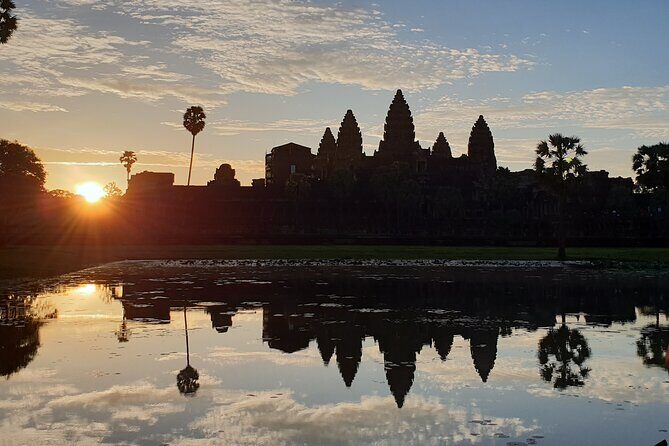
The day begins at Angkor Wat for about one hour. This is the largest religious monument in the world and the complex’s most famous sunrise temple, so it sets the tone immediately. Even if you’ve seen photos, being there in person has a different effect. The scale is hard to grasp until you’re standing within it.
For your visit, the biggest value of a guided route is focus. A good guide helps you prioritize what to look for rather than drifting for an hour. One possible drawback is that the time split at Angkor Wat can feel heavier than you expect, depending on your guide and how the group moves. If you want maximum variety across the whole complex, pay attention to how your guide keeps the pace moving.
Tip for your mindset: think less about collecting “photo spots” and more about catching the structure from different angles as you move. With only an hour, you’ll get more out of smart movement than perfect stillness.
Banteay Kdei: roots, ruins, and the stones breathing again
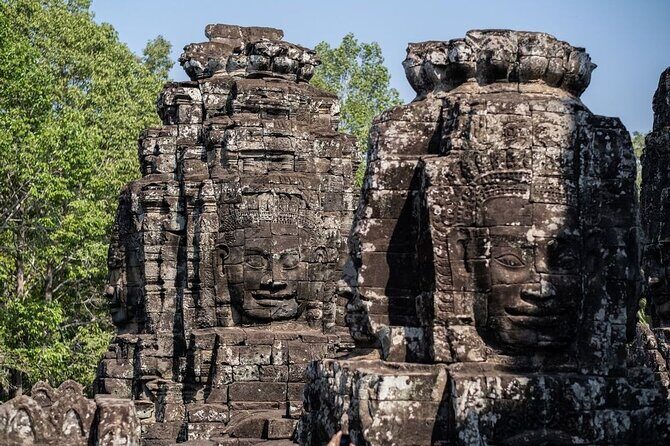
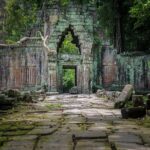
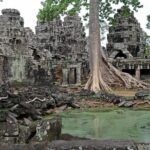
Next is Banteay Kdei, also known as the citadel of monk’s cells. This stop is about one hour and it’s partially overgrown, with towering trees and roots weaving through the ruined walls. The specific thing you’ll notice here is how the vegetation changes the mood. The temple feels less like a monument and more like an older story held together by nature.
A guide helps because it’s easy to get stuck on the “wow, roots” moment and miss the overall layout. You’ll get time to look closely, but not so much that you feel rushed by the next drive and next stop.
As with most Angkor temples, there’s a practical consideration: even when the tour schedule gives you an hour, conditions vary. If it’s very hot, your pace might slow down just from comfort. That’s normal, and it’s one reason guided timing is helpful.
Ta Prohm: the movie-famous jungle temple
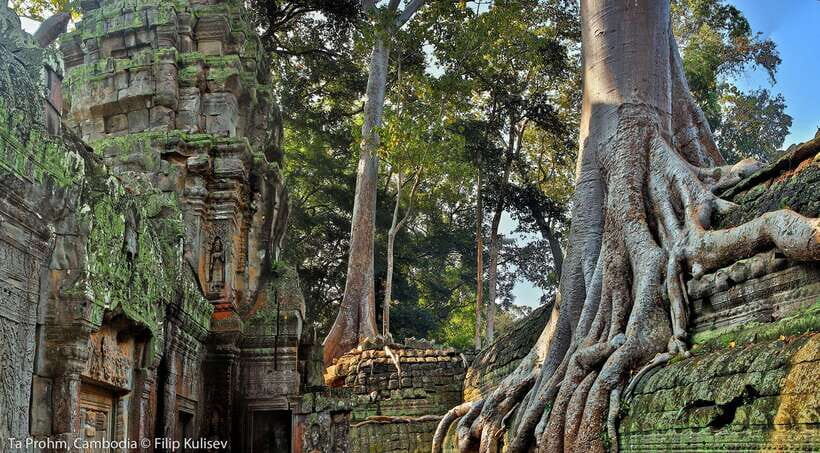
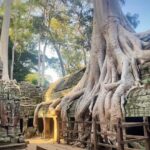
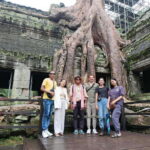
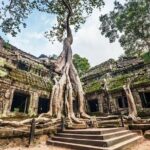
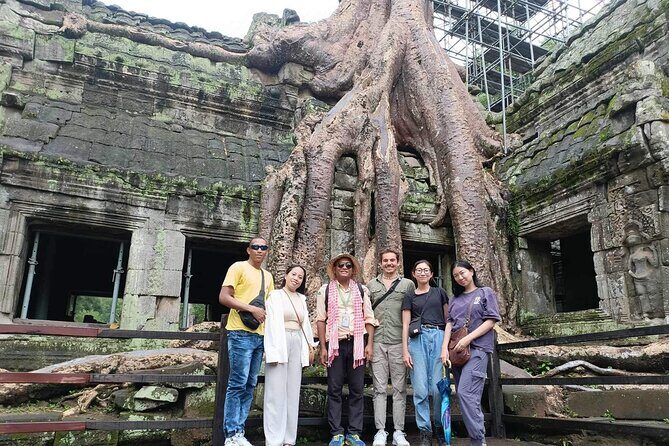
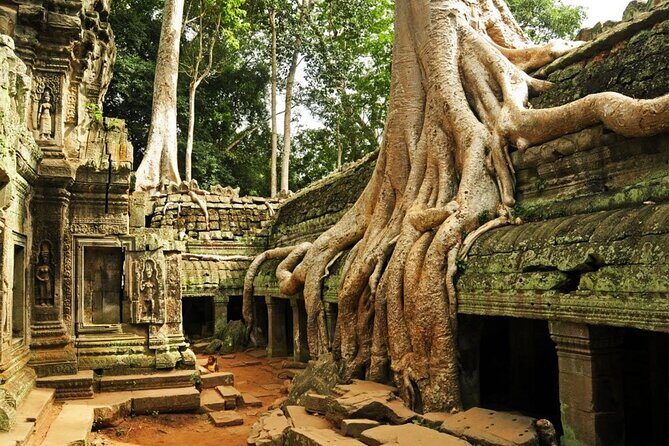
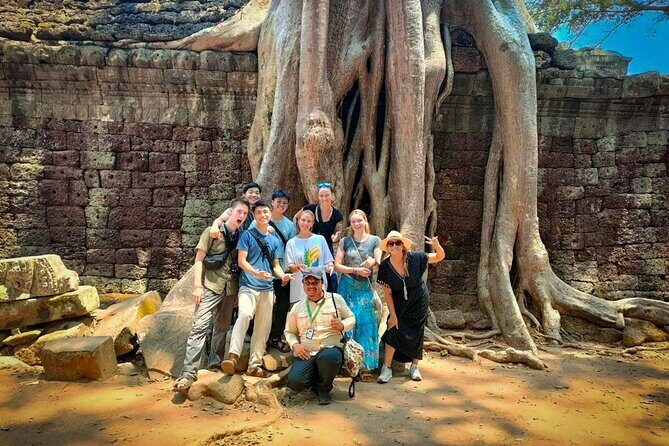
Then comes Ta Prohm, the temple most associated with Tomb Raider. It’s another one hour stop, and the key experience is the contrast: carved stone with jungle growth wrapped around it. This is the place where you’ll likely feel like the world in the background is part of the temple itself.
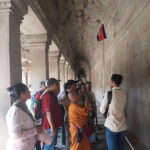
What a good guide adds here is interpretation. The jungle can make the carvings harder to read, so you benefit from someone pointing out what to look for and why it mattered to the people who built it. You’ll also get your photos done without feeling like you’re constantly dodging people with no clue where to stand.
One caution from the broader reality of Angkor tours: the “tour highlight” temples can create crowd pressure at certain times. The route planning and the group size (max 15) can make a difference in how quickly you hit those busy areas.
You can also read our reviews of more evening experiences in Siem Reap


Ta Keo and Angkor Thom: two temples that change the atmosphere
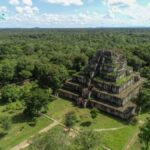
After Ta Prohm, the itinerary continues to Ta Keo for about one hour. Ta Keo was never finished, which gives it a different look than many other temples. Its square, layered-pyramid shape can feel more dramatic because it’s unfinished and therefore less “complete-looking” than some of the better-preserved structures.
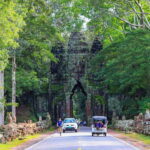
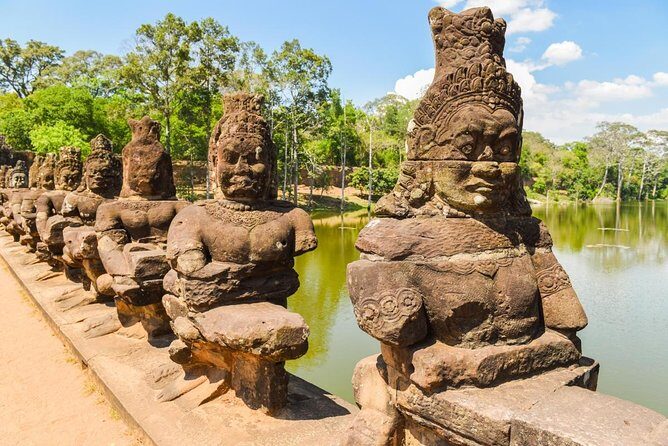
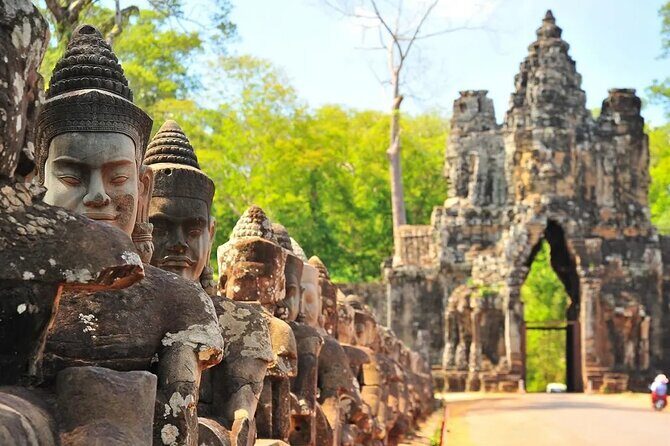
Then you move to Angkor Thom, the latter capital of the Angkor Empire. The classic South Gate is part of this stop, lined with gods and demons in an eternal tug-of-war. At the center is the temple of Bayon. This portion of the day is where Angkor stops feeling like a single landmark and starts feeling like a whole planned city in stone.
A balanced expectation: this is a lot of temples in one day. If you’re the type who likes to linger until every corner clicks, you may wish the stops were longer. But if you want breadth—high points across the complex without spending your whole day trapped between gates—this structure works well.
Phnom Bakheng sunset: the view you’re paying for
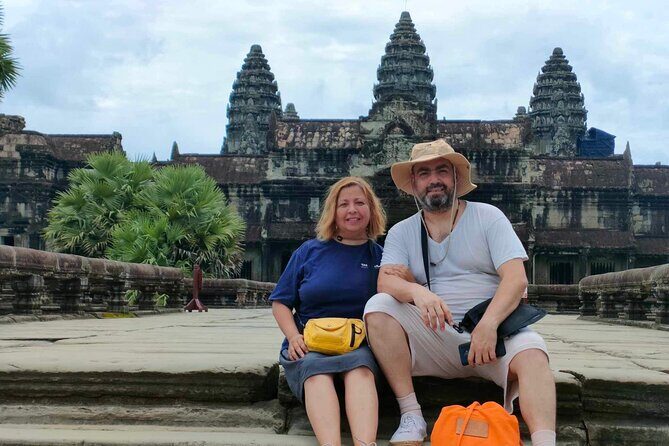
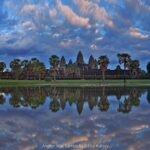
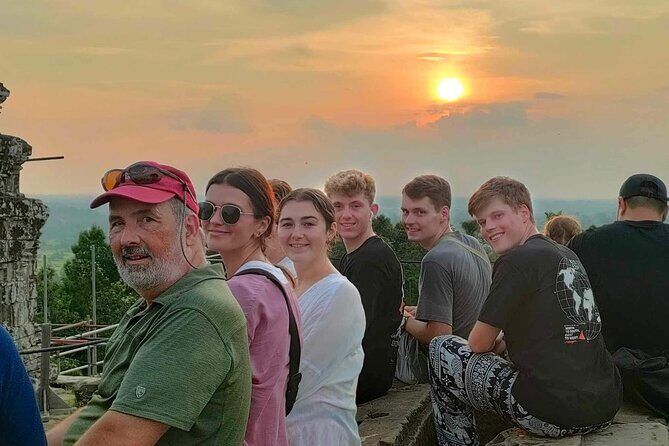
The final highlight is Phnom Bakheng, a hilltop temple built hundreds of years before Angkor Wat and one of the best places in Cambodia for sunset views. The big idea is that you’re not just watching a sky show; you’re watching the temple complex from a raised viewpoint, with Angkor Wat in the background.
This is the moment the tour is really timing for. In theory, you end with stunning sunset views after the main circuit. In practice, sunset experiences can be sensitive to how the day runs: timing, traffic, and how smoothly the group transitions between stops.
So here’s the honest consideration: you might find the sunset view is excellent but not exactly as you pictured it from photos online. One guide-led choice that helps is the viewpoint itself. Another is just having the day organized so you arrive on time.
If you’re traveling for a once-in-a-lifetime sunset shot, plan to stay flexible and accept that the view is still the big win even if the angle isn’t identical to your dream photo.
Price and value: why $14.50 can still be a full-day cost
The headline price is $14.50 per person, and for what you’re getting—guide, driver, air-conditioned transport, and bottled water—that’s genuinely low. The catch is that the price doesn’t cover Angkor Park admission, and that ticket is required for entry.
From past cost references shared by people who took the trip, the park ticket has been cited around $40 per person. If that’s close to your situation, your total day cost becomes the tour fee plus the park ticket, not the tour fee alone.
Food is also not included. The good news is the tour does include breaks and a lunch stop can happen during the day, but you’ll pay for your meal separately. If you want fewer budget surprises, bring extra cash. One person noted that credit cards weren’t always accepted at the lunch place, so plan for cash as a backup.
Bottom line on value: this tour is a strong deal if you want a guided route and you’re comfortable handling your park entry ticket and lunch cost on your own.
Guides make or break the day (and you’ll feel it)
The experience lives or dies on the human part: how the guide explains, how the group moves, and how clearly pickup and timing work. In the real world, you’ll see a big spread in guide styles.
On this tour, guides who have been named include Sam, Kosal, Buth, Dara, John, Sari, Vone, Narith, Nakieth, and Nick. Across those examples, the strongest praise points cluster around a few things:
- Clear English that makes the day make sense
- Stories tied to carvings so details feel less random
- A pace that keeps the group comfortable and moving
- Extra help with photos, since many people come specifically to capture temples
One fair warning: not every guide experience is perfect. Some people have reported communication issues with English. Others have said the time allocation didn’t match expectations at Angkor Wat, or that an itinerary element felt different than what they expected. That’s why I recommend choosing the tour for the format, not for a specific guide.
Logistics that you can control: pickup, meeting point, and pacing
Your start meeting point is listed as Siem Reap Pub Hostel, behind Angkor Night Market. Even with pickup offered, you should treat that meeting point as your safety net.
Pickup is included, but pickup errors can ruin the day fast. If you’re relying on pickup, double-check your pickup details the day before. Bring a screenshot of your reservation and keep your phone ready. Angkor mornings can be busy, and one mix-up can turn into a missed sunset—something you definitely want to avoid.
Inside the tour rhythm, the group size is capped at 15 people. That usually keeps things manageable, but if your personal definition of small group is very strict, you may still want to know that “15” is still a group. The advantage is that it’s not a giant coach crowd.
What to expect at each hour block
The tour is structured as short, focused blocks:
- Angkor Wat: about 1 hour
- Banteay Kdei: about 1 hour
- Ta Prohm: about 1 hour
- Ta Keo: about 1 hour
- Angkor Thom: about 1 hour
- Phnom Bakheng: about 1 hour
That one-hour rhythm is why the day feels full but not endless. It keeps momentum and ensures you end with the sunset plan. It can also mean you won’t get the slow, museum-style experience at every temple.
If you want a more relaxed pace, your best move is to ask your guide to help you prioritize the most important stops for your interests. A good guide can often adjust micro-timing without killing the itinerary.
Before you book: who this tour fits best
This works well for you if:
- You have one day in Siem Reap and want the Angkor highlights covered in a logical route
- You like historical context and want help reading temple details
- You value a guide to manage timing for sunset
- You’re okay paying extra for entry and lunch
It may not be the best fit if:
- You need long, quiet time at each monument
- You’re very sensitive to English quality or group pacing changes
- You absolutely need a guaranteed view that matches one specific photo angle
Should you book this Angkor Wat small-group sunset tour?
I’d book this tour if your priority is a guided, efficient day with sunset included as a real end goal. The low tour price is hard to ignore, and the combination of guide-led temple focus, air-conditioned transport, and water helps you stay comfortable through the heat.
Just go in prepared for the two main add-ons: Angkor Park admission and your own food. Also, if pickup reliability is a deal-breaker for you, confirm your pickup point carefully. If everything lines up, this is a smart way to see a lot of Angkor without turning your day into a stressful scavenger hunt.
FAQ
What time does the tour start?
The tour starts at 9:30 am.
How long is the full-day Angkor Wat tour?
It runs about 8 to 9 hours (approximately).
Is hotel pickup and drop-off included?
Yes. Pickup and drop-off are included, and pickup is offered.
Where does the tour start if I’m meeting the group?
The meeting point is Siem Reap Pub Hostel, behind Angkor Night Market in Siem Reap.
Are Angkor Park tickets included in the price?
No. Admission to Angkor Park is not included and must be purchased from the park directly.
Is lunch included?
No. Food and drinks (other than bottled water) are not included.
What’s included besides the guide and transport?
Bottled water is included, along with driver/guide, pickup and drop-off, and air-conditioned transport.
How big is the group?
The maximum group size is 15 travelers.
Does the tour include sunset?
Yes. The tour is timed to catch the sunset, and Phnom Bakheng is highlighted as one of the best places to watch the sunset.
What if weather is poor?
This experience requires good weather. If it’s canceled due to poor weather, you’ll be offered a different date or a full refund.