REVIEW · SIEM REAP
3-D Angkor Temples With One Sunrise
Book on Viator →Operated by Happy Angkor Wat Tour · Bookable on Viator
Sunrise at Angkor sets the tone. This 3-day Siem Reap experience is built around one early Angkor Wat sunrise plus a full day of temples and a Tonlé Sap boat trip day, so you see the big moments without trying to cram everything. I especially like the calm, guided pacing with an English-speaking driver-guide, and I like that you get AC transport and cold water to keep you going for long temple hours. One possible drawback: the listed price covers the guide/vehicle, but major entry and the boat ticket are extra.
If you want to choose your day confidently, that early start is the trade-off. The sunrise day begins around 5am, and you should also plan on heat, walking, and budgeting for tickets that are not included.
In This Review
- Key Highlights You Should Know
- Why the One-Sunrise Plan Makes Angkor Feel Manageable
- Day 1: Ta Prohm, Pre Rup, and the Lesser-Known Temple Chain
- Day 2 at 5am: Watching Angkor Wat Wake Up
- Day 3: Kompong Kleang on Tonlé Sap and the Rolous Group
- Price and Logistics: What You Really Pay for the Experience
- The Guide Experience: Why Names Like Bunleat, Sonoth, and Jimmy Matter
- Getting Around Comfortably (and Surviving the Heat)
- What Your Days Feel Like in Real Life
- Who This Tour Suits Best
- Should You Book This One-Sunrise Angkor Tour?
- FAQ
- Is the Angkor temple admission included?
- Is the boat tour ticket included?
- What time does the tour start?
- Is this tour private?
- What’s included in the $150 per person?
- Are meals or accommodation included?
Key Highlights You Should Know
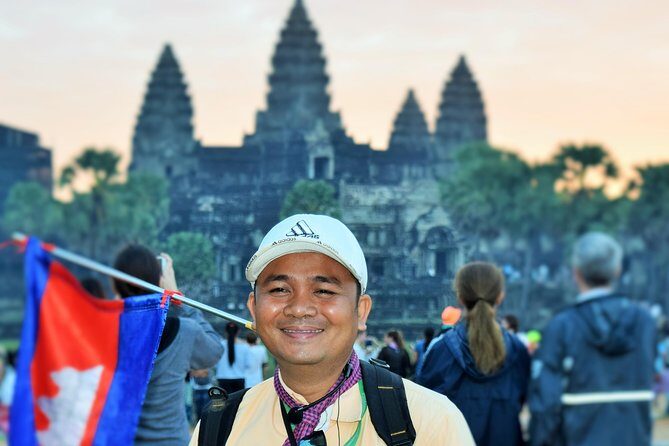
One sunrise, not a blur: You get an early-morning Angkor Wat sunrise experience designed for minimum hassle and better viewing time.
Ta Prohm, Pre Rup, and friends: Day 1 strings together some of the most photogenic temples in the broader Angkor area.
Tonlé Sap day with real lake life: Day 3 focuses on Kompong Kleang’s stilted/floating village area and nearby temple sites.
English guide plus cold drinks: You travel with an English-speaking guide and get cold water during the day.
Private group format: Only your group participates, which usually means less waiting and more flexibility with your pace.
Tickets add up fast: The $150 base price is only part of the real cost once you add the 3-day temple pass and the boat ticket.
Why the One-Sunrise Plan Makes Angkor Feel Manageable
Angkor can be overwhelming in the best way. With so many temples, most tours turn into a sprint of stops and selfies. This one keeps the focus by centering the whole experience on one serious sunrise at Angkor Wat, then building the rest of your days around temple circuits and a Tonlé Sap lake visit.
I like that the tour uses a simple structure: temples in daylight, sunrise early, and lake life on the third day. You get a clear rhythm instead of bouncing between distant sites on every hour of every day. That matters because Angkor is tiring—early mornings plus long walks plus humidity will wear anyone down.
The other big value is the guide angle. Even when you read about Angkor’s history, it stays confusing until someone connects the symbols, layout, and worship patterns to what you’re seeing. The operator behind this tour has a strong reputation for matching guests with guides who can explain what you’re looking at in plain language.
You can also read our reviews of more tours and experiences in Siem Reap
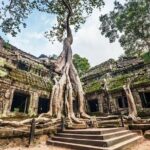
Day 1: Ta Prohm, Pre Rup, and the Lesser-Known Temple Chain
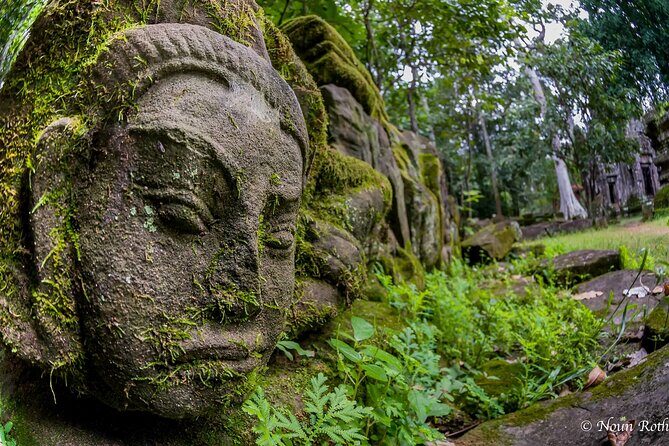
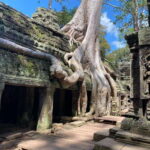
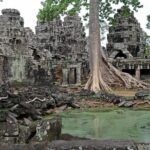
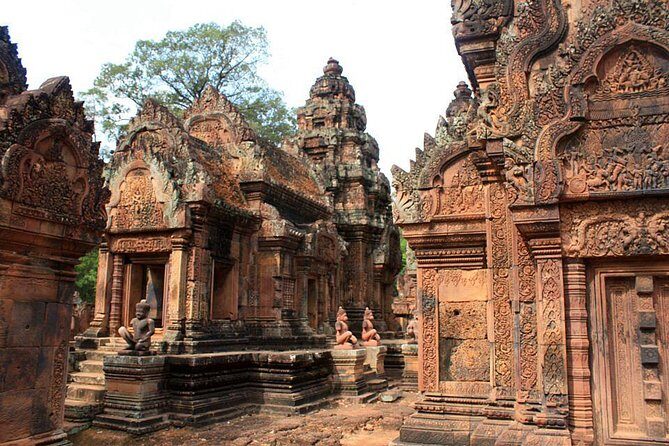
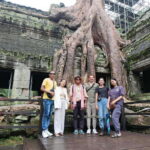
Day 1 is a long temple day, usually running about 7 to 8 hours. You start in the morning and head first to Ta Prohm, the jungle-clap temple famous for tree roots wrapping around stone. Expect lots of photo stops here, because it is the kind of place where your brain can’t decide what’s more interesting—the carvings, the roots, or the sheer scale.
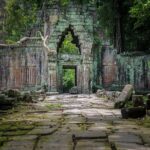
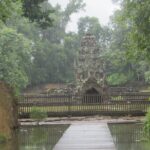
From there, you’ll continue through the broader area with Pre Rup, Banteay Samre, and Banteay Srey. This temple run is useful because it helps you understand the variety inside Angkor. Angkor Wat is the headline, but the other sites show different styles and different ways the Khmer built and renewed sacred space over time.
Practical tip: start this day with real stamina. Wear shoes you can walk in for hours. Bring a hat and stay hydrated—cold water is provided, but you’ll still sweat through temple visits in Siem Reap’s climate.
One thing to consider: this day is a lot of standing and walking. If someone in your group has limited mobility, you’ll want to use your guide to set a slower pace and shorter routes when possible.
Day 2 at 5am: Watching Angkor Wat Wake Up
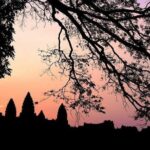
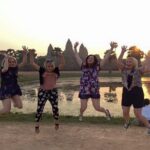
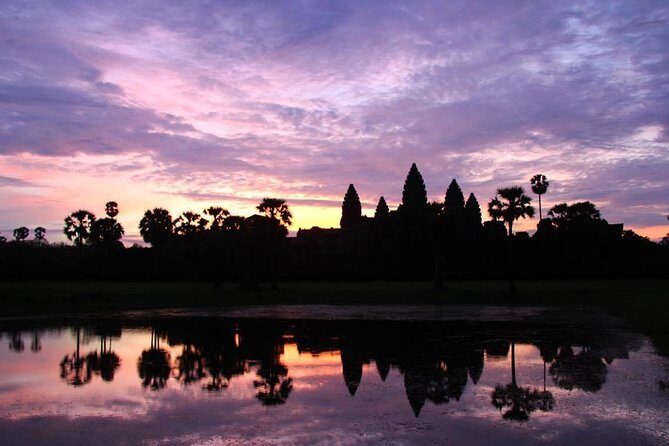
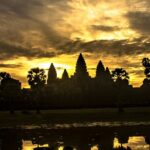
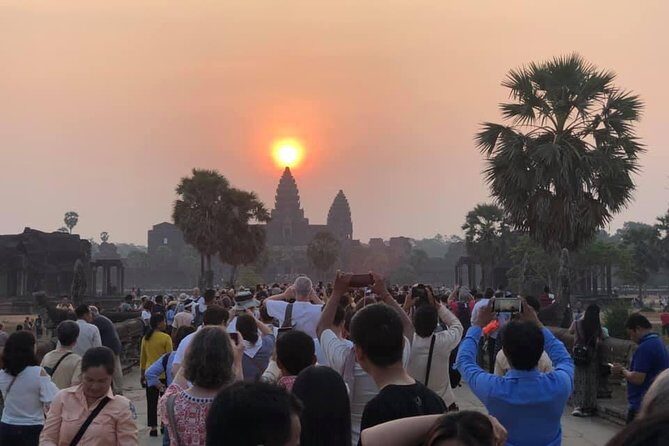
This is the moment most people picture. On sunrise day, transport begins around 5am, and you arrive early enough to see Angkor Wat in that pre-daylight glow. The payoff is not just the sunrise itself—it’s the atmosphere. Crowds tend to be lower earlier, which gives you more time to look and take photos without constant obstruction.
Angkor Wat in sunrise mode feels different than it does at midday. The light softens details in the stone and makes the long temple sight lines feel more dramatic. You also get a calmer viewing rhythm. You can look up at carvings, then step back, then look again—without the feeling that you’re constantly being pushed along.
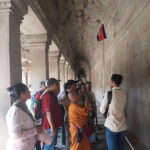
This is also where an excellent guide earns their keep. A good guide helps you position for views, tells you what you’re actually seeing, and keeps the story connected to the temple layout. Based on past experiences shared with this operator, guides like Bun (Bunleat) and Jimmy are often praised for making the temple’s meaning click rather than just listing facts.
One consideration: sunrise days are not for late sleepers. If your group hates early mornings, this is the day that will require the most agreement.
Day 3: Kompong Kleang on Tonlé Sap and the Rolous Group
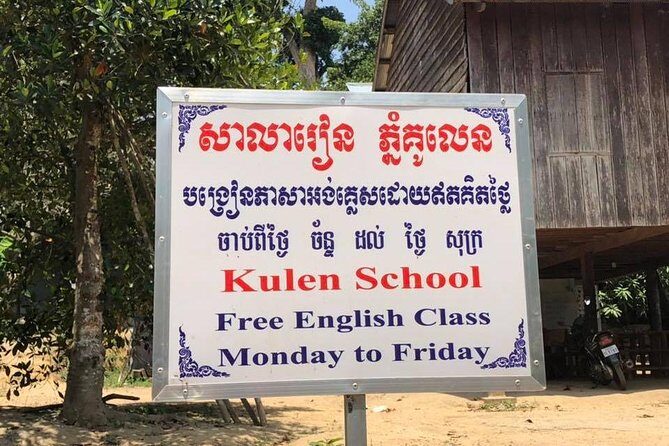
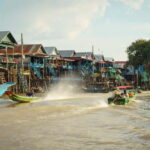
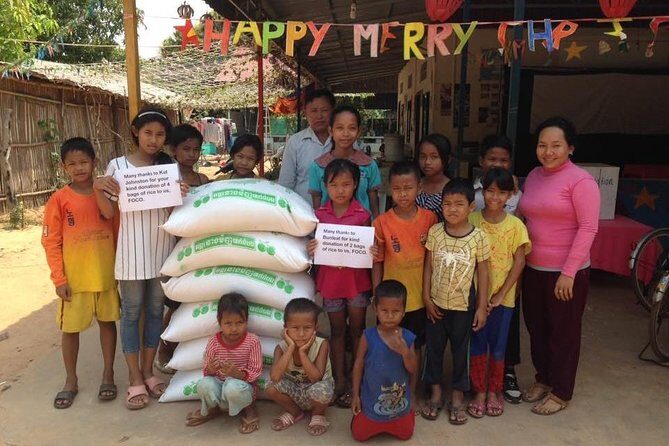
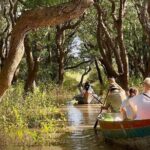
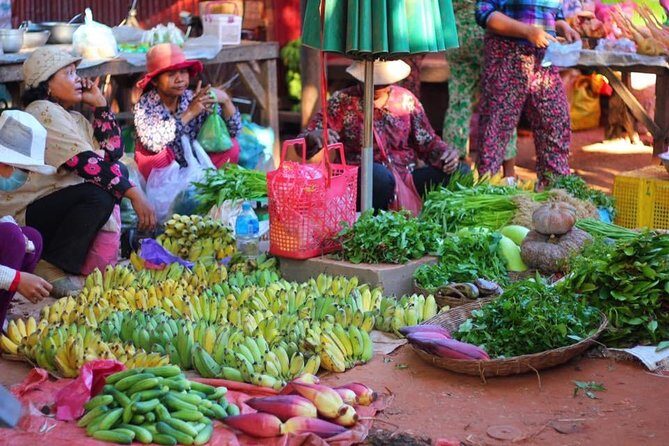
Day 3 shifts the focus away from the big temple complex and toward living landscapes—starting with Kompong Kleang, the stilted and floating village area. You head out around 8am, and this is where the trip feels most human. You’re seeing how people live by the lake, with houses adapted to water levels.
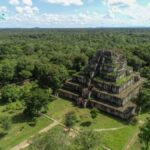
You’ll also visit the Rolous group temples as part of the day’s temple circuit. These stops matter because they keep the trip grounded in the wider Angkor region, not only the flagship sites.
Boat note: the lake portion requires a boat tour ticket that is not included in the base price. You should budget for that extra cost and plan for weather. The experience is described as dependent on good weather, so if conditions are poor you may see changes to your schedule.
Practical tip: if you want photos, think about timing and clothing. Early in the day can still mean cool air, but you’ll warm up quickly once you’re moving around. Bring something that covers your shoulders and shoulders will thank you at temple stops.
Price and Logistics: What You Really Pay for the Experience
The base price is $150 per person. That covers the guide and the vehicle setup, with air-conditioned transport, an English-speaking tour guide, and cold waters included.
But the key costs are separate. You’ll need:
- Three-day Angkor temple ticket: $62 per person
- Boat tour ticket: $30 per person
- Meals, accommodation, and travel insurance (not included)
So, if you add up the core add-ons, you should expect the all-in cost to be around $242 per person before meals and lodging. For many people, the math is straightforward: the base price covers the people and the rides, while the official temple/boat access is purchased separately.
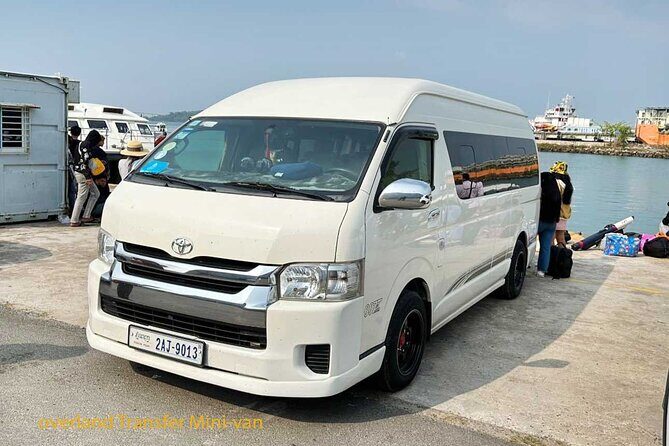
Transport is another detail worth checking when you book. The tour notes say the price is for tuk tuk/guide setup, but you can ask for a car with A/C for extra money, and transport can be changed when you book or by texting the provider. Since the included list already mentions air-conditioned vehicle, the safest approach is to confirm what vehicle you’ll use for your exact departure days.
The Guide Experience: Why Names Like Bunleat, Sonoth, and Jimmy Matter
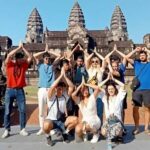
Angkor guides do more than point. They help you understand what you’re seeing and how to move through the site without losing time. In the reviews tied to this tour operator, several guide names come up repeatedly, and they paint a consistent picture: friendly, responsive, and good at adjusting to the group.
I noticed a few clear themes:
- Bunleat / Bun gets praise for planning efficiently and for explaining history and religion as you visit.
- Sonoth is highlighted for making the tour work even with a 1.5-year-old child and also helping an elderly traveler.
- Jimmy is praised for engaging mixed ages and keeping the storytelling clear.
- Borey is credited with a paced approach for a family group, with lots of stories.
- In at least one case, Vanny Chhoem is named as a guide, with Ang Bong listed as the driver.
You may or may not get the exact same guide names, but the pattern is encouraging: you’re booking a team that knows how to match the tour to real families and real pacing needs, not just a single ideal travel style.
Getting Around Comfortably (and Surviving the Heat)

This tour runs long days, roughly 7 to 8 hours per day. That’s normal for Angkor, but it’s also why the transport setup matters. You’ll have air-conditioned vehicle support and cold waters, which makes a noticeable difference when you’re sweating through temple circuits.
For comfort, I recommend planning for layers. Morning can feel cooler before the sun ramps up, and temple shade can feel cooler too. Also bring sun protection even if you think you’ll stay indoors between stops. Angkor time means you’re always exposed to some direct light.
Physical note: the tour asks for a moderate physical fitness level. That doesn’t mean you need to be an athlete, but it does mean you should be prepared for walking uneven ground and climbing small temple steps.
What Your Days Feel Like in Real Life
Here’s what the flow tends to look like if you want to mentally prepare.
Day 1 is built for big visuals first, then a follow-on temple circuit. If you like photography, you’ll do a lot of it here, especially at Ta Prohm.
Day 2 is the payoff morning. You trade comfort and sleep for the atmosphere at Angkor Wat around sunrise. Once you’ve seen it, the rest of the day feels less like checking boxes and more like understanding the temple’s overall design.
Day 3 combines lake life and temple sightseeing. The Kompong Kleang portion is often the emotional shift—switching from carved stone to daily human life along the water.
Who This Tour Suits Best
This tour is a strong match if you:
- Want one sunrise experience without turning the whole trip into an all-day early-morning grind.
- Are interested in seeing both temples and lake community life in a single 3-day window.
- Prefer a private group setup so you can move at your group’s pace.
It can also work well for multigenerational groups, based on the way this operator’s guides have been described helping with babies and elderly travelers. Still, keep expectations realistic: Angkor involves walking and sun exposure even with good guiding.
Should You Book This One-Sunrise Angkor Tour?
I’d book it if your main goal is simple: see Angkor Wat at sunrise and still have time to enjoy the rest without feeling rushed into a nonstop temple marathon. The combination of temples plus a Tonlé Sap boat/lake village day is a good use of 3 days, especially if you’re coming to Siem Reap with limited time.
I would hesitate if you hate early mornings or you’re trying to keep costs ultra-low, because the base price doesn’t include the temple tickets and the boat ticket. In that case, you’ll want to budget carefully before committing.
If you do book, do one smart thing: confirm your transport setup for each day, especially whether you’ll be using an A/C car versus a tuk tuk option. That single detail can change your comfort level more than people expect.
FAQ
Is the Angkor temple admission included?
No. The 3-day temple ticket costs $62 per person and is not included in the base $150 price.
Is the boat tour ticket included?
No. The boat tour ticket costs $30 per person and is not included.
What time does the tour start?
The meeting point start time is 7:00am. On the sunrise day, transport to see sunrise at Angkor Wat happens around 5:00am.
Is this tour private?
Yes. It’s listed as a private tour/activity, so only your group participates.
What’s included in the $150 per person?
The included items are air-conditioned vehicle, English-speaking tour guide, and cold waters.
Are meals or accommodation included?
No. Meals and accommodation are not included, and travel insurance is also not included.