REVIEW · SIEM REAP
Full-Day Angkor Wat & All Must-See with Banteay Srei Private Tour
Book on Viator →Operated by Happy Angkor Tour · Bookable on Viator
If you want the best Angkor day without the chaos, this private Small Circle route is built for focus. You’ll hit the big names like Angkor Wat and Ta Prohm, then keep going through Angkor Thom’s gates and main temples, and end with the famous pink sandstone of Banteay Srei.
Two things I like right away: you get a licensed English-speaking guide (examples from recent days include Thean) who can answer questions clearly, and you also get real comfort help—A/C transport plus cool drinking water and a cool wet towel during the long circuit. It also helps that the Banteay Srei drive gives you that countryside view, including rice paddies in wetter season.
One thing to consider: the temple admission cost isn’t included. You’ll pay $37 per person for Angkor Wat + all temples on top of the tour price, and the day is packed—shorter stops mean less time to linger than on a slower temple-only trip.
In This Review
- Key things to know before you go
- Why this Small Circle day works better than trying to DIY
- Price and logistics: what $83.50 really turns into
- Morning pickup, temple pass, and keeping your energy up
- Angkor Wat first: scale, symbolism, and smart photo timing
- The pink temple moment: Banteay Srei and the countryside drive
- Pre Rup: a funeral-era viewpoint and Hindu temple design
- Ta Prohm’s tree roots: where Cambodia meets pop culture
- Angkor Thom: gates, Bayon faces, and the royal core
- Phimeanakas and the royal terraces: carvings, pyramids, and pageantry
- Pacing across 8 to 9 hours: how to avoid feeling rushed
- Your guide and driver: what makes the difference in real life
- Practical tips for a day like this in Siem Reap
- Should you book this private Angkor Wat & Small Circle day?
- FAQ
- How long is the full-day Angkor Wat & Small Circle tour?
- What is the price per person?
- Is pickup and drop-off included?
- Is this a private tour?
- Are temple admission fees included in the price?
- Is lunch included?
- What’s included in the tour besides the guide?
- Does the tour use mobile tickets?
- Is free cancellation available?
- What temples are included in the day?
Key things to know before you go
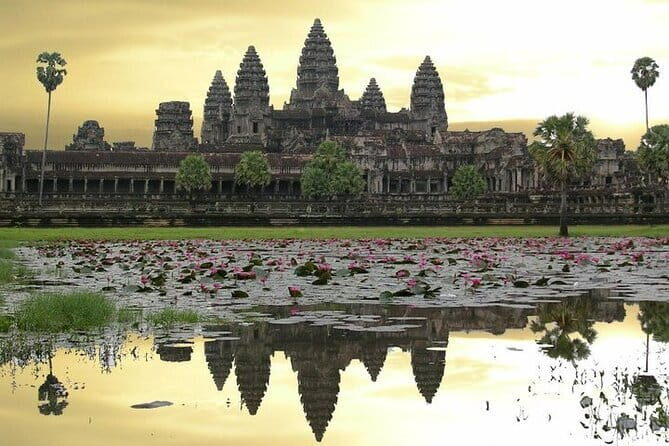
- A full Small Circle flow: Angkor Wat, Ta Prohm, Angkor Thom, then out to Banteay Srei
- Guide support you can rely on: Thean is praised for fast answers and a good sense of humor
- Comfort during travel: A/C vehicle, cool water, and a cool wet towel
- Banteay Srei’s pink sandstone: built in the 10th century, dedicated to Shiva and the Hindu trinity
- Angkor Thom in the right order: Victory/Death gate first, then Bayon’s 196 faces, then royal terraces
Why this Small Circle day works better than trying to DIY
This tour is basically the smartest way to do a lot of Angkor without losing your day to logistics. Instead of bouncing between ticket lines, tuk-tuk negotiations, and figuring out where the temples sit relative to each other, you roll as one plan: pickup, temple pass, then a clear sequence that keeps you moving.
The Big Win is that it’s not only the “everyone takes this photo” temples. You still get those, but you also get the middle layer that many people skip. In particular, the schedule gives you time for Pre Rup and the royal-temple complex inside Angkor Thom, plus the Hindu-focused stops that help you understand how Angkor wasn’t just one style or one faith.
And since this is private, the pacing stays yours. If you want extra time at a carving or a specific face tower at Bayon, you can ask. You won’t be steamrolled by a big bus rhythm.
You can also read our reviews of more private tours in Siem Reap
Price and logistics: what $83.50 really turns into
The tour price is $83.50 per person, lasting about 8 to 9 hours, with hotel pickup and drop-off in Siem Reap. You’re also getting a licensed English-speaking guide, an A/C vehicle with a driver, plus cool drinking water and a cool wet towel—small perks that matter when you’re out in the heat for most of the day.
Then there’s the cost you should plan for up front: temple admissions. The included tour price does not include the $37 per person admission fee for Angkor Wat + all temples. Lunch is also not included, but there is a simple option listed at $5 per person depending on the menu.
So for budgeting, think about roughly $120.50 per person for the tour + temple admissions, and then add lunch on top.
Morning pickup, temple pass, and keeping your energy up
Your day starts with pickup from your hotel or guest house after breakfast. Your guide comes to meet you at the lobby, and you then go to get the temples pass along the way before you start temple time in earnest.
This matters more than it sounds. Angkor visits often fall apart early when people try to sort out tickets and transportation on the fly. Having your pass arranged means you’re not losing your best light and your early momentum.
You’ll also have the practical comfort support. The A/C vehicle helps during the transitions between sites, and the cool water and cool wet towel are the kind of extras that keep you from feeling wiped out before noon. It’s not luxury for luxury’s sake. It’s basic survival help for temple days.
Angkor Wat first: scale, symbolism, and smart photo timing
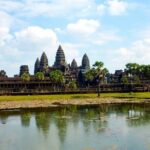
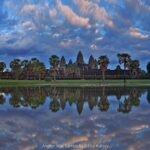
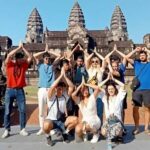
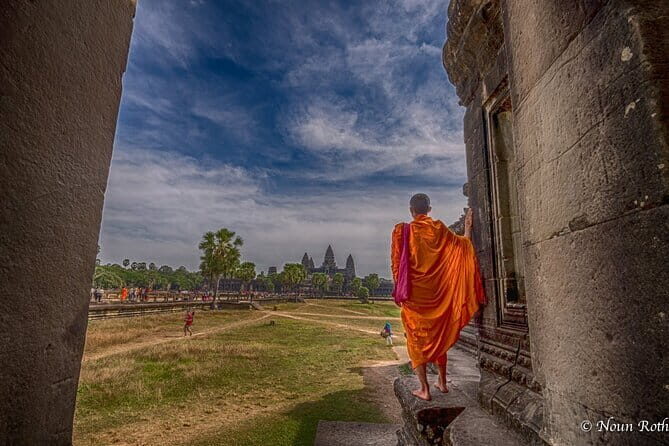
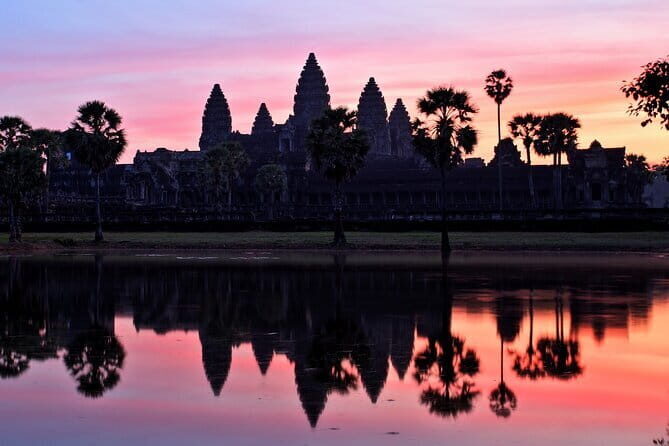
Stop 1: Angkor Wat gets the longest chunk in the day, about 2 hours 30 minutes, and that’s exactly right. Angkor Wat is huge in size and strong in visual impact. Even if you’ve seen it in photos, you’ll want the time to slow down and read what you’re seeing.
Your guide will have you start temple visit time after the pass is sorted. That’s helpful because you can focus on the site itself instead of standing around.
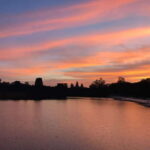
Practical consideration: Angkor Wat takes effort. Paths can be uneven, and you’ll be exposed to sun between shaded areas. If you tend to overpack with photos, Angkor Wat can still make you do it. Use your time intentionally: do a wide sweep first, then return toward specific sections you want to photograph.
The pink temple moment: Banteay Srei and the countryside drive
Stop 2: Banteay Srei is about 1 hour, and it’s the reason many people choose this style of day trip. It’s called the Ladies temple, and it’s known for its pink sandstone. The temple was built in the 10th century by Hindu King Rajendravarman II, dedicated to the Hindu trinity gods, with strong Shiva connections.
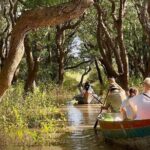
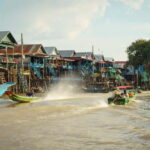
This stop also comes with a travel reward. The ride out gives you a look at Cambodian countryside and daily life along the roads, including green scenery and rice paddies in the wet season. That means you’re not only traveling between monuments—you’re seeing how the area around them actually lives.
Potential drawback: one hour can feel short if you love carving details. If you want lots of close viewing, ask your guide to point out the most readable motifs early, then you can go back and linger at the sections that catch your eye.
You can also read our reviews of more tours and experiences in Siem Reap
Pre Rup: a funeral-era viewpoint and Hindu temple design
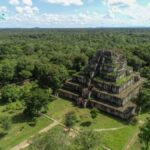
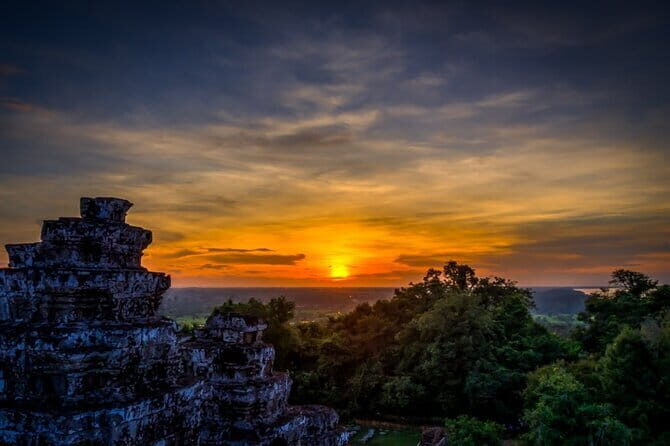
Stop 3: Pre Rup is about 45 minutes. This temple was built in the late 10th century and dedicated to Hindu gods. The name is linked with a specific idea: the temple reflects a tradition that funerals were conducted at a certain place, and the meaning of turn the body is tied to that practice.
What I like about including Pre Rup in a day like this is that it balances the well-known sights with a temple that feels more “working” in concept. It’s still spectacular, but the vibe is different. You get a chance to experience another layer of Angkor’s Hindu background without staying only with the most famous complexes.
Ta Prohm’s tree roots: where Cambodia meets pop culture

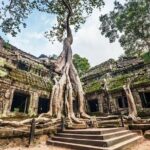
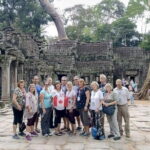
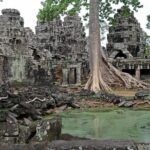
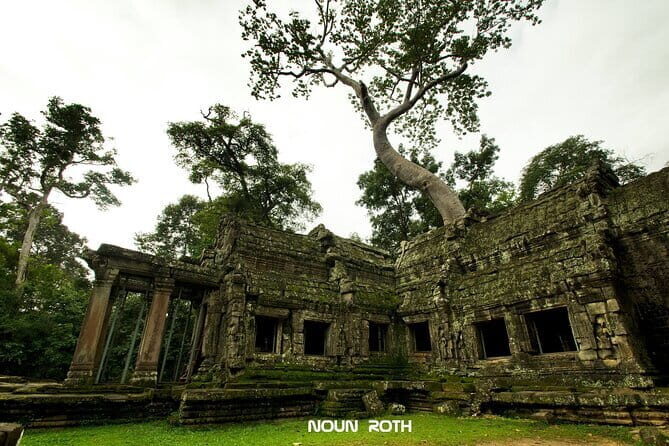
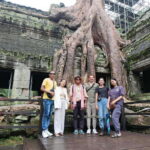
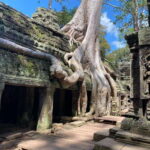
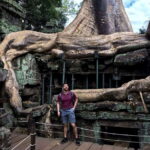
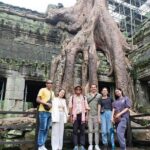
Stop 4: Ta Prohm is about 1 hour 30 minutes. If you’ve ever watched movies set in jungle ruins, you’ll recognize the look fast. Ta Prohm has massive tree roots covering temple structures, and it’s also the temple used as the setting for the movie Tomb Raider.
This is one of those places where your brain switches modes. The carvings and towers are still temples, but the roots make it feel like the jungle wrote back. The result is more texture and more “story” per square meter than many other sites.
A practical tip: treat Ta Prohm like a walk-through. You can’t see everything from one angle. Follow the root lines and the structural edges, and you’ll find the best views faster.
Angkor Thom: gates, Bayon faces, and the royal core
Now you enter the heart of Angkor Thom: big walls, ceremonial architecture, and a lot of symbolism.
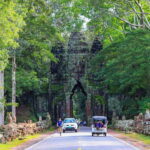
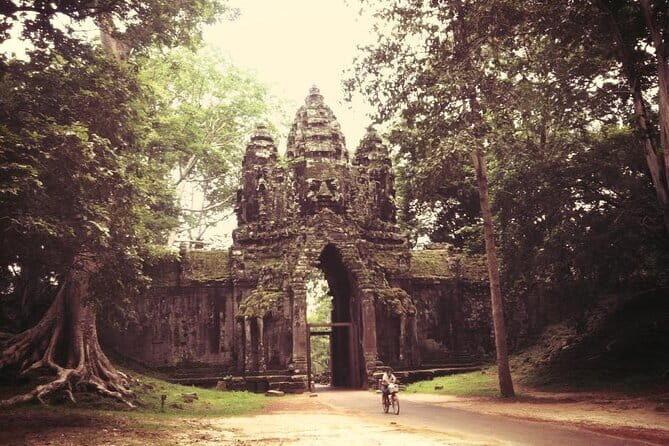
Stop 5: Victory gate or Death gate (east side) is a quick photo stop of about 15 minutes. It’s short on purpose. You’re meant to get your bearings for the complex, then move immediately toward the center.
From there, you continue to the main centerpiece.
Stop 6: Bayon Temple gets about 1 hour. Bayon sits at the center of Angkor Thom city, with 49 towers, and each tower has four faces. That adds up to 196 faces of the Buddhist Avalokiteshvara, a key figure in Mahayana Buddhism.
This is also the stop where a good guide makes a visible difference. Bayon isn’t just pretty faces; it’s layout, repetition, and message. If you can understand what you’re looking at, the site clicks faster.
Then you move through additional temple structures:
Stop 7: Baphuon Temple (about 30 minutes) is a Hindu temple built before Angkor Wat in the 11th century. Behind it, there’s a reclining Buddha built in the 16th century. You’ll also continue to the Royal Enclosure Wall area.
This mix of periods and faiths is a great reminder that Angkor changed over time. You aren’t looking at a single frozen moment. You’re watching how layers were added.
Phimeanakas and the royal terraces: carvings, pyramids, and pageantry
Stop 8: Phimeanakas takes about 20 minutes. It’s a pyramid Hindu temple built in the 10th century, located in the center of the old Royal Palace of Angkor Thom. You can visit it along with the ancient Royal Enclosure Wall.
Even with short time, Phimeanakas helps you feel the royal layout. It’s the kind of stop that gives meaning to the rest of Angkor Thom, because it anchors where the power center used to be.
Stop 9: Terrace of the Elephants is about 15 minutes. This platform was used by kings to view victorious returning army, and the walls have many carved elephants. When you stand there, you can almost picture the parade moment.
Stop 10: Terrace of the Leper King is also about 15 minutes and sits nearby on the north side of the Terrace of Elephants. The name is the one you’ll remember, but the value here is location and context: it rounds out your royal-terrace circuit.
Pacing across 8 to 9 hours: how to avoid feeling rushed
This is an all-day temple marathon, but it’s built like a route with breathing points. You’re visiting ten major points, including a lunch break.
After Pre Rup, you take a lunch break, then return to continue with the temples. The schedule includes defined time for each stop, which prevents the classic problem of “we’ll just see one more thing” turning into a late, tired scramble.
Still, it’s not a slow walk. You should be ready for:
- short transitions between sights
- moving in and out of sun
- stopping for photos without lingering for hours at the best views
If you want deep study time, you’ll need a slower separate day. If you want a “best of” day that covers the most important temples plus Banteay Srei, this is the kind of itinerary that fits.
Your guide and driver: what makes the difference in real life
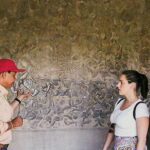
This tour is private, and that affects your day more than most people expect. You’re not stuck with the pace of strangers. Your guide’s explanations can shape how much you get out of each stop.
Recent experiences highlight guides such as Thean, paired with drivers like Sophat, and in other cases Hay. Thean is specifically praised for being ready with answers and having a great sense of humor, which is useful when you’re walking between sites that look similar until someone teaches you what to notice.
Driver skill matters too. The temple areas aren’t close together, and the road time can feel long if your driver isn’t smooth and efficient. In this format, you get an A/C vehicle to make that travel more tolerable.
Practical tips for a day like this in Siem Reap
Here’s how I’d plan to make the most of your day with the least stress:
- Wear light, breathable clothes and something with sun protection. You’ll be outside between stops.
- Bring a hat or cap and keep your water habits consistent, since you’ll go through hot walk time at multiple temples.
- If you’re someone who likes photos, decide in advance which temple sections you really want. Angkor has too many photo opportunities to capture everything.
- Use the cool wet towel and water during the travel segments. It helps more than you’d think.
- If you have questions about symbolism, ask early. A guide can point you to the details that make the whole place easier to read.
Also, keep your expectations realistic: some areas are detailed carvings, others are big structural views. You’ll enjoy the day most if you let the day switch gears rather than trying to treat every stop like a museum.
Should you book this private Angkor Wat & Small Circle day?
Book it if you want a focused, efficient Angkor day that hits the major temples plus Banteay Srei without turning into a self-planning headache. The value is strong because you’re paying for a licensed English-speaking guide, A/C comfort, and a route that doesn’t waste time.
Skip this style if you want long, slow hours at each site. The schedule gives each stop a slice, not a full day to wander and study. You also need to budget for admissions ($37 per person) and lunch ($5 per person).
If your priority is seeing a lot of Angkor’s must-sees in one day, while still getting countryside flavor and a guide who can explain what you’re looking at, this is a smart choice.
FAQ
How long is the full-day Angkor Wat & Small Circle tour?
It runs about 8 to 9 hours.
What is the price per person?
The tour price is $83.50 per person.
Is pickup and drop-off included?
Yes. Hotel pickup and drop-off are included.
Is this a private tour?
Yes. Only your group participates.
Are temple admission fees included in the price?
No. Admission fee for Angkor Wat + all temples is $37.00 per person.
Is lunch included?
Lunch Meals are not included. Lunch depends on the menu and is listed at about $5.00 per person.
What’s included in the tour besides the guide?
A licensed English-speaking guide, an A/C vehicle with driver, cool drinking water, and a cool wet towel.
Does the tour use mobile tickets?
Yes. Mobile ticket is included.
Is free cancellation available?
Yes. You can cancel up to 24 hours in advance for a full refund.
What temples are included in the day?
The stops include Angkor Wat, Banteay Srei, Pre Rup, Ta Prohm, Angkor Thom (Victory or Death gate and Bayon), plus Baphuon, Phimeanakas, Terrace of the Elephants, and Terrace of the Leper King.