REVIEW · SIEM REAP
Intercity Transfer Siem Reap – Phnom Penh/Phnom Penh – Siem Reap
Book on Viator →Bookable on Viator
Your day changes the minute you leave Angkor.
This private Siem Reap to Phnom Penh transfer is a no-drama way to move between Cambodia’s biggest tourism hubs, with hotel pickup and comfortable air-conditioned transport. The ride is built around convenience, but you can also add a couple of meaningful stops if you depart early, including Spean Praptos (Kampong Kdei Bridge) and the UNESCO-listed Sambor Prei Kuk complex.
I like the practical setup: you get door-to-door pickup, a qualified driver, and a drop-off at either a Phnom Penh hotel or the international airport. I also like the safety-minded approach that’s emphasized in how the vehicle is driven—this is not a speed run. The one drawback to consider: the comfort level depends heavily on the vehicle size vs. your group and luggage, and mismatches can make the air-conditioning feel weaker and the ride less comfortable.
In This Review
- Key Points I’d Plan Around
- Siem Reap to Phnom Penh in One Easy Day
- Pickup at Your Hotel, Then a Real Drop-Off Where It Matters
- The Optional Stops That Change This From Transfer to Sightseeing
- Spean Praptos (Kampong Kdei Bridge)
- Sambor Prei Kuk (UNESCO World Heritage Site)
- Vehicle Size and Air-Conditioning: The Comfort Test
- Driving Style: Safety-First, Not Racing
- Lunch Stops and Breaks: Allowed, But You Pay
- Road Logistics That Matter: Toilets and Motion Sickness
- Price and Value: Why About $49 Can Make Sense
- Who This Transfer Is Best For
- Should You Book This Siem Reap–Phnom Penh Transfer?
- FAQ
- How long is the transfer from Siem Reap to Phnom Penh?
- What time does pickup start?
- Where can the driver drop you off in Phnom Penh?
- Are meals included?
- Can I add sightseeing stops on the way?
- What luggage can I bring?
Key Points I’d Plan Around
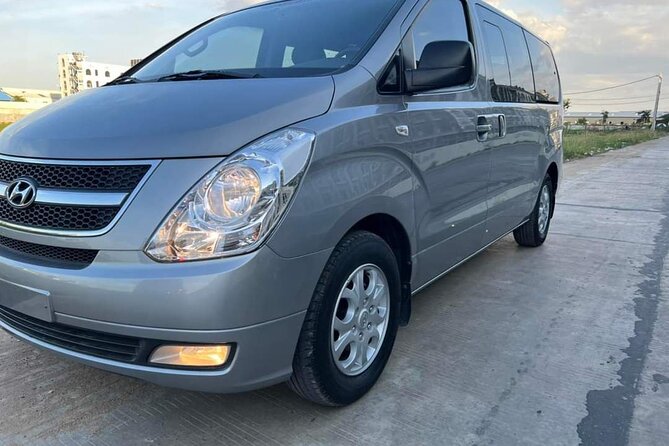
- Hotel-to-hotel (or airport) convenience: pickup in Siem Reap city, drop-off in Phnom Penh city or at Phnom Penh International Airport.
- Optional early sightseeing: if you start earlier, the route can include stops at Spean Praptos and Sambor Prei Kuk.
- Strong value for a private ride: around $49 for a full transfer is often cheaper than piecing together separate tickets and rickety rides.
- Stops add time: lunch and sightseeing are allowed, but the total trip can run longer.
- Toilets aren’t guaranteed: there are few places with good-quality toilets along parts of the route.
- Match the vehicle to your luggage: luggage limits are realistic, and an undersized vehicle can make things uncomfortable.
Siem Reap to Phnom Penh in One Easy Day

The main idea is simple: you leave Siem Reap, you arrive in Phnom Penh, and you don’t have to manage the journey yourself. The transfer runs about 6 hours (approx.), depending on traffic and whether you choose stops.
This is a good option if you want a clean transition day—one where you’re not scrambling for transportation after a long morning at temples. Cambodia’s roads can be busy, and having a driver handle routing and timing is a big stress reducer.
Pickup at Your Hotel, Then a Real Drop-Off Where It Matters

You start with hotel pickup in Siem Reap, which is the part most transfers get wrong. The better experience here is that you’re met at your accommodation and helped with your luggage, so you can focus on leaving rather than hauling bags through the lobby.
The standard start time listed is 7:30 am, but there’s also flexibility. If you’d like an earlier departure (often the key to fitting in a sightseeing stop), you can contact the operator to arrange it.
On the other end, you can be dropped at your Phnom Penh hotel or at Phnom Penh International Airport. That matters because Phnom Penh traffic can be chaotic, and airport timing is its own kind of pressure. A direct drop-off removes guesswork.
The Optional Stops That Change This From Transfer to Sightseeing

What makes this transfer interesting is the option to turn it into a light, meaningful road trip. If you depart early, the driver can stop for sightseeing at two places commonly offered along the way: Spean Praptos and Sambor Prei Kuk.
Spean Praptos (Kampong Kdei Bridge)
Spean Praptos is also known as Kampong Kdei Bridge, and it’s recognized as a famous Khmer-era stone bridge. According to the description, it was built in the 12th century during King Jayavarman VII’s reign and once held the title of the longest corbeled stone-arch bridge in the world, with more than twenty narrow arches spanning about 87 meters.
If you’re the type who enjoys archaeology without committing to a full-day tour, this is a perfect roadside break. It gives you a quick look at an older Cambodia story before Phnom Penh gets all the attention.
Practical note: you’ll need to be ready for added time if you stop. If your schedule is tight, keep expectations realistic and treat it like a short photo-and-stroll break.
Sambor Prei Kuk (UNESCO World Heritage Site)
Sambor Prei Kuk is an archaeological site in Kampong Thom Province, described as dating back to the Pre-Angkorian Chenla Kingdom period (late 6th to 9th century). The area is tied to royal sanctuary and capital functions in the historical complex known then as Isanapura.
In 2017, Sambor Prei Kuk was declared a UNESCO World Heritage Site, which helps explain why it’s often the stop people actually remember. It’s not just a monument photo; it’s a sense of place—ruins spread in a way that makes you slow down and read what’s left.
Drawback to watch: sightseeing fees are not included. The ruins are worth seeing, but you should keep some cash or payment options ready for entrance costs.
Vehicle Size and Air-Conditioning: The Comfort Test
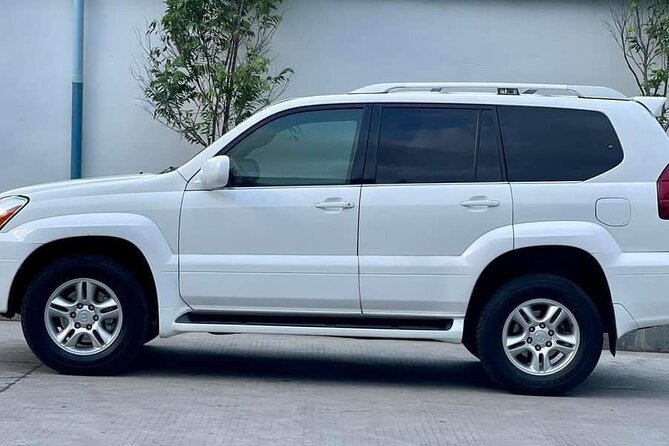
Here’s where you can make or break your day: your vehicle assignment relative to your group and luggage.
This transfer allows a reasonable amount of luggage, with an example guideline of one suitcase per passenger. That’s sensible, but it also means you should pack with the reality of vehicle space in mind. If you show up with extra bags or large cases, you can expect compromises—space gets tight fast, and air-conditioning can struggle when the cabin is crowded.
Some negative feedback points to a common problem: a booking that didn’t end up matching expectations for seating and luggage capacity. The warning to you is straightforward—confirm the vehicle type you’re getting based on the number of passengers and how much luggage you carry.
Also, if you’re sensitive to heat, treat the A/C as a comfort upgrade, not a magical refrigerator. Reports include a case where air-conditioning wasn’t as strong as expected, and that was tied directly to vehicle size and crowding.
Driving Style: Safety-First, Not Racing
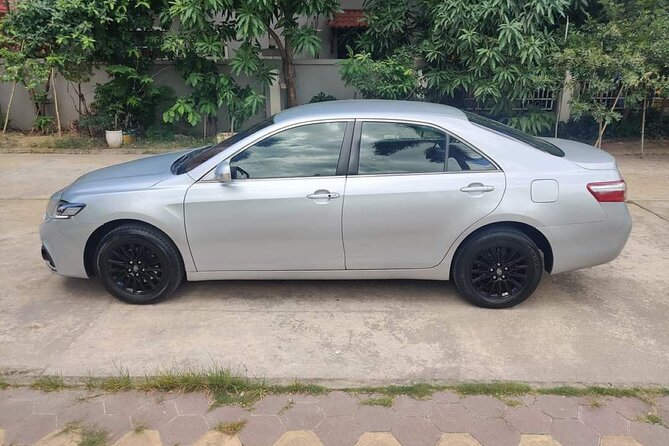
One thing I really respect about an intercity transfer is whether the driver treats the job like a job. In this case, the emphasis is clearly on safety and controlled driving rather than speed.
A provider response also spelled out speed-limit thinking: around 80 km/h on highways and around 40 km/h in city areas. That won’t sound exciting, but it usually creates a more relaxing ride. You can read a little, check your phone without nausea, and arrive feeling human.
In the positive experiences, the driving was described as smooth and safe, with drivers staying punctual and handling luggage. One praised driver named Sokai stood out for safe driving and for making practical snack and lunch stops.
Lunch Stops and Breaks: Allowed, But You Pay
The transfer can include lunch stops, but food and drinks aren’t included and lunch is at your expense. That means you’re not locked into a set restaurant, but you should still plan for how long lunch will add to the day.
The good part: you don’t have to force a long stretch without food or water. The better experience includes snack or comfort breaks so you’re not arriving hungry and tired.
The tradeoff: if you add sightseeing and lunch, expect the total trip to run longer than the typical six hours. This is the kind of day where you should keep your Phnom Penh evening plans flexible.
Road Logistics That Matter: Toilets and Motion Sickness
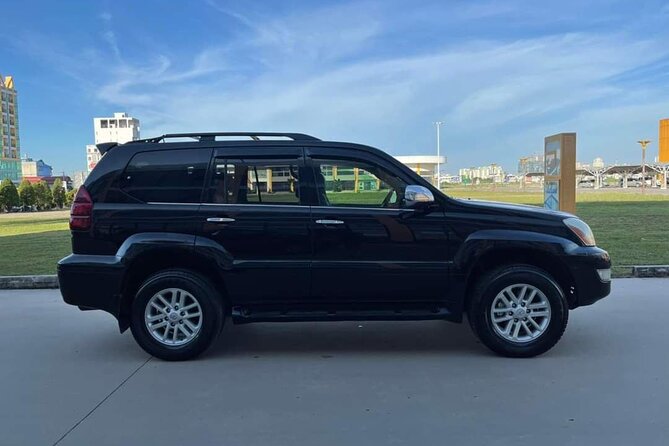
Intercity transfers work best when you’re honest about your bodily needs. The route has few places with good-quality toilets, so it helps to be ready to make quick stops when they appear.
Also, the info recommends taking travel sickness medication if required. Even if you’re usually fine, the combination of road conditions, driving style, and sitting for hours can be enough to make some people feel off.
My advice: bring the motion-sickness plan you already know works for you, and don’t wait to test it. You’ll have a better ride if you handle it before your stomach starts writing angry letters.
Price and Value: Why About $49 Can Make Sense
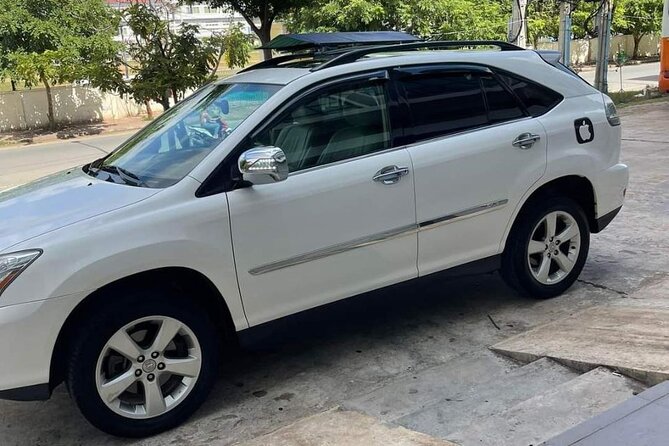
At $49 for a private intercity transfer, the value question is really about what you’re avoiding. You’re paying to remove the hassle of coordinating transport, negotiating rides at the last minute, and dealing with the hassle of luggage while you travel.
The pricing can also be attractive compared to arranging separate legs—local transport to a bus station, then the long ride, then a second taxi into central Phnom Penh. With pickup and drop-off built in, you spend less time managing the logistics and more time being where you need to be.
One caution: the experience is private for your group, but the listing includes group discounts, and one poor experience mentioned getting combined in a way that didn’t match expectations. If price is tight, ask how vehicle allocation works for your exact booking. The goal is to avoid surprises about what size vehicle you’ll actually get.
Who This Transfer Is Best For
This works best when you want a straightforward move between Siem Reap and Phnom Penh with comfort and simple planning.
I’d especially recommend it if:
- You’re doing Angkor in Siem Reap and need a clean transition day
- You want hotel pickup and direct drop-off without extra taxi legs
- Your schedule fits a morning start around 7:30 am
- You like the idea of a short cultural break at Spean Praptos and/or Sambor Prei Kuk
You might want to think twice if:
- You have a large amount of luggage or need a lot of room to spread out
- You’re very sensitive to A/C performance
- English communication is crucial for you, since some accounts suggest basic English may be the level you get
Should You Book This Siem Reap–Phnom Penh Transfer?
Book it if you want convenience and a comfortable, safety-first ride with door-to-door service. It’s especially compelling when you want an early start option and you’d enjoy a quick historical stop like Spean Praptos or Sambor Prei Kuk.
Before you click confirm, do two things to protect your experience:
- Confirm the vehicle size for your passenger count and luggage amount.
- Decide in advance whether you actually want sightseeing stops or you’d rather keep it close to the typical six hours.
If your schedule is flexible, this can be a smooth way to see more of Cambodia between two major cities. If you’re short on time, treat the transfer as the main event and consider sightseeing as optional add-ons rather than the plan.
Also, plan like a traveler who respects Cambodia logistics: keep some patience for road conditions, be ready for fewer high-quality toilets on the route, and bring what you need to avoid motion discomfort.
FAQ
How long is the transfer from Siem Reap to Phnom Penh?
It’s listed at about 6 hours, though the timing can increase if you make sightseeing stops or stop for lunch.
What time does pickup start?
The meeting point start time is listed as 7:30 am. There’s also a flexible start time, and you can contact the operator if you want to depart earlier.
Where can the driver drop you off in Phnom Penh?
You can be dropped at a downtown Phnom Penh hotel or at Phnom Penh International Airport.
Are meals included?
No. Food and drinks aren’t included, and lunch stops (if you choose them) are at your expense.
Can I add sightseeing stops on the way?
Yes. If you depart early, the driver can optionally stop at Spean Praptos (Kampong Kdei Bridge) and Sambor Prei Kuk. Sightseeing fees are not included.
What luggage can I bring?
A reasonable amount of luggage is allowed, with an example guideline of one suitcase per passenger. If you bring significantly more, the ride may feel cramped depending on the vehicle size.