REVIEW · SIEM REAP
Angkor Wat: Full-Day Temples Small Group Tour
Book on GetYourGuide →Operated by Journey Cambodia · Bookable on GetYourGuide
Angkor in one day feels like a fast lesson in Khmer power and devotion. I like this tour because it’s built around the big sights (Angkor Wat, Angkor Thom, Bayon, Ta Prohm) with an English-speaking guide who helps you understand what you’re seeing, not just where to stand. I also love the small-group vibe: you get enough time to ask questions, plus you’re not stuck in a giant crowd shuffling the same way. One real consideration is the day is long and hot, with an early pickup and lots of walking.
In This Review
- Transport and pacing that keep the day workable
- Key things that make this tour a smart choice
- Angkor Wat at sunrise: why the timing matters
- Pickup windows and the vehicle comfort that saves your day
- Angkor Wat: reading the sacred layout, not just taking photos
- Angkor Thom’s southern gate: a city guarded by gods and demons
- Bayon Temple: the faces you can’t stop looking at
- Srah Srang break: planning your energy before Ta Prohm
- Ta Prohm: the Tomb Raider temple and why it feels different
- Food and the heat: how the day stays comfortable
- Price and value: the $17 tour plus the Angkor Pass math
- What you’ll remember most (and who should book)
- Should you book this Angkor Wat full-day small group tour?
- FAQ
- Is the Angkor Pass included in the tour price?
- What temples will I visit during this full-day tour?
- How long is the tour and when do you return to Siem Reap?
- What time is pickup from my hotel area?
- Does this tour include lunch?
- What’s included besides the guide?
- What should I bring for the temples?
- Do I need a passport for this tour?
Transport and pacing that keep the day workable

The structure helps. You’re picked up from your hotel area in the morning, travel in an air-conditioned vehicle, and you get bottled water plus a cool towel during the day. You’ll also use a separate entrance for skip-the-line entry, which matters when lines and temple crowds swell.
Key things that make this tour a smart choice
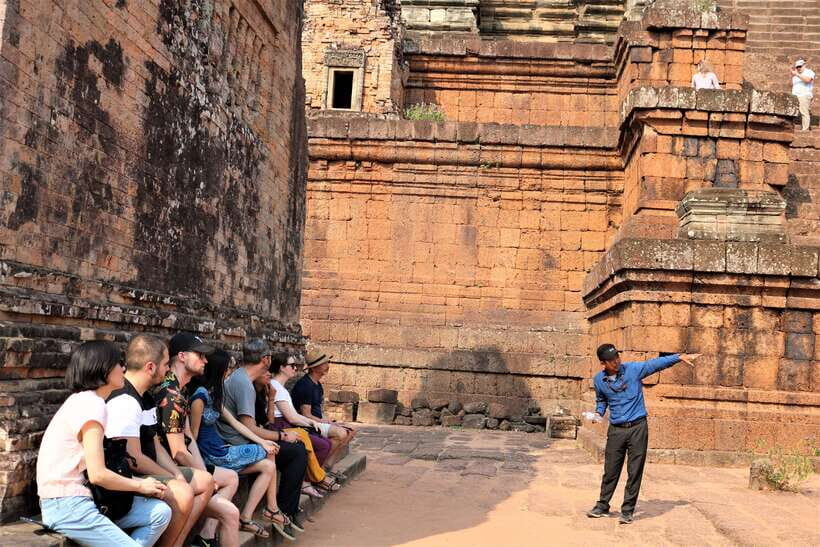
- Professional English guide who explains the meaning behind the carvings and layouts
- Angkor Wat + Angkor Thom + Ta Prohm in one focused day, with time to see key landmarks
- Cool towel and bottled water when the heat kicks in
- Photo help: many guides point out the best angles and spots for pictures
- Jungle drama at Ta Prohm, without turning it into a rushed photo stop
You can also read our reviews of more tours and experiences in Siem Reap
Angkor Wat at sunrise: why the timing matters
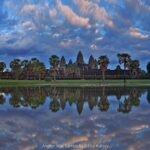
Angkor Wat is the kind of place where light changes everything. Early morning gives you a cooler start, softer shadows across the corridors, and a calmer feel before the mid-day crush. Even if you’ve seen photos before, the scale hits differently in person: this is the world’s largest sacred building, built in the 12th century over 30 years, and it’s meant to feel like a “designed world,” not just a monument.
What makes this tour especially helpful is that you’re not wandering. You’ll have a guided visit inside Angkor Wat for about two hours. That time window is long enough to walk the main paths, pause for the big views, and still keep your energy for the temples later in the day.
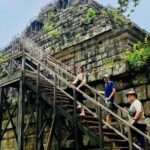
Practical tip: bring comfortable shoes with grip. Angkor’s walkways can be uneven, and you’ll want stable footing before you start clocking up steps.
Pickup windows and the vehicle comfort that saves your day
This tour leaves from Siem Reap Province with pickup in the very early morning. The standard pickup is between 4:10 AM and 4:30 AM, depending on your hotel location, and you’ll get the exact time the day before. One note: another listed pickup range says 7:40 AM to 8:00 AM. Because of that mismatch, treat the day-before confirmation as the truth. Either way, you’re starting early.
You’ll ride in an air-conditioned vehicle, and the day includes bottled water and cool towels to help you cope with the heat. That sounds basic, but it’s a big deal when you’re spending hours walking among stone and crowds.
Also, the tour runs about 8 hours total and typically drops you back at your hotel mid-afternoon, roughly 4:00 PM to 5:00 PM. That’s one of the advantages of choosing a structured day tour over trying to piece everything together on your own.
Angkor Wat: reading the sacred layout, not just taking photos
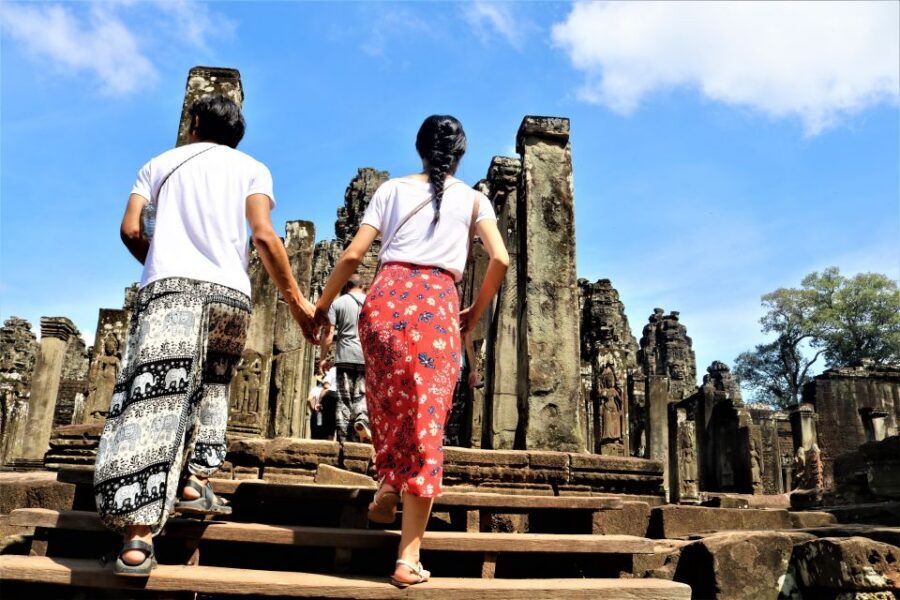
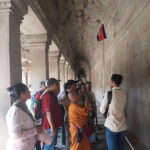
At Angkor Wat, the guide’s job is to help you “read” the place. You’ll get the Khmer civilization context—how the complex reflects the height of Khmer power and how the architecture is meant to guide movement through space. You’re also likely to notice how the temple works as a visual system: the gates, causeways, and towers aren’t random; they layer viewpoints and create a rhythm as you walk.
What you should love here:
- Architectural highlights: the temple is the iconic centerpiece for a reason
- Clear interpretation: guides often explain what symbols and carvings are pointing to, especially where Buddhism and Khmer history intersect
A small consideration: if you’re only interested in architecture and not religion or symbolism, you might find some explanations lean spiritual. It’s still useful for understanding why the place looks the way it does.
Angkor Thom’s southern gate: a city guarded by gods and demons
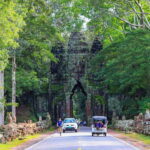
After Angkor Wat, you’ll head to Angkor Thom, the fortified city area. The first big visual stop is the southern gate, flanked by rows of stone figures—54 on each side, with gods to the left and demons to the right. It’s one of those details that seems decorative until you learn the logic behind it. The guide will help you understand what the split imagery represents, and it makes the gate feel less like a wall and more like a statement.
From there, you’ll move through the Angkor Thom area to see other key structures, including the Bayon complex. This part of the day is helpful because it gives you a wider sense of Angkor beyond one temple. You start to notice how temples and city planning go together here.


Bayon Temple: the faces you can’t stop looking at
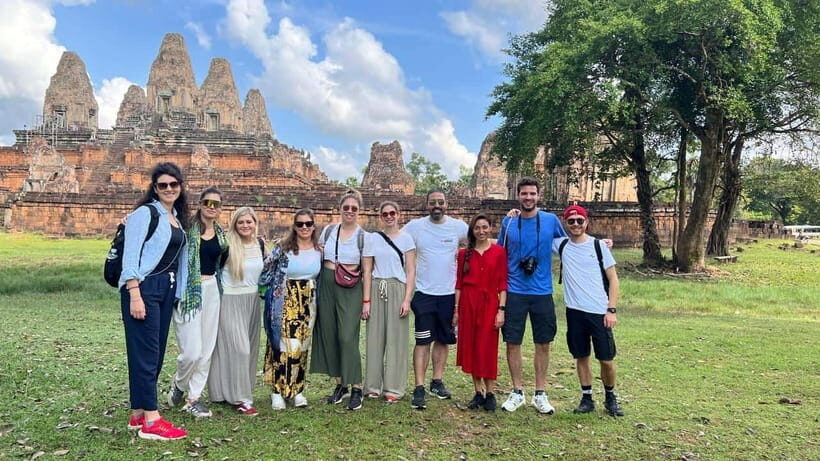
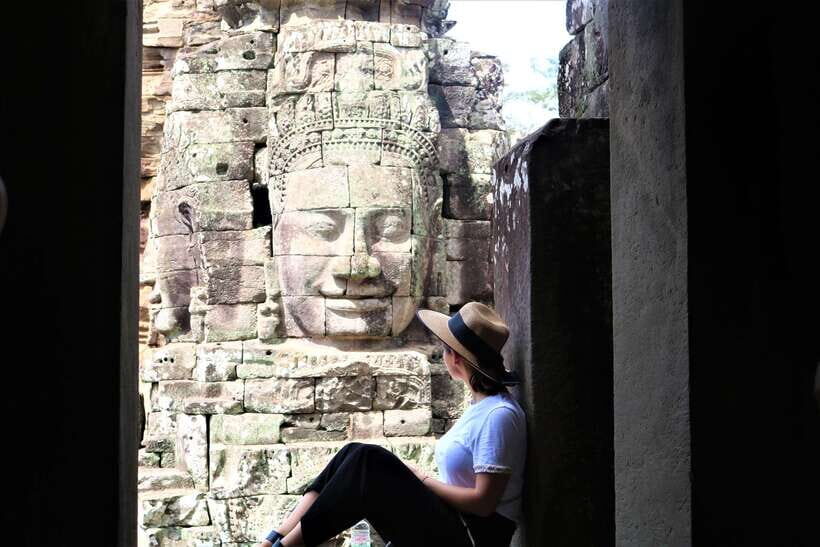
Bayon Temple is famous for the central towers covered with more than 200 enormous faces. Even if you’ve seen it in pictures, the real effect is noticing how the faces change with angle. As you walk around the towers and pass courtyards, expressions seem to shift just because your viewpoint shifts.
Expect a guided visit for about an hour at Bayon. The guide’s explanation can turn the place from “cool faces” into something more meaningful—what these faces communicate, how they connect to Khmer belief, and why Bayon sits where it does inside Angkor Thom.
Along the route, you’ll also pass notable terraces, including the Terrace of the Leper King and the Terrace of the Elephants. You may not have time for every tiny carving in close-up detail, but your guide will point out the key storytelling areas so you understand what you’re looking at. For many people, that’s the difference between “I saw it” and “I get it.”
If you’re chasing photos, this is one of the best zones. Many guides are good at steering you toward photo spots with a clear line of sight and minimal obstruction—names mentioned in feedback include Pal Saruon and Yuth, who people praise for photo timing and angle guidance.
Srah Srang break: planning your energy before Ta Prohm

Mid-morning, you’ll make a stop at Srah Srang for a break that includes drinks like beer, coffee, and tea, plus time to reset. You’ll get about an hour here. Lunch is not listed as included under the tour’s costs, but local food is available nearby, and you’ll have free time to choose something.
This pause matters. By the time you reach Ta Prohm, it’s common to feel the day in your legs. A short rest before you enter the jungle-temple zone helps you enjoy the ruins instead of just surviving them.
Quick checklist for the break:
- Reapply sunscreen if you use it
- Hydrate (you’ll get water, but drink steadily)
- Stay in good shoes so you’re not fighting your footing
Ta Prohm: the Tomb Raider temple and why it feels different
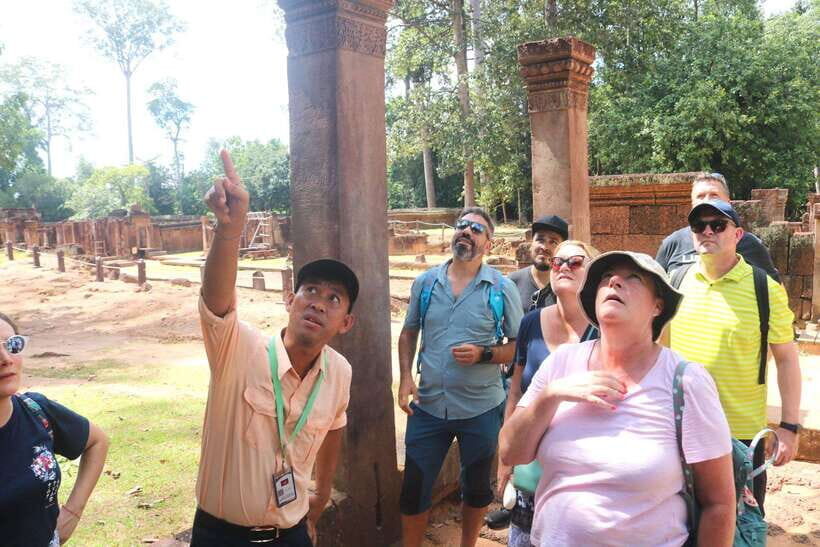
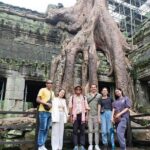
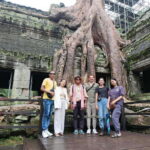
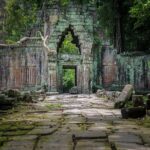
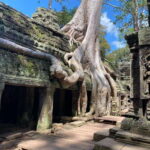
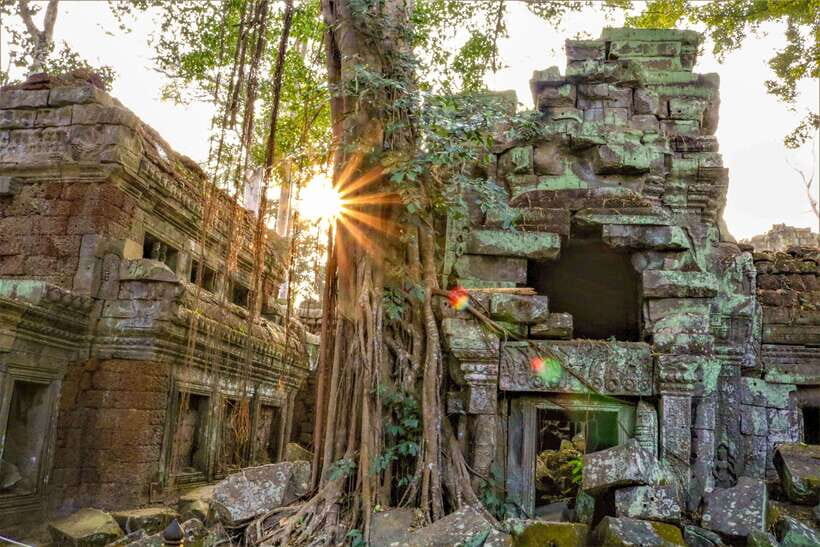
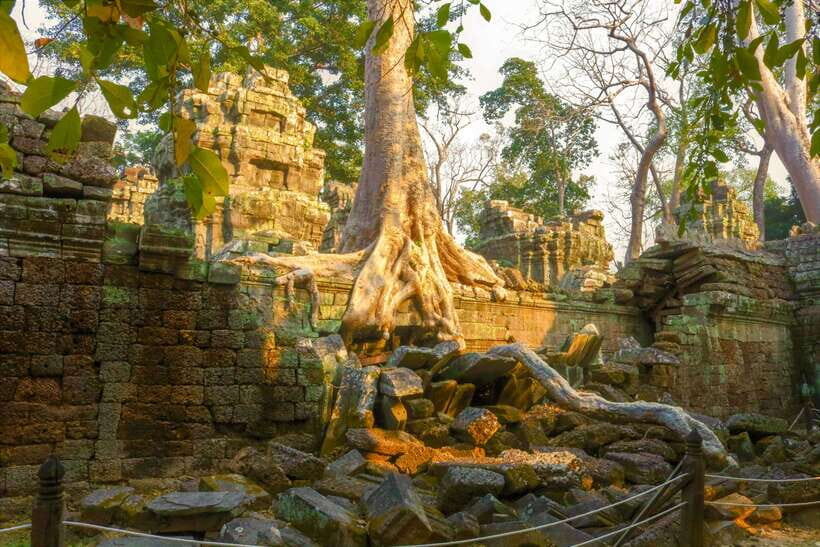
Ta Prohm is the temple most people describe with emotion. It’s the one covered by trees and roots, so it looks like nature is actively taking back the stone. This is why it’s often called the Tomb Raider temple. You’ll spend about an hour here, with time to walk through the maze-like interior.
Ta Prohm also has a neat historical note: it was home to 2,740 monks in the past, and it looks much the way it appeared when French explorer Henri Mouhot rediscovered it in the early 1850s. That combination—religious importance plus “time frozen”—is what makes Ta Prohm feel atmospheric rather than just scenic.
What to watch for:
- It can feel hotter and shadier at the same time—stone + humidity
- The paths can be uneven, so your shoe choice is crucial
- You’ll want to slow down, because the most interesting views often appear after you turn a corner
If you want a photography strategy, ask your guide to show you the better angles for faces and root frames. Several guides referenced in feedback are praised for taking the stress out of picture-taking.
Food and the heat: how the day stays comfortable
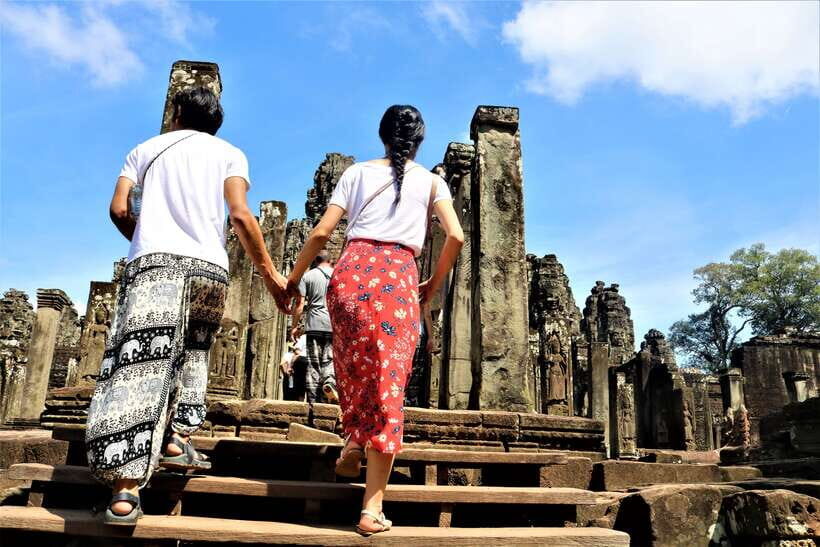
This tour is designed for a full day out, and it gets warm. You’ll be walking in temple zones, crossing courtyards, and climbing steps at points. The tour helps by providing bottled water and cool towels, which a number of guides and drivers are praised for providing regularly between stops.
Lunch is not included. In practice, that means you’ll likely eat near the temples during the break window rather than being brought somewhere prearranged for a set meal. If you’re picky about food, plan ahead by choosing a simple local option and keeping expectations realistic: it’s a temple day, not a culinary tour.
Also, dress code matters here. You’ll need to cover knees and shoulders when visiting temples. Shorts and tank tops can get you stopped at the gate. Bring a light layer you can wear easily, and keep a simple scarf or cover-up option ready.
Insect repellent is also on the suggested list. That’s not just a “maybe”—it can matter in humid temple areas.
Price and value: the $17 tour plus the Angkor Pass math
The advertised tour price is $17 per person for an 8-hour guided day. Entrance fees are not included, and you’ll pay an additional $37 for the Angkor Pass on the day of your tour. So your temple access budget is the important math:
- Tour cost: $17
- Angkor Pass: $37
- Total for entry + tour: $54 per person
- Lunch: not included
That’s actually strong value for a day that covers Angkor Wat, Angkor Thom (including the southern gate), Bayon, and Ta Prohm with an English guide and round-trip hotel transfers. If you tried to assemble the same route yourself, you’d likely pay for transportation anyway, and you’d still miss the context that makes the carvings and layouts click.
Where the price can feel less tidy is if you were hoping for everything-in-one. You do still need the pass, and you’ll need to budget lunch separately.
What you’ll remember most (and who should book)
If you care about context, this is a great day. Angkor isn’t just sightseeing; it’s a complex place where architecture, belief, and power history overlap. With guides like Mr. Sarkiya, Pal Saruon, Yuth, and Sam called out for clear explanations, the day tends to feel like orientation plus awe, not chaos.
You’ll especially enjoy it if:
- You want to see the main “big four” Angkor temple experiences in one go
- You like history tied to what you’re looking at
- You prefer a small-group pace where you can ask questions
You might want to rethink if:
- You dislike early mornings and long walking days
- You need full wheelchair access (this tour is not suitable for wheelchair users)
- You’re traveling with small children (children under 5 are not suitable)
One practical point from feedback: guides often help with photo spots and angles, which is great if you don’t want to play guesswork with crowds.
Should you book this Angkor Wat full-day small group tour?
I’d book it if you want a structured Angkor day with English guidance, hotel transfers, and a route that hits the key temples without turning into a planning project. The value works because the day packs major sites with comfort support—air-conditioned transport, bottled water, and cool towels—plus a guide who helps you understand what’s in front of you.
Skip this tour only if early pickup plus walking in heat sounds like your worst day, or if you need full accessibility support. Otherwise, it’s a smart way to experience Angkor’s top hits efficiently and with enough explanation to make the stone feel alive.
FAQ
Is the Angkor Pass included in the tour price?
No. Entrance fees are not included. You need an additional $37 Angkor Pass payable on the day of the tour.
What temples will I visit during this full-day tour?
You’ll visit Angkor Wat, Angkor Thom (including the southern gate), Bayon Temple, and Ta Prohm.
How long is the tour and when do you return to Siem Reap?
The tour duration is 8 hours, and you’ll be dropped back to your hotel around 4:00 PM to 5:00 PM.
What time is pickup from my hotel area?
Pickup is early morning. The standard pickup time is between 4:10 AM and 4:30 AM, depending on your hotel location, and the exact pickup time is confirmed one day before the tour. Another range listed is 7:40 AM to 8:00 AM, so rely on the confirmed time.
Does this tour include lunch?
Lunch is not included. There is a break stop with drinks and free time, and lunch may be available nearby.
What’s included besides the guide?
You get an experienced English-speaking guide, hotel pickup and drop-off, travel in an air-conditioned vehicle, plus complimentary bottled water and a cool towel.
What should I bring for the temples?
Bring comfortable shoes, sunglasses, a sun hat, and insect repellent.
Do I need a passport for this tour?
No passport is required for this tour.