REVIEW · SIEM REAP
Two Days Angkor Tour
Book on Viator →Operated by Angkor One Tour · Bookable on Viator
Two days in Angkor goes fast. This private plan stacks the major sights of Siem Reap into two days, with air-conditioned vehicle pickup and a guide like Dara Rann to help you make sense of what you’re seeing. You get the iconic temples in one focused loop, then a very different kind of Cambodian life at the floating community of Kompong Phluk.
I love the practical pacing: you move through Angkor Wat, Ta Prohm, and then the many parts of Angkor Thom without feeling like you’re constantly sprinting for the next photo. I also like the mix on Day 2—floating village views, plus culture stops like Artisans Angkor and the National Museum—so the trip doesn’t feel like temple-only tourism. One drawback to plan for: admission tickets and any fees/taxes are not included, so your final cost will be higher than the headline price.
In This Review
- Key Highlights Worth Planning Around
- Two Days in Siem Reap: Temples by Day, Lake Life by Afternoon
- Day 1 Angkor Archaeological Park: Angkor Wat, Ta Prohm, and a Big Pass Through Angkor Thom
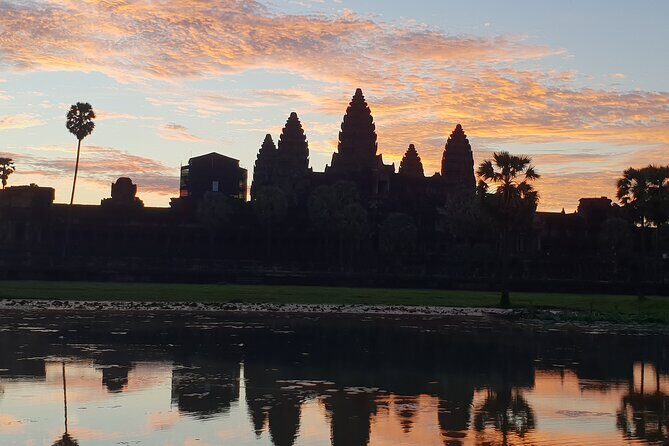
- Angkor Wat: Go for the scale, stay for the details
- Ta Prohm: The jungle-temple effect (and the crowds)
- Lunch break: the reset you’ll be glad you planned
- Angkor Thom: the South Gate, Bayon, and the terrace highlights
- Day 2 Kompong Phluk and Culture Stops: Floating Village, Artisans Angkor, National Museum
- Kompong Phluk: floating community on the great lake
- Artisans Angkor: hands-on culture break
- National Museum: put the pieces together
- Pickup, Private Feel, and Group Size: Why the Logistics Matter
- Price and Value: What $75 Really Means for Your Two Days
- What’s Included vs Not Included (So You Don’t Get Surprised)
- Comfort and Effort: A Realistic Fit for Your Body
- Who Should Book This Two Days Angkor Tour?
- Should You Book Angkor One Tour?
- FAQ
- FAQ
- How much does the Two Days Angkor Tour cost?
- Where does the tour start and end?
- Is pickup included?
- How long is the tour?
- Are admission tickets included?
- What’s included on Day 1?
- How many people are in the group?
Key Highlights Worth Planning Around
- A true two-day structure with an Angkor temples day followed by a lake-and-culture day
- Day 1 hits the big anchors: Angkor Wat, Ta Prohm, and a full run of Angkor Thom highlights
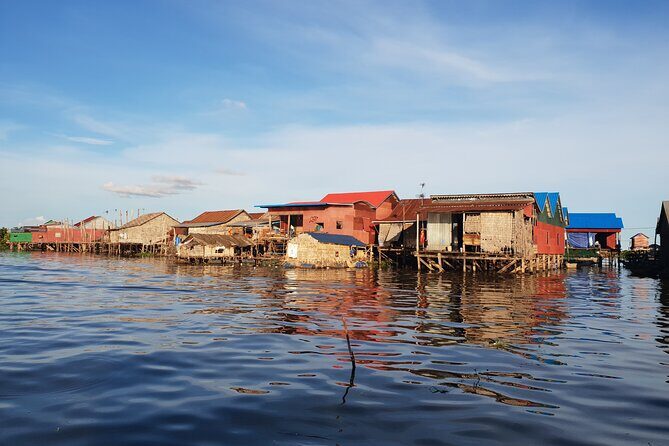
- Kompong Phluk changes the mood from stone temples to village life on the water
- Small group up to 10 with pickup by air-conditioned vehicle
- A named guide touchpoint like Dara Rann, known for clear coordination and flexibility
- Tickets are separate—budget time and money for entrances and other fees
Two Days in Siem Reap: Temples by Day, Lake Life by Afternoon
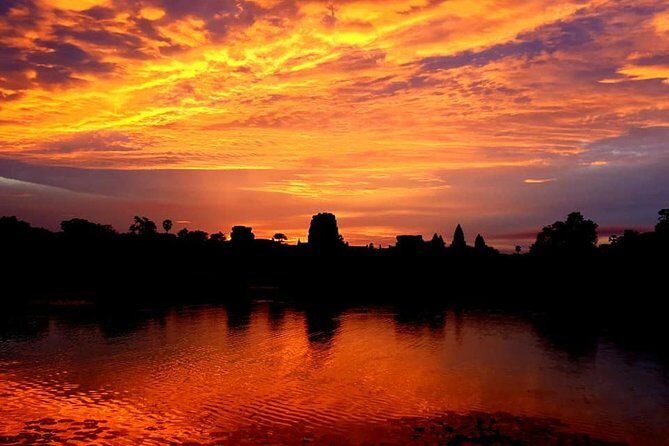
This is the kind of tour that works when you want maximum impact without the chaos. You’re in Siem Reap, so you’ll already have options for temple days, but this one gives you a neat split: one long Angkor day and one shorter Day 2 that swaps in Kompong Phluk and culture stops.
The private setup matters more than you might think. With a small group (up to 10) and pickup from Krong Siem Reap, you spend less time herding, waiting, and trying to decode directions on the fly. And because Dara Rann has a reputation for staying on top of details—especially pre-trip communication—your day tends to start smoother than the typical walk-up experience.
Still, keep expectations realistic. Angkor is big, and even a well-run day can involve heat, stone steps, and long walking. The good news: the route is built around major sites, so you’re not spending your limited time playing “which temple is this again?”
You can also read our reviews of more tours and experiences in Siem Reap
Day 1 Angkor Archaeological Park: Angkor Wat, Ta Prohm, and a Big Pass Through Angkor Thom
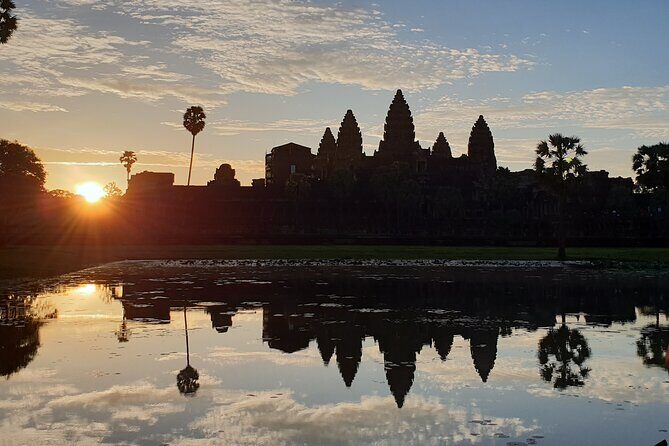
Day 1 is your heavy-hitter day—about 8 hours in the Angkor Archaeological Park—with three main temple zones and a built-in lunch break.
Angkor Wat: Go for the scale, stay for the details
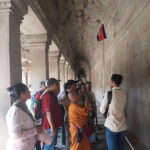
Angkor Wat is the obvious starting point, but it’s also where your brain needs a minute to catch up. You’ll see why people come back for repeat visits: the sightlines and symmetry are impressive, and there’s always something new to notice as you move around.
Practical tip: wear comfortable shoes with decent grip. You’ll be walking on uneven stone paths and crossing open areas where the sun can hit hard. If you like taking photos, give yourself small mental “checkpoints” rather than trying to capture everything at once.
Ta Prohm: The jungle-temple effect (and the crowds)
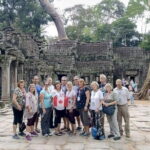
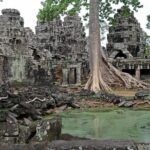
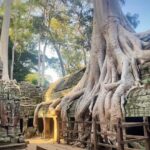
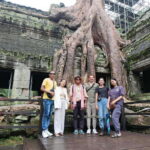
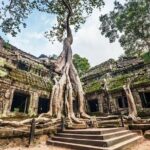
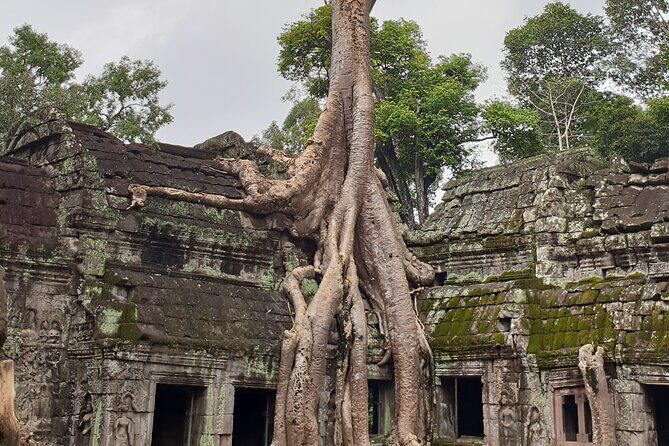
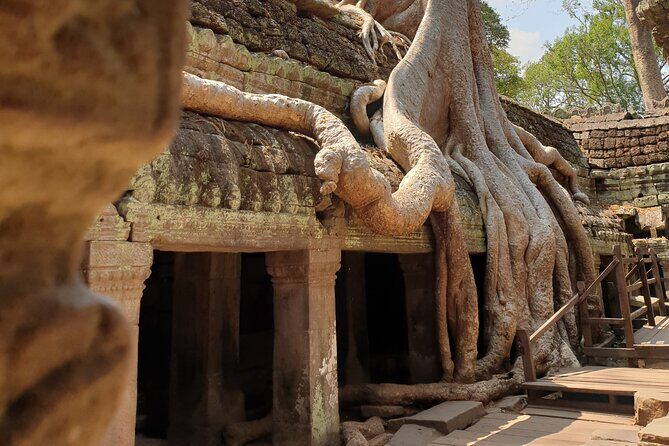
Ta Prohm is the stop that feels like it’s from another movie genre. The temple’s dramatic vibe comes from the way tree roots and foliage interact with the architecture. It’s visually striking fast, but it also rewards patience—stand still for a bit and you’ll notice the textures and angles instead of only chasing the next view.
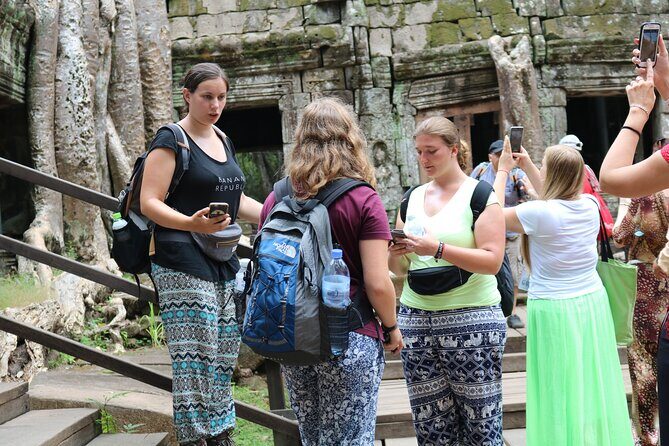
A consideration: Ta Prohm can get busy, and narrow walkways mean you’ll sometimes pause for people to move through. If you’re traveling with kids or you’re tired easily, this is where your guide’s pacing really matters.
Lunch break: the reset you’ll be glad you planned
You get an afternoon lunch break on Day 1. This matters because Angkor days can blur together quickly. A real break helps you avoid the “we still have three big things left” feeling when your energy is already running low. Hydration is key too, especially if you’re visiting during hot months.
If you’re sensitive to heat, schedule your lunch like a mini recovery plan: water first, then food, then a slow recharge before you tackle the last big section.


Angkor Thom: the South Gate, Bayon, and the terrace highlights
After Angkor Wat and Ta Prohm, the day shifts into Angkor Thom, and here you’ll cover several specific highlights:
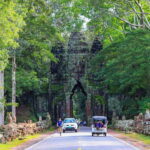
- South Gate: a dramatic entry that sets the tone for the whole complex
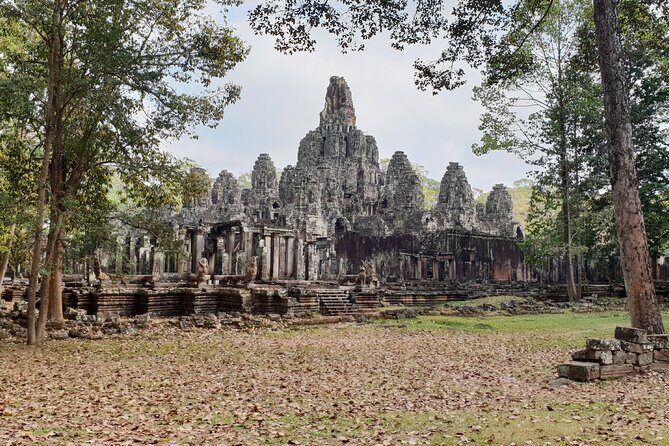
- Bayon: famous for its face towers, where you’ll often rotate your viewpoint to see expressions from different angles
- Terrace of the Elephant
- Leper King Terrace
- The area where the former Grand Palace stood
This part is less about one “wow moment” and more about building a mental map. You’ll get a better understanding of the site when you move from gate to center to terraces in a guided way, instead of hopping randomly. Your guide can also help you interpret why certain areas matter and what you’re looking at when you’re standing in front of ruins.
Admission note: Day 1 is listed as 8 hours, and admission tickets are not included—so make sure you’re not relying on the tour price alone.
Day 2 Kompong Phluk and Culture Stops: Floating Village, Artisans Angkor, National Museum
Day 2 runs about 6 hours, and it’s designed to change your viewpoint. You’re still in Cambodia, but you’re leaving temple scale behind and shifting to life tied to the water and local crafts.
Kompong Phluk: floating community on the great lake
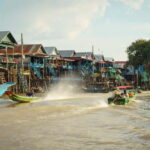
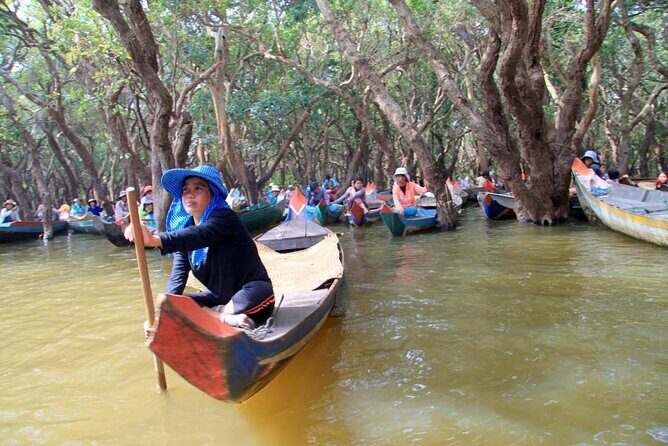
Kompong Phluk is the signature stop on Day 2: a floating village on the great lake. Even if you’ve seen photos, seeing it in person changes the scale and the feel. Expect to notice how daily life adapts to the water—buildings and activity organized around the lake environment.
Walking tip: keep an eye on where you step and how crowded areas get. If there’s any uneven footing near the waterfront, shoes with grip are again your friend. If you prefer quieter moments for photos, ask your guide when the best times to move through are.
Artisans Angkor: hands-on culture break
After Kompong Phluk, there’s a stop at Artisans Angkor. This is a good “between-worlds” transition. You go from village scenery to human craft and cultural explanation, and it helps keep Day 2 from feeling like only a scenic detour.
If you like learning how things are made, this kind of stop gives you a tangible way to take the day home—rather than only memories and camera shots.
National Museum: put the pieces together
Rounding out Day 2 is the National Museum. This is where your earlier temple visits start to make more sense. You’ll likely find it easier to connect what you saw in the temple ruins with artifacts and context.
One practical point: museums often involve indoor walking and standing for displays. Pace yourself, and use your guide’s explanations to focus on what matters most to you, not everything at once.
Pickup, Private Feel, and Group Size: Why the Logistics Matter
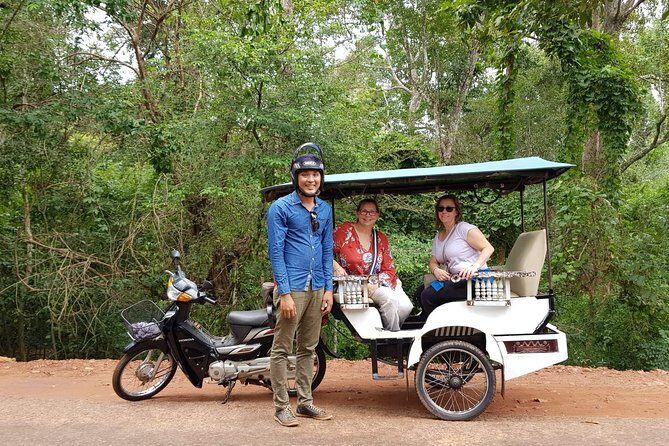
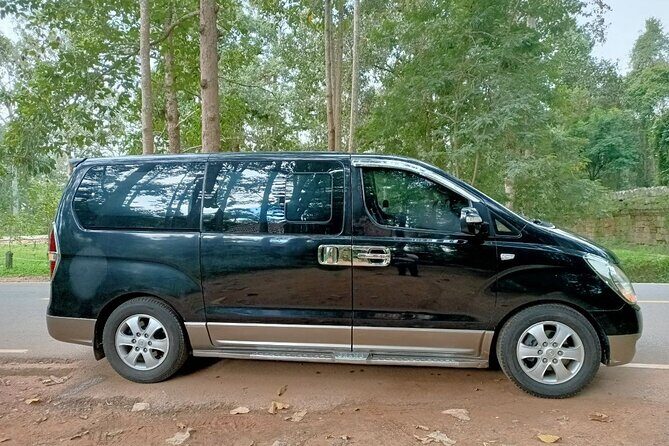
This tour includes an air-conditioned vehicle and offers pickup. That’s not a small detail in Siem Reap. The heat and distance between sites can drain you fast, and being able to cool down between stops helps you enjoy the moments you actually came for.
The group size cap—maximum of 10 travelers—also supports the private feel. Even if you’re sharing the ride with a few people, you’re less likely to be lost in a large shuffle.
One detail I find especially reassuring is how guide coordination shows up in real experiences. A guide like Dara Rann is described as responsive before the trip, including using WhatsApp for communication. That kind of back-and-forth matters when you’re trying to align timing, photo priorities, and comfort needs.
Price and Value: What $75 Really Means for Your Two Days
The headline price is $75 for about two days in Siem Reap, with pickup and an air-conditioned vehicle included. For a temple-heavy experience plus Day 2 culture stops, that can be good value—especially if you’d otherwise end up paying more for multiple separate day trips.
But here’s the key budgeting reality: admission tickets are not included, and all fees and taxes are also listed as not included. So while the tour price covers the guided transport and planning, you still need to account for entrance costs once you arrive.
My advice: treat the $75 as your transportation + guiding budget, then add a separate line for ticket/fees. This avoids the awkward moment of realizing you’re short when you reach the gate.
What’s Included vs Not Included (So You Don’t Get Surprised)
Included:
- Air-conditioned vehicle
Not included:
- All fees and taxes
- Admission tickets (explicitly not included on both Day 1 and Day 2 segments)
This matters because Angkor entrance costs can be a big part of your total day spending. If you’re trying to keep a tight budget, decide early how much you want to spend on temple access versus other experiences.
Comfort and Effort: A Realistic Fit for Your Body
The tour lists a moderate physical fitness level requirement. Translation: plan for walking, stairs, and long stretches outdoors. You don’t need to be an athlete, but you do need to be comfortable with ruins and uneven ground.
If you’re bringing kids or you tire quickly, this is where a good guide helps. Even when the route is fixed, the pacing—how often you pause, where you stand to view, and when you regroup—can make the day feel doable instead of exhausting. A flexible guide like Dara Rann is specifically described as handling schedule changes for families.
Who Should Book This Two Days Angkor Tour?
This tour is a strong match if:
- you want major Angkor temples in one structured Day 1
- you don’t want your trip to be temple-only, and you care about Kompong Phluk
- you prefer a guided plan over piecing together routes yourself
- you value pickup comfort and a small-group experience (up to 10)
It’s less ideal if:
- you hate walking and stairs in warm weather
- you want every cost clearly “all-in” with no separate admissions to pay
- you’re looking for a super-long day with many extra detours (this is built around the core stops)
Should You Book Angkor One Tour?
If you’re choosing between a random day trip and a more structured plan, I’d lean toward booking this. It gives you the essentials at Angkor—Angkor Wat, Ta Prohm, and the core parts of Angkor Thom—then balances it with Kompong Phluk plus two culture stops at Artisans Angkor and the National Museum.
Just do two things before you commit: confirm your total budget by estimating admission costs since they’re not included, and plan your comfort gear (shoes, water, sun protection). With that, you’ll get a well-paced two-day route that feels like you actually used your time well in Siem Reap.
FAQ
FAQ
How much does the Two Days Angkor Tour cost?
The listed price is $75.
Where does the tour start and end?
It starts in Krong Siem Reap, Cambodia, and it ends back at the meeting point.
Is pickup included?
Yes, pickup is offered, and the tour includes an air-conditioned vehicle.
How long is the tour?
It’s approximately 2 days. Day 1 is listed as 8 hours, and Day 2 is listed as 6 hours.
Are admission tickets included?
No. Admission tickets are not included and all fees and taxes are not included.
What’s included on Day 1?
Day 1 covers Angkor Wat, Ta Prohm, an afternoon lunch break, and Angkor Thom highlights including the South Gate, Bayon, Terrace of the Elephant, Leper King Terrace, and the former Grand Palace area.
How many people are in the group?
The tour has a maximum of 10 travelers.
If you want, tell me your travel dates and whether you’re traveling as a couple or with kids—I can suggest a simple packing and timing checklist for these exact two days.