REVIEW · SIEM REAP
Siem Reap: Angkor Temples Tour by a Private Tuk Tuk
Book on GetYourGuide →Operated by Private Siem Reap Tour Guide & Transport · Bookable on GetYourGuide
Angkor is huge, so the route matters. This private tuk tuk day is built to move you through the key Angkor sights without the feel of being shuffled.
I especially like the flexible pacing: you can spend more time where you’re actually still looking and less where you’ve already seen enough. I also like the small-comfort touches—cold waters on the go, plus cool towels in my experience—so the heat feels more manageable.
The main drawback to plan for is simple: you’ll still do real walking and stair climbing in midday sun, and temple entrance fees and lunch are not included.
In This Review
- Key things that make this private Angkor tuk tuk tour worth your time
- Siem Reap pickup to Angkor gates: why tuk tuk feels smarter than a van
- Timing your day in the Angkor heat: what to plan for before you go
- Angkor Wat: the national-symbol temple you can’t rush
- Angkor Thom’s South Gate and Bayon: entering the walled city
- Baphuon, Terrace of the Elephants, and Phimeanakas viewpoints
- Thommanon and Chau Say Tevoda: quieter temples with strong symbolism
- Ta Prohm and the Tomb Raider connection: roots, moss, and angles
- Lunch in the middle: keeping your day from turning into survival
- Comfort, driver quality, and small perks that matter
- Price and value: how $25 per group up to 4 holds up
- Should you book this private Angkor temples tuk tuk tour?
- FAQ
- How long is the Angkor temples tour?
- What’s the price for this private tuk tuk tour?
- Is this a private tour or a shared group?
- Are entrance fees included in the price?
- Is lunch included?
- Does the tour include hotel pickup and drop-off?
- What language is the driver?
- Does the tour include a separate entrance or skip-the-line access?
- What should I bring for the temple sites?
- Is there free cancellation?
- Is there a pay-later option?
Key things that make this private Angkor tuk tuk tour worth your time
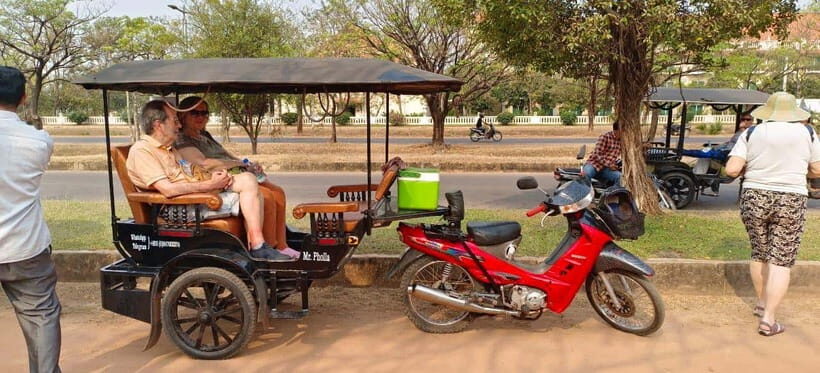
- Private tuk tuk convenience: easier stops, shorter transfers, and a more personal route than big-group vans
- Skip-the-line via a separate entrance so your morning gets less wasted time
- Driver-led timing: you can adjust how long you linger at Bayon, Baphuon, or Ta Prohm
- A well-rounded mix of headline temples and smaller stops like Thommanon and Chau Say Tevoda
- Heat-friendly extras: cold water and cool towels during the day
- Lunch in the middle of the circuit so you don’t burn out before Ta Prohm
Siem Reap pickup to Angkor gates: why tuk tuk feels smarter than a van
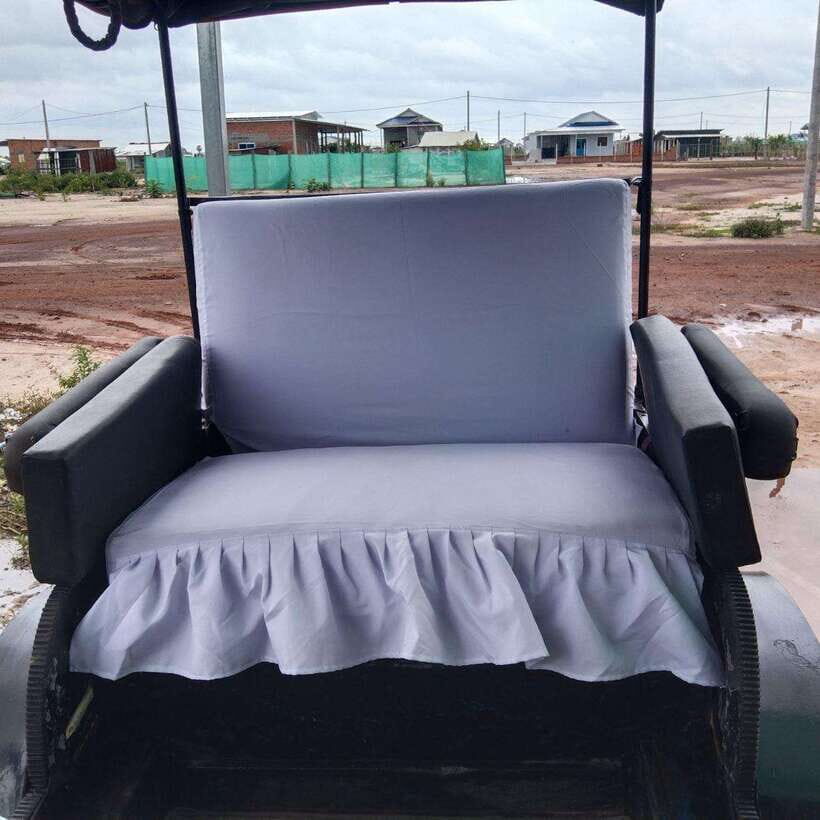
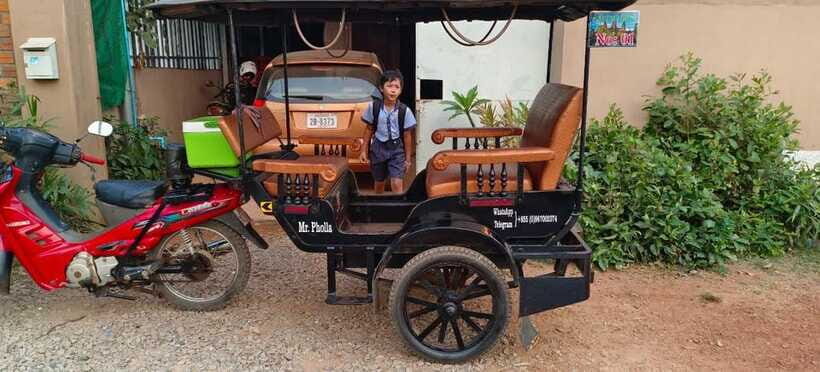
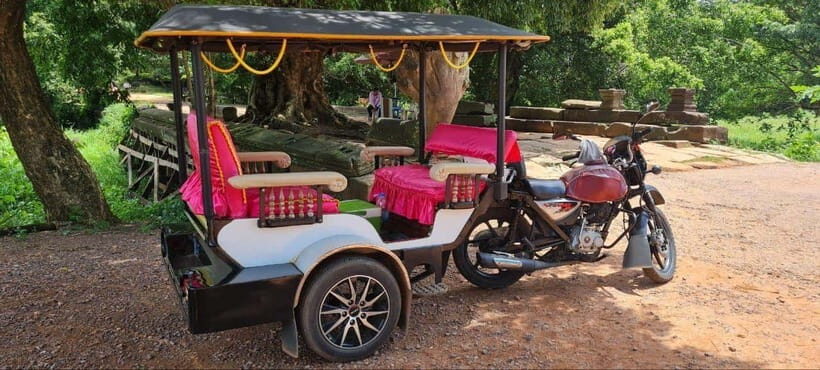
This is a one-day tour with hotel pickup in Krong Siem Reap and a licensed English-speaking driver. The drive from town to the Angkor area is usually about 30 minutes, and you’ll spend the rest of the day hopping temple to temple.
A private tuk tuk is practical here because Angkor isn’t a single stop. Even if you’re only doing the “highlights,” you’re constantly moving between gates, courtyards, and viewpoints. With a private vehicle, you can get in, walk, photograph, and then adjust your next stop without waiting for a bigger group to catch up.
One more thing I like: you’re not locked into a rigid parade. If you want longer at Bayon’s faces or you want to sprint through for photos at the right moment of the day, the driver can help you manage that.
You can also read our reviews of more private tours in Siem Reap
Timing your day in the Angkor heat: what to plan for before you go
Angkor is famous, which also means it can get busy. The tour format helps, but you’ll still feel the sun—especially during the middle part of the route when you’re outside between sites.
Wear comfortable shoes that can handle uneven stone and short stair bursts. Light, breathable clothing helps, and I always pack a hat, sunscreen, and sunglasses for this part of Cambodia. Bring your own water too, even though the tour provides cold water during the day.
A small but useful strategy: use the early energy for the big wow moments (Angkor Wat and Angkor Thom) and save your most patient attention for the places where you can slow down—Ta Prohm, for example, rewards time and angles.
Angkor Wat: the national-symbol temple you can’t rush
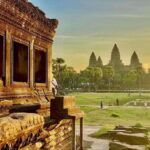
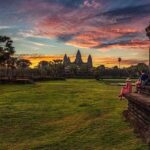
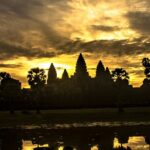
Angkor Wat is the big one for a reason. It’s the largest religious monument in the world and was built by Khmer King Suryavarman II in the early 12th century as his state temple and eventual mausoleum. It’s also a living symbol for Cambodia—so much so it appears on the national flag.
On this tour, you’ll get time for both a photo stop and a visit with walking. Plan to spend that time watching how the architecture guides your eyes: paths, causeways, and levels that gradually “reframe” what you’re looking at.
What I like is that Angkor Wat is both impressive and readable. Even if you don’t know Khmer architecture in detail, you can still understand what’s happening: ceremonial design, strong symmetry, and the way the structure holds attention even from a distance.
Possible consideration: Angkor Wat draws crowds. If you’re the type who gets irritated by bottlenecks, use your early arrival energy and keep your camera ready for shorter windows before the biggest flows tighten up.
Angkor Thom’s South Gate and Bayon: entering the walled city
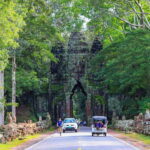
Next you’ll head into Angkor Thom, the ancient city enclosed by a laterite wall. The wall is about eight meters high and covers roughly 3 by 3 kilometers, with a moat that still holds water.
You enter through the South Gate, and then the main moment is Bayon Temple in the center. Bayon is the kind of site where you look up, then you look around, then you look up again. The famous face towers make the place feel alive from almost every angle.
What makes Bayon special on a private day is the control. You’re not stuck with the timing of a large group. If you want to linger on a specific angle—say, one that shows depth in the stone—you can.
Possible drawback: Bayon involves walking and turning between viewpoints. It’s not just standing in one spot, so if you’re hoping for a mostly flat “easy stroll,” this part may test your legs a bit.
Baphuon, Terrace of the Elephants, and Phimeanakas viewpoints
After Bayon, the route continues to Baphuon, known for its long causeway and a giant reclining Buddha. The reclining Buddha is the kind of scene that makes you stop for photos, but also for a closer look at the scale—because it feels bigger once you’re actually near it.
Then you’ll move to the Terrace of the Elephants, also known as the esplanade area of the Royal Palace. It’s one of those Angkor spaces that helps you understand the site as a functioning royal and ceremonial zone, not just isolated temples.
You’ll also have time in the shaded area around Preah Palilay, and the tour touches on Phimeanakas, which sits behind steep steps. If you want that better “over-the-tree-tops” view, bring your patience for stairs.
Tip for this stretch: it’s easy to get “photo fatigue” here. If your energy is dropping, pick one anchor moment—Baphuon reclining Buddha or the Terrace perspective—and focus there. You’ll still get plenty of variety without burning out.
Thommanon and Chau Say Tevoda: quieter temples with strong symbolism
In the afternoon, you shift to two Hindu temples that many first-time visitors skip. That’s a plus, because it gives you a break from the densest crowds while still staying in the Angkor core.
First is Thommanon Temple, a Hindu temple built during Suryavarman II’s reign. It’s part of a pair at Angkor, and its name comes from Pali words where Dhamma means Buddhist teachings and Nanda means supreme wisdom. Even if you don’t connect with the language roots, the site’s calm makes it easier to read the stonework.
Then comes Chau Say Tevoda, just east of Angkor Thom and directly south of Thommanon across the Victory Way. It was built in the mid-12th century and is dedicated to Shiva and Vishnu. One of the standout details here is the unique female sculptures of devatas.
What I like about these two stops is that they keep the day from feeling repetitive. Angkor Wat and Bayon can dominate your mental picture. Thommanon and Chau Say Tevoda help you understand the site as a network, with different styles and themes across the centuries.
Possible consideration: Because these are quieter, you might want to slow down your pace a bit. Rushing through them can make them feel like “just another temple,” when they’re really good for comparison and context.
Ta Prohm and the Tomb Raider connection: roots, moss, and angles
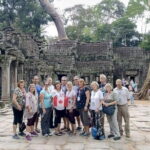
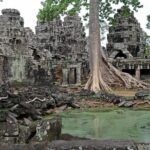
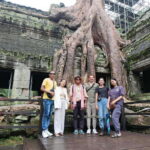
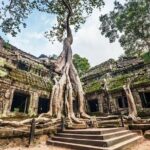
Finally, you reach Ta Prohm, the temple made famous in the 21st century by Tomb Raider, with Angelina Jolie as Lara Croft. That pop-culture connection brings people in, but what keeps them there is the real spectacle: how the stone and nature have grown together over time.
At Ta Prohm, the highlights are the tangled relationship between roots and ancient stones. The roots are from the Spung tree (Tetrameles Nudiflora), and you’ll see moss-covered textures that give you lots of layers for photos.
I like Ta Prohm on a private day because you can choose your pace. If you want to hunt for the best root-and-stone composition, take the extra minutes. If you want a shorter, focused visit, you can still hit the main visual beats without dragging your whole day.
Tip: wear good shoes and watch your step near roots and uneven areas. It’s not dangerous in the dramatic way your imagination might create, but it’s easy to slip when you’re concentrating on your camera.
Lunch in the middle: keeping your day from turning into survival
Lunch is scheduled as a break in the middle of the tour. Lunch itself is not included, but you’ll stop at a local restaurant during the day.
This is one of those smart planning touches that you’ll feel later. Eating mid-route keeps you from turning grumpy or slow right when Ta Prohm ramps up visually and physically.
A practical note: because lunch isn’t included, check whether your driver suggests a place and whether you’re expected to pay directly at the restaurant. If you have diet limits, it’s worth saying it early.
Comfort, driver quality, and small perks that matter
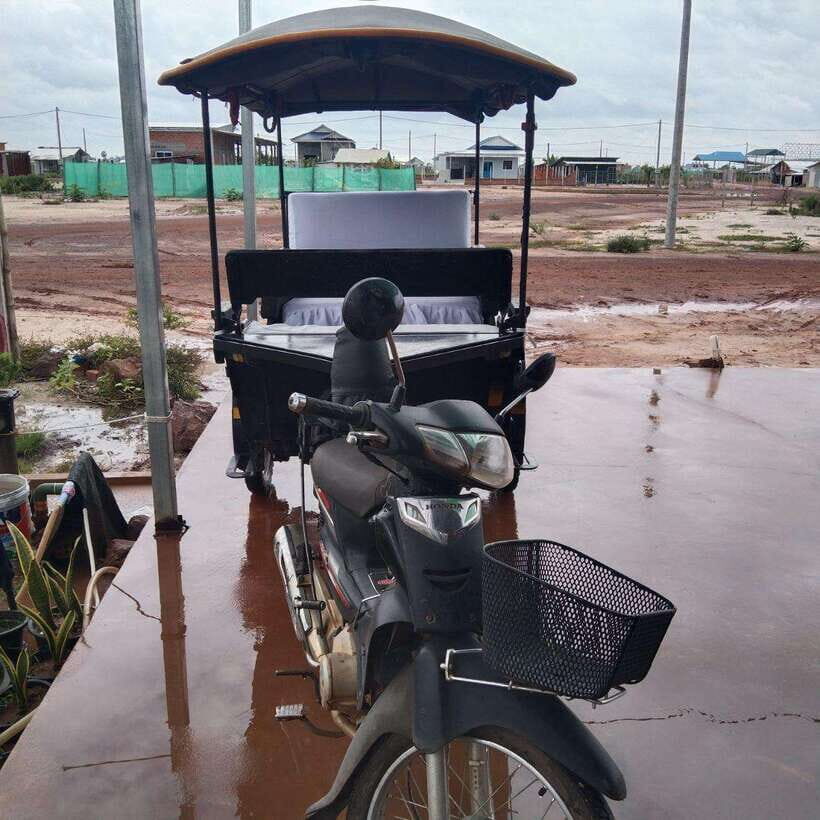
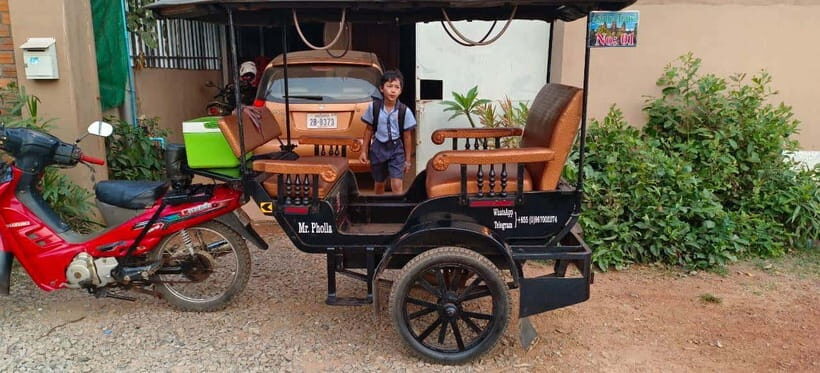
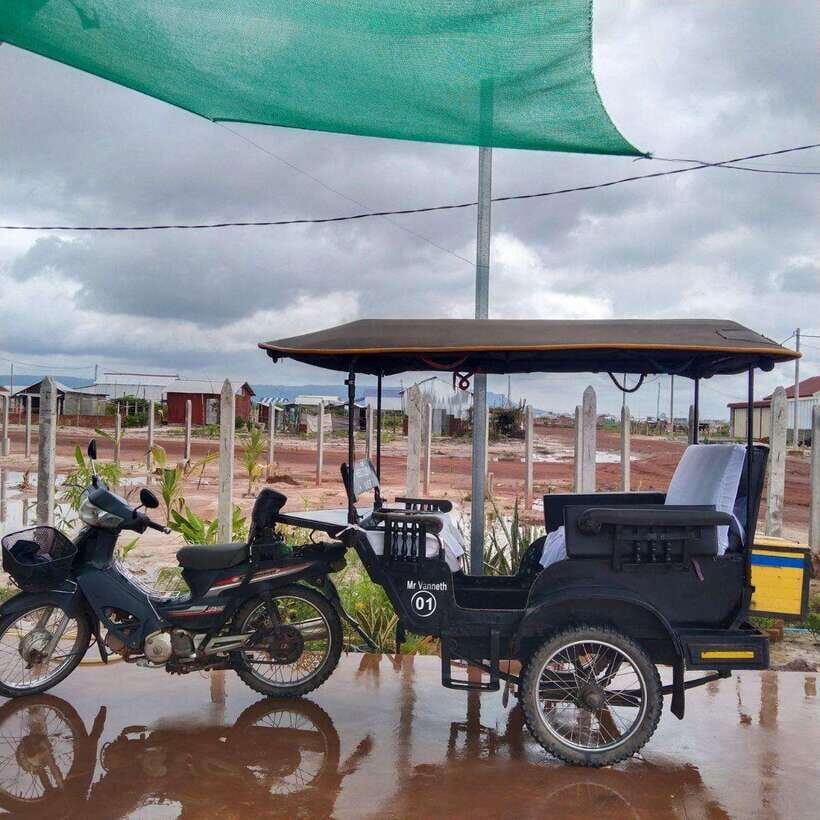
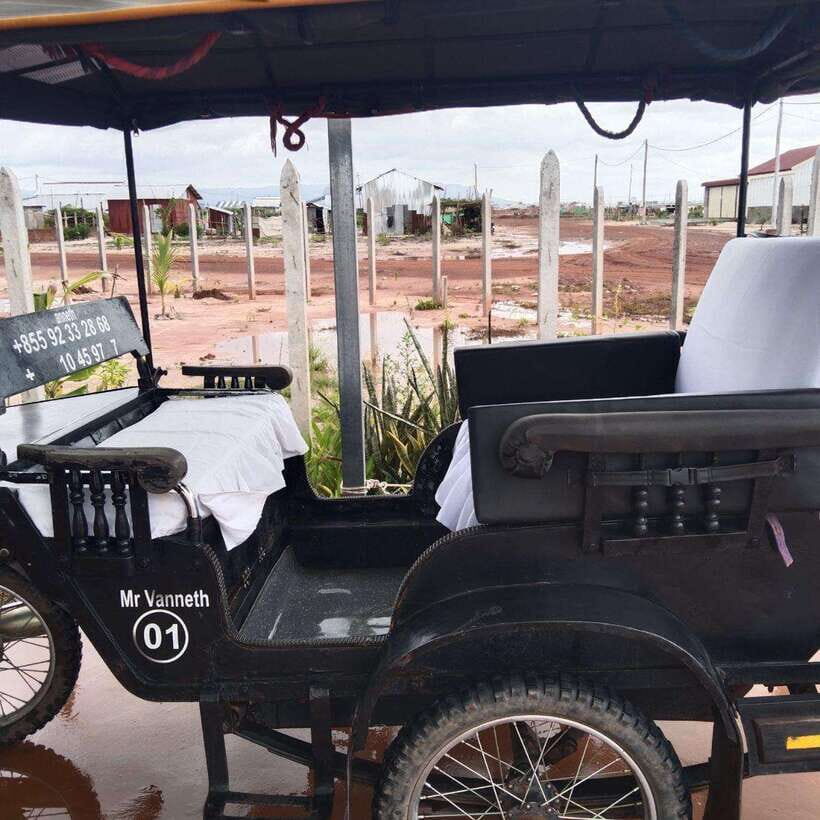
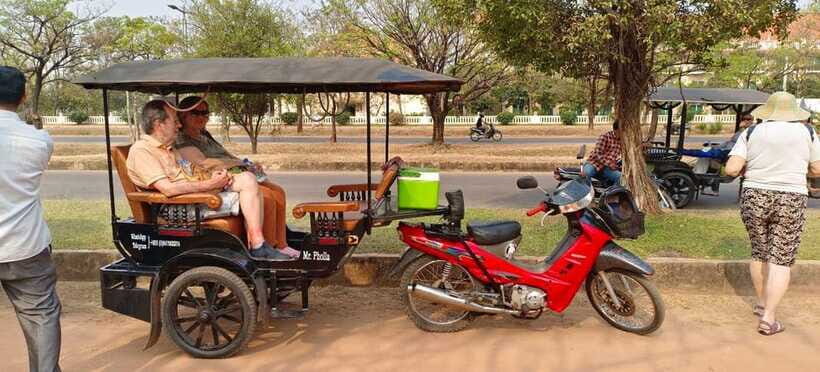
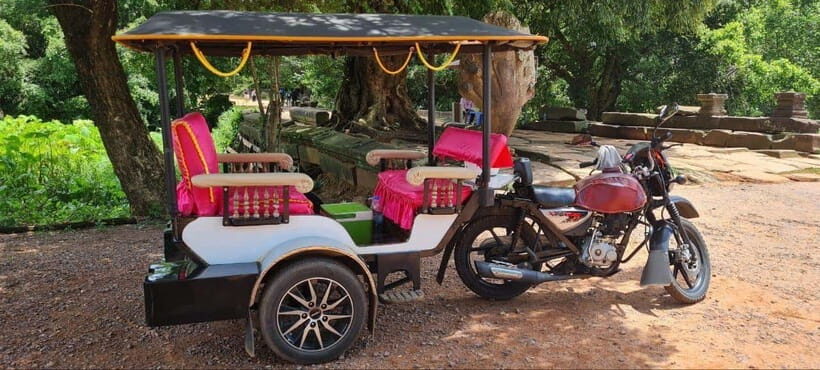
This tour includes private transportation by tuk tuk, a licensed private driver, toll roads, parking, gasoline, cold waters, and hotel pickup and drop-off. The driver is English-speaking, which helps when you want quick explanations like what to look for at Bayon or why certain temples sit where they do.
The best part, though, is how the driver manages your day in real time. In one experience, the driver Rachou impressed with a friendly personality and the extra comfort of cold water and cool towels throughout the day. Another driver, Sokha Cam, was thoughtful toward an older couple and helped keep them comfortable with attentive pacing. Sokha Cam also recommended an evening show and dinner after the tour, which is a nice way to turn your Angkor day into a full experience.
And yes, the tour description emphasizes skip-the-line access through a separate entrance. That matters because Angkor’s time sinks can feel bigger than the distances between temples.
Quick “be ready” checklist:
- Comfortable walking shoes
- Hat, sunscreen, sunglasses
- Camera
- Water (the tour also supplies cold water)
- Modest clothing for temple areas
Price and value: how $25 per group up to 4 holds up
The price is listed as $25 per group up to 4 for a one-day private tuk tuk tour. Entrance fees and lunch aren’t included, so your budget needs a little extra for those.
Here’s why I think this is decent value: you’re paying for private transport and a licensed driver for an entire temple circuit. If you’re traveling with a friend or two, the per-person cost can get low fast, and the comfort is better than crowded group transport in heat.
Also, skip-the-line entry plus a driver who can adjust timing reduces wasted time. At Angkor, saving even 30–60 minutes can change how much you actually enjoy the sites instead of just surviving the schedule.
One budgeting consideration: if you’re the only one in your group, the full cost lands on you. But if you’re up to four people, this format becomes a bargain.
Should you book this private Angkor temples tuk tuk tour?
I’d book this if you want a private, flexible Angkor day with a strong mix of the famous temples and the quieter ones like Thommanon and Chau Say Tevoda. It’s also a good match if you care about pacing—spending enough time at Bayon and Ta Prohm to actually see details.
Skip it or consider something else if you’re hoping for a mostly low-walking day, since this route includes visits that require real footwear and stamina. Also, confirm your total budget early because entrance fees and lunch are not part of the $25.
FAQ
How long is the Angkor temples tour?
It’s listed as a 1 day experience.
What’s the price for this private tuk tuk tour?
The price is $25 per group up to 4.
Is this a private tour or a shared group?
It’s a private group with private transport by tuk tuk.
Are entrance fees included in the price?
No. Entrance fees are not included.
Is lunch included?
No. Lunch is not included.
Does the tour include hotel pickup and drop-off?
Yes. Hotel pick up & drop off is included.
What language is the driver?
The driver speaks English.
Does the tour include a separate entrance or skip-the-line access?
Yes. It includes skip the line through a separate entrance.
What should I bring for the temple sites?
Bring comfortable shoes, a hat, camera, sunscreen, and water.
Is there free cancellation?
Yes. Free cancellation is offered up to 24 hours in advance for a full refund.
Is there a pay-later option?
Yes. You can reserve now and pay later.