REVIEW · SIEM REAP
Kulen Mountain: Full-Day Private Waterfall Tour
Book on GetYourGuide →Operated by Angkor T.K. Travel & Tours · Bookable on GetYourGuide
Kulen turns your day holy and wet. This private tour layers waterfalls over a sacred mountain tied to the Khmer origins, so you’re not just sightseeing—you’re stepping into a place locals still treat as special. I especially like the River of 1000 Lingas carvings and the chance to cool off at Kulen’s falls. One thing to consider: if you want a deep, detailed history lesson all day, you’ll likely need to ask your guide for it when the talking gets brief.
With hotel pickup and a private vehicle, the trip feels efficient and relaxed. You’ll drive through rice fields and villages, then climb a rocky road to Phnom Kulen National Park, with an English-speaking guide plus a cold towel and refreshment drink along the way.
In This Review
- Key things to know before you go
- Why Phnom Kulen feels more meaningful than most waterfall trips
- The morning drive: rice fields, villages, and the climb to the park
- River of 1000 Lingas: stone symbols and the Hindu trinity sections
- Up the hill: the pagoda and the reclining Buddha
- Kulen waterfalls: two swim pauses and the kind of break you came for
- Optional stop: adding Banteay Srei and using your Angkor day pass
- Price and value: what $175 per group really covers
- Service quality and how to get the best day out of your guide
- Timing: how a 6-hour day adds up at Phnom Kulen
- Who should book this private Kulen tour
- Should you book the Kulen Mountain Full-Day Private Waterfall Tour?
- FAQ
- How long is the Kulen Mountain full-day private waterfall tour?
- Where does the tour start and do I get hotel pickup?
- What’s included in the tour price?
- What entrance fees should I budget for?
- Is lunch included?
- Does the tour stop for swimming?
- Can I add Banteay Srei to the schedule?
- What are the cancellation terms and payment options?
Key things to know before you go
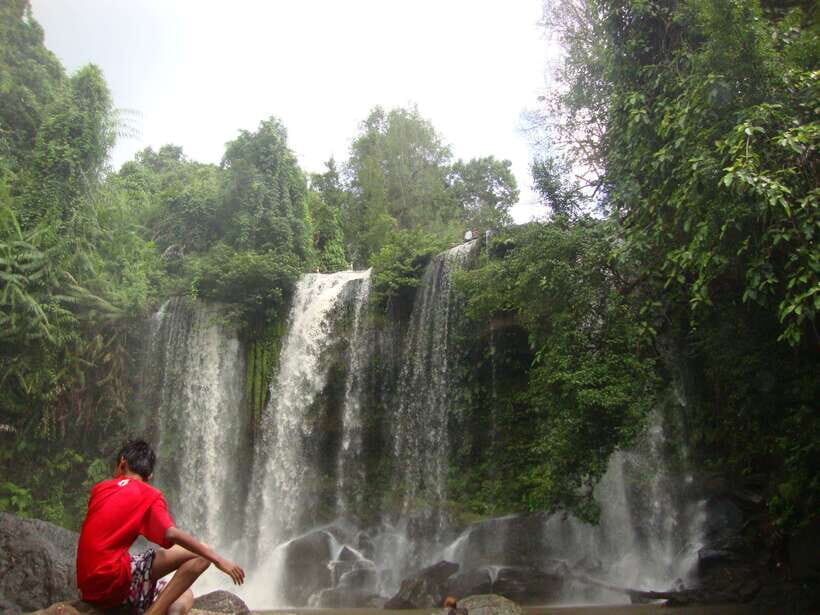
- You’re mixing three must-sees: River of 1000 Lingas, the top pagoda and reclining Buddha, and Kulen waterfalls.
- Kulen is a sacred mountain, not a random detour: sandstones from here were used for ancient Angkor temples.
- Carvings are the star at the river: thousands of stone symbols in a rocky riverbed, split into three sections.
- Swimming stops are built into the day: you’ll pause at two beautiful waterfall spots to cool off.
- Banteay Srei is optional, but not cheap: it requires an Angkor day pass if you add it.
Why Phnom Kulen feels more meaningful than most waterfall trips
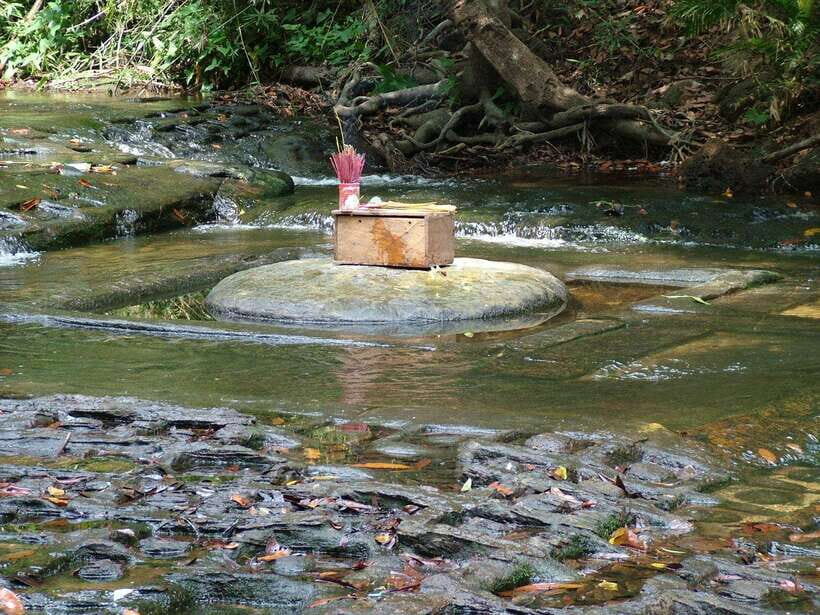
Phnom Kulen isn’t just another place with good scenery. It’s widely regarded as the birthplace of the ancient Khmer Empire, and that sense of origin shows up in how people talk about the mountain and treat it like a pilgrimage site. There’s even a local story tie-in that sandstone from this sacred area was brought to build famous Angkor temple structures.
That spiritual weight changes the tone of the day. At the waterfalls, you still get the fun part—cool air, mist, and time to reset. But between the falls, you also get stops with real religious symbolism: the River of 1000 Lingas and the reclining Buddha up on the hill.
I like that mix because it prevents the day from turning into one long photo sprint. You’re moving, yes, but you’re also getting context, and the sights connect in a way that makes the afternoon feel like a whole theme instead of random highlights.
You can also read our reviews of more private tours in Siem Reap
The morning drive: rice fields, villages, and the climb to the park
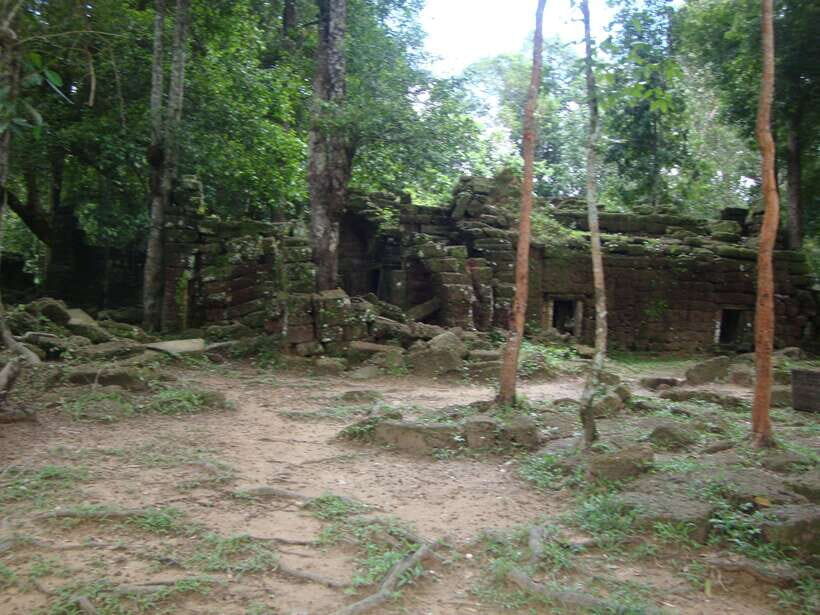
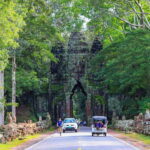
You’ll depart in the morning from your hotel with private transportation. The drive starts gently, rolling through wide open rice fields and scattered villages with traditional houses. Then the road starts to tighten as you wind up toward Phnom Kulen, with rocky stretches that make the last part of the ride feel more like a climb than a commute.
This matters for two reasons. First, it’s not just about reaching a viewpoint; the drive is part of the day’s atmosphere. Second, going early helps you handle the reality of Phnom Kulen on busier days—expect more people near popular photo spots, and plan your patience for slower pacing around stops.
Your private vehicle gives you a big advantage here: you’re not stuck with rigid group timing or long waits. You can generally flow from one site to the next with less friction, which is what you want when you’re spending a full 6 hours total out on the mountain.
River of 1000 Lingas: stone symbols and the Hindu trinity sections
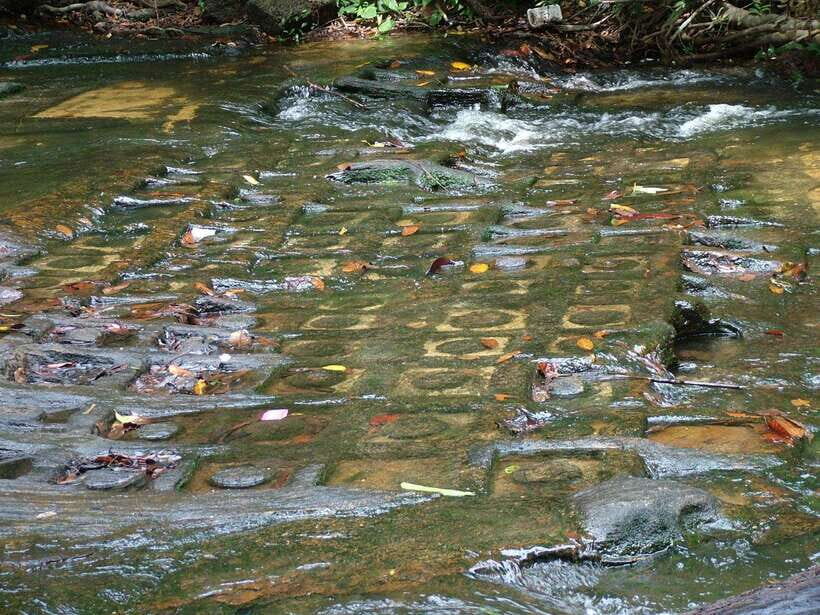
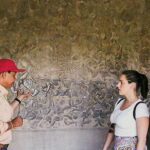
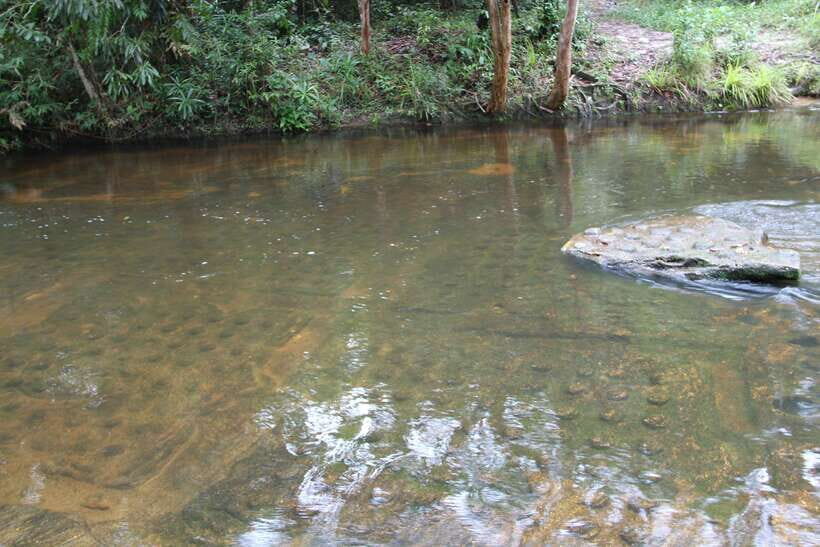
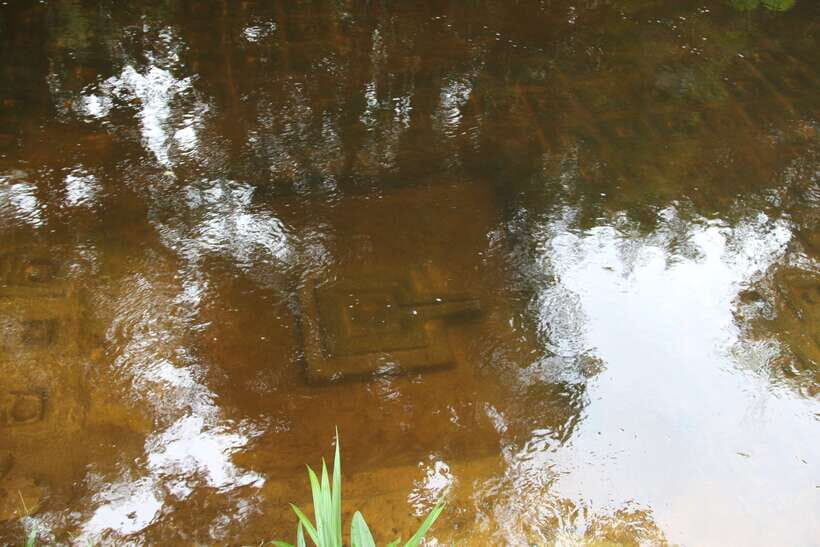
The River of 1000 Lingas is the kind of place where you slow down without meaning to. You’ll walk or stand in the riverbed area filled with thousands of unique, ancient carvings, each one different from the next. It’s divided into three ports, each connected to the Hindu trinity gods—so it’s not just one long stretch of decoration. The layout gives the carvings a structure you can sense as you move along.
What I like about this stop is the mix of scale and detail. From a distance it looks like a stone river full of markings. Up close, your eyes start catching individual shapes and patterns, and you realize the carvings aren’t just repetitive symbols. They’re old and distinct, and that makes the area feel more human and intentional than a single monument.
Practical tip: wear footwear that handles uneven, slick surfaces. Even with dry seasons, this is a riverbed environment, and you’ll be stepping around for photos. Also, take a minute to look before you photograph—otherwise you’ll miss what makes each carving different.
Up the hill: the pagoda and the reclining Buddha
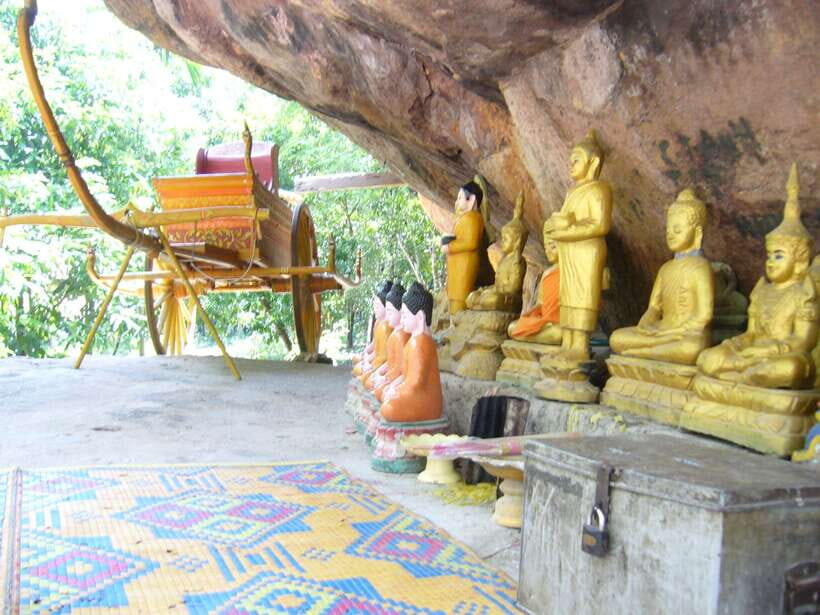
After the river carvings, you’ll ascend to the summit area where the Buddhist pagoda and the large reclining Buddha statue sit. This is the moment where the day shifts again—from Hindu-linked stone symbols to Buddhist worship and iconography. Standing there, it’s easier to understand why Kulen is treated as Cambodia’s most sacred mountain by many Khmers.
The reclining Buddha is the kind of sight that pulls your attention immediately. Even if you know little about Khmer religious art, the scale and pose tell a story, and the setting on the hill gives you a sense of ceremony. The pagoda presence adds to that feeling, making this stop feel like a dedicated space for reflection rather than a quick look-and-go viewpoint.
Respect matters here. Keep your voice down, take photos without blocking others, and dress in a way that won’t offend temple etiquette. If your guide is less talkative than you want, ask a specific question right away—something simple like what the reclining Buddha symbolizes—so you get the context you came for.
Kulen waterfalls: two swim pauses and the kind of break you came for
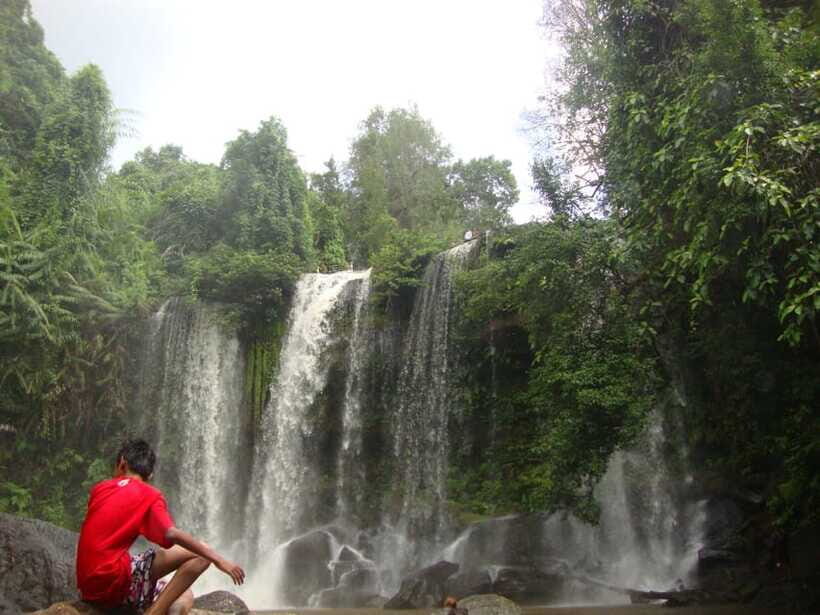
Then comes the part most people say they’re excited about: the waterfalls. You’ll continue to Kulen’s falls and pause at two beautiful spots where you can swim if you want. The “refreshing” part is real—this is water that makes you feel awake again after a morning drive and stone-carving walking.
This section is also where the day’s pacing becomes important. You’ll want time to enjoy the water without rushing every photo. Private tours help because you’re not trapped in a tight schedule where everyone has to move the same second.
Lunch isn’t included, so plan for a snack strategy. If you want something heavier, consider budgeting time and money for food on the way or bringing a light packed meal. If you’re only doing a quick swim and some photos, a simple bite during one of the breaks can be enough.
The cold towel and refreshment drink included with the tour are a nice little bonus here. They don’t replace a real meal, but they do help you cool down and feel better before you head back down the mountain later.
You can also read our reviews of more tours and experiences in Siem Reap
Optional stop: adding Banteay Srei and using your Angkor day pass
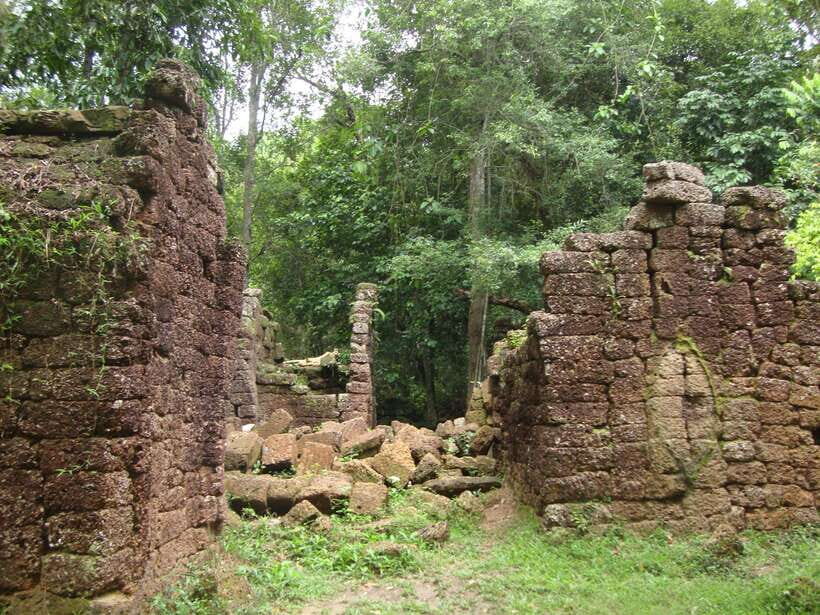
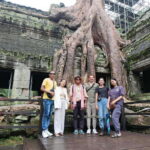
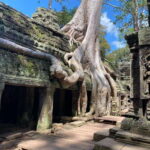
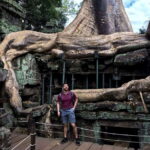
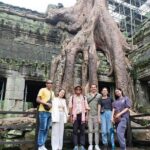
If you want to stretch the day, you can add Banteay Srei, known as the Women’s Citadel. It’s built of majestic red sandstone, and it’s a powerful contrast to Kulen’s natural setting. This is a good choice if you’re the type who likes pairing religious sites with temples, not just waterfalls.
Here’s the key detail: a valid Angkor day pass is required for entry. The cost is around $37 per person, and it’s an add-on you’ll want to consider early since it can change the final price by a lot if you’re traveling with more people. Your guide can transfer you back to your hotel at about 2:00 PM if you skip Banteay Srei, so adding it means you’re trading waterfall-down-time for another major site.
If you choose to add Banteay Srei, keep your energy management simple. The day already has a lot of walking and sun exposure, and temple stops tend to turn into time spent on stairs and photo angles. In that case, you’ll be glad you brought water and kept your swim time sensible.
Price and value: what $175 per group really covers
Let’s talk money in a straight way. The tour costs $175 per group up to 2 people, and it runs about 6 hours. That price covers private transportation, an English-speaking guide, and a refreshment drink plus a cold towel.
What it does not cover is where your budget can change:
- Kulen entrance fee: $20 per person
- Angkor Temple Pass: around $37 per person only if you opt for Banteay Srei
- Lunch and personal expenses
For two people, the base tour is $350. Then add Kulen entrance fees: $40 total for both. If you include Banteay Srei, you’re adding about $74 more for the day pass for both people. In other words, the tour can land around $464-ish for two people with Banteay Srei, before lunch and any extras.
Is it worth it? For me, the value depends on what you care about most. If you want a private car up to Phnom Kulen with an English-speaking guide and built-in stops that connect the carvings, Buddha, and waterfalls, then the $175 group price is a fair way to avoid headaches. If you’re traveling solo, you might feel the per-person cost more. If you have your own transport and speak Khmer well, you could DIY parts of this day cheaper. But then you lose the convenience of a guided flow and a guide who can keep you organized across the holy sites and swim stops.
Also consider the risk factor. A day in nature plus spiritual sites means you want someone steering the timing. Private means you’re not watching the clock while you wait for other people.
Service quality and how to get the best day out of your guide
Most private tours live or die by the guide. You’ll have an English-speaking guide, which is a big advantage for understanding what you’re seeing. Still, how chatty or interactive the guide is can vary from moment to moment, especially when there’s a lot of ground to cover.
To make sure you get what you want, use a simple strategy. Ask one good question at the start, then one question at each major stop. For example: what the River of 1000 Lingas sections represent, what the reclining Buddha symbolizes, and what to focus on at the waterfalls. If you care about history and heritage, don’t wait for it to come up naturally—request it.
And keep photo logistics in mind. At sites like the riverbed carvings and the reclining Buddha, everyone wants pictures. If you want help getting your shot, ask clearly when you arrive, then step aside so you’re not blocking other visitors.
This kind of day is also physical. You’ll walk around carvings, climb up to the summit area, and shift between viewpoint and water. If you tell your guide you prefer a slower pace or shorter swims, private tours are where you can actually ask for that flexibility.
Timing: how a 6-hour day adds up at Phnom Kulen
The total duration is 6 hours, with pickup from your hotel lobby in the morning and a return transfer to your hotel around 2:00 PM. That means you’re not just visiting one spot—you’re covering multiple sites without the day turning into a two-day saga.
Because time is limited, the sequence is important. You start with the river carvings, then go up to the top hill area, and then spend time at the waterfalls. That order makes sense because it keeps the day from getting too water-heavy too early. It also helps you use the best light and energy when you’re walking the riverbed and climbing the hill.
If you have limited time in Siem Reap and want a memorable half-day that feels like a full experience, this pacing is a strong fit.
Who should book this private Kulen tour
This tour is a great match if you:
- Want waterfalls plus major sacred sights in one day
- Prefer a private setup with hotel pickup and a dedicated English-speaking guide
- Like cultural context, not just pictures
- Are traveling as a couple or small group (up to 2) and want control over pace
It may be less ideal if you’re expecting a long, uninterrupted lecture all day. If history is the main reason you travel, come prepared with questions and don’t be shy about asking.
And if you hate swimming or don’t want any water stops, you can still enjoy the waterfalls area and viewpoints. But the tour’s design includes those breaks, so you’ll probably still feel the rhythm of swim-friendly timing.
Should you book the Kulen Mountain Full-Day Private Waterfall Tour?
I think you should book this tour if you want one clean, well-organized day that combines the River of 1000 Lingas, the reclining Buddha summit, and Kulen’s waterfalls—without juggling transport or figuring out timing between sites. The $175 per group up to 2 price becomes easier to justify when you add up the cost of private logistics and the value of an English-speaking guide.
I’d book it with a small mindset adjustment: treat it like a guided day where you help steer the depth of history by asking specific questions. Do that, and you’ll leave with more than scenic photos—you’ll understand why Kulen matters and how the sites connect.
If you’re happy to add Banteay Srei, double-check your Angkor day pass plan early so you don’t get surprised by the extra cost. Then you’ll get two major sacred stops in one outing, with a strong sense of the sacred-red-stone-to-cool-water contrast.
FAQ
How long is the Kulen Mountain full-day private waterfall tour?
It runs for about 6 hours.
Where does the tour start and do I get hotel pickup?
Pickup is included from your hotel lobby in Siem Reap Province.
What’s included in the tour price?
The tour includes private transportation, an English-speaking guide, and a refreshment drink plus a cold towel.
What entrance fees should I budget for?
Kulen entrance is $20 per person. If you add Banteay Srei, you’ll need an Angkor day pass that costs around $37 per person.
Is lunch included?
No, lunch is not included.
Does the tour stop for swimming?
Yes, the itinerary includes two waterfall spots where you can swim.
Can I add Banteay Srei to the schedule?
Yes, it’s optional. The guide can transfer you back to your hotel around 2:00 PM, or you can choose to stop at Banteay Srei instead.
What are the cancellation terms and payment options?
You can cancel up to 24 hours in advance for a full refund. You can also reserve now and pay later.