REVIEW · SIEM REAP
1-Day Angkor Wat Sunrise & All Interesting Temples Private Tour
Book on Viator →Operated by Happy Angkor Tour · Bookable on Viator
Waking up at 4:45 am is the price of the magic. This private Angkor tour is built around sunrise timing and a crowd-avoiding route, so you get big-photo moments without spending the whole day stuck in lines.
I especially like the way the day is planned for comfort: hotel pickup, air-conditioned driving, and cool water plus cold towels when you hop back into the vehicle. You also get a licensed English-speaking guide who can connect what you’re seeing to Cambodian history and temple symbolism.
One thing to think about: you’ll walk and climb in places, and some paths inside Angkor Thom can feel uneven. Also, the temple pass is extra, so the final total depends on how you handle admissions and lunch.
In This Review
- Key things to know before you go
- Sunrise pickup at 4:45 and how this day stays manageable
- Price and value: $80 plus the temple pass and lunch
- Angkor Wat at first light: how to use those early hours
- Ta Prohm and Ta Nei: when the jungle does the spotlight work
- Angkor Thom’s gates and faces: Victory Gate to Bayon
- Phimeanakas and the terraces: where stories are carved into platforms
- Guide and driver impact: crowd timing, photos, and real comfort
- How to pace yourself and pack smart for an 8–9 hour temple day
- Who should book this private Angkor Wat sunrise tour
- Should you book the 1-Day Angkor Wat Sunrise & All Interesting Temples Private Tour?
- FAQ
- FAQ
- What time does the tour start?
- How long is the tour?
- Is hotel pickup and drop-off included?
- What’s included in the price?
- What’s not included?
- Is this a private tour?
- Is free cancellation available?
Key things to know before you go
- Sunrise start at 4:45 am for early access and softer light
- Private format means your pace, your photos, and fewer waiting moments
- More than the usual postcard temples with stops like Ta Nei and Phimeanakas
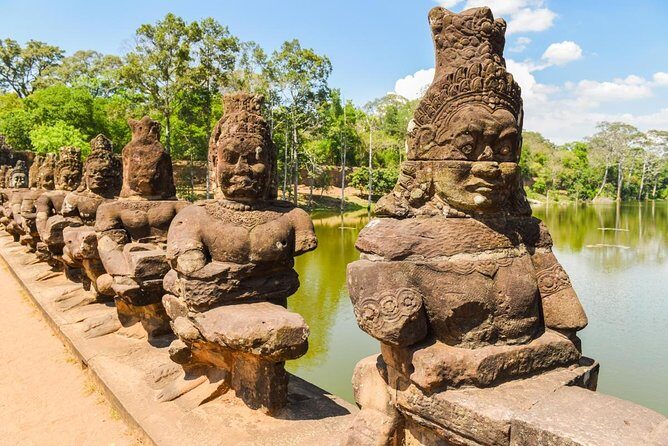
- Angkor Thom circuit includes terraces (Elephants and Leper King) plus Bayon’s faces
- Comfort included: cold towels and water, plus an A/C vehicle and hotel drop-off
- Extra costs to plan for: Angkor + All Temples pass and (usually) lunch
Sunrise pickup at 4:45 and how this day stays manageable
The tour starts fast: your guide meets you in the hotel lobby at 4:45 am. From there, you go to buy your temple pass along the way, then continue toward Angkor Wat so you’re in position for that first-light atmosphere rather than arriving when the crowds are already rolling in.
What I like is that the day is designed to break up the extremes. You’re not stuck out in the heat from morning to night. After Angkor Wat, the tour brings you back to the hotel for breakfast, then you’re picked up again to continue temple visits. That rhythm matters in Siem Reap, where mornings are cooler but afternoons can get brutal.
Because it’s private, you also avoid a common headache: no one is dragging your group along at someone else’s speed. Your guide can slow down for photos, pause for shade, or adjust timing to keep things comfortable.
You can also read our reviews of more private tours in Siem Reap
Price and value: $80 plus the temple pass and lunch
The tour price is $80 per person, and what makes it feel reasonable is that it bundles the hard parts: private guide time, hotel pickup and drop-off, air-conditioned transport, and comfort items like cold water and towels.
The part to budget separately is admissions. The Angkor + All Temples pass costs $37 per person and is not included in the $80. Lunch is also not included, and it’s described as about $5 per person depending on menu options.
Here’s the value math in plain terms:
- If you were to hire transport and a guide separately for sunrise plus a full Angkor Thom day, you’d usually pay more for the same convenience.
- You’re paying for early access, route planning to reduce crowd stress, and a guide who can explain what you’re seeing beyond the famous photo spots.
If you’re the type who wants to see a lot without spending time figuring out ticket lines and logistics, this pricing structure tends to make sense.
Angkor Wat at first light: how to use those early hours
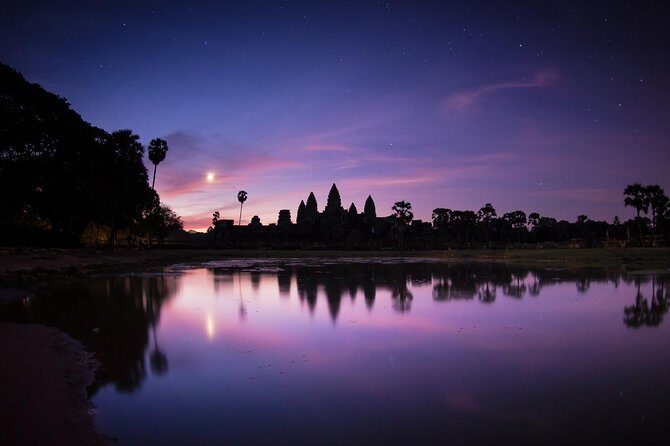
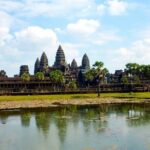
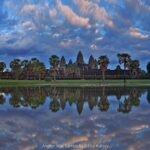
Your first stop is Angkor Wat, with a visit time of about 3 hours. That’s a good amount of time for sunrise, photography, and a real look at the architecture instead of a rushed “see it, leave it” pass.
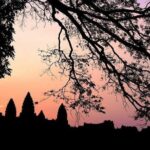
Angkor Wat works on multiple levels. Visually, the dawn light can turn stone into warm tones, even when the sky isn’t perfectly clear. Functionally, the early start is the big win. You’re entering before many visitors, which makes it easier to walk the paths, find angles, and take breaks without constant jostling.
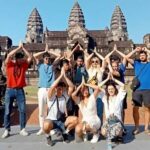
Practical tip: your guide’s job here isn’t just interpretation. It’s also timing and placement. Reviews mention guides who know where to park the vehicle and who know the best photo spots, which is exactly what helps you get those crisp shots with less scrambling.
Also keep your pass secure and easy to show. At different entrances, staff check tickets, so having them ready matters.
Ta Prohm and Ta Nei: when the jungle does the spotlight work
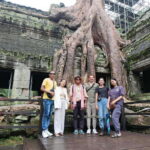
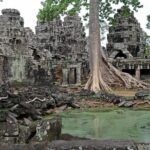
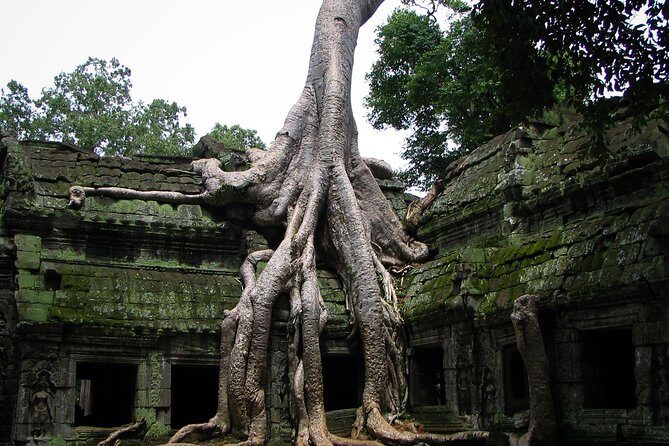
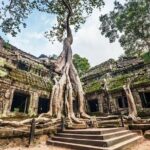
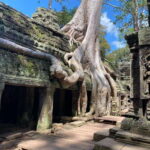
After Angkor Wat, the itinerary heads to Ta Prohm (about 1.5 hours). This is where Hollywood’s influence is obvious, but what’s more impressive is the way massive tree roots have grown into and around the temple structures. The result feels both dramatic and a little eerie, like the jungle is slowly reclaiming stone.
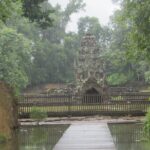
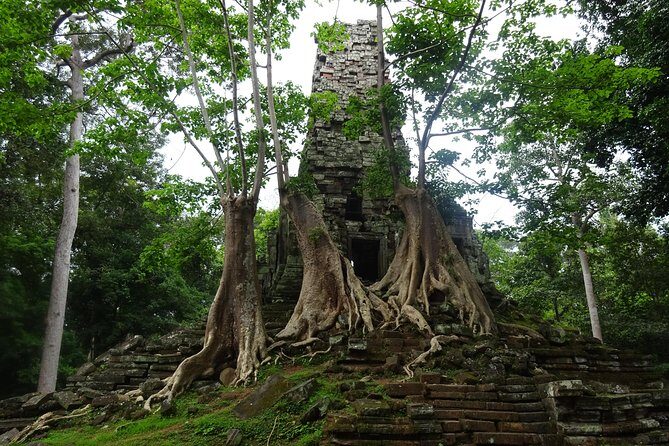
Then you go to Ta Nei (about 30 minutes). This stop is shorter and described as smaller and quieter, with less restoration and big trees all around. I like this pairing because it gives you contrast. Ta Prohm is the iconic scene. Ta Nei feels more intimate and calm, so your eyes get a breather before you head back into the larger Angkor Thom complex.
One drawback to know: any root-and-stone temple visit usually means uneven ground and lots of standing around waiting for your turn at viewpoints. Bring good walking shoes and plan to slow down when you’re near edges and steps.
Angkor Thom’s gates and faces: Victory Gate to Bayon
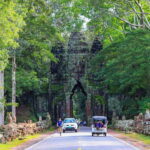
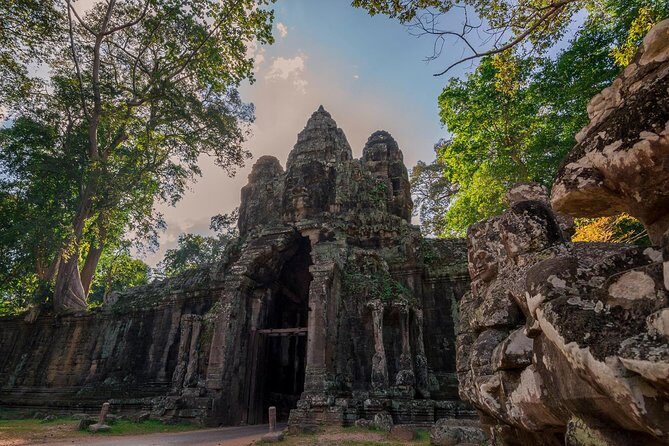
From Ta Nei, you move into Angkor Thom, starting with a quick look at the Victory Gate on the east side (about 15 minutes). It’s a strong visual transition point. Gates at Angkor don’t just look cool; they frame how you enter and how the city feels like a whole world rather than a set of separate ruins.
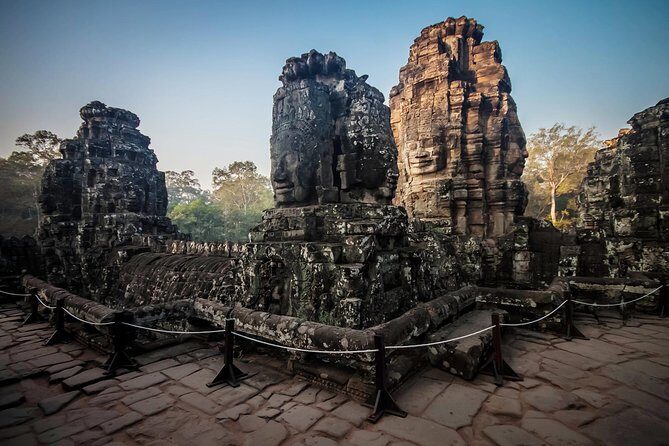
Next is Bayon (about 1 hour). Bayon is the main attraction in the center of Angkor Thom, known for its 49 towers with four faces each, for a total of 196 faces associated with Avalokiteshvara. It’s the kind of site that changes as you move. One moment you feel like you’re staring up at a wall of faces. Next moment, you’re walking through angles where the expression seems different.
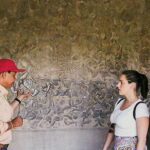
From a practical standpoint, the guide matters a lot here. Crowd flow can make it hard to see details from the right spots. A good guide helps you find the best lines for viewing carvings and the right angles for photos without blocking others.
After Bayon you reach Baphuon (about 1 hour). This temple is described as a Hindu temple built earlier (before Angkor Wat), and you’ll also see a reclining Buddha added later. The mix of time periods is part of the appeal: you’re not only looking at one layer of religious use, you’re seeing the temple’s long life.
You can also read our reviews of more tours and experiences in Siem Reap

Phimeanakas and the terraces: where stories are carved into platforms
This portion turns more reflective and less photo-frenzy, though there are still plenty of good angles.
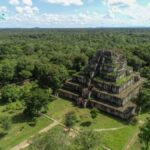
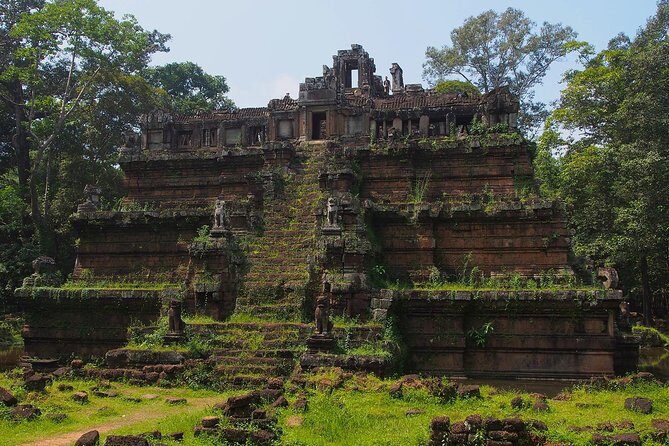
First is Phimeanakas (about 20 minutes), a pyramid Hindu temple from the 10th century located in the center of the old Royal Palace area of Angkor Thom. You’ll also visit the ancient Royal Enclosure Wall together, which helps connect temple architecture to the idea of royal power and ceremonial space.
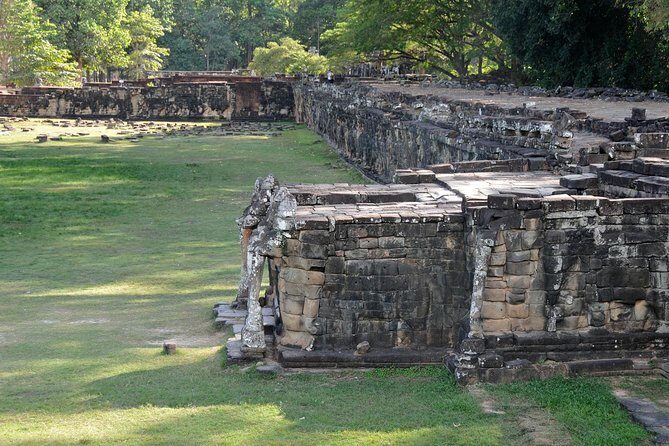
Then come the big scenic platforms: Terrace of the Elephants (about 45 minutes). This is where you slow down. You’ll see the Elephant and Leper King Terrace areas plus Palilay, still within the Angkor Thom complex. The sheer scale is what hits you first. Then you start noticing the carvings and how the terraces function like a stage for important events.
After that, the tour includes the Terrace of the Leper King (about 15 minutes). It’s a smaller stop but historically famous as part of the same complex storytelling.
Finally, there’s Preah Palilay (about 15 minutes), described as a quiet Buddhist temple behind the Royal Palace inside Angkor Thom. I like ending here because it feels calmer. You’re not sprinting from landmark to landmark—you’re finishing with a more peaceful feel after the heavier crowds and the busiest carvings.
Guide and driver impact: crowd timing, photos, and real comfort
The strongest theme in the feedback is how much the guide and driver shape the day. Names that show up in guides for this type of tour include Chhay, Tou, Sam, Thean, Jimmy, Em Somuch, Sokhem, Mony, Pal, and Tien. Even with different personalities, the common thread is planning and attention to details.
What that looks like in real life:
- Finding ways to avoid crowds when possible
- Adjusting photo stops so you get strong angles without wandering in circles
- Keeping you comfortable with cold towels and water
- Staying organized so you don’t lose time at entrances
One funny detail that shows up in the comfort routine: some drivers joke about the towels, and it’s exactly what you need after humidity and stone steps. Even small comfort moves matter when you’re doing a long day with an early start.
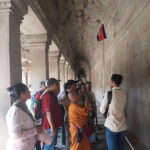
The other practical win: your guide can interpret the mixed Hindu and Buddhist layers. Some stops were built for Hindu worship, others shifted over time, and your guide helps you connect those changes to what you see in carvings and structure.
How to pace yourself and pack smart for an 8–9 hour temple day
This is an all-day outing that starts very early, so your goal is not to “survive.” Your goal is to keep energy for the best moments.
A few practical notes that fit this specific schedule:
- Expect walking on uneven stone and paths that can be tiring. If you have mobility limits, plan extra caution.
- Bring water, but you’ll already have cool water during the tour and cold towels after returning to the vehicle.
- Wear shoes with grip. Terrace edges and temple steps can be slippery.
- Have sunscreen and a hat ready. Even with cool mornings, you’ll still be outdoors for much of the day.
- Start mentally with a sunrise mindset: first light is the payoff, but the real value is the full morning and the calm pace afterward.
If you get cold easily, bring a light layer anyway. Some early mornings can feel cooler than you expect.
Who should book this private Angkor Wat sunrise tour
This tour is a great fit if you:
- Want sunrise at Angkor Wat without a stressful DIY plan
- Prefer a private, flexible experience rather than being swept along
- Like learning context as you walk, not just taking photos
- Want a full Angkor Thom day with terraces, gates, and major landmarks (not only the most famous shots)
It might be less ideal if you:
- Have trouble walking uneven surfaces for long periods
- Want a very relaxed schedule with fewer stops (this day packs a lot in)
Should you book the 1-Day Angkor Wat Sunrise & All Interesting Temples Private Tour?
If your top priority is sunrise plus a well-managed day, I’d say yes. The combination of hotel pickup, A/C transport, cold towels and water, a licensed English-speaking guide, and a route built to reduce crowd pressure is exactly what you want when you’re spending an entire morning and afternoon in one of the world’s most visited temple areas.
I would only hesitate if you already know you’ll struggle with long outdoor walking or if you dislike paying separate admission fees. If you can handle early hours and plan for the $37 temple pass (and optional lunch), you’ll get a full Angkor experience that goes beyond the usual “one temple, one photo” routine.
FAQ
FAQ
What time does the tour start?
The tour starts at 4:45 am.
How long is the tour?
It runs about 8 to 9 hours.
Is hotel pickup and drop-off included?
Yes. Pickup and drop-off at your hotel are included.
What’s included in the price?
Included features are an English-speaking licensed guide, pickup and drop-off at your hotel, an air-conditioned vehicle, and cool water and cool wet towel.
What’s not included?
The temple entrance fees (the Angkor + All Temples pass for $37 per person) are not included, and lunch is also not included.
Is this a private tour?
Yes. It’s a private tour, and only your group will participate.
Is free cancellation available?
Yes. You can cancel for a full refund up to 24 hours before the experience start time.