REVIEW · KAMPOT
Kampot: Full-day Countryside Tour with Pepper Farm and Kep
Book on GetYourGuide →Operated by Peppercorn Tuktuk Kampot · Bookable on GetYourGuide
That 8-hour tuk-tuk route makes Kampot feel bigger. This full-day circuit strings together salt production, a cave temple with serious stairs, an eerie man-made lake, and a pepper farm built for tastings. It also ends in Kep, where crab market energy and a beach cooldown give you a nice change of pace.
Two things I really like: the pepper tour with testing (you’re not just looking, you’re trying), and the mix of history + countryside packed into one relaxed day. One drawback to plan for: the cave involves a real climb, with 203 steps to the entrance, so if stairs are an issue, you’ll feel it.
In This Review
- Quick hits before you go
- Why this Kampot–Kep day works so well on a tuk-tuk
- Salt fields and a guided factory look on Kampot’s edge
- Phnom Chhngok cave temple: 203 steps, a Shiva shrine, and big views
- Brateak Krola Lake, the Khmer Rouge era, and why “quiet” isn’t always simple
- La Plantation pepper tour: tasting what you’re learning
- Kep: crab market energy, seafood options, and a beach reset
- Price and what $26 really covers (and what it doesn’t)
- Pacing, timing, and what to plan for during an 8-hour route
- Is this tour worth your time in Kampot?
- Should you book this Kampot countryside and Kep tour?
- FAQ
- How long is the Kampot countryside tour?
- What does the tour cost?
- Where does pickup usually happen?
- Can they pick you up from your hotel or restaurant?
- What sights are included?
- Do you get pepper tasting?
- Are drinks included?
- Is food included in the price?
- What should I bring?
- Is the tour available in English?
- What is the cancellation policy?
Quick hits before you go
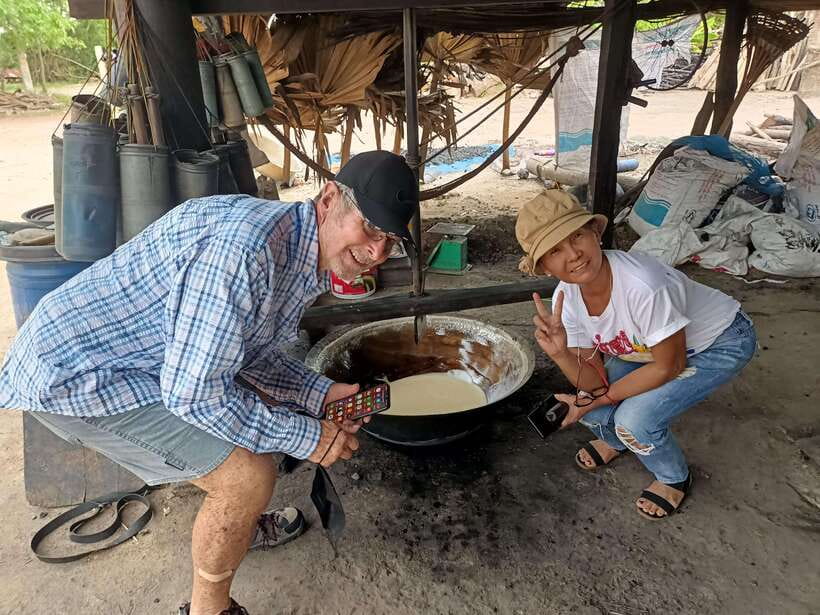
- Pepper testing is part of the day, not an afterthought—plus time to shop if you want spices to take home
- Phnom Chhngok cave temple includes a 7th-century Funan-era brick shrine and big views
- Brateak Krola Lake shows how human-made projects reshaped the region during the Khmer Rouge
- Kep crab market and beach time let you shift from farms and temples to seafood and sea air
- English-speaking guides like Phalla, Voleak, Pili, and Vandy keep the stops moving with local context
Why this Kampot–Kep day works so well on a tuk-tuk
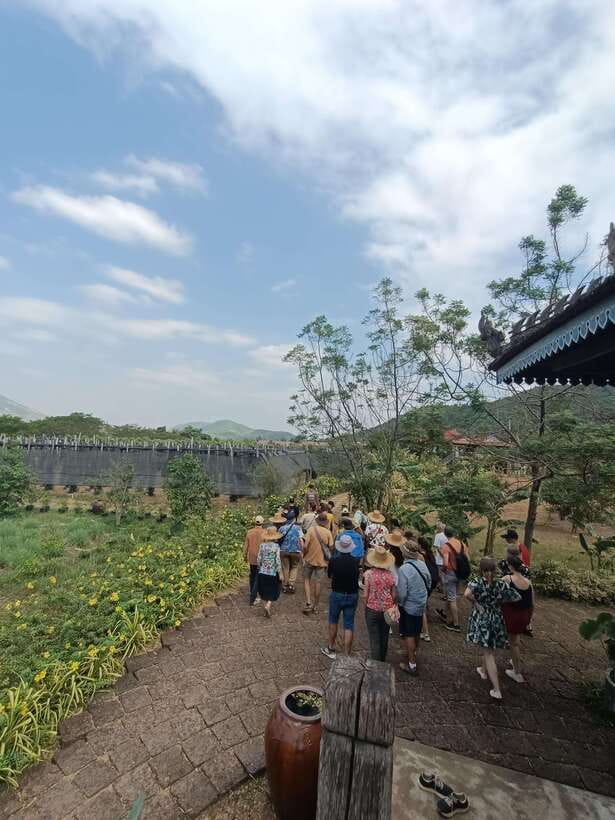
I like tours that don’t feel like a checklist. This one is built around short hops in a tuk-tuk, which means you spend more of the day actually looking at the countryside and less time staring out a window. It also helps the schedule feel flexible. In the reviews, guides repeatedly kept things unhurried, and even when rain rolled in, the day still ran as planned.
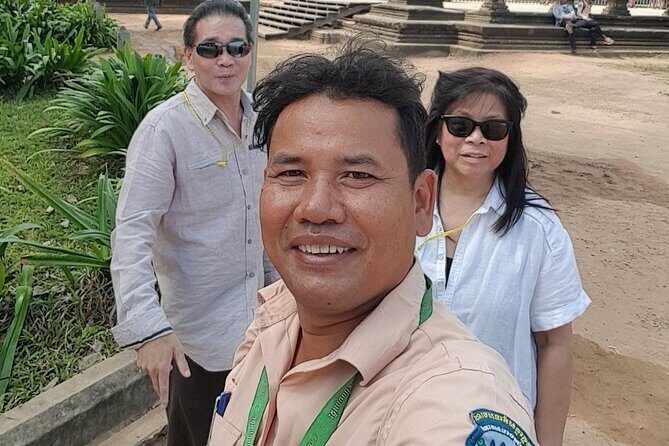
You get a guide who handles both the driving and the storytelling. Names pop up often—Phalla, Voleak, Pili, Vandy, Ta, and Mr. Chav—and the consistent theme is clear: they answer questions, pace the stops, and explain what you’re seeing in plain language.
If you’re the kind of traveler who wants Kampot’s world beyond the riverside promenade, this is the right shape of day. It’s also a good value play because the $26 covers a bunch of guided stops, entrance fees, and pepper tasting—those are the parts that usually cost extra on DIY trips.
You can also read our reviews of more tours and experiences in Kampot.
Salt fields and a guided factory look on Kampot’s edge
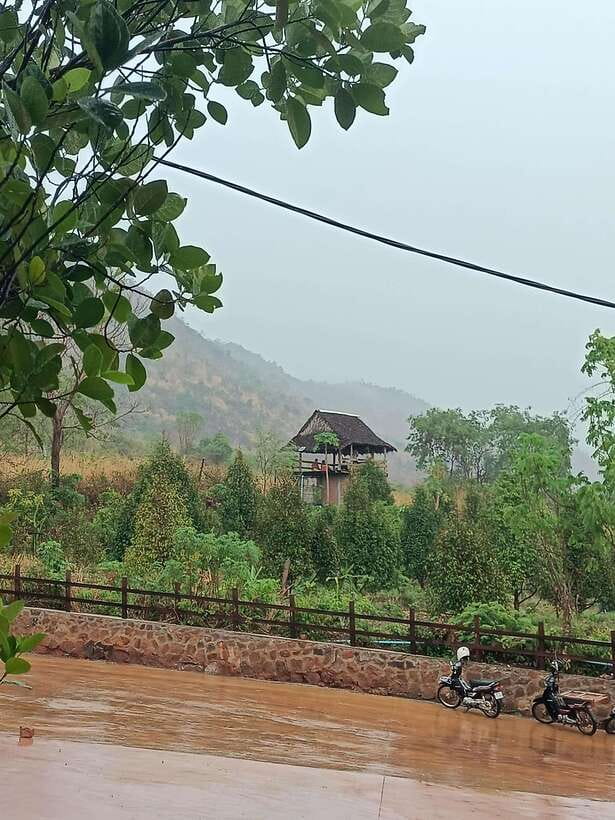
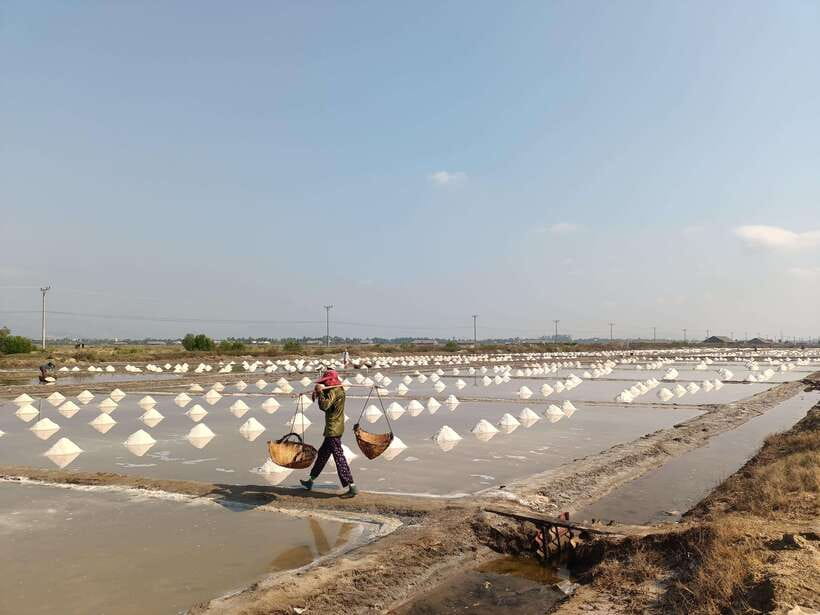
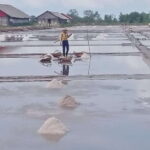
The day starts by heading out from Kampot toward the salt-producing area near the city outskirts. You’ll stop at the salt fields first, with a quick photo moment and guided visit. This is where you start to understand why Kampot isn’t only about pepper and sunsets. Salt production has long been part of the local economy, and the tour treats it like more than a scenic detour.
Then you get the guided look at the larger salt-production facility. The key point here isn’t just that salt exists—it’s the process. You’ll learn the steps of how salt is produced, and you’ll see what makes salt fields a specific kind of landscape to work with (and to watch from a distance).
One practical note: salt visibility can depend on timing. In one case, the salt wasn’t visible because it wasn’t harvesting season. So if your number-one goal is getting dramatic photos of salt mounds, accept that Mother Nature can have opinions. Still, the factory visit and explanation are the real value, and that part should stay worthwhile.
Phnom Chhngok cave temple: 203 steps, a Shiva shrine, and big views
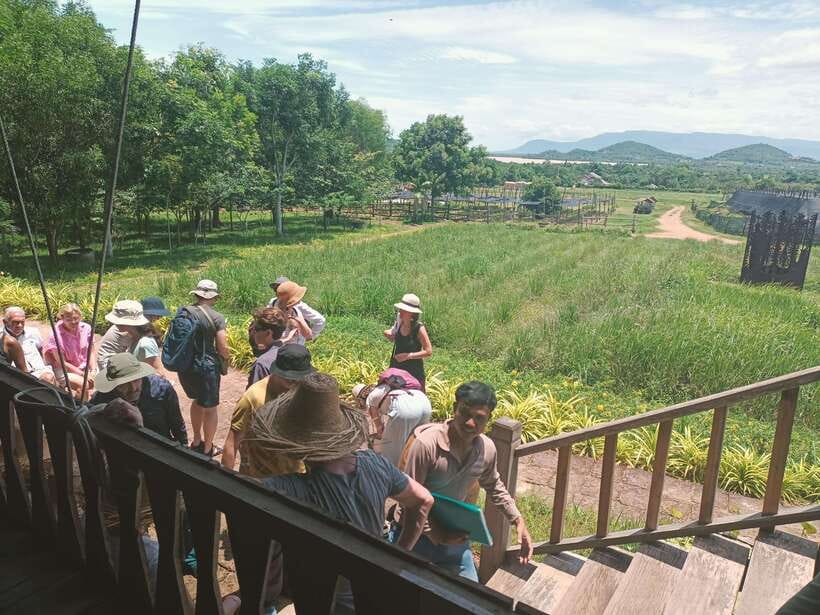
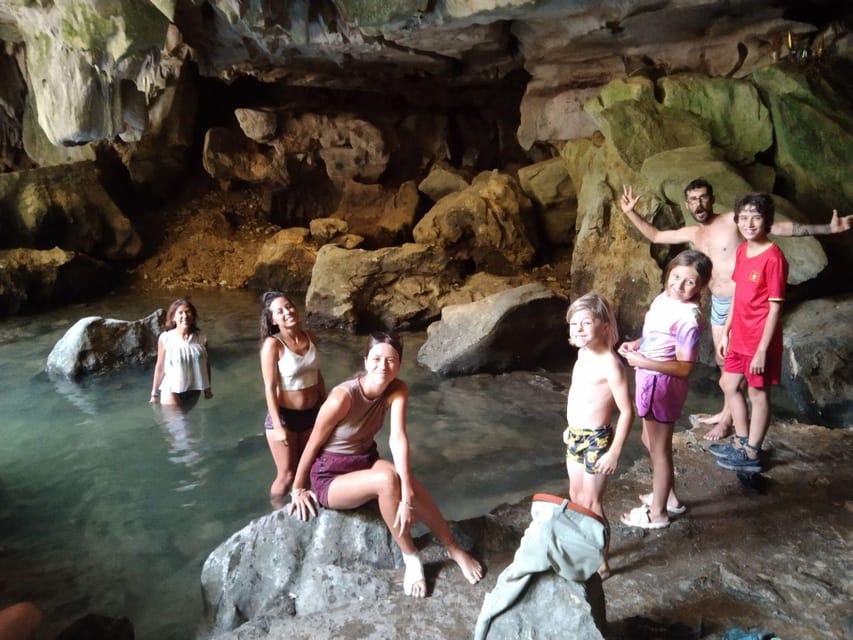
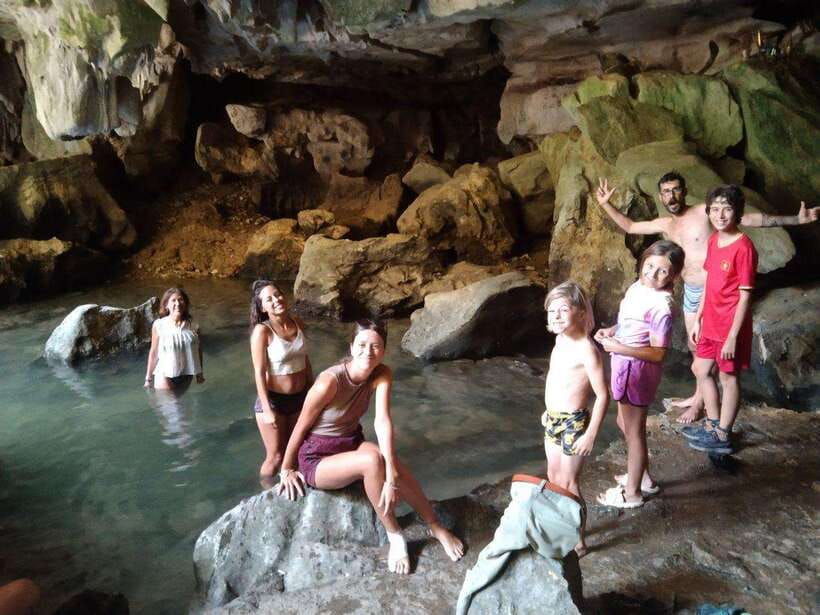
After the salt stop, you’ll head to Phnom Chhngok Cave Temple. This is the moment where your legs get involved. You’re looking at 203 steps to reach the entrance. It’s not a marathon, but it’s enough to make the whole climb feel like part of the experience instead of a quick photo break.
At the entrance, the views can be excellent, and the cave itself holds a major historic feature: a brick temple dedicated to Shiva, described as belonging to the 7th-century (Funan-era). That matters because it turns the visit from a casual stroll into a real “wait, this is old” stop.
Inside, you’ll get guided time in the main chamber, plus a planned break and photo stops. In the reviews, some guides were also patient and willing to adjust the time based on interest, and one traveler mentioned extra cave exploring. Translation: if you’re curious and you ask good questions, you’re more likely to get time to satisfy them.
The one drawback is obvious: if stairs drain you fast, you may want to pace yourself. Also, caves can feel cooler than outside in the daytime, but it still tends to be warm overall. Plan for sweat and slow breathing on the climb.
Brateak Krola Lake, the Khmer Rouge era, and why “quiet” isn’t always simple
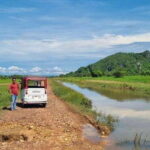
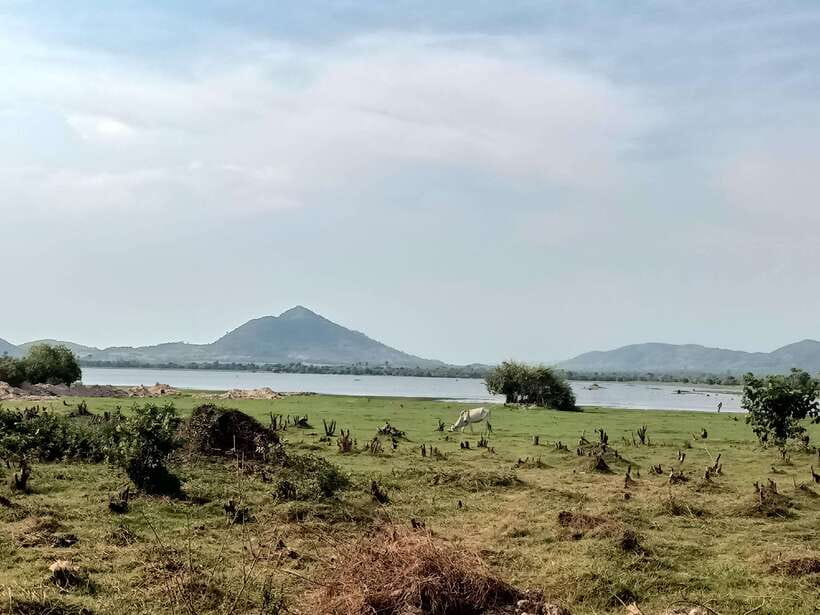
Next comes Brateak Krola Lake, often called a secret lake—but the story behind it is heavy. This lake is artificial, created during the time of the Khmer Rouge. The tour gives you a guided photo stop and visit on a raised platform.
This is where the tone shifts. You’re not just taking in scenery; you’re learning how infrastructure and forced labor left a mark on the region. The “quiet water” vibe can feel calm, but you’re watching the result of a painful period.
A good guide makes this kind of stop feel respectful and factual. In the feedback, guides were consistently described as thoughtful and patient, and they didn’t treat history like a prop. If you’re the kind of person who likes context, this stop will land well.
If you’re sensitive to darker history, give yourself mental space. The good news is the tour doesn’t linger forever here—it’s short enough that you can absorb it without getting crushed by it.
La Plantation pepper tour: tasting what you’re learning
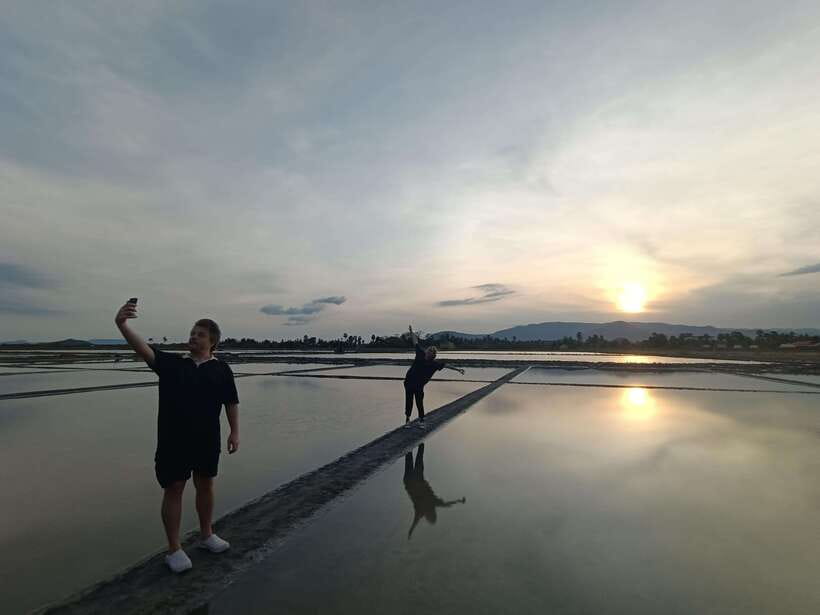
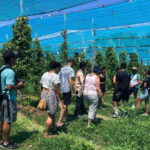
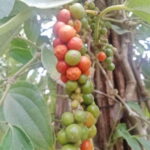
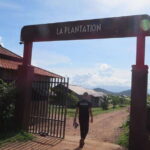
Then you hit the pepper plantation, which is honestly the most fun “class” on the route. The tour includes a guided walkthrough of the pepper production and growing process, plus peppercorn testing. This is the part that turns your brain on and your taste buds on in the same hour.
There’s also time to wander and shop. That matters because Kampot pepper is a real souvenir—spices and blends you’ll actually use. Many people leave with pepper for cooking, and some buy gifts because pepper travels better than most food souvenirs.
What I like about the pepper stop is how it ties together everything else. Salt is production. The cave and lake are history. Pepper is agriculture and craft. Together, it makes Kampot feel like a living food region, not a theme park.
In the reviews, the tastings were described as a highlight, and one traveler even mentioned extras like pepper ice cream and pepper coffee. Not every farm menu will be identical, but the point is: this stop often goes beyond dry lecturing, and you can end up leaving with flavors in your head instead of just facts.
Kep: crab market energy, seafood options, and a beach reset
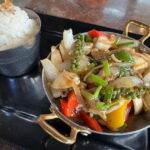
The final leg takes you to Kep Province, where the tour turns seaside. First, you’ll spend time around the crab market, plus free time for shopping and a guided visit of the area. Seafood is the obvious theme, and the tour includes testing or a chance for lunch at the crab market area (food itself isn’t included in the price).
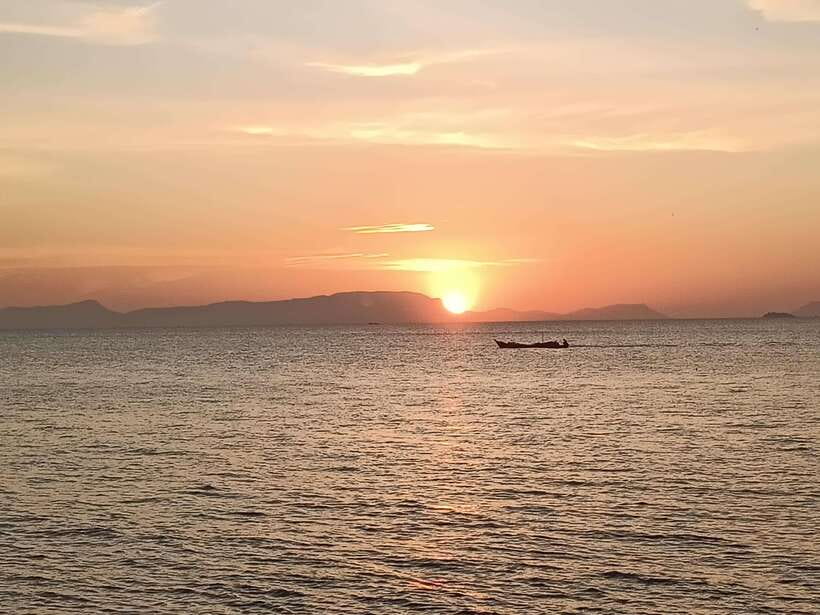
One feature I appreciate is the pairing: market + sea. You see the working side of Kep, and then you get time to relax near the beach before heading back to Kampot. That “switch gears” feeling is exactly what makes a long day tour feel satisfying instead of exhausting.
You’ll also pass or visit an abandoned building linked to a French-dependent era. It’s a quick historical look in the middle of a coastal day, and it helps explain why Kep has this layered feel: Khmer life, colonial traces, and modern beach-town energy all rubbing shoulders.
Some guides also recommend specific places to eat. Names mentioned in reviews include The Magic Crab, which tells me guides aim to match your cravings with a reliable seafood meal rather than dropping you into random stalls.
Price and what $26 really covers (and what it doesn’t)
At $26 per person for an 8-hour day, the best value comes from the “included effort” parts. Your ticket covers:
- guided visits and entrance fees
- fresh coconut and bottle of water
- pepper tour and tasting
- a live English-speaking guide
- tuk-tuk transport through the countryside and into Kep
Food is not included, so you’ll likely spend extra in Kep if you want crab or a full seafood lunch. If you’re on a tight budget, you can treat lunch as optional and just do tasting portions or snacks—but then you’re relying on your own appetite management.
Pickup is another small detail that affects value. The standard start is the meeting point opposite Epic Art Cafe. If your hotel or restaurant is within Kampot town, you may get pickup and drop-off there as well. If you’re farther than about 3 km, the tour notes an extra charge can apply. That’s not a deal-breaker, but it’s worth checking upfront so your day starts smoothly.
Pacing, timing, and what to plan for during an 8-hour route
This is a long day, but it’s structured to avoid feeling like one long straight drive. The itinerary strings together short segments—salt stop, cave temple with a break, lake platform visit, pepper plantation with a longer window, then Kep with free time and a final tuk-tuk return.
The biggest physical “event” is the cave climb. The biggest emotional “event” is the Brateak Krola Lake history. Everything else is built to be view-focused and conversation-driven.
Rain can happen in this region. One traveler noted heavy rain and still described the day as beautiful and informative. That suggests the tour continues through weather changes, so you should be ready for damp conditions, even if you can’t predict them today.
Also, bring cash. The tour explicitly asks for it, and that makes sense because Kep shopping and any seafood lunch will be where spending happens.
Is this tour worth your time in Kampot?
If you have only a day in Kampot and you want more than riverside views, I’d call this a strong pick. It gives you a tight set of Kampot Province highlights—salt production, the cave temple, a historically loaded lake, and a pepper plantation—then adds Kep so you get seafood and sea air at the end.
You’ll probably enjoy it most if:
- you like guided context and ask questions
- you want to taste local products, not just look at them
- you’re comfortable with stairs (hello, 203 steps)
You might want to choose something else if:
- you avoid cave climbs or you get uncomfortable with long walks
- you don’t want history tied to Khmer Rouge-era sites
- you dislike seafood markets, since Kep is a core end point
Also, the tour notes it’s not suitable for people over 95 years, so consider that if you’re booking for older family members.
Should you book this Kampot countryside and Kep tour?
Yes, if your goal is a single-day sampler of Kampot Province beyond the usual postcard scenes. The combination of pepper tasting, a guided cave temple visit, and a Kep seafood finish makes the $26 feel earned, not padded. The reviews consistently highlight guide quality and a relaxed pace, and that matches how the itinerary is designed to feel.
If stairs are your weak spot, ask yourself honestly before you commit. If you’re good with a climb and you want practical, local insight, this is an easy “go for it” day trip.
FAQ
How long is the Kampot countryside tour?
It runs for about 8 hours.
What does the tour cost?
The price is $26 per person.
Where does pickup usually happen?
The tour normally starts at the meeting point opposite Epic Art Cafe in Kampot.
Can they pick you up from your hotel or restaurant?
Yes, pickup and drop-off can be arranged directly from your hotel or restaurant location in Kampot town.
What sights are included?
You visit salt production areas, Phnom Chhngok Cave Temple, Brateak Krola Lake, a pepper plantation, and then Kep including the crab market and beach time.
Do you get pepper tasting?
Yes. The tour includes a pepper tour and peppercorn testing.
Are drinks included?
Fresh coconut and a bottle of water are included.
Is food included in the price?
Food is not included. Lunch or seafood can be purchased at the crab market area.
What should I bring?
Bring cash.
Is the tour available in English?
Yes, the live guide speaks English.
What is the cancellation policy?
Free cancellation is available up to 24 hours in advance for a full refund.