REVIEW · SIEM REAP
Classic Angkor Wat Sunrise or Sunset Private and Small GroupTour
Book on Viator →Operated by MyProGuide Cambodia · Bookable on Viator
A great day at Angkor starts early. This small-group tour is built for maximum temple time with a professional English-speaking guide and a sensible route that hits the big names and the spots with extra atmosphere.
I especially love how the order of visits keeps you from doing frantic backtracking, with focused time at each site. I also like the comfort factor: A/C vehicle, hotel pickup and drop-off, plus cold water and a towel, so you can save your energy for stone carvings.
One thing to plan around: admission fees are not included, and the total cost can rise quickly once you add the Angkor ticket on top of the tour price.
In This Review
- Key Points I’d Bank On
- Angkor Wat in the Right Light: Sunrise vs Sunset Options
- Hotel Pickup, Air-Conditioned Comfort, and How the Day Feels
- Entering Angkor Wat: The Icon, Plus Time to Actually See It
- Ta Prohm: When the Stones Feel Alive
- Ta Nei: A Quieter Temple Walk With Monastic Vibes
- Bayon and Angkor Thom: Faces, Symbolism, and a Strong Payoff
- Phnom Bakheng Sunset Views: What You’re Really Paying For
- Guide and Driver Details That Actually Matter
- Price and Value: The Tour Fee vs Admission Reality
- What to Pack (and Wear) for a Comfortable Temple Day
- Who This Tour Fits Best (and Who Might Want Something Else)
- Should You Book This Angkor Wat Sunrise or Sunset Tour?
- FAQ
- What’s included in the tour?
- Are temple admission fees included?
- How long is the tour?
- How many people are in the group?
- Do I get to choose between sunrise and sunset?
- What temples are visited?
- What should I wear?
- What’s the cancellation policy?
Key Points I’d Bank On

- Small group size (max 15) means easier pacing and less crowd pressure than big bus tours
- Sunrise or sunset choice lets you match your trip style, from early light at Angkor Wat to viewpoint time at Phnom Bakheng
- English guide + practical storytelling keeps the sites understandable, not just scenic
- A/C plus cold water and towels makes a long temple day feel more manageable
- Admission not included so you’ll want to budget for the Angkor ticket before you go
Angkor Wat in the Right Light: Sunrise vs Sunset Options
Angkor looks different depending on the hour. If you choose the sunrise option, you’re aiming for that crisp early-light feel where the temple silhouettes look sharper and the day starts with momentum instead of heat.
If you choose the sunset option, you’re trading early mornings for late-day magic at Phnom Bakheng. The tour is designed so the final stretch focuses on the viewpoint experience, not another quick stop-and-run photo.
Either way, you’re not just sightseeing. You’re building a rhythm: start with the main icon, move through related temples in a logical route, then finish with a big sky moment.
You can also read our reviews of more private tours in Siem Reap
Hotel Pickup, Air-Conditioned Comfort, and How the Day Feels
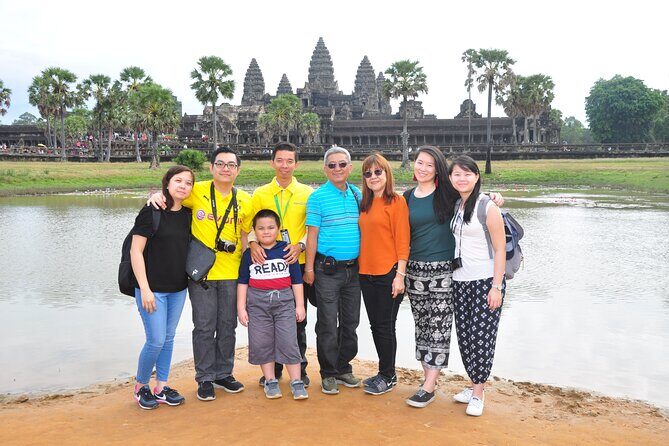
This is the kind of tour that respects your time. You get hotel pickup and drop-off, and you travel in an air-conditioned vehicle, which matters a lot when Siem Reap days can get hot and humid.
The schedule is also paced like an actual sightseeing plan, not a slammed checklist. You spend real time at each stop—about 1.5 hours at Angkor Wat and roughly an hour each at Ta Prohm, Ta Nei, and Bayon, then another hour for Phnom Bakheng.
You’ll also get cold water and a towel. It’s a small inclusion, but on long stone days it helps you stay comfortable instead of feeling wiped out before the best part.
Entering Angkor Wat: The Icon, Plus Time to Actually See It
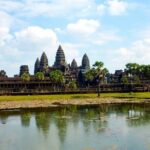
Angkor Wat is the headline for a reason, and this tour gives you about 1 hour 30 minutes there. That time window is important because it lets you look closely at details and not just chase one perfect viewpoint angle.
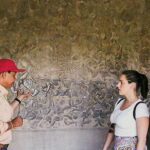
You’ll be touring with a professional English guide, and that’s where a big part of the value is. The guide doesn’t just point at stones; they help you understand what you’re looking at so it clicks faster—history, religious meaning, and why the temple layout matters.
One practical note: admission is not included, and the listing specifies an Angkor Wat ticket fee of USD 37.00 per person. You’ll want to budget for that so your day stays smooth instead of stressful at the gate.
Ta Prohm: When the Stones Feel Alive
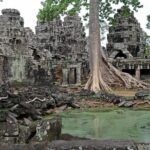
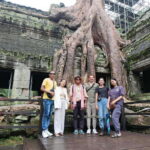
Ta Prohm is the temple people remember. The setting has that iconic mix of carved structure and nature doing its thing, which makes it feel less like a museum and more like a living place.
You’ll spend about 1 hour here. That’s the right amount for Ta Prohm because it gives you time to wander at a comfortable pace and pause for the big photo angles without feeling rushed through everything.
The downside? This is still a famous site, so it can feel busy. The good news is your guide helps you keep moving thoughtfully so you spend your time looking, not standing around with nowhere productive to go.
Ta Nei: A Quieter Temple Walk With Monastic Vibes
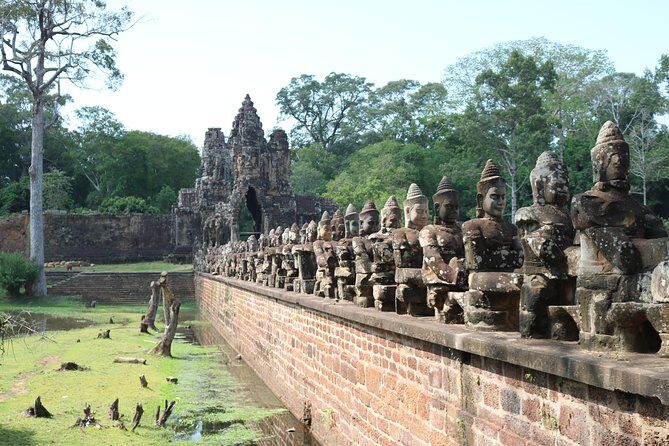
Ta Nei is a great contrast. It’s the kind of stop that makes the day feel balanced because it shifts you from spectacle to atmosphere.
You’ll have about 1 hour here, and the feel is different from the more instantly famous ruins. The temple is tied to a monastic complex-style setting, so it tends to come across as more reflective and less theme-park feeling.
If you like temples that reward slow walking—thinking about layout, corners, and how spaces feel—this is one of the stops that makes the tour feel worth it beyond the obvious names.
You can also read our reviews of more evening experiences in Siem Reap



Bayon and Angkor Thom: Faces, Symbolism, and a Strong Payoff
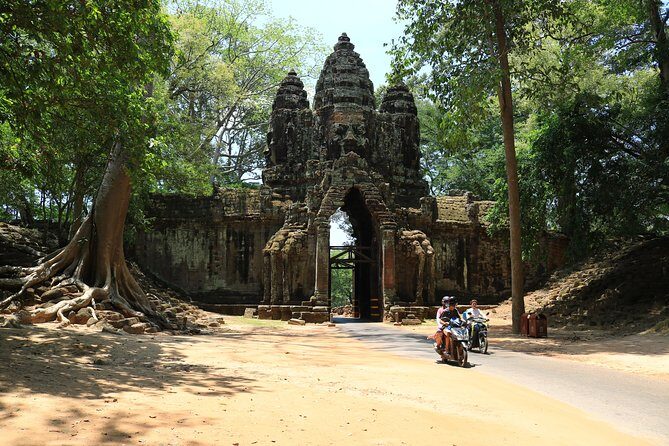
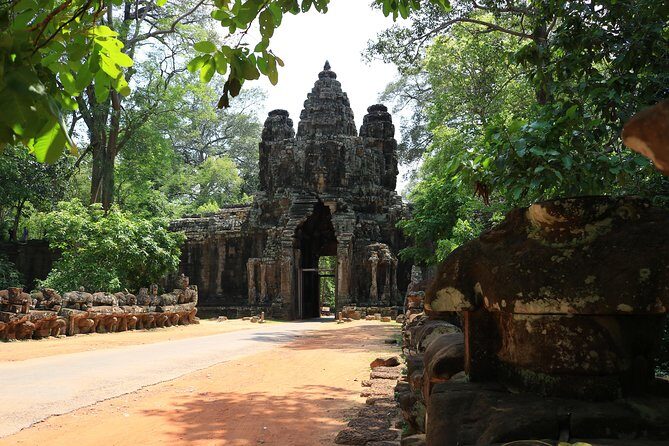
Bayon is where Angkor Thom’s identity shows up. You’ll spend about 1 hour wandering the grounds of the 12th-century Buddhist temple.
The big visual draw is the repeating stone faces, but what makes this stop work on a guided tour is the interpretation. A good guide helps you connect the visual style to what the temple represented and why Bayon has a presence that lingers after you leave.
A consideration: Bayon involves walking on uneven surfaces, so comfortable shoes are not optional. If you go in slick sandals, you’ll regret it by the time you’ve looped through the grounds.
Phnom Bakheng Sunset Views: What You’re Really Paying For
At the end of the day, you go to Phnom Bakheng for a sunset panorama. The timing here is the point: you’re not just visiting another temple, you’re ending with an outlook where the sky does most of the work.
You’ll have about 1 hour at this viewpoint stop. That timeframe is useful because sunset experiences are time-sensitive—light changes fast, and you want enough time for both a first look and a second look after your eyes adjust.
This is also where your tour choice matters. If you booked sunset, this is your moment. If you booked sunrise, you’re still getting a later-day finish, but the day will have been anchored by early temple time.
Guide and Driver Details That Actually Matter
The best part of a temple day is the guide’s ability to make it make sense. This tour is built around a professional English-speaking guide, and that shows in how visitors end up understanding what they’re seeing.
One guide name that stands out from the experience is Tola, described as very nice, passionate about Angkor Wat history, and especially good with photography. If you care about getting photos that don’t look like random snapshots, a guide who can help you frame shots is a real plus.
The vehicle experience also gets attention. An A/C, roomy minivan makes a difference when you’re moving between sites for hours. You don’t want to spend the day hot, jostled, or searching for your water bottle.
Price and Value: The Tour Fee vs Admission Reality
The listed tour price is USD 14.40 per person, which is unusually low for a guided, A/C, hotel pickup temple day. The catch is the big one: admission is not included.
The Angkor Wat admission fee is listed at USD 37.00 per person, and the itinerary notes that admissions aren’t included at the stops. So your final spend isn’t just the tour price—you should plan around the ticket costs before you commit.
That said, the value still can be strong. For your money, you get:
- a professional guide who helps you read the temples
- hotel pickup and drop-off
- A/C transport
- cold water and towels
- a small group size (max 15)
If you’re traveling with friends or family who want a guide but don’t want a huge crowd, this is a cost-effective way to see multiple temples without building your own route from scratch.
What to Pack (and Wear) for a Comfortable Temple Day
This is Cambodia in the field. You’ll want comfort and respect for the sites.
For dress, you’ll need clothing that covers shoulders and knee. Casual clothes are fine, but check your outfits before you leave the hotel—temples enforce these rules, and you don’t want a last-minute scramble.
Wear comfortable shoes. The ground is often uneven, especially at larger sites like Bayon and around viewpoint areas.
Also bring a bit of small cash if you want seasonal fruit or souvenirs. It’s easier than hunting for payment options when you’re tired after hours of walking.
One last tip: plan to stay hydrated. The tour includes cold water and a towel, but your body will still appreciate steady sipping.
Who This Tour Fits Best (and Who Might Want Something Else)
This tour is a strong match if you want a guided Angkor day that stays organized and not exhausting. It’s also a good choice for people who want the headline sites—Angkor Wat, Ta Prohm, Ta Nei, Bayon—and still feel like the day isn’t all the same.
It’s especially ideal if you like small groups. With a maximum of 15 travelers, you can expect a smoother rhythm and less pushing than you’d see on larger tours.
I’d also point it toward travelers who value guidance for storytelling and photography. When a guide like Tola is good at history and framing shots, it changes how the temples land in your memory.
If you’re the type who wants complete control to roam forever at your own pace, you might feel a little constrained by set visit durations. But if you’d rather trust a plan and just enjoy the day, this fits well.
Should You Book This Angkor Wat Sunrise or Sunset Tour?
If you want an organized, guided Angkor day with A/C comfort, clear stop-to-stop pacing, and a small group size, I’d say yes. The combination of a strong guide focus and a route that hits both iconic and less-hyped temples is the main reason this tour works.
Also, the price makes sense only if you go in knowing admission is separate. If you budget for the Angkor ticket ahead of time, you’ll feel like you got a well-run day instead of a surprise upsell at the gate.
My practical call: book it when you’re ready for real walking, you can meet the dress requirements, and you want someone else to handle timing so you can enjoy the temples.
FAQ
What’s included in the tour?
The tour includes a professional English tour guide, water and towels, and air-conditioned vehicle transport, plus hotel pickup and drop-off.
Are temple admission fees included?
No. Admission fees are not included. The Angkor Wat admission fee is listed as USD 37.00 per person.
How long is the tour?
The duration is approximately 8 to 9 hours.
How many people are in the group?
This activity has a maximum of 15 travelers.
Do I get to choose between sunrise and sunset?
Yes. You can choose a sunrise experience over Angkor Wat or a sunset option at Phnom Bakheng.
What temples are visited?
The tour includes Angkor Wat, Ta Prohm, Ta Nei, Bayon Temple, and Phnom Bakheng.
What should I wear?
You should wear casual clothes and comfortable shoes. Clothing must cover shoulders and knee.
What’s the cancellation policy?
Free cancellation is available up to 24 hours in advance for a full refund. The experience may be adjusted or refunded if weather is poor.