REVIEW · SIEM REAP
Angkor Wat 2-Day Tour
Book on Viator →Operated by Cambodia Golden Tours · Bookable on Viator
Few places feel this big in just two days.
This private Angkor Wat 2-day tour is built around the classic hits: Angkor Wat, the walls and gates of Angkor Thom, and then more temple groups outside the city, ending with a sunset at either Angkor Wat or Bakheng Mountain. I like the way the plan strings sights together by theme and geography, so you’re not just jumping around. It also feels practical, with cold towels and drinking water on the move, plus an English-speaking guide to help you make sense of what you’re seeing.
Two things I especially like: the English guide time you get at the temples (you’re not left to read alone), and the steady, clustered approach to the sites, which helps you keep your day focused. One possible drawback to plan for up front: temple tickets and lunch aren’t included, so your total cost won’t be just the $360.
In This Review
- Key Highlights That Make This Tour Worth Your Time
- How the 8:00am Start Sets Your Tempo in Siem Reap
- Day 1: Angkor Wat First, Then Angkor Thom’s Big Moments
- Angkor Wat: Start With the Giant First
- South Gate of Angkor Thom: Enter Through the Myth
- Bayon Temple: The Face Towers That Rewire Your Attention
- Baphuon: Pyramid Shape, Shiva Focus
- Terrace of Elephants and Terrace of the Leper King: Royal Palace Power
- Terrace of Elephants: Public Ceremonies and Watching the Training
- Terrace of the Leper King: Carvings That Make You Slow Down
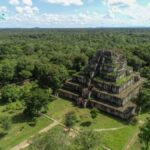
- Chau Say Tevoda, Thommanon, and Takeo: The Outer Temple Set
- Day 2: Ta Prohm, Banteay Kdei, and Srah Srang’s Quiet Views
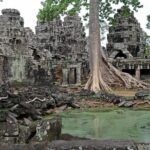
- Ta Prohm: The Monastery That Became a Film Legend
- Banteay Kdei: Recently Restored, Still Mysterious
- Srah Srang: The Reservoir With Sunrise and Sunset Views
- Sunset at Angkor Wat or Bakheng Mountain: Choose Your Style
- Price Check: What $360 Covers and Why It Can Be Good Value
- The Guide + Driver Factor: You’ll Feel It in the Pacing
- What to Wear and How to Handle Temple Rules
- Who This 2-Day Angkor Wat Tour Suits Best
- Should You Book This Angkor Wat 2-Day Tour?
- FAQ
- FAQ
- Is the tour private or shared?
- What time does the tour start?
- How long is the Angkor Wat 2-day tour?
- Is the temple ticket included?
- Is lunch included?
- What’s included in the price?
- Do I need to follow a dress code?
- Is there free cancellation?
Key Highlights That Make This Tour Worth Your Time
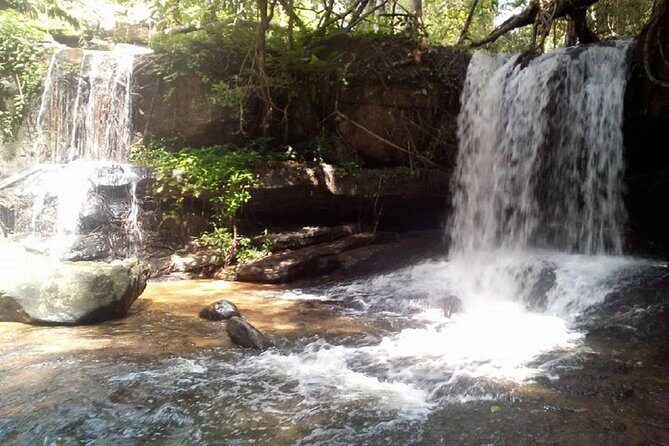
- Angkor Wat plus a tight Angkor Thom circuit in the same 2-day rhythm, so you see the core story without chaos
- South Gate of Angkor Thom and Bayon’s faces (54 towers with 216 smiling Avalokiteshvara faces) in one logical sweep
- Baphuon and the Royal Palace terraces (Elephants and Leper King) to balance grand views with detailed carvings
- Ta Prohm, Banteay Kdei, and Srah Srang to go beyond the headline temples into calmer, moodier spots
- A real sunset choice at Angkor Wat or up at Bakheng Mountain, depending on how you like your views
How the 8:00am Start Sets Your Tempo in Siem Reap
You begin at 8:00am in Siem Reap, and the tour runs about 2 days. That timing matters here because Angkor temples reward you for showing up while the day is still forming. You’ll also spend your daylight moving through temple groups that are close enough to be tackled without turning the trip into a constant drive-and-wait loop.
The tour is private, meaning it’s just your group. In practice, that’s a big deal at Angkor: you can go at a pace that fits your energy, and your guide can spend more time clarifying things you care about instead of rushing for a group schedule.
You can also read our reviews of more tours and experiences in Siem Reap
Day 1: Angkor Wat First, Then Angkor Thom’s Big Moments
Day 1 is built around the heart of the Angkor experience: start with Angkor Wat, then step into Angkor Thom and its major temple landmarks.
Angkor Wat: Start With the Giant First
You head out for Angkor Wat at the start of the tour, in time for you to take in the scale of the place. It’s described as the largest religious building in the world, and the whole point of going first is simple: your brain needs a base reference. Once you’ve seen Angkor Wat, the rest of the complex details make more sense—different styles, different purposes, and different ways the builders shaped religious space.
Your guide also uses the visit to connect the dots, so you’re not just ticking off buildings. Expect you’ll be shown “other temples in this small circuit tour,” which keeps Day 1 feeling cohesive instead of scattered.
South Gate of Angkor Thom: Enter Through the Myth
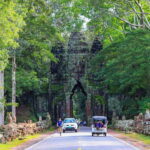
After Angkor Wat, you shift to Angkor Thom and its entrance drama: the South Gate. This gate is popular for visitors because it’s a strong first impression. The causeway is lined with two rows of devas and asuras from the Hindu myth of the Churning of the Sea of Milk. Even if you’re not a myth expert, this is the kind of storytelling carved into stone that gives you an instant frame for the whole city.
A good guide helps you look at it the right way: not just as decoration, but as a visual “welcome” tied to the temple worldview.
Bayon Temple: The Face Towers That Rewire Your Attention
About 1 km from the South Gate, you reach Bayon Temple, the heart of Angkor Thom and the state temple of King Jayavarman VII. Bayon is famous for its 54 towers decorated with 216 smiling faces of Avalokiteshvara. The reason this temple hits so hard is that you keep noticing new angles. The faces don’t feel like one view—they feel like a whole set of viewpoints.
If you like architecture puzzles, Bayon will work for you. If you prefer calmer temples, you can still enjoy Bayon by taking your time on the details your guide points out, then stepping back when the crowd energy rises.

Baphuon: Pyramid Shape, Shiva Focus
Next is Baphuon, described as the second biggest temple of Angkor Thom. Built in the mid-11th century as a state temple of King Udayadityavarman II, it’s associated with the Hindu god Shiva. The big visual takeaway: it’s pyramid-shaped with three tiers.
Baphuon is a nice counterbalance to the face-heavy experience at Bayon. If Angkor Thom can feel like overload, Baphuon gives your eyes a cleaner shape to track.
Terrace of Elephants and Terrace of the Leper King: Royal Palace Power
After the main Angkor Thom temples, you move to the close-in drama of the Royal Palace terraces: Terrace of Elephants and Terrace of the Leper King.
Terrace of Elephants: Public Ceremonies and Watching the Training
The Terrace of Elephants stretches about 350 meters long and served as a viewing stage for public ceremonies. It was also a base where the king could watch military training. The value here is perspective: this isn’t only spiritual architecture. It’s also civic and political space.
When you see it with a guide who explains what the terrace was for, you’ll start imagining movement and crowds in a way that makes the stones feel less static.
Terrace of the Leper King: Carvings That Make You Slow Down
Next is the Terrace of the Leper King, located north of the Elephant Terrace. It’s known for carvings that can make your jaw drop. The practical benefit of including it in a 2-day tour: it gives you texture. You move from major monuments to intricate surface detail, so the whole trip doesn’t feel like you’re only looking at large shapes.
If you’re the type who likes stopping and scanning carvings, this is one you’ll appreciate more than a fast pass would allow.
Chau Say Tevoda, Thommanon, and Takeo: The Outer Temple Set
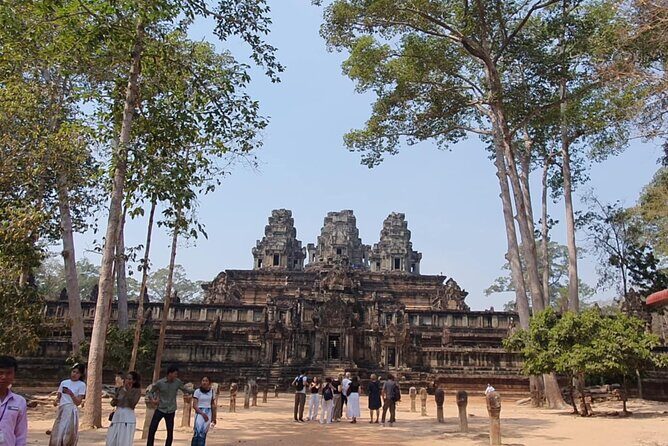
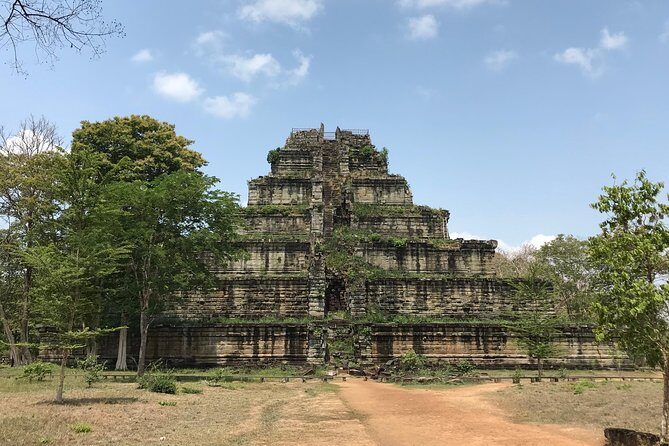
From there, you head to a group of impressive temples outside the Angkor Thom capital: Chau Say Tevoda, Thommanon, and Takeo. This part of the itinerary matters because it prevents Angkor from turning into only “city center highlights.”
These outer temples are described as very impressive and should not be missed. Even if you’re tired after the densest day of temple concentration, this set helps you feel like you covered more than the most obvious postcards.
Day 2: Ta Prohm, Banteay Kdei, and Srah Srang’s Quiet Views
Day 2 shifts to some of the most memorable Angkor mood pieces: Ta Prohm, then Banteay Kdei and Srah Srang, before finishing with sunset.
Ta Prohm: The Monastery That Became a Film Legend
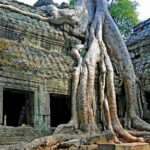
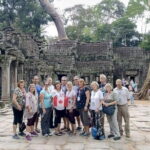
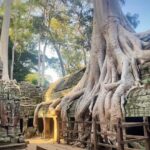
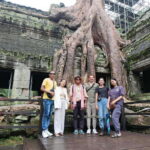
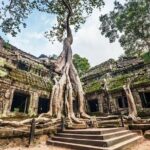
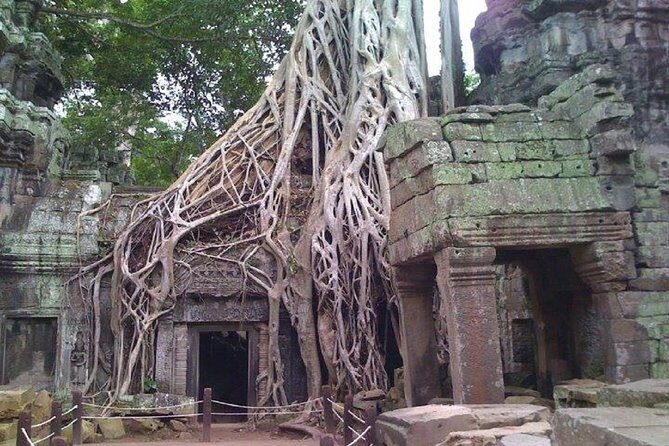
Ta Prohm is described as having been used as a Buddhist monastery and a university during the Angkor period. It’s also called the Tomb Raider temple because it was used in the movie.
The tree-through-structure look is what makes Ta Prohm instantly recognizable, and it’s also a spot where you can slow down for photos. The guide’s role here is helpful because you’ll learn what you’re actually looking at—ruins with function, not just a stage set.
Banteay Kdei: Recently Restored, Still Mysterious
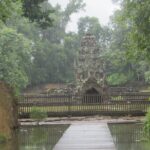
Next is Banteay Kdei, described as recently restored but still open to tourists. A big part of its charm is the surrounding forest feel, making it seem mysterious and quiet while you explore.
That “quiet” quality is a gift on Day 2. After the scale of Angkor Wat and the intensity of Bayon, Banteay Kdei gives you a different tempo: less face-tower spectacle, more atmosphere.
Srah Srang: The Reservoir With Sunrise and Sunset Views
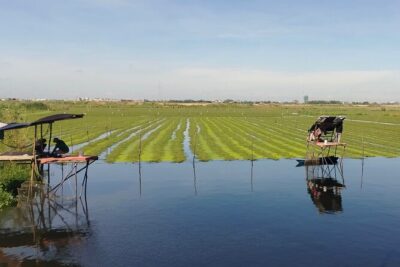
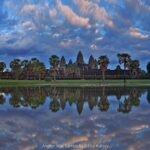
Then you reach Srah Srang, a baray or reservoir associated with Banteay Kdei. It’s noted for very stunning views, especially during sunrise and sunset.
Even if your timing isn’t perfectly aligned with those peak moments, this is still a strong stop because it changes the feel of the trip. You’re not only staring at stone towers—you’re watching reflections and open space, which helps reset your eyes before the final sunset choice.
Sunset at Angkor Wat or Bakheng Mountain: Choose Your Style
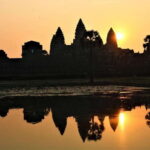
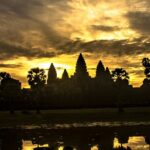
To close the tour, you head to one of the top sunset settings: either Angkor Wat or Bakheng Mountain.
- Angkor Wat sunset fits if you want the biggest, most recognizable monument backdrop.
- Bakheng Mountain sunset fits if you prefer an elevated feel and the dramatic temple viewpoint that comes with standing on a mountain.
This “pick-your-sunset” structure is valuable because sunset isn’t only about light—it’s also about the kind of scene you want to remember. A guide can help you weigh the two options based on how the day’s timing has played out.
Price Check: What $360 Covers and Why It Can Be Good Value
The price for this 2-day private tour is $360, and it includes transportation, cold towels, drinking water, and an English-speaking guide. It also includes a mobile ticket.
The big budgeting point: temple tickets and lunch near temples are not included. That means your total out-of-pocket day cost will likely be a bit higher than $360 once you add those temple entry fees and plan food.
Still, I think the value can make sense for two reasons:
1) You get a private guide and transport for a full two days, not a short cram session.
2) The guide time is spent on big, interpretive stops like Bayon and the terraces, where explanations change how you experience the carvings and layouts.
If you’re the type who hates feeling lost at historic sites, the included English guide can pay for itself in confidence.
The Guide + Driver Factor: You’ll Feel It in the Pacing
This tour experience is built around more than temple names. The driver and guide pairing matters because the day is a sequence of sites, and you’ll be moving between them.
Across the provided context, drivers like Mr Ly and Ly Hol are mentioned for being professional, punctual, and flexible, with cold water and cold towels waiting when you return from temple walks. Guides such as Seng, Lucky, and Vutha are described as friendly and explanatory, helping you connect the temple details to what they were built to do.
In plain terms: when the guide is good, you spend less time wondering and more time seeing.
What to Wear and How to Handle Temple Rules
You’ll need to follow the temple dress code rules when visiting. Since rules can be strict at sacred sites, I recommend you plan your outfit before you leave your hotel.
Also, temple visits don’t include lunch in the tour price, so you’ll want to build in time or money for food stops near temples (or plan your own snack strategy). The itinerary is full, so eating can’t always be an afterthought.
Who This 2-Day Angkor Wat Tour Suits Best
This tour works well if:
- You want a private plan with English guidance and a smooth run between major sites.
- You like a balanced mix of huge monuments (Angkor Wat, Bayon) and detailed spaces (terraces and carvings).
- You want a clear Day 1 / Day 2 structure rather than an open-ended “see what you can” style.
It may be less ideal if:
- You’re trying to keep costs ultra-tight, because temple tickets and lunch are on you.
- You prefer only one or two headline temples and don’t want a packed route across several sites in a short time.
Should You Book This Angkor Wat 2-Day Tour?
If you’re visiting Siem Reap and you want the Angkor core plus the best “supporting cast” temples, this tour is a solid choice. I like how it keeps the focus on the most important groups—Angkor Wat, Angkor Thom (South Gate, Bayon, Baphuon), the palace terraces, then Ta Prohm and the quieter reservoir and forest-temple stops, ending with sunset at either Angkor Wat or Bakheng Mountain.
Book it if you value an English guide, a private schedule, and practical comfort like cold towels and water during temple breaks. Skip it or reconsider if you don’t want to budget for temple tickets and lunch, or if you’re allergic to temple dress rules.
FAQ
FAQ
Is the tour private or shared?
It’s a private tour/activity, so only your group participates.
What time does the tour start?
The start time is 8:00am, with the meeting starting in Siem Reap, Siem Reap Province.
How long is the Angkor Wat 2-day tour?
The duration is 2 days (approx.).
Is the temple ticket included?
No. Temple tickets are not included.
Is lunch included?
No. Lunch near temples is not included.
What’s included in the price?
The tour includes transportation, cold towels, drinking water, and an English speaking guide.
Do I need to follow a dress code?
Yes. You’ll need to follow the dress code rules when visiting the temples.
Is there free cancellation?
Yes. You can cancel for a full refund as long as you cancel at least 24 hours before the experience’s start time.