REVIEW · SIEM REAP
Siem Reap: Angkor Wat Sunrise Tour via Tuk Tuk & Breakfast
Book on GetYourGuide →Operated by ASEAN ANGKOR GUIDE · Bookable on GetYourGuide
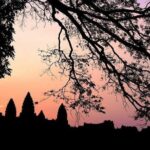
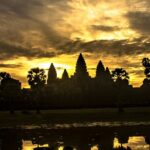
Angkor Wat at sunrise feels like a different world.
This tour hits the big landmarks with a private tuk tuk and a real English-speaking guide who explains what you’re looking at, not just where to stand. I especially like the way you get time at Angkor Wat before the heaviest crowd energy, and how the morning pairs temples with breakfast plus rural stops like Preah Dak village. One thing to consider: the start is early (pickup at 4:40 am), and you’ll be on your feet in heat, so plan your pace and pack bug spray.
What makes it work well is the flow. You watch the dawn from Angkor Wat, then you’re not rushed from one photo point to the next. After that, the day shifts from stone to roots at Ta Prohm and Ta Nei, then to Bayon and Victory Gate, and finally to a local market where you can sample Cambodian snacks in a way that feels grounded.
You’ll also see why the little details matter: cold water, towels, and drivers who keep things smooth on uneven paths. Some guides stand out by personality and photo help too—people mention guides like Mr Ho, Sean, SAM, Chaen, and January, with drivers such as Sokea and Kim bringing lots of water and care.
In This Review
- Key things that make this tour stand out
- Why the 4:40 AM pickup makes or breaks Angkor Wat
- Angkor Wat at dawn: what 1.5 hours feels like
- Breakfast plus palm cake in Preah Dak village style
- Ta Prohm and Ta Nei: the jungle-temple mood you came for
- Angkor Thom: Bayon’s smile faces and Victory Gate context
- The Siem Reap local market stop: snacks, shopping, and choices
- Tuk tuk comfort, safety, and what to pack early
- Price and value: is $59 worth it in Angkor season?
- Who should book this sunrise tuk tuk tour
- Should you book this tour or look for another?
- FAQ
- What time does the tour pick me up for Angkor Wat sunrise?
- How long is the tour from start to finish?
- Is the guide available in English?
- Does the price include the Angkor Pass?
- Is breakfast included, and can I get a vegetarian option?
- What should I wear or bring, given the temple rules?
Key things that make this tour stand out
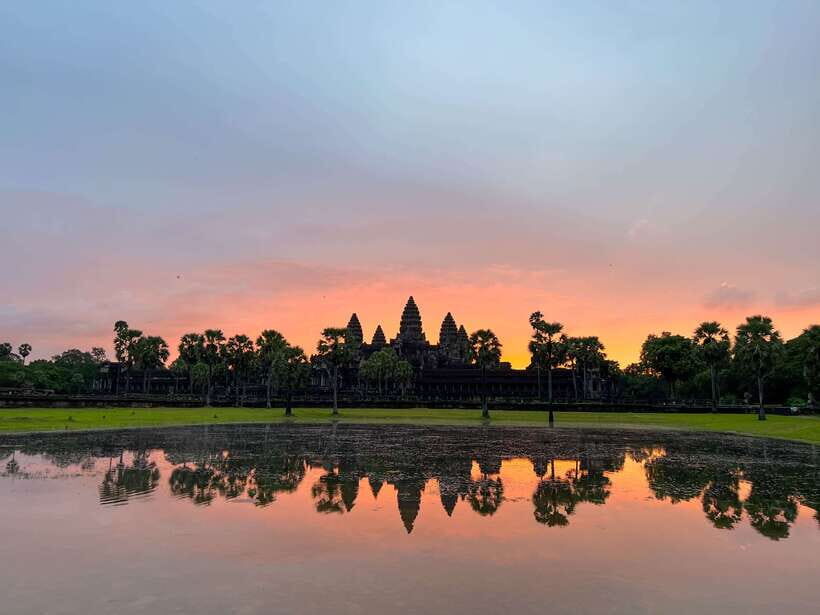
- Angkor Wat sunrise timing: early pickup and time to photograph before the biggest crowd surge
- Guides who tailor your pace: people mention guides like Mr Ho and Sean answering questions and helping you decide what to linger on
- Jungle temples in original state: Ta Prohm and Ta Nei with roots and a more raw, tree-choked look
- Bayon’s layout explained clearly: including the smile faces and how Victory Gate fits the story
- Market stop for real tastes: sticky rice, noodles, fruits, and even daring snacks like fried spiders or scorpion if you want to try
- Small comfort upgrades: bottled water, towels, and drivers known for keeping it safe and cool
Why the 4:40 AM pickup makes or breaks Angkor Wat
Waking up before sunrise in Siem Reap sounds rough—until you see the temple from the right angle, at the right time. This tour starts with hotel pickup at 4:40 am, in a private tuk tuk with a professional English-speaking guide. The early departure matters because Angkor Wat gets crowded fast. When you’re there early, you can take in the sunrise and still have room to walk around without feeling herded.
I also like that the tuk tuk part isn’t just transport—it’s part of the experience. You get to move with your guide’s timing, and you’re not stuck waiting on a big bus schedule. That flexibility is a big deal when you’re trying to balance photos with the simple goal of actually seeing the carvings and structures up close.
Also, the day runs about 7 hours total. That’s long enough to feel like a full Angkor circuit, but short enough that you’re not trapped in a temple marathon until late afternoon.
You can also read our reviews of more tours and experiences in Siem Reap
Angkor Wat at dawn: what 1.5 hours feels like
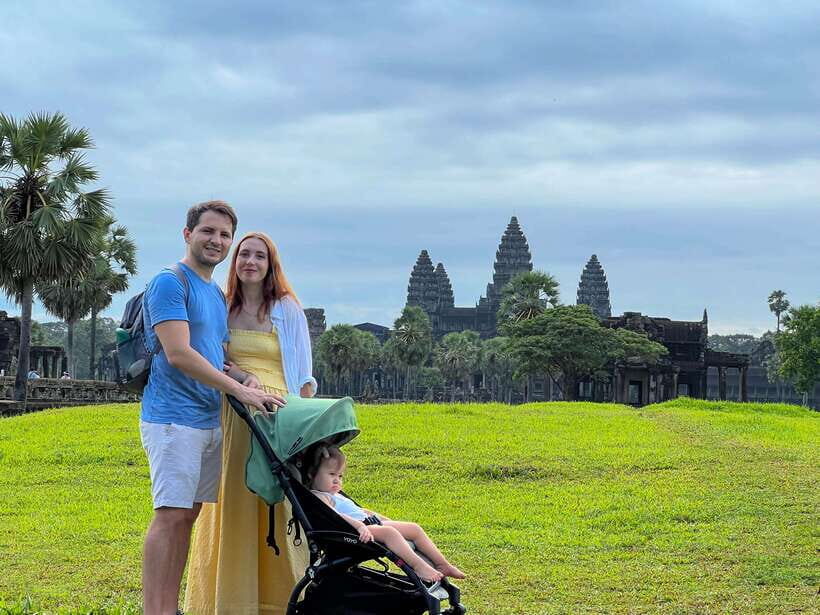
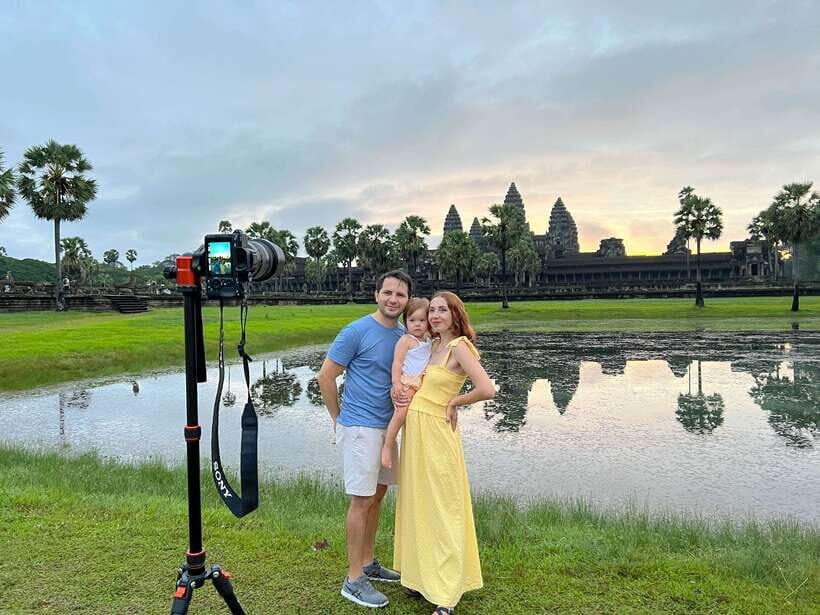
Sunrise at Angkor Wat is the main event. You’ll go in before the day is fully underway, watch the light hit the temple complex, and then spend about 1 hour and 30 minutes exploring Angkor Wat after sunrise. That time window is key. It’s enough to understand the layout if your guide talks you through it, and it’s enough to keep the day from turning into a rush-to-the-next-spot game.
Here’s what you’ll notice when the light shifts: the stone carvings look sharper, the shadows make the architecture easier to read, and the whole complex feels more dimensional than it does in daylight photos. The tour is built around that practical idea—get the dawn moment, then use it while you’re in the mood to walk and look.
If you care about photos, this timing helps. You get the sunrise and then time to take shots before the densest crowd flow. I like that your guide can help you decide where to linger and what angles to try, instead of just pointing you in a direction and disappearing.
Breakfast plus palm cake in Preah Dak village style
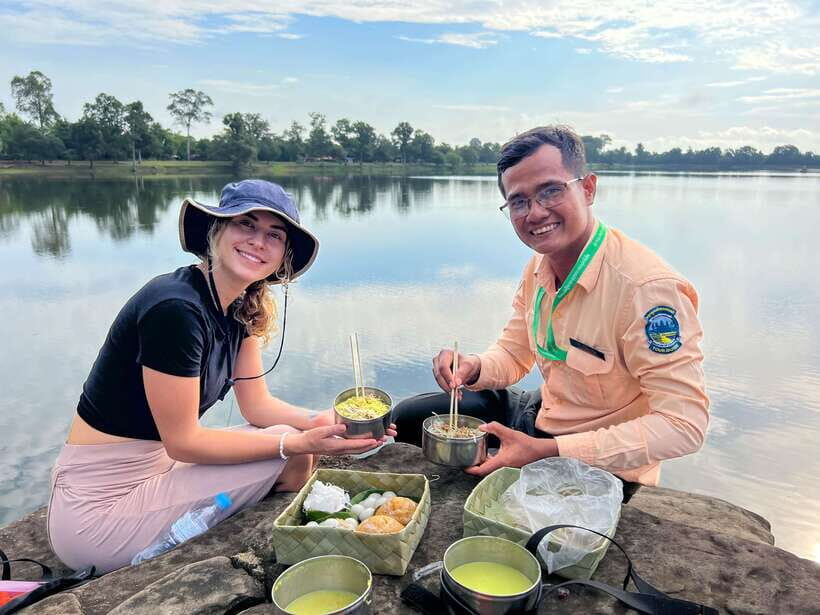
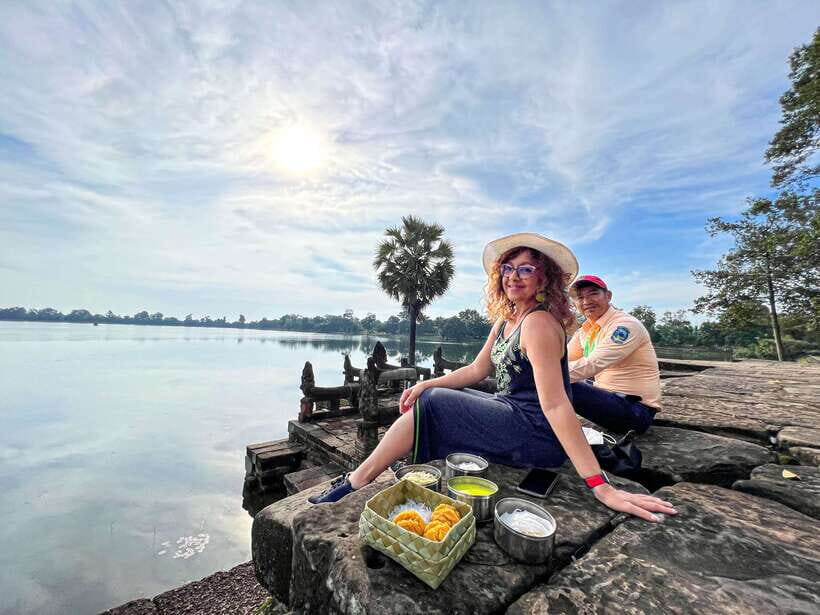
After sunrise and temple time, you’re not sent out to hunt for food on your own. The plan includes breakfast at a local family restaurant in Siem Reap, with a vegetarian option available. That matters more than it sounds. A lot of food around major temples is geared for tour schedules; here, the stop is designed to feel like an actual local meal.
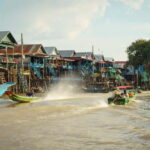
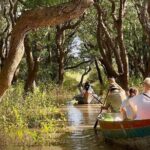
You’ll also taste something distinctly Khmer: traditional palm cake, connected with the rural community near the Angkor area (the tour specifically mentions Preah Dak village). I like these food moments because they slow the whole day down. After hours of stone and heat, the simple act of eating something local becomes part of understanding the region.
One nice detail from guides and drivers mentioned by people: the cold water and towels keep you from feeling cooked early. In Siem Reap, that can be the difference between enjoying the morning and just surviving it.
Ta Prohm and Ta Nei: the jungle-temple mood you came for
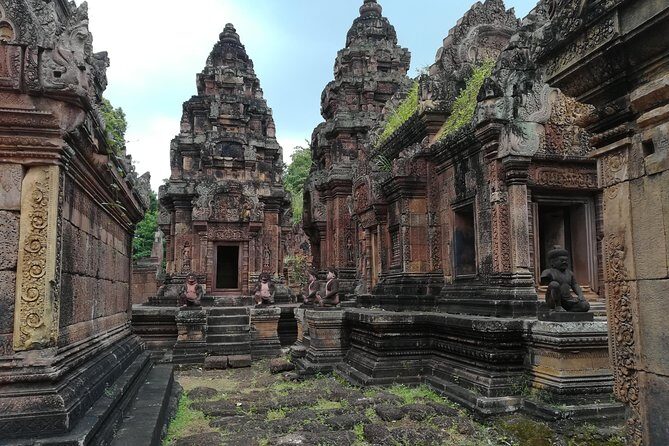
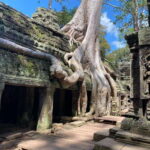
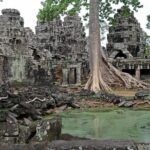
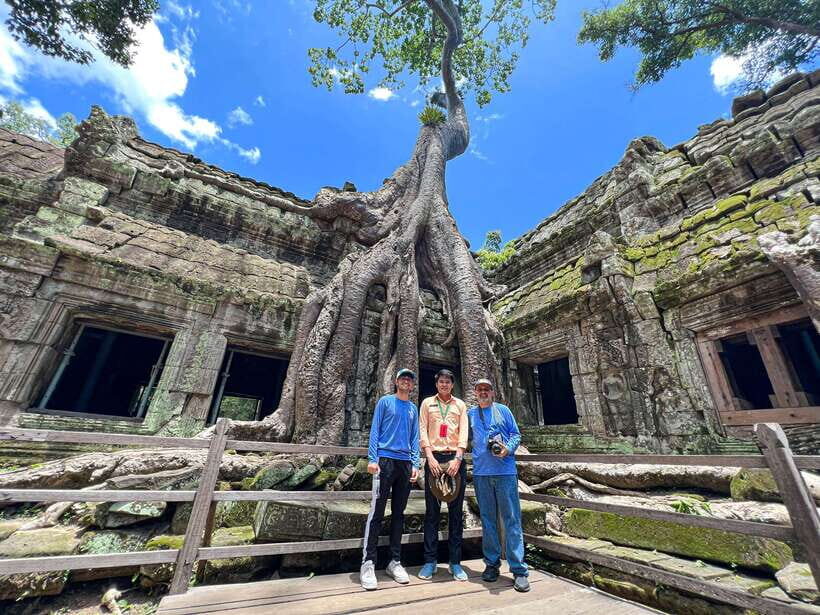
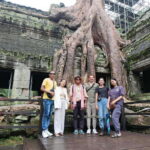
From breakfast, you head to Ta Prohm and Ta Nei, temples left in a more original state—partly overgrown, with huge roots and a jungle look. This is the stop that gives Angkor its movie-set reputation, but it’s also the one that works best when you’re not sprinting.
You’ll trek through areas where trees and roots have wrapped around the stones. The way the temple looks here makes the history easier to imagine: buildings that were once human-made landscapes are now shared with nature. In photos, it can look dramatic; on foot, it feels personal. You’ll see textures up close—root surfaces, stone edges, and places where growth has pushed itself into architecture.
A practical note: this is the part of the day where footwear matters. Even when it’s not a muddy swamp, temple paths can be uneven. Wear sturdy shoes and expect some walking on rough ground. (Your legs will thank you later at Bayon.)
Angkor Thom: Bayon’s smile faces and Victory Gate context
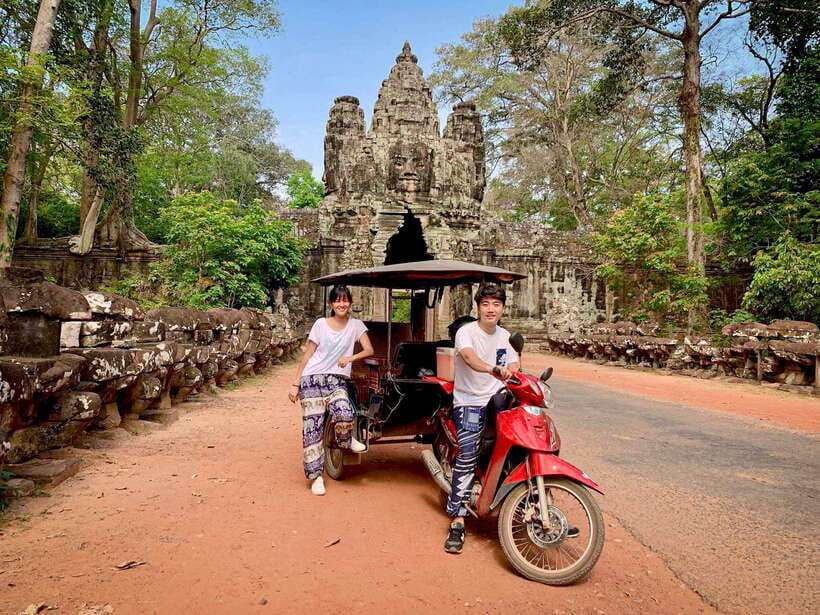
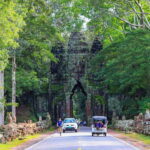
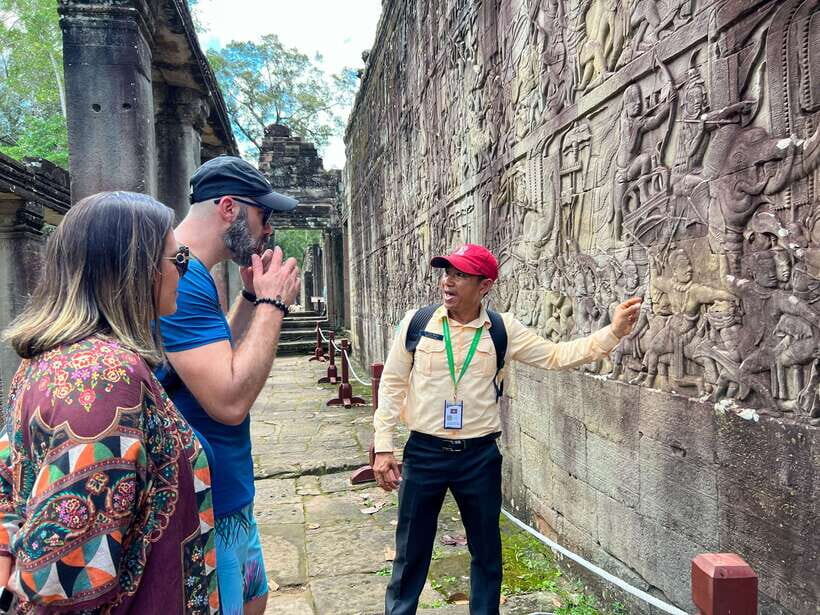
Then you move to Bayon and Victory Gate of Angkor Thom—one of the most iconic combinations in the Angkor region. Bayon is known for its 54 towers and the famous smile faces, and the tour includes context about what this place actually was.
The guide framing here is practical: Bayon isn’t just an art style or a photo background. It was also used as a place for worship, education, and administration, and it’s described as the only monastery that has survived to this day. That kind of explanation helps you see why the temple looks the way it does and why it mattered beyond its aesthetics.
Victory Gate brings the story to a stronger political and symbolic level. The tour notes it was built under King Jayavarman VII, who was associated with Mahayana Buddhism. Once you understand that, the gate feels less like a random landmark and more like a statement—an entrance tied to a ruler’s worldview.
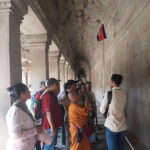
If you like structure and storytelling, this is where the guide’s value usually shows most. People mention guides making the tour feel organized and answering questions instead of just reciting facts. If you enjoy learning while you walk, this stop will likely be a highlight.
The Siem Reap local market stop: snacks, shopping, and choices
Finishing with a Siem Reap local market is one of those decisions that makes the day feel complete. It’s not just temples and photos—it’s your last chance to connect the region to everyday life.
Your guide leads the market time and helps you move between stalls to find what tastes best. The tour data mentions you can try foods like sticky rice, cakes, fruits, egg noodles, and even fried spiders or scorpion if you want to be adventurous. Not everyone will try the insects, and you don’t need to. The value here is that you get local options and guidance on what looks fresh and what’s typical.
I also like that you end with a drop-off either back at your hotel or at the Old Market area. It gives you a simple next step for your day—dinner planning, a massage, or just a slow walk when your feet finally give up.
Tuk tuk comfort, safety, and what to pack early
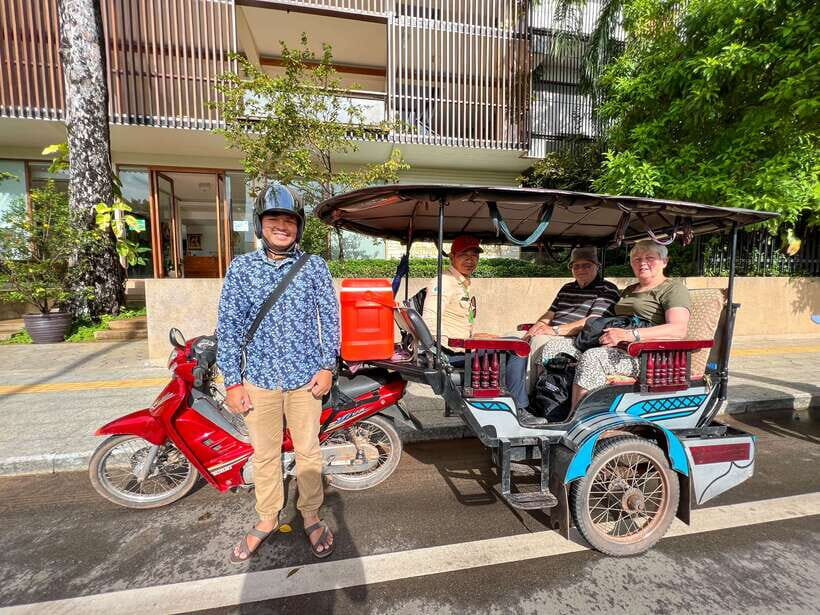
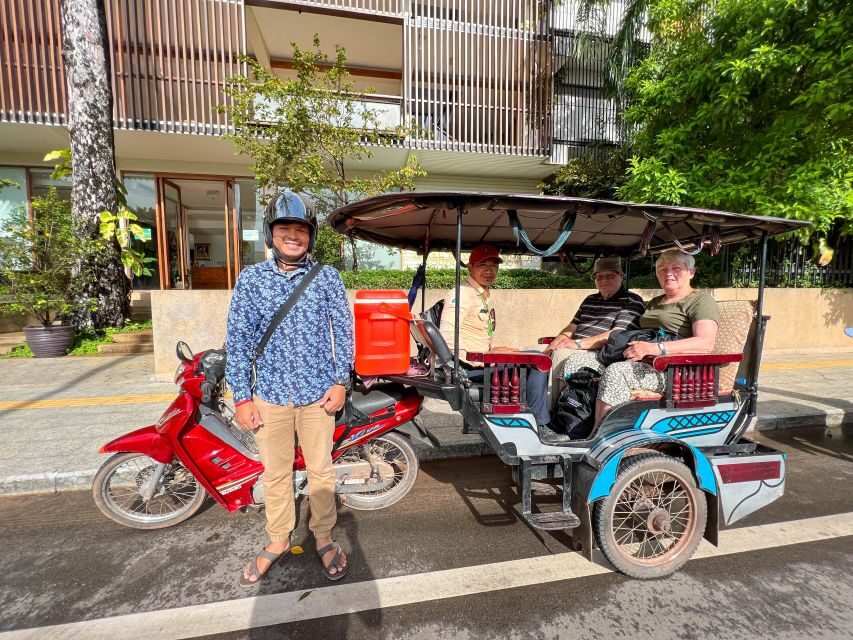
This tour uses a private tuk tuk, which is exactly the right vehicle for Angkor days. You can move efficiently across temple areas without the bus vibe, and your guide can adjust the route around timing and walking comfort.
From the details provided, the comfort setup is thoughtful: you’ll have a cool bottle of water and towels during the ride. People also mention chilled flannels and lots of water from drivers such as Mark, Kim, and Sokea. That isn’t a luxury add-on; in real heat, it keeps you functional.
What you should bring is clearly spelled out:
- Sunglasses
- Sunscreen
- Insect repellent
And you should dress with the temple rules in mind. The tour states no shorts, no sleeveless shirts, and no large bags or luggage. That’s not meant to be annoying—it’s practical for temple sites where visitors are expected to cover up. If you show up covered correctly, you avoid last-minute scrambling.
Price and value: is $59 worth it in Angkor season?
The tour price is $59 per person for about 7 hours, and it includes several items that reduce your day-to-day costs: a professional English-speaking guide, tuk tuk transportation, hotel pickup and drop-off, bottled water and towels, and breakfast (vegetarian option available).
The one big extra is the 1-Day Angkor Pass for $37 per person, which is not included. That’s the part you should plan for from the start. But once you account for the pass, you’re still getting a lot packed into the day: multiple major temples plus a guided market stop and food.
Here’s how I think about value for this specific kind of tour:
- If you tried to do sunrise + multiple temples alone, you’d still need transport, timing, and a way to understand what you’re seeing.
- You’d likely spend energy coordinating the sunrise window and figuring out the most efficient sequence.
- This tour bundles transport, guide support, and the full temple-and-market rhythm into one schedule.
So yes, it costs money, but it’s not just paying for seats on a vehicle. You’re paying for a guide who helps you interpret the architecture and a vehicle that gets you there when it matters.
One more practical note: the tour is offered with flexible booking options (you can reserve and pay later) and free cancellation up to 24 hours in advance. That kind of flexibility can be a big deal when you’re juggling weather or adjusting your Angkor day.
Who should book this sunrise tuk tuk tour
I think this tour is a strong match if you:
- Want maximum Angkor time efficiency without feeling like you’re trapped in a large-group circuit
- Care about understanding what you’re looking at, not just checking boxes
- Like the idea of sunrise plus a natural progression: Angkor Wat → jungle temples → Bayon and Victory Gate → food and market
It’s also great if you appreciate thoughtful comfort details, especially the water and towels that can make a hot morning tolerable.
You might choose a different option if:
- You hate very early starts. The 4:40 am pickup is real.
- You want a purely self-guided day with zero structure. This tour runs on a guided flow and a set set of stops.
- You’re traveling with restrictions around covered clothing. The dress rules are strict: no shorts and no sleeveless tops.
Should you book this tour or look for another?
If you’re in Siem Reap for a limited time, I’d book this one. The biggest reason is the sunrise foundation: starting early, watching Angkor Wat wake up, and still getting real time to explore before the crowds intensify. Then you get the full Angkor arc—Ta Prohm and Ta Nei’s roots-and-stone mood, Bayon’s smile faces with context, and Victory Gate’s historical framing. The market stop and breakfast keep the day human, not just scenic.
My advice is simple: book it if you’re the type who likes to learn while you walk and you want a day that feels organized without feeling rushed. Bring sunscreen, plan for the early wake-up, and wear the right clothes. If you do that, this is the kind of Angkor day that sticks with you long after the photos are on your phone.
FAQ
What time does the tour pick me up for Angkor Wat sunrise?
Pickup is from your hotel lobby at 4:40 am.
How long is the tour from start to finish?
The tour runs for about 7 hours total.
Is the guide available in English?
Yes. The tour includes a professional English-speaking guide.
Does the price include the Angkor Pass?
No. The 1-Day Angkor Pass is $37 per person and is not included.
Is breakfast included, and can I get a vegetarian option?
Yes, breakfast is included, and there is a vegetarian option available.
What should I wear or bring, given the temple rules?
Bring sunglasses, sunscreen, and insect repellent. The tour also notes no shorts and no sleeveless shirts, and you should avoid large bags or luggage.