REVIEW · SIEM REAP
2-Day Angkor Wat Tour
Book on Viator →Operated by Adventure Travel Cambodia · Bookable on Viator
Angkor at sunrise is worth the early alarm. This 2-day tour is built around the big hitters of the Angkor Archaeological Park, then adds a real-life look at the water world of Tonle Sap. The day-and-night pacing keeps you from just rushing temple photos and actually explains what you’re seeing.
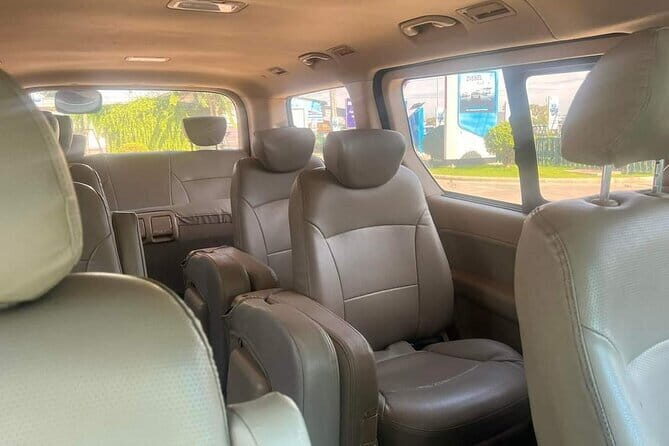
I especially like the way the tour pairs a licensed English-speaking guide with a tight route through Angkor Thom and Angkor Wat. I also like the practical comforts: A/C transport, hotel pickup and drop-off, plus unlimited bottled water and cool towels along the way.
One thing to plan around: you’ll need to budget extra for the Angkor 2-day pass (USD 62) and the Tonle Sap ticket with boat ride (USD 20), and you’ll be on your feet with moderate stair climbing.
In This Review
- Key highlights worth your attention
- Two days in Siem Reap: how this tour actually works
- Price and value: what USD 164 really buys
- Day 1: Angkor Thom and Angkor Wat without the fluff
- Angkor Thom: the big walled city feel
- South Gate: get oriented fast
- Bayon Temple: faces that make the whole place click
- Phimeanakas and Baphuon: smaller stops, strong payoff
- Terrace of the Elephants: where detail work steals the show
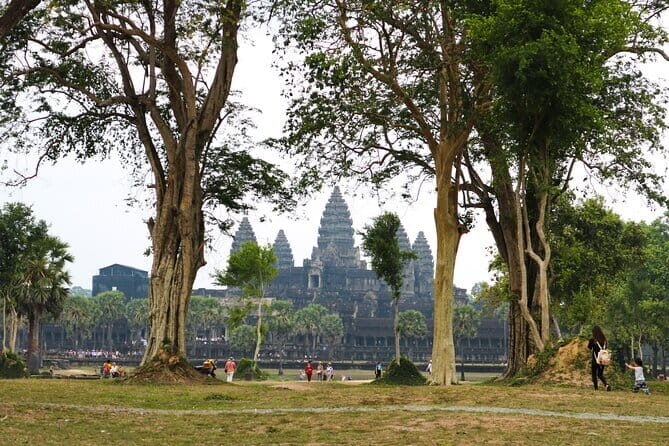
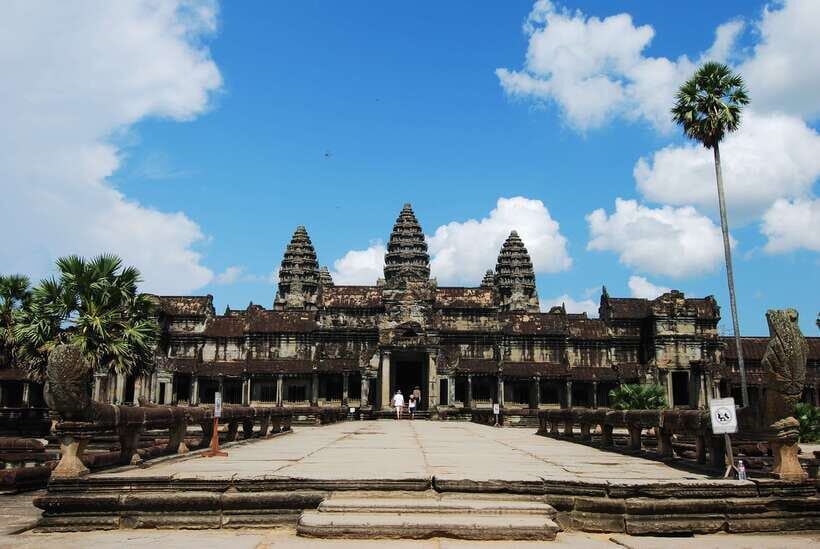
- Angkor Wat: the best-preserved finish
- Day 2: sunrise, deep temple variety, and the Tonle Sap reality check
- Sunrise at Angkor Wat: the early start strategy
- Ta Prohm: the cinematic temple with real textures
- Neak Pean: the calm middle stop
- Preah Khan and Ta Som: variety instead of repeats
- Eastern Mebon and Banteay Srei: art and detail northward
- Tonle Sap and Kampong Phluk: the sunset you can’t replicate with photos
- The guide factor: what you can expect from someone like Sinan or David
- Getting the most out of your time: practical tips that save energy
- Who this tour fits best
- Should you book this 2-Day Angkor Wat tour?
- FAQ
- FAQ
- What’s included in the tour price?
- What is not included in the price?
- Do I need the Angkor Pass, and can I buy it during the tour?
- What time does the tour start?
- Is sunrise included on Day 2?
- How long is the tour?
- What’s included on the Tonle Sap portion?
- Is this tour private or shared?
- Can I cancel and get a full refund?
Key highlights worth your attention
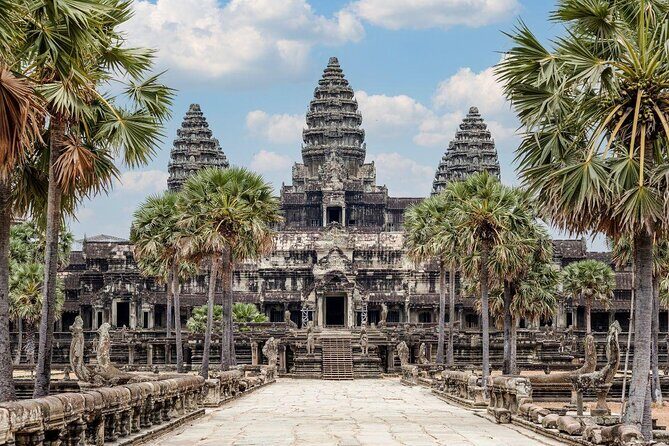
- Licensed guide time at the temples so you know what you’re looking at, not just where to stand for photos
- Angkor Wat sunrise morning option with an early 4:40 am start if you can arrange a takeaway breakfast
- Angkor Thom circuit depth including South Gate, Bayon, Phimeanakas, Baphuon, and the Terrace of the Elephants
- Best-of selection on Day 2 like Ta Prohm, Neak Pean, Preah Khan, and Ta Som in a logical flow
- Tonle Sap + private boat cruise to Kampong Phluk for a sunset finish on the biggest freshwater lake in Southeast Asia
Two days in Siem Reap: how this tour actually works
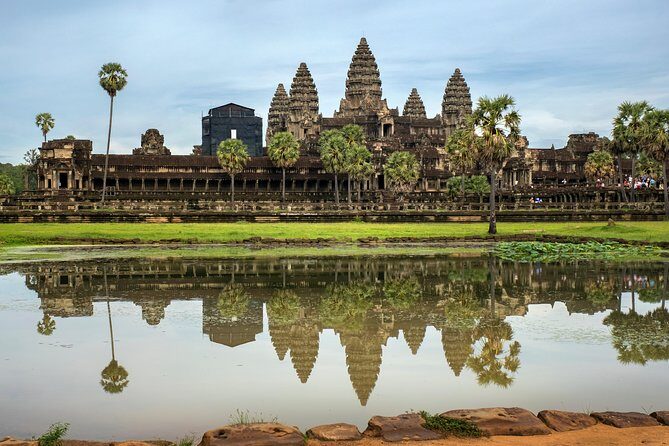
This is a classic Siem Reap pairing: you get a full day inside the core temple zone, a second day that starts early and keeps moving, and then a Tonle Sap evening to round it out. The tour is set up as a private group experience, meaning it’s just your group with the guide and driver, not a crowded free-for-all.
You’ll start with hotel pickup from Siem Reap and ride in an A/C car or minivan. During the temple-heavy hours, the tour also supplies unlimited bottled water and cool towels, which matters in the heat when you’re climbing and waiting for others at viewpoints. The route is paced by stops with guide explanations, so you’re not just hopping from one ruin to the next.
For admissions, the key practical point is that the tour price doesn’t replace the temple entry systems. You’ll pay for the Angkor Pass separately (USD 62 for the 2-day visit), and Tonle Sap comes with its own ticket and private boat ride.
You can also read our reviews of more tours and experiences in Siem Reap
Price and value: what USD 164 really buys
At USD 164 per person (for the 2 days), you’re primarily paying for: an English-speaking licensed guide, A/C transportation, and hotel pickup/drop-off, plus the comfort extras like water and cool towels. You’re also paying for the time-saving benefit of having a prepared route across major sites rather than trying to piece it together on your own.
Where costs add up is outside the tour price: the Angkor 2-day pass is USD 62 per person, and Tonle Sap with boat ride is USD 20 per person. Food and soft drinks are also on you. If you’re budgeting for a realistic total, you’re looking at roughly USD 246 per person before meals, assuming you take the Tonle Sap boat portion.
Is it good value? For many people, yes—because Angkor is big, and a good guide turns the place from impressive ruins into a place you can actually read. Reviews tied to this experience highlight guide strength, including Sinan for deep context on culture and religion, and David for explaining religious traditions and how they influenced what you see.
Day 1: Angkor Thom and Angkor Wat without the fluff
Day 1 is about Angkor Thom’s story and symbolism, then it finishes with Angkor Wat in a more relaxed middle-of-day rhythm (including lunch). Your morning starts early, and pickup is timed so you can get into the temple zone in the daylight.
Angkor Thom: the big walled city feel
The tour begins at Angkor Thom, the fortified complex that feels like a mini-kingdom within Angkor. It’s not one temple—it’s a whole layout of gates, towers, courtyards, and ceremonial spaces. That’s why a guide helps so much: you’re walking through layers of meaning, not just single stone monuments.
A key practical note: Angkor Thom includes stairs and uneven surfaces, and the tour calls for moderate physical fitness. You don’t need to be an athlete, but you do need to be comfortable with steps and sun.
South Gate: get oriented fast
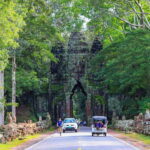
Next is the South Gate, which is short on time but big on usefulness. Gates like this help you understand how movement worked into the city and how the Khmer Empire used controlled entry points. Your guide walks you through what you’ll notice at different levels, so you know where to look instead of guessing.

Bayon Temple: faces that make the whole place click
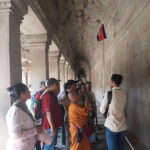
Then you reach Bayon Temple, one of the most recognizable Angkor sites thanks to the face towers. Your guide spends time up at the viewpoint levels and explains what you’re seeing and how it connects to Khmer belief systems.
This is also where the tone of the whole tour shows. In this experience, the guide focus isn’t just on naming stones—it’s on why the temple was built and what the imagery was meant to communicate. That’s echoed by past guests praising guides like Sinan and David for religious tradition context and answering questions about Khmer culture.
Phimeanakas and Baphuon: smaller stops, strong payoff
After Bayon come Phimeanakas and Baphuon. These stops are shorter, but they matter because they fill in how Angkor Thom functioned as a ceremonial and royal space. Think of them like chapters in a book: you don’t want to skip them even if you’re tempted to rush toward the headline sights.
Terrace of the Elephants: where detail work steals the show
At the Terrace of the Elephants, you get a focused look at decorative stonework and the theatrical nature of the approach. The guide’s walk-through helps you notice the carvings and understand why a terrace like this was built as a stage for power and ritual.
Angkor Wat: the best-preserved finish
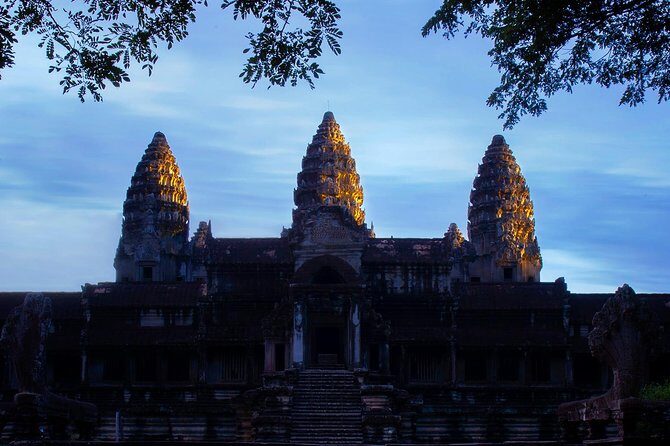
Day 1 ends at Angkor Wat, the temple that anchors most people’s “why I’m here” list. Lunch happens in a local Khmer-style restaurant within the Angkor Park area before you head into the most famous compound.
The best-preserved status of Angkor Wat isn’t just about appearance—it changes how you experience the place. Details are easier to recognize, so your guide’s explanations land better. You also get about a couple hours here, enough time to see key zones without feeling like you’re watching your feet the whole time.
Day 2: sunrise, deep temple variety, and the Tonle Sap reality check
Day 2 is the big rhythm shift. It starts with an early morning sunrise at Angkor Wat, and the rest of the day is a sequence of temples spread across different areas of the park.
Sunrise at Angkor Wat: the early start strategy
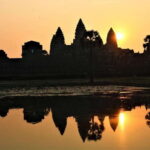
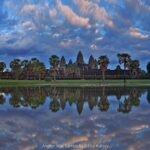
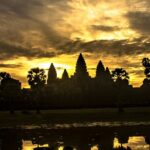
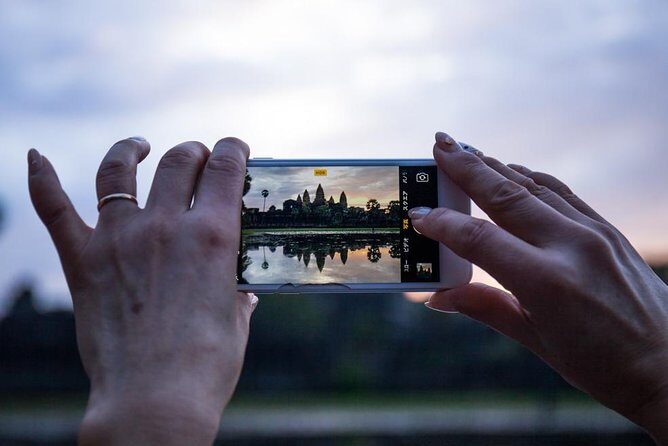
The tour recommends getting ready for the sunrise around 4:40 am if your hotel can provide a takeaway breakfast. That’s a small detail, but it’s smart: when you start that early, you don’t want to waste time hunting food.
If your breakfast isn’t packed, you’ll still be out early, so plan to bring what you need and dress for cool morning temperatures that can warm fast once the sun climbs. The light in the early hours also makes the stonework look different—like a whole new temple.
Ta Prohm: the cinematic temple with real textures
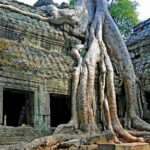
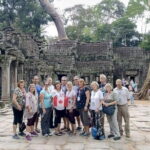
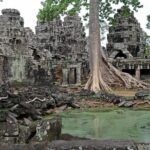
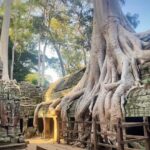
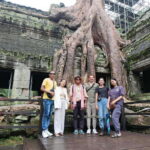
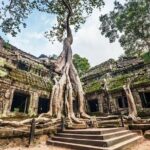
After sunrise, you move to Ta Prohm, the temple people often recognize for the tree roots and the “nature taking over” feel. Your guide walks you through what you’ll see, which helps you understand why the structures look the way they do and what you’re observing in the interplay of stone and vegetation.
This is one of those stops where it’s easy to overfocus on the most famous views. With a guide, you’ll spend more time looking at the site as a layout rather than a single postcard angle.
Neak Pean: the calm middle stop
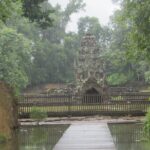
Then comes Neak Pean, a temple stop that tends to feel more peaceful and less crowded in the flow of the day. The guided time here is shorter, which is nice when you’ve already done a lot of walking. You still get explanation up at the viewing levels.
Preah Khan and Ta Som: variety instead of repeats
Next you visit Preah Khan and Ta Som. This part of the itinerary is valuable because it avoids turning the second day into only the most famous temples. You’ll see different designs and arrangements, and your guide’s explanations help you track what’s changing from site to site.
Eastern Mebon and Banteay Srei: art and detail northward
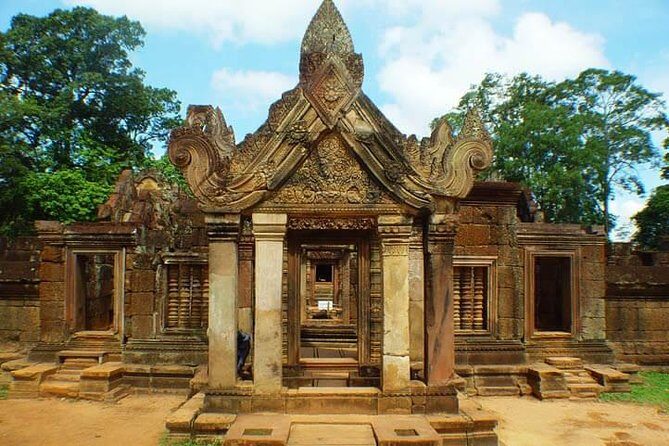
After that, the route continues north to Eastern Mebon, then Banteay Srei. Banteay Srei is often described as the lady’s temple, known for its petite pink sandstone feel, and the visit is one more chance to slow down and look closely at craftsmanship.
Even if you have short attention spans at the start of the day, this is where having a guide pays off. Small architecture details become easier to appreciate when someone points them out in plain language.
Tonle Sap and Kampong Phluk: the sunset you can’t replicate with photos
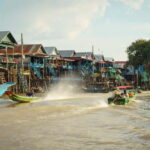
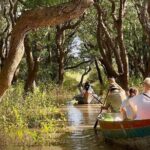
To finish, you head to Tonle Sap Lake and then to the floating village of Kampong Phluk for a lifestyle visit and a private boat cruise. Tonle Sap is the biggest freshwater lake in Southeast Asia, and that fact changes your sense of scale once you see the water from the boat.
This is also where the “temples only” trip becomes a fuller Siem Reap experience. You go from Khmer monuments to everyday life around the lake. The sunset boat ride is the kind of moment that lingers because it’s moving and real, not staged.
The guide factor: what you can expect from someone like Sinan or David
One strong theme in the best parts of this experience is guide quality. Past versions of this tour have praised Sinan for answering questions about Khmer culture, food, and history, while also guiding people through temple symbolism with confidence. Another guide, David, was praised for religious tradition context and how it links to what you see in the structures.
That matters because Angkor can feel overwhelming if you only read signs. With a good guide, you get explanations that connect religion, architecture, and royal symbolism into something you can remember.
Getting the most out of your time: practical tips that save energy
Start by dressing like you’ll be walking for hours. Even when the itinerary looks neat on paper, the ground inside Angkor is uneven and the sun is strong. Comfortable shoes help a lot, and you’ll appreciate the cool towels and water—but don’t treat those as a substitute for sun protection.
Because the tour includes a licensed guide and set stops, you’ll get more out of showing up on time rather than arriving late and trying to catch up. Day 2 especially depends on that early sunrise window.
Also keep your expectations realistic: you’re visiting many temples across two days. That’s part of the appeal, but it’s not a slow, museum-style pace. If you want fewer stops and more time to linger, you might prefer a custom version—otherwise, this tour is designed for people who like to see a lot while still having guided context.
Who this tour fits best
This experience is a great match for you if you want:
- A two-day Angkor Wat plan that’s structured, not chaotic
- A licensed English-speaking guide who explains what the temples represent
- A mix of major landmarks (Angkor Thom, Bayon, Angkor Wat) plus variety on Day 2
- A real add-on beyond monuments, with Tonle Sap and Kampong Phluk
It’s also a solid choice for first-timers in Siem Reap because it gives you a complete “big picture” arc. If you’ve already been to Angkor on your own, you might still like the guided route, but the value depends on how much explanation you want versus free time.
Should you book this 2-Day Angkor Wat tour?
Book it if you want a well-organized way to see Angkor’s key areas in two days, with guide explanations that connect the sights to Khmer culture and religion. The included transport, water, cool towels, and hotel pickup make it easy to focus on the temples instead of logistics.
Consider skipping or customizing if you’re sensitive to early starts or you prefer a slower pace with fewer temple stops. Also do the math up front: the base price is only part of the cost once you add the Angkor Pass and Tonle Sap boat ticket.
If you’re okay with an active schedule and you value interpretation over just photos, this tour is a strong way to experience Angkor and then end on Tonle Sap in the evening.
FAQ
FAQ
What’s included in the tour price?
The tour includes an English speaking licensed guide, A/C transportation (car or minivan), unlimited bottled water and cool towels during the excursion, and hotel pick-up and drop off.
What is not included in the price?
You’ll pay separately for the Angkor pass of 2-day visit (USD 62 per person), the Tonle Sap ticket with boat ride (USD 20 per person), and your food and soft drinks.
Do I need the Angkor Pass, and can I buy it during the tour?
Yes. The tour includes purchasing the 2-day Angkor Pass on Day 1. The pass cost is USD 62 per person.
What time does the tour start?
The meeting point lists a start time of 8:30 am. Day 1 pickup is described as starting from your hotel around 8:00 am.
Is sunrise included on Day 2?
Yes. Day 2 includes an early sunrise over Angkor Wat, with guidance that you can ask your hotel staff to pack a takeaway breakfast if breakfast is included with your room.
How long is the tour?
The tour is listed as 2 days (approx.).
What’s included on the Tonle Sap portion?
You’ll visit Kampong Phluk for a lifestyle visit and take a private boat cruise to enjoy the sunset over Tonle Sap. The Tonle Sap ticket with boat ride is not included in the tour price.
Is this tour private or shared?
It’s listed as a private tour/activity, meaning only your group participates.
Can I cancel and get a full refund?
Yes. You can cancel up to 24 hours in advance for a full refund. If you cancel less than 24 hours before the start time, the amount paid is not refunded.