REVIEW · SIEM REAP
2 Days Discover Angkor Wat Complex and Cambodia’s Villages Tours
Book on Viator →Operated by Angkor Visitor · Bookable on Viator
Angkor in two days feels like a sprint. This tour strings together the big-hitters and the quieter, more rugged stops, with a private group setup and an English-speaking guide who keeps the story clear from sunrise onward.
I love the mix of classic Angkor temples with the off-the-main-road feeling of Beng Mealea and the countryside villages vibe around the water. I also like that you’re not just dropped at ruins; you get cold water and towels, air-conditioned transport, and a guide who can answer your questions while you walk.
One consideration: the day starts at 5:00 am, and the temple touring involves plenty of uneven ground and sun exposure. If you’re sensitive to early wake-ups or heat, plan your morning routine carefully.
In This Review
- Key highlights you’ll care about
- Two Days That Cover the Big Names and the Quiet Ruins
- 5:00 AM Pickup: How to Survive Early Angkor Comfortably
- Day 1: Angkor Wat, Ta Prohm Roots, and the Angkor Thom Core
- Angkor Wat: The anchor of the whole complex
- Ta Prohm: Trees, roots, and that movie-like feeling
- Ta Keo: A taller stop with less time, which is the point
- Angkor Thom: The big square city moment
- Day 2: Beng Mealea’s Unrestored Feel Meets Tonle Sap Village Life
- Prasat Beng Mealea: Lotus Pond and a more rugged ruin
- Kompong Phluk: Stilt village life on the lake
- Tonle Sap Great Lake: The seasonal freshwater giant
- Value Check: $235 per Group Plus Temple and Boat Fees
- Why the Guide Matters More Than You Think
- Practical Tips for an Enjoyable 2-Day Route
- Should You Book This 2-Day Angkor Wat + Villages Tour?
- FAQ
- What time does the tour start?
- Is pickup included, and how many people are in the group?
- What’s included in the price?
- What entrance fees should I expect?
- Are meals included?
- Is this tour physically demanding?
Key highlights you’ll care about
- Early start with a plan: 5:00 am pickup helps you beat the worst crowds and heat for the main Angkor sights.
- Classic + wild ruins: Angkor Wat and Ta Prohm on Day 1, then Beng Mealea’s largely unrestored, brushy feel on Day 2.
- Real village water life: Kompong Phluk on stilts and Tonle Sap as a working freshwater lake region, not just a photo stop.
- Comfort included: Air-conditioned SUV/van, cold drinking water, and cold towels between walks.
- Guides that explain well: English-speaking guides like Praim or Khim (when assigned) are praised for pacing, professionalism, and good answers.
- You choose the pace within a private group: The tour is private (up to 10 people), so you’re not stuck in a giant herd.
Two Days That Cover the Big Names and the Quiet Ruins
This is a smart way to do Angkor when you have limited time. You get the headline temples—Angkor Wat, Ta Prohm, and the core sites in Angkor Thom—then you add two experiences that feel more local and less set-piece: Beng Mealea and Tonle Sap village life.
The itinerary is built around contrast. Day 1 is mostly about stone, layout, and Khmer-era power. Day 2 shifts to the kind of ruins nature is reclaiming, plus the rhythm of life on and around the Tonle Sap (Cambodia’s huge freshwater lake system).
And because this is a private group tour (up to 10), you can move at a human pace. That matters in Angkor, where the difference between a good day and a frustrating day is often how quickly you can recover between sights.
You can also read our reviews of more tours and experiences in Siem Reap
5:00 AM Pickup: How to Survive Early Angkor Comfortably
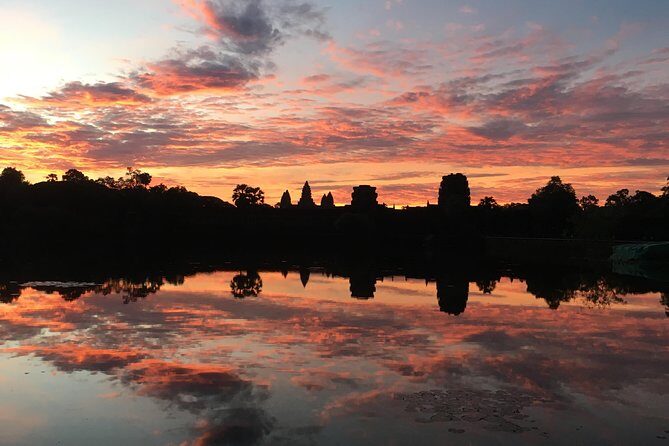
The tour starts at 5:00 am. That’s early—no way around it. But it’s also the reason this kind of plan works. You’re touring when the light is softer and the heat hasn’t fully kicked in.
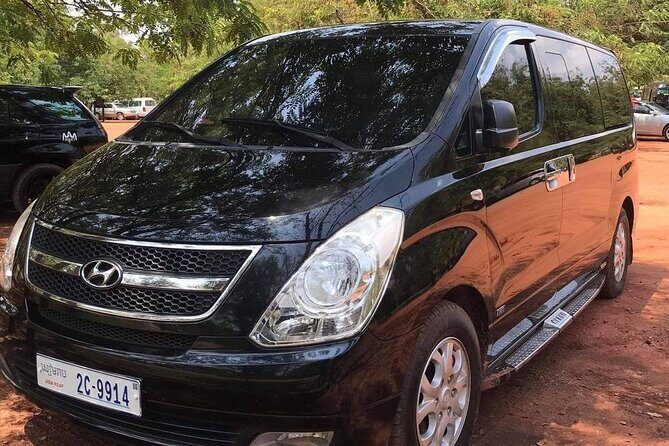
Between stops, you’ll be riding in an air-conditioned SUV or mini van. You’ll also have cold drinking water and cold towels ready for the rough moments when you’re walking under a bright sky. That’s not just comfort. It’s how you keep your energy for the long days of temples.
A small practical tip: wear layers you can remove quickly. You’ll likely feel cooler early, then warmer by late morning as the sun climbs. Closed-toe, grippy shoes are worth it here because temple paths can be uneven.
Also note the fitness note: you should have moderate physical fitness. You don’t need to be an athlete, but you should be comfortable with walking and uneven ground.
Day 1: Angkor Wat, Ta Prohm Roots, and the Angkor Thom Core
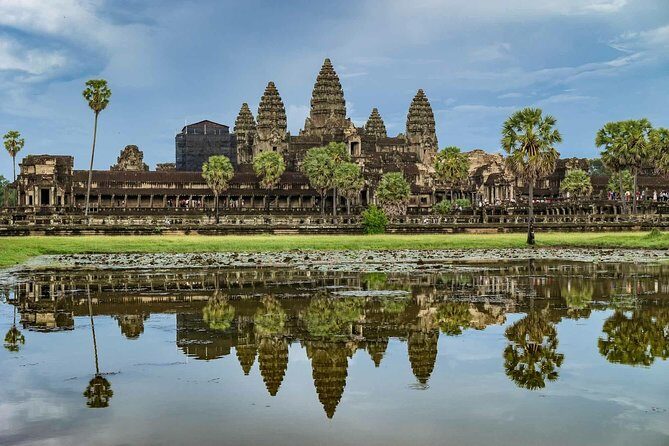
Day 1 is your main “greatest hits” day. You start with Angkor Wat (about 2 hours), then move through a classic sequence that builds from landmark grandeur to jungle-soaked scenes and finally into Angkor Thom’s walled-city heart.
Angkor Wat: The anchor of the whole complex
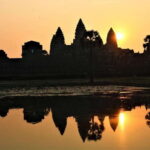
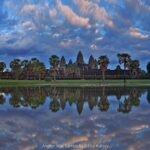
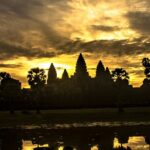
Angkor Wat is one of the largest religious monuments in the world, spread across a very large site area. Even if you’ve seen photos before, being there in person hits different. The scale, symmetry, and sheer effort of carving stone out of that landscape is hard to fully absorb in a short stop.
Expect about two hours here. That’s enough time to see the main features without feeling rushed out the door.
One reason this first stop works on a two-day plan: it gives you a frame of reference for everything else. Once you’ve clocked Angkor Wat’s layout style, the rest of the temples start to make more sense.
Ta Prohm: Trees, roots, and that movie-like feeling
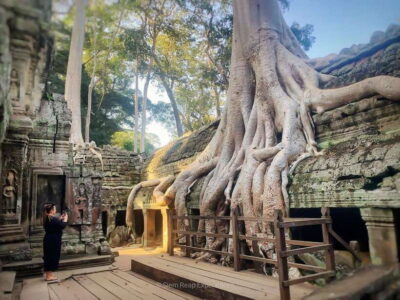
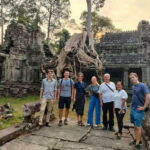
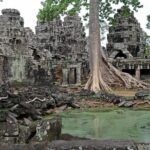
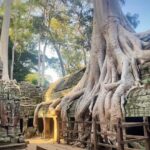
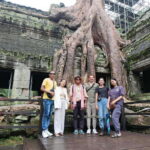
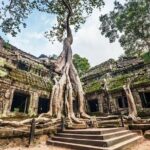
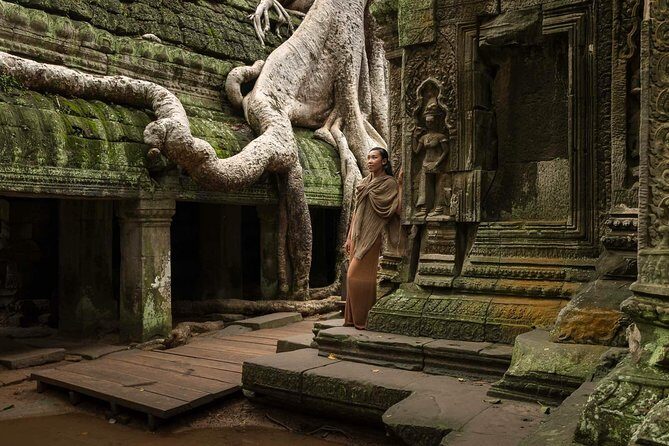
Next is Ta Prohm (about 1 hour). This is the temple people recognize for the huge trees and massive roots growing out of the walls. It’s famous for a reason, but the best part is that it feels less controlled than the most restored sites.
You’ll walk among a kind of “nature and stone” blend. The roots create natural pathways and shadowed pockets—great for photos, but also a reminder to watch your step.
Because the timing is tight, keep an eye on the balance between photo breaks and actual viewing. Ta Prohm is easiest to enjoy when you alternate between looking slowly and taking a few quick photos.

Ta Keo: A taller stop with less time, which is the point
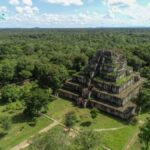
Then you’ll hit Ta Keo (about 30 minutes). This one is known as one of the taller monuments in Angkor, a mountain temple built by Jayavarman V. With only half an hour, it’s not the kind of stop where you get lost for long.
That’s fine. In a two-day plan, shorter stops help you save energy for the places you’ll want more attention on—especially once your day is already underway.
Angkor Thom: The big square city moment
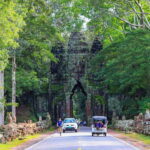
Angkor Thom comes next (about 30 minutes). It’s an ancient city of the Khmer empire built around 1181 AD under Jayavarman VII, with surrounding walls and a city layout that feels like a statement.
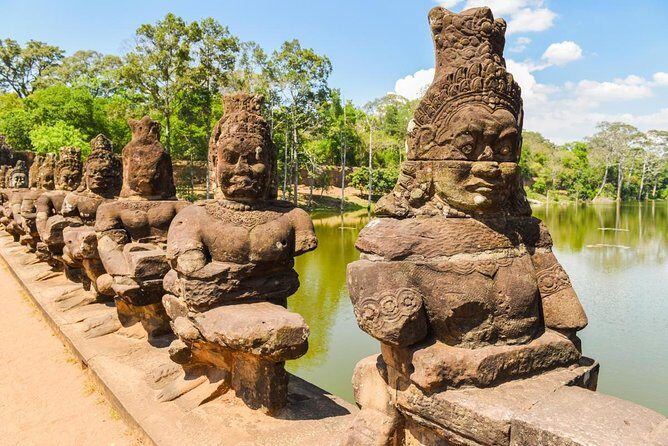
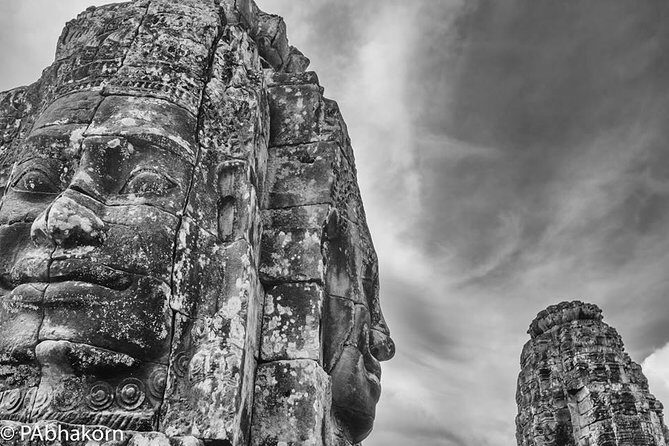
After that, you’ll visit the Terrace of the Elephants (about 30 minutes) and Bayon Temple (about 1 hour). The Terrace of the Elephants is part of the walled city and was used by the king for viewing important scenes. Bayon is the one with the famously decorated faces—those stone “smiling faces” that make this stop unforgettable.
This portion of Day 1 is about moving from general context into specific iconography. By the time you reach Bayon, your brain is ready for it.
And if you have questions—how the city functioned, why the carvings look the way they do—this tour’s English-speaking guide time is where you benefit most. The pacing is built so you’re not just staring; you’re learning as you walk.
Day 2: Beng Mealea’s Unrestored Feel Meets Tonle Sap Village Life
Day 2 is where the tour earns its “villages” promise. It’s not just temple number two. It’s a shift into a different kind of Cambodian travel: ruins in a wilder state, then life connected to water, fishing, and seasonal change.
Prasat Beng Mealea: Lotus Pond and a more rugged ruin
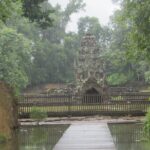
You start with Beng Mealea (about 2 hours). It’s often described as a Lotus Pond temple, built as a Hindu temple with some Buddhist motifs in its carvings.
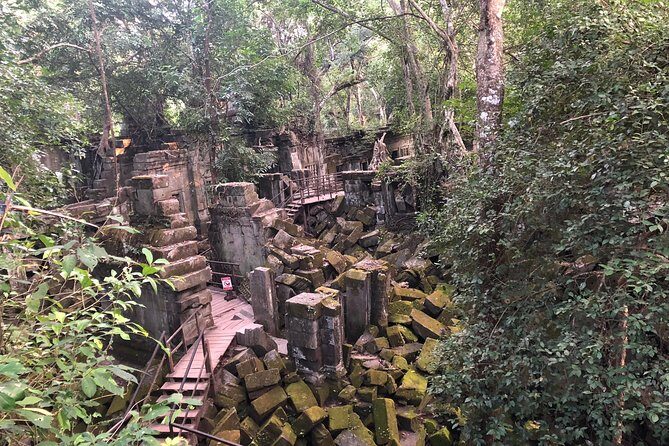
Here’s what makes it different from the Angkor Wat style you saw on Day 1: Beng Mealea is largely unrestored, with trees and thick brush thriving throughout the site. That means fewer “perfect” photo angles, but more of a feeling that you’ve walked into something half reclaimed by the jungle.
Two hours is a good time here because you need space to wander. If you rush this stop, you’ll miss the atmosphere that comes from seeing stone that doesn’t feel sanitized.
Wear shoes for uneven ground, and expect you’ll want moments where you stop and look rather than always moving.
Kompong Phluk: Stilt village life on the lake
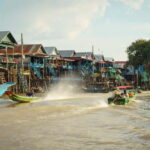
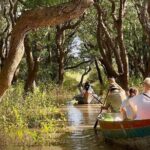
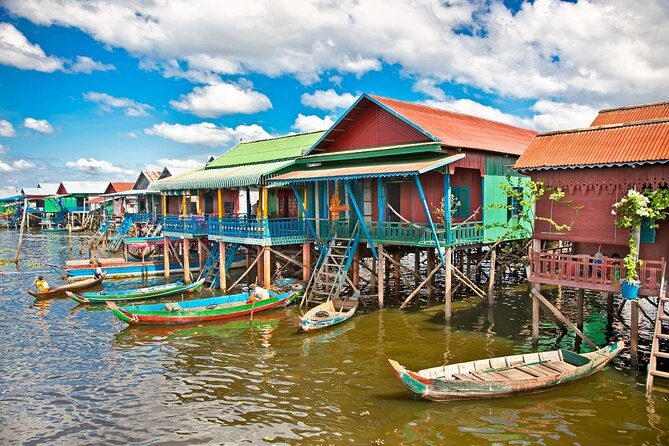
Then you’ll head to Kompong Phluk (about 2 hours). This village is built on stilts on the Tonle Sap, and the name means Harbor of the Tusks. The community depends largely on fishing, which matters when you think about what you’re seeing.
This stop is valuable because it ties Angkor’s stone civilization to modern water-based livelihoods. It’s still a tourist destination in a practical sense, but the setting is unmistakably about daily life on a lake.
You’ll likely get more out of Kompong Phluk if you think of it as a living place, not a museum set. Look for signs of how the community organizes life around water levels and fishing.
Tonle Sap Great Lake: The seasonal freshwater giant
Finally, you’ll visit Tonle Sap Great Lake (about 1 hour). Tonle Sap is the biggest fresh water lake in South-East Asia, and it’s seasonally inundated—so the lake expands dramatically during parts of the year.
The tour also frames it within the broader river-lake system, including the attached Tonle Sap River. Even if you don’t memorize the numbers, knowing it’s a seasonal system helps you understand why stilt villages exist and why fishing is so central.
One hour is short, but it’s the right kind of finish: you end with water and scale after two days of stone and carvings.
Value Check: $235 per Group Plus Temple and Boat Fees
Let’s talk money in a way that helps you plan. The tour price is $235.00 per group (up to 10 people). That’s for the vehicle, guide, and included cooling items (cold water and towels).
On top of that, you should budget entrance and boat costs you pay separately:
- Angkor Wat and other temples: $37 per person
- Beng Mealea: $10 per person
- Tonle Sap + Kompong Phluk floating village, including admission and private boat ride: $22 per person
If you do everything listed, that’s about $69 per person in site fees/boat costs, added to the base group price.
Is it good value? For me, the answer is yes if you value two things:
1) You want a guided plan that saves time and reduces decision fatigue in Angkor.
2) You want more than just Angkor temples—you want a lake-village experience tied to how people actually live.
If you’re traveling solo, fees per person can feel punchy. But if you’re splitting the group cost, the base $235 can be a bargain compared to hiring a private driver-only arrangement and still needing the right guide.
This tour also shows a pattern of planning: it’s booked on average 72 days in advance. That suggests people take Angkor seriously early and avoid last-minute scramble.
Why the Guide Matters More Than You Think
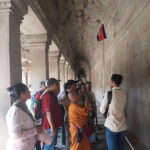
In Angkor, the difference between a “cool day” and a truly memorable one often comes down to interpretation. An English-speaking guide turns carved stone into understandable context: who built what, why certain faces or motifs show up, and how the whole Angkor world fits together.
Guides assigned to this tour—like Praim or Khim—are praised for excellent English, staying professional and helpful, and explaining at just the right level. A big plus: they answer questions, not just deliver a script. That means if you’re curious about Khmer history or how today’s Cambodia connects to the past, you can actually use the time.
There’s also a comfort angle. People describe being kept comfortable throughout, which is huge in the early-start temple marathon. The best guides help you feel like the day is under control.
And yes, some guides also help with photos. It’s not the main reason to book, but it’s a real bonus when you want shots without spending half your day figuring out angles and lighting.
Practical Tips for an Enjoyable 2-Day Route
A good day here depends on small planning choices. I’d focus on:
- Start mentally ready for early mornings: 5:00 am is non-negotiable, so set yourself up the night before.
- Bring sun protection: hats, sunscreen, and something for hydration. You’ll have cold water and towels, but that doesn’t replace basic sun gear.
- Wear grippy, closed shoes: you’ll hit stone, uneven areas, and Beng Mealea’s more brushy, unrestored terrain.
- Use the air-conditioning: treat the van rides as recovery time, not just travel time.
- Keep your expectations flexible at Beng Mealea: it’s largely unrestored, with thick brush. That’s part of what makes it feel real, not a pristine showpiece.
If you like structured days but still want a human pace, this matches well. And if your goal is to see Angkor Wat and Ta Prohm plus experience Cambodia’s village-and-water side, you’ll appreciate the balanced split across two days.
Should You Book This 2-Day Angkor Wat + Villages Tour?
Book it if you want:
- A two-day plan that hits the essentials of Angkor Wat, Ta Prohm, Angkor Thom, and Bayon without feeling totally rushed
- A second day that’s not just more temples—Beng Mealea’s unrestored feel plus Kompong Phluk and Tonle Sap
- A private group setup up to 10 with an English-speaking guide, plus comfort extras like cold towels and water
Consider skipping or swapping if:
- You hate early mornings and struggle with heat. The 5:00 am start and long temple walking are central to the experience.
- You’re only interested in the most restored, polished Angkor sites. Beng Mealea is intentionally different—more rugged, less “finished.”
If you fall somewhere in the middle—like most smart travelers do—this is a strong choice. It balances the iconic with the less-managed, and it ties Angkor’s legacy to the living water world of Tonle Sap.
FAQ
What time does the tour start?
The tour start time is 5:00 am.
Is pickup included, and how many people are in the group?
Pickup is offered, and the tour is private with only your group participating, up to 10 people.
What’s included in the price?
Included features are air-conditioned SUV or mini van, an English-speaking tour guide, cold drinking water, and cold towels. You’ll also have a mobile ticket.
What entrance fees should I expect?
Entrance fees are not included in the base price. Budget for $37 per person for Angkor Wat and other temples, $10 per person for Beng Mealea, and $22 per person for Tonle Sap Great and Kompong Phluk including admission and a private boat ride.
Are meals included?
No. Meals and beverages are not included.
Is this tour physically demanding?
It’s listed for travelers with a moderate physical fitness level. You should expect walking on temple grounds and uneven terrain.