REVIEW · SIEM REAP
2-Day Angkor Wat & Tonle Sap Tour
Book on Viator →Operated by Asia Voyage Travel · Bookable on Viator
Angkor is a lot at once, and this tour is built for it. You’ll hit the big names and also some quieter corners of the Angkor complex, then top it off with Tonle Sap stilt villages and a boat ride. The schedule is designed around the two most magical moments in Siem Reap: sunrise at Angkor Wat and sunset from Phnom Bakheng.
I especially like that you get a private setup with hotel pickup and a guide who talks through what you’re seeing. A standout in past trips is Mr. Seng, who shares clear explanations and answers questions with confidence, which makes the ruins feel way less random and way more meaningful.
One thing to consider is timing. You’ll start very early on day two (around 5:00am or earlier), and Phnom Bakheng has a summit-number restriction, so you need to arrive early and accept some waiting.
In This Review
- Key things that make this tour worth your time
- Why this 2-day Angkor + Tonle Sap mix works
- Sunrise at Angkor Wat and sunset at Phnom Bakheng (timing is everything)
- Day 1: Angkor Thom, Bayon faces, and the stones that feel alive
- Ta Prohm: roots, movie fame, and a temple with attitude
- Lunch, then Angkor Wat in full daylight
- Phnom Bakheng for sunset: great views, and a bit of patience
- Day 2: sunrise at Angkor Wat, then Prep Rup and Banteay Samre
- Banteay Srei: the pink ladies temple stop
- Tonle Sap Lake at Kompong Pluk: stilted villages by motorized boat
- Private tour value: price, what’s included, and what’s extra
- What to expect on the ground: walking, heat, and crowd rhythms
- How your guide really changes the experience
- Who should book this tour
- Should you book this Angkor Wat + Tonle Sap private tour?
- FAQ
- Are Angkor temple passes included in the tour price?
- Is hotel pickup and drop-off provided?
- Does the tour include the sunrise and sunset temples?
- What does the Tonle Sap portion include?
- How many people are in the group?
- Is the boat trip fee included?
- What time does the tour start?
Key things that make this tour worth your time
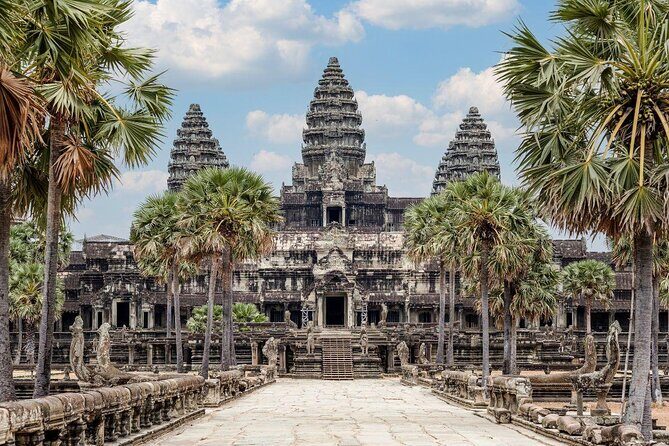
- Sunrise and sunset at the right temples: Angkor Wat early morning, Phnom Bakheng for golden-hour views.
- A small private group: up to 3 people, with hotel pickup and private transport.
- Angkor Thom + Ta Prohm + Angkor Wat in one tight circuit: you see variety without racing your feet.
- Help understanding the myths and history: Mr. Seng’s explanations are a big part of the value.
- Tonle Sap by motorized boat: stilted villages, including a floating cafe stop.
- Included cold water and towels: small comfort, big difference in the heat.
Why this 2-day Angkor + Tonle Sap mix works
Angkor Wat gets all the hype, but the best trips are the ones that pace you. This one spreads the experience across two days so you’re not trying to do everything in one exhausting sprint. Day one leans into the core Angkor sights. Day two focuses on sunrise, then shifts outward to lesser-seen temple stops and the lake.
I like that the tour is not just a list of temples. You get guided context as you move, which matters because Angkor can otherwise feel like stone patterns without labels. And because it’s private, your guide can slow down when you want more time for photos or details.
Also, it’s a smart add-on that you don’t have to plan Tonle Sap separately. Many people come to Siem Reap and stop at Angkor. Here, you’ll also see how life works around the lake, from houses on stilts to the floating cafe vibe that makes the region feel alive, not just historical.
You can also read our reviews of more tours and experiences in Siem Reap
Sunrise at Angkor Wat and sunset at Phnom Bakheng (timing is everything)
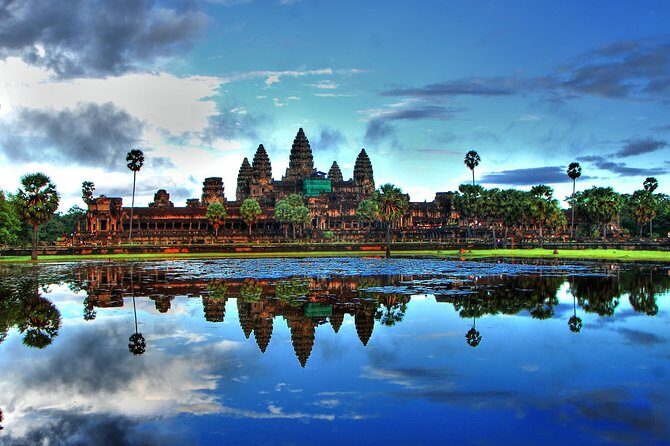
Two words run this itinerary: early and controlled.
On day one, the sunset stop is Phnom Bakheng. You’ll go a bit early because the summit has a restriction on numbers. Translation: if you show up late, you may be stuck looking from below instead of getting the full view. This is the kind of detail that can make or break the experience, and it’s handled by the tour timing.
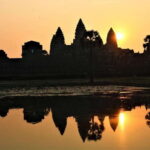
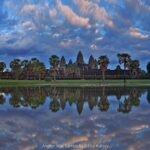
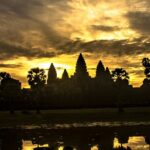
Then day two starts even earlier. You’ll leave your hotel at 5:00am or earlier to reach Angkor Wat for sunrise. The viewing is often gorgeous, but sunrise is weather-dependent. Still, the early departure is what gives you the best shot. You also beat the thicker daytime crowds, which helps your photos and your sanity.
Practical tip: go in with low expectations for comfort. Early mornings and temple stair climbs are not the moment for heavy breakfast plans or flip-flops. Wear shoes you can walk in for hours, bring a hat, and expect sweat even in the morning.
Day 1: Angkor Thom, Bayon faces, and the stones that feel alive
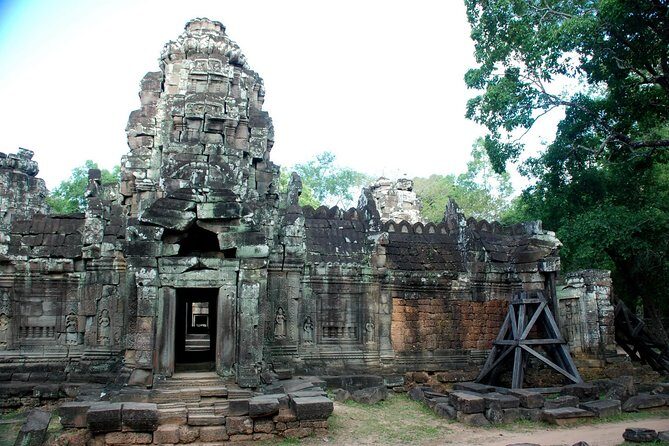
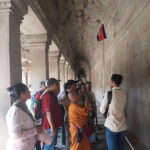
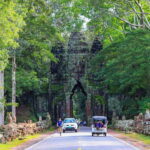
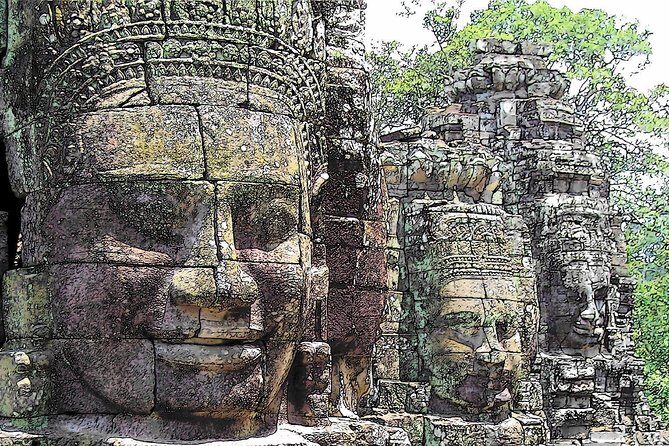
Day one is the classic Angkor Thom opening, and it’s a smart move because it sets the tone. You start with Angkor Thom, then move directly to Bayon Temple, famous for its many stone faces. This is one of those places where your brain starts doing its own pattern-matching. The faces look out in different directions, so the temple feels active as you walk around.
You’ll also spend time around nearby stops within the Angkor Thom area. Next comes Baphuon, close to Bayon, so you don’t lose momentum. After that, you visit the Terrace of the Elephants and the Terrace of the Leper King. Even if you don’t know all the stories in advance, these terraces work visually: big stone surfaces, strong carvings, and that “someone really cared about details here” feeling.
Why it works: this day isn’t only about seeing monuments. It’s about learning how the Angkor complex is laid out, how different zones connect, and how the stone art tells stories. A good guide makes a huge difference because the ruins can otherwise blend together after the third temple.
Ta Prohm: roots, movie fame, and a temple with attitude
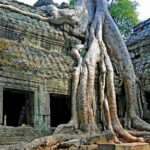
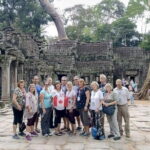
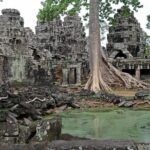
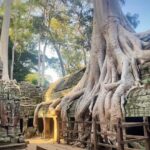
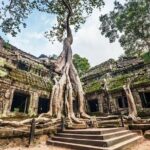
After Angkor Thom, the itinerary moves east to Ta Prohm. This is the famous temple where huge trees grow through and around the structures, leaving buildings with a very “claimed by nature” look. It’s widely recognized from popular movie scenes, and that fame is exactly why it’s worth visiting in person—because the scale is hard to grasp from photos.
You’ll spend about an hour here, which is a reasonable amount. You can walk the main areas, take photos, and still have time for your guide to point out the structure and the way the roots interact with the original design.
One consideration: this is a popular stop. If you’re not a fan of crowds, go in expecting them. The private nature of the tour helps, though, because your guide can manage your order and keep things moving instead of waiting in a long, stagnant line.
Lunch, then Angkor Wat in full daylight
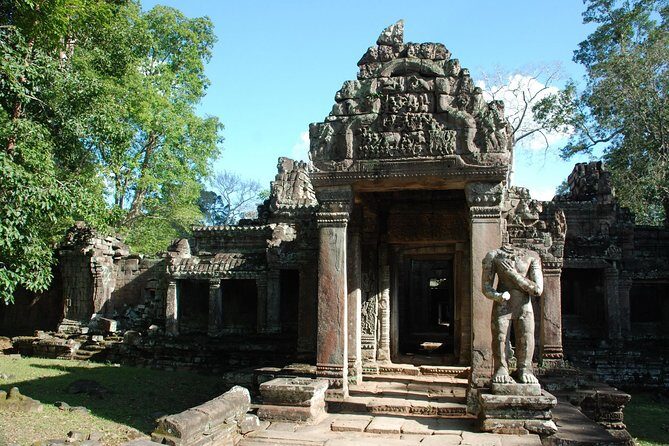
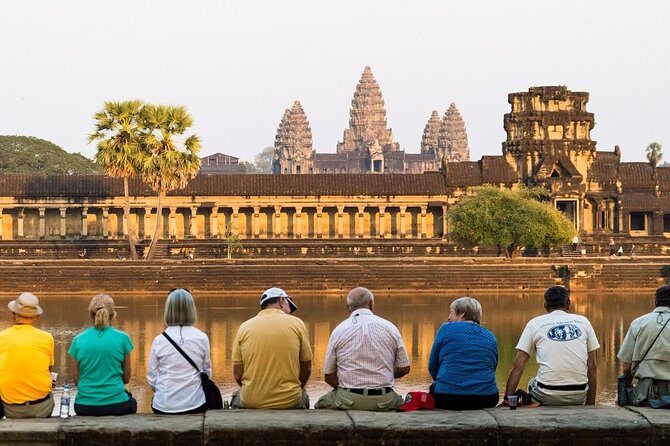
After Ta Prohm, you get a lunch break at a nearby restaurant, then you continue to Angkor Wat for around three hours. This is where you’ll see the main temple complex in daytime light. Sunrise is the headline moment for many people, but the daytime visit is what lets you really process the layout and carvings without the crowd energy of early morning.
Three hours is a solid window. It gives you time to walk, look up, and re-check details without feeling rushed into a “next stop” routine. And with a guide, you’re less likely to miss the little visual cues that make Angkor Wat feel intentional rather than random.
If you’re the type who wants fewer photos and more reading, this is where you’ll benefit most. If you’re strictly a photographer, you’ll still be able to grab great angles—just remember midday sun can be harsh, so bring something to shade yourself during breaks.
Phnom Bakheng for sunset: great views, and a bit of patience
The final part of day one is Phnom Bakheng, set up for sunset. The big draw is the view from the summit area, but it comes with two realities:
1) You need to arrive early because of the summit number restriction.
2) You may wait a bit as groups cycle through.
This stop is one of the most “worth it” parts of the tour because it balances all the stone walking with a big sky-and-sun moment. It’s also a helpful contrast after a day of dense temple details. Golden hour can make carvings look softer and more dimensional, which brings the whole complex to life visually.
What to bring: water, a hat, and a layer if you run cold early or late. Even when it’s warm, temple vantage points can feel breezy once the sun drops.
Day 2: sunrise at Angkor Wat, then Prep Rup and Banteay Samre
Day two begins with that 5:00am or earlier pickup, heading straight to Angkor Wat. You’ll watch the sunrise over the temple, assuming conditions are kind. This is the “once in a trip” moment for most people. The quiet before the full crowd is part of the charm, and the early start is what makes it possible.
After sunrise, you return to your hotel. You’ll get time for breakfast, and the tour notes that breakfast may be included in your room rate (if your hotel includes it). If not, the plan allows for a restaurant stop if you prefer.
Then the itinerary continues with additional temples. You’ll stop at Prep Rup and then continue to Banteay Samre. These are not the only famous Angkor names, but they’re great for anyone who wants a more complete sense of the region. They also help you avoid the “only the greatest hits” feeling that can happen when people do too many big-ticket stops in one day.
A calm point here: because you started early, you’ll likely feel a bit more rested than if you did this schedule mid-morning. That small difference helps you enjoy the temples instead of just surviving them.
Banteay Srei: the pink ladies temple stop
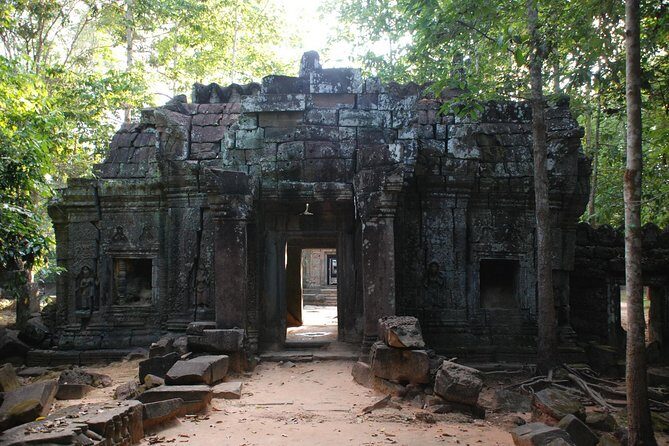
After breakfast and temple time, you move on to Banteay Srei, often described as the pink ladies temple. This is the kind of stop that rewards slower walking. The color and carved detail can be striking, especially when your guide points out where to look first.
The timing on day two is long enough to enjoy it without turning it into a dash-and-snap mission. Still, remember it’s a temple visit, so you should expect walking on uneven ground and some stairs.
If you like temples where the details feel delicate compared with the massive central complexes, this is a strong payoff. It’s also a nice contrast after the sunrise intensity at Angkor Wat.
Tonle Sap Lake at Kompong Pluk: stilted villages by motorized boat
After lunch, you head to Tonle Sap Lake, focusing on the Kompong Pluk area. This is where the trip shifts from stone temples to living culture.
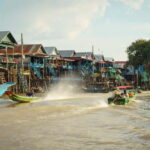
You’ll cruise the village area on a motorized boat, and you’ll see houses built on stilts along the water. The tour also includes a stop connected to a floating cafe, which is one of those experience-style details that makes the lake feel like a place people rely on, not just a scenic detour.
Why this matters: the Tonle Sap portion gives you context for Cambodia beyond Angkor. The daily rhythm on the water looks different depending on the season, and the stilt villages show you how people adapt to the lake’s changing water levels. Even when you’re only seeing part of the lake-life story, it adds emotional variety to the trip.
What to watch for: you’ll be on a boat for part of the visit, so bring a light layer if you run cold on the water. Also expect the ride to be bumpy in places. The motorized boat is part of the fun, not a spa.
Private tour value: price, what’s included, and what’s extra
The price is $250.26 per group (up to 3) for a 2-day experience. That sounds like a lot until you break down what you get: two full days with hotel pickup/dropoff, an air-conditioned vehicle, a guide, a motorized boat fee, plus cold bottled water and cold towels.
For many people, the biggest hidden cost in Angkor day tours is transport + guide + time lost negotiating or arranging everything separately. Here, you’re paying for someone to handle the flow so you can focus on seeing the temples and the lake.
The big extra cost is clear: Angkor temple passes are not included. Meals, soft drinks, and alcohol are also not included. That’s normal, but it does mean your total budget will be higher once you add passes and lunch choices.
My practical take: if you want sunrise and sunset, plus Tonle Sap, plus private transport, this is the kind of pricing that can work out as good value versus booking each piece on your own.
What to expect on the ground: walking, heat, and crowd rhythms
This tour needs moderate physical fitness. That’s not because it’s a hiking adventure, but because temples and viewpoints involve uneven stone, stairs, and long walking days. Phnom Bakheng is also a summit situation with waiting and stairs, so plan your energy.
Heat is the other reality. Cambodia heat can be intense. The included cold water and cold towels help, but you still need your own basics: hat, sunscreen, and water discipline. If you’re prone to fatigue, start early. This itinerary does that for you, but it also means you should do it back home the night before with an early bedtime.
Crowd management is baked into the plan. Sunrise at Angkor Wat is the big early crowd-control move. The sunset at Phnom Bakheng is managed by going early due to the summit restriction. You’ll still see people, but the tour structure reduces the worst of the scramble.
How your guide really changes the experience
One of the clearest strengths of this tour is the guide factor. Past trips highlighted Mr. Seng for explaining both historical and mythological context, and for being willing to answer questions with precision. That’s a big deal because Angkor isn’t only pretty—it’s full of symbolism.
I love when a guide can point out what to notice first: the direction of carvings, the meaning behind certain temple features, and why some spots feel different from others. It turns your walk into understanding, even if you only catch pieces along the way.
Also, private tours tend to be more flexible in practice. If something sparks your interest, you’re more likely to get a tailored moment rather than a strict “we must reach stop number three” vibe.
Who should book this tour
Book this if you want:
- Sunrise and sunset without having to plan the timing yourself.
- A private Angkor plan that doesn’t feel like a conveyor belt.
- Tonle Sap for stilt villages and a boat ride, not just a quick photo stop.
- A guide who can explain what you’re seeing, especially the myths and background.
It’s especially good for couples, small families, or small groups who want to move as a unit and keep the experience personal.
Skip it if you hate early mornings. This is not the lazy-holiday version of Angkor.
Should you book this Angkor Wat + Tonle Sap private tour?
If you’re choosing between a quick Angkor-only day and a fuller experience, I’d lean toward booking this. The combination of Angkor’s key temples with both a sunrise and a sunset is the main reason. Add Tonle Sap, and you get a bigger picture of Cambodia in two days.
Do budget for temple passes separately, and plan your days around early starts. If that fits your style, this is a strong way to maximize your time in Siem Reap without feeling like you’re rushing blindly from stone to stone.
FAQ
Are Angkor temple passes included in the tour price?
No. Temple passes for the 2-day period are not included.
Is hotel pickup and drop-off provided?
Yes. The tour includes hotel pickup and drop-offs.
Does the tour include the sunrise and sunset temples?
Yes. You’ll see sunset at Phnom Bakheng and sunrise at Angkor Wat.
What does the Tonle Sap portion include?
You’ll visit the Tonle Sap Lake area around Kompong Pluk and cruise around the villages on a motorized boat. The tour also includes a floating cafe stop.
How many people are in the group?
This is a private tour/activity for only your group, with up to 3 people in a group.
Is the boat trip fee included?
Yes. The fee for the motorized boat is included.
What time does the tour start?
The listed start time is 8:30am, but day two includes a very early departure around 5:00am or earlier for the Angkor Wat sunrise.
If you want, tell me your travel month and your hotel area in Siem Reap, and I’ll suggest how to plan clothing and timing for sunrise and Phnom Bakheng.