REVIEW · SIEM REAP
Siem Reap: Angkor Wat Sunrise or Sunset Guided Tour
Book on GetYourGuide →Operated by Siem Reap Experiences · Bookable on GetYourGuide
That early morning glow is the whole point. This Angkor Wat sunrise guided tour pairs tight temple logistics with real context, so you’re not just standing there squinting at stone. I also like the practical rhythm: hotel pickup in the dark, fewer crowds for key viewpoints, then calmer exploring after sunrise. One thing to consider: it’s a long, early day, and the temples’ dress code means you’ll want light, covering layers.
You’ll start with the right timing for photos, then shift into an easy-to-follow route through multiple temple highlights, guided in English. The small group size (limited to 15) helps you keep together without feeling like cattle. If you’re visiting in peak heat, you may feel it by the afternoon—cool water helps, but you still have a lot of walking.
In This Review
- Key Highlights You’ll Actually Care About
- Getting Up at 4am: Pickup, Transport, and What to Wear
- Sunrise at Angkor Wat: How the Timing Changes Everything
- Tonle Om Gate: The Southern Gate and the Ritual of Entry
- Bayon Temple: Smiling Faces and Photo-Friendly Strategy
- Ta Prohm: The Jungle Temple (and Why It’s More Than a Movie Stop)
- Ta Keo: The 10th-Century Mountain Temple and the Stairs Between Eras
- Transport Rhythm and Temple Hopping: What the Day Feels Like
- Price and Value: Why $13 Can Make Sense (Plus What It Doesn’t Include)
- Guides, English, and the Humor Factor
- Practical Tips to Avoid a Sore-Day Regret
- Who This Tour Is Best For (and Who Should Skip)
- Should You Book This Angkor Wat Sunrise Guided Tour?
- FAQ
- Is the tour focused on sunrise or sunset?
- How long is the tour?
- What time do I need to be ready for pickup?
- How big is the group?
- What’s included in the tour price?
- Do I need to buy a temple pass?
- Are meals included?
- What should I wear and avoid?
- Is the tour wheelchair-friendly?
Key Highlights You’ll Actually Care About
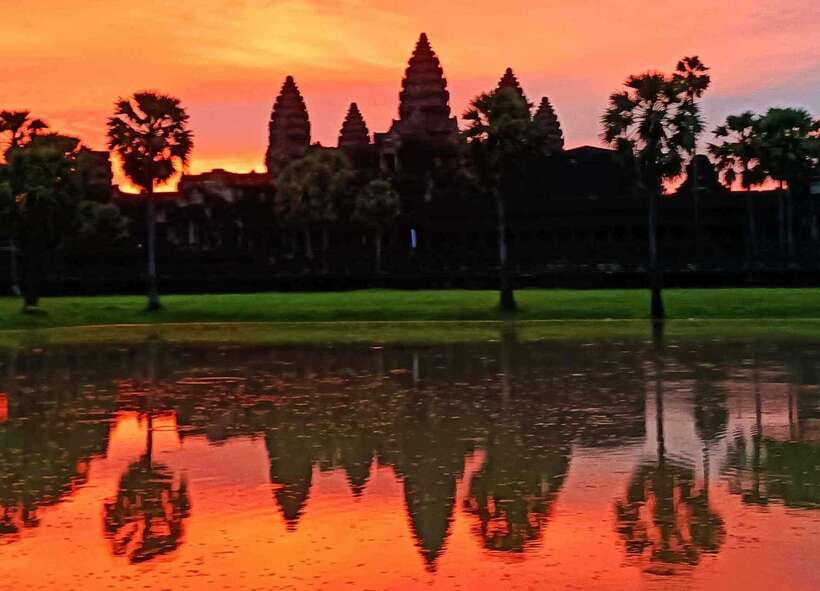
- Expert sunrise timing at Angkor Wat, built for the light and the crowds
- Small group size (15 max), so your guide can answer questions and keep the pace
- Five temples in one run, including Ta Prohm, Bayon, and Ta Keo
- Cooling breaks: bottled water plus cool towels after temple stops
- Guides with humor and history, with English strong enough to follow clearly
- Temple pass is separate, so your real total cost includes tickets and meals
Getting Up at 4am: Pickup, Transport, and What to Wear
This is an 8–10 hour day that starts before the sun has even checked in. Your pickup is typically between 4:00 and 4:20am from your hotel lobby, and you’ll usually be picked up about 30 minutes before departure. Translation: you’ll want to be showered, dressed, and ready to go early, not “see how I feel” early.
Transport is handled in an air-conditioned minibus. That matters more than it sounds. The drive time between stops adds up, and Khmer heat can feel unfair if you’re roasting in the back seat of an uncovered vehicle. Reviews also point out that the driver and team keep water coming, which helps you stay functional when the morning turns into a long day.
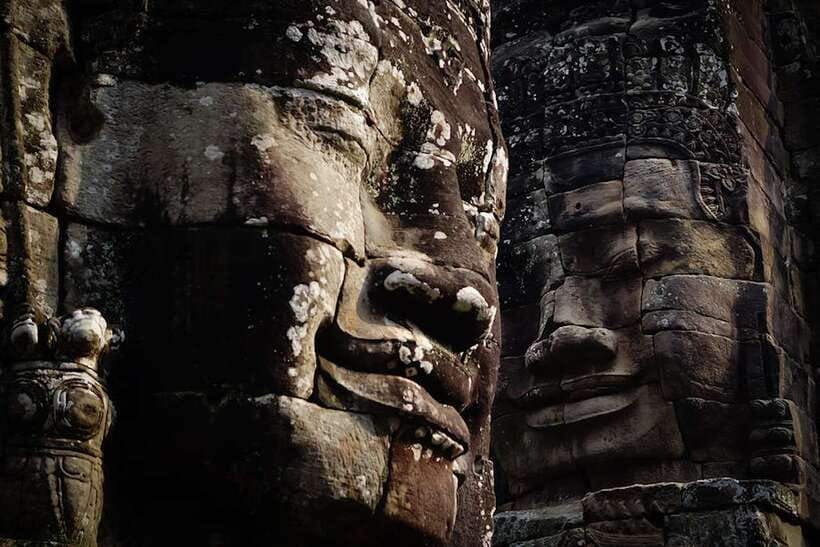
Bring comfortable shoes that can handle uneven stone and temple stairs. A charged smartphone is also worth it because you’ll be photographing sunlit details, face carvings, and the jungle roots at Ta Prohm. And yes, the dress code is strict: no shorts, no short skirts, and no sleeveless shirts. You’ll want something light that still covers your knees and shoulders. I’d rather sweat in breathable fabric than regret showing too much skin.
You can also read our reviews of more tours and experiences in Siem Reap.

Sunrise at Angkor Wat: How the Timing Changes Everything
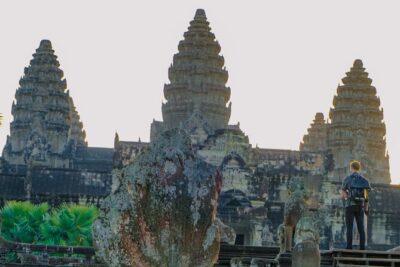
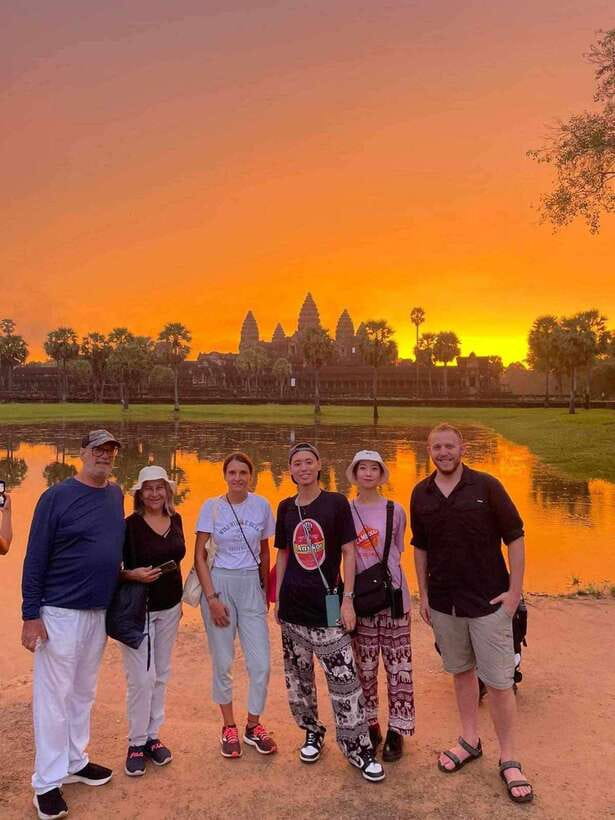
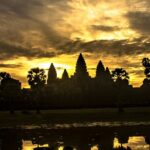
Angkor Wat at sunrise isn’t just pretty—it’s quieter, brighter, and easier to understand. When you watch the sun lift over the main temple, you’re seeing the site under a different mood than the daytime crowds usually get. That’s where a guided sunrise format pays off. The tour is built so you arrive, you’re guided through key areas, and you don’t spend the morning guessing where to stand.
You’ll spend about 2.5 hours at Angkor Wat with a guide. That time matters. Without a guide, it’s easy to treat it like a photo stop and miss the symbolism. With a guide, you’ll get the facts and context—how the monument works as a sacred religious space, not just famous ruins. You’ll also move through galleries with Hindu carvings and see Buddhist statues, which is where the real “oh wow” moments often happen. The carvings add texture, and the statues add meaning.
Practical tip: sunrise viewing can make you forget basics like water and posture. Keep your phone charged, but also pace yourself. You’ll walk, and you’ll want to save your energy for the later temples when you’re no longer fighting the early-morning cold.
Tonle Om Gate: The Southern Gate and the Ritual of Entry
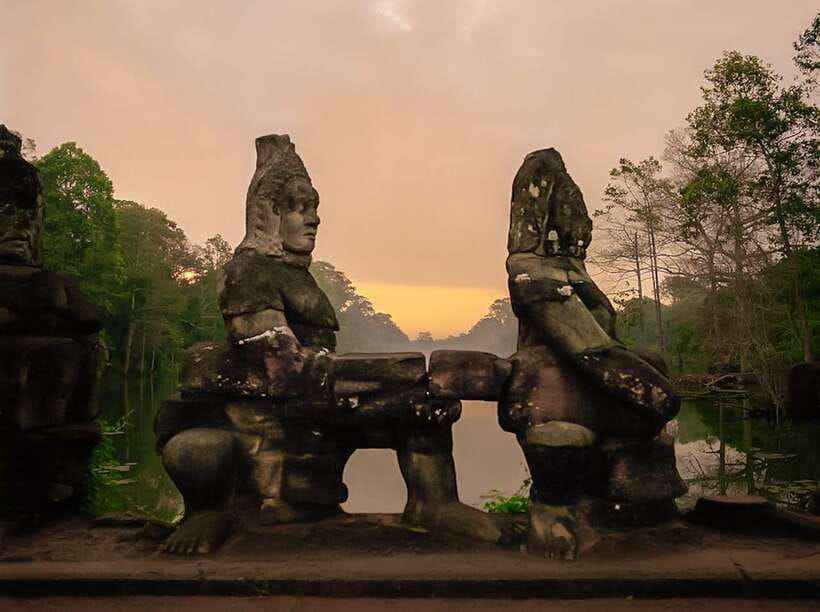
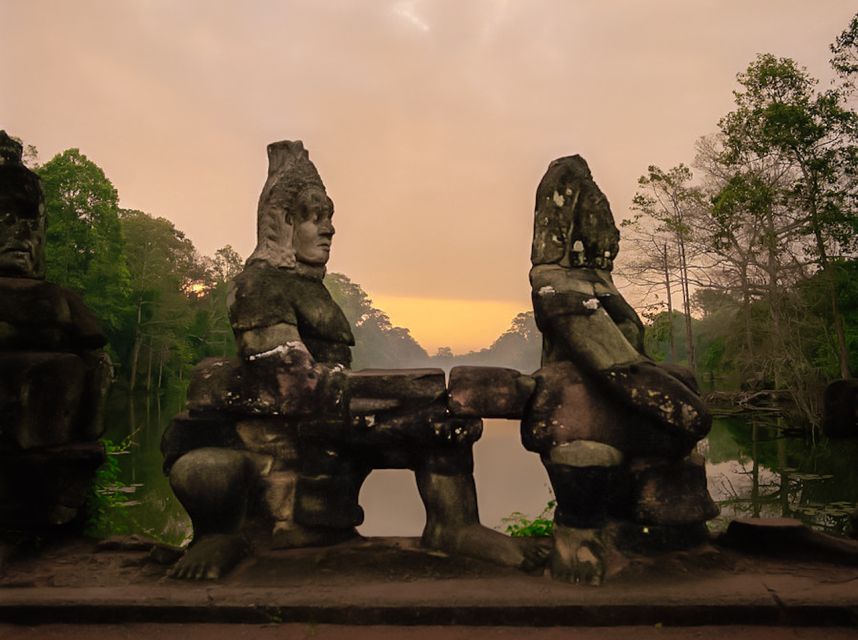
After Angkor Wat, the next stop is Tonle Om Gate (Southern Gate). It’s a shorter visit (about 30 minutes), but it functions like a transition point—an in-between moment where your guide can help you connect what you’ve seen to how the larger site is laid out.
Think of it as your mental warm-up for the rest of the day. You’re not just hopping between random ruins; you’re moving through a planned route. That planning is a big reason a guided group tour feels smoother than DIY for most people.
You’ll get the basics, you’ll learn why this area matters, then you’ll move on. If you like having a little structure instead of wandering in a daze, this kind of stop is a win.
Bayon Temple: Smiling Faces and Photo-Friendly Strategy

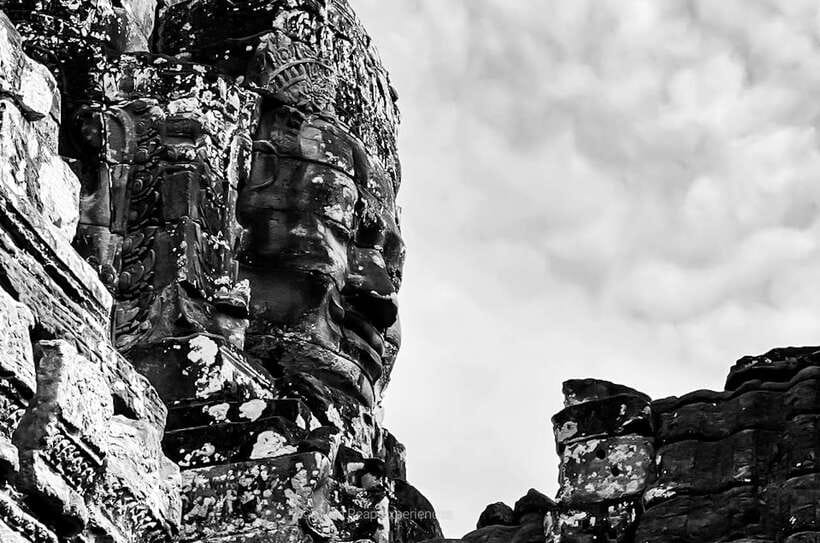
Next up is Bayon Temple, guided for about 1.5 hours. Bayon is the temple people think of when they picture Angkor most clearly: the famous large smiling faces. The key benefit of going with a guide here is not just spotting the faces—it’s understanding how the temple’s layout and viewpoints work for photography.
The tour is small-group oriented, and that helps at Bayon. You can follow your guide to likely viewing spots without losing the group. And because the early morning schedule aims for fewer crowds, you’re less likely to feel rushed while framing shots. Many reviews highlight guides guiding toward the best angles and helping with photos, and that tracks with what you’ll want at a face-filled temple like Bayon.
One drawback to note: group movement can feel slower than solo wandering. If your personal style is to zip ahead and explore independently, you may occasionally feel the group tempo. Still, you’re trading that for easier navigation and better context.
Ta Prohm: The Jungle Temple (and Why It’s More Than a Movie Stop)
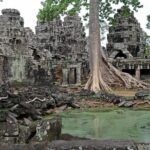
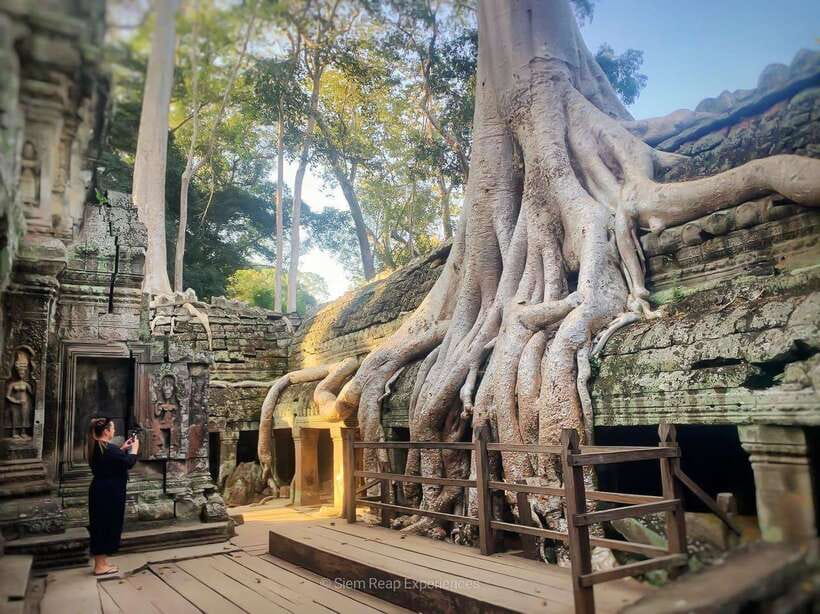
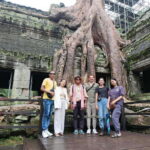
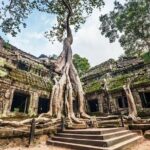
Then comes Ta Prohm, the “jungle temple” that’s famous for its dramatic, root-wrapped ruins. You’ll have a break and breakfast there first—about 1 hour—then you’ll get a 1.5-hour guided visit as well.
This stop is famous for a reason. The roots change the look of everything. Instead of straight lines and crisp carvings, you get a kind of living collision between stone and nature. With a guide, you’ll also learn how Ta Prohm fits into the broader Angkor story, and why the site’s look is so memorable in person.
There’s also a very practical reason this break is built in: it gives you time to regroup. The tour is long, and the heat can catch up fast. You can eat nearby (breakfast or lunch options are available around temples), but plan smart: one recurring review theme is that food near temple areas can be pricey. If you’re a light eater or you’re picky about timing, you might want to bring something simple as a backup—especially before the afternoon leg.
During the guided portion, you’ll get time to see details rather than just doing the quick walk-through. That’s where Ta Prohm’s texture—cracks, carvings, and root patterns—actually lands.


Ta Keo: The 10th-Century Mountain Temple and the Stairs Between Eras
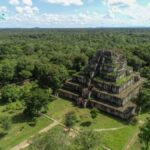
The last major temple stop is Ta Keo, guided for about 1 hour. This is the mountain temple from the 10th century, and the tour includes the walk up, treading between the ancient and modern eras.
If you’re expecting another “face and jungle” temple, Ta Keo feels different. It’s more about structure and ascent. You’ll feel the climb in your legs, which is why comfortable shoes matter so much. It’s also one of those places where your guide’s explanation can change how you see the whole design.
This is a good finale for the day because it brings you back to a sense of scale. Once you’ve seen Angkor Wat, Bayon, and Ta Prohm, Ta Keo gives you a different way to read the site—less about iconic details and more about the overall temple idea.
Transport Rhythm and Temple Hopping: What the Day Feels Like

Let’s talk about pacing, because this tour is designed to balance “see a lot” with “not feeling totally wrecked.” Your day typically looks like:
- early pickup and ride to Angkor Wat
- guided walk and galleries at Angkor Wat
- Southern Gate as a shorter context stop
- Bayon as a longer guided highlight
- Ta Prohm break plus guided exploration
- Ta Keo climb and finale
Between temples, you’ll return to the vehicle and re-set. You’ll get chilled bottled water and cool towels after each temple, which is genuinely useful when the day heats up. Reviews also mention water being provided multiple times, and that matches the logic of the tour’s comfort-focused setup.
You’ll also notice something else: this tour isn’t framed as rushing through all the stops in 20 minutes each. It’s long enough to do a real guided experience at major sites. The downside is that it’s still a lot. You’ll walk, you’ll climb a bit, and you’ll do stairs. If you prefer slow travel with lots of long, standalone wandering, you may find group pacing limiting at times.
Price and Value: Why $13 Can Make Sense (Plus What It Doesn’t Include)
The listed price is $13 per person, and that’s the headline number. But here’s how to think about value honestly: this price covers the guided portion and a lot of operational comfort.
Included costs and services you are paying for here:
- hotel pickup and drop-off
- air-conditioned minibus
- an English-speaking guide
- guided time exploring five temples
- bottled water and cool towels
- local tax
Not included:
- temple pass / entrance fees
- meals
So your real total is $13 plus temple tickets and food. That’s normal for Angkor tours. The value question is whether the guide + timing + comfort saves you time and helps you enjoy the site more deeply. With Angkor Wat, the sunrise part is the big differentiator. Getting timing right matters, and it’s hard to recreate that well on your own without spending extra energy figuring everything out.
Also, the small group limit of 15 participants is part of the value. It keeps the experience personal enough that you can ask questions and still move efficiently.
Guides, English, and the Humor Factor
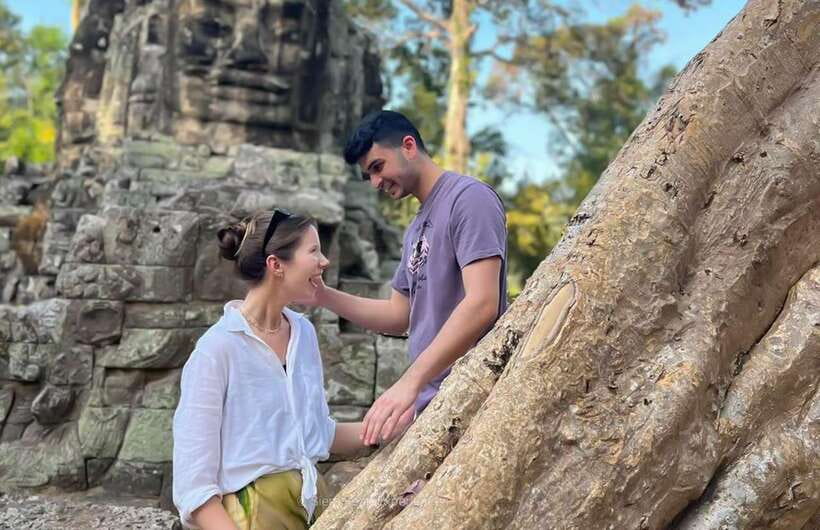
This tour stands or falls on the guide. The best moments usually come when your guide connects what you see—carvings, statues, layouts—with what it means.
From the names that show up in recent bookings, you might encounter guides such as Ho Heang, Sok, Vone, Nick (Kosal), Sam Vone, Sayon, Mr John, Pheap, and Sari. People consistently describe guides as funny and energetic, with English strong enough to follow explanations clearly. You’ll also see a pattern: guides help with photo spots and help the group stay together without making it feel like a drill.
Is every guide the same? No. But the consistent feedback suggests this operator generally assigns guides who can talk history in a way you can actually use while standing in front of the stones.
Practical Tips to Avoid a Sore-Day Regret
A few things will make your day smoother:
- Wear the right covering clothes: knees and shoulders covered, no sleeveless tops, no shorts.
- Pack for sunrise and heat: it can feel cooler early, then warm fast. Bring a light layer you can tolerate.
- Use your break time well at Ta Prohm: it’s your chance to eat before the afternoon climb and walking.
- Have backup snacks if you hate pricey temple-area meals. Some people note meal costs can be high around the temples.
- Start clean and organized: you’ll be picked up between 4:00–4:20am, so set clothes and essentials the night before.
And one more: keep your group together at the gates and narrow paths. Angkor has crowds at certain spots, even during sunrise windows, and a guide can help you avoid the worst bottlenecks.
Who This Tour Is Best For (and Who Should Skip)
This tour is a strong match if you want:
- an easy, planned route across multiple top Angkor temples
- sunrise timing without needing to handle logistics
- a guide to translate the visual details into real meaning
- a small group experience with air-conditioned comfort
It may not be ideal for:
- wheelchair users (not suitable per the activity details)
- people over 70 (also listed as not suitable)
- anyone who hates early mornings or long, full-day temple walking
If you’re traveling with kids, some reviews mention it can still feel organized and not too chaotic, but you’ll still be in a long schedule—so bring patience and plan for breaks.
Should You Book This Angkor Wat Sunrise Guided Tour?
Book it if sunrise is on your Siem Reap must-do list and you want it to feel structured, not chaotic. The big value drivers are the expert-timed sunrise, the English guide, and the way the day moves from Angkor Wat into Bayon, Ta Prohm, and Ta Keo without wasting your energy on navigation.
Skip it if you want a flexible, slow, DIY-style visit, or if you can’t manage the early pickup and long walking day. And if temple pass and meals are likely to stretch your budget, plan those costs first so you’re not surprised later.
If you can do the early start and you want the site with context, this tour is a smart way to experience Angkor the way most people hope it feels: at the right time, in the right order, with a guide who makes the stones talk.
FAQ
Is the tour focused on sunrise or sunset?
This is an Angkor Wat sunrise guided tour.
How long is the tour?
The duration is 8 to 10 hours.
What time do I need to be ready for pickup?
Hotel pickup is typically between 4:00am and 4:20am.
How big is the group?
The group is small, limited to 15 participants.
What’s included in the tour price?
Included are hotel pickup and drop-off, an air-conditioned minibus, an English-speaking tour guide, guided exploration of 5 different temples, chilled bottled water, cool towels after each temple, and local tax.
Do I need to buy a temple pass?
Yes. The temple pass/entrance fees are not included, and you can purchase it in advance online or at the ticket office after your guide collects you.
Are meals included?
No. Meals are not included, though breakfast or lunch may be available at local restaurants near the temples.
What should I wear and avoid?
Bring comfortable shoes, and cover your knees and shoulders. Avoid shorts, short skirts, and sleeveless shirts.
Is the tour wheelchair-friendly?
No. It is listed as not suitable for wheelchair users.