REVIEW · SIEM REAP
2 Day Angkor Wat Kulen Mountain Beng Mealea Floating Village Tour
Book on Viator →Operated by BREKSA TRAVEL · Bookable on Viator
Two sunrises in two days. I love how this tour strings together big, cinematic moments—starting with Angkor Wat sunrise and ending with a Kampong Phluk boat trip—all with a real plan and a guide who keeps the day moving. I also like that you get both famous temple classics and off-the-main-track ruins like Beng Mealea. The main drawback to consider is the early start (hotel pickup around 4:30 AM) plus long, active days, especially on the second day.
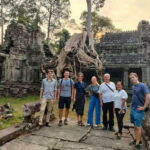
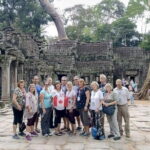
A big reason people rave about this trip is the guide-and-driver team. I saw multiple mentions of guides like Chiep Chy and Mony, plus drivers (Tram/Tra) who help with hydration, cool towels, and generally keeping the schedule sane.
At $88 per person for about two days, this can feel like good value because breakfast and lunch are included, admission tickets are included, and you also get hotel pickup/drop-off and an English-speaking guide. The group stays small too (up to 14), which usually means more time for questions and photos.
In This Review
- Key highlights worth your attention
- The early start that makes Angkor Wat worth it
- Angkor Wat sunrise, plus breakfast and countryside stops
- Ta Prohm jungle temple: roots, ruins, and a movie-famous feel
- Angkor Thom’s South Gate, Bayon faces, and elephant terrace moments
- Day 1 reset: why getting back by early afternoon helps
- Poeng Ta Kho and Preah Ang Thom: cliff views and a reclining Buddha climb
- 1000 Lingas in the riverbed: a sacred water stop with a strong visual
- Phnom Kulen waterfall pools: picnic time and the cold-water swim
- Beng Mealea: Angkor-style ruins reclaimed by nature
- Kampong Phluk floating village: boat view of daily life on Tonle Sap
- Price and value: what $88 gets you in real terms
- Who this tour fits best (and who should think twice)
- Should you book this 2-day Angkor Wat, Kulen, Beng Mealea, and floating village tour?
- FAQ
- What time is pickup for Angkor Wat sunrise?
- How long is the tour?
- Is breakfast and lunch included?
- Are admission tickets included?
- Is there an English-speaking guide?
- Do you offer vegetarian meals?
- What are the main places you’ll visit?
- Can I cancel for a full refund?
Key highlights worth your attention
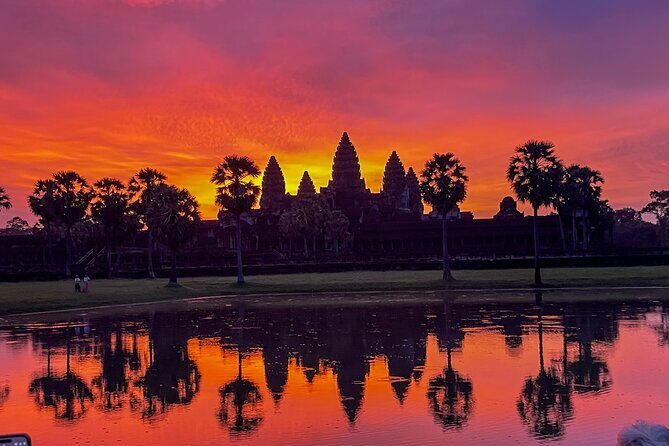
- 4:30 a.m. pickup for Angkor Wat dawn: you’ll be set up early enough to enjoy sunrise before crowds build.
- Ta Prohm’s roots and trees: the “Tomb Raider” vibe temple ruins made famous are part of the morning route.
- Kulen Mountain’s sacred stops: reclining Buddha at Preah Ang Thom, plus the 1000 Lingas in the riverbed.
- Phnom Kulen waterfall time (and a swim option): pools, picnic-style breaks, and that cold-water moment.
- Floating village at Kampong Phluk on Tonle Sap: stilt houses and mangroves, experienced by boat.
- Photo help from the guide team: multiple review notes mention guides taking great photos for you.
The early start that makes Angkor Wat worth it
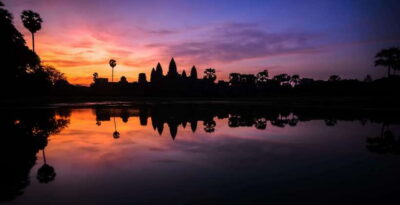
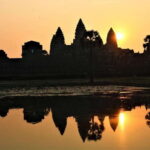
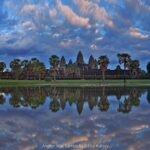
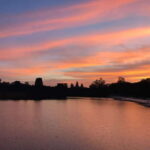
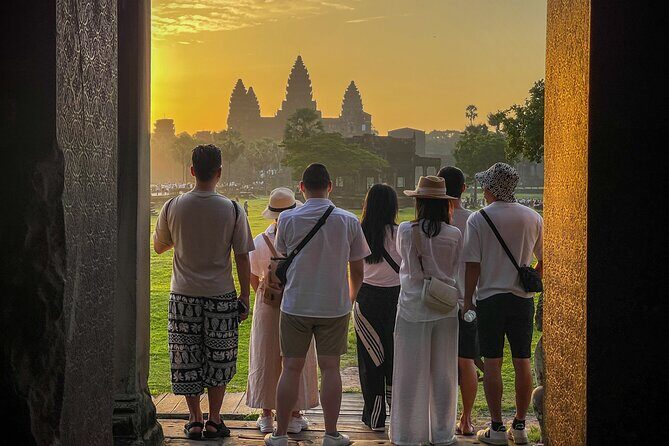
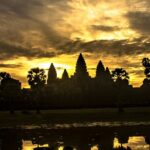
Angkor is one of those places where timing really is the product. This tour starts with hotel pickup between 4:30 and 5:00 AM, so you’re on-site for sunrise at Angkor Wat rather than showing up after the lights have already faded and the crowds have multiplied. You’ll have time to look around with a guide and also capture photos before the busiest rush takes over.
Yes, it’s early. Your body will need a plan: charge your camera, set out your clothes the night before, and try not to treat the pre-dawn hours like a vacation nap. If you’re the kind of traveler who likes seeing iconic places at their best—soft light, cooler temps, slower pace—this schedule is a strong match.
You can also read our reviews of more tours and experiences in Siem Reap
Angkor Wat sunrise, plus breakfast and countryside stops
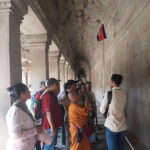
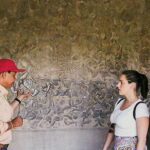
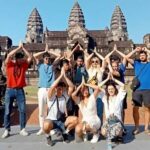
After sunrise, you’ll explore Angkor Wat with your guide for about two hours. The guide approach matters here: it’s not just walking stone hallways, it’s understanding what you’re seeing and why the layouts and carvings became so important. You’ll also get some photo time, which is the difference between collecting a few blurry pictures and getting the angles you want.
From there, the day shifts gears into calmer, more human-scale Cambodia. You’ll stop for breakfast at a local family restaurant in the Siem Reap countryside, which is a nice change of pace after the temple sprint. And if you enjoy small food moments, the countryside stop near Preah Dak includes traditional palm cake—exactly the sort of detail that makes the tour feel less like a checklist.
A short rural visit like Preah Dak (around 20 minutes) won’t replace a full village stay, but it does add contrast. You’ll see how people live near the temple zone, not just how temples look in postcards.
Ta Prohm jungle temple: roots, ruins, and a movie-famous feel
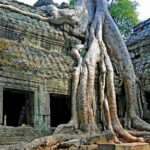
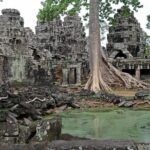
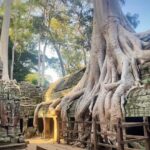
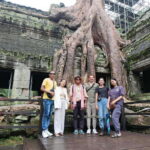
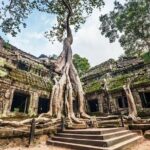
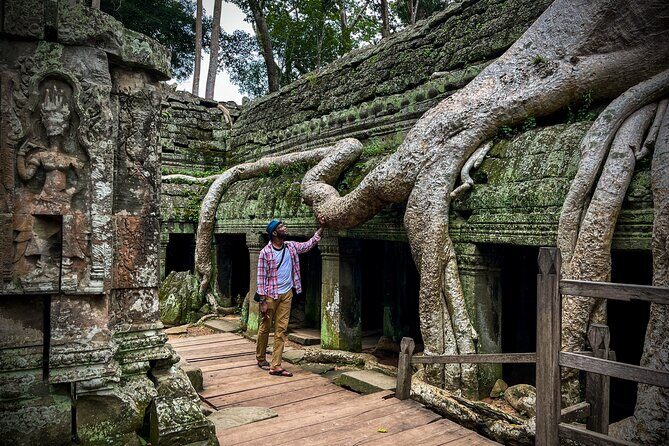
Ta Prohm is one of the Angkor temples that feels alive, even though it’s centuries old. Here, the temple is partially left in its original state, with huge tree roots and jungle growth mixing directly into the stone. That’s why it’s such a hit: you’re not walking through a polished museum, you’re walking through a place where nature took its share.
The tour gives you about an hour here. That’s enough time to slow down for photos and to take in the “surrounded by roots” feeling without feeling trapped in a long maze. The downside? It’s still a temple walk, and roots/uneven ground can be slippery if you hit wet patches. Wear shoes you’re comfortable with, not sandals that you’ll regret halfway through.
Angkor Thom’s South Gate, Bayon faces, and elephant terrace moments
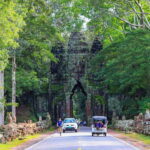
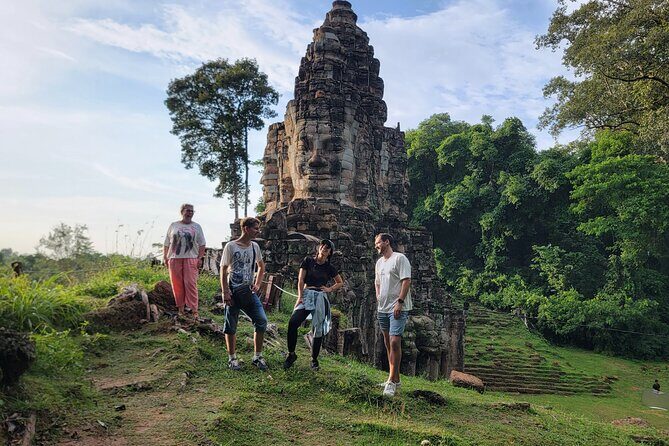
After Ta Prohm, you’ll head to Angkor Thom and start at the South Gate. This is where the tour leans into classic Angkor drama: Bayon and Baphoun temples with the well-known smiling faces—216 faces across the 54 towers, tied to Avalokesvara symbolism. If you want a place that instantly communicates scale, this stop does it fast.
You’ll spend around two hours at Angkor Thom. Expect a mix of temple viewing plus time to take it in from different angles, especially around the terraces and major structures. The tour specifically includes the Terrace of the Elephant and other stone terraces in the complex, which helps you move beyond just one photo spot.
This is also a good section to ask questions. When a guide explains what those faces represent and how the site was used, Angkor Thom starts to feel less like random towers and more like a designed worldview.
Day 1 reset: why getting back by early afternoon helps
Day 1 ends with a return to Siem Reap, with you expected back around 1:00 PM. For me, that makes a big difference. Temple days can blur together, so having a long midday break helps you recharge before the more nature-focused second day begins.
It’s also practical. If you need a nap, laundry, a shower, or just time to sit somewhere cool, you can do it without feeling like you’re wasting the entire day. This is one of those tour details that sounds minor on paper and then turns into comfort when your feet need a break.
Poeng Ta Kho and Preah Ang Thom: cliff views and a reclining Buddha climb
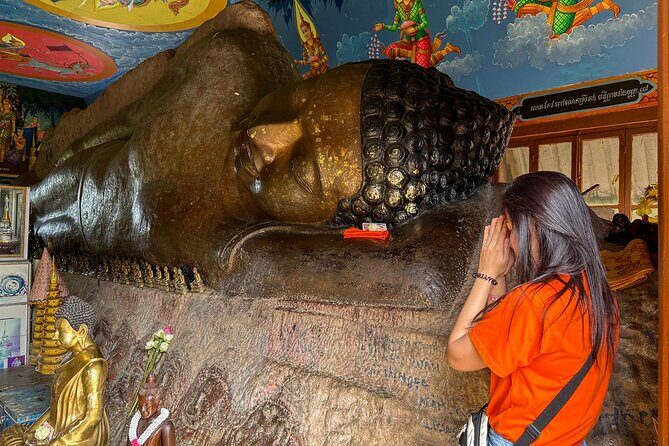
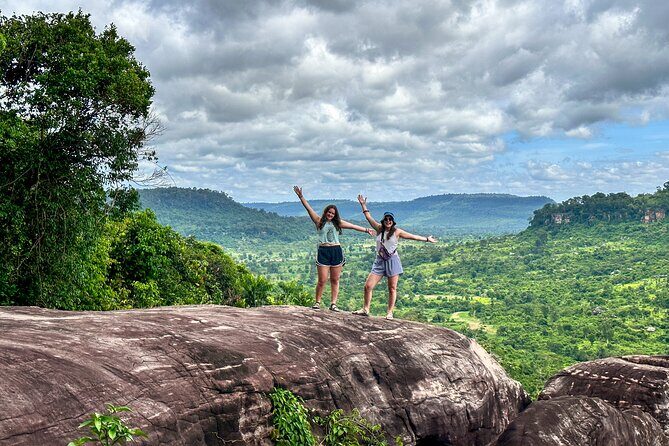
Day 2 starts with Poeng Ta Kho, the amazing cliff viewpoint. You’ll get panoramic views across canyons and forests, plus a short walk from the parking area. It’s a quick hit of scenery before the more structured religious sites—so even if your body is still waking up, you’ll get a payoff early.
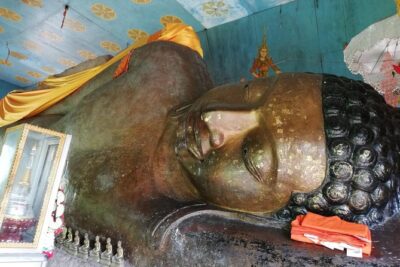
Next comes Preah Ang Thom, a mountainside stop anchored by an 8-meter reclining Buddha. The tour describes local families lighting incense and monks offering quiet prayers, which adds a lived-in feeling instead of a purely tourist-only visit. You’ll spend about an hour here, which gives you time to take in the carvings and to catch a sense of the climb’s significance for pilgrims.
One practical note: a mountainside site usually means uneven paths and some climbing. This is not the place to go in shoes that don’t grip well. If you’re sensitive to heat, plan for shade breaks whenever you find them, and take your time on the way up.
1000 Lingas in the riverbed: a sacred water stop with a strong visual
After the climb, you’ll visit the 1000 Lingas carved into the actual riverbed. The idea here is simple but visually striking: flowing water turns into holy water for the Angkor kingdom, tied to 11th-century priests and sacred fertility symbolism.
You’ll spend about 30 minutes at this stop. That’s a good amount of time because it lets you see the carvings without rushing, but it also prevents the day from dragging too much. If you like symbolism and place-based meaning, this is one of the stops that gives you a deeper reason to care about the stones beyond aesthetics.
Phnom Kulen waterfall pools: picnic time and the cold-water swim
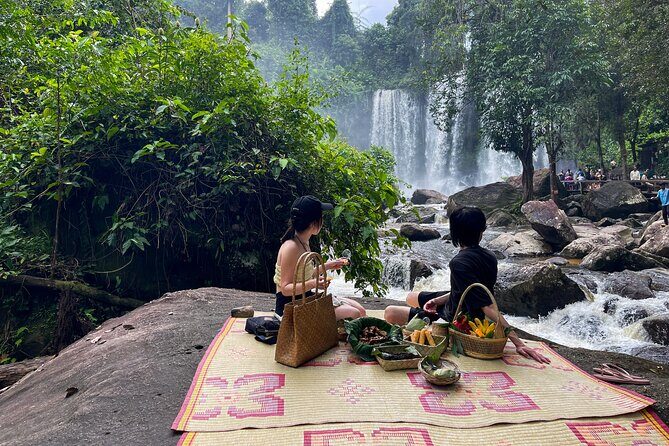
Then comes the part many people remember most: Phnom Kulen Waterfall. The tour gives you about 1.5 hours, and it’s described as crystal-clear pools fed by limestone-filtered mountain water. There’s also picnic spread time on smooth rocks, with waterfalls as your soundtrack.
And yes, there’s a swim moment mentioned right in the flow of the experience. The water is described as cold, so go in expecting that, not as a warm beach dip. If you’re curious to swim, you might want to bring a way to handle wet gear (like a small dry bag) and wear swim-friendly clothing. If you don’t want to swim, you can still enjoy the pools and the break from temples.
This stop is also a nice change of pace physically. After two days of walking and climbing, having a water-based rest break helps your body reset.
Beng Mealea: Angkor-style ruins reclaimed by nature
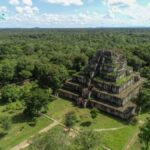
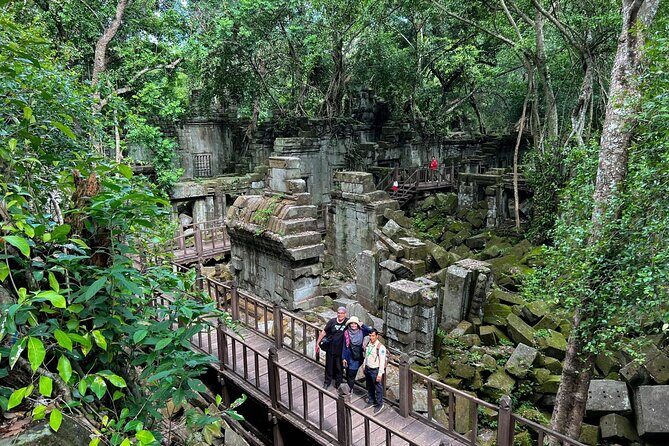
After lunch, you’ll head to Beng Mealea, built in the 12th century and wrapped in jungle growth. This is one of those places that feels different from Angkor Wat and even Ta Prohm. Angkor Wat is restored and structured; Beng Mealea is more like the “what if nature kept going” scenario, with stones swallowed by vegetation.
You’ll spend about one hour here. That’s enough for a slow wander and some photos without exhausting yourself. The main consideration is ground conditions: temple ruins often mean uneven surfaces and tangled roots, so watch your step and pace yourself.
If you love exploring places that feel less curated and more raw, this is a great match. If you only want the biggest polished sights, you might find it more “scrappy” than “showy”—but that difference is also the point.
Kampong Phluk floating village: boat view of daily life on Tonle Sap
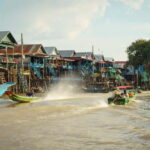
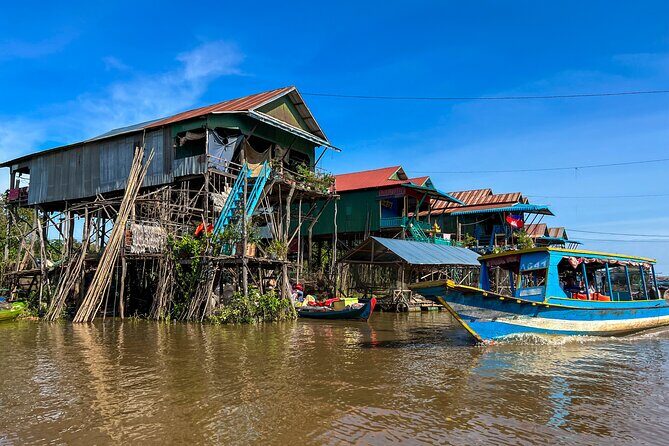
To close the trip, you’ll visit Kompong Phluk, a floating village on Tonle Sap Lake. The tour includes a scenic boat journey through stilt houses surrounded by mangrove forests. This is one of the most visual “Cambodia in a single glance” moments, because the whole setting is water-driven life.
You’ll spend about 1.5 hours total, and the tour specifically includes visiting a Buddhist site in the village. Even if you’ve seen floating villages before, Kampong Phluk is memorable because it feels like a living neighborhood, not a staged attraction.
Practical tip: bring sunscreen and stay aware of sun and splashes around the boat. The tour includes cool water during the excursion, but you’ll still want to manage sun exposure yourself. Also, wear something you don’t mind getting a bit wet, since you’re on the water.
The day ends with your return to Siem Reap by about 6:30 PM, with the option to get dropped at the Old Market if you want to shop or eat on your own.
Price and value: what $88 gets you in real terms
At $88 per person for two days, the biggest value isn’t just the route—it’s what’s included. Your tour price covers:
- Breakfast and lunch
- A professional English-speaking guide
- Cool water and towels during the excursion
- Transportation with an experienced driver
- Hotel pickup and drop-off for both days
- All admission tickets for the two-day program
- Vegetarian meal option
What’s not included is soft drinks. That’s normal, and it’s easy to handle: if you like soda or juice, plan to buy it separately.
Group size matters too. With a maximum of 14 people, you’re less likely to feel lost in a crowd. You’ll also have better odds of hearing explanations clearly and getting photo help without waiting forever.
Who this tour fits best (and who should think twice)
This tour suits you if:
- You want the Angkor Wat sunrise experience without figuring out transport and timing yourself
- You like a mix of temple icons and nature stops (Kulen waterfalls are a big part of that)
- You want an English-speaking guide who can explain what you’re seeing, not just move you from stop to stop
You might think twice if:
- You hate super-early mornings. Pickup around 4:30 AM is non-negotiable for sunrise timing.
- You’re not comfortable with climbing and uneven temple terrain, especially at Preah Ang Thom and Beng Mealea.
- You’re hoping for a slow, restful pace. Day 2 has viewpoints, sacred sites, waterfalls, ruins, and a lake village—by design it’s packed.
Should you book this 2-day Angkor Wat, Kulen, Beng Mealea, and floating village tour?
I’d book it if you want a strong “best of” blend with real-world logistics handled for you: sunrise timing, tickets, guide, meals, and hotel pickup. It also has a good track record of caring guide-and-driver attention, with names like Chiep Chy and Mony showing up again and again, plus drivers like Tram/Tra helping with hydration and cool towels.
Book it with eyes open if you’re sensitive to early mornings or long walking days. If you plan for that—good shoes, sun protection, and a willingness to be out all day—you’ll end up with two days that feel like more than a temple tour.
FAQ
What time is pickup for Angkor Wat sunrise?
Pickup is between 4:30 and 5:00 AM, and you’re asked to be ready in your hotel lobby around 4:30 AM.
How long is the tour?
It’s described as a 2-day tour, about two days in total.
Is breakfast and lunch included?
Yes. Breakfast is included on Day 1 and lunch is included during the tour.
Are admission tickets included?
Yes. Admission tickets for the 2-day tour are included.
Is there an English-speaking guide?
Yes. The tour includes a professional English speaking guide.
Do you offer vegetarian meals?
Yes, a vegetarian food option is available.
What are the main places you’ll visit?
You’ll go to Angkor Wat (sunrise), Ta Prohm, Angkor Thom, Kulen Mountain stops (including Phnom Kulen waterfalls and the 1000 Lingas), Beng Mealea, and the floating village at Kampong Phluk.
Can I cancel for a full refund?
Yes, you can cancel for free up to 24 hours in advance for a full refund. If you cancel less than 24 hours before the start time, the amount is not refunded.