REVIEW · PHNOM PENH
Prasith and Reap Temples Private Day Trip from Phnom Penh
Book on Viator →Operated by Green Cultural Travel · Bookable on Viator
Quiet temples beat the crowds. This private circuit pairs an old-feeling hilltop monastery with a newer, Angkor-style shrine that locals still treat like pilgrimage. You get Phnom Prasith for sweeping views and daily monk life, and you also get the surprise of the 1998 Phnom Reap temple, built in the Angkor Wat style.
I especially liked the tuk tuk ride through local markets area, because it makes the day feel like you’re moving with real Phnom Penh life, not just passing landmarks. I also loved the views from Phnom Prasith Temple, where the climb is worth it and the setting helps you slow down. One possible drawback: if you’re expecting only ancient Angkor ruins like you’d see in Siem Reap, the “new Angkor Wat” aspect of Phnom Reap may feel different, and you’ll likely want comfortable shoes for the hilltop areas.
In This Review
- Quick hits before you go
- Why Phnom Penh can feel like the calmer side of Angkor
- Getting there from Phnom Penh: tuk tuk or car, plus morning fuel
- Phnom Prasith Temple: hilltop views and monk daily life
- Putmondul Buddhist Centre: offerings, monks and nuns, and a reclining Buddha
- Phnom Reap Temple: the modern Angkor-style shrine locals still treat like pilgrimage
- Food, timing, and the real meaning of a private day
- Price and value: is $117.44 a good deal for 8 hours?
- Guides: how the right guide changes everything
- Who this private day trip suits best
- Should you book the Prasith and Reap Temples private day trip?
- FAQ
- How long is the private trip?
- Is hotel pickup included?
- What temples and places do we visit?
- Do I get food on the tour?
- Does the price include transportation and a guide?
- Is bottled water included?
- Are donations required?
- Can I choose tuk tuk or car?
- What fitness level do I need?
- Is this tour truly private?
- Is there free cancellation?
Quick hits before you go
- Private guide pacing means you skip the wait-and-hustle feel.
- Tuk tuk (or car) transfer turns the ride into part of the experience.
- Phnom Prasith hill views give you that must-see perspective over the countryside.
- Putmondul Buddhist Centre adds local offering rituals plus monks and nuns.
- Phnom Reap’s Angkor-style design (finished in 1998) brings a modern twist on classic Khmer symbolism.
- Lunch in a shady Khmer setting keeps the day relaxed instead of rushed.
Why Phnom Penh can feel like the calmer side of Angkor
Phnom Penh doesn’t always top people’s Cambodia lists, mostly because many visitors aim straight for Siem Reap. But if you’re here for more than a couple days, the city can make sense of the country’s spiritual map. This trip focuses on temples where you can feel the rhythm of local devotion, not just the rhythm of tour buses.
The standout idea is the mix of “old and new.” Phnom Prasith is tied to monks living their daily routine, perched up on a hill. Then Phnom Reap comes in with a different mood: a newer modern wat designed to echo Angkor Wat’s look and spirit, finished in 1998. That contrast is exactly why this day works. You’re not only chasing famous stonework; you’re watching how Cambodia continues to interpret that style in everyday faith.
If you want a temple day that feels quieter and more personal, you’re in the right place. And if you’ve already seen Angkor Wat-style architecture, this still gives you something fresh: the way locals keep pilgrimage going around these places.
You can also read our reviews of more private tours in Phnom Penh

Getting there from Phnom Penh: tuk tuk or car, plus morning fuel
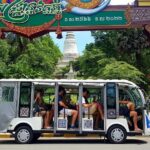
Your day begins with hotel pickup, then you head out toward Phnom Prasith Temple. The drive is about 90 minutes, and you can choose between a tuk tuk or car depending on what you prefer. I like that flexibility because it changes the entire texture of the day. A tuk tuk makes the ride feel more local, while a car can be easier if you’re tired or want less dust.
On the way, you stop for a local snack for morning tea. It’s a small detail, but it matters when you’re out of the city early. It also helps you settle in before the hilltop part of the day begins.
One practical note: you’ll be spending a good chunk of the day on the road and moving between sites. That’s not a problem if you build the day around it, but it’s worth knowing upfront. Private tours are great for comfort, yet you’re still doing a full day loop.
Phnom Prasith Temple: hilltop views and monk daily life
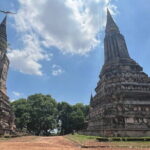
Phnom Prasith Temple sits high on an eastern summit of twin hills, so the payoff is in the views. When you reach the area, you’re not just looking at a structure. You’re seeing the kind of wide perspective that helps you understand why hilltop temples became such important places in the Khmer world.
Here, you’ll spend time exploring an ancient structure that’s home to a community of monks going about their daily lives. That’s one of the key reasons I think this stop works so well on a private day trip. Instead of only reading stone and carving details, you also get to observe living religious practice.
You’ll likely do more walking than you expect, because hilltop access generally means stairs and uneven ground. The experience notes moderate physical fitness as the right level. If you’re comfortable with that, you’ll enjoy this stop more, because you can focus on the calm rather than the strain.
Also, be ready for a bit of sun and changing light as you move around the hill. Bring water (you’ll have bottled water during the tour), and wear shoes that won’t make you think about your footing at every step.
Putmondul Buddhist Centre: offerings, monks and nuns, and a reclining Buddha
After Phnom Prasith, you go back down and head to lunch first, then you continue to Putmondul Buddhist Centre. This stop shifts the tone from the hilltop view to a more active, everyday religious center.
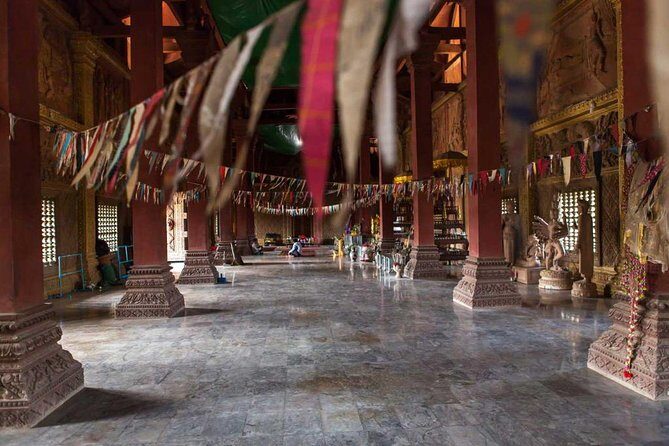
At Putmondul, you’ll see monks and nuns, and you’ll also notice many locals making offerings as part of seeking good luck. This is where the day starts to feel like a living community, not just a sightseeing schedule. Even if you don’t fully understand every ritual detail, you can still appreciate the intention: people visiting the place for hope, blessing, and guidance.
The center is known for a reclining Buddha and for fine paintings that depict the history of this religion. That pairing is useful for your brain as you travel. The reclining Buddha anchors the spiritual theme, while the paintings help you connect the imagery to a larger story.
One thing to watch: religious spaces often have their own pace and rules. Dress and behavior matter. You’ll get the most out of this stop if you keep your tone respectful, move slowly, and let your guide explain the parts you’re curious about.
Phnom Reap Temple: the modern Angkor-style shrine locals still treat like pilgrimage
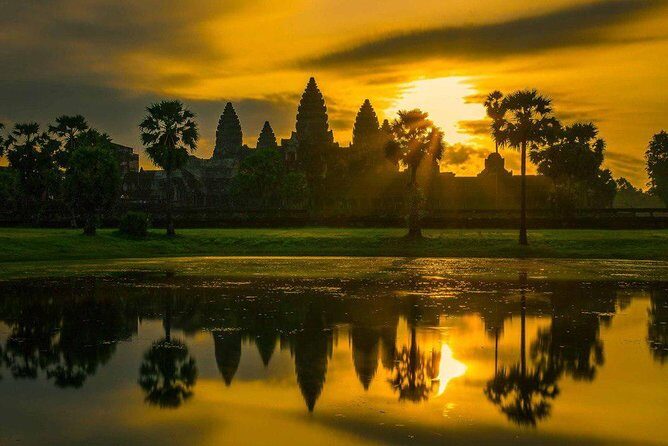
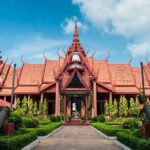
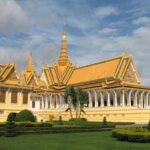
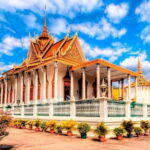
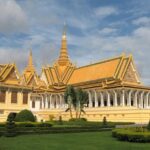
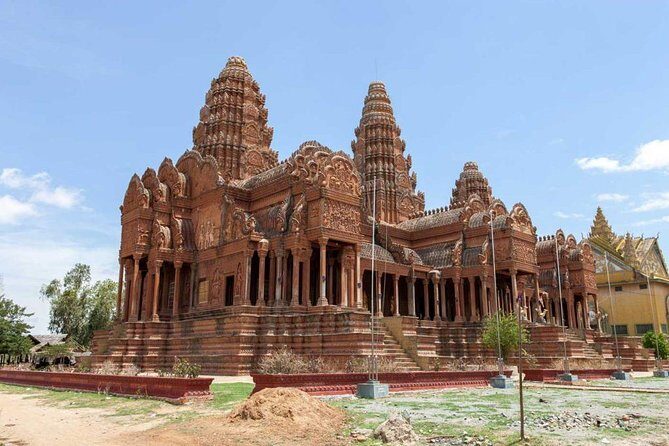
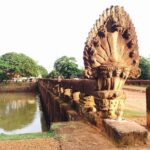
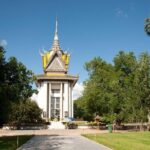
Now comes the surprise stop: Phnom Reap Temple, also known as Prasat Vihear Suor. The big detail here is that it’s relatively new, completed in 1998, and it’s modeled in the architectural style of Angkor Wat. It’s often called the new Angkor Wat for a reason: it’s not a copy for show. It’s a continued cultural interpretation.
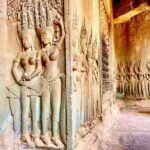
This is where you’ll see beautiful sculptures of ancient kings and Buddha figures. You’re looking at a modern structure that tries to keep the symbolism, proportions, and sacred feeling of the older Angkor era. For me, the value is in what it says about Cambodia. Faith and heritage don’t stop because something is “new.” They keep moving forward.
You’ll also encounter many locals who journey to seek blessings from Buddhist monks in the hope of good fortune. That matters more than you might expect. A temple visit turns into something different when you’re sharing the experience with people on their own mission, not just following a route.
A practical consideration: since Phnom Reap is tied to pilgrimage, you may see moments of worship that feel personal and spontaneous. Keep space, follow your guide’s cues, and don’t rush photos. The atmosphere is part of the point.
You can also read our reviews of more tours and experiences in Phnom Penh

Food, timing, and the real meaning of a private day
This tour is designed as a private day trip, so you won’t be stuck waiting for another group. Your guide sets the flow so you can linger where you care and move on when you’re ready. That’s a big deal in temples, where the best moments often happen slowly.
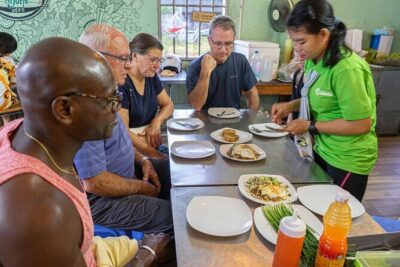
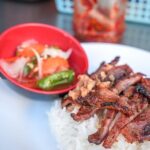
Lunch is included, served at a traditional Khmer restaurant in a shady location with views of the surrounding rural countryside. You’ll also have coffee and/or tea with the meal. I like that the food part isn’t treated like an afterthought. It helps you recharge without derailing the day’s rhythm.
On top of that, you’ll have bottled water and a driver, plus your private guide. Those inclusions matter for value and comfort. A long day in Cambodia is easier when you’re not handling every detail yourself.
Also, note the transport options: tuk tuk or car. On a private tour, that choice becomes more than convenience. It shapes what you’ll remember. One of the stand-out moments for many people is the tuk tuk ride past local market areas, because it adds texture and movement to the day.
If you’re the kind of traveler who enjoys slow conversation and learning context, a private guide can turn a “temple day” into a story you carry home.
Price and value: is $117.44 a good deal for 8 hours?
At $117.44 per person, this isn’t a budget snack of a tour. It’s priced like a true private experience: pickup, private transport, a private guide, lunch, drinks, and water.
So the question isn’t just the number. The real value comes from what you’re buying:
- Time saved by going as a group with pickup and a driver
- Comfort and flexibility from private pacing
- Included food and non-alcoholic drinks
- A guide who can explain why these places matter, including the Angkor-style logic behind Phnom Reap
In practice, this price can feel fair if you’re traveling with a friend or partner, because private costs spread out. It also feels fair if you really want the “quiet temple” approach rather than stacking many stops on a crowded route.
One thing I’d keep in mind: this is about temples and local pilgrimage, not a nonstop highlight reel of the biggest Angkor ruins. If that’s what you’re after, you might feel more satisfied elsewhere. But if you want a calm, less crowded day with meaningful spiritual context, it’s a strong match.
Guides: how the right guide changes everything
The quality of the guide can make or break a temple day, mainly because your attention spans are competing with heat, stone, and curiosity. In this experience, guide feedback has been a major positive factor.
For example, a guide named Li has been noted for being knowledgeable without pushing and for having a natural style that feels easy to listen to. Another guide named Seung has been mentioned for running the day on time and providing strong English while keeping things smooth.
Even if you don’t get the same guide, the takeaway is clear: choose a private tour where your guide can explain the meaning behind what you’re seeing. In places like Putmondul and Phnom Reap, context makes a difference. You’ll notice more, and you’ll feel less like you’re just ticking boxes.
Who this private day trip suits best
This is a great fit if you:
- Want a temple-focused day that feels quieter than major Angkor tourist circuits
- Prefer a private pace over waiting for a group to catch up
- Like seeing how spirituality looks in real local life, not only in museum-style sites
- Enjoy architecture when it’s tied to living belief, like Phnom Reap’s modern Angkor-style design
It’s also a good choice if you already visited Siem Reap and want something different without losing the Angkor connection.
If you’re traveling with limited patience for long drives, or if hills and walking are challenging for you, you may want to plan for the hilltop part carefully. The tour calls for moderate physical fitness, so wear proper shoes and be honest about your comfort level.
Should you book the Prasith and Reap Temples private day trip?
I’d book this if you want a calmer temple day that still feels connected to Angkor’s visual language. The best reason is the combination: hilltop atmosphere at Phnom Prasith, a local offering-focused center at Putmondul, and the surprising modern twist at Phnom Reap. You’ll leave with a sense of how Cambodian devotion continues across time, not just a photo set.
I’d think twice if you’re chasing only ancient, earliest-era Angkor ruins. Phnom Reap is intentionally newer, finished in 1998, and the day’s “wow” comes from pilgrimage energy and local context as much as from age.
If you’re curious and you like learning while you walk, this private tour is a solid use of a day in Phnom Penh.
FAQ
How long is the private trip?
The trip runs about 8 hours.
Is hotel pickup included?
Yes, hotel pickup is included.
What temples and places do we visit?
You’ll visit Phnom Prasith Temple, Putmondul Buddhist Centre, and Phnom Reap Temple (also known as Prasat Vihear Suor).
Do I get food on the tour?
Yes. Lunch is included, along with coffee and/or tea, and you’ll also have a local snack for morning tea.
Does the price include transportation and a guide?
Yes. You get a private guide and private transport of your choice, plus a driver.
Is bottled water included?
Yes, bottled water is included.
Are donations required?
Donations are not included, so it’s optional.
Can I choose tuk tuk or car?
Yes, you can choose between a tuk tuk or a car for the drive.
What fitness level do I need?
The experience asks for a moderate physical fitness level.
Is this tour truly private?
Yes. It’s a private tour/activity, and only your group participates.
Is there free cancellation?
Yes. Free cancellation is available up to 24 hours in advance for a full refund.