REVIEW · SIHANOUKVILLE
Bike to the backroads of Kampot
Book on Viator →Operated by Butterfly Bicycle Tours · Bookable on Viator
Kampot feels different on two wheels. This 4-hour bike ride takes you into the countryside around Kampot to see lotus farms and rice paddies up close, while you meet farmers and families in ways that feel more day-to-day than staged. I love that it’s guided by local student tour guides, and I love that the stop time includes chances to try simple, homemade snacks like noodles and rice cakes.
The main thing to keep in mind is physical effort. One rider noted the route is about 15 km, and while the pace can be friendly, a knee issue can still cut a ride short, so go in planning to ride steady and let the guide know early if you feel pain.
In This Review
- Key highlights you’ll care about
- Why I’d pedal the Kampot backroads with Butterfly Bicycle Tours
- Price and logistics: what $29 really buys you
- Meeting up in Kampot: small group energy
- The ride itself: how you’ll experience lotus farms and rice paddies
- Stop 1 at Butterfly Tours: the local rhythm behind the scenes
- Snack and food tastings: noodles, rice cakes, and real fuel
- The student guide factor: why conversation beats a script
- Distance and pace: 4 hours, around 15 km, and a practical reality check
- What’s the biggest drawback? The physical demands
- Who should book this tour in Kampot?
- Weather, clothing, and the common-sense safety stuff
- Should you book Butterfly Bicycle Tours for Kampot?
- FAQ
- How long is the bike tour in Kampot?
- What does the tour cost?
- Where does the tour start and end?
- What’s included in the price?
- Are food and snacks provided?
- Do I need to pay for admissions?
- Is hotel pickup or drop-off included?
- How big are the groups?
- Can children join?
- What’s the cancellation policy?
Key highlights you’ll care about
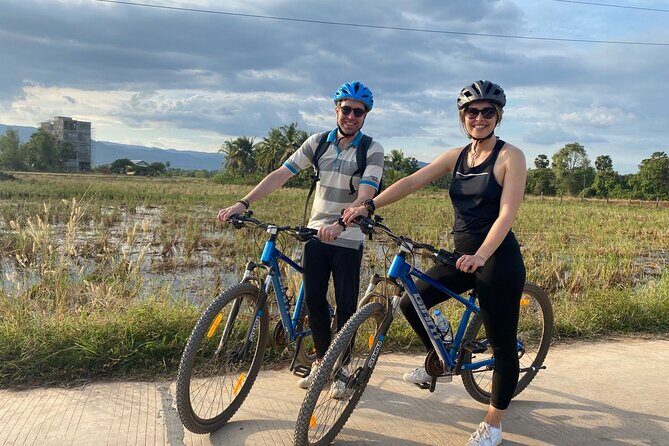
- Lotus farms plus rice paddies: You get a look at local farming scenes that are usually not on the tourist checklist
- Student guides who know Kampot: Friendly local guides help explain daily life and what matters to the people working the land
- Food tastings, not just sightseeing: You’ll have chances to try homemade noodles, rice cakes, and other local foods
- Snacks and drinking water included: Small breaks keep you going for the full ride
- Small group size: Up to 8 travelers, so you’re not lost in a big crowd
Why I’d pedal the Kampot backroads with Butterfly Bicycle Tours
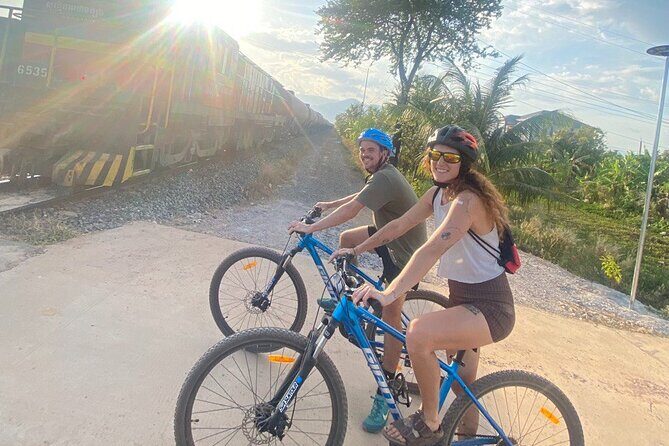
If you like Cambodia that feels practical and human-scale, this kind of ride is a good match. Instead of bouncing through the same few photo stops, you’re out on the road and paths where people live and work. That difference matters in a place like Kampot, where you can still find pockets that don’t run on mass tourism.
This tour also fits travelers who like conversation. The aim isn’t just to point at rice. It’s to understand the lifecycle and importance of rice—then connect that to how families farm and manage their day. You’ll feel it most when the guide sets up those moments to talk and observe at close range.
And yes, you’re on a bike. That means you get movement plus scenery, without the rigid feel of a sit-down tour. You’ll often remember the small details more than the big sights: a farmer’s rhythm, the way water and plants are handled, and how everyday food gets made.
You can also read our reviews of more cycling tours in Sihanoukville

Price and logistics: what $29 really buys you
For $29 and about 4 hours, the value is in what’s included and what you’re allowed to see. The bike and helmet are included, plus you get drinking water, a local guide, and admission ticket access is free for the activity. You’re also promised snacks and food tastings, which is where the day becomes more than a workout.
There’s one practical note to verify before you go: the info you’re given includes mixed signals about transfers. The overview mentions return hotel transfers, but the included section says pick up and drop off aren’t included. What I’d do is confirm with the provider when you book, then plan to meet at the listed start point as your backup.
Meeting point is clearly stated: J56M+FX4, Kampot 13205, Cambodia. The activity ends back at the meeting point, so don’t plan on being dropped miles away unless you’ve confirmed any transfer details.
Meeting up in Kampot: small group energy
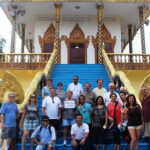
This is a group that stays small. Maximum size is 8 travelers, and the tour starts from two people. That makes a real difference when you’re cycling and also trying to interact with locals—there’s room to pause, ask questions, and keep everyone together.
It also means the guide can adjust the feel of the ride. If your group includes different fitness levels, you’ll likely get a more flexible experience than on a large bus-style tour. You’ll still be cycling, of course, but the overall pacing usually stays more manageable with fewer people.
You’ll be near public transportation, which helps if you’re already roaming around Kampot and want something you can plug into your day. Just make sure you show up on time. A 4-hour experience moves quickly once everyone mounts up.
The ride itself: how you’ll experience lotus farms and rice paddies
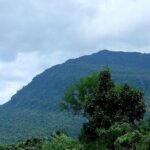
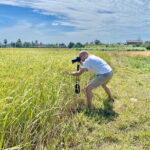
The core of the outing happens on countryside roads and paths where lush green rice paddies and farming areas shape the view. The goal is to help you understand the rice lifecycle and why rice is central to local life. That’s more meaningful than it sounds, because rice farming isn’t just a crop—it’s timing, water management, and family work.
Then there’s the lotus angle. Lotus farms are often out-of-bounds for tourists, and this route is built to give you access. You’re not just looking at plants; you’re learning how local farmers think about their land and what they do day to day. The interaction piece is a big part of why this tour gets such strong recommendations.
The vibe here is outdoors-focused. This ride is designed to get fresh air while you watch real farming activity. Expect a hands-on style of storytelling from the guide, and expect that the best moments come when you slow down and pay attention to what people are doing, not just what you’re photographing.
Stop 1 at Butterfly Tours: the local rhythm behind the scenes
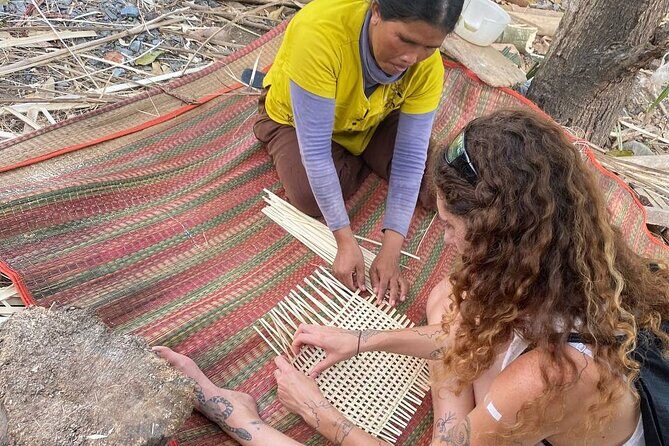
This tour centers on Butterfly Tours as the main stop, with the rest of your day structured around that farming-themed area and the surrounding countryside. It’s designed for interaction with local people in Kampot—learning the lifestyle and the area by being present with the farmers rather than hovering at a distance.
You’ll likely spend time walking or stopping as the guide explains the importance of rice and the lifecycle steps involved. Even if you don’t catch every detail, you’ll come away with a clearer sense of how rice growing works in practice. It’s the kind of learning that sticks because you can connect explanations to what you see around you.
One of the strongest signals from the experience descriptions is that it’s geared for outdoors and fresh air, so you’re not stuck inside a building waiting for a talk. You’re moving, stopping, and talking in a way that feels natural for a cycling day.
Snack and food tastings: noodles, rice cakes, and real fuel
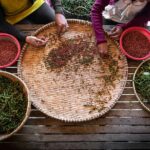
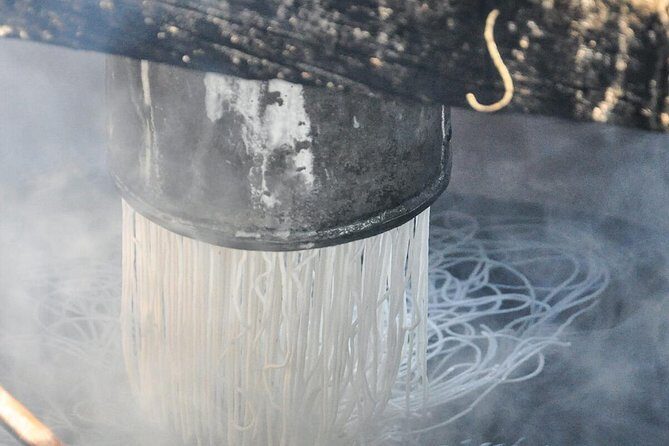
One of the best surprises on this kind of half-day bike tour is that the food isn’t treated like an afterthought. You’re offered snacks and drinking water so you can pedal longer, and you also get opportunities to try homemade foods like noodles and rice cakes.
This matters because it changes the energy of the ride. A snack break makes the route feel smoother, and it gives the food part an organic spot in the day. Instead of rushing through meals, you get small tastings that fit the pace of biking and outdoor stops.
If you’re the type who likes tasting the local version of everyday food, this tour is a good match. The guide’s job is to steer you toward the best places to visit for those tastings, so you’re not left guessing or looking for menus yourself.
The student guide factor: why conversation beats a script
The guides are local student tour guides, and the best part is how they share Kampot from their own perspective. The tour description emphasizes that many of these guides have lived in Kampot their whole lives, so you’ll hear the story as something personal, not just facts delivered for a paycheck.
In one review, the guide named T is described as very friendly and able to transmit genuine passion for local culture. That’s exactly what you want. A guide who cares can turn a farming explanation into something you understand, plus something you remember.
You’ll also get a sense of how families run traditional activities. Reviews highlight meeting different families, each with their own traditional activity. That’s where the day turns from a standard countryside ride into a real glimpse of community work and routines.
Distance and pace: 4 hours, around 15 km, and a practical reality check
You should plan for real cycling time. While the tour is listed at about 4 hours, one rider specifically called it a 15 km ride. That’s enough distance to feel like an activity, but it’s also short enough that it can work for many people if you keep a steady pace.
If you’re comfortable riding for an hour or two, you’ll probably manage well. If you’re returning from injury or you’re worried about knees, take the physical part seriously. There’s a real example in the feedback where someone hurt their knee and had to stop early, which makes the point: biking days are great until your body isn’t.
The best approach is simple: start easy. Don’t try to win the countryside. If you feel strain, tell your guide right away and adjust your pace.
What’s the biggest drawback? The physical demands
The most honest drawback is that this is a ride, not a slow stroll. You’re pedaling through countryside, and even with breaks and snacks, you’re still using your legs for much of the time.
That can be fine for many travelers—especially those who enjoy cycling—but it’s not a good pick if you want mostly flat, low-effort wandering. It’s also smart to consider how you’ll handle a situation where someone in your group needs to slow down or stop.
If you’re the type who travels with a strict comfort limit, this tour might feel too active. But if you’re open to a little exercise mixed with local interaction, it’s a strong value for the money.
Who should book this tour in Kampot?
I think this is especially good for:
- You if you like meeting locals and asking questions while you’re outside
- You if you want countryside views that go beyond temples and markets
- You if you enjoy biking and don’t mind cycling for a solid stretch
- You if you like food tastings that feel home-style, not touristy
It might be less ideal if you want a mostly seated experience or if you have a mobility issue that limits your ability to ride for several hours.
It’s also a good small-group option for couples or friends. Since the maximum is 8 travelers, you’re more likely to feel like a person in the group instead of just one more seat.
Weather, clothing, and the common-sense safety stuff
The tour is outdoors and fresh-air driven, so weather matters. In Cambodia, you can get heat and humidity, and that can change how quickly you feel tired. Since water and snacks are offered, you’re not going in empty-handed—but you still want to pace yourself.
Safety is mostly handled by the included helmet and the guide team. Still, the road conditions in any countryside setting can vary, so keep your focus, especially when stopping to observe farms and talk to families.
If you’re prone to knee or joint pain, consider how biking affects you. One rider experience shows that even on a small-group tour, injuries can happen. The best way to protect your day is to ride within your comfort and speak up early.
Should you book Butterfly Bicycle Tours for Kampot?
I’d book it if you want Kampot in a way that feels lived-in: rice paddies, lotus farms, and conversation with local people who can explain what you’re seeing. For $29, the mix of guided access plus snacks and food tastings is strong value, especially compared with tours that only hand you views.
You should think twice if you’re worried about cycling distance or you prefer very low physical effort. Also double-check the transfer situation. Because the information includes both hotel transfer language and a note that pick up and drop off aren’t included, confirming details early will save you stress.
If you like authentic, outdoorsy days and you don’t need a giant itinerary packed with stops, this bike tour hits the sweet spot.
FAQ
How long is the bike tour in Kampot?
The tour is listed at about 4 hours.
What does the tour cost?
The price is $29.
Where does the tour start and end?
It starts at J56M+FX4, Kampot 13205, Cambodia, and ends back at the meeting point.
What’s included in the price?
Included are drinking water, a local guide, and bicycle and helmet.
Are food and snacks provided?
Snacks and drinking water are offered, and the experience includes trying homemade noodles, rice cakes, and other local foods.
Do I need to pay for admissions?
The admission ticket for the experience is free.
Is hotel pickup or drop-off included?
The information you’re given includes mixed notes: the overview mentions return hotel transfers, but the included section says pick up & drop off are not included. Check with the provider when booking.
How big are the groups?
The tour has a maximum of 8 travelers and starts from two people.
Can children join?
Children must be accompanied by an adult.
What’s the cancellation policy?
Free cancellation is available up to 24 hours in advance for a full refund.