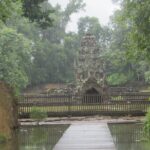
Dawn at Angkor changes your tempo. This 2-day route strings together sunrise at Angkor Wat, major Angkor temples, and a second day in Phnom Kulen National Park with cliff views and a waterfall picnic. It’s a tight plan, but the payoff is a lot of Cambodia in two days.
I especially like the way the mornings start early for softer light, plus the human touch of guides and drivers. In the reviews, guides like Mony and Seila, and drivers like Tra, get praised for pacing, explanations, and snapping great photos.
One thing to watch: your budget will likely need the Angkor pass (listed as $37 per person), since it’s not included. Also, you’ll walk a fair bit across hot stone in the middle of the day.
In This Review
- Key things I’d circle before you go
- Sunrise Angkor Wat and why this schedule actually works
- Day 1: Beating the heat with Angkor Wat before the world wakes up
- Srah Srang and the Khmer breakfast break that keeps you human
- Pre Rup and Ta Prohm: the two moods of Angkor day
- Bayon and Angkor Thom terraces: the part that feels like a city
- Day 1 wrap-up: going back to Siem Reap without losing your second day
- Day 2 starts with rural roads and Phnom Kulen National Park
- Poeng Ta Kho (Amazing Cliff): viewpoint time that feels like a reward
- 1000 Lingas and Preah Ang Thom: sacred stops you shouldn’t rush
- The Phnom Kulen Waterfall picnic: where the tour earns its keep
- Transportation, groups, and tickets: the real logistics behind a smooth day
- Guides and the small details that make photos and ruins make sense
- Who this tour fits best (and who should consider another plan)
- Should you book this 2-day Angkor Wat and Phnom Kulen tour?
- FAQ
- FAQ
- What time does pickup start for Angkor Wat sunrise?
- What time is pickup on Day 2 for Phnom Kulen?
- Is the Angkor pass included in the tour price?
- Is the Kulen Mountain admission ticket included?
- Are meals included?
- Do you get a picnic lunch at the waterfall?
- What’s the group size limit?
- Can I cancel for free?
Key things I’d circle before you go
- 4:30–5:00am Angkor Wat pickup for sunrise viewing
- Ta Prohm jungle temple time to see the roots and stones up close
- Angkor Thom highlights like the Terrace of the Elephants and South Gate
- Phnom Kulen cliff views and sacred stops including Poeng Ta Kho and 1000 Lingas
- Breakfast + waterfall picnic so you’re not hunting food on the road
- Small group size (max 14) with A/C transport and guide Q&A time
Sunrise Angkor Wat and why this schedule actually works
The big reason I like this tour format is simple: it fights the main enemy—time. Angkor Wat is famous for a reason, but if you arrive later, you get crowds, harsh sun, and fewer chances to take photos that don’t look like a stampede.
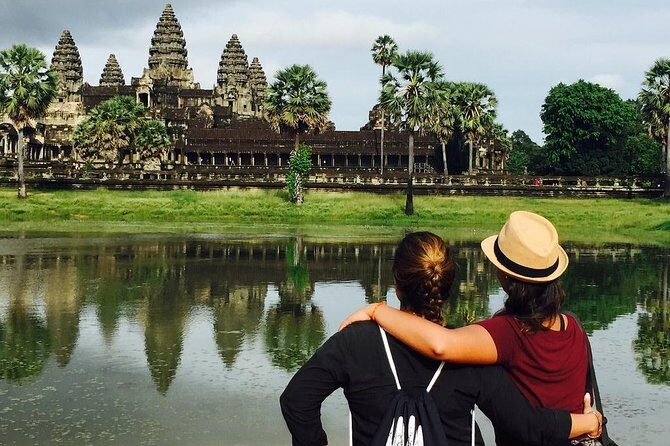
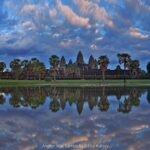
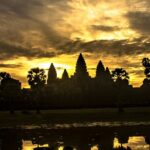
You start with hotel pickup between 4:30am and 5:00am, then head out specifically to catch sunrise over Angkor Wat. That early start means you’re seeing the temple when the colors are softer and the grounds feel calmer. It also helps you avoid spending your first day in Siem Reap stuck in traffic and sun before you even get to the temples.
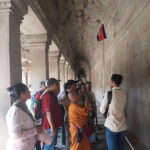
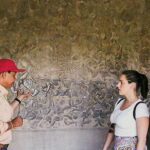
Another practical win: your guide isn’t just moving you from gate to gate. The time at each stop is set up so you can actually understand what you’re looking at—especially at the temples with distinctive layouts and carvings. The reviews also mention the guide taking time to explain background details, and that matters because Angkor can otherwise feel like a blur of stone.
Finally, you’re not only doing temples. Day 2 sends you into Phnom Kulen National Park for waterfall time and a picnic, which gives your brain a break from the “same kind of stone, same kind of steps” feeling. It’s a two-day rhythm that stays interesting.
You can also read our reviews of more tours and experiences in Siem Reap
Day 1: Beating the heat with Angkor Wat before the world wakes up
Day 1 begins with a classic Angkor move: go early, then go deep. After pickup, you arrive in time to watch the sunrise over Angkor Wat. The tour builds in about 2 hours at Angkor Wat, which is long enough to walk around, find photo angles, and take in the scale without rushing every 30 seconds.
What you’re really buying here isn’t just a sunrise photo. You’re buying a temple experience when sound is lower and people are still settling in. That changes everything about how you see the site. You can notice details—the layout, the causeways, the way light hits carvings—without feeling like you’re constantly weaving around groups.
Then the tour shifts into the “supporting cast” temples that give Angkor its variety.
Srah Srang and the Khmer breakfast break that keeps you human
The first morning doesn’t jump straight from sunrise into full-speed temple marathon. You also stop at Srah Srang, a reservoir area tied to Angkor’s past. You get about 45 minutes there, which is enough time to see the site without it becoming a checklist stop.
Even better, you get a break in the village for breakfast with local food. The included breakfast on Day 1 is described as Khmer noodle soup plus traditional desserts like palm cake and steamed rice cakes (steam rice kind). That kind of meal matters on a temple day because you’re fueling up for heat and walking, not just passing time.
This is also where a good guide makes the difference. If you ask quick questions, you’ll get a clearer picture of how these places fit into daily Cambodian life, not just tourist sightseeing.
Pre Rup and Ta Prohm: the two moods of Angkor day
Next comes Pre Rup, described as a major brick temple. You have around 40 minutes there. This stop is worth it if you like a temple that feels slightly different from the grandest structures. Brickwork gives a different texture and color in the morning light, and the layers of terraces can feel more approachable when you’re not packed shoulder-to-shoulder.
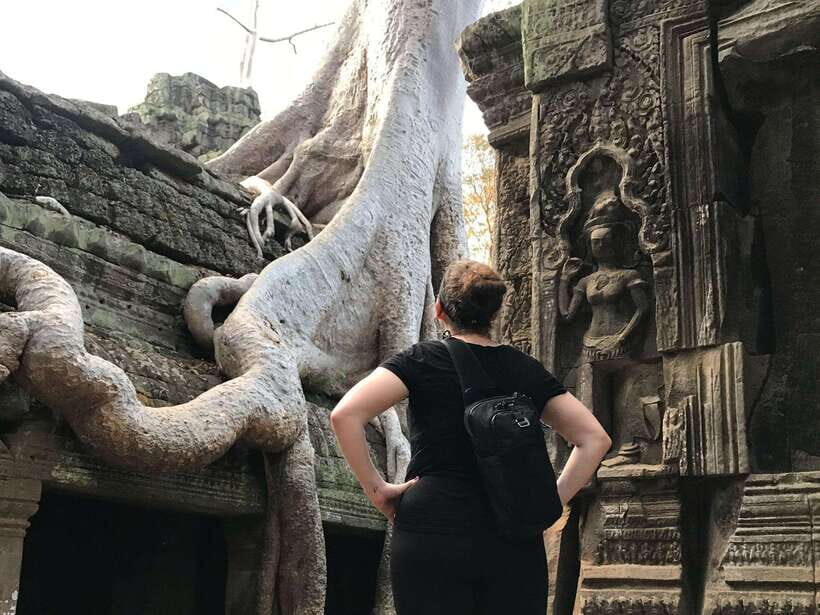
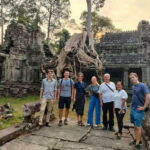
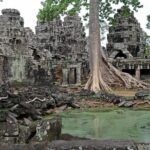
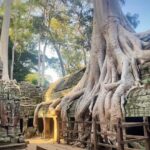
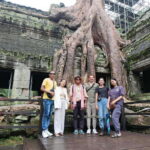
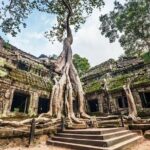
After that, you head to Ta Prohm, famous for being left with roots and trees in place—often called the jungle temple look. The tour description frames it as a trekking-style walk through the temple complex, and that’s accurate to what you’ll feel: more uneven paths, more time spent moving slowly, and more stopping to look upward.
The good part of this stop: you see Angkor as more than architecture. It’s a living ruin where nature and stone share the scene. The drawback is obvious—walking can be slower, and you’ll want comfortable shoes and patience.
Bayon and Angkor Thom terraces: the part that feels like a city
Then the tour leans into the face-and-fortress vibe of Angkor Thom. Bayon Temple is next, with about 1 hour there. This is where the famous smiling faces style shows up, and the time you’re given lets you circle the complex rather than rushing in and out.
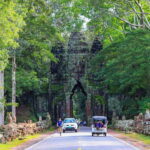
After Bayon, you visit the Terrace of the Elephants and the Terrace of the Leper King, plus the Angkor Thom South Gate. These are quick stops (around 15 minutes each for the terraces), but they work because they frame the bigger story: this wasn’t one temple—it was a whole walled city and ceremonial zone.
Here’s what to look for as you go:
- At each terrace, don’t only stare at the carvings. Notice the space and the vantage points—why it was built the way it was.
- At the South Gate, treat it like a landmark photo stop, but also take a second to understand the role of gateways in ceremonial movement.
Even with shorter time at these points, the guide-led pace helps you connect them to what came before.


Day 1 wrap-up: going back to Siem Reap without losing your second day
You finish Day 1 with a transfer back to your accommodation, about 30 minutes. This may sound short, but it’s practical. The next day starts earlier in your mind, even if pickup is later—because Phnom Kulen is a long drive and the experience includes walking, viewpoints, and swimming-ish areas near sacred sites.
One small detail worth appreciating: the tour includes A/C transportation, plus cold bottled water and towels. On Angkor days, that kind of comfort isn’t luxury. It’s how you stay steady enough to enjoy the last temple instead of being cranky from heat.
Day 2 starts with rural roads and Phnom Kulen National Park
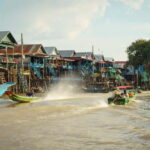
Day 2 pickup runs between 8:00am and 8:30am, so it’s not another dawn-beater. You travel into Phnom Kulen National Park, and the tour description emphasizes passing through rural villages and observing locals’ daily routines. That’s a good change of pace from Siem Reap city.
About 1 hour 30 minutes is set for this park arrival, and the timing matters because you don’t want to feel like you’re always racing. You want enough mental space to shift from stone temples to mountain nature.
Also, the Phnom Kulen admission ticket is included, which reduces one of the most annoying parts of DIY day trips—figuring out what you’ve already paid for.
Poeng Ta Kho (Amazing Cliff): viewpoint time that feels like a reward
Next is Poeng Ta Kho, described as an amazing cliff with commanding views. You get about 30 minutes here. That short time slot can be perfect if you want the view without turning it into a long hike day.
The cliff stop is valuable because it gives your eyes a big reset. You’ve been staring at temple lines and carvings for a day. Now you get open sightlines—jungle and mountain peaks unfolding below. This is also the part where you’ll understand why Phnom Kulen is such a famous day trip: it’s not only sacred sites; it’s also scenic.
1000 Lingas and Preah Ang Thom: sacred stops you shouldn’t rush
Then comes 1000 Lingas, described as sacred ground with ancient Hindu symbols carved into the river area, plus cascading multi-level falls that can be good for cooling off. This stop is also about 30 minutes.
A key way to enjoy this: don’t treat it like a photo stop only. Take a moment to see the patterning of the carvings and how water interacts with the area. The tour description makes a point of the sacred nature of the river, so even a short time can still feel meaningful.
After that, you visit Preah Ang Thom pagoda, home to a large reclining Buddha statue. This is listed as about 1 hour. One hour is a solid window because it lets you slow down. With statues and sacred architecture, rushing makes it harder to notice scale and details.
The Phnom Kulen Waterfall picnic: where the tour earns its keep
This is the emotional center of Day 2: Phnom Kulen Waterfall, paired with a picnic with local food. The time you’re given is about 2 hours and the meal is included.
This is where the tour shifts from history lessons to real rest. You get to sit, eat, and let your day cool down. The waterfall area gives you a natural “pause button,” and it’s a nice contrast to the stone walking of Angkor.
Also, you’re not left guessing about food. The tour provides the picnic lunch, so you’re not spending your best daylight scanning menus. Reviews repeatedly praise the food as super good, and that’s consistent with how much easier it is when your meal is planned into the schedule.
Practical tip for this stop: bring attention to your feet and your comfort. Waterfall areas can be slippery and uneven. If you want to dip near the falls, you’ll be happier with shoes that handle wet conditions and a dry layer for later.
Transportation, groups, and tickets: the real logistics behind a smooth day
For a tour like this to feel good instead of stressful, three things matter: transport, group size, and ticket clarity.
- Transportation: You ride in an A/C minivan/minibus with pickup offered. That helps because both Angkor sunrise and the drive to Phnom Kulen are long enough that A/C is a real quality-of-life upgrade.
- Group size: Maximum 14 travelers. That keeps things from turning into a herd. You still see plenty of people at the temples, but within your group you’ll have an easier time hearing instructions and moving at a steady pace.
- Tickets: The Kulen Mountain admission ticket is included. The big extra cost is the Angkor pass ($37 per person), which is not included. For your planning, treat that as the main add-on.
If you’re comparing tour value, don’t just look at the $79 price tag. The math is:
- $79 includes guide, transport, Day 1 breakfast, Day 2 picnic lunch, Kulen admission, water and towels, and the itinerary structure.
- Then you add the Angkor pass, since it’s listed as separate.
For many people, that combination is a good deal because you avoid the coordination headaches that come with sunrise temple days.
Guides and the small details that make photos and ruins make sense
The reviews share a clear pattern: the guide experience matters. People highlight specific guide names like Mony, Sam Made, Seila, Ho, and also mention others like Sir Moni and Sir Sotin. Across that feedback, themes repeat:
- They explain what you’re seeing, not just where to stand.
- They take time with guests while keeping the schedule moving.
- They help with photos, not just by posing, but by pointing out good angles.
Even if you don’t care about history lectures, good guidance helps you notice the “why” behind the “what.” Angkor temples can look similar at first glance. With the right commentary, the differences become obvious, and your pictures stop looking like duplicates.
Who this tour fits best (and who should consider another plan)
This tour is a strong choice if:
- You want Angkor Wat sunrise and the big-name temples without sorting logistics.
- You like a guided plan with time to ask questions and take photos.
- You want a second day that mixes sacred sites and nature, ending with a waterfall picnic.
It might be less ideal if:
- You hate early mornings. Day 1 pickup is between 4:30am and 5:00am.
- You prefer long time in a single site over touching multiple stops.
- You’re hoping all major admissions are wrapped into the $79. The Angkor pass is an added cost.
Should you book this 2-day Angkor Wat and Phnom Kulen tour?
If you want the classic Angkor experience plus Phnom Kulen in one organized package, this tour is easy to recommend. The schedule hits the most important moments—sunrise Angkor Wat, key temples in Angkor Thom, then mountain viewpoints and waterfall time—while keeping food covered with breakfast and a picnic lunch.
My “yes” comes with two checks for you:
- Budget for the Angkor pass ($37 per person), since it’s not included.
- Wear comfortable shoes and plan for heat. Even with A/C rides, you’ll be walking across temple grounds.
FAQ
FAQ
What time does pickup start for Angkor Wat sunrise?
Pickup for Day 1 starts between 4:30am and 5:00am.
What time is pickup on Day 2 for Phnom Kulen?
Pickup on Day 2 is between 8:00am and 8:30am.
Is the Angkor pass included in the tour price?
No. The Angkor pass is listed as $37 per person and is not included.
Is the Kulen Mountain admission ticket included?
Yes. The Kulen Mountain admission ticket is included.
Are meals included?
Yes. Breakfast is included for Day 1, and a picnic lunch is included for Day 2.
Do you get a picnic lunch at the waterfall?
Yes. You’ll enjoy a picnic with local food at Phnom Kulen Waterfall.
What’s the group size limit?
The tour/activity has a maximum of 14 travelers.
Can I cancel for free?
Yes, free cancellation is available up to 24 hours in advance for a full refund.