REVIEW · SIEM REAP
Siem Reap: Traditional Spiritual Water Blessing in Monastery
Book on GetYourGuide →Operated by Angkor Locals · Bookable on GetYourGuide
A quiet ritual can change your whole week. In Siem Reap, this water blessing in a monastery setting slows you down fast, with monk chants and a real sense of ceremony inside an ancient pagoda. I especially like that you’re not just watching. You’re actively part of the blessing, and it ends with a red bracelet tied for good luck and protection.
One thing to plan for: the full cleansing option involves water poured over you and you must dress modestly (shoulders and knees covered), so bring the right clothes and a towel so you feel comfortable afterward.
In This Review
- Key points
- A Quiet Pagoda Ritual With Two Ways to Be Blessed
- From Krong Siem Reap to the Monastery: The Tuk-Tuk Rhythm
- The Temple Walk: What Your Guide Helps You Notice
- Light Sprinkling vs Full Cleansing: Choose Your Level
- Light sprinkling: gentle, quick, and symbolic
- Full cleansing: more water, more time, more intensity
- Monk Chants and Holy Water: What to Focus On During the Rite
- The Red Bracelet: A Small Thing With Real Meaning
- Modest Dress, Dry-Clothes Planning, and What to Bring
- Donation to the Pagoda and the Local Side of the Day
- Time on the Ground: How the 2.5 Hours Feels
- Who This Fits Best in Siem Reap
- Price and Value for a $45 Private Blessing
- Should You Book This Water Blessing in Siem Reap?
- FAQ
- FAQ
- What is the duration of the monastery water blessing?
- Where does the pickup happen?
- Is this a private group or shared tour?
- Do I choose between different water blessing rituals?
- Does the Full Cleansing Ritual require changing clothes?
- What should I bring with me?
- What clothing is not allowed?
- What is included in the price?
- Is there a cancellation option if plans change?
- Is the tour wheelchair accessible?
Key points
- Two blessing choices: light sprinkling or full cleansing with water poured over your head
- Monk-led chants guide the mood and meaning throughout the ceremony
- Red bracelet tied at the end for good fortune and a tangible reminder
- Ancient pagoda setting keeps the experience calm and focused
- Private group with an English guide means you can ask questions during the walk-through
- Donation and local market stop add community context beyond the ritual itself
A Quiet Pagoda Ritual With Two Ways to Be Blessed
This is the kind of experience that makes you sit up straighter. Not because it’s dramatic, but because it’s deliberate. You’ll be led into a monastery space where the ceremony is the main event, and the atmosphere is built for quiet attention—monks chanting, people waiting respectfully, and your guide giving context so you understand what’s happening while it’s happening.
The centerpiece is the water blessing. It’s described as spiritual cleansing for a fresh start: washing away bad luck or negative influences and calling in good fortune, health, and peace. Whether you choose the light sprinkling or the full cleansing ritual, the symbolism stays the same. The difference is how much water and how long the monks continue the chants.
You can also read our reviews of more tours and experiences in Siem Reap.
From Krong Siem Reap to the Monastery: The Tuk-Tuk Rhythm
You start with pickup from Krong Siem Reap and a tuk-tuk ride that keeps the pace gentle rather than rushed. The drive time is short, and that matters. In a ceremony like this, you want to arrive with enough time to settle your body and mind—not sprint from one site to the next.
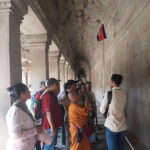
Once you’re at the monastery, you don’t just jump straight to the blessing. Your guide takes you through the temple area first, which helps you understand where you are and why the ceremony happens where it does. That little warm-up makes the water moment feel less random and more purposeful.
The Temple Walk: What Your Guide Helps You Notice
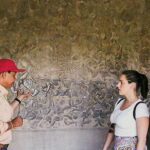
The guide’s job here is practical: set expectations and translate the ceremony’s significance into something you can actually follow. You’ll get a tour-style walk that explains the ceremony’s history and meaning, so when the monks begin chanting, you’re not guessing what the words and actions are meant to represent.
This part is also where you learn how to behave. The ceremony asks for a respectful demeanor and a quiet attitude. If you go in a little tense, the guide’s framing helps you soften. And if you came hoping for something spiritual but not sure what to expect, this walk-through reduces that uncertainty.
Light Sprinkling vs Full Cleansing: Choose Your Level
This is the heart of the experience, and the choice you make is personal.
Light sprinkling: gentle, quick, and symbolic
In the Light Sprinkling ritual, monks sit and chant in harmony as blessed water is lightly sprinkled over you. The goal is purification in a smaller, gentler way—meant to cleanse your spirit and wash away negative influences. If you’re curious but prefer not to get heavily doused, this is the option that keeps things comfortable while still feeling ceremonial.
Full cleansing: more water, more time, more intensity
For the Full Cleansing Ritual, monks pour vessels of holy water over your head while continuing rhythmic chanting. The symbolism here is stronger: a full spiritual cleansing of body, mind, and spirit.
You’ll be provided a sarong to change into, specifically so your clothing stays dry. That’s a big deal. It means you can focus on the moment instead of constantly worrying about soaking your clothes or ending up uncomfortable afterward.
Monk Chants and Holy Water: What to Focus On During the Rite
The ceremony is built around sound and timing. You’ll hear monk chants throughout, and the water actions line up with the rhythm. The best way to experience this is to treat it like a slow reset, not a performance.
Here’s what I think makes it powerful for most people:
- You’re part of the ritual, not just watching it
- The chanting sets the pace so the moment doesn’t feel rushed
- The water is symbolic, but the atmosphere makes it feel real and personal
It also helps to go with an open mindset. The experience is spiritual by nature, and you’ll get more out of it if you allow it to be meaningful even if you approach it with questions.
The Red Bracelet: A Small Thing With Real Meaning
At the end, the monks tie a special red bracelet around your wrist. This isn’t just a souvenir. It’s described as sacred string signifying the blessing you received, believed to offer protection and serve as a tangible reminder.
You can wear the bracelet until it naturally falls off. That detail matters, because it changes the bracelet from a quick photo prop into a small daily reminder. In a place like Siem Reap—where many experiences are fast and move-on-next vibes—this gives you something to carry forward.
Modest Dress, Dry-Clothes Planning, and What to Bring
This is a religious site, so clothing rules are non-negotiable. You’re expected to dress modestly, with shoulders and knees covered. Short skirts and sleeveless shirts are not allowed.
What I recommend you bring:
- A change of clothes
- A towel
- And if you’re doing full cleansing, plan mentally for the water moment to be real, even if you get a sarong
Also, bring the right attitude. Keep a respectful demeanor during the ceremony. You don’t need to be stiff, but you do need to be calm.
Donation to the Pagoda and the Local Side of the Day
A key part of the day is a donation to the pagoda. That’s not presented as a random add-on. It’s woven into the experience as part of supporting the religious setting where the ceremony takes place.
Then you also spend time on a local market stop. That gives the day balance: a spiritual ceremony in the morning-to-midday tone, followed by a more everyday look at the community. In many places around Siem Reap, it’s easy to bounce only between major temples. This helps you see something more local and grounded.
Time on the Ground: How the 2.5 Hours Feels
The whole experience runs about 2.5 hours. That’s a good length. Long enough for a real ritual and temple context, short enough that you’re not exhausted before the rest of your day.
One extra practical tip: since it’s a private group, you’ll likely have room to ask questions with your guide during the walk and between moments. The guide’s English is part of the plan, and the better the conversation, the more the ceremony clicks.
Who This Fits Best in Siem Reap
This is ideal if you’re looking for a slower, more meaningful experience that moves beyond temple sightseeing checklists. It’s also a good fit if you want:
- a personal blessing from resident monks
- a choice between a lighter and fuller water ceremony
- a calm setting away from the loudest tourist focus
Based on guide experiences shared from past participants, the English support can be strong, and some guides like Sopheak (noted for excellent English and depth of knowledge) have helped people understand the blessing process in a way that feels kind, clear, and respectful. Others have guided with a thoughtful, empathetic presence—like John, described as special in how he accompanies you and explains the ceremony’s process.
Also, if you’re the type who appreciates adding meaning to your day, ask about schedule options. One past experience included an unexpected extra stop to the Killing Fields when time allowed. Not every day may work the same way, but it’s worth asking if you have room in your itinerary and you want the day to carry more weight.
Price and Value for a $45 Private Blessing
At $45 per person for a roughly 2.5-hour private experience, the value comes from a few things that are hard to replicate with DIY plans:
- You get a guide who explains what you’re seeing and what the ceremony means
- You get monk-led participation, including your choice of light sprinkling or full cleansing
- You get hotel pickup and drop-off by tuk-tuk, so you’re not spending mental energy on logistics
- You’re included in a donation tied to the pagoda
In other words, you’re paying for access to a structured, respectful ritual—not just transportation to a place where you can walk around quietly.
If you’re the type who enjoys learning how traditions work, and you want your visit to feel personal rather than observational, the price starts to make a lot more sense.
Should You Book This Water Blessing in Siem Reap?
If you want an experience that feels calm, culturally rooted, and spiritually oriented, I’d say yes—especially if you’re comfortable following modest dress rules and you can bring a towel and change of clothes.
Book it if you:
- want a monastery ceremony led by resident monks
- like the idea of a red bracelet as a lasting reminder
- prefer a private setup with an English-speaking guide
- are willing to keep the tone respectful and quiet during the ritual
Skip it if you hate any chance of getting wet, or if you’re looking for something purely sightseeing-based with no spiritual component. Even with the sarong option, the full cleansing ritual is still a water event.
FAQ
FAQ
What is the duration of the monastery water blessing?
The experience lasts about 2.5 hours.
Where does the pickup happen?
Pickup and drop-off are included from Krong Siem Reap.
Is this a private group or shared tour?
It’s a private group.
Do I choose between different water blessing rituals?
Yes. You can choose between a Light Sprinkling ritual or a Full Cleansing Ritual.
Does the Full Cleansing Ritual require changing clothes?
You will be provided a sarong to change into for the water blessing ceremony so your own clothing stays dry.
What should I bring with me?
Bring a change of clothes and a towel.
What clothing is not allowed?
Short skirts and sleeveless shirts are not allowed.
What is included in the price?
Included items are an English-speaking guide, tuk-tuk pickup and drop-off, a sarong for the water blessing, a donation to the pagoda, and a local market stop.
Is there a cancellation option if plans change?
Yes. Free cancellation is available up to 24 hours in advance for a full refund.
Is the tour wheelchair accessible?
Yes, it is listed as wheelchair accessible.
If you want, tell me what you’re hoping to get from the blessing—good luck, peace of mind, or a fresh start—and I’ll suggest which ritual option (light vs full) is most likely to fit your comfort level.