REVIEW · SIEM REAP
Siem Reap: Private Tour of Angkor Complex
Book on GetYourGuide →Operated by Euro Khmer Voyages · Bookable on GetYourGuide
Angkor feels unreal on a long day. This private Angkor Complex tour is built for you to move through the big sights with a dedicated guide, from Angkor Thom’s South Gate to Bayon Temple’s giant face carvings. I especially like how the route groups the Khmer landmarks so you can connect the symbolism and stonework as you go, not just take photos and rush.
I also like the small, practical touches that make a long temple day easier, like drinking water and a cool towel when the sun is doing its thing. One possible drawback: the Temple Pass entrance fee is extra, so your true cost is higher than the headline price.
In This Review
- Key highlights worth your attention
- Angkor Thom’s South Gate to Bayon: Where the day starts to click
- Baphuon, the Royal Enclosure, Phimeanakas, and the terraces: Royal power made physical
- Ta Prohm: The jungle temple you can’t stop staring at
- Angkor Wat after lunch: The famous complex up close
- The real value: Private service, included comforts, and what costs extra
- How to get the most from your day (without overthinking it)
- Who this private Angkor day tour is best for
- Should you book this private Angkor Complex day?
- FAQ
- What is included in the private tour package?
- What is not included in the price?
- Do I need to pay the Temple Pass separately?
- What temples and stops are included in the day?
- Where do you pick me up from?
- Can I reserve now and pay later?
Key highlights worth your attention
- Private guide and driver with hotel pickup in Siem Reap City, using an air-conditioned vehicle
- Angkor Thom circuit via the South Gate, with Bayon, Baphuon, and more key royal-area stops
- Bayon Temple’s massive carved faces, a signature moment of the Angkor era
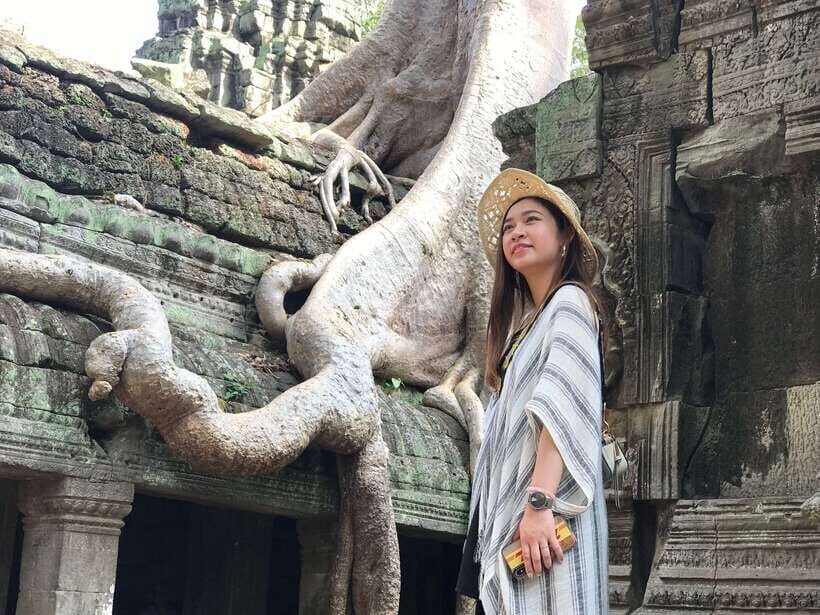
- Ta Prohm’s jungle feel, described as relatively untouched since its rediscovery
- Terrace of the Leper King, a striking, memorable stop on the way through the complex
- Angkor Wat in the afternoon, after lunch time, when you’ll see the famous composition up close
Angkor Thom’s South Gate to Bayon: Where the day starts to click
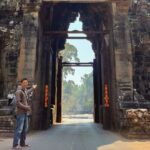
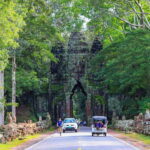
If you want Angkor to feel like a story, this first stretch helps. You begin at the ancient capital of Angkor Thom, entering through the South Gate. Even before you reach the main temples, you get that sense the site was designed to guide your movement—like you’re walking into a royal space rather than sightseeing a ruin.
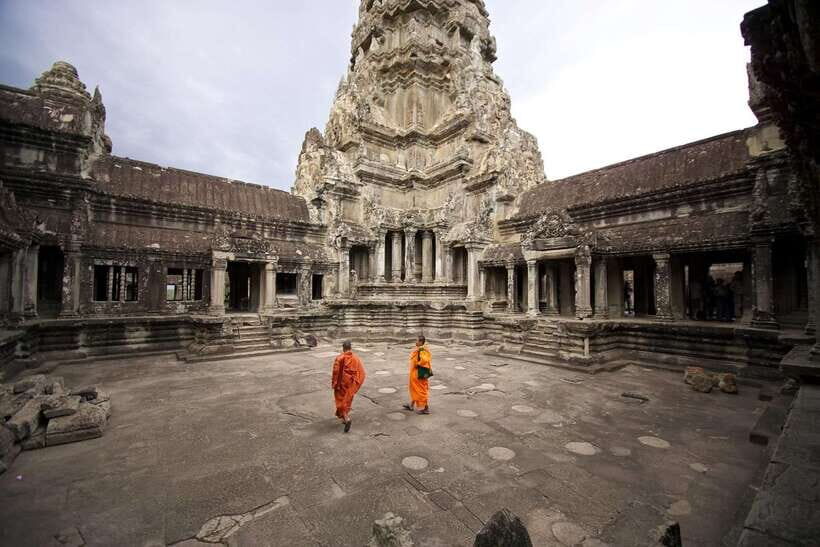
Then comes Bayon Temple, famous for its massive carved faces. These aren’t the small, delicate details you can miss if you hurry. They’re big, frontal, and repetitive in a way that makes your brain slow down and pay attention. With a guide, this stop is more than a view: you’re meant to understand why these faces matter within the Khmer temple world and how Bayon fits into the larger Angkor Thom layout.
I love this opening because it gives you contrast fast. Angkor can look “wow” from far away, but Bayon rewards you when you stand in closer and notice the stonework and the way the carvings are integrated into the architecture.
A practical consideration: this is all outdoors. So expect steady walking and sun exposure during the morning circuit. If you’re the type who needs lots of breaks, pace yourself from the start.
You can also read our reviews of more private tours in Siem Reap
Baphuon, the Royal Enclosure, Phimeanakas, and the terraces: Royal power made physical
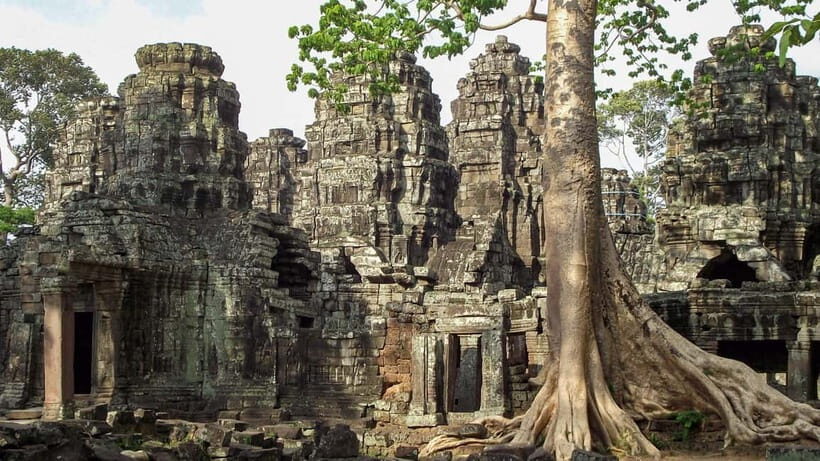
After Bayon, the itinerary keeps you in the Angkor Thom royal zone. You’ll continue to Baphuon Temple, then on to the Royal Enclosure and Phimeanakas. These stops matter because they help you see Angkor as a functioning royal city concept—spaces organized for authority, ceremony, and symbolism.
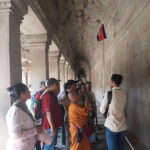
Here’s what you’ll likely notice as you move: the design language repeats. Khmer temples often play with balance, hierarchy, and structured movement. When you’re with a private guide, you can ask simple questions—What’s the role of this area? Why does this placement feel deliberate?—and get answers while the connection is still fresh in your mind.
Next are the terraces, including the Terrace of the Elephants and the Terrace of the Leper King. Terraces are worth your attention because they’re like the “camera angles” of Angkor—platforms built for viewing and staging movement. The Terrace of the Leper King is especially memorable for its name and the way it pulls your eye to the carvings and figures. Even if you don’t study Khmer art in depth, you’ll feel the theater of it: this is a place meant to be seen.
If you like your travel experiences grounded in real context (who built what, when, and for what purpose), this mid-morning stretch gives you that. The Angkor site dates from the 9th to the 15th centuries, built under Angkor’s kings before being mysteriously abandoned around 1430. When you have multiple related stops in a single circuit, that timeline starts to feel less abstract.
Ta Prohm: The jungle temple you can’t stop staring at
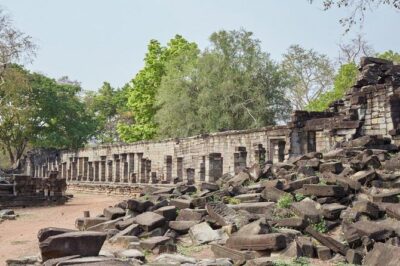
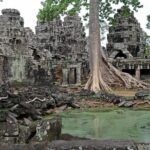
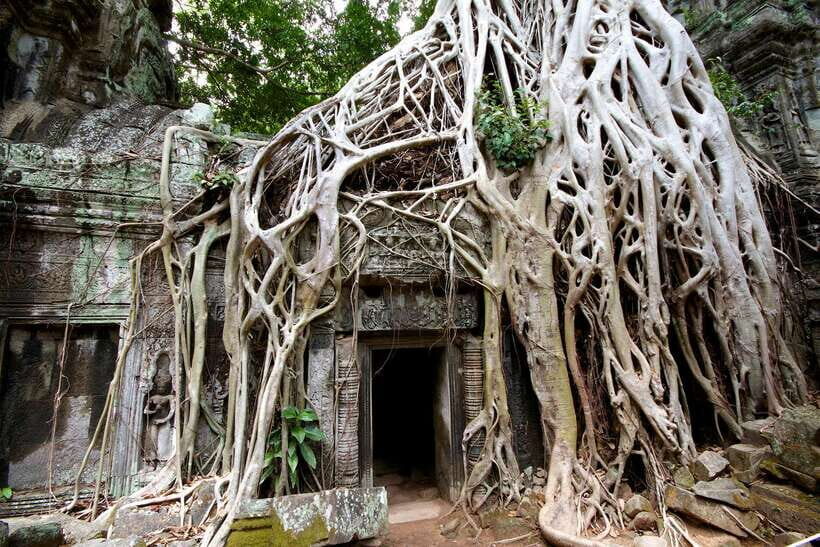
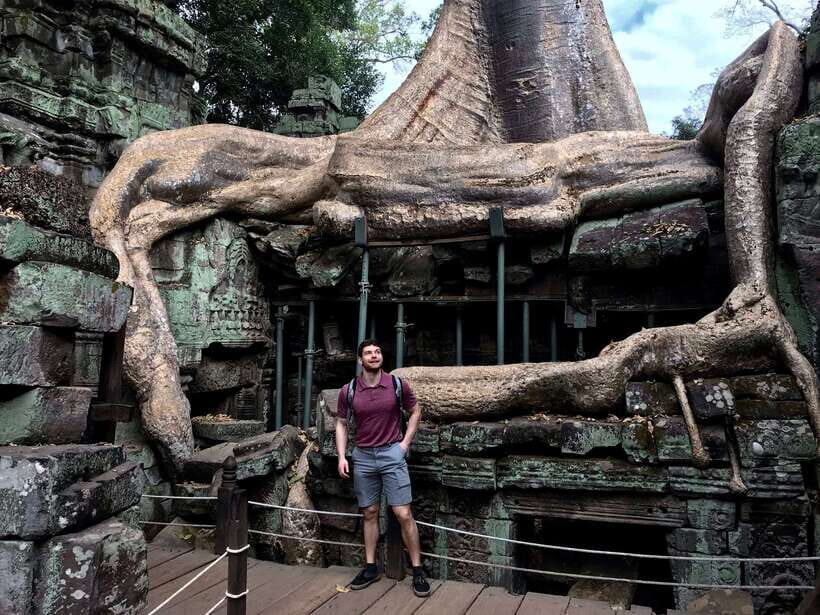
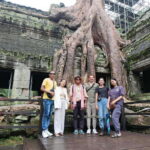
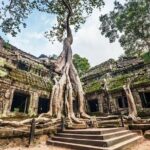
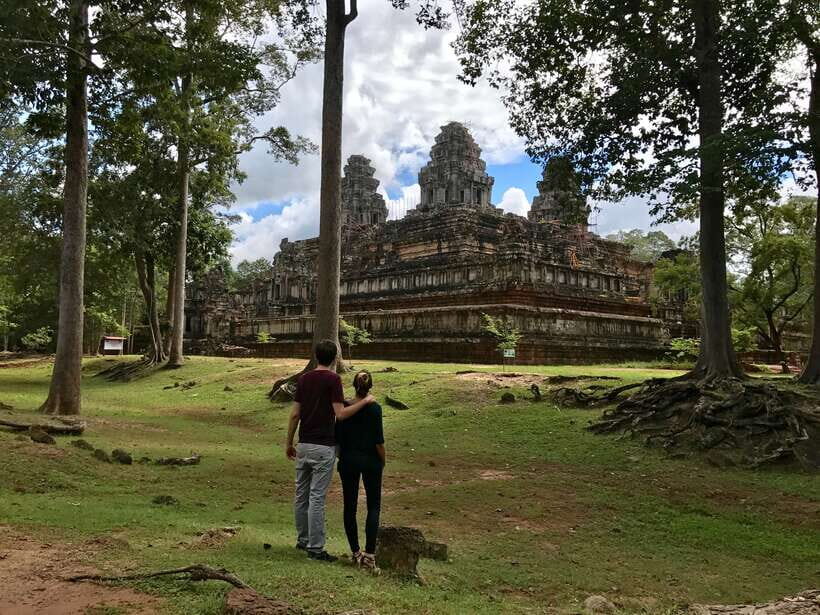
After you’ve walked through Angkor Thom’s royal core, the tour shifts into one of the most cinematic stops: Ta Prohm. You’ll explore this “lost jungle city,” described as a beautiful jungle temple that has been relatively untouched since it was discovered.
Ta Prohm is the kind of temple where you can feel two things at once:
1) the engineered temple geometry, and
2) the pressure of the jungle reclaiming the space.
This is where the private format shines. You’re not waiting for a group to catch up or getting rushed out before you’ve had time to actually look. You can pause, walk a few steps in a different direction, and see how the roots and temple structures interact.
One tip for getting more out of Ta Prohm: don’t treat it as one single photo spot. Stand back to get the full jungle-temple composition, then move in close enough to see carved stone and wear patterns. That back-and-forth is what turns Ta Prohm from scenery into a place.
Possible drawback to keep in mind: Ta Prohm can be visually overwhelming. If you’re the kind of traveler who prefers a calm, controlled pace, plan your energy so you’re not “done” by the time you reach the afternoon highlight.
Angkor Wat after lunch: The famous complex up close
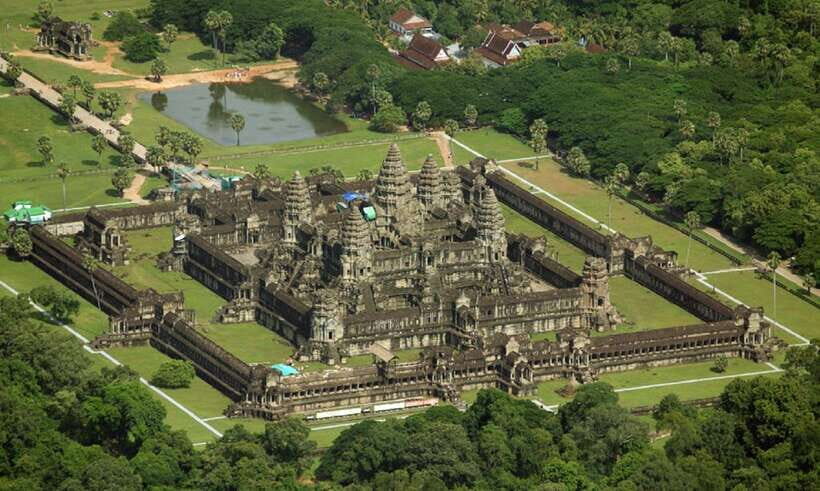
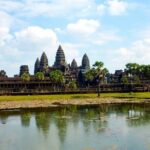
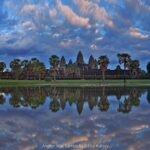
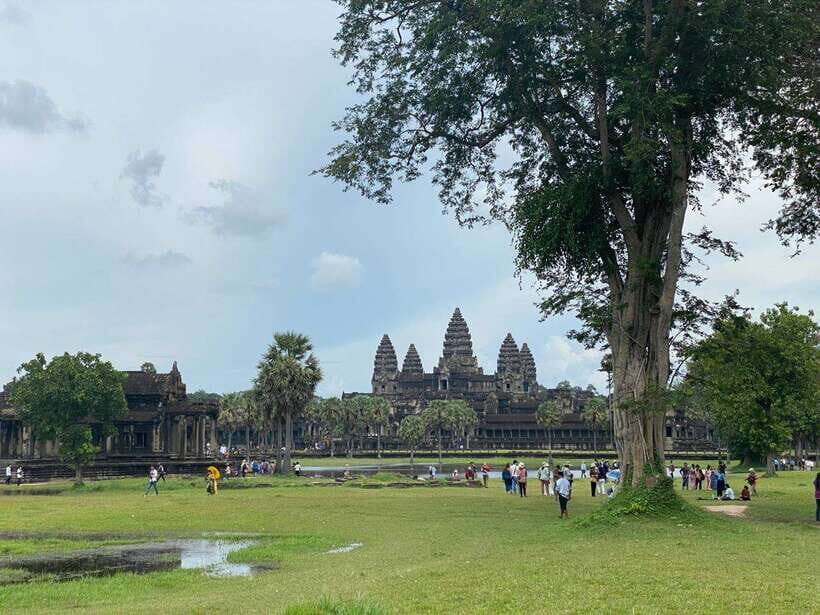
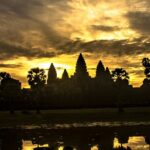
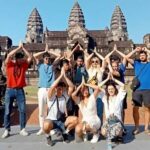
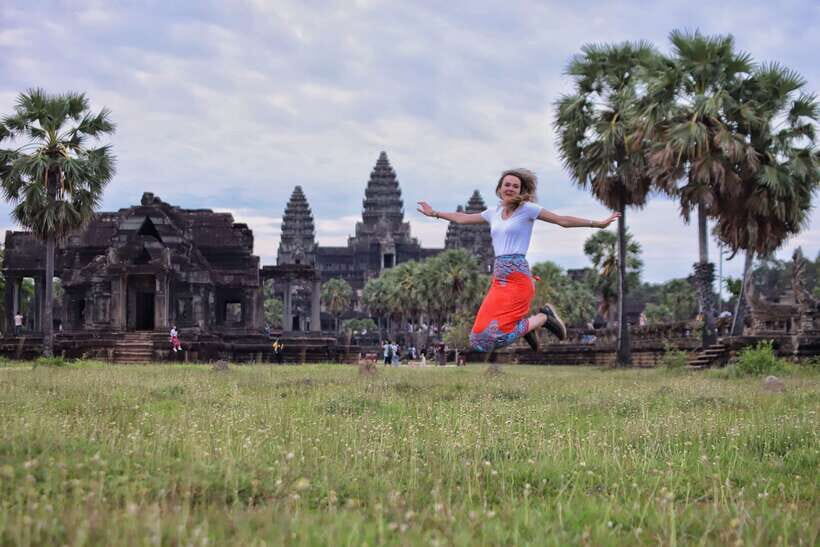
In the afternoon—after lunch time—the tour visits Angkor Wat. This is the most famous temple on the plain of Angkor, and it’s easy to see why the site is often treated as the centerpiece of the entire complex.
Angkor Wat covers 81 hectares, comparable in size to the Imperial Palace in Beijing (as the tour description notes). What you’ll appreciate here is not only scale, but composition. The temple is praised for perfection in balance, proportions, and sculptural detail—exactly the kind of architectural approach you can actually notice when you’re walking the space slowly enough to take it in.
Also, going in the afternoon can be a tradeoff. You’re still seeing the main monument, but the lighting and crowd energy may feel different than earlier hours. The upside is that you’ve already had a full circuit at Angkor Thom and Ta Prohm, so Angkor Wat lands with extra meaning. By then, you’re better at reading the “language” of the temples.
If you’re trying to understand Angkor instead of just collecting stamps, Angkor Wat is where the whole day makes sense. You’ll likely feel that the Khmer Empire wasn’t only building religious spaces—it was building a visual system.
The real value: Private service, included comforts, and what costs extra
Let’s talk money the honest way. The price is $72 per person for a private full-day tour. That’s not just someone taking you from temple to temple. You’re getting a fully vaccinated English-speaking guide & driver, hotel pickup and drop-off in Siem Reap City, and transfers by air-conditioned vehicle.
You also get small comfort items that are actually useful on a long, outdoor route: drinking water, fresh coconut juice, and a cool towel. Those details aren’t flashy, but they help you stay functional instead of constantly stopping to buy refreshments or feeling drained early.
Here’s what’s not included:
- Temple Pass: $37 per person
- Food and drinks (Lunch, soft drink or Beer)
- Personal expenses
So your all-in temple cost is at least $72 + $37 = $109 per person, before adding lunch and drinks. If you already plan to buy your own food anyway, you can budget fairly easily. If you want lunch covered, you’ll need to accept that this particular package doesn’t include it.
Why this can still be good value: You’re paying for private guiding during a day where the most expensive part isn’t just entry—it’s learning what you’re seeing and having someone manage timing and logistics between stops. If you’d rather spend less time planning and more time absorbing the temples, that’s where this format earns its keep.
How to get the most from your day (without overthinking it)
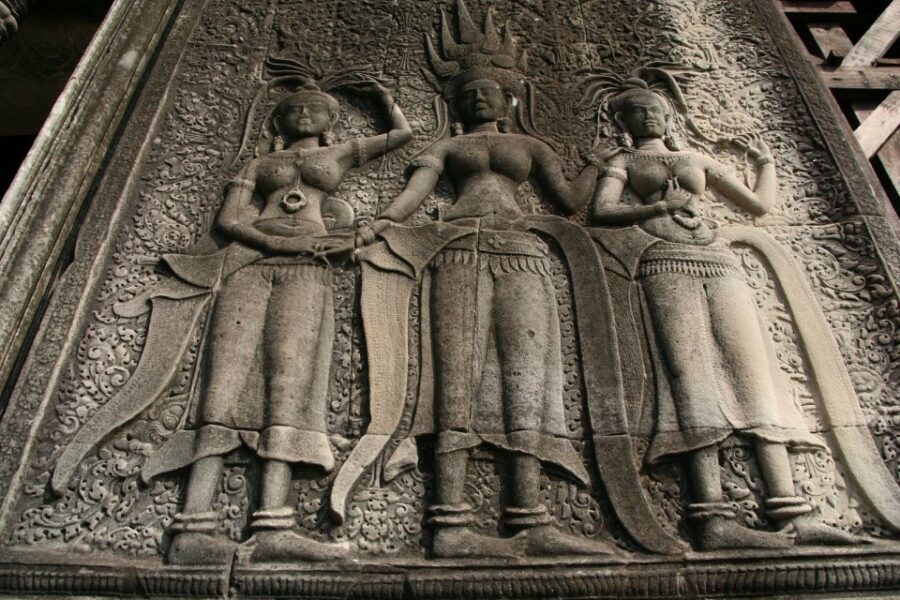
This tour is structured as a full-day circuit, and that means your success depends on two things: your pace and your guide’s style. A private tour gives you freedom, but it doesn’t automatically guarantee good storytelling. If you get a guide who keeps things general or moves too quickly, the difference is noticeable—especially at the stops where stone detail matters.
So do this:
- Ask one or two simple questions at the first temple and keep the curiosity going. Bayon is a great early moment to do that.
- If you want deeper meaning, say so early. This kind of day works best when the guide knows what you care about.
- Keep your expectations realistic at Ta Prohm. It’s visually intense, and it can take time to settle into the scene.
Also, consider energy management. This is a lot of walking and standing on uneven ground. The included water, coconut juice, and cool towel help, but you’ll still want comfortable footwear.
Who this private Angkor day tour is best for
This is a strong fit if you:
- want private attention instead of a group scramble,
- like your sightseeing tied to explanation (not just a checklist),
- want to see the Angkor Thom highlights and the marquee Angkor Wat moment in one day,
- value logistics that start with hotel pickup and end with hotel drop-off.
It may be less ideal if you:
- hate paying extra at the gate and prefer fully packaged pricing,
- want a very relaxed, slow day with lots of downtime (this is described as a full-day circuit),
- are the kind of traveler who only enjoys the most iconic single monument and doesn’t want multiple stops.
Should you book this private Angkor Complex day?
I’d book it if you want a practical, private way to cover the core Angkor experiences: Angkor Thom through Bayon, the terraces like the Terrace of the Leper King, the jungle mood at Ta Prohm, and then the famous Angkor Wat later in the day.
But I’d hesitate if your budget needs everything included, because the Temple Pass ($37/person) and lunch/drinks are extra. Also, since the quality of the “story” depends on the guide, read the vibe you get early in the day and speak up if you want more detail.
FAQ
What is included in the private tour package?
The tour includes a fully vaccinated English-speaking guide and driver, pickup and drop-off from your hotel in Siem Reap City, air-conditioned vehicle transfers, drinking water, fresh coconut juice, and a cool towel.
What is not included in the price?
The Temple Pass entrance fee ($37 per person), food and drinks (including lunch and soft drinks or beer), and personal expenses are not included.
Do I need to pay the Temple Pass separately?
Yes. The Temple Pass costs $37 per person and is not included in the $72 tour price.
What temples and stops are included in the day?
You’ll visit Angkor Thom (including the South Gate and Bayon Temple), Baphuon Temple, the Royal Enclosure, Phimeanakas, the Terrace of the Elephants, the Terrace of the Leper King, Ta Prohm, and Angkor Wat.
Where do you pick me up from?
You’re picked up from your hotel or guesthouse in Siem Reap City. You’ll need to provide your accommodation name for the guide and driver.
Can I reserve now and pay later?
Yes. The booking includes a reserve & pay later option, meaning you can book and pay nothing today.