REVIEW · SIEM REAP
Private Tour: HERO Rats & Angkor National Museum
Book on Viator →Bookable on Viator
Tiny rats, heavy history.
This is a private, air-conditioned Siem Reap tour that connects Cambodia’s hardest past with a surprisingly practical hope story: Hero Rats working to detect landmines. You start at the Wat Thmei killing field memorial, then head to the Apopo visitor center, and finish at the Angkor National Museum when it’s open. It’s a four-hour day that mixes memory, real-world demining work, and Khmer artifacts in one smooth route.
I especially like the way the day makes the history feel specific, not abstract. Wat Thmei is brief but intense, and the Apopo stop uses clear, relevant presentations to explain why landmines still shape daily life. One guide named Aaron is called out in feedback for sharing riveting, personal context about the Killing Fields experience, which is the kind of detail you can’t get from a signboard.
One possible drawback: the Angkor National Museum has been reported as closed, so the itinerary may be amended. And if part of the mine-focused program is affected by closures (including holiday disruptions seen in past days), you may do an alternate landmine museum stop that can mean a longer or hotter outing.
In This Review
- Key highlights to know before you go
- A 4-hour Siem Reap day that links mines, memory, and Khmer art
- Wat Thmei Killing Fields: small memorial, big emotional weight
- Apopo Visitor Center: where Hero Rats make demining feel real
- Angkor National Museum: Khmer artifacts, and why closure can change your day
- Private guide + air-conditioned car: the comfort that keeps you focused
- Price and value: what $85 buys you in real terms
- What to watch for on the day (closures, swaps, and heat)
- Who this tour suits best (and who might prefer another plan)
- Should you book the HERO Rats & Angkor National Museum tour?
- FAQ
- What is the duration of the tour?
- What time options are available?
- Is pickup included?
- What stops are included on the itinerary?
- Are admission fees included?
- Is the tour wheelchair accessible?
- Is lunch included?
- Is the Angkor National Museum always open?
- What is included in the price?
- What is the cancellation policy?
Key highlights to know before you go
- Wat Thmei’s memorial stupa gives you a direct, somber look at victims from the Killing Fields
- Apopo Visitor Center explains landmines and the impact on communities in a practical way
- Hero Rats demining work turns a grim topic into something you can see in action
- Private car with pickup keeps travel time tight and comfortable
- Museum visit timing can change if Angkor National Museum is closed that day
A 4-hour Siem Reap day that links mines, memory, and Khmer art
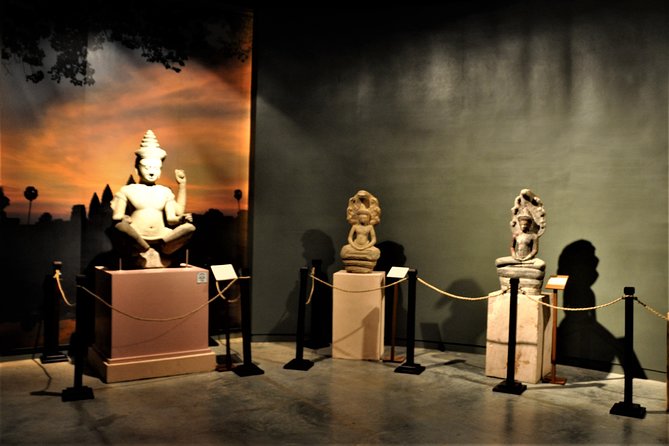
Siem Reap often gets marketed as temples and sunsets. This tour changes the lens. You still end in the museum world of Khmer history and artifacts, but the middle of the day forces you to reckon with the conflict that affected Cambodia long after Angkor’s peak centuries.
The pacing also matters. You’re not stuck in a full-day loop. The core experience is roughly four hours with a start option in the morning (8:00am) or afternoon (1:00pm), which makes it easier to fit between temple time or dinner plans.
You’ll ride in a private air-conditioned vehicle, and you get an English-speaking guide plus admissions and water. That setup is a big deal on days like this, because the real value is in the explanations, not in scrambling to find the right entrance or the right ticket line.
Wat Thmei Killing Fields: small memorial, big emotional weight
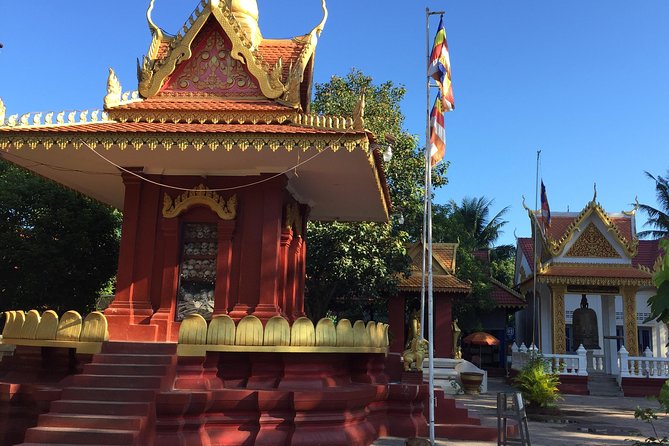
The day starts at Wat Thmei, one of the killing field memorials. It’s a short stop, about 30 minutes, and the admission there is free. Still, it’s not a casual visit. The memorial stupa contains skulls and bones of victims killed, which makes the visit feel immediate and grounded.
What I like most about doing this first is the way it frames everything else that follows. Apopo’s story about demining won’t land the same way unless you’ve already seen how destructive the conflict was. Starting here gives you context for why landmines weren’t just a technical problem; they became a lingering part of life.
A practical note: this is a somber site, and you should plan to keep your voice low and your attention high. Dress modestly and don’t rush photos. I also recommend bringing something for the heat if you’re doing the afternoon start—one separate landmine-war museum experience in feedback mentioned waiting in strong sun too long, and you don’t want that to ruin your mood.
Apopo Visitor Center: where Hero Rats make demining feel real
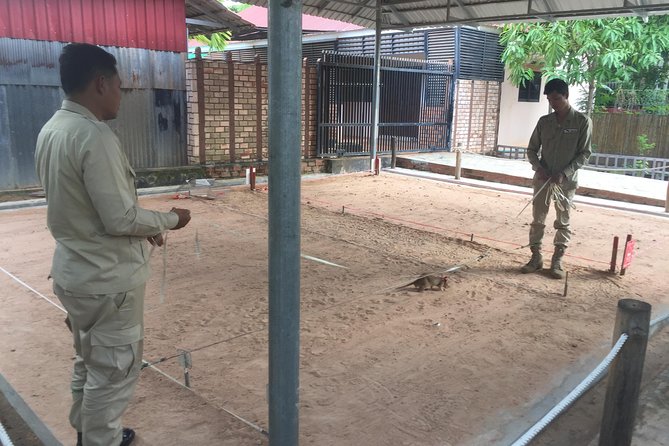
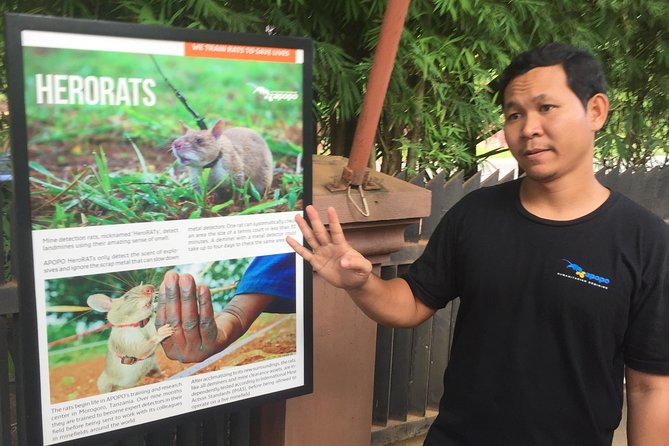
Next you head to the Apopo Visitor Center, where the story shifts from memorial to action. This stop is about an hour, with the admission included. It focuses on the history of conflict and the impact landmines have on local communities, and then it connects that to the demining effort using the famous Hero Rats.
Here’s why this part is so compelling. You’re not just told that mines are dangerous. You get a guided explanation of what they do to everyday movement and safety, and then you meet an approach that uses unlikely helpers—rats—to detect mines. It’s a reminder that survival and recovery can look weird and hopeful at the same time.
In feedback, people repeatedly call the presentations clever and the rat work fascinating. Watching the rats handle the mission is often the headline, but the bigger value is the framing: demining is not only about removal. It’s about giving communities back safer land and more freedom.
If you’re sensitive to darker topics, pace yourself here. The subject is serious, but the visitor center style tends to be more instructional than graphic, and that makes it easier to keep listening. If you end up with extra time at a different landmine-related museum due to closures, you may face more outdoor time, so plan accordingly.
Angkor National Museum: Khmer artifacts, and why closure can change your day
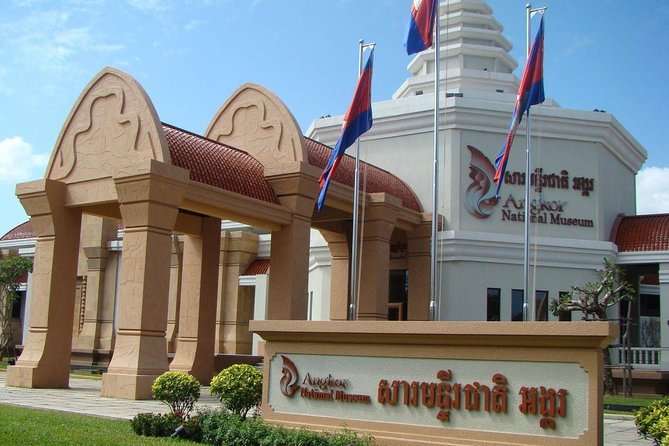
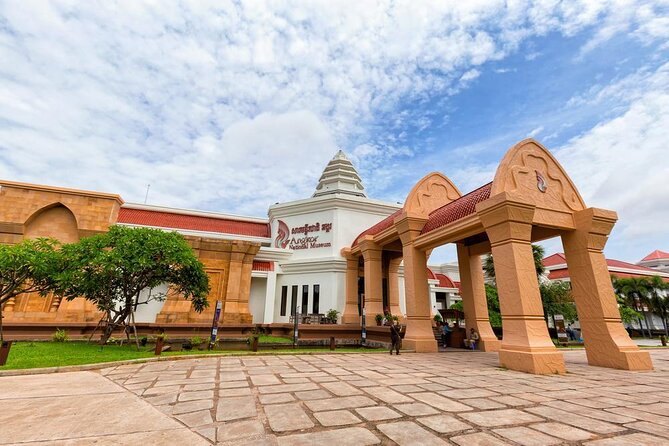
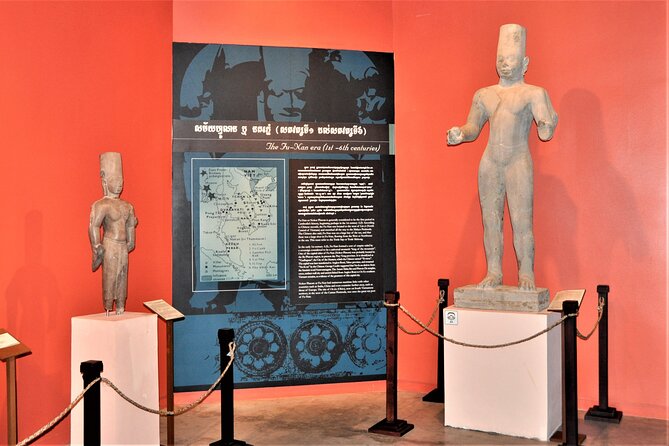
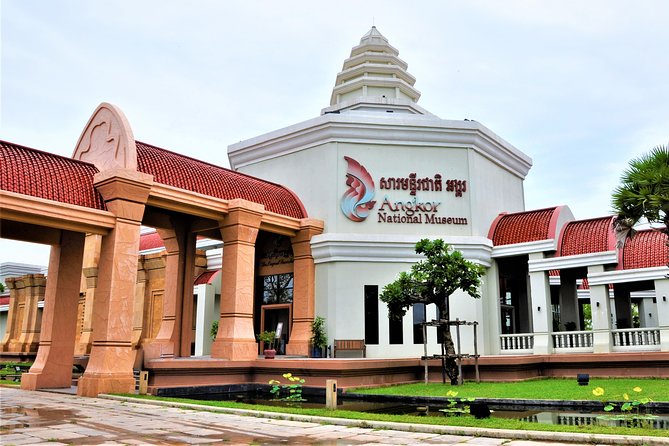
The final stop is the Angkor National Museum, an archaeological museum focused on the collection, preservation, and presentation of Angkorian artifacts, mainly from the 9th to 14th centuries. You’ll usually spend about 1.5 hours here, with admission included.
This is the “why it matters” bookend. After learning how conflict scarred Cambodia and why mines still threaten communities, the museum reconnects you with the long imperial Khmer story. It’s not about pretending history is separate. It’s about seeing that Cambodia’s identity runs through multiple eras, not just one tragedy.
One important reality check: the Angkor National Museum has been reported as currently closed, so the itinerary may be amended. On a separate day impacted by a holiday closure, the program swapped to a different landmine museum option, then returned to the Angkor National Museum afterward. The takeaway for you is simple—check your day plan the moment you book, and be mentally ready for an alternate museum route if closures are in play.
Private guide + air-conditioned car: the comfort that keeps you focused
This is a private tour, so only your group participates. That matters more than people think on a topic like this. You can ask your guide questions, and you don’t waste energy watching a group leader manage timing and translation.
Pickup is offered, and you can choose the start time at either 8:00am or 1:00pm. That choice can help you avoid the worst heat and match your other plans. If you’re doing temples later, the morning option may feel better. If you want a slower start to the day, the afternoon option can work well.
You’ll also get one bottle of water per guest. It’s a small inclusion, but it’s smart. When the subject is heavy and the day is short, you don’t want to spend mental energy on basic logistics.
Price and value: what $85 buys you in real terms
At $85 per person for a private 4-hour day, you’re paying for four things: private transport, an English-speaking guide, admissions, and the A/C comfort that keeps your energy for listening. You’re also paying for the structure—stops that are meaningful on their own, but even better together.
Admissions are included in the price, which helps keep the day straightforward. In many places, memorials and museums each add separate ticket costs, and that can make a short tour feel more expensive than it should. Here, you get one bundled plan.
What’s not included is also worth knowing. There’s no meal and no other drinks beyond what’s stated, so you’ll want to eat before you go or plan a meal after. Tips and personal spending aren’t included either, which is typical, but it does mean you should budget a little for gratuity if you feel your guide earned it.
Is it worth it? For me, yes—especially if you care about context. Doing these sites independently can be done, but you’d lose a big chunk of value: the guided explanations that tie Wat Thmei, landmines, and the Hero Rats approach into one coherent story.
What to watch for on the day (closures, swaps, and heat)
The biggest planning variable is closures. Angkor National Museum may be closed, and the itinerary can be amended. Past disruptions (like holiday periods) can also shift the landmine-focused portion, with alternate museum stops sometimes replacing the rat-related program.
This is not a reason to avoid the tour. It’s a reason to go in flexible. If the day changes, the theme is still the same: conflict history, landmine impact, and Cambodia’s longer story. What changes is the exact venue and, sometimes, how much time you might spend outdoors.
So I’d plan like this:
- Bring sun protection if you’re going on the afternoon start.
- Wear comfortable, breathable clothes for a few stops close together.
- Keep your expectations flexible about the final museum venue if the day’s schedule requires changes.
If you’re the type who likes strict itineraries with no surprises, this may feel a bit too dependent on opening hours. If you’re happy to follow a good guide through a good plan, it’s a strong format.
Who this tour suits best (and who might prefer another plan)
I think this tour fits you best if you want history with practical meaning. If your idea of a good day in Siem Reap includes more than temples—if you want to understand what happened, why it matters now, and how recovery can look unexpectedly hopeful—this is a smart pick.
It also works well for visitors who are short on time. Four hours is enough to hit three major stops without turning your day into a logistics puzzle. The private setup makes it easier to keep the mood respectful and the learning flowing.
If you’re traveling with kids, keep in mind that the topic is heavy. The Hero Rats part is generally engaging, but Wat Thmei is a memorial with human remains, so it may not suit every age or temperament.
If you’re only here for classic Angkor sightseeing and you want purely visual stops, you may find this emotionally heavy. In that case, you might prefer a more temple-focused tour and pair it with a lighter museum day.
Should you book the HERO Rats & Angkor National Museum tour?
Book it if you want a meaningful Siem Reap day that connects past conflict to present-day safety work. The best part is the flow: Wat Thmei sets the emotional baseline, Apopo explains the mine problem in a clear way, and the Angkor museum brings you back to the long Khmer story.
Skip or rethink it if you need rigid schedules and zero itinerary changes. With possible closures and swaps, you should be comfortable adapting. Also, if heat-sensitive or emotionally overwhelmed by memorial sites, consider whether this fits your travel style.
If you do book, go with two goals: listen carefully at Wat Thmei and Apopo, and then let the museum feel like the last chapter of a bigger Cambodia story—not a separate day trip.
FAQ
What is the duration of the tour?
The tour is approximately 4 hours.
What time options are available?
You can start either in the morning at 8:00am or in the afternoon at 1:00pm.
Is pickup included?
Yes, pickup is offered.
What stops are included on the itinerary?
The tour visits Wat Thmei (Killing Fields), the Apopo Visitor Center, and the Angkor National Museum.
Are admission fees included?
Yes. Admissions are included for the tour stops.
Is the tour wheelchair accessible?
The provided details don’t mention accessibility. You’d need to ask the provider for confirmation.
Is lunch included?
No meal is included. You’ll need to plan food before or after the tour.
Is the Angkor National Museum always open?
No. It has been reported as currently closed, so the itinerary may be amended.
What is included in the price?
Included are an air-conditioned private car, one bottle of water per guest, an English-speaking tour guide, and admissions.
What is the cancellation policy?
Free cancellation is available up to 24 hours in advance for a full refund.