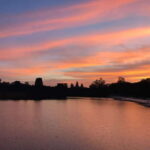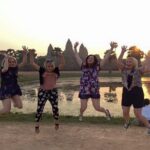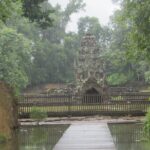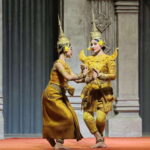
Waking up at 4:50am can still feel smart. This private Angkor sunrise tour turns the most famous moment in Cambodia into something calmer, easier, and way more personal—without wasting your morning in the crush. You leave Siem Reap early, ride through the jungle while the sky is still dark, then watch Angkor Wat wake up in slow motion.
Two things I really like: first, the focus on a private sunrise viewing spot with your guide handling the timing and crowd pressure. Second, the day is built around real breaks—breakfast, snacks, and plenty of water—so you’re not just temple-hopping until you’re a hot, tired mess.
One consideration: park entrance fees aren’t included, and it’s a long early start. Also, the itinerary is mostly walking and temple stairs, so if you’re sensitive to heat and steps, plan for a steady pace.
In This Review
- Key takeaways before you go
- Why this 4:50am Angkor Wat sunrise plan feels different
- The private vehicle and local guide advantage
- What you actually do: the flow after sunrise
- Stop 1: Angkor Wat
- Stop 2: Banteay Kdei
- Stop 3: Srah Srang (breakfast + reservoir views)
- Stop 4: Ta Prohm
- Stop 5: Angkor Thom
- Stop 6: Bayon Temple
- Snacks, the hidden temple stop, and why it matters
- Timing, heat, and how to get good photos without losing your mind
- Price and value: $135 plus Angkor Park tickets
- Who this tour suits best
- Should you book this private Angkor Wat sunrise tour?
- FAQ
- Is the Angkor Archaeological Park entrance fee included?
- What time does the tour start?
- How long is the tour?
- Do I get hotel pickup?
- Are there food and drinks included?
- What is the cancellation policy?
Key takeaways before you go
- A private sunrise approach means less stress and more control of where you stand when the light hits
- Comfort-first transport: round trip by private minivan, plus water during the day
- A guided storyline of the Khmer Empire, with stops like Ta Prohm and Bayon explained clearly
- Food built into the route: breakfast and snacks, including a stop at a smaller temple in the jungle area
- A smart Angkor Park mix: big names plus quieter ruins like Banteay Kdei
Why this 4:50am Angkor Wat sunrise plan feels different
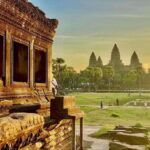
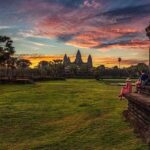
Angkor Wat sunrise is famous for a reason, but it can also be chaotic. When you go on a solo or group schedule, you often end up doing a lot of standing in lines, then scrambling for a decent view as the crowd thickens. This private format changes the mood fast.
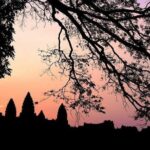
You start at 4:50am, which is early enough to catch the first light before the biggest wave of people. Your guide helps you keep your bearings—when to arrive, where to position yourself, and what to notice as the temple changes color. The goal isn’t just seeing the sunrise. It’s experiencing the moment with breathing room and a plan.
I also like that you’re not stuck on the clock after sunrise. After the sky show, you move through the archaeological highlights at a human pace. You’ll still cover major temples, but with a guide steering you between them.
You can also read our reviews of more private tours in Siem Reap
The private vehicle and local guide advantage
This isn’t a “drop you at the gates and hope for the best” kind of day. You get round trip by private minivan plus an English-speaking guide, and you stay together as a group from pick-up through the final stops.
That matters for two reasons:
1) Timing and logistics
Early mornings at Angkor can turn into an accidental stress course. Having one person managing the route helps you avoid unnecessary backtracking and keeps the day flowing.
2) Context while you walk
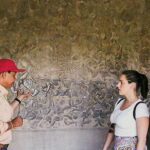
Angkor isn’t just scenery. It’s a layered city tied to Khmer rulers and evolving religious life. A good guide can connect the dots between what you’re seeing now and why it was built that way.
From past guests, the tour often runs with guides including Ben, Long, Yen, Narren, Ven, and Paren. If you’re paired with any of them, you can expect a friendly style plus a strong focus on history and how to handle the heat and crowds.
One more practical note: you’ll have drinking water throughout the day. In Siem Reap, you can’t “out-photos” the humidity. Water keeps you functional.
What you actually do: the flow after sunrise
This day is built like a classic Angkor circuit: start with the iconic view, then work through a sequence of temples that gradually expands the story—from best-known highlights to calmer corners of the park. Expect a 7 to 8 hour day, not a quick drive-by.
Admission to the archaeological park is not included, so you’ll want to budget for that ticket separately. The tour covers the guiding, transport, and on-site experience elements like breakfast and snacks.
Stop 1: Angkor Wat
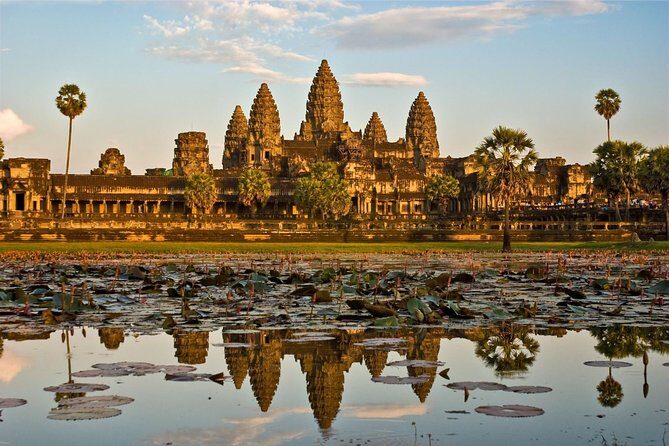
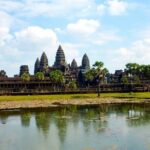
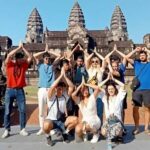
Angkor Wat is the reason most people wake up before their alarm. It’s the world’s largest and best-preserved Angkor monument, and it has a clean, disciplined design that makes it feel almost engineered—especially when the light first touches the stone.
What to look for during sunrise:
- The way the temple silhouette sharpens as brightness increases
- How shadows carve up the steps and causeways
- The changing mood on carvings as the sun clears the horizon
A private sunrise means you’re not spending the first half of the morning negotiating with other sight-seekers. Your guide can help you find a spot that makes viewing feel comfortable instead of frantic.
Practical tip: wear something you can move in. You’ll likely be standing for a bit before the sun fully arrives.
Stop 2: Banteay Kdei
After Angkor Wat, the pace shifts. Banteay Kdei is described as a quieter contrast to more famous, crowded sites. It also has an active Buddhist temple role in different periods, so it’s not just ruins frozen in time.
Why this stop works:
- It gives you variety after the huge Angkor Wat moment
- You’ll often feel less hemmed in, so photos and slow looking are easier
- Your guide can connect architecture and changing religious use
This is a good temple break for your legs. You’re still in the Angkor zone, but it feels less like a parade route.
You can also read our reviews of more tours and experiences in Siem Reap
Stop 3: Srah Srang (breakfast + reservoir views)
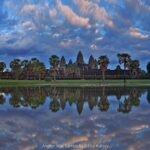
Next comes a reset. You get a breakfast stop and then time to relax with views of Srah Srang, the reservoir.
Reservoirs matter at Angkor because they connect to the city’s water management logic. Even if you don’t know the terminology yet, a guided walk helps you notice the bigger idea: these weren’t random decorative ponds. They were part of how the city functioned.
This stop also helps with energy. You’ll have already done a very early wake-up and a morning temple circuit. Breakfast plus a view is a smart way to keep the day enjoyable instead of falling apart by late morning.
Stop 4: Ta Prohm
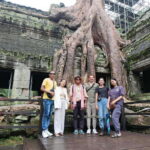
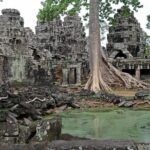
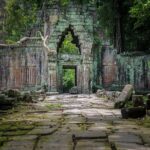
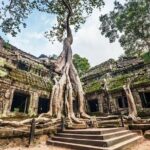
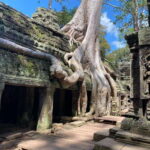
Then you hit the temple most people recognize even if they don’t know the name. Ta Prohm is famous for its ruin-and-jungle vibe, including giant trees growing through and around the structures.
Many international visitors call it the Tomb Raider Temple because it was featured in a film, and that pop-culture link is a fun shortcut for understanding why it looks the way it does.
What I like about stopping here on a guided circuit:
- Your guide can explain the site’s story beyond the movie association
- You get help spotting details that you might miss if you’re just chasing photos
This stop is where you’ll feel the most dramatic atmosphere. But it can also be a sweaty one if you’re not careful. Move slowly, hydrate, and don’t rush your camera.
Stop 5: Angkor Thom
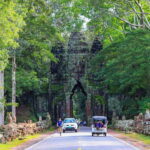
After Ta Prohm, you enter the big “city within the city” zone: Angkor Thom. This was the Khmer Empire’s final and enduring capital city, founded in the late 12th century, covering about 9 square kilometers.
The scale of Angkor Thom matters. It’s not just one temple. It’s a dense complex of structures from different periods. With a guide, you can understand why certain areas feel more monumental while others feel more tucked away.
Your guide can also help you make sense of what you’re looking at when you feel overwhelmed by how much is packed into one place.
Stop 6: Bayon Temple
Inside Angkor Thom sits Bayon Temple, closely tied to King Jayavarman VII. Bayon is known for its distinctive towers—54 towers are part of what makes it so memorable.
This is a strong closer because:
- Bayon gives you a clear visual identity to anchor the day
- You connect the architecture to Khmer royal power and artistic design
- The final viewpoint helps your brain “file” what you learned earlier
If Angkor Wat is the grand opener, Bayon is the thought-provoking finisher.
Snacks, the hidden temple stop, and why it matters
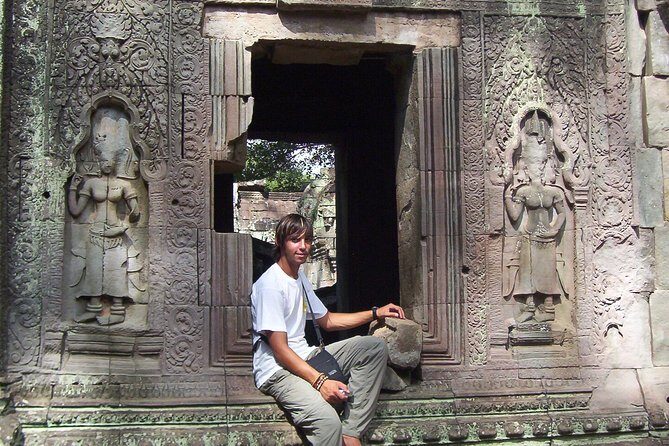
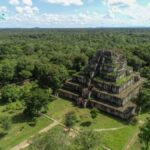
The tour also includes a snacks stop at a smaller temple in the jungle area. It’s not one of the headlines like Angkor Wat or Ta Prohm, but that’s exactly why it’s valuable.
Here’s the practical reason: when you’re spending a long morning moving through temples, energy dips hit fast. Snacks keep you going and keep the day comfortable. And a lesser-visited temple stop often feels more human—less like you’re stuck in a photo line, more like you’re actually walking through a place locals once used.
Timing, heat, and how to get good photos without losing your mind
You’re starting at 4:50am, which means you’ll beat crowds and catch the best light, but you’ll also feel the early morning grind. The trick is to accept that you’ll be tired for a bit and plan your “nice photos” around that reality.
My photo-and-comfort approach:
- Bring layers you can peel off later. Morning feels cooler than midday.
- Eat the breakfast stop. It’s scheduled for a reason.
- Hydrate steadily since you have water included, even if you don’t feel thirsty at first.
- Let your guide handle where to stand for sunrise. Trying to figure it out yourself at 5:20am is how you end up angry in a crowd.
Also, the private minivan helps with temperature control. Past guests praised the vehicle as clean and comfortable, and they mentioned safe driving and air-conditioning. That turns a long day into something you can actually enjoy.
Price and value: $135 plus Angkor Park tickets
The listed price is $135, and that can look like a lot until you break down what it’s buying you.
You get:
- Round trip private minivan
- An English-speaking guide
- Water throughout the day
- Breakfast and snacks
- A carefully timed sunrise experience
- A private group setup (not sharing the whole morning with strangers)
The trade-off is that entrance fees to the Angkor Archaeological Park aren’t included. So your final cost is $135 plus the park ticket you buy separately.
Still, for many people, the private part is the value. Angkor Wat sunrise is one of the rare travel moments where the difference between crowded chaos and calm viewing is huge. If you hate lines and want a smoother morning, you’re paying for comfort, timing, and guidance.
If you’re comfortable traveling independently and you’re fine with managing sunrise logistics yourself, you might spend less elsewhere. But if you want your day to feel organized from pickup to Bayon, this price structure usually makes sense.
Who this tour suits best
This private sunrise + Angkor circuit is a strong fit if you:
- Want sunrise at Angkor Wat without the stress of crowd negotiation
- Prefer a private vehicle and a guided route that reduces decision fatigue
- Like learning as you go, not just checking boxes
- Are traveling as a couple or small group and want things tailored to your pace
It’s also a good choice if you’re the type who enjoys the big icons—Angkor Wat, Ta Prohm, Angkor Thom, Bayon—but still appreciates quieter stops like Banteay Kdei and the reservoir setting at Srah Srang.
If you’re very budget-focused and don’t care about comfort, you could find cheaper options. But for a day that starts before dawn and includes lots of walking, paying for smoother logistics is often worth it.
Should you book this private Angkor Wat sunrise tour?
Book it if you want the sunrise to feel like an experience, not a scramble. The private format, the early start at 4:50am, and the guided circuit through key sites make it easy to get your money’s worth in comfort and stress reduction.
Skip it or think twice if you:
- Don’t want to pay extra for a private setup
- Mind early mornings
- Need a totally step-free plan, since temple stops typically involve walking and steps (even when the pace is managed)
My best advice: if Angkor Wat sunrise is a top goal for your trip, this tour is a smart way to protect that moment. You’ll spend the morning focused on viewing, then enjoy the rest of the park with structure, breaks, and a guide who helps the temples make sense.
FAQ
Is the Angkor Archaeological Park entrance fee included?
No. Entrance fees to the Angkor Archaeological Park aren’t included in the tour price, so you’ll need to arrange the ticket separately.
What time does the tour start?
The meeting time is 4:50am.
How long is the tour?
The duration is about 7 to 8 hours.
Do I get hotel pickup?
Pickup is offered, and the tour includes round trip by private minivan.
Are there food and drinks included?
Yes. You get drinking waters throughout the day, plus breakfast and snacks during the route.
What is the cancellation policy?
There is free cancellation. You can cancel up to 24 hours in advance for a full refund; canceling less than 24 hours before the start time isn’t refunded.