REVIEW · PHNOM PENH
Phnom Penh: 2-Day Aural Mountains Hiking Adventure
Book on GetYourGuide →Operated by Slina Smile Tour · Bookable on GetYourGuide
Phnom Aural earns every step. This 2-day trek takes you into the Cardamom Mountains from a remote village base, then pushes up to Cambodia’s highest summit for big 360-degree views. You get an English-speaking guide, plus the kind of day-by-day flow that keeps you moving without feeling rushed.
I especially love the start-to-finish sense of being off-grid: you’ll meet villagers at the base, then eat locally in the area instead of another cookie-cutter meal stop. I also like the mix of nature and story time at camp, including talks around the fire about the region’s ecology and history. You should consider the fact that this is physically demanding, and you’re far from modern comforts.
At night it can be cold (about 10–18°C), and while you’ll sleep deep in the forest, this isn’t a trip with a warm, cushy setup. If you’re not ready for early mornings, uneven trails, and a long day of hiking to the top, pick an easier route.
In This Review
- Key moments worth marking on your map
- Koh Kong to Phnom Aural: the 4:30AM start that changes everything
- Base-village welcome and the best kind of meal: the one you choose
- Day 1 trekking: lush forest steps, streams, waterfall breaks, and tractor adds-on
- Forest camp with a sunset view: when the Cardamom gets quiet
- Day 2 summit push: a plane crash site stop and Phnom Aural by noon
- Price and what you really get for $219
- Gear and weather: cold nights, heavy boots logic, and what to carry
- Who this hike suits (and who should skip it)
- Final verdict: should you book this Phnom Aural adventure?
- FAQ
- What meals are included in the 2-day hike?
- What time do you start on day 1, and when do you get back to Phnom Penh?
- Is a tent provided for camping?
- What should I bring for cold nights and the hike itself?
- Is the tour suitable for kids or people with mobility issues?
- Do I need to bring my own water?
- Is there anything I’m not allowed to do during the trek?
Key moments worth marking on your map
- 4:30AM meet-up and a long drive that sets you up to start before the heat
- Village stop at the base of Phnom Aural where you pick your lunch and meet locals
- Hand-tractor transfer in rainy season to reach the trekking start point
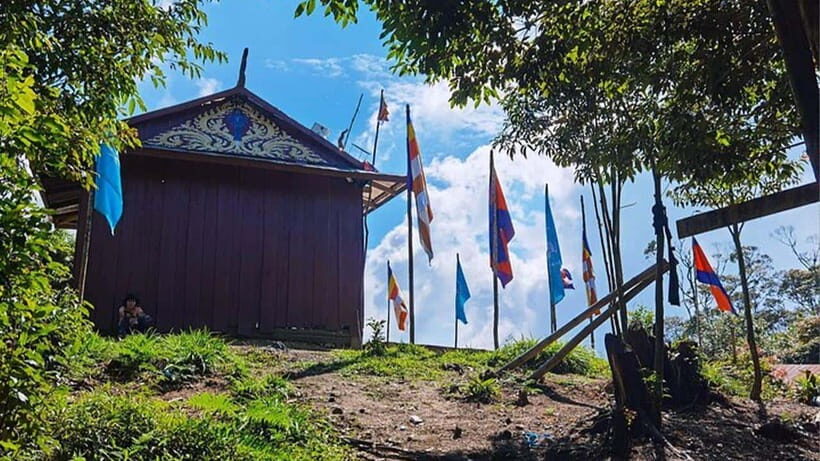
- Secluded forest camp with sunset views, campfire games, and dinner cooking around the fire
- Summit by noon on day 2 plus a stop at a plane crash site and wide-open 360 views
Koh Kong to Phnom Aural: the 4:30AM start that changes everything
Day 1 begins early: you meet your guide and driver around 4:30AM. That sounds intense, but the payoff is real. You’ll spend the morning hours getting from Phnom Penh area travel rhythms into the slower pace of the Cardamom region.
The drive is part of the experience. Along the way, you stop for breakfast before arriving at a remote village sitting at the base of Phnom Aural. Once you reach that village area, the trip stops feeling like a “tour” and starts feeling like a wilderness journey with a clear plan.
There’s also something calming about doing the hardest part first. When you start early, the hike feels more manageable, and you’re less likely to feel wrecked before you even reach the main trail sections.
You can also read our reviews of more tours and experiences in Phnom Penh.

Base-village welcome and the best kind of meal: the one you choose
When you arrive at the village base, you meet local villagers and get involved right away. You’ll pick your lunch there—practical and also a good way to slow down and understand where you are. It’s not just about food; it’s about transitioning into local life before you hit the forest.
This is one of the smartest parts of the trip if you care about authenticity. Instead of being shepherded to a fixed menu, you’re given a chance to interact and make choices based on what’s available locally.
The day includes meals built around the hike pace: 2 breakfasts, 2 lunches, and 1 dinner are included. That matters because a long trek can turn into a snack scramble if your food situation isn’t handled. Here, you’re already covered for the core fuel you’ll need on trail.
Day 1 trekking: lush forest steps, streams, waterfall breaks, and tractor adds-on
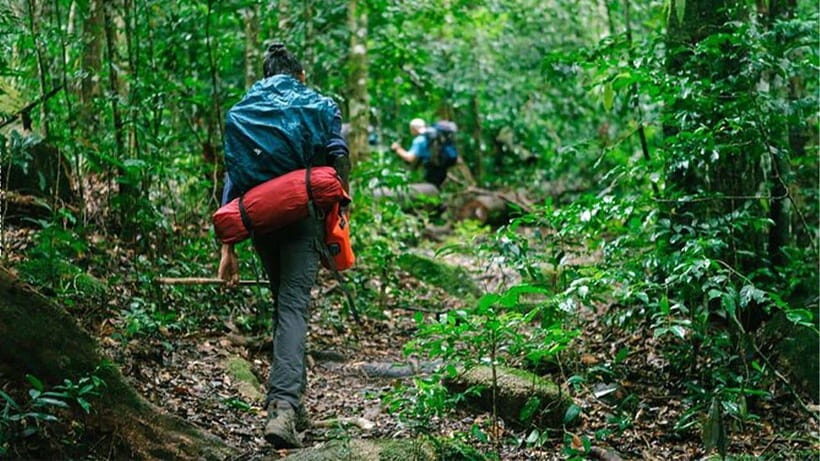
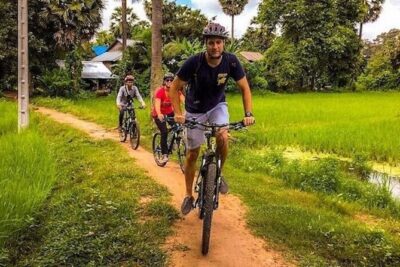
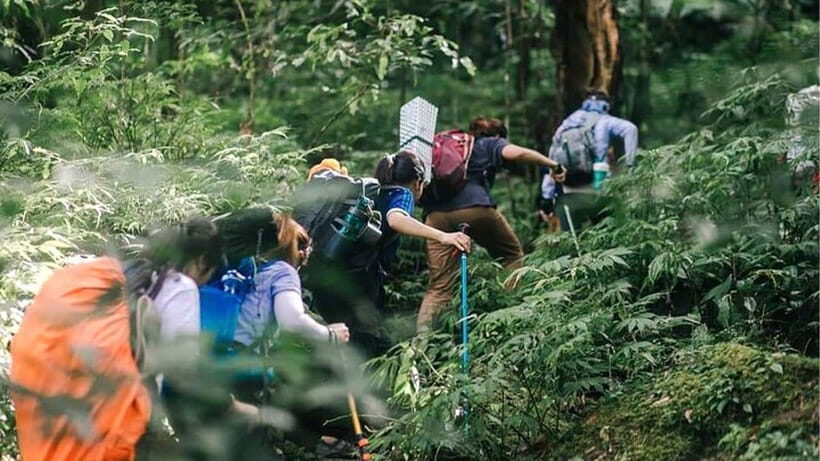
After lunch, you move into the trek route. The route takes you through lush forest, over small streams, and past viewpoints that feel like they’re for you, not for a crowd. Expect breaks during the hike, not just continuous grinding.
One detail I really appreciate is the way the itinerary builds in cooling moments. During the trek, you have lunch with a waterfall view, which gives you a natural reset for both your legs and your head. Even if you don’t swim, you’ll feel the temperature shift and the air change.
Timing also matters. The itinerary is structured so that you’re not just hiking all day with no rhythm. You’ll take breaks, stop for meals and views, and then shift toward camp as evening approaches.
In rainy season, there’s an additional practical step: you may ride a local hand tractor to get to the trekking point. This isn’t about comfort as much as it is about getting you through tougher terrain efficiently. If it’s rainy, mud can be brutal—this helps your boots and your energy last longer.
Also note the rules of the day: no touching plants, and of course no littering. In forests like this, those simple habits protect the place and help your guide keep things smooth.
Forest camp with a sunset view: when the Cardamom gets quiet
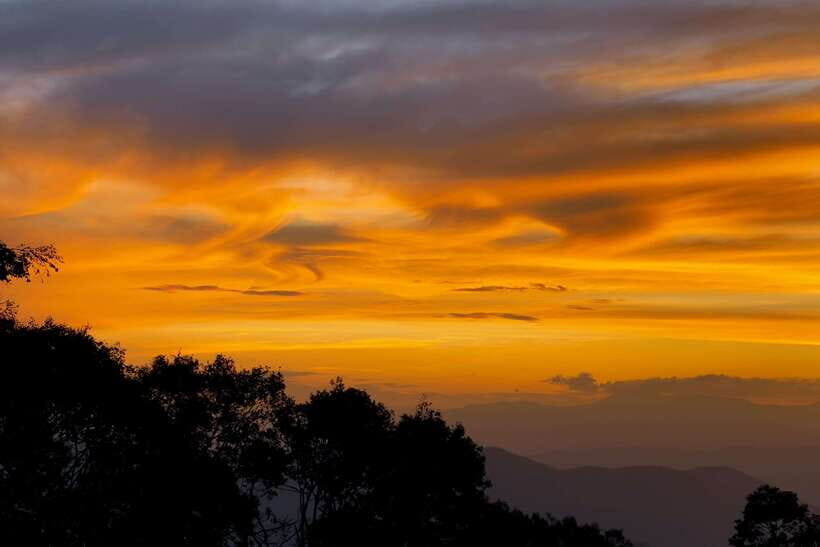
As evening comes in, you set camp in a peaceful, secluded spot deep in the forest. One of the best parts here is the scenery timing: you’re camping with a sunset view, not just sleeping somewhere and hoping for the best.
Camp setup is part of the reality check. A tent for 2 people is included, but you carry it yourself. That means you’ll want to pack with weight in mind. A heavier daypack feels fine for the first hour; it feels different by hour six.
Dinner and downtime are built around the campfire. You’ll cook dinner with a local drink, then play games together. This is where the trip becomes more social without turning into a loud party. It’s quiet enough to listen to the forest, and organized enough that you’re not sitting alone wondering how to pass the time.
Around the fire, you’ll also get stories about the region’s ecology and history. Even if you’re not the type who usually cares about “nature talks,” the forest setting makes it easier to pay attention. In fact, one of the consistent joys people describe is sleeping with birds and monkeys calling overhead. That’s the real wilderness vibe: you’re not just looking at nature; you’re hearing it.
Then you sleep under the stars. Just plan for cold. Nighttime temperatures can drop to roughly 10–18°C, so don’t treat this like a warm-weather campground.
Day 2 summit push: a plane crash site stop and Phnom Aural by noon
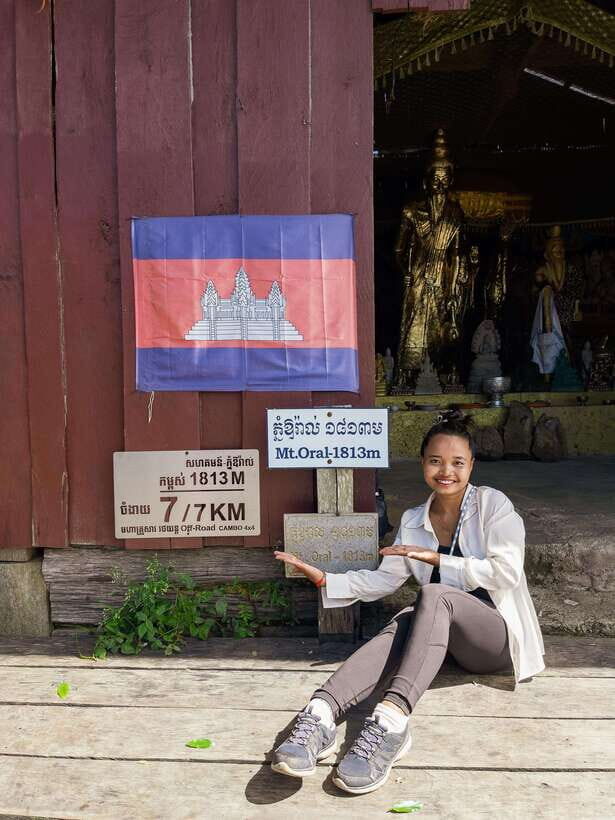
Day 2 starts with breakfast around 7:00AM. After that, you keep hiking toward the summit of Phnom Aural. This is the day that gives you the big reason for signing up in the first place.
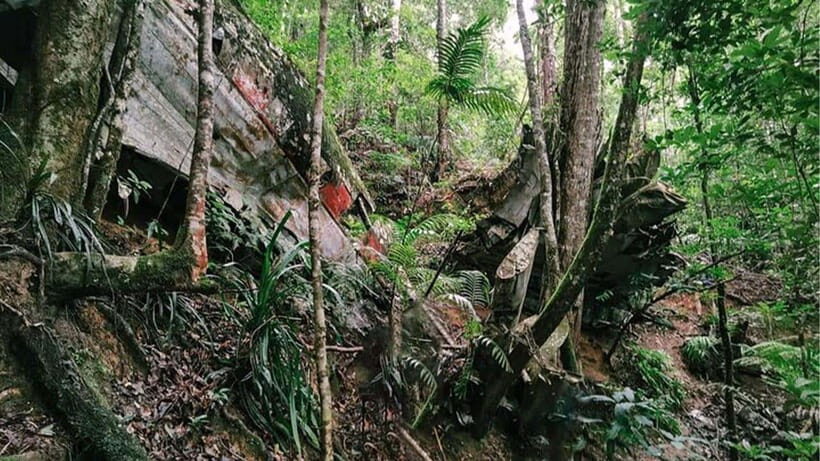
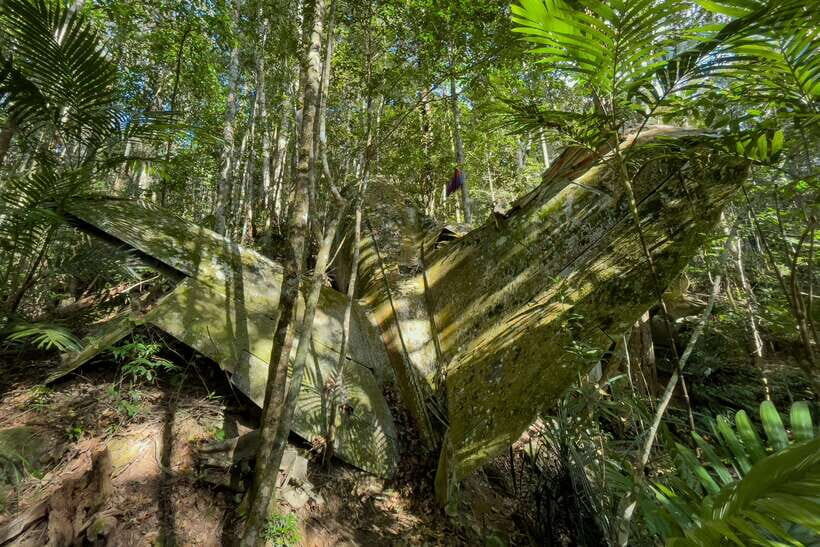
You’ll reach a plane crash site during the ascent. The stop adds a different angle to the mountain story—less about views for a moment, more about the human footprint in a remote landscape. It’s also a point many people don’t prioritize on shorter options, so if your goal is to see more than a standard summit photo, it’s a valuable inclusion.
By noon, the plan is to reach the peak. That timing matters: you get your 360 views with enough daylight for photos and for regrouping at the top. The views cover surrounding mountains in every direction, and that makes the climb feel like it “clicks” when you finally see the full scale of what you worked for.
If you still have time after the summit, you may explore more hidden places around the area before heading back. Then you return to the campsite for lunch, followed by the descent back down to the village. The itinerary ends with a drive back to Phnom Penh, arriving around 8–9PM.
That late arrival is worth planning for. It’s not a mid-day return. If you’re connecting to another trip the same night, you’ll likely feel rushed.
You can also read our reviews of more tours and experiences in Phnom Penh

Price and what you really get for $219
At $219 per person for two days, this is not a cheap stroll. It’s a hike package with logistics built in: transportation for the whole trip (bus and tractor), meals (2 breakfasts, 2 lunches, 1 dinner), community entrance fees, a first aid kit, and hot drinks like tea and coffee. Water is also handled with refilled water and hot water during the trip.
What you’re paying for is the hard-to-organize part: getting you to a remote base, moving you in rainy-season conditions when needed, and keeping you fed and safe while you hike. Many people underestimate how expensive and time-consuming it is to arrange a multi-day, remote jungle hike with proper local entry fees.
You should also budget for what’s not included. Dinner on day 2 is not included, and snacks, soft drinks, and alcohol are your responsibility. If you want extra comfort, there’s also an optional extra tent fee of $10 if you’re traveling solo.
Your own gear matters too. The trip provides a tent, but you bring key items like a sleeping bag and pillow, plus daytime hiking basics (hat, sunscreen, insect repellent). Those costs vary, but if you don’t already own proper cold-night gear, factor that into your real total budget.
Gear and weather: cold nights, heavy boots logic, and what to carry
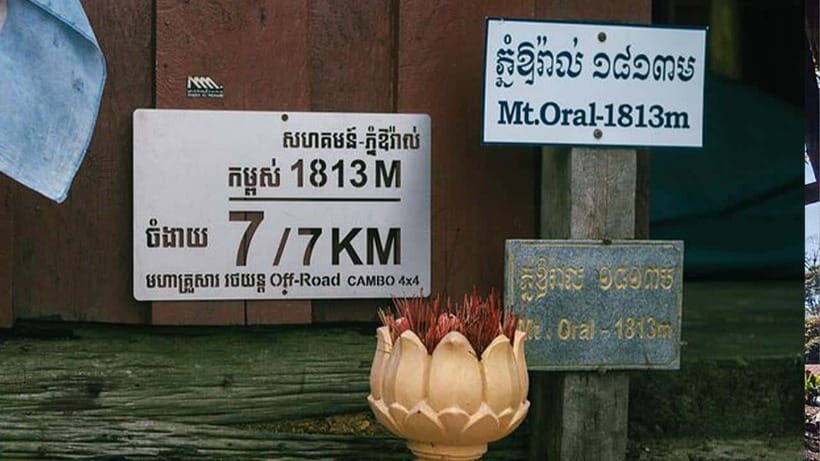
This is a jungle hike, not a city day. You’ll want to plan for heat on the trail and cold at night. The nighttime temperature range (about 10–18°C) is a big clue: pack like you’ll be camping, not like you’re “just sleeping outside.”
Bring a daypack and the basics you’ll use on the move: a hat, sunscreen, insect repellent, and weather-appropriate clothing. The route goes through forest and stream crossings, so comfortable hiking clothes and a breathable layer system help more than one thick outfit.
The trip also suggests practical tools:
- gloves and a flashlight
- a scarf and motion sickness prevention (if you’re sensitive on bumpy roads)
- sturdy footwear like hiking sandals or shoes, plus socks
- a cup and a meal box with a spoon/fork setup
- mosquito spray and shower items if you need them
One more gear rule that’s easy to miss: your carry bag should be under 5kg. That’s not about being strict; it’s about making sure you can handle your share of the tent and still hike comfortably.
Also, please don’t bring jewelry or expensive valuables. That’s not just a safety statement; it also keeps your mind calm while you’re focused on footing and stamina.
Who this hike suits (and who should skip it)
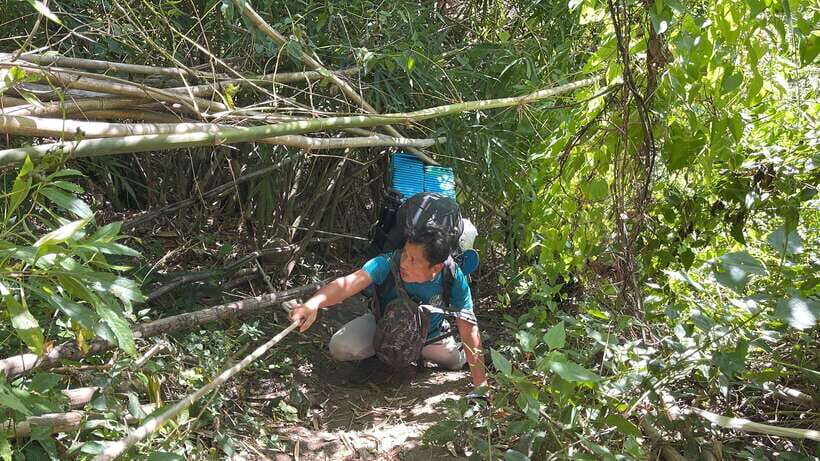
This trek is for people who can hike steadily and handle physical strain. The trip is described as physically demanding, with uneven terrain in hot, humid conditions.
It’s not suitable for:
- children under 12
- pregnant women
- people with mobility impairments
- people with heart problems
If you’re fit but not experienced with jungle hiking, you can still do it—just be honest about your conditioning. The descriptions of heat-heavy trekking and the summit payoff make it clear: you don’t need athlete status, but you do need stamina and patience.
If you love nature with a social camp element, this trip hits a sweet spot. You hike hard in the day, then you share stories and games at night. It’s not a silent retreat, but it also isn’t a party.
And if your goal is to see more than the most obvious viewpoints, you’ll probably enjoy the extra stops, including the plane crash site and the chance to explore additional hidden spots around the area if time allows.
Final verdict: should you book this Phnom Aural adventure?
I’d book this if you want a real two-day wilderness hiking experience in the Cardamom Mountains, with a summit goal that’s worth training for. The combination of remote village context, waterfall breaks, secluded forest camping, and summit timing by noon is a strong package for $219—especially since meals, water refills, transport, and entry fees are handled.
I wouldn’t book it if you hate early starts, don’t like cold nights camping, or can’t handle a physically demanding hike. Also, if you rely on easy logistics and constant comforts, this isn’t that kind of tour.
One practical note: the communication and setup from Lina is highlighted as a strength, so if you like knowing the timings and what to expect, you’ll likely feel looked after from the first message. You’ll still do the work on the trail, but the plan should feel clear.
If you want a mountain challenge that ends with genuine quiet and starry camping, this Phnom Aural hike is a solid choice.
FAQ
What meals are included in the 2-day hike?
The trip includes 2 breakfasts, 2 lunches, and 1 dinner. Dinner on day 2 is not included.
What time do you start on day 1, and when do you get back to Phnom Penh?
You meet your guide and driver at about 4:30AM on day 1. On day 2, the drive back to Phnom Penh arrives late in the evening, around 8–9PM.
Is a tent provided for camping?
Yes. A tent for 2 people is included. You carry it yourself, and you still need your own sleeping gear like a sleeping bag and pillow.
What should I bring for cold nights and the hike itself?
Bring a sleeping bag and pillow, plus hiking clothes and layers for changing temperatures. The trip also recommends a hat, sunscreen, insect repellent, gloves, a flashlight, and weather-appropriate clothing. Nighttime can be cold (about 10–18°C).
Is the tour suitable for kids or people with mobility issues?
No. It isn’t suitable for children under 12, pregnant women, people with mobility impairments, or people with heart problems.
Do I need to bring my own water?
You should bring a bottle for refilling. The tour includes refilled water and also hot water.
Is there anything I’m not allowed to do during the trek?
Smoking and littering are not allowed, and you should not touch plants.