REVIEW · SIEM REAP
Private 2 Days To Major Angkor Temples From Sunrise To Sunset
Book on Viator →Operated by Angkor Wat Driver · Bookable on Viator
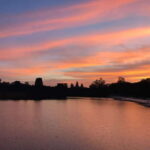
Sunrise at Angkor Wat sets the tone. This private 2-day circuit runs from a 5:00 am start through a sunset return at Phnom Bakheng, with hotel pickup, an air-conditioned car, and a mobile ticket to help keep the morning smooth.
What I like most is how the tour handles the physical grind without making it feel like a chore. You get ice-cold towels and drinks at the right moments, and the driving is repeatedly praised as safe and on time by guides and drivers like Mr Wan and Seiha.
The other big plus is your guide. People mention English that actually works on-site and a lot of real temple context from guides such as Sorporn, Sophorn/Sorphorn, and Soaphann, plus flexibility for families (including small kids). One caution: temple admission is not included, so you’ll want to budget for the Angkor passes before you go.
In This Review
- Key highlights you’ll feel right away
- The 5:00 am start that makes Angkor Wat make sense
- Angkor Wat: walk the main monument, not just the postcard parts
- Bayon and Angkor Thom: the South Gate to the throne-room vibe
- Ta Prohm: the jungle-temple look, with time to actually see it
- Day 2 pickup at 8:30: a more relaxed start, then a full temple rhythm
- Pre Rup: the Shiva temple viewpoint
- Eastern Mebon: similar style, distinctive elephant angles
- Banteay Srei: the pink sandstone carving day
- Ta Som, Neak Pean, and Preah Khan: where the day turns quieter
- Phnom Bakheng sunset: the hilltop finish
- Price and value: what $250 per group really means for you
- Comfort details that matter on long temple days
- Who this private 2-day plan suits best
- Booking decision: should you pick this tour?
- FAQ
- What time does the tour start?
- How big is the private group?
- What’s included in the price?
- Are temple admission tickets included?
- Where is pickup and drop-off provided?
- What temples are included across the two days?
- What happens if weather is poor?
Key highlights you’ll feel right away
- Sunrise lighting at Angkor Wat plus a full walk inside the complex at an unhurried pace
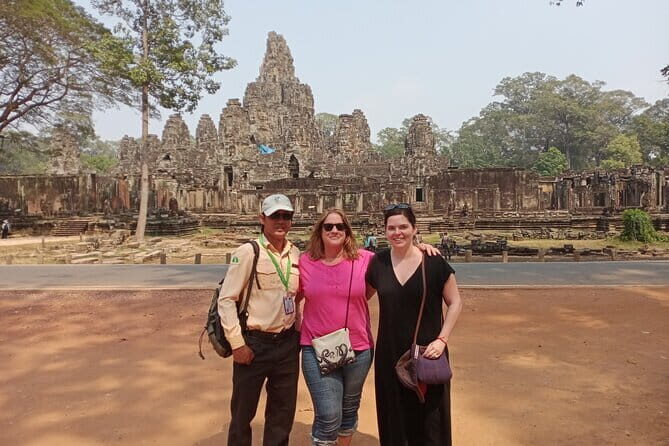
- Angkor Thom from the South Gate with Bayon, Baphuon, and terrace areas like the Elephants and Leper King
- Ta Prohm in its natural, jungle-covered state without rushing past the details
- Banteay Srei’s pink sandstone carvings on an outskirt temple day
- End with Phnom Bakheng sunset for that classic hilltop view over the Angkor area
The 5:00 am start that makes Angkor Wat make sense
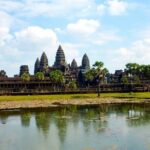
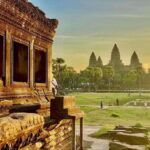
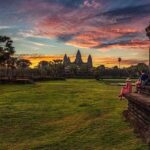
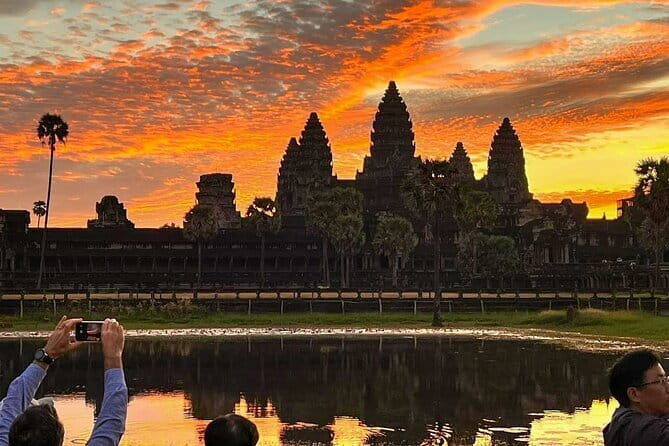
If you only do Angkor Wat at mid-morning, you’ll miss what makes it special. Going early means the stone is lit from a kinder angle, and you get that wow moment before the day turns into a crowd-funnel.
This tour also gives you something practical: a private setup with hotel pickup and a driver who gets you there on time. The sunrise experience is built in as the first moment of Day 1, then the schedule keeps moving through the main temple grounds afterward.
You’ll spend about 2.5 hours exploring Angkor Wat itself, which is the right length. It’s enough time to walk the important axes, pause for photos, and still feel like you’re sightseeing rather than stampeding.
You can also read our reviews of more private tours in Siem Reap
Angkor Wat: walk the main monument, not just the postcard parts
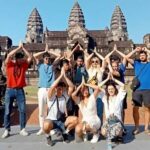
Angkor Wat is huge, but this plan is designed to cover the monument in a way that feels complete. You’ll start with the sunrise viewing, then transition into exploring the complex for roughly 2.5 hours.
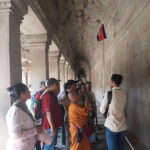
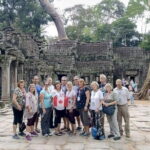
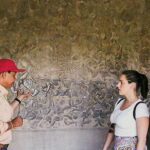
A big value here is private guidance. A good guide helps you read what you’re seeing: why the layout matters, what the spaces were used for, and how the carvings relate to the broader temple story. People highlight how their guides (including Sorporn and Sorphorn) shared stories that made the stone feel less like background and more like a message.
Possible drawback: this is a long morning. From a practical standpoint, I’d consider this tour best if you can handle early starts and a full temple day without needing frequent breaks.
Bayon and Angkor Thom: the South Gate to the throne-room vibe
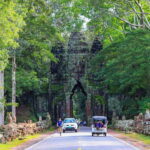
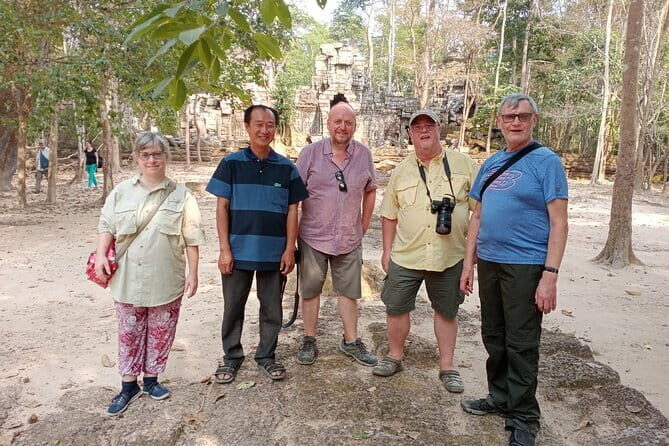
After Angkor Wat, the route moves to Angkor Thom, starting from the South Gate. That entrance matters because it frames the day: you’re entering a city of temples, not just a single site.
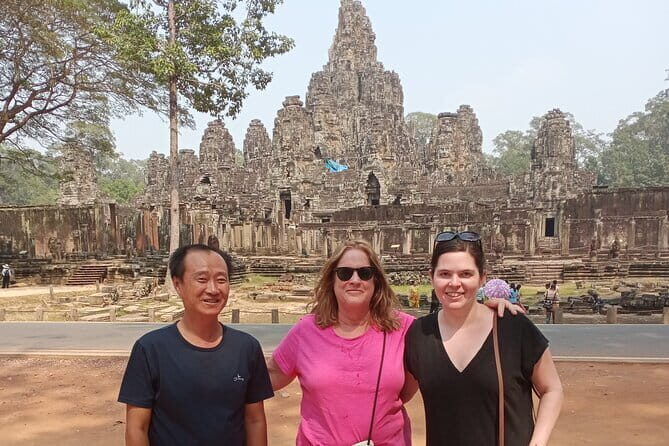
You’ll then cover the core Angkor Thom highlights, including Bayon and Baphuon, plus terrace areas like the Elephants Terrace and the Leper King Terrace. The time window is about 2 to 2.5 hours here, which is helpful because it lets you slow down where the details are.
Bayon is famous for its faces, but the real payoff comes when you understand how the complex is arranged and why people keep returning to specific angles for photos. A private guide helps you avoid the worst bottlenecks and find the best viewing moments without wasting time.
Ta Prohm: the jungle-temple look, with time to actually see it
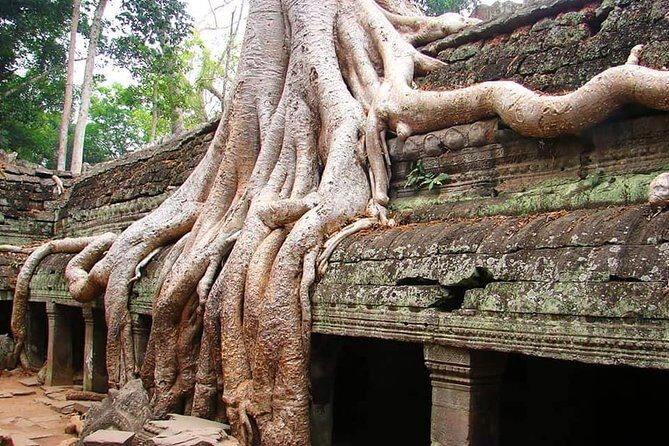
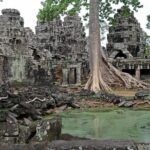
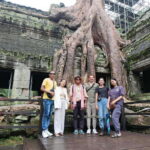
Ta Prohm is the temple most people recognize immediately, thanks to its famous movie connection. The tour leans into the natural look—jungle growth over temple structures—so you’re not just checking a box.
You’ll spend about 1 hour here. That’s a good balance: enough time to walk the main sections, notice how roots and stones interact, and still keep momentum for the rest of the day on Day 1.
One consideration: Ta Prohm can feel visually busy, especially if you’re heat tired from the early morning. If you want lots of close-up photos, plan for a slower pace and accept that the environment is part of the show.
Day 2 pickup at 8:30: a more relaxed start, then a full temple rhythm
Day 2 starts with a hotel pickup around 8:30 am. This is later than the Day 1 early morning, and that matters if you want to enjoy the temples instead of just surviving them.
The first stop is Pre Rup, then you work outward and inward again across several major and lesser-visited sites. It’s still a packed day, so the key is that the air-conditioned car and on-site cold drinks help keep your energy steady.
You can also read our reviews of more evening experiences in Siem Reap

Pre Rup: the Shiva temple viewpoint
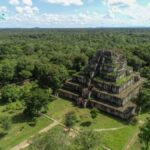
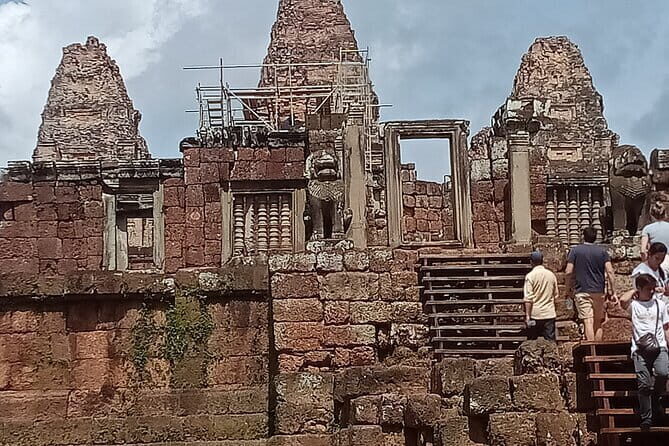
Pre Rup is a Hindu temple dedicated to Shiva. It’s built from clay brick and dates to the mid-10th century, and it has that classic Angkor-city feel: not just one structure, but a temple with a viewpoint.
You’ll have about 1 hour for Pre Rup, including time to take in the surroundings. In practical terms, this is a strong start for Day 2 because it shifts the mood from Angkor Wat’s sunrise glow to something calmer and more scenic.
If you’re the type who likes temples for what they tell you, Pre Rup is a good fit. A capable guide can connect the religious meaning to the way the site is built and how people moved through the space.
Eastern Mebon: similar style, distinctive elephant angles
From Pre Rup, you head to Eastern Mebon. Like Pre Rup, it’s described as a clay brick temple, and it’s often called the former island temple.
The detail that gets attention here is the elephant statues on different directions—so instead of looking only at the overall shape, you’re encouraged to spot the carvings from multiple angles. Time is shorter here (about 45 minutes), which keeps the itinerary moving.
This stop works well if you’re starting to notice patterns across the region—same material style, but different decorative focus.
Banteay Srei: the pink sandstone carving day
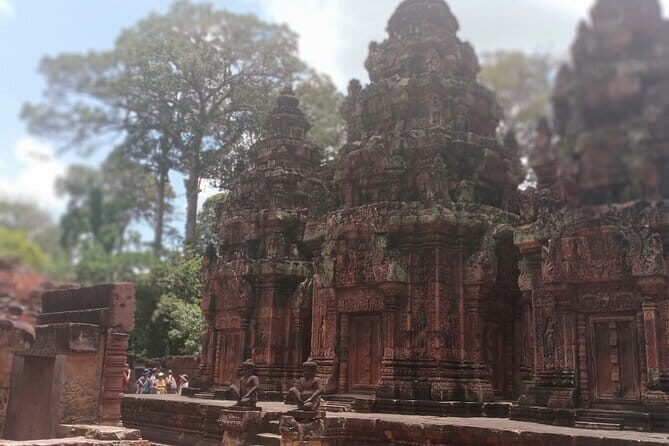
Banteay Srei is an outskirt temple, about 38 km away, and it takes around 45 minutes by drive. The payoff is the surface detail: intricate carvings made from pink sandstone.
You’ll spend about 2 hours at Banteay Srei, and that longer time budget is why this stop is often a highlight. It gives you room to look slowly, compare carvings, and enjoy how delicate many details feel compared with larger stone complexes.
Possible drawback: since it’s farther out, you’re more dependent on road timing and comfort. The good news is that this tour includes an air-conditioned vehicle and cold drinks, so the travel doesn’t have to feel miserable.
Ta Som, Neak Pean, and Preah Khan: where the day turns quieter
After Banteay Srei and lunch time nearby, you continue to Ta Som. This is a Buddhist temple with an overgrown condition and smiling Buddha faces at the entry gate.
You’ll spend about 35 minutes here. That’s not a lot, but for a stop like Ta Som, it can be perfect. You get the entrance faces, walk the key sections, and keep the day’s energy from collapsing.
Next comes Neak Pean, called the coiled of serpent, and described as a former ancient hospital using holy water to cure disease. It’s also noted as originally Buddhist, so you’re seeing a mix of function and symbolism in the same site.
Time is about 45 minutes. Neak Pean can feel reflective rather than dramatic, so it’s a nice pace break before moving into the bigger temple mood again.
Then you finish the temple sweep with Preah Khan, described as the second largest temple after Angkor Wat and dedicated to Mahayana Buddhism. It’s also mentioned as serene and remains in a natural state, with a huge stupa in the central tower.
You’ll have about 1 hour at Preah Khan. This stop can feel like a breather because it’s less about one single famous photo angle and more about letting the space build in your head.
Phnom Bakheng sunset: the hilltop finish
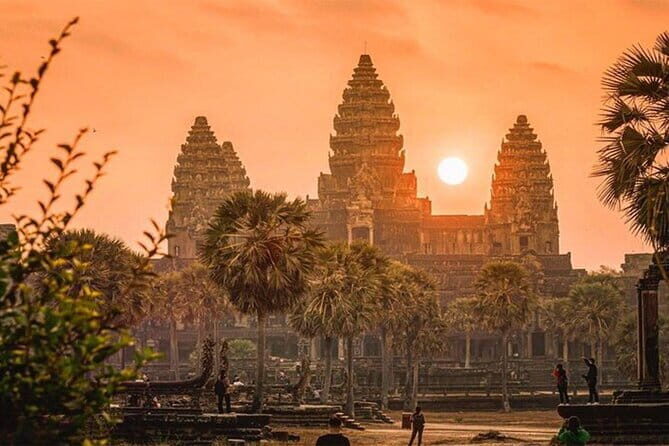
The final stop is Phnom Bakheng, chosen for sunset views. The guide and driver take you to the hilltop temple, described as the oldest Hindu temple built in ancient Angkor city.
You’ll have about 1 hour here, which is a smart window. Sunset at Angkor-area viewpoints depends on timing, light, and crowd flow, and private pacing helps you focus on getting the best views without feeling trapped.
One consideration: the climb and viewpoint conditions can be tiring if you’re already worn down from two days. This tour does include cold drinks and towels, but it’s still a classic Angkor finish that asks for some stamina.
Price and value: what $250 per group really means for you
The price is $250 per group, up to 5 people. On a per-person basis, that’s $50 each at full group size, before temple admissions.
Temple passes are not included. The cost noted is $37 per person for day 1, using the stated figure. Since Day 2 admission pricing isn’t specified here, you should budget for passes for both days and confirm the exact total with the operator before you lock it in.
What you are paying for is clear:
- a private guide and driver
- hotel pickup and drop-off
- an air-conditioned vehicle
- cold drinks and cold towels
- a planned sunrise and sunset structure
That’s good value if you’re traveling as a family or a small group. It’s also a strong choice if you want someone to manage timing and help you pick the best spots for photos and viewing.
If you’re traveling solo or as a couple, the price per person can climb fast. In that case, decide if you’d rather pay for privacy and guidance or piece together a cheaper self-guided plan.
Comfort details that matter on long temple days
Two things keep getting mentioned in a positive way: comfort and service tone.
People praise cold water and cold towels after each temple, with some describing the towels as lemony-scented. That sounds minor until you’re standing under heat and humidity at major sites. It’s the kind of small detail that keeps you from turning cranky halfway through the day.
The driving also gets strong marks for being safe and punctual, with named drivers like Mr Wan and Seiha showing up in feedback. One more practical note: you’re in an air-conditioned vehicle, so the travel time between sites doesn’t have to drain you.
Private touring is another comfort factor. You’re not tied to a rigid group pace, and you can ask your guide to adjust the order or spend a little longer at a detail you care about.
Who this private 2-day plan suits best
This is a strong match if you want a structured Angkor experience with flexibility, not just transport. It’s especially good for:
- first-timers who want the major names covered well
- families who need a guide who can adapt (including for small children)
- photography-minded visitors who want help with timing and viewing angles
- small groups up to 5 who value a private guide more than saving on cost
It may be less ideal if you want a super-spare schedule. The second day includes multiple stops with moderate walking, and the overall plan assumes moderate physical fitness.
Also note that the experience requires good weather. If conditions are poor, the day may change (or you’ll be offered a different date), so keep some flexibility in mind.
Booking decision: should you pick this tour?
I’d book this tour if you want the most famous Angkor hits with a guide who can explain what you’re seeing, and you value comfort during the long hours. The sunrise-to-sunset structure makes the temples feel like a journey, not a checklist.
I’d think twice if you’re trying to minimize total costs, because temple admissions are extra and Day 2 can add to your pass budget. And if early mornings are a real struggle for you, Day 1’s 5:00 am start will be the big test.
If you can handle the pace, you’ll get a well-rounded mix: Angkor Wat and Bayon faces, Ta Prohm’s jungle look, Banteay Srei’s carving focus, and a classic Phnom Bakheng sunset finish.
FAQ
What time does the tour start?
The start time is 5:00 am for the Angkor sunrise experience.
How big is the private group?
It’s a private tour for your group only, with up to 5 people per group.
What’s included in the price?
The tour includes private guide and transportation, an air-conditioned vehicle, hotel pickup and drop-off, plus cold drinks and cold towels.
Are temple admission tickets included?
No. Admission passes are not included. The information provided notes $37 per person for day 1 temple access.
Where is pickup and drop-off provided?
You’re picked up from your hotel and dropped back at the end of the tour.
What temples are included across the two days?
You’ll visit Angkor Wat, Angkor Thom (including Bayon and Baphuon), Ta Prohm, then on Day 2: Pre Rup, Eastern Mebon, Banteay Srei, Ta Som, Neak Pean, Preah Khan, and Phnom Bakheng for sunset.
What happens if weather is poor?
The experience requires good weather. If it’s canceled due to poor weather, you’ll be offered a different date or a full refund.